×

Algeria🇩🇿 | townsAin SefraSaharan Atlas foothills, red rock canyons, winter snow | things to do and best time to go

Explore In SalahExplore Boumerdes

Backpacking in Ain Sefra
🌟 Highlighttown ranked #4
By Johan Kruseman 🇳🇱 | Updated June 11, 2026

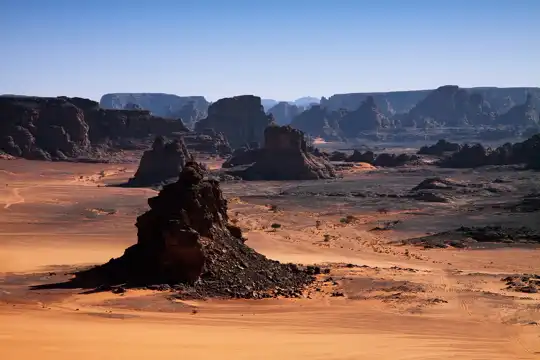
The first real fork in the road at Ain Sefra is this: do you treat it as a destination or a launchpad? That choice matters, because Ain Sefra isn’t a place that hands you its magic on arrival—you have to work for it. Tucked in western Algeria, at the edge where the Saharan sand starts to muscle into the Atlas foothills, Ain Sefra is less a town for bucket-list sights and more a mood: ochre hills, dry wind, the faint scent of wild thyme, and the hush that settles after the last bus leaves. For backpackers, it’s a practical stopover between Béchar and the deeper desert, but it’s also the best base for hiking the red dunes or catching the rare snow that sometimes dusts the sand. The old French fort is more atmospheric than impressive, and the town itself is compact—walkable, but you’ll want a shared taxi for anything beyond. Evenings are slow, with a couple of cafés and the odd traveler swapping stories, but don’t expect a hostel scene. Costs are low, safety is typical for rural Algeria (cautious but not tense), and compared to busier Béchar, Ain Sefra feels quieter, more honest, and just a little bit wild.

Discover everything you want to know in the 📖 Algeria Travel Guide.


Get your Algeria guide
91 ranked highlights, routes & tips, works offline (356 pages)
Loading the map 🌍
CLICK TO FILTER
cities
towns
landmarks
national parks
hikes
beaches
attractions
festivals
SHOW COUNTRY’S BESTSHOW ALL

✨ Why go?
Ranked #4 town in Algeria
What makes this town worth visiting

Backpackers flock to Ain Sefra for its unique position as a gateway to the Sahara. This town isn’t just a stopover; it’s a launchpad for hikes into the surrounding dunes and mountains. The crisp desert air carries the scent of spices from local food stalls, where you can savor tagines and couscous that feel like a warm hug after a day of trekking.

The walkable streets invite exploration, making it easy to connect with fellow travelers in cozy guesthouses or small-scale hostels. You’ll find a friendly atmosphere, perfect for solo travelers or those in small groups looking to share stories over a cup of mint tea. Most visitors stay a few days, soaking in the local culture and planning their next adventure.

While Ain Sefra isn’t a nightlife hub, its charm lies in the tranquility and the chance … read more 👉
Backpackers flock to Ain Sefra for its unique position as a gateway to the Sahara. This town isn’t just a stopover; it’s a launchpad for hikes into the surrounding dunes and mountains. The crisp desert air carries the scent of spices from local food stalls, where you can savor tagines and couscous that feel like a warm hug after a day of trekking.

The walkable streets invite exploration, making it easy to connect with fellow travelers in cozy guesthouses or small-scale hostels. You’ll find a friendly atmosphere, perfect for solo travelers or those in small groups looking to share stories over a cup of mint tea. Most visitors stay a few days, soaking in the local culture and planning their next adventure.

While Ain Sefra isn’t a nightlife hub, its charm lies in the tranquility and the chance to unwind before heading deeper into the desert. If you’re a slow traveler or a hiker, this town offers a meaningful pause, blending convenience with authentic experiences.
Want to include Ain Sefra in your Algeria route?
Create a personalized Algeria itinerary that includes Ain Sefra and the places that fit your trip — based on your travel style, budget, and available time. Get your route in seconds.

Generate my trip

💡 HighlightsKey sights and experiences for travelers

  1. Old Ksar / Medina of Ain Sefra — A compact maze of narrow alleys and earthen houses that gives you the clearest feel for how people lived here before cars and modern blocks arrived. Great for wandering; locals sell small goods and you’ll catch authentic daily life rather than staged tourism.
  2. The Grand Mosque (Grande Mosquée) — The town’s main mosque is worth seeing for its architecture and for the rhythm it gives to the day: call to prayer, courtyard life, and the quiet dignity of a community center that’s more than religion.
  3. Ain Sefra Souk (weekly market) — The local market is where you meet people, taste regional staples, and find handicrafts, spices, and fresh produce. Markets change day-to-day, so ask when the best market day is and arrive hungry and curious.
  4. Ain Sefra Railway Station
read more 👉
  1. Old Ksar / Medina of Ain Sefra — A compact maze of narrow alleys and earthen houses that gives you the clearest feel for how people lived here before cars and modern blocks arrived. Great for wandering; locals sell small goods and you’ll catch authentic daily life rather than staged tourism.
  2. The Grand Mosque (Grande Mosquée) — The town’s main mosque is worth seeing for its architecture and for the rhythm it gives to the day: call to prayer, courtyard life, and the quiet dignity of a community center that’s more than religion.
  3. Ain Sefra Souk (weekly market) — The local market is where you meet people, taste regional staples, and find handicrafts, spices, and fresh produce. Markets change day-to-day, so ask when the best market day is and arrive hungry and curious.
  4. Ain Sefra Railway Station — The old station is a concrete reminder of the colonial-era rail links and the town’s historical role as a gateway to the Sahara. Even if trains aren’t the travel plan, the building and platform have that lived-in, stamped-ticket atmosphere.
  5. Edge-of-town sand dunes — Ain Sefra literally sits where town meets Sahara: short walks out of town drop you into wind-sculpted dunes. Sunsets here are superb; bring warm clothes if you’re photographing the light after sundown (temperatures swing fast).
  6. Hilltop viewpoint / kasbah ruins — A short climb to the rim above town reveals sweeping views of the oasis, the dunes and the surrounding rocky ridges. You’ll see why people settled here — the panorama explains the town’s strategic placement.
  7. Local tea houses and cafés — Low-key, social places where you’ll sip mint tea, smoke a hookah if you like, and overhear conversation about ranching, weather, and local news. They’re small cultural capsules and great for practicing a few Arabic or French phrases.
  8. Community cemetery and marabout shrines — Visiting respectfully gives insight into local spiritual practices, genealogy and village clan structure. The simple tombs and small shrines tell stories outsiders don’t often see in guidebooks.
  9. Municipal market street and colonial-era façades — Walk the main commercial strip to spot older French-era buildings, shuttered shops with painted signs, and the patchwork of architecture that marks Ain Sefra’s 20th-century changes. It’s low drama but high context for the town’s history.
  10. Local Artisan Workshops (carpentry, leather, weaving) — Small family workshops still operate in town; if you ask politely you can watch craftsmen at work and sometimes buy an inexpensive, handmade item. It’s a direct way to support local families and take home something genuinely made there.
A few real, visitable highlights just outside town that make easy day trips: the dunes and oases around Taghit, stretches of the Grand Erg Occidental dune sea, and the nearby Saharan Atlas foothills where simple mountain drives and small villages give a different, complementary side of the region.
Spotted a mistake or missing something? Contact us.

🏘️ NeighborhoodsKey areas and districts to know

Ain Sefra, the gateway to the Sahara, is a blend of rugged beauty and rich culture. Each neighborhood offers a unique flavor for backpackers.

Centre Ville: This is the heart of Ain Sefra. The streets buzz with local life, and you’ll find cafes where the scent of mint tea wafts through the air. It’s walkable, making it easy to explore markets and street vendors. Costs are moderate, and you can find budget-friendly accommodations. Perfect for short stays, the nightlife is low-key, with a few spots to enjoy local music.

Ksar El Kebir: A bit quieter, this area is known for its traditional architecture and historical significance. The vibe is laid-back, ideal for those wanting to soak in the local culture. It’s slightly more affordable than Centre Ville, with guesthouses that offer a glimpse … read more 👉
Ain Sefra, the gateway to the Sahara, is a blend of rugged beauty and rich culture. Each neighborhood offers a unique flavor for backpackers.

Centre Ville: This is the heart of Ain Sefra. The streets buzz with local life, and you’ll find cafes where the scent of mint tea wafts through the air. It’s walkable, making it easy to explore markets and street vendors. Costs are moderate, and you can find budget-friendly accommodations. Perfect for short stays, the nightlife is low-key, with a few spots to enjoy local music.

Ksar El Kebir: A bit quieter, this area is known for its traditional architecture and historical significance. The vibe is laid-back, ideal for those wanting to soak in the local culture. It’s slightly more affordable than Centre Ville, with guesthouses that offer a glimpse into local life. Walkability is decent, but you might need to rely on taxis for longer distances. Great for longer stays, especially if you want to connect with the community.

Outskirts: If you’re seeking solitude, the outskirts provide stunning desert views and a chance to escape the hustle. Accommodations here are more rustic and often cheaper. Transport options are limited, so plan ahead. This area is best for longer stays, allowing you to fully immerse yourself in the desert experience. The quiet here is profound, perfect for reflection or stargazing after a long day of exploration.

⌛️ 1 dayA smart one-day plan

Ain Sefra, often overshadowed by its more famous neighbors, is a captivating town at the edge of the Sahara, where the golden dunes meet the rugged Atlas Mountains. The air here carries a hint of spice and earth, a reminder of the rich Berber culture that thrives in this corner of Algeria. Spending a day here is like peeling back layers of history and landscape, revealing the soul of the Sahara.

Start your morning with a stroll through the bustling streets of the old medina. The sun casts a warm glow on the ochre buildings, and the scent of freshly baked khobz fills the air. Stop by a local bakery, grab a loaf, and enjoy it with a cup of mint tea at a nearby café. This simple ritual connects you to the community and sets a welcoming tone for the day.

As the sun climbs higher, make your way … read more 👉
Ain Sefra, often overshadowed by its more famous neighbors, is a captivating town at the edge of the Sahara, where the golden dunes meet the rugged Atlas Mountains. The air here carries a hint of spice and earth, a reminder of the rich Berber culture that thrives in this corner of Algeria. Spending a day here is like peeling back layers of history and landscape, revealing the soul of the Sahara.

Start your morning with a stroll through the bustling streets of the old medina. The sun casts a warm glow on the ochre buildings, and the scent of freshly baked khobz fills the air. Stop by a local bakery, grab a loaf, and enjoy it with a cup of mint tea at a nearby café. This simple ritual connects you to the community and sets a welcoming tone for the day.

As the sun climbs higher, make your way to the nearby oasis of Ain Sefra, a hidden spot often missed by tourists. Here, you can wander among date palms and listen to the gentle rustle of leaves. The tranquility is a stark contrast to the lively medina, offering a moment of reflection. Capture the interplay of light and shadow as the sun dances on the water’s surface.

In the afternoon, head to the iconic Kasbah, where the views of the surrounding desert are breathtaking. The ancient walls whisper stories of the past, and you can almost feel the weight of history pressing against you. Explore the narrow alleys, and don’t miss the chance to chat with local artisans crafting traditional goods.

As evening approaches, find a spot at a rooftop café to watch the sunset paint the sky in hues of orange and pink. The atmosphere shifts as the town comes alive with laughter and music. Enjoy a hearty tagine, savoring the spices that tell the story of this land.

Ain Sefra is not just a destination; it’s an experience that lingers long after you leave. Embrace the rhythm of the town, and you’ll find that every moment is a step deeper into its heart.
Turn your Ain Sefra visit into an Algeria adventure
Build a complete Algeria route with Ain Sefra, hidden gems, must-see destinations, and realistic travel times included.

Generate my trip

🌤️ When to go?Seasonal considerations and timing


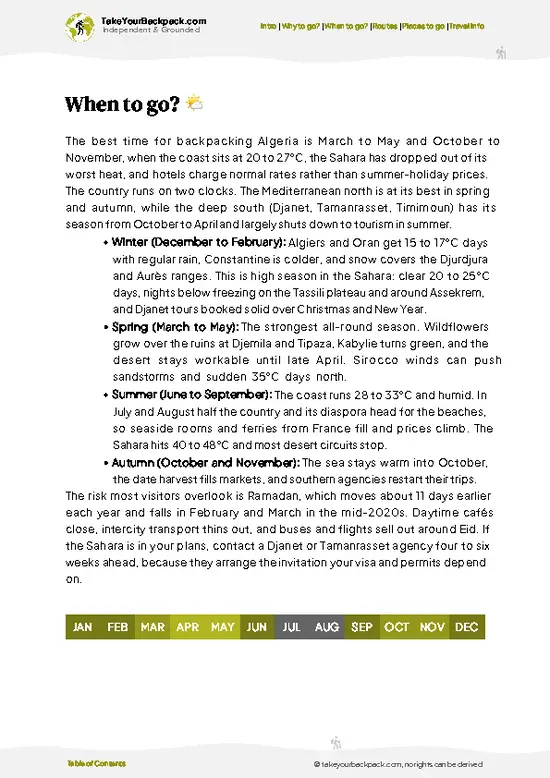
  • Weather: Ain Sefra sits on the edge of the Sahara, so summers scorch with highs often above 40°C (104°F), making daytime trekking brutal. Winters are mild and dry, with daytime temps around 15-20°C (59-68°F), perfect for exploring without overheating.

  • Temperature: Nights in winter can dip close to freezing (0°C/32°F), so pack layers. Spring and autumn offer a sweet spot—warm days around 25°C (77°F) and cool nights, ideal for camping under clear desert skies.

  • Daylight Hours: Longer days in spring and autumn give you more daylight for hikes and photography, while winter days are shorter, limiting your window but offering softer light for dramatic desert landscapes.

  • Crowds: Ain Sefra is off the beaten path, so crowds are minimal year-round. However, local festivals in spring can bring
read more 👉

  • Weather: Ain Sefra sits on the edge of the Sahara, so summers scorch with highs often above 40°C (104°F), making daytime trekking brutal. Winters are mild and dry, with daytime temps around 15-20°C (59-68°F), perfect for exploring without overheating.

  • Temperature: Nights in winter can dip close to freezing (0°C/32°F), so pack layers. Spring and autumn offer a sweet spot—warm days around 25°C (77°F) and cool nights, ideal for camping under clear desert skies.

  • Daylight Hours: Longer days in spring and autumn give you more daylight for hikes and photography, while winter days are shorter, limiting your window but offering softer light for dramatic desert landscapes.

  • Crowds: Ain Sefra is off the beaten path, so crowds are minimal year-round. However, local festivals in spring can bring a burst of activity, adding cultural flavor without overwhelming the quiet.

  • Seasonal Activities: Winter and early spring are best for desert trekking and sand dune exploration. Summer’s heat shuts down most outdoor adventures, but stargazing nights remain spectacular year-round.

  • Price Fluctuations: Accommodation and transport costs dip in the hot summer months when fewer travelers visit, but the trade-off is extreme heat. Shoulder seasons (spring and autumn) balance better prices with comfortable conditions.


Pro-tip: Aim for late autumn or early spring to catch mild temperatures, extended daylight, and local life buzzing—this timing turns Ain Sefra from a harsh desert stop into a rich, sensory experience.


source: climatestotravel.comJANJanuary: highly recommended for travelingFEBFebruary: highly recommended for travelingMARMarch: excellent for travelingAPRApril: excellent for travelingMAYMay: good for travelingJUNJune: fair for travelingJULJuly: below average for travelingAUGAugust: below average for travelingSEPSeptember: good for travelingOCTOctober: excellent for travelingNOVNovember: excellent for travelingDECDecember: highly recommended for traveling
when-to-go

✈️ The backpacker research shortcutAlgeria Travel Guide

An offline-friendly backpacking guide with optimized travel routes, ranked highlights, transport advice, and the best areas to stay.
example page 0 from our offline Travel Guide for Algeria
example page 1 from our offline Travel Guide for Algeria
example page 2 from our offline Travel Guide for Algeria
example page 3 from our offline Travel Guide for Algeria
example page 4 from our offline Travel Guide for Algeria
example page 5 from our offline Travel Guide for Algeria
example page 6 from our offline Travel Guide for Algeria
example page 7 from our offline Travel Guide for Algeria
The digital guide (356 pages) contains:
91 highlights, ranked by travel appeal
Optimized 7, 14 & 21-day travel routes
Cities, national parks, landmarks, beaches
How to get around
Offline-friendly for travel without Wi-Fi
👉 Click to see all 30+ guide features

📅 Plan smarter in minutes, not weeks
Month by month travel advice
Festivals & national holidays
Budget expectations

🗺️ Go to the right places, skip the overrated ones
Honest pros & cons of destinations
Top hikes, parks & viewpoints
Lesser-known places most travelers miss
Clear “worth it vs skip it” guidance

🛏️ Travel smoothly without rookie mistakes
Best areas to stay
Transport systems explained simply
Common scams & safety advice
SIM cards, money & practical tips

🌍 Understand the country, not just visit it
Culture & traditions
52 Essential phrases & customs
Festivals worth planning around
Traveler-friendly historical context
Insights that make places more meaningful

📱 Built for real travel conditions
Fully downloadable PDF
Works completely offline
Optimized for phone use
Useful in remote areas & buses
Everything in one place
Save weeks of stressful planning
Get instant access to your full guide. 30‑day money-back guarantee.


By proceeding you agree to our terms.
Sent to your inbox immediately after payment • 100% Secure Checkout
Best Backpacking Travel Advisor 2025 tourism awardBest Backpacking
Travel Advisor
2025
What others say about Take Your Backpack Guides:
⭐⭐⭐⭐⭐
Fantastic, amazing amount of information!
⭐⭐⭐⭐⭐
My goodness this is amazing, it's what I've been looking for hats off too you!
⭐⭐⭐⭐⭐
I think this is absolutely BRILLIANT
⭐⭐⭐⭐
Very complete and informative. It's still missing places, but I gotta to commend you
⭐⭐⭐⭐⭐
This is truly amazing, thank you, can't wait to explore it with my kids!
⭐⭐⭐⭐⭐
Awesome resource, thank you!
⭐⭐⭐⭐⭐
This is amazing! Can't wait to explore the ones I haven't seen
⭐⭐⭐⭐
I love this! Well done, great idea.
⭐⭐⭐⭐⭐
Thanks for taking the time to make this gem!
⭐⭐⭐⭐⭐
This might be the best website I've ever seen.
⭐⭐⭐⭐⭐
Congratulations, and thank you so much for your work; it's incredibly valuable.
⭐⭐⭐⭐
In all seriousness I think you did a great job pointing out the important spots
⭐⭐⭐⭐⭐
10/10 very good
⭐⭐⭐⭐⭐
As someone who's only just starting to visit regularly this is awesome, thank you.
⭐⭐⭐⭐
Thank you very much! I'm going to visit my dad, it's going to be very useful!
⭐⭐⭐⭐⭐
This is really cool! We'll be travelling for the first time and this definitely come in handy.
⭐⭐⭐⭐⭐
You are now our minister of culture, congratulations 👨‍💼
⭐⭐⭐⭐⭐
Just wanted to tell you that this is a pearl! Going to follow your recommendations.
⭐⭐⭐⭐⭐
This is so cool. I'll definitely be using the resource for my travels soon.
⭐⭐⭐⭐⭐
This is very impressive! Good work.
⭐⭐⭐⭐⭐
This is an amazing and informative site. Very well done!

🛏️ Where to stay?How to pick the right area

In ’Ain Sefra’, the heart of backpacker life pulses strongest near the town center, where the streets hum with local markets and the scent of fresh bread mingles with desert air. This area isn’t just about convenience; it’s where you’ll find the safest, most social spots to drop your pack. The vibe here is grounded and approachable—locals and travelers cross paths in small cafes and open squares, making it easy to strike up conversations or find a group heading out for desert excursions.

Staying close to the center means you’re within walking distance of essential services and the handful of … read more 👉
In ’Ain Sefra’, the heart of backpacker life pulses strongest near the town center, where the streets hum with local markets and the scent of fresh bread mingles with desert air. This area isn’t just about convenience; it’s where you’ll find the safest, most social spots to drop your pack. The vibe here is grounded and approachable—locals and travelers cross paths in small cafes and open squares, making it easy to strike up conversations or find a group heading out for desert excursions.

Staying close to the center means you’re within walking distance of essential services and the handful of budget-friendly hostels that cater to solo travelers and small groups. These hostels often double as social hubs, with communal areas that invite storytelling over mint tea or shared meals. Compared to the quieter, more residential outskirts, this central zone keeps you plugged into the town’s rhythm without feeling overwhelmed.

Venture too far out, and you’ll lose that pulse—the streets thin, and the atmosphere shifts to something more isolated and less traveler-friendly. For backpackers craving connection and safety without sacrificing authenticity, the town center is the sweet spot. It’s where the desert’s raw beauty meets human warmth, making every step feel earned and every night a chance to swap stories under a wide, starry sky.

🚌 Getting aroundMoving around without the hassle

Ain Sefra moves at the pace of the desert wind—sometimes steady, sometimes unpredictable. The town’s rhythm isn’t dictated by strict timetables but by the sun’s arc and the needs of its people. You won’t find a clock obsessively controlling every moment here; instead, there’s a flow shaped by the call to prayer, the quiet hum of daily markets, and the occasional burst of life when a bus or shared taxi rolls in. The light shifts quickly, casting long shadows over ochre buildings and the surrounding dunes, reminding you that patience is part of the experience. Understanding this flow means you don’t just get from point A to B—you sync with the town’s pulse, making your travel smoother and richer.


  • Walking: Ain Sefra’s compact center is best explored on foot. The streets are a mix of sand
read more 👉
Ain Sefra moves at the pace of the desert wind—sometimes steady, sometimes unpredictable. The town’s rhythm isn’t dictated by strict timetables but by the sun’s arc and the needs of its people. You won’t find a clock obsessively controlling every moment here; instead, there’s a flow shaped by the call to prayer, the quiet hum of daily markets, and the occasional burst of life when a bus or shared taxi rolls in. The light shifts quickly, casting long shadows over ochre buildings and the surrounding dunes, reminding you that patience is part of the experience. Understanding this flow means you don’t just get from point A to B—you sync with the town’s pulse, making your travel smoother and richer.


  • Walking: Ain Sefra’s compact center is best explored on foot. The streets are a mix of sand and stone, so sturdy shoes are a must. Walking lets you catch the scent of spices from market stalls and the texture of sun-warmed walls. Most places are within a 20-minute stroll, making this the cheapest and most immersive option.


  • Grand Taxi: These shared taxis are the backbone of regional travel. They leave when full, so timing is flexible but unpredictable—expect waits of 10 to 30 minutes. Fares are low, around 20-30 MAD for nearby towns, but comfort is basic and space tight. They’re your best bet for reaching surrounding villages or the desert outskirts without breaking the bank.


  • Local Bus: The bus station is modest, with a handful of daily departures to larger hubs like Bechar or Ghardaia. Buses typically run early morning (around 7 AM) and late afternoon (around 4 PM). Tickets cost under 50 MAD. The ride is slow but steady, offering a chance to watch the landscape unfold through dusty windows.


  • Motorbike Taxi: For short hops within town or to nearby spots, motorbike taxis are quick and nimble. Prices vary but usually hover around 10-15 MAD. They’re perfect when you want to dodge the heat or cover ground faster than walking but don’t want to wait for a grand taxi.


  • Private Car Hire: If your budget allows, renting a car or hiring a driver unlocks freedom to explore the desert beyond Ain Sefra’s edges. It’s pricier—starting around 500 MAD per day—but lets you chase the shifting dunes and remote kasbahs on your own schedule, soaking in the vast silence without compromise.

👛 Costs (as of 11 April 2025)What things cost and how to budget

Backpacking in ’Ain Sefra’ offers a raw, authentic experience where every euro stretches carefully but meaningfully. Here’s what you can expect to spend day-to-day as an independent traveler navigating this Algerian town.
  • Dorm Accommodation: Options are limited and basic, often in small guesthouses or local inns rather than formal hostels. Expect to pay around €8 to €15 per night. The rooms are simple, with minimal amenities, but clean enough to rest after a day exploring the desert edges.
  • Meals: Street food and small local eateries dominate. A filling meal of couscous, grilled meats, or tagine will cost between €2 and €5. Breakfasts are usually light—bread, olives, and tea—running about €1 to €2. Fresh fruit and bottled water add a bit more but remain affordable.
  • Local Transport: Public
read more 👉
Backpacking in ’Ain Sefra’ offers a raw, authentic experience where every euro stretches carefully but meaningfully. Here’s what you can expect to spend day-to-day as an independent traveler navigating this Algerian town.
  • Dorm Accommodation: Options are limited and basic, often in small guesthouses or local inns rather than formal hostels. Expect to pay around €8 to €15 per night. The rooms are simple, with minimal amenities, but clean enough to rest after a day exploring the desert edges.
  • Meals: Street food and small local eateries dominate. A filling meal of couscous, grilled meats, or tagine will cost between €2 and €5. Breakfasts are usually light—bread, olives, and tea—running about €1 to €2. Fresh fruit and bottled water add a bit more but remain affordable.
  • Local Transport: Public transport is sparse; shared taxis or minibuses are the norm. Short rides within town or to nearby villages typically cost €0.50 to €1.50. For longer trips, prices rise but remain reasonable compared to Western standards, around €5 to €10.
  • Basic Activities/Entry Fees: Most attractions here are natural or cultural sites without formal entry fees. Visiting the desert landscapes or local markets is free. If you hire a guide for desert tours or cultural insights, expect to pay €15 to €30 per day, which is worth it for the depth they add.
  • Miscellaneous Expenses: Small extras like bottled water, snacks, or phone credit add up to about €1 to €3 daily. Souvenirs or occasional treats might push this higher, but it’s easy to keep tight control.

The total daily budget for backpacking in ’Ain Sefra’ typically falls between €15 and €35. This range covers the essentials without cutting corners, letting you experience the stark beauty and local rhythms without feeling pinched. The town’s simplicity means your money goes directly into authentic experiences rather than tourist fluff.


source: algeria.com
⚠️ Prices can change and everyone travels differently, so take this as a rough guide. Hope it helps you plan your adventure!

🚌 Day tripsWhere to go beyond the main area

Ain Sefra is a fantastic launchpad for exploring the rugged beauty of Algeria. The town itself, with its ochre buildings and the scent of spices wafting through the air, sets the stage for adventures that will leave you breathless. Here are some day trips that will elevate your experience.

1. The Sahara Dunes of Erg Chebbi
Just a couple of hours from Ain Sefra, Erg Chebbi is a must-see. The golden dunes rise dramatically, shifting with the light as the sun sets. You can hike up to the highest dune for a panoramic view that feels like stepping into another world. Expect to spend around 200 DZD on transport and maybe another 100 DZD for snacks. The best time to visit is early morning or late afternoon when the temperatures are cooler and the light is magical. A common mistake? Many first-timers … read more 👉
Ain Sefra is a fantastic launchpad for exploring the rugged beauty of Algeria. The town itself, with its ochre buildings and the scent of spices wafting through the air, sets the stage for adventures that will leave you breathless. Here are some day trips that will elevate your experience.

1. The Sahara Dunes of Erg Chebbi
Just a couple of hours from Ain Sefra, Erg Chebbi is a must-see. The golden dunes rise dramatically, shifting with the light as the sun sets. You can hike up to the highest dune for a panoramic view that feels like stepping into another world. Expect to spend around 200 DZD on transport and maybe another 100 DZD for snacks. The best time to visit is early morning or late afternoon when the temperatures are cooler and the light is magical. A common mistake? Many first-timers underestimate the chill at night; pack a light jacket.


2. The Oasis of Tazzarine
Head south to Tazzarine, a charming oasis surrounded by palm trees and the sound of flowing water. It’s about a two-hour drive, and you’ll find the journey just as rewarding as the destination. The lush greenery contrasts beautifully with the arid landscape, making it a perfect spot for a picnic. Budget around 150 DZD for transport and a few more for local snacks. Spring is ideal, as the flowers bloom and the weather is mild. Don’t miss the local market; it’s easy to get lost in the hustle and bustle, so keep your belongings close.


3. The Ancient Ruins of Timgad
A bit further afield, Timgad is worth the trek. This UNESCO World Heritage site is about a three-hour drive, but the well-preserved Roman ruins will transport you back in time. Entry is around 100 DZD, and you can easily spend a few hours wandering through the ancient streets. The best time to visit is early spring or late fall to avoid the heat. Many travelers rush through; take your time to soak in the history and the stories etched in the stones.
👉 Explore Timgad

4. The Gorges of Todra
For a taste of adventure, head to the Todra Gorges, about two and a half hours away. The towering cliffs and the river below create a stunning backdrop for hiking or simply soaking in the scenery. Expect to spend around 250 DZD on transport. The best time is in the cooler months, as summer can be sweltering. A common pitfall is not bringing enough water; the dry air can be deceiving.


Each of these trips offers a unique slice of Algeria’s diverse landscape, making Ain Sefra an ideal base for your explorations.
Want to know what more Algeria offers?
The Algeria Travel Guide describes 91 highlights, from cities to national parks, from beaches to hikes

Get the Travel Guide -

🛡️ SafetyScams, Hazards, and Annoyances

Ain Sefra is generally safe, but like any place, a little awareness goes a long way. The town’s charm lies in its vibrant markets and friendly locals, but keep an eye on your belongings, especially in crowded areas. When wandering the souks, be mindful of your surroundings; it’s easy to get caught up in the colors and scents of spices, but don’t let your guard down.

If you’re traveling solo, consider sticking to well-lit areas after dark. The atmosphere shifts at night, and while the town is not dangerous, it’s wise to avoid wandering too far off the beaten path.

Scams are rare, but some vendors might inflate prices for tourists. A friendly smile and a little haggling can go a long way. Approach interactions with curiosity rather than suspicion, and you’ll find that most locals are genuinely … read more 👉
Ain Sefra is generally safe, but like any place, a little awareness goes a long way. The town’s charm lies in its vibrant markets and friendly locals, but keep an eye on your belongings, especially in crowded areas. When wandering the souks, be mindful of your surroundings; it’s easy to get caught up in the colors and scents of spices, but don’t let your guard down.

If you’re traveling solo, consider sticking to well-lit areas after dark. The atmosphere shifts at night, and while the town is not dangerous, it’s wise to avoid wandering too far off the beaten path.

Scams are rare, but some vendors might inflate prices for tourists. A friendly smile and a little haggling can go a long way. Approach interactions with curiosity rather than suspicion, and you’ll find that most locals are genuinely welcoming. Carry yourself confidently, and you’ll blend in seamlessly.

Other Algerian towns near Ain Sefra

Explore more nearby:

  • Ksar Chellala—hilltop fortress, steppe landscape, seasonal wadis| 382 km away
  • Tissemsilt—Tell Atlas forests, cedar groves, mountain villages| 385 km away
  • Timimoun—red sand dunes, ksar architecture, oasis palm groves| 397 km away

💡 Not sure where to go next?
Create a personalized itinerary for Algeria including Ain Sefra and the places that fit your trip.

Generate my itinerary

👉 Discover all towns

Or checkout all Algeria has to offer (think cities, towns, villages, national parks, hikes, beaches, festivals)
Country photo of Algeria

We 💚 feedbackSumming up the experience

Ain Sefra is a place where the desert whispers secrets. The golden dunes stretch endlessly, and the air carries a hint of spice from local markets. Expect the unexpected: a sunset that turns the sky into a canvas of fiery colors. But don’t underestimate the chill at night; pack layers. The vibe is laid-back, yet the warmth of the locals will make you feel at home. Embrace the simplicity here; it’s the kind of beauty that rewards patience.

✍️ Help improve this page!
The information on this page is based on in-depth research, insights shared by experienced travelers, and feedback from the local travel community in Algeria. While every effort is made to keep the information accurate and current, conditions can change — so if you spot anything incorrect or outdated, please get in touch.


🙋‍♂️ Give feedback

👋 Meet the founderWho’s Behind Take Your Backpack?

Johan, backpacker and founder of TakeYourBackpackHi, I’m Johan (Netherlands 🇳🇱), the creator of TakeYourBackpack. Over the past decade, I’ve backpacked through 80+ countries across six continents, gaining extensive experience with independent travel, long-term trips, and overland routes.

This site is built on a combination of firsthand travel experience and carefully curated insights from other backpackers. Many guides are based on places I’ve personally visited, while others bring together tips, observations, and practical advice shared by trusted travelers I’ve met along the way.

The goal is to provide realistic, experience-driven guidance — not generic itineraries — so you can explore destinations with better context, clearer expectations, and more confidence.

Get full Algeria guide •
Instant download • 91 highlights • Full Offline guide