v2.webp)
- The foggara irrigation system: The underground channels feeding the oasis gardens are what made settlement here possible, and local farmers will show you the access wells and the water-sharing system. Go early morning when it is cooler. Expect a small tip for a guide, around US$3 to 8, and 1 to 2 hours.
- The old ksar: A maze of mud-brick lanes and shaded passages in the historic quarter, with doors and walls in warm red-ocher tones. Late afternoon gives soft light and cooler air. Free to wander, allow 1 to 2 hours, and ask before photographing people.
- Palm gardens of the oasis: Walking among date palms, small vegetable plots and irrigation ditches shows how green the desert can get. Visit in the morning. A local guide is optional, around US$3 to 6, and the walk takes 1 to 2 hours.
- The central
- The foggara irrigation system: The underground channels feeding the oasis gardens are what made settlement here possible, and local farmers will show you the access wells and the water-sharing system. Go early morning when it is cooler. Expect a small tip for a guide, around US$3 to 8, and 1 to 2 hours.
- The old ksar: A maze of mud-brick lanes and shaded passages in the historic quarter, with doors and walls in warm red-ocher tones. Late afternoon gives soft light and cooler air. Free to wander, allow 1 to 2 hours, and ask before photographing people.
- Palm gardens of the oasis: Walking among date palms, small vegetable plots and irrigation ditches shows how green the desert can get. Visit in the morning. A local guide is optional, around US$3 to 6, and the walk takes 1 to 2 hours.
- The central market: Dates, spices, bread and basic goods are sold here, and it is the easiest place to talk with locals. Mornings are liveliest. Buying snacks costs about US$1 to 4, and 30 to 60 minutes is enough.
- Dunes at the edge of town: Sand fields beyond the built-up area give open desert views and a quiet place to watch the sky change. Go late afternoon. A taxi or arranged ride costs roughly US$5 to 15, and an hour or two covers it.
Spotted a mistake or missing something? Contact us.

 Best Backpacking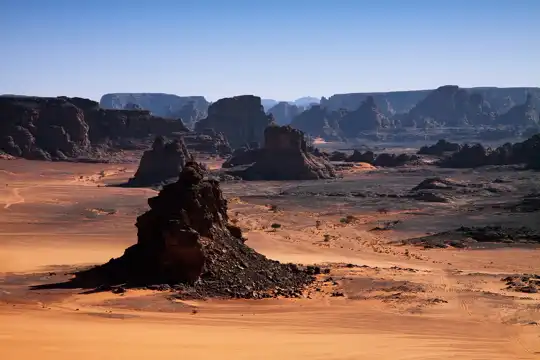
.jpg) Hi, I’m Johan (Netherlands 🇳🇱), the creator of TakeYourBackpack. Over the past 3 decades, I’ve backpacked through 90+ countries across six continents, gaining extensive experience with independent travel, long-term trips, and overland routes.
Hi, I’m Johan (Netherlands 🇳🇱), the creator of TakeYourBackpack. Over the past 3 decades, I’ve backpacked through 90+ countries across six continents, gaining extensive experience with independent travel, long-term trips, and overland routes.