v2.webp)
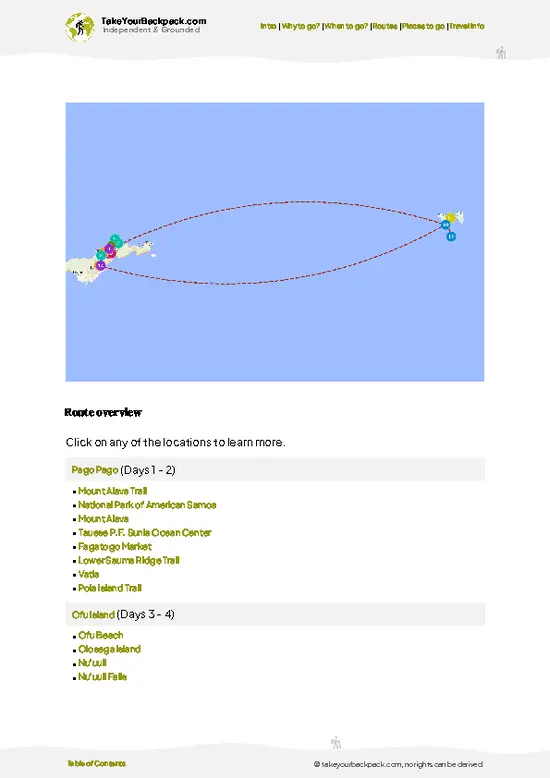
- Lata Mountain summit: The highest point in American Samoa, reached on foot through steep, muddy forest. Clear mornings give views over the island’s coast and out to open ocean.
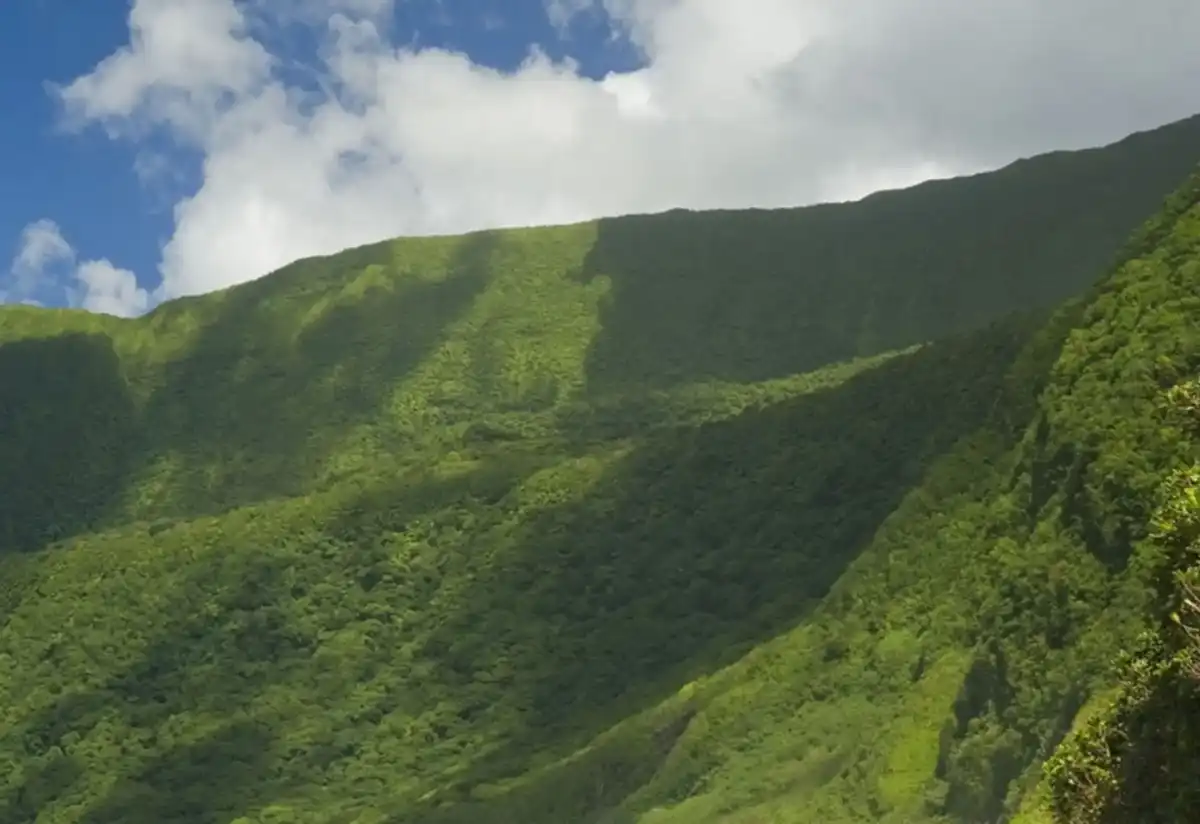
- Cloud forest on the upper slopes: Moss, ferns and dripping trunks take over above the village plantations. It is cool, quiet and loud with birds.
- Flying foxes: The Samoan fox, called pe’a, flies in daylight above the forest edge. Watch the ridgelines around dusk and early morning.
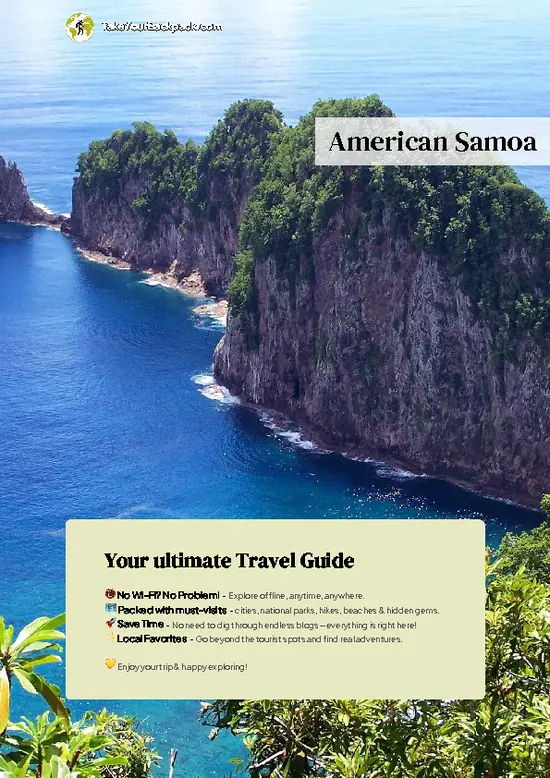
- South coast sea cliffs: The mountain’s southern flank drops in a near-continuous face to the ocean, among the tallest sea cliffs in the world. Seabirds ride the updrafts, and the cliff edges demand real caution.
- Laufuti Falls: A waterfall reached by a walk from the village side, best after rain. The pools below are a good place to cool off after
- Lata Mountain summit: The highest point in American Samoa, reached on foot through steep, muddy forest. Clear mornings give views over the island’s coast and out to open ocean.
- Cloud forest on the upper slopes: Moss, ferns and dripping trunks take over above the village plantations. It is cool, quiet and loud with birds.
- Flying foxes: The Samoan fox, called pe’a, flies in daylight above the forest edge. Watch the ridgelines around dusk and early morning.
- South coast sea cliffs: The mountain’s southern flank drops in a near-continuous face to the ocean, among the tallest sea cliffs in the world. Seabirds ride the updrafts, and the cliff edges demand real caution.
- Laufuti Falls: A waterfall reached by a walk from the village side, best after rain. The pools below are a good place to cool off after the climb.
- Saua Site: A protected sacred area linked to the Samoan story of the people’s beginnings. Visit respectfully and with local guidance.
- Ta’u and Fiti’uta villages: Walk the coastal road past open-sided fale, churches and taro plots. Locals are curious and generous, and a greeting goes a long way.
Spotted a mistake or missing something? Contact us.
 Best Backpacking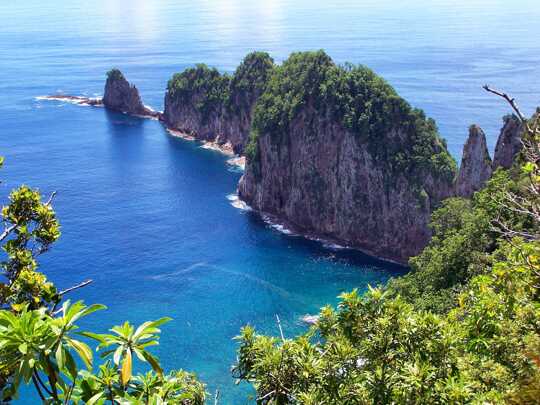
.jpg) Hi, I’m Johan (Netherlands 🇳🇱), the creator of TakeYourBackpack. Over the past 3 decades, I’ve backpacked through 90+ countries across six continents, gaining extensive experience with independent travel, long-term trips, and overland routes.
Hi, I’m Johan (Netherlands 🇳🇱), the creator of TakeYourBackpack. Over the past 3 decades, I’ve backpacked through 90+ countries across six continents, gaining extensive experience with independent travel, long-term trips, and overland routes.