×

Angola🇦🇴 | attractionsCentro Cultural Português em LuandaReading rooms, author talks, Portuguese practice, evening performances | things to do and best time to go

Explore Centro Cultural Brasil-AngolaExplore Cine Atlântico

Backpacking in Centro Cultural Português em Luanda
👀 For curious travelersattraction ranked #16
By Johan Kruseman 🇳🇱 | Updated October 13, 2026

Ceiling fans turn over a hushed reading room while generator hum and street horns leak in from outside, and someone at the next table is practicing Portuguese verbs aloud. This is the Centro Cultural Português in Luanda, in Angola’s capital on the Atlantic coast. It is no headline sight. There are no ruins, no summit, no queue for a ticket. What you get is air conditioning, shelves of books, rotating exhibitions and a front-row seat to how Angolans and Portuguese still share a language. Compare it with the Fortaleza de São Miguel and it is quieter, smaller and free of tour buses.

Discover everything you want to know in the 📖 Angola Travel Guide.


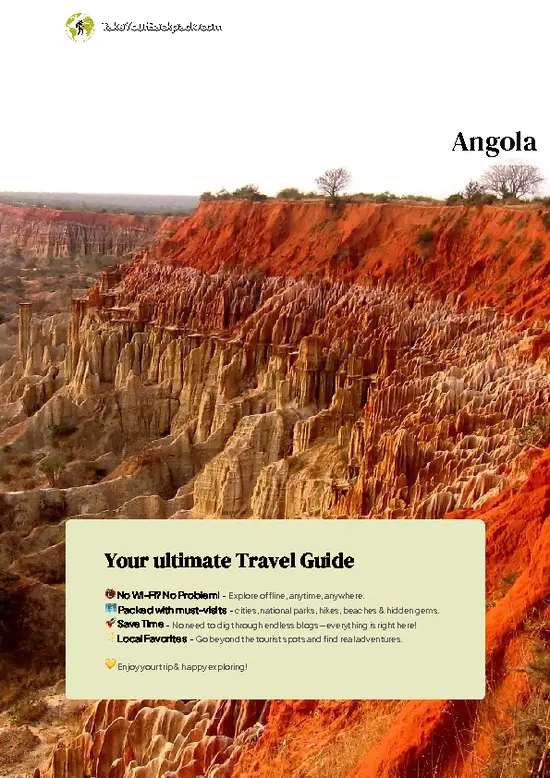
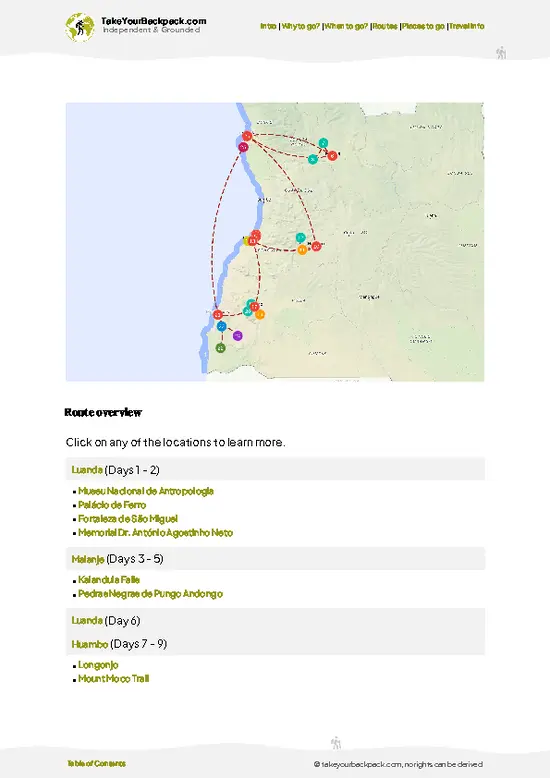
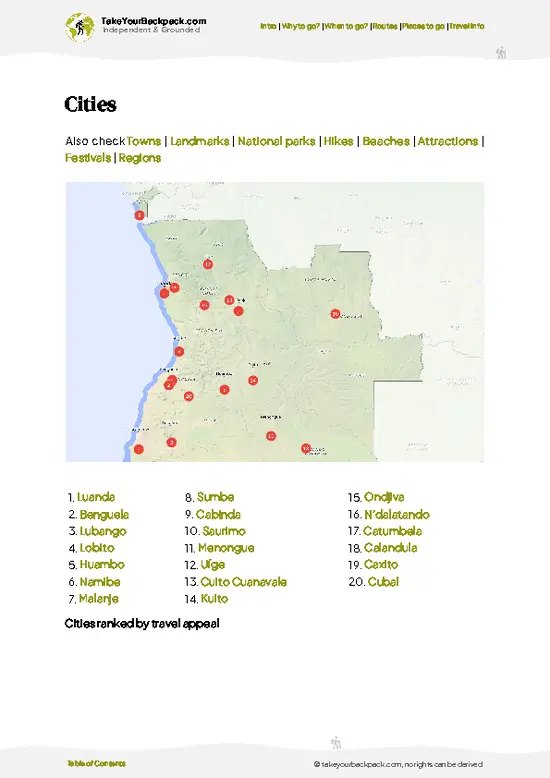
example page 0 from our offline Travel Guide for Angola
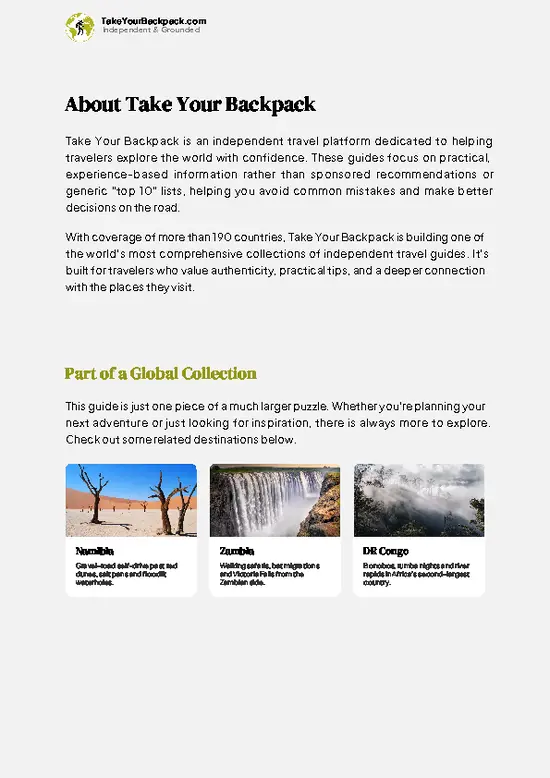
example page 1 from our offline Travel Guide for Angola
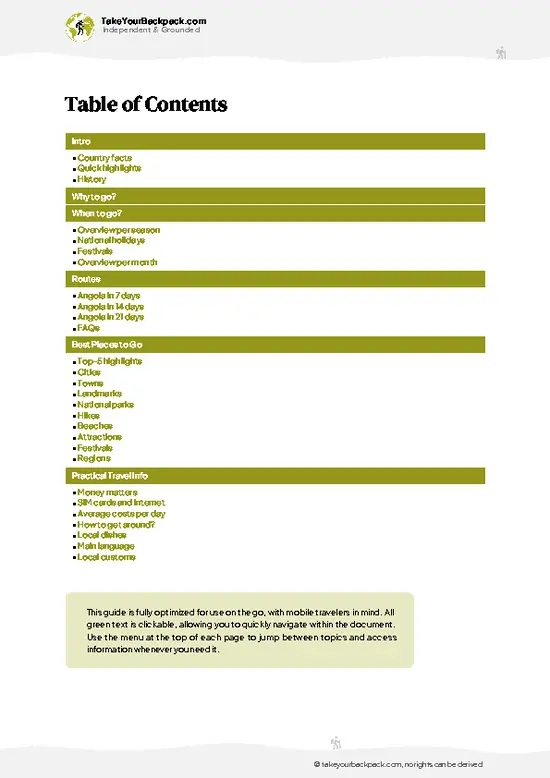
example page 2 from our offline Travel Guide for Angola
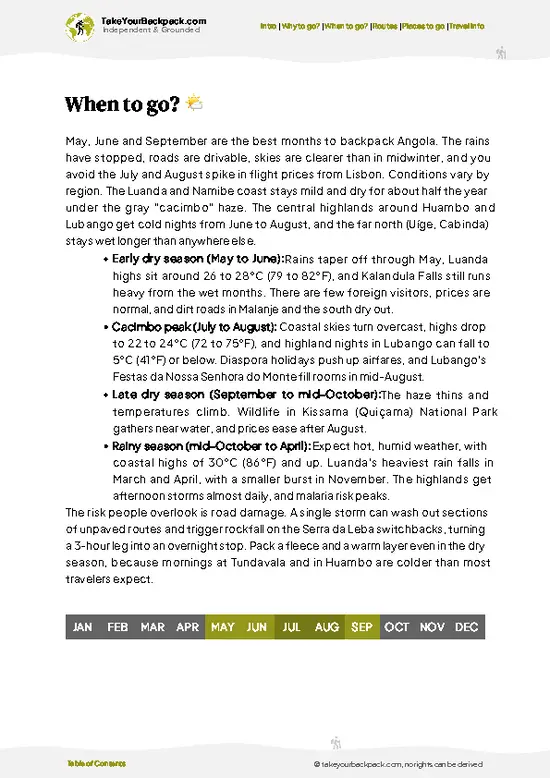
example page 3 from our offline Travel Guide for Angola
example page 4 from our offline Travel Guide for Angola
example page 5 from our offline Travel Guide for Angola
example page 6 from our offline Travel Guide for Angola
example page 7 from our offline Travel Guide for Angola
Loading the map 🌍
CLICK TO FILTER
cities
towns
landmarks
national parks
hikes
beaches
attractions
festivals
regions
SHOW COUNTRY’S BESTSHOW ALL

✨ Why go?
Ranked #16 attraction in Angola
What makes this attraction worth visiting

Backpackers come for a calmer, more local angle on a city that can wear you down. Luanda is expensive and loud, and the Centro Cultural Português gives you a cool, low-pressure room where you can read, charge a phone and see what is on. The real draw is the program: exhibitions, talks and film nights where Angolan artists and writers are the main act, and where you can meet students and locals without a sales pitch. It also adds context to a country whose colonial past still shapes its street names, food and speech. Check the posted schedule before you go.

💡 HighlightsDon't-miss highlights and experiences

  1. Temporary exhibitions. Rotating shows of painting, photography and design often feature Angolan and Portuguese-language artists, so you see current work rather than museum relics.
  2. The library and reading rooms. Shelves of Portuguese-language literature, plus quiet tables, make this one of the calmer places in central Luanda to sit for an hour.
  3. Book launches and author talks. Events here tend to bring out local writers and readers, and listening in is a good way to tune your ear to Angolan Portuguese.
  4. Film screenings. Portuguese-language cinema is part of the cultural calendar, giving you an air-conditioned evening with subtitles-free listening practice.
  5. Live music and performance nights. Concerts and readings happen when the program allows, and the audience is usually mostly local.
  6. Language-course
… read more 👉
  1. Temporary exhibitions. Rotating shows of painting, photography and design often feature Angolan and Portuguese-language artists, so you see current work rather than museum relics.
  2. The library and reading rooms. Shelves of Portuguese-language literature, plus quiet tables, make this one of the calmer places in central Luanda to sit for an hour.
  3. Book launches and author talks. Events here tend to bring out local writers and readers, and listening in is a good way to tune your ear to Angolan Portuguese.
  4. Film screenings. Portuguese-language cinema is part of the cultural calendar, giving you an air-conditioned evening with subtitles-free listening practice.
  5. Live music and performance nights. Concerts and readings happen when the program allows, and the audience is usually mostly local.
  6. Language-course atmosphere. Portuguese classes run through the institution, so you will hear learners at every level in the corridors, which is useful if you plan to study.
The library pairs well with an evening film or talk, since you can read through the afternoon heat and stay on for the program.
Spotted a mistake or missing something? Contact us.

Things to do near Centro Cultural Português em Luanda

Ratings based on Tripadvisor reviews. When you book through this link, you support our work at no extra cost to you.

🌤️ When to go?Weather, crowds, and seasonal trade-offs

The best time to visit is the dry season, May to September, when Luanda stays mostly rainless and the center is easy to walk.
  • Cacimbo (May to September): Days run 23 to 27°C (73 to 81°F), nights 19 to 21°C (66 to 70°F), with gray, humid mornings and about 11 hours of daylight. Events and flights book up with business travelers.
  • Hot Season (October to April): Expect 28 to 32°C (82 to 90°F), heavy humidity, and downpours peaking March and April. Hotel rates soften slightly, and the sun sets near 6:30 p.m.
Check the center’s events calendar before you book, since exhibitions and concerts decide your best day more than weather does.

source: climatestotravel.comJANJanuary: fair for travelingFEBFebruary: fair for travelingMARMarch: fair for travelingAPRApril: fair for travelingMAYMay: good for travelingJUNJune: highly recommended for travelingJULJuly: excellent for travelingAUGAugust: excellent for travelingSEPSeptember: highly recommended for travelingOCTOctober: fair for travelingNOVNovember: fair for travelingDECDecember: fair for traveling
when-to-go

✈️ The backpacker research shortcutAngola Travel Guide

An offline-friendly backpacking guide with optimized travel routes, ranked highlights, transport advice, and the best areas to stay.
example page 0 from our offline Travel Guide for Angola
example page 1 from our offline Travel Guide for Angola
example page 2 from our offline Travel Guide for Angola
example page 3 from our offline Travel Guide for Angola
example page 4 from our offline Travel Guide for Angola
example page 5 from our offline Travel Guide for Angola
example page 6 from our offline Travel Guide for Angola
example page 7 from our offline Travel Guide for Angola
The digital guide (246 pages) contains:
✅ 71 highlights, ranked by travel appeal
✅ Optimized 7, 14 & 21-day travel routes
✅ Cities, national parks, landmarks, beaches
✅ How to get around
✅ Offline-friendly for travel without Wi-Fi
👉 Click to see all 30+ guide features

📅 Plan smarter in minutes, not weeks
✅ Month by month travel advice
✅ Festivals & national holidays
✅ Budget expectations

🗺️ Go to the right places, skip the overrated ones
✅ Honest pros & cons of destinations
✅ Top hikes, parks & viewpoints
✅ Lesser-known places most travelers miss
✅ Clear “worth it vs skip it” guidance

🛏️ Travel smoothly without rookie mistakes
✅ Best areas to stay
✅ Transport systems explained simply
✅ Common scams & safety advice
✅ SIM cards, money & practical tips

🌍 Understand the country, not just visit it
✅ Culture & traditions
✅ 52 Essential phrases & customs
✅ Festivals worth planning around
✅ Traveler-friendly historical context
✅ Insights that make places more meaningful

📱 Built for real travel conditions
✅ Fully downloadable PDF
✅ Works completely offline
✅ Optimized for phone use
✅ Useful in remote areas & buses
✅ Everything in one place
Stop searching, start planning
Get instant access to your full guide. 30‑day money-back guarantee.
+ Add another guide for just

By proceeding you agree to our terms.
Sent to your inbox immediately after payment • 100% Secure Checkout
Best Backpacking Travel Advisor 2025 tourism awardBest Backpacking
Travel Advisor
2025
What others say about Take Your Backpack Guides:
⭐⭐⭐⭐⭐
Fantastic, amazing amount of information!
⭐⭐⭐⭐⭐
My goodness this is amazing, it's what I've been looking for hats off too you!
⭐⭐⭐⭐⭐
I think this is absolutely BRILLIANT
⭐⭐⭐⭐
Very complete and informative. It's still missing places, but I gotta to commend you
⭐⭐⭐⭐⭐
This is truly amazing, thank you, can't wait to explore it with my kids!
⭐⭐⭐⭐⭐
Awesome resource, thank you!
⭐⭐⭐⭐⭐
This is amazing! Can't wait to explore the ones I haven't seen
⭐⭐⭐⭐
I love this! Well done, great idea.
⭐⭐⭐⭐⭐
Thanks for taking the time to make this gem!
⭐⭐⭐⭐⭐
This might be the best website I've ever seen.
⭐⭐⭐⭐⭐
Congratulations, and thank you so much for your work; it's incredibly valuable.
⭐⭐⭐⭐
In all seriousness I think you did a great job pointing out the important spots
⭐⭐⭐⭐⭐
10/10 very good
⭐⭐⭐⭐⭐
As someone who's only just starting to visit regularly this is awesome, thank you.
⭐⭐⭐⭐
Thank you very much! I'm going to visit my dad, it's going to be very useful!
⭐⭐⭐⭐⭐
This is really cool! We'll be travelling for the first time and this definitely come in handy.
⭐⭐⭐⭐⭐
You are now our minister of culture, congratulations 👨‍💼
⭐⭐⭐⭐⭐
Just wanted to tell you that this is a pearl! Going to follow your recommendations.
⭐⭐⭐⭐⭐
This is so cool. I'll definitely be using the resource for my travels soon.
⭐⭐⭐⭐⭐
This is very impressive! Good work.
⭐⭐⭐⭐⭐
This is an amazing and informative site. Very well done!

🛏️ Where to stay?Best areas to stay in Angola

Ingombota and the Baixa, the downtown core, is the most practical area, since the center sits in this part of Luanda and most sights are a short taxi ride or walk away.
  • Ingombota and Baixa: Central, with the Marginal waterfront promenade, the Fortaleza de São Miguel and restaurants nearby. Walk in daylight and take a taxi after dark.
  • Maianga: A residential neighborhood next door with guesthouses, local eateries and fewer tourists. Prices are usually lower than on the waterfront.
  • Ilha de Luanda: Beach bars and a lively evening scene, with the most social crowd of expats and travelers. It is about
… read more 👉
Ingombota and the Baixa, the downtown core, is the most practical area, since the center sits in this part of Luanda and most sights are a short taxi ride or walk away.
  • Ingombota and Baixa: Central, with the Marginal waterfront promenade, the Fortaleza de São Miguel and restaurants nearby. Walk in daylight and take a taxi after dark.
  • Maianga: A residential neighborhood next door with guesthouses, local eateries and fewer tourists. Prices are usually lower than on the waterfront.
  • Ilha de Luanda: Beach bars and a lively evening scene, with the most social crowd of expats and travelers. It is about 15 to 25 minutes away by car, depending on traffic.
Budget beds are scarce in Luanda, so book ahead and ask hosts about reliable transport.

👛 Costs (as of 13 October 2026)Travel costs and budget guide for Centro Cultural Português em Luanda

Expect to spend roughly US$60 to 140 a day around the Centro Cultural Português em Luanda, because entry is cheap and Luanda’s lodging and food drive most of the bill. Prices are quoted in US dollars, though you pay in kwanzas (AOA).
CategoryBudget RangeLocal Reality
EntryFree to US$5The building is open to visitors, and some events or exhibitions charge a small ticket.
Cafe or snacksUS$3 to 10Coffee and pastries in the area cost more than in other African capitals.
MealsUS$8 to 30Local grilled fish or chicken is at the low end; restaurant meals cost far more.
AccommodationUS$40 to 100Basic guesthouses and mid-range hotels. Dorm beds are rare.
Local transportUS$3 to 15Taxis and ride-hailing apps are the norm. Agree on the fare before riding.
⚠️ Prices can change and everyone travels differently, so take this as a rough guide. Hope it helps you plan your adventure!

FAQFrequently asked questions about Centro Cultural Português em Luanda

Plan on one to two hours for a casual visit, or a full evening if you attend an event. A quick look at the library and current exhibition takes about 45 minutes, while a film screening, talk or concert usually runs 1.5 to 2 hours. Check the posted program before you go, since schedules change.
Yes for most travelers, because access to the building and many cultural events is typically free or low-cost, so there is little to lose. Exhibitions, talks and the reading room give you a quiet, air-conditioned break and a chance to meet locals in a city where sightseeing can be expensive. Confirm the price of any specific concert or screening locally, as fees vary by event.
Take a taxi or ride-hailing app from central Luanda, which usually takes 10 to 30 minutes depending on traffic, and show the driver the name in Portuguese. The center is in the city’s central area, within reach of Ingombota and the Baixa, so you can combine it with the Fortaleza de São Miguel or the waterfront Marginal. Agree the fare before you start if using a street taxi, and avoid walking at night.
⚠️ Things can change over time, so always validate details locally before you go.

Other Angolan attractions near Centro Cultural Português em Luanda

Explore more nearby:


💡 Not sure where to go next?
Create a personalized itinerary for Angola including Centro Cultural Português em Luanda and the places that fit your trip.

Generate my itinerary

👉 Discover all attractions

Or checkout all Angola has to offer (think cities, towns, villages, national parks, hikes, beaches, festivals)
Country photo of Angola

We 💚 feedbackIs it worth it?

I expected a stiff, embassy-style space and found a real neighborhood hangout, with students arguing over books and artists hanging their own shows. Go in the afternoon when the heat peaks, check the event board at the door, and bring a notebook. Hours change, so confirm before you cross town.

✍️ Help improve this page!
The information on this page is based on in-depth research, insights shared by experienced travelers, and feedback from the local travel community in Angola. While every effort is made to keep the information accurate and current, conditions can change — so if you spot anything incorrect or outdated, please get in touch.


🙋‍♂️ Give feedback

👋 Meet the founderWho’s Behind Take Your Backpack?

Johan, backpacker and founder of TakeYourBackpackHi, I’m Johan (Netherlands 🇳🇱), the creator of TakeYourBackpack. Over the past 3 decades, I’ve backpacked through 90+ countries across six continents, gaining extensive experience with independent travel, long-term trips, and overland routes.

This site is built on a combination of firsthand travel experience and carefully curated insights from other backpackers. Many guides are based on places I’ve personally visited, while others bring together tips, observations, and practical advice shared by trusted travelers I’ve met along the way.

The goal is to provide realistic, experience-driven guidance — not generic itineraries — so you can explore destinations with better context, clearer expectations, and more confidence.