
The Ironwork Facade: Industrial Art in the Tropics
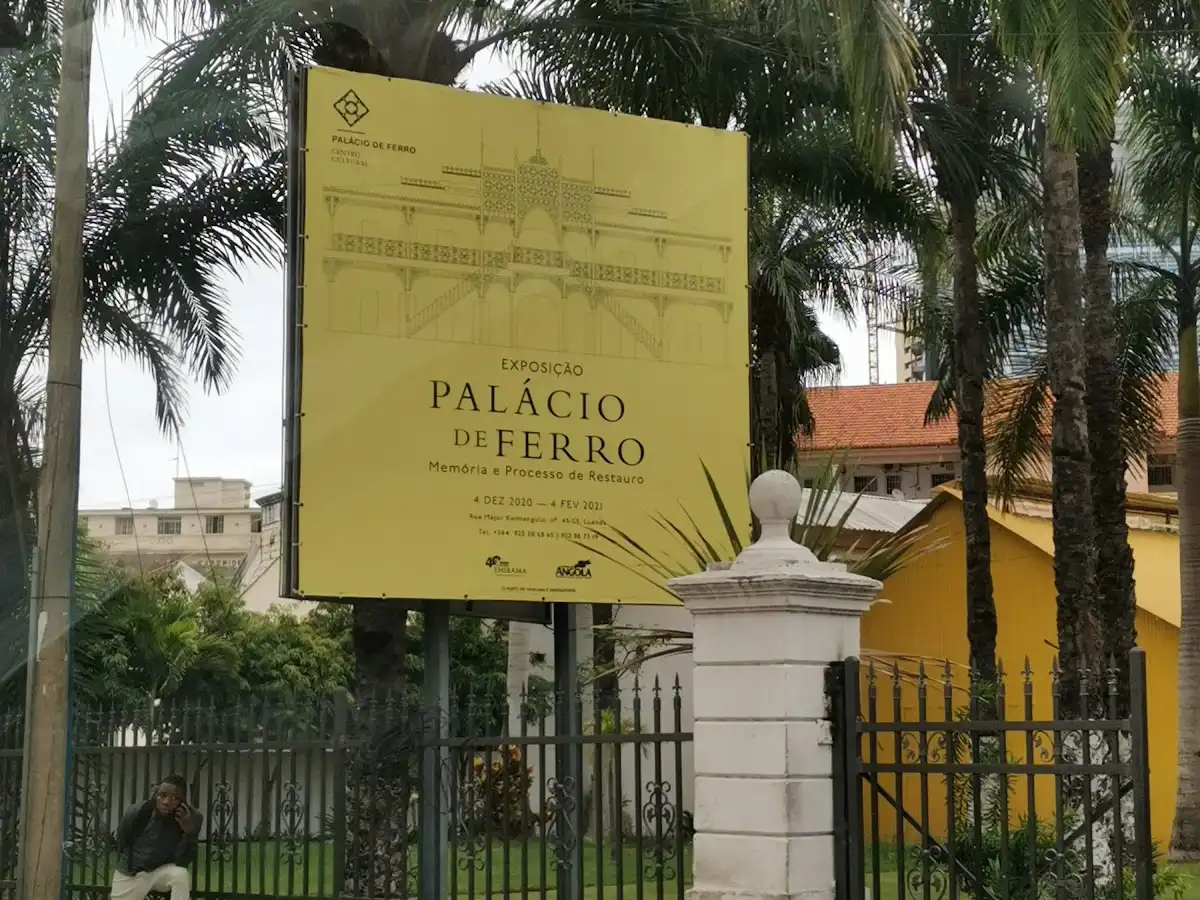
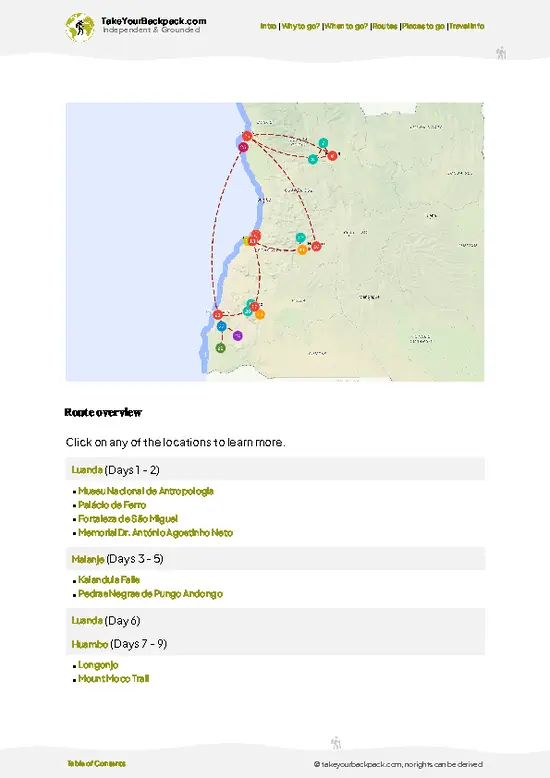
Forget the Instagram filters—this building’s real-life presence is stranger and more impressive than any photo. The Palácio de Ferro’s entire exterior is a latticework of prefabricated iron, shipped piece by piece to Luanda in the late 19th century. You’re not looking at a European transplant or a colonial knock-off; you’re staring at a fever dream of industrial optimism, plunked down in the Angolan heat. The iron glows gold in the sun, and the details—floral motifs, geometric flourishes—are a wild collision of Victorian ambition and African resilience. Stand close. You’ll see the bolts, the rust, the scars of a century’s worth of weather and politics. It’s a building that’s survived more than most people.
The Eiffel Rumor: The Gustave Connection
Here’s … read more 👉
Forget the Instagram filters—this building’s real-life presence is stranger and more impressive than any photo. The Palácio de Ferro’s entire exterior is a latticework of prefabricated iron, shipped piece by piece to Luanda in the late 19th century. You’re not looking at a European transplant or a colonial knock-off; you’re staring at a fever dream of industrial optimism, plunked down in the Angolan heat. The iron glows gold in the sun, and the details—floral motifs, geometric flourishes—are a wild collision of Victorian ambition and African resilience. Stand close. You’ll see the bolts, the rust, the scars of a century’s worth of weather and politics. It’s a building that’s survived more than most people.
The Eiffel Rumor: The Gustave Connection
Here’s … read more 👉
The Ironwork Facade: Industrial Art in the Tropics
Forget the Instagram filters—this building’s real-life presence is stranger and more impressive than any photo. The Palácio de Ferro’s entire exterior is a latticework of prefabricated iron, shipped piece by piece to Luanda in the late 19th century. You’re not looking at a European transplant or a colonial knock-off; you’re staring at a fever dream of industrial optimism, plunked down in the Angolan heat. The iron glows gold in the sun, and the details—floral motifs, geometric flourishes—are a wild collision of Victorian ambition and African resilience. Stand close. You’ll see the bolts, the rust, the scars of a century’s worth of weather and politics. It’s a building that’s survived more than most people.
The Eiffel Rumor: The Gustave Connection
Here’s the story you’ll hear: Gustave Eiffel, yes, that Eiffel, designed this palace, and it was meant for Madagascar but ended up in Luanda by accident. Is it true? The evidence is thin, but the myth is half the fun. What’s real is the sense of improbable adventure—standing in front of the Palácio, you feel the ghost of 19th-century engineering swagger, the kind that built towers and bridges across continents. Whether Eiffel touched a single bolt or not, the building’s audacity is unmistakable.
The Restoration: Survival Against the Odds
This isn’t a museum piece behind velvet ropes. The Palácio de Ferro has been battered by time, war, and neglect. For decades, it was abandoned, used as a warehouse, nearly lost to rust and bureaucracy. Its recent restoration is a minor miracle—a rare Angolan success story where heritage actually gets a second chance. Walk through the doors and you’re stepping into a living argument for why preservation matters. The air smells faintly metallic, and the floors creak with history. It’s not polished to perfection, and that’s exactly the point.
The Cultural Pulse: Events and Exhibitions
If you’re lucky, you’ll catch an art show, a concert, or a pop-up market inside. The Palácio isn’t just a relic; it’s a stage for Luanda’s creative scene. The contrast is electric: contemporary Angolan artists hanging canvases on iron walls meant for a colonial administrator’s fantasy. The energy is raw, unpredictable, and a little chaotic—exactly what you want from a city that’s always rewriting its own story.
The Location: Urban Grit Meets Atlantic Breeze
Set in the Baixa district, the Palácio de Ferro is surrounded by the real Luanda—street vendors, traffic, the thrum of daily life. Step outside and you’re hit with the salty air from the nearby waterfront, the clang of construction, and the soundtrack of a city in motion. This isn’t a sanitized tourist zone. It’s a place where you feel the friction between past and present, and that friction is where the magic happens.
Forget the Instagram filters—this building’s real-life presence is stranger and more impressive than any photo. The Palácio de Ferro’s entire exterior is a latticework of prefabricated iron, shipped piece by piece to Luanda in the late 19th century. You’re not looking at a European transplant or a colonial knock-off; you’re staring at a fever dream of industrial optimism, plunked down in the Angolan heat. The iron glows gold in the sun, and the details—floral motifs, geometric flourishes—are a wild collision of Victorian ambition and African resilience. Stand close. You’ll see the bolts, the rust, the scars of a century’s worth of weather and politics. It’s a building that’s survived more than most people.
The Eiffel Rumor: The Gustave Connection
Here’s the story you’ll hear: Gustave Eiffel, yes, that Eiffel, designed this palace, and it was meant for Madagascar but ended up in Luanda by accident. Is it true? The evidence is thin, but the myth is half the fun. What’s real is the sense of improbable adventure—standing in front of the Palácio, you feel the ghost of 19th-century engineering swagger, the kind that built towers and bridges across continents. Whether Eiffel touched a single bolt or not, the building’s audacity is unmistakable.
The Restoration: Survival Against the Odds
This isn’t a museum piece behind velvet ropes. The Palácio de Ferro has been battered by time, war, and neglect. For decades, it was abandoned, used as a warehouse, nearly lost to rust and bureaucracy. Its recent restoration is a minor miracle—a rare Angolan success story where heritage actually gets a second chance. Walk through the doors and you’re stepping into a living argument for why preservation matters. The air smells faintly metallic, and the floors creak with history. It’s not polished to perfection, and that’s exactly the point.
The Cultural Pulse: Events and Exhibitions
If you’re lucky, you’ll catch an art show, a concert, or a pop-up market inside. The Palácio isn’t just a relic; it’s a stage for Luanda’s creative scene. The contrast is electric: contemporary Angolan artists hanging canvases on iron walls meant for a colonial administrator’s fantasy. The energy is raw, unpredictable, and a little chaotic—exactly what you want from a city that’s always rewriting its own story.
The Location: Urban Grit Meets Atlantic Breeze
Set in the Baixa district, the Palácio de Ferro is surrounded by the real Luanda—street vendors, traffic, the thrum of daily life. Step outside and you’re hit with the salty air from the nearby waterfront, the clang of construction, and the soundtrack of a city in motion. This isn’t a sanitized tourist zone. It’s a place where you feel the friction between past and present, and that friction is where the magic happens.
Spotted a mistake or missing something? Contact us.
v2.webp)


Best Backpacking
Hi, I’m Johan (Netherlands 🇳🇱), the creator of TakeYourBackpack. Over the past decade, I’ve backpacked through 80+ countries across six continents, gaining extensive experience with independent travel, long-term trips, and overland routes.