×

Angola🇦🇴 | regionsKwanza Riverfishing villages, river delta, mangrove forests, boat crossings | things to do and best time to go

Explore Mavinga National ParkExplore Namibe Desert

Backpacking in Kwanza River
👍 Recommendedregion ranked #2
By Johan Kruseman 🇳🇱 | Updated September 3, 2026

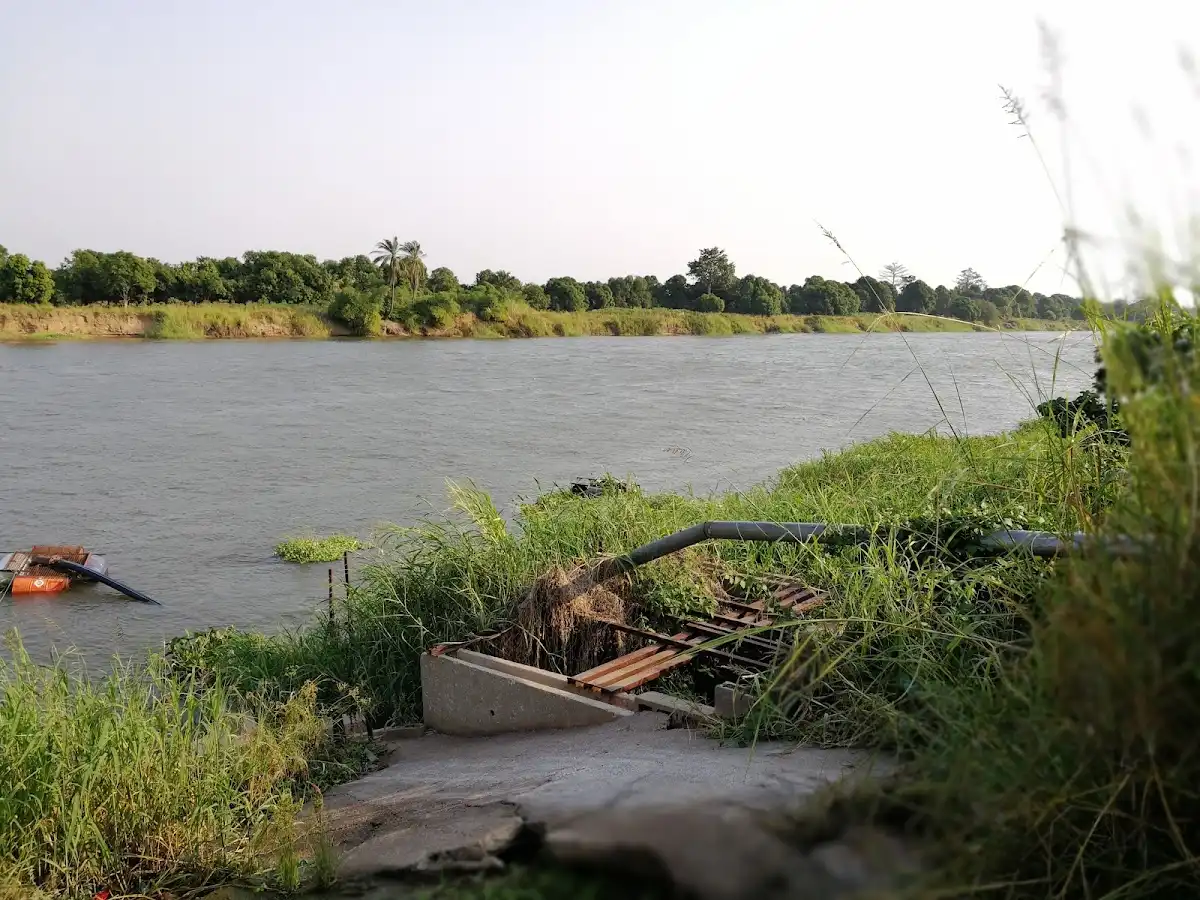
A decade ago, the Kwanza River was the kind of place you’d only hear about from a fisherman or a bush pilot—raw, unpredictable, and so far off the grid you’d be lucky to find a cold beer, let alone a guesthouse. Fast-forward to today: the river still snakes through the heart of Angola, southwest of Luanda, but now you’ll spot eco-lodges, weekenders from the capital, and the odd Instagrammer trying to look lost. The region is a backpacker’s paradox—lush riverbanks, wild hippos, and sunsets that punch you in the chest, but also patchy transport, unpredictable costs, and a vibe that flips between sleepy fishing villages and sudden bursts of local festivity. It’s not overrun, but you’ll feel the edges of tourism creeping in, especially compared to the emptier wilds of Cuando Cubango or the more polished beaches near Benguela. If you want authenticity with a side of improvisation, Kwanza River still delivers—just don’t expect it to be easy, or cheap, every step of the way.

Discover everything you want to know in the 📖 Angola Travel Guide.


Get your Angola guide
90 ranked highlights, routes & tips, works offline (341 pages)
Loading the map 🌍
CLICK TO FILTER
cities
towns
landmarks
national parks
hikes
beaches
attractions
festivals
regions
SHOW COUNTRY’S BESTSHOW ALL

✨ Why go?
Ranked #2 region in Angola
What makes it a must-see region

The Kwanza River in Angola is a backpacker’s playground, offering a unique blend of landscapes and experiences that make it a top choice for those in the know. You can explore lush riverbanks, breathtaking waterfalls, and rolling hills without the hassle of constant relocation. This region is a transport dream; you can hop on a local bus or rent a bike, giving you the freedom to roam at your own pace.

What sets Kwanza apart is the chance to mix nature and culture seamlessly. Spend your mornings trekking through wildlife-rich areas, then dive into local markets in the afternoon, tasting traditional dishes and chatting with friendly vendors. This is slow travel at its finest, allowing you to soak in the essence of Angola without feeling rushed.

By choosing Kwanza, you’re not just ticking boxes; … read more 👉
The Kwanza River in Angola is a backpacker’s playground, offering a unique blend of landscapes and experiences that make it a top choice for those in the know. You can explore lush riverbanks, breathtaking waterfalls, and rolling hills without the hassle of constant relocation. This region is a transport dream; you can hop on a local bus or rent a bike, giving you the freedom to roam at your own pace.

What sets Kwanza apart is the chance to mix nature and culture seamlessly. Spend your mornings trekking through wildlife-rich areas, then dive into local markets in the afternoon, tasting traditional dishes and chatting with friendly vendors. This is slow travel at its finest, allowing you to soak in the essence of Angola without feeling rushed.

By choosing Kwanza, you’re not just ticking boxes; you’re investing in high-value experiences. Each moment spent here is a chance to connect with the land and its people, making your journey feel authentic and rewarding. So, pack your bags and get ready to uncover the soul of Angola along the Kwanza River.
Want to include Kwanza River in your Angola route?
Create a personalized Angola itinerary that includes Kwanza River and the places that fit your trip — based on your travel style, budget, and available time. Get your route in seconds.

Generate my trip

💡 HighlightsTop highlights of Kwanza River

  1. Fortaleza and Church of Muxima — A genuine Portuguese-era fortress perched on the Kwanza’s bank with the tiny, atmospheric Igreja de Nossa Senhora da Muxima next to it. It’s a real slice of Angola’s colonial and religious history, plus the river views from the fort ramparts are properly dramatic at sunset.
  2. Muxima riverside market and pilgrimage scene — Hidden gem. The market by the church and the seasonal pilgrimages (local, very alive) are where you see the real social life of the Kwanza valley: boat arrivals, palm-wine sellers, and packed stalls of river fish and produce. Not a polished “tourist” thing — it’s messy, loud and unforgettable.
  3. Quiçama (Kissama) National Park — Kwanza floodplain safaris — The park sits along the lower Kwanza and gives you a different kind of Angola wildlife
read more 👉
  1. Fortaleza and Church of Muxima — A genuine Portuguese-era fortress perched on the Kwanza’s bank with the tiny, atmospheric Igreja de Nossa Senhora da Muxima next to it. It’s a real slice of Angola’s colonial and religious history, plus the river views from the fort ramparts are properly dramatic at sunset.
  2. Muxima riverside market and pilgrimage scene — Hidden gem. The market by the church and the seasonal pilgrimages (local, very alive) are where you see the real social life of the Kwanza valley: boat arrivals, palm-wine sellers, and packed stalls of river fish and produce. Not a polished “tourist” thing — it’s messy, loud and unforgettable.
  3. Quiçama (Kissama) National Park — Kwanza floodplain safaris — The park sits along the lower Kwanza and gives you a different kind of Angola wildlife experience: riverine plains, seasonal floods and — if you time it — hippos, buffalo and birds concentrated along the water. Boat or 4x4 river-edge trips here feel unique to the Kwanza estuary landscape.
  4. Barra do Kwanza sandbar and fishing villages — Where the river meets the Atlantic: huge shifting sandbanks, small fishing settlements and long, empty beaches. Local fishermen camp and smoke fish on the sandbars — a living, working coastline that’s more authentic than resort beaches and great for low-key camping or day trips from Luanda.
  5. Kwanza estuary islets and mangrove walks — Hidden gem. The mangrove islets in the estuary hold a surprising variety of shorebirds, fiddler crabs and quiet villages that use small dugout canoes. It’s intimate, easily missed by itineraries that focus only on big parks, and offers great photo ops and local boat rides with fishermen.
  6. Cambambe Dam and the Kwanza gorge viewpoint — The old and modern engineering works at Cambambe carve the river into a scenic gorge; there are obvious industrial vibes but also great lookout points to see the river squeezed between cliffs. For history and landscape this stretch is uniquely Kwanza — bring sturdy shoes for the trails around the spillways.
  7. Capanda Reservoir & rapids — A big, quieter stretch of river impounded by the Capanda dam; the reservoir creates islands and shallow flats that attract birds and local fishers. It’s less visited by foreigners, offers calm boat excursions and a different, more expansive river feel than the lower Kwanza.
  8. Scattered colonial plantation and mission ruins in the mid-Kwanza valley — These are not polished museums but real, evocative ruins of coffee and mission estates along the river valley. Wandering them (with a local guide) gives a textured sense of the area’s history — land use, colonial architecture and the human stories tied to the river.
  9. Riverside boat rides and fishing with local crews — Hidden gem. Hiring a local canoe or small motorboat for a half-day with fishermen is cheap, flexible and totally local: you learn river navigation, try handline fishing, and watch how communities use the river for transport and food. Experiences vary day-to-day — that’s the charm.
  10. Kwanza birding hotspots (estuaries, reservoirs and riverine gallery forest) — From raptors over the gorge to kingfishers and mangrove specialists at the mouth, the Kwanza corridor is excellent bird country and different from inland savanna birding. Bring binoculars and ask local guides for the quiet, productive loops around reservoirs and estuary islets.
Spotted a mistake or missing something? Contact us.

Things to do near Kwanza River

Ratings based on Tripadvisor reviews. When you book through this link, you support our work at no extra cost to you.

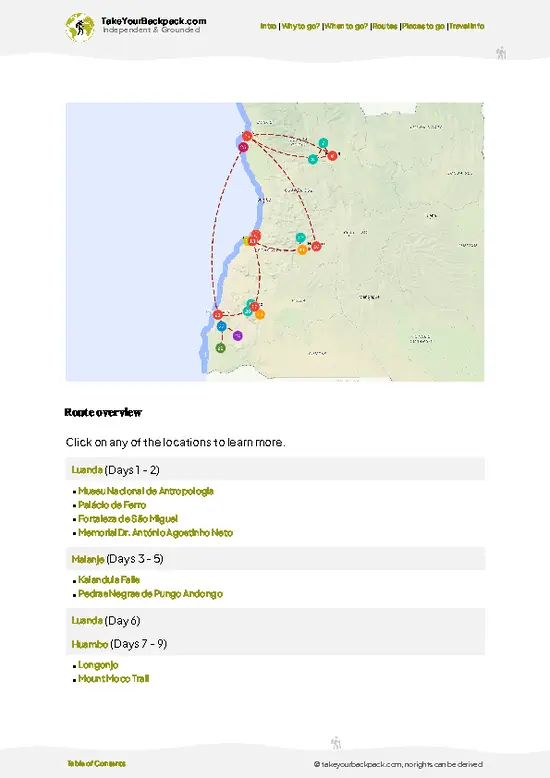
⌛️ 5 daysA smart one-week plan

Day 1: Luanda
The journey kicks off in Luanda, Angola’s bustling capital. This city is your gateway, but don’t get too comfortable. The transport system here is chaotic, with a mix of taxis, buses, and shared vans. Grab a taxi to the Kwanza River’s edge; it’s a short ride but sets the tone. You’ll want to soak in the local vibe before heading out. The river is a lifeline, and understanding its flow will help you navigate the region.

Day 2: Kwanza Norte
From Luanda, take a bus to Kwanza Norte. This leg is crucial; it’s about four hours, but the scenery transforms from urban sprawl to lush landscapes. The bus system is reliable, but be prepared for delays. Use this time to chat with locals; they’re your best source for insider tips. The region’s heart beats here, and you’ll feel it in … read more 👉
Day 1: Luanda
The journey kicks off in Luanda, Angola’s bustling capital. This city is your gateway, but don’t get too comfortable. The transport system here is chaotic, with a mix of taxis, buses, and shared vans. Grab a taxi to the Kwanza River’s edge; it’s a short ride but sets the tone. You’ll want to soak in the local vibe before heading out. The river is a lifeline, and understanding its flow will help you navigate the region.

Day 2: Kwanza Norte
From Luanda, take a bus to Kwanza Norte. This leg is crucial; it’s about four hours, but the scenery transforms from urban sprawl to lush landscapes. The bus system is reliable, but be prepared for delays. Use this time to chat with locals; they’re your best source for insider tips. The region’s heart beats here, and you’ll feel it in the air.

Day 3: Quiculungo
Next, head to Quiculungo. This small town is a hidden treasure. The transport options are limited, so consider hiring a local guide for the day. They’ll show you the best spots, like the nearby waterfalls, which are stunning and less crowded. This detour is an ’Off-Path Reward’ that adds depth to your experience without straying too far from your route.

Day 4: Kwanza River Adventures
Spend the day on the river. Rent a canoe or join a local fishing expedition. This is where the magic happens. The river’s tranquility contrasts sharply with the previous hustle. You’ll connect with nature and locals alike, making this a high-value experience.

Day 5: Return to Luanda
Wrap up your trip by heading back to Luanda. Use this time to reflect on your journey. The bus ride will feel different now; you’re not just a tourist anymore. You’ve tasted the local life, and it’s rich.

The must-do day? Day 4 on the Kwanza River. It encapsulates the essence of this region, blending adventure with cultural immersion. Don’t miss it.
Turn your Kwanza River visit into an Angola adventure
Build a complete Angola route with Kwanza River, hidden gems, must-see destinations, and realistic travel times included.

Generate my trip

🌤️ When to go?Weather, crowds, and seasonal trade-offs


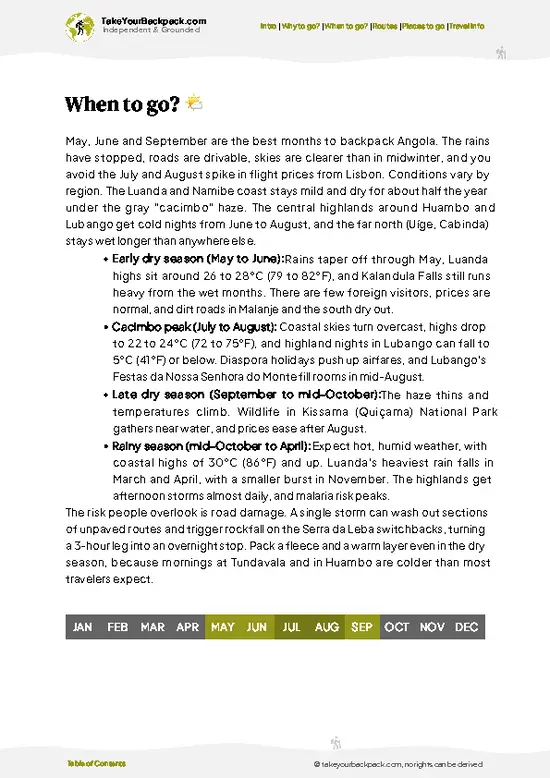
  • Topic: Weather – The dry season from May to October is your golden window. Expect clear skies and minimal rain, perfect for trekking and river activities. The wet season (November to April) turns trails into mudslides and swells the river, making some areas risky.

  • Topic: Temperature – During the dry months, daytime temps hover around 22-28°C (72-82°F), comfortable for hiking without overheating. Nights can dip to 12-15°C (54-59°F), so pack a warm layer. Wet season temps rise slightly but humidity spikes, making it sticky and exhausting.

  • Topic: Daylight Hours – Near the equator, daylight is steady year-round, roughly 12 hours. This means no drastic shifts in your daily schedule, but starting early is key to beat the midday heat and maximize your adventure time.

  • Topic: Crowds – The
read more 👉

  • Topic: Weather – The dry season from May to October is your golden window. Expect clear skies and minimal rain, perfect for trekking and river activities. The wet season (November to April) turns trails into mudslides and swells the river, making some areas risky.

  • Topic: Temperature – During the dry months, daytime temps hover around 22-28°C (72-82°F), comfortable for hiking without overheating. Nights can dip to 12-15°C (54-59°F), so pack a warm layer. Wet season temps rise slightly but humidity spikes, making it sticky and exhausting.

  • Topic: Daylight Hours – Near the equator, daylight is steady year-round, roughly 12 hours. This means no drastic shifts in your daily schedule, but starting early is key to beat the midday heat and maximize your adventure time.

  • Topic: Crowds – The dry season attracts more travelers, but Kwanza River remains low-key compared to other African hotspots. You’ll find a handful of fellow adventurers, which means a lively vibe without feeling overrun.

  • Topic: Seasonal Activities – Dry months unlock hiking, kayaking, and wildlife spotting. The wet season is for the brave: swollen rivers offer thrilling rapids but limit access to some trails and campsites.

  • Topic: Price Fluctuations – Expect higher prices during the dry season, especially July and August. Booking early can snag better deals. The wet season sees discounts but comes with the trade-off of unpredictable weather and limited access.


Pro-tip: Aim for late May or early October—shoulder months where you dodge crowds, enjoy decent weather, and catch better prices. It’s the insider sweet spot.


source: climatestotravel.comJANJanuary: fair for travelingFEBFebruary: fair for travelingMARMarch: fair for travelingAPRApril: fair for travelingMAYMay: highly recommended for travelingJUNJune: excellent for travelingJULJuly: highly recommended for travelingAUGAugust: highly recommended for travelingSEPSeptember: excellent for travelingOCTOctober: highly recommended for travelingNOVNovember: fair for travelingDECDecember: fair for traveling
angola-region-kwanza-river
© Google |

✈️ The backpacker research shortcutAngola Travel Guide

An offline-friendly backpacking guide with optimized travel routes, ranked highlights, transport advice, and the best areas to stay.
example page 0 from our offline Travel Guide for Angola
example page 1 from our offline Travel Guide for Angola
example page 2 from our offline Travel Guide for Angola
example page 3 from our offline Travel Guide for Angola
example page 4 from our offline Travel Guide for Angola
example page 5 from our offline Travel Guide for Angola
example page 6 from our offline Travel Guide for Angola
example page 7 from our offline Travel Guide for Angola
The digital guide (341 pages) contains:
90 highlights, ranked by travel appeal
Optimized 7, 14 & 21-day travel routes
Cities, national parks, landmarks, beaches
How to get around
Offline-friendly for travel without Wi-Fi
👉 Click to see all 30+ guide features

📅 Plan smarter in minutes, not weeks
Month by month travel advice
Festivals & national holidays
Budget expectations

🗺️ Go to the right places, skip the overrated ones
Honest pros & cons of destinations
Top hikes, parks & viewpoints
Lesser-known places most travelers miss
Clear “worth it vs skip it” guidance

🛏️ Travel smoothly without rookie mistakes
Best areas to stay
Transport systems explained simply
Common scams & safety advice
SIM cards, money & practical tips

🌍 Understand the country, not just visit it
Culture & traditions
52 Essential phrases & customs
Festivals worth planning around
Traveler-friendly historical context
Insights that make places more meaningful

📱 Built for real travel conditions
Fully downloadable PDF
Works completely offline
Optimized for phone use
Useful in remote areas & buses
Everything in one place
Save weeks of stressful planning
Get instant access to your full guide. 30‑day money-back guarantee.
+ Add another guide for just €6.50

By proceeding you agree to our terms.
Sent to your inbox immediately after payment • 100% Secure Checkout
Best Backpacking Travel Advisor 2025 tourism awardBest Backpacking
Travel Advisor
2025
What others say about Take Your Backpack Guides:
⭐⭐⭐⭐⭐
Fantastic, amazing amount of information!
⭐⭐⭐⭐⭐
My goodness this is amazing, it's what I've been looking for hats off too you!
⭐⭐⭐⭐⭐
I think this is absolutely BRILLIANT
⭐⭐⭐⭐
Very complete and informative. It's still missing places, but I gotta to commend you
⭐⭐⭐⭐⭐
This is truly amazing, thank you, can't wait to explore it with my kids!
⭐⭐⭐⭐⭐
Awesome resource, thank you!
⭐⭐⭐⭐⭐
This is amazing! Can't wait to explore the ones I haven't seen
⭐⭐⭐⭐
I love this! Well done, great idea.
⭐⭐⭐⭐⭐
Thanks for taking the time to make this gem!
⭐⭐⭐⭐⭐
This might be the best website I've ever seen.
⭐⭐⭐⭐⭐
Congratulations, and thank you so much for your work; it's incredibly valuable.
⭐⭐⭐⭐
In all seriousness I think you did a great job pointing out the important spots
⭐⭐⭐⭐⭐
10/10 very good
⭐⭐⭐⭐⭐
As someone who's only just starting to visit regularly this is awesome, thank you.
⭐⭐⭐⭐
Thank you very much! I'm going to visit my dad, it's going to be very useful!
⭐⭐⭐⭐⭐
This is really cool! We'll be travelling for the first time and this definitely come in handy.
⭐⭐⭐⭐⭐
You are now our minister of culture, congratulations 👨‍💼
⭐⭐⭐⭐⭐
Just wanted to tell you that this is a pearl! Going to follow your recommendations.
⭐⭐⭐⭐⭐
This is so cool. I'll definitely be using the resource for my travels soon.
⭐⭐⭐⭐⭐
This is very impressive! Good work.
⭐⭐⭐⭐⭐
This is an amazing and informative site. Very well done!

🛏️ Where to stay?Choosing the right base

When you’re roaming the Kwanza River region, the right base can make all the difference. Let’s dive into the spots that’ll keep your wallet happy and your social life buzzing.

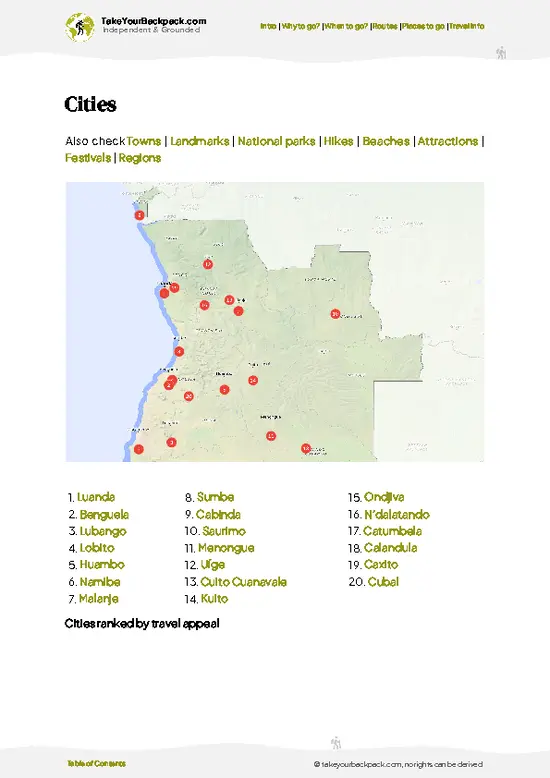
Luanda is the big player here. Sure, it’s the capital, but don’t let that scare you off. The waterfront area is where backpackers gather. You’ll find lively markets, street food that’s a feast for your senses, and a vibrant nightlife. Just keep your wits about you; stick to well-lit areas after dark.

Next up, Kwanza Norte. Towns like Ndalatando offer a more laid-back vibe. It’s less touristy, which means you’ll rub shoulders … read more 👉
When you’re roaming the Kwanza River region, the right base can make all the difference. Let’s dive into the spots that’ll keep your wallet happy and your social life buzzing.

Luanda is the big player here. Sure, it’s the capital, but don’t let that scare you off. The waterfront area is where backpackers gather. You’ll find lively markets, street food that’s a feast for your senses, and a vibrant nightlife. Just keep your wits about you; stick to well-lit areas after dark.

Next up, Kwanza Norte. Towns like Ndalatando offer a more laid-back vibe. It’s less touristy, which means you’ll rub shoulders with locals. The riverbanks are perfect for chilling after a day of exploring. Plus, the cost of living is lower, so you can stretch your budget further.

Then there’s Caxito, a small town that’s gaining traction among backpackers. It’s close to Luanda but feels worlds apart. You’ll find friendly locals and a slower pace, making it ideal for solo travelers looking to connect.

Each of these spots has its own flavor, so choose based on what you crave—social buzz or a peaceful retreat. Either way, you’re in for a treat.

🚌 Getting aroundGetting around like a local

The Kwanza River flows like a heartbeat through Angola, pulsing with life and unpredictability. Here, schedules are more suggestions than rules. You’ll find a blend of organized chaos and spontaneous adventure. The locals move with a rhythm that’s both familiar and foreign, where time bends to the will of the river. If you’re looking for a rigid itinerary, you might want to rethink your approach. Instead, embrace the flow. This is a place where you can hop on a boat, catch a ride with a friendly stranger, or wait for the next bus while sipping a cold drink and soaking in the vibrant atmosphere.


  • Chapa (Shared Taxi): These are the lifeblood of local transport. They run frequently, usually from dawn until dusk, and cost around 100-200 Kwanza. Expect a cramped ride, but you’ll meet locals and
read more 👉
The Kwanza River flows like a heartbeat through Angola, pulsing with life and unpredictability. Here, schedules are more suggestions than rules. You’ll find a blend of organized chaos and spontaneous adventure. The locals move with a rhythm that’s both familiar and foreign, where time bends to the will of the river. If you’re looking for a rigid itinerary, you might want to rethink your approach. Instead, embrace the flow. This is a place where you can hop on a boat, catch a ride with a friendly stranger, or wait for the next bus while sipping a cold drink and soaking in the vibrant atmosphere.


  • Chapa (Shared Taxi): These are the lifeblood of local transport. They run frequently, usually from dawn until dusk, and cost around 100-200 Kwanza. Expect a cramped ride, but you’ll meet locals and get a taste of daily life.


  • Bus Services: Buses connect major towns along the river. They typically leave when full, so patience is key. Fares range from 500-1,500 Kwanza depending on distance. Comfort varies, but you can usually find a seat and some air circulation.


  • Private Taxi: For a more comfortable ride, private taxis are available. They’re pricier, around 3,000-5,000 Kwanza for short distances, but you can negotiate. This option gives you flexibility and a bit more space, especially if you’re traveling with gear.


  • Boat Transport: For a unique experience, hop on a local boat. Prices vary widely based on distance and negotiation skills, but expect to pay around 1,000-3,000 Kwanza. This is the best way to see the river and its lush surroundings, but be prepared for a bumpy ride.


  • Motorbike Taxis (Mikate): If you’re feeling adventurous, these are a quick way to zip around town. Fares are usually around 300-500 Kwanza for short trips. Just hold on tight and enjoy the wind in your face!


For smooth sailing across the Kwanza River region, always ask locals for the latest transport tips. They know the best times to catch a ride and can help you avoid the tourist traps. Flexibility is your friend here; embrace the spontaneity, and you’ll find the journey is just as rewarding as the destination.

🍲 FoodEating & Drinking in Kwanza River

In the Kwanza River region, food is a vibrant tapestry of flavors and traditions. You can’t miss trying muamba de galinha, a rich chicken stew simmered with palm oil, okra, and spices that will make your taste buds dance. Pair it with funje, a starchy side made from cassava flour that soaks up all that delicious sauce. For a snack, grab some kizaca, a savory dish of sautéed greens and peanuts that’s both hearty and healthy.

When it comes to drinks, look for cuca, a local beer that’s crisp and refreshing, perfect for cooling off after a day of exploring. If you’re feeling adventurous, try fuba, a fermented drink made from cassava that locals swear by.

For an authentic experience, head to local markets where the air is thick with the aroma of grilled meats and spices. Street vendors serve … read more 👉
In the Kwanza River region, food is a vibrant tapestry of flavors and traditions. You can’t miss trying muamba de galinha, a rich chicken stew simmered with palm oil, okra, and spices that will make your taste buds dance. Pair it with funje, a starchy side made from cassava flour that soaks up all that delicious sauce. For a snack, grab some kizaca, a savory dish of sautéed greens and peanuts that’s both hearty and healthy.

When it comes to drinks, look for cuca, a local beer that’s crisp and refreshing, perfect for cooling off after a day of exploring. If you’re feeling adventurous, try fuba, a fermented drink made from cassava that locals swear by.

For an authentic experience, head to local markets where the air is thick with the aroma of grilled meats and spices. Street vendors serve up sambos, fried pastries filled with meat or vegetables, perfect for a quick bite. Casual cafés are great for mingling with locals, and you’ll often find communal tables where sharing stories over food is the norm.

Dining here is a communal affair. Expect to share dishes, and don’t be surprised if you’re invited to join a table. Just remember to eat with your right hand—it’s a sign of respect. Embrace the flavors, the warmth, and the stories that come with every meal.

FAQFrequently asked questions about Kwanza River

3 to 4 days are sufficient to explore the main attractions along the Kwanza River, including waterfalls, nature reserves, and local villages. This allows time for hiking, boat trips, and cultural visits without rushing. Plan extra days if you want to explore more remote areas or engage in fishing activities.
Without a car, you can get around the Kwanza River region using local minibuses (chapas) and boats for river crossings. Walking and cycling are also common for short distances between villages and natural sites. Organized tours or hiring a local guide can help navigate less accessible areas.
The Kwanza River is known for its impressive waterfalls, such as the Kalandula Falls, one of Africa's largest waterfalls. It is also famous for its rich biodiversity and cultural significance to local communities. The river supports agriculture and hydroelectric power generation in Angola.
⚠️ Things can change over time, so always validate details locally before you go.

Where to go next

Kwanza River isn’t the only highlight in Angola. Explore all what Angola has to offer.
Country photo of Angola

We 💚 feedbackFinal thoughts on visiting Kwanza River

The Kwanza River has a vibe that’s hard to pin down—part wild adventure, part serene escape. You’ll find locals fishing with nets, laughter echoing off the water, and the occasional drumbeat from a nearby village. The best surprise? The sunsets here are pure magic; they paint the sky in colors you didn’t know existed. Just a heads-up: the roads can be rough, so don’t rush. Take your time. Embrace the journey, and you’ll leave with stories that stick.

✍️ Help improve this page!
The information on this page is based on in-depth research, insights shared by experienced travelers, and feedback from the local travel community in Angola. While every effort is made to keep the information accurate and current, conditions can change — so if you spot anything incorrect or outdated, please get in touch.


🙋‍♂️ Give feedback

👋 Meet the founderWho’s Behind Take Your Backpack?

Johan, backpacker and founder of TakeYourBackpackHi, I’m Johan (Netherlands 🇳🇱), the creator of TakeYourBackpack. Over the past decade, I’ve backpacked through 80+ countries across six continents, gaining extensive experience with independent travel, long-term trips, and overland routes.

This site is built on a combination of firsthand travel experience and carefully curated insights from other backpackers. Many guides are based on places I’ve personally visited, while others bring together tips, observations, and practical advice shared by trusted travelers I’ve met along the way.

The goal is to provide realistic, experience-driven guidance — not generic itineraries — so you can explore destinations with better context, clearer expectations, and more confidence.

Get full Angola guide •
Instant download • 90 highlights • Full Offline guide