×

Argentina🇦🇷 | festivalsCarnaval de GualeguaychúCorsodromo stadium, rival comparsas, live drumlines, feathered headdresses | things to do and best time to go

Explore GualeguaychúExplore Festival de Cosquín

Backpacking in Carnaval de Gualeguaychú
🏆 Top pickfestival ranked #1
By Johan Kruseman 🇳🇱 | Updated October 19, 2026

Here's what the glossy tourist sites won't tell you: Gualeguaychu's Corsodromo isn't some ancient Argentine tradition, it's a purpose-built parade stadium that only fills up on Saturday nights from January through early March. Located in Entre Rios province, about three hours north of Buenos Aires by bus, this carnival pulls in sequins, samba-infused percussion, and comparsas (rival parade troupes) competing for bragging rights. The crowd skews young, loud, and unapologetically festive, more South American Mardi Gras than solemn cultural showcase. I remember gripping a cold Quilmes beer, feet vibrating from the drumline, watching a dancer's headdress catch stadium lights like a firework frozen mid-burst. It's four hours of spectacle per night, running roughly six to eight weekends total. Worth it if you want unfiltered energy and don't mind heat, noise, and standing room only.

Discover everything you want to know in the 📖 Argentina Travel Guide.


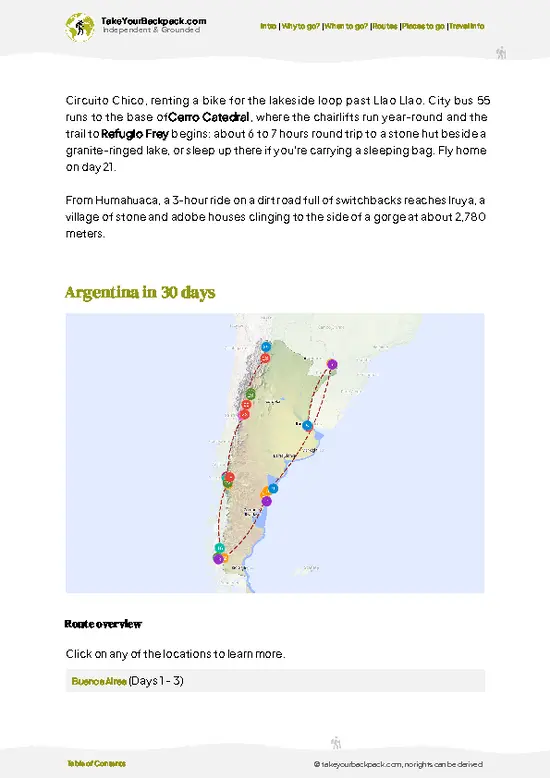
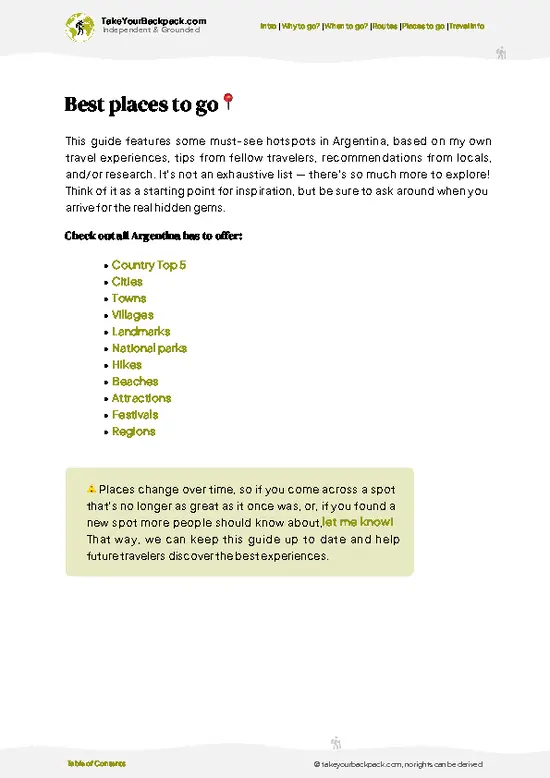
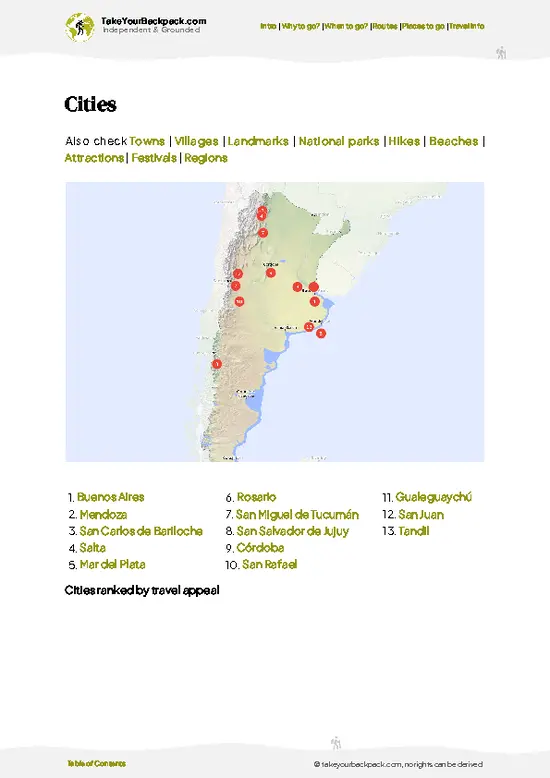
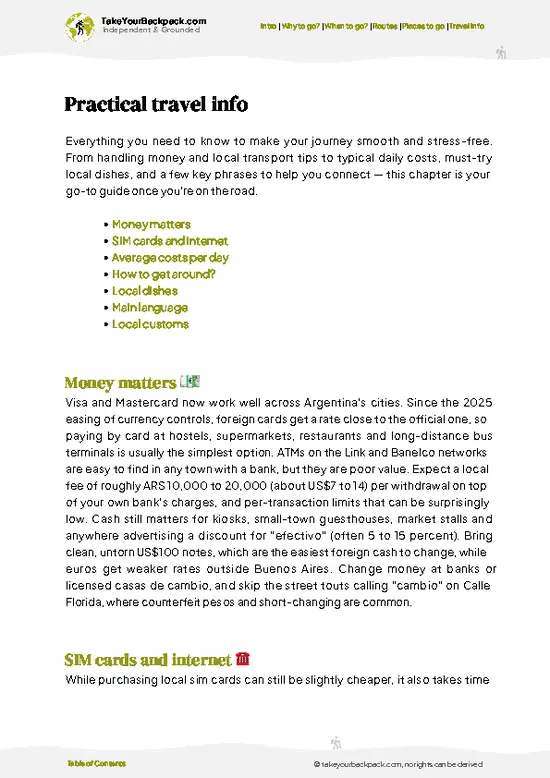
example page 0 from our offline Travel Guide for Argentina
example page 1 from our offline Travel Guide for Argentina
example page 2 from our offline Travel Guide for Argentina
example page 3 from our offline Travel Guide for Argentina
example page 4 from our offline Travel Guide for Argentina
example page 5 from our offline Travel Guide for Argentina
example page 6 from our offline Travel Guide for Argentina
example page 7 from our offline Travel Guide for Argentina
Loading the map 🌍
CLICK TO FILTER
cities
towns
villages
landmarks
national parks
hikes
beaches
attractions
festivals
regions
SHOW COUNTRY’S BESTSHOW ALL

✨ Why go?
Ranked #1 festival in Argentina
Why Carnaval de Gualeguaychú should be on your travel list

Backpackers build entire South American loops around this event because it delivers something rare: instant social energy without the cost of Rio. You'll find yourself shoulder-to-shoulder with Argentines, Brazilians, and fellow travelers, all swept into the same temporary community that forms around shared bleacher seats and warm beer. It's genuine cultural immersion, not a staged tourist version, since locals from Gualeguaychu have run this show since 1978. Compared to Rio or Salvador, tickets and lodging cost a fraction of the price, making it an easy add-on for anyone already backpacking Entre Rios or passing through on the Buenos Aires to Iguazu route. The affordability means you can splurge on better seats or extra nights without blowing your budget. It also fits naturally into longer … read more 👉
Backpackers build entire South American loops around this event because it delivers something rare: instant social energy without the cost of Rio. You'll find yourself shoulder-to-shoulder with Argentines, Brazilians, and fellow travelers, all swept into the same temporary community that forms around shared bleacher seats and warm beer. It's genuine cultural immersion, not a staged tourist version, since locals from Gualeguaychu have run this show since 1978. Compared to Rio or Salvador, tickets and lodging cost a fraction of the price, making it an easy add-on for anyone already backpacking Entre Rios or passing through on the Buenos Aires to Iguazu route. The affordability means you can splurge on better seats or extra nights without blowing your budget. It also fits naturally into longer itineraries: three hours from Buenos Aires means you can hit a Saturday parade, sleep it off, and be back in the capital by Monday. That flexibility, paired with the sheer volume of the drumlines and the sweat-soaked joy of the crowd, is why so many travelers rearrange their entire route around a single Saturday night here.

💡 HighlightsDon't-miss highlights and experiences

  1. The Comparsas Competition
    Rival parade troupes such as Marí Marí, Papelitos, O'Bahía and Ara Yeví spend the entire year designing costumes and choreography for this rivalry. Watching two comparsas go head-to-head for points from judges is the emotional core of the whole event, closer to a sports rivalry than a simple parade.
  2. The Corsodromo Itself
    This purpose-built stadium seats thousands along a runway-style parade route, meaning you get close-up views of dancers as they pass rather than watching from a distant sidewalk. The stadium format is rare among South American carnivals and makes photography far easier.
  3. The Drumlines (Baterias)
    Each comparsa fields a massive percussion section that provides the entire soundtrack live, no backing tracks. Standing near the barrier when eighty drummers hit
… read more 👉
  1. The Comparsas Competition
    Rival parade troupes such as Marí Marí, Papelitos, O'Bahía and Ara Yeví spend the entire year designing costumes and choreography for this rivalry. Watching two comparsas go head-to-head for points from judges is the emotional core of the whole event, closer to a sports rivalry than a simple parade.
  2. The Corsodromo Itself
    This purpose-built stadium seats thousands along a runway-style parade route, meaning you get close-up views of dancers as they pass rather than watching from a distant sidewalk. The stadium format is rare among South American carnivals and makes photography far easier.
  3. The Drumlines (Baterias)
    Each comparsa fields a massive percussion section that provides the entire soundtrack live, no backing tracks. Standing near the barrier when eighty drummers hit the same rhythm at once is a physical sensation as much as an audio one. This is my personal favorite part of the whole event, it's the moment the whole stadium moves as one.
  4. Costume Craftsmanship
    Headdresses can weigh over 15 kilograms and take months to build, using feathers, sequins, and reflective materials designed specifically to catch stadium lighting. Getting a front-row seat lets you appreciate detail work invisible on television broadcasts.
  5. The After-Parade Street Scene
    Once the Corsodromo empties around 2am, the energy spills into nearby streets and plazas where informal groups keep dancing and drinking. It's a less choreographed, more genuinely social slice of the festival that most day-trippers miss entirely.
Spotted a mistake or missing something? Contact us.

🌤️ When to go?When is the celebration of Carnaval de Gualeguaychú?

Carnaval de Gualeguaychú runs on Saturday nights from early January through February, with eight or so editions of the parade at the Corsódromo in Gualeguaychú, Entre Ríos, and the calendar is set around the Carnival weekend before Lent.
  • Best night: The first and last Saturdays pull the biggest crowds, but a mid-season Saturday gives you the same comparsas with easier seating and cheaper tickets. Weeknights have no parades.
  • Weather: Expect hot, humid summer nights of 22 to 30°C (72 to 86°F) after 30 to 35°C (86 to 95°F) days, with sudden thunderstorms and mosquitoes. Bring a light rain poncho, repellent, sunscreen and a thin layer for the river breeze after 2 a.m.
  • Booking: Reserve tickets and beds six to eight weeks ahead for Carnival weekends. Lodging often runs 30 to 100 percent above normal
… read more 👉
Carnaval de Gualeguaychú runs on Saturday nights from early January through February, with eight or so editions of the parade at the Corsódromo in Gualeguaychú, Entre Ríos, and the calendar is set around the Carnival weekend before Lent.
  • Best night: The first and last Saturdays pull the biggest crowds, but a mid-season Saturday gives you the same comparsas with easier seating and cheaper tickets. Weeknights have no parades.
  • Weather: Expect hot, humid summer nights of 22 to 30°C (72 to 86°F) after 30 to 35°C (86 to 95°F) days, with sudden thunderstorms and mosquitoes. Bring a light rain poncho, repellent, sunscreen and a thin layer for the river breeze after 2 a.m.
  • Booking: Reserve tickets and beds six to eight weeks ahead for Carnival weekends. Lodging often runs 30 to 100 percent above normal rates, and many places set a two-night minimum.
  • Crowds: Buses and cars jam the roads in the late afternoon, so arrive before noon. Leave on Sunday morning, since the parade finishes around 3 or 4 a.m.
Buy a Saturday ticket for a mid-January or early February night, then sleep late on Sunday.


source: climatestotravel.comJANJanuary: excellent for travelingFEBFebruary: not recommended for travelingMARMarch: not recommended for travelingAPRApril: not recommended for travelingMAYMay: not recommended for travelingJUNJune: not recommended for travelingJULJuly: not recommended for travelingAUGAugust: not recommended for travelingSEPSeptember: not recommended for travelingOCTOctober: not recommended for travelingNOVNovember: not recommended for travelingDECDecember: not recommended for traveling

✈️ The backpacker research shortcutArgentina Travel Guide

An offline-friendly backpacking guide with optimized travel routes, ranked highlights, transport advice, and the best areas to stay.
example page 0 from our offline Travel Guide for Argentina
example page 1 from our offline Travel Guide for Argentina
example page 2 from our offline Travel Guide for Argentina
example page 3 from our offline Travel Guide for Argentina
example page 4 from our offline Travel Guide for Argentina
example page 5 from our offline Travel Guide for Argentina
example page 6 from our offline Travel Guide for Argentina
example page 7 from our offline Travel Guide for Argentina
The digital guide (393 pages) contains:
✅ 131 highlights, ranked by travel appeal
✅ Optimized 14, 21 & 30-day travel routes
✅ Cities, national parks, landmarks, beaches
✅ How to get around
✅ Offline-friendly for travel without Wi-Fi
👉 Click to see all 30+ guide features

📅 Plan smarter in minutes, not weeks
✅ Month by month travel advice
✅ Festivals & national holidays
✅ Budget expectations

🗺️ Go to the right places, skip the overrated ones
✅ Honest pros & cons of destinations
✅ Top hikes, parks & viewpoints
✅ Lesser-known places most travelers miss
✅ Clear “worth it vs skip it” guidance

🛏️ Travel smoothly without rookie mistakes
✅ Best areas to stay
✅ Transport systems explained simply
✅ Common scams & safety advice
✅ SIM cards, money & practical tips

🌍 Understand the country, not just visit it
✅ Culture & traditions
✅ 52 Essential phrases & customs
✅ Festivals worth planning around
✅ Traveler-friendly historical context
✅ Insights that make places more meaningful

📱 Built for real travel conditions
✅ Fully downloadable PDF
✅ Works completely offline
✅ Optimized for phone use
✅ Useful in remote areas & buses
✅ Everything in one place
Stop searching, start planning
Get instant access to your full guide. 30‑day money-back guarantee.
+ Add another guide for just

By proceeding you agree to our terms.
Sent to your inbox immediately after payment • 100% Secure Checkout
Best Backpacking Travel Advisor 2025 tourism awardBest Backpacking
Travel Advisor
2025
What others say about Take Your Backpack Guides:
⭐⭐⭐⭐⭐
Fantastic, amazing amount of information!
⭐⭐⭐⭐⭐
My goodness this is amazing, it's what I've been looking for hats off too you!
⭐⭐⭐⭐⭐
I think this is absolutely BRILLIANT
⭐⭐⭐⭐
Very complete and informative. It's still missing places, but I gotta to commend you
⭐⭐⭐⭐⭐
This is truly amazing, thank you, can't wait to explore it with my kids!
⭐⭐⭐⭐⭐
Awesome resource, thank you!
⭐⭐⭐⭐⭐
This is amazing! Can't wait to explore the ones I haven't seen
⭐⭐⭐⭐
I love this! Well done, great idea.
⭐⭐⭐⭐⭐
Thanks for taking the time to make this gem!
⭐⭐⭐⭐⭐
This might be the best website I've ever seen.
⭐⭐⭐⭐⭐
Congratulations, and thank you so much for your work; it's incredibly valuable.
⭐⭐⭐⭐
In all seriousness I think you did a great job pointing out the important spots
⭐⭐⭐⭐⭐
10/10 very good
⭐⭐⭐⭐⭐
As someone who's only just starting to visit regularly this is awesome, thank you.
⭐⭐⭐⭐
Thank you very much! I'm going to visit my dad, it's going to be very useful!
⭐⭐⭐⭐⭐
This is really cool! We'll be travelling for the first time and this definitely come in handy.
⭐⭐⭐⭐⭐
You are now our minister of culture, congratulations 👨‍💼
⭐⭐⭐⭐⭐
Just wanted to tell you that this is a pearl! Going to follow your recommendations.
⭐⭐⭐⭐⭐
This is so cool. I'll definitely be using the resource for my travels soon.
⭐⭐⭐⭐⭐
This is very impressive! Good work.
⭐⭐⭐⭐⭐
This is an amazing and informative site. Very well done!

🛏️ Where to stay?Best areas and accommodation options

Stay in the central grid of Gualeguaychu, within walking or short-taxi distance of the Corsodromo, rather than booking something on the outskirts to save a few dollars. The parade runs late, often past 2am, and you don't want a long walk or unreliable transport option after a night of dancing and drinking. The streets around Plaza San Martin offer a good mix of budget guesthouses, casual eateries, and enough foot traffic to feel safe walking back late at night in a group. Many backpackers also base themselves near the bus terminal, since it puts you close to both the town center and quick transport … read more 👉
Stay in the central grid of Gualeguaychu, within walking or short-taxi distance of the Corsodromo, rather than booking something on the outskirts to save a few dollars. The parade runs late, often past 2am, and you don't want a long walk or unreliable transport option after a night of dancing and drinking. The streets around Plaza San Martin offer a good mix of budget guesthouses, casual eateries, and enough foot traffic to feel safe walking back late at night in a group. Many backpackers also base themselves near the bus terminal, since it puts you close to both the town center and quick transport options if you're doing a day-trip from Buenos Aires or continuing onward afterward. Avoid isolated riverside spots unless you have your own transport, they're quieter but leave you stranded once public transport thins out post-midnight. Social hostels here fill up fast during peak weekends, so book at least a few weeks ahead if you want dorm beds near the action rather than scrambling for pricier private rooms.

👛 Costs (as of 19 October 2026)Typical daily expenses

Attending Carnaval de Gualeguaychú as an independent backpacker is notably cheaper than equivalent festivals in Brazil, though costs add up if you're not careful with tickets and lodging during peak weekends.
CategoryBudget RangeLocal Reality
Festival TicketsUSD 15 to 40Prices vary by seating section and night; front rows near judges cost more, general admission bleachers are cheapest
AccommodationUSD 15 to 45 per nightHostel dorms sit at the low end, private rooms and guesthouses near the Corsodromo climb during peak Saturdays
Local TransportUSD 2 to 8 per dayTown center is walkable; short taxis to/from bus terminal or accommodation rarely exceed a few dollars
Food & DrinksUSD 10 to 25 per dayStreet food like choripan and empanadas is cheap; beer and fernet add up if you're drinking through the
… read more 👉
Attending Carnaval de Gualeguaychú as an independent backpacker is notably cheaper than equivalent festivals in Brazil, though costs add up if you're not careful with tickets and lodging during peak weekends.
CategoryBudget RangeLocal Reality
Festival TicketsUSD 15 to 40Prices vary by seating section and night; front rows near judges cost more, general admission bleachers are cheapest
AccommodationUSD 15 to 45 per nightHostel dorms sit at the low end, private rooms and guesthouses near the Corsodromo climb during peak Saturdays
Local TransportUSD 2 to 8 per dayTown center is walkable; short taxis to/from bus terminal or accommodation rarely exceed a few dollars
Food & DrinksUSD 10 to 25 per dayStreet food like choripan and empanadas is cheap; beer and fernet add up if you're drinking through the whole parade
MiscellaneousUSD 5 to 15 per dayCovers small costs like sunscreen, bottled water, or last-minute costume souvenirs sold outside the stadium
A realistic daily budget lands between USD 40 and 100 depending on ticket tier and accommodation choice, with the biggest cost lever being how close to the action, and how early, you book your seat.


source: argentina.gob.ar
⚠️ Prices can change and everyone travels differently, so take this as a rough guide. Hope it helps you plan your adventure!

🍲 FoodLocal Cuisine & Drinks

Street stalls around the Corsodromo sling the usual Argentine staples: choripan (grilled chorizo in crusty bread), empanadas, and skewers of grilled meat sold by vendors working the crowd lines before the gates open. Beer, mainly Quilmes, flows from portable coolers, and you'll also spot vendors pushing fernet con coca, the bitter-herbal Argentine mixer that's practically mandatory at any big gathering here. Worth trying: a warm choripan eaten standing in line, it's cheap, filling, and somehow tastes better with drumline bass thumping in the background. Cash is still king at most stalls, so carry small pesos bills since vendors rarely have change for large notes and cards are often unavailable outside fixed kiosks. Lines for food move fast but get chaotic right before showtime, so eat early … read more 👉
Street stalls around the Corsodromo sling the usual Argentine staples: choripan (grilled chorizo in crusty bread), empanadas, and skewers of grilled meat sold by vendors working the crowd lines before the gates open. Beer, mainly Quilmes, flows from portable coolers, and you'll also spot vendors pushing fernet con coca, the bitter-herbal Argentine mixer that's practically mandatory at any big gathering here. Worth trying: a warm choripan eaten standing in line, it's cheap, filling, and somehow tastes better with drumline bass thumping in the background. Cash is still king at most stalls, so carry small pesos bills since vendors rarely have change for large notes and cards are often unavailable outside fixed kiosks. Lines for food move fast but get chaotic right before showtime, so eat early if you want to avoid missing the parade's opening act. Portions are generous and casual sharing is normal, don't be surprised if your neighbor offers you a bite of their choripan while trading carnival stories.

FAQFrequently asked questions about Carnaval de Gualeguaychú

Carnaval de Gualeguaychú runs on Saturday nights from early January through the beginning of March, with parades held at the Corsodromo stadium. Each parade night lasts roughly four hours, typically starting around 10pm and running past 2am. The event spans about six to eight weekends total each season.
Costs vary widely depending on seating and timing, but expect to pay USD 15 to 40 for a ticket depending on section and night. Combined with lodging, food, and local transport, a realistic daily budget for independent travelers runs between USD 40 and 100. Prices tend to be higher on peak January Saturdays than in February.
Advance tickets are recommended for peak weekends, especially January Saturdays when tour groups from Buenos Aires fill up seating fast. Tickets can often be purchased closer to the date for less popular mid-season Saturdays, but front-row and premium seating sells out first. Buying a few days ahead, either online or through local vendors in Gualeguaychu, is the safest bet.
⚠️ Things can change over time, so always validate details locally before you go.

Other Argentine festivals near Carnaval de Gualeguaychú

Explore more nearby:


💡 Not sure where to go next?
Create a personalized itinerary for Argentina including Carnaval de Gualeguaychú and the places that fit your trip.

Generate my itinerary

👉 Discover all festivals

Or checkout all Argentina has to offer (think cities, towns, villages, national parks, hikes, beaches, festivals)
Country photo of Argentina

We 💚 feedbackFinal thoughts on celebrating the Carnaval de Gualeguaychú

Gualeguaychu delivers real carnival energy, drumlines, costumes, and crowd joy, at a fraction of Rio's cost and hassle. The drawback: it's a small town swallowed by tourists on peak weekends, so expect packed buses, sold-out hostels, and long food lines if you show up unprepared. Book ahead, pick a mid-season Saturday, and it's worth every peso.

✈️ When did I visit Argentina?
I have visited Argentina, together with Chile, in September 2012.

✍️ Help improve this page!
The information on this page is based on my own backpacking experience in Argentina, supplemented with up-to-date research and feedback from other travelers. Travel details can change, so if you notice anything outdated or incomplete, feel free to let me know.


🙋‍♂️ Give feedback

👋 Meet the founderWho’s Behind Take Your Backpack?

Johan, backpacker and founder of TakeYourBackpackHi, I’m Johan (Netherlands 🇳🇱), the creator of TakeYourBackpack. Over the past 3 decades, I’ve backpacked through 90+ countries across six continents, gaining extensive experience with independent travel, long-term trips, and overland routes.

This site is built on a combination of firsthand travel experience and carefully curated insights from other backpackers. Many guides are based on places I’ve personally visited, while others bring together tips, observations, and practical advice shared by trusted travelers I’ve met along the way.

The goal is to provide realistic, experience-driven guidance — not generic itineraries — so you can explore destinations with better context, clearer expectations, and more confidence.