×

Argentina🇦🇷 | citiesGualeguaychúCarnival parades, river promenade, grill stalls | things to do and best time to go

Explore San RafaelExplore Carnaval de Gualeguaychú

Backpacking in Gualeguaychú
👌 Worth visitingcity ranked #11
By Johan Kruseman 🇳🇱 | Updated October 19, 2026

Here's the trade-off nobody mentions: Gualeguaychú's Carnival draws crowds nearly as big as Rio's per capita, yet outside February you'll practically have this Entre Ríos river town to yourself. It sits about three hours northeast of Buenos Aires, close to the Uruguay border. The system here rewards flexibility: skip peak Carnival weekends and comfort goes up while cost drops, but you trade the spectacle for quiet. I remember eating grilled surubí by the Gualeguaychú River at sunset, the water flat as glass, and realizing how few tourists ever bother coming this far. Safety is high, English is rare, and meeting travelers takes effort unless you time it right.

Discover everything you want to know in the 📖 Argentina Travel Guide.


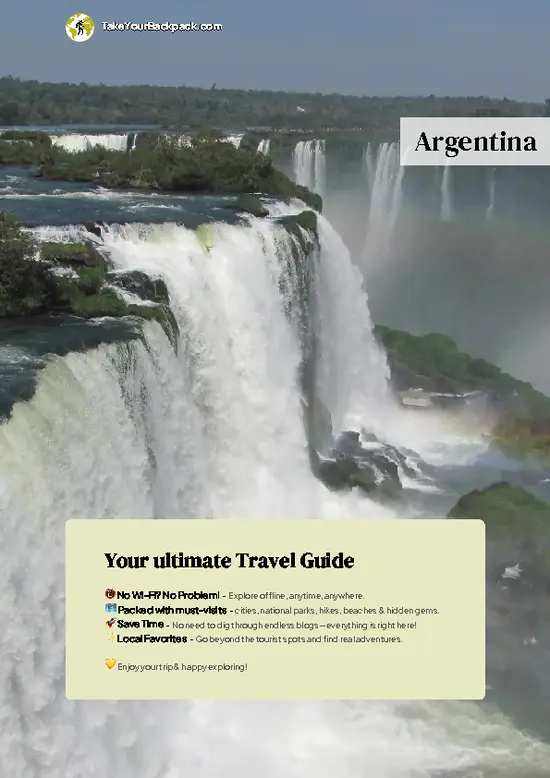
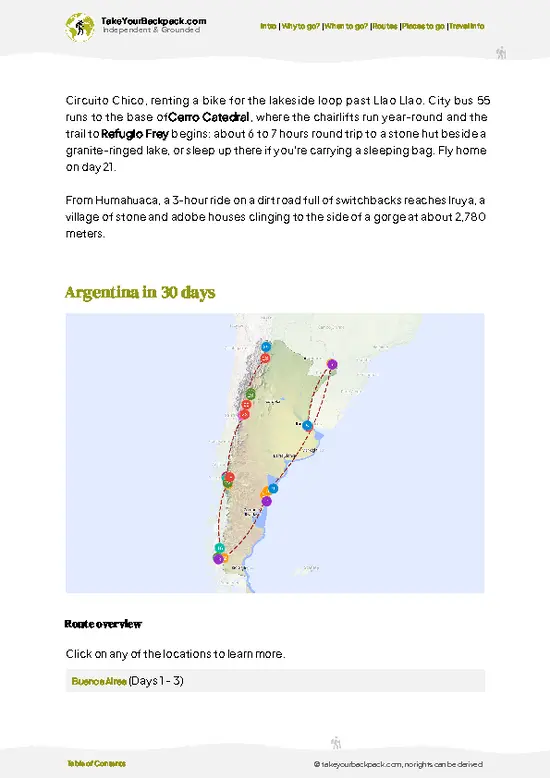
example page 0 from our offline Travel Guide for Argentina
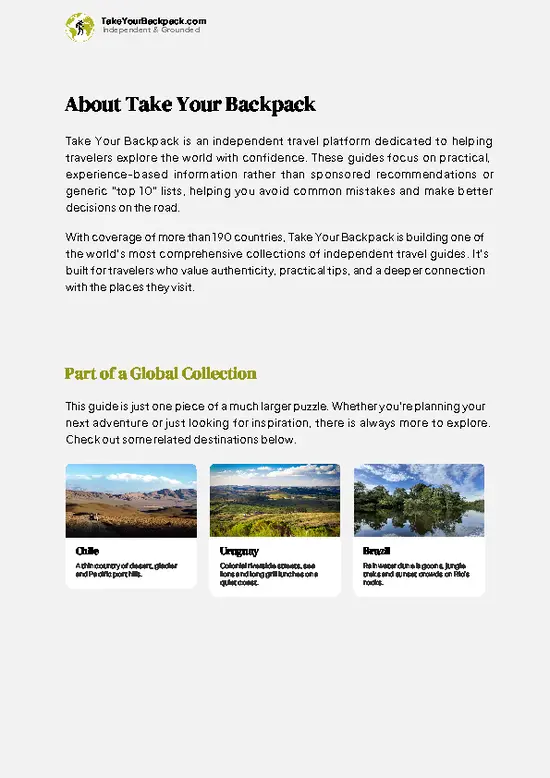
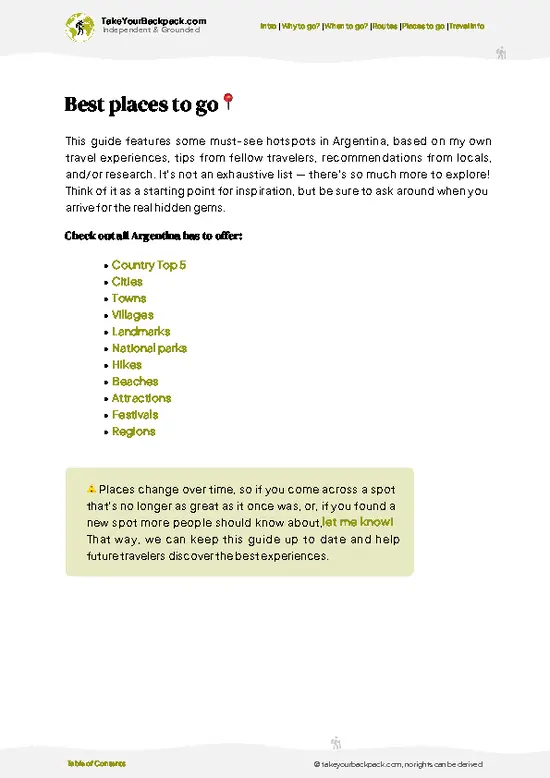
example page 1 from our offline Travel Guide for Argentina
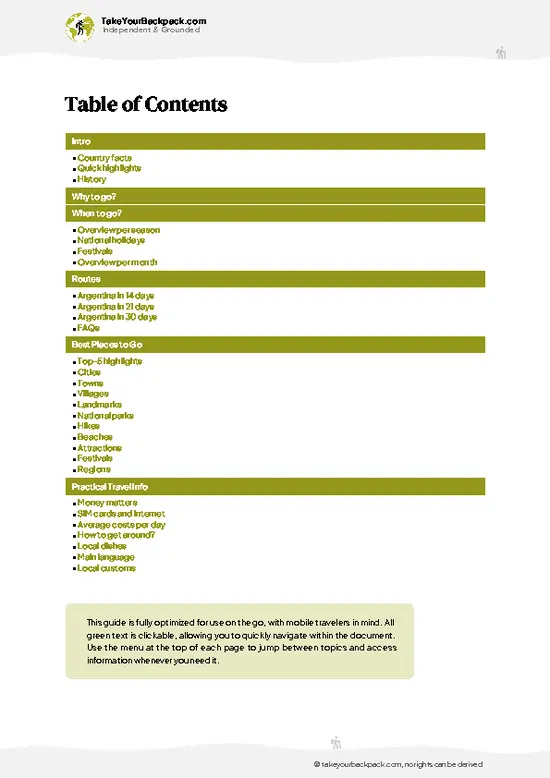
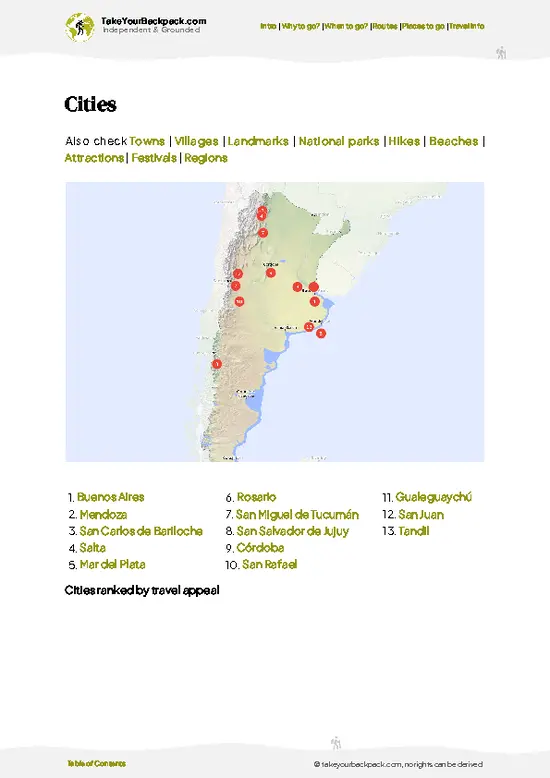
example page 2 from our offline Travel Guide for Argentina
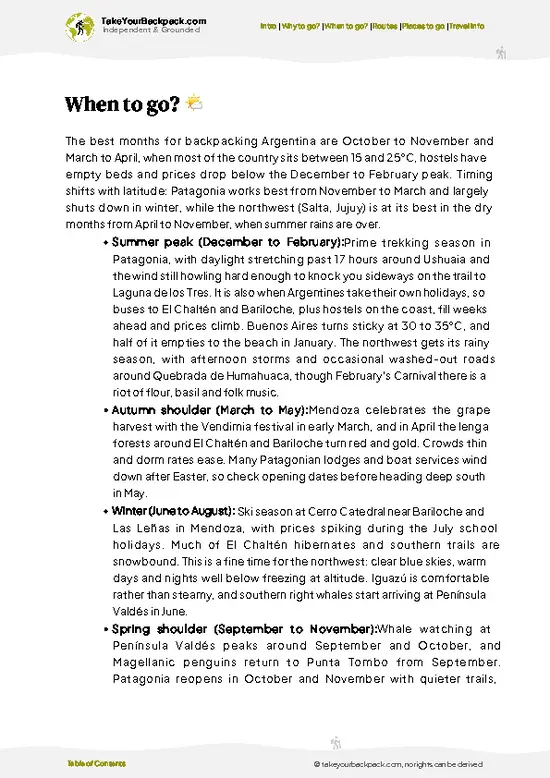
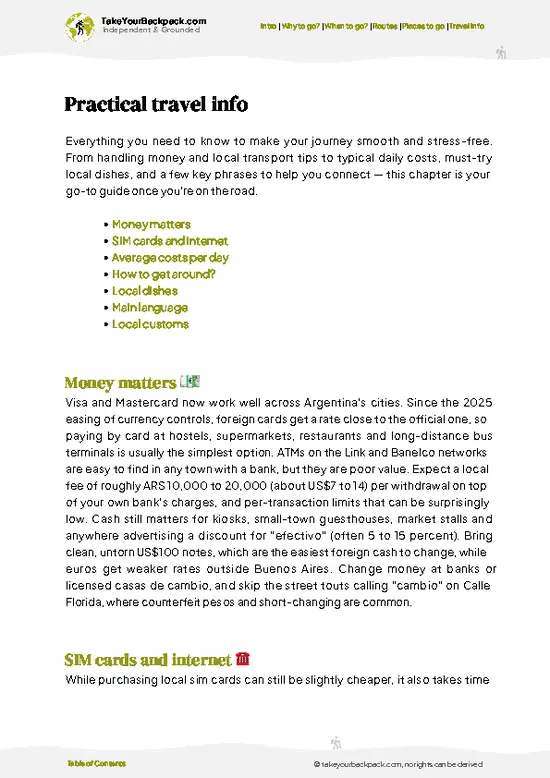
example page 3 from our offline Travel Guide for Argentina
example page 4 from our offline Travel Guide for Argentina
example page 5 from our offline Travel Guide for Argentina
example page 6 from our offline Travel Guide for Argentina
example page 7 from our offline Travel Guide for Argentina
Loading the map 🌍
CLICK TO FILTER
cities
towns
villages
landmarks
national parks
hikes
beaches
attractions
festivals
regions
SHOW COUNTRY’S BESTSHOW ALL

✨ Why go?
Ranked #11 city in Argentina
What makes this city worth visiting

Backpackers land here mostly for the Carnival del País, Argentina's biggest, but the town works year-round as a low-key river base between Buenos Aires and Uruguay. It's genuinely walkable, the hostels are cheap and family-run, and grilled riverfront food costs a fraction of capital-city prices. Nightlife spikes hard in summer and goes near-dead otherwise, so know your season before committing days here. Its real value is as a basecamp for nearby day trips and a breather from bigger cities. Onward travel to Buenos Aires or across into Uruguay is simple by bus. This isn't a place to build a two-week itinerary around; it's a smart 2-3 day stop that rewards travelers who like slower, less-scripted towns over checklist tourism.

💡 HighlightsMust-see experiences and standout moments

  1. Corsódromo del Carnaval: The permanent Carnival venue hosting Saturday-night parades from January through early March. Tickets run roughly USD10 to 20, shows last 3-4 hours starting around 9:30 PM. Even outside Carnival, the structure is worth a quick look.
  2. Costanera Gualeguaychú: The riverside promenade lined with grill stalls and benches. Free to walk, best visited around sunset, takes about an hour to stroll fully.
  3. Museo de la Ciudad: A small municipal history museum covering the town's founding and river trade past. Entry is typically free or a small donation, visit takes 30-45 minutes.
  4. Parque Unzué: A shaded riverside park good for a slow afternoon, with walking paths and picnic spots. Free entry, best in late afternoon light.
  5. Catedral San José: The main church facing the central plaza, simple
… read more 👉
  1. Corsódromo del Carnaval: The permanent Carnival venue hosting Saturday-night parades from January through early March. Tickets run roughly USD10 to 20, shows last 3-4 hours starting around 9:30 PM. Even outside Carnival, the structure is worth a quick look.
  2. Costanera Gualeguaychú: The riverside promenade lined with grill stalls and benches. Free to walk, best visited around sunset, takes about an hour to stroll fully.
  3. Museo de la Ciudad: A small municipal history museum covering the town's founding and river trade past. Entry is typically free or a small donation, visit takes 30-45 minutes.
  4. Parque Unzué: A shaded riverside park good for a slow afternoon, with walking paths and picnic spots. Free entry, best in late afternoon light.
  5. Catedral San José: The main church facing the central plaza, simple neoclassical facade worth a five-minute stop if you're already in the square. Free entry.
  6. Plaza San Martín: The central square, good for people-watching and cheap ice cream, especially active in the evening.
Just outside town, La Toma beach and the thermal baths near Villa Elisa make solid day trips; the thermal baths are my personal favorite for an easy, affordable soak after a day of walking.
Spotted a mistake or missing something? Contact us.

🏘️ NeighborhoodsKey areas and districts to know

Orient yourself around the river and the compact grid downtown; almost everything worth reaching sits within walking distance of one or the other.
  • Centro (Downtown): The trade-off here is convenience over quiet. You're steps from the main square, banks, and bus connections, at the cost of street noise near Carnival season. Best for short stays of one or two nights.
  • Costanera (Riverfront): Spend a little more time here and you gain the town's best evening atmosphere: waterfront walks, casual grilled-fish spots, sunset views. Slightly less walkable to the bus terminal, but worth it if you value scenery over speed.
  • Parque Unzué area: A quieter, greener pocket good for travelers craving calm over action. Fewer hostels, more space, ideal if you're staying longer and want a break from Carnival noise.
… read more 👉
Orient yourself around the river and the compact grid downtown; almost everything worth reaching sits within walking distance of one or the other.
  • Centro (Downtown): The trade-off here is convenience over quiet. You're steps from the main square, banks, and bus connections, at the cost of street noise near Carnival season. Best for short stays of one or two nights.
  • Costanera (Riverfront): Spend a little more time here and you gain the town's best evening atmosphere: waterfront walks, casual grilled-fish spots, sunset views. Slightly less walkable to the bus terminal, but worth it if you value scenery over speed.
  • Parque Unzué area: A quieter, greener pocket good for travelers craving calm over action. Fewer hostels, more space, ideal if you're staying longer and want a break from Carnival noise.
  • Near the Corsódromo (Carnival venue): Only relevant during Carnival weekends. Staying close saves you late-night transport costs and hassle, but you sacrifice quiet since crowds and music run until dawn.

⌛️ 1 day1-day itinerary for Gualeguaychú

8:30 AM, Costanera along the Río Gualeguaychú
The whole day works on foot, with one short taxi hop mid-afternoon and a long pause when the sun peaks. Start on the riverside walk under the willows, where locals drink mate on the grass and fishing boats sit tied up. The center is flat and compact, so you will not need a bus.

10:00 AM, Plaza San Martín
Walk about ten minutes inland to the main square. Look at the Italianate Municipal Palace and the cathedral, then grab a coffee and medialunas at one of the corner cafés. Stay put until the shops start to shutter.

12:00 PM, Museo Casa de Andrade
This small museum sits in the old house of poet Olegario Víctor Andrade. It is quiet, cool inside and rarely crowded, which makes it a good place to dodge the midday heat. Few backpackers ever walk in.

… read more 👉
8:30 AM, Costanera along the Río Gualeguaychú
The whole day works on foot, with one short taxi hop mid-afternoon and a long pause when the sun peaks. Start on the riverside walk under the willows, where locals drink mate on the grass and fishing boats sit tied up. The center is flat and compact, so you will not need a bus.

10:00 AM, Plaza San Martín
Walk about ten minutes inland to the main square. Look at the Italianate Municipal Palace and the cathedral, then grab a coffee and medialunas at one of the corner cafés. Stay put until the shops start to shutter.

12:00 PM, Museo Casa de Andrade
This small museum sits in the old house of poet Olegario Víctor Andrade. It is quiet, cool inside and rarely crowded, which makes it a good place to dodge the midday heat. Few backpackers ever walk in.

1:00 PM, Long lunch
Do as the town does and eat a parrilla lunch, then rest for a couple of hours. Shops close and the streets empty, so do not fight it.

4:30 PM, Corsódromo
Take a short taxi out to the carnival grounds. The permanent stage and grandstand are impressive even on an empty afternoon, and the nearby museum shows the glittering costumes up close.

7:30 PM, Back on the Costanera
Taxi back and stroll the river as the evening cools. Finish with grilled river fish or a pizza near the plaza, then wander to the old port area for a last beer.

🌤️ When to go?Best time to visit Gualeguaychú

  • Summer (December to February): Hot and humid, days averaging 28-33°C (82-91°F), this is Carnival season with long daylight hours, big crowds, and the highest prices for beds.
  • Autumn (March to May): Mild and pleasant, 15-24°C (59-75°F), fewer tourists, lower prices, and comfortable walking weather.
  • Winter (June to August): Cool and sometimes damp, 8-17°C (46-63°F), shorter daylight, very quiet, cheapest accommodation.
  • Spring (September to November): Warming up, 14-24°C (57-75°F), moderate crowds, good balance of weather and price.
Parades run on Saturday nights, plus the Carnival holiday weekend, so book a bed early for those dates.

source: climatestotravel.comJANJanuary: fair for travelingFEBFebruary: fair for travelingMARMarch: highly recommended for travelingAPRApril: highly recommended for travelingMAYMay: good for travelingJUNJune: good for travelingJULJuly: good for travelingAUGAugust: good for travelingSEPSeptember: highly recommended for travelingOCTOctober: highly recommended for travelingNOVNovember: highly recommended for travelingDECDecember: good for traveling
argentina-city-gualeguaychu
© Google |

✈️ The backpacker research shortcutArgentina Travel Guide

An offline-friendly backpacking guide with optimized travel routes, ranked highlights, transport advice, and the best areas to stay.
example page 0 from our offline Travel Guide for Argentina
example page 1 from our offline Travel Guide for Argentina
example page 2 from our offline Travel Guide for Argentina
example page 3 from our offline Travel Guide for Argentina
example page 4 from our offline Travel Guide for Argentina
example page 5 from our offline Travel Guide for Argentina
example page 6 from our offline Travel Guide for Argentina
example page 7 from our offline Travel Guide for Argentina
The digital guide (393 pages) contains:
✅ 131 highlights, ranked by travel appeal
✅ Optimized 14, 21 & 30-day travel routes
✅ Cities, national parks, landmarks, beaches
✅ How to get around
✅ Offline-friendly for travel without Wi-Fi
👉 Click to see all 30+ guide features

📅 Plan smarter in minutes, not weeks
✅ Month by month travel advice
✅ Festivals & national holidays
✅ Budget expectations

🗺️ Go to the right places, skip the overrated ones
✅ Honest pros & cons of destinations
✅ Top hikes, parks & viewpoints
✅ Lesser-known places most travelers miss
✅ Clear “worth it vs skip it” guidance

🛏️ Travel smoothly without rookie mistakes
✅ Best areas to stay
✅ Transport systems explained simply
✅ Common scams & safety advice
✅ SIM cards, money & practical tips

🌍 Understand the country, not just visit it
✅ Culture & traditions
✅ 52 Essential phrases & customs
✅ Festivals worth planning around
✅ Traveler-friendly historical context
✅ Insights that make places more meaningful

📱 Built for real travel conditions
✅ Fully downloadable PDF
✅ Works completely offline
✅ Optimized for phone use
✅ Useful in remote areas & buses
✅ Everything in one place
Stop searching, start planning
Get instant access to your full guide. 30‑day money-back guarantee.
+ Add another guide for just

By proceeding you agree to our terms.
Sent to your inbox immediately after payment • 100% Secure Checkout
Best Backpacking Travel Advisor 2025 tourism awardBest Backpacking
Travel Advisor
2025
What others say about Take Your Backpack Guides:
⭐⭐⭐⭐⭐
Fantastic, amazing amount of information!
⭐⭐⭐⭐⭐
My goodness this is amazing, it's what I've been looking for hats off too you!
⭐⭐⭐⭐⭐
I think this is absolutely BRILLIANT
⭐⭐⭐⭐
Very complete and informative. It's still missing places, but I gotta to commend you
⭐⭐⭐⭐⭐
This is truly amazing, thank you, can't wait to explore it with my kids!
⭐⭐⭐⭐⭐
Awesome resource, thank you!
⭐⭐⭐⭐⭐
This is amazing! Can't wait to explore the ones I haven't seen
⭐⭐⭐⭐
I love this! Well done, great idea.
⭐⭐⭐⭐⭐
Thanks for taking the time to make this gem!
⭐⭐⭐⭐⭐
This might be the best website I've ever seen.
⭐⭐⭐⭐⭐
Congratulations, and thank you so much for your work; it's incredibly valuable.
⭐⭐⭐⭐
In all seriousness I think you did a great job pointing out the important spots
⭐⭐⭐⭐⭐
10/10 very good
⭐⭐⭐⭐⭐
As someone who's only just starting to visit regularly this is awesome, thank you.
⭐⭐⭐⭐
Thank you very much! I'm going to visit my dad, it's going to be very useful!
⭐⭐⭐⭐⭐
This is really cool! We'll be travelling for the first time and this definitely come in handy.
⭐⭐⭐⭐⭐
You are now our minister of culture, congratulations 👨‍💼
⭐⭐⭐⭐⭐
Just wanted to tell you that this is a pearl! Going to follow your recommendations.
⭐⭐⭐⭐⭐
This is so cool. I'll definitely be using the resource for my travels soon.
⭐⭐⭐⭐⭐
This is very impressive! Good work.
⭐⭐⭐⭐⭐
This is an amazing and informative site. Very well done!

🛏️ Where to stay?Best areas and accommodation options

Stick close to downtown or the riverfront costanera; both areas keep you within walking distance of the plaza, restaurants, and bus terminal, which matters since local transport thins out fast outside Carnival season. Downtown offers the most hostel density and easiest logistics for short stays, while the costanera trades a bit of convenience for better evening atmosphere and river views. Both areas feel safe for solo travelers and are social enough during Carnival, though outside that window the town quiets down and meeting fellow backpackers takes more initiative. Avoid staying too far from … read more 👉
Stick close to downtown or the riverfront costanera; both areas keep you within walking distance of the plaza, restaurants, and bus terminal, which matters since local transport thins out fast outside Carnival season. Downtown offers the most hostel density and easiest logistics for short stays, while the costanera trades a bit of convenience for better evening atmosphere and river views. Both areas feel safe for solo travelers and are social enough during Carnival, though outside that window the town quiets down and meeting fellow backpackers takes more initiative. Avoid staying too far from the center; without reliable public transport, distance becomes a real hassle rather than just an inconvenience.

🚌 Getting aroundHow to get from A to B

Gualeguaychú runs on intuition, not timetables. Outside Carnival weekends, the streets empty early and buses feel more like suggestions than schedules; locals just know when things move. The whole downtown collapses into a walkable pocket, so your biggest transport decision is really about time versus comfort for reaching the outskirts or nearby beaches.
  • Walking: Free, and covers 90% of what matters downtown and along the river; sacrifices speed if you're staying further out near Parque Unzué.
  • Local buses: Cost around USD0.50 to 1 per ride, running roughly 6 AM to 10 PM on weekdays with sparser weekend service; you gain cheap access to outlying areas but sacrifice predictability.
  • Remis (local taxi service): Costs more, roughly USD3 to 6 for short in-town trips, but buys you speed and comfort
… read more 👉
Gualeguaychú runs on intuition, not timetables. Outside Carnival weekends, the streets empty early and buses feel more like suggestions than schedules; locals just know when things move. The whole downtown collapses into a walkable pocket, so your biggest transport decision is really about time versus comfort for reaching the outskirts or nearby beaches.
  • Walking: Free, and covers 90% of what matters downtown and along the river; sacrifices speed if you're staying further out near Parque Unzué.
  • Local buses: Cost around USD0.50 to 1 per ride, running roughly 6 AM to 10 PM on weekdays with sparser weekend service; you gain cheap access to outlying areas but sacrifice predictability.
  • Remis (local taxi service): Costs more, roughly USD3 to 6 for short in-town trips, but buys you speed and comfort late at night or during Carnival crowds when walking loses its appeal.
  • Bicycle rental: A smart middle ground if available seasonally; low cost, fast enough to reach the costanera or bridge quickly, trading a bit of comfort for real time savings.
  • Intercity buses (Terminal de Ómnibus): Essential for onward travel to Buenos Aires (roughly 3 hours) or across to Uruguay; book a day ahead in Carnival season since seats sell out, but off-season you can usually walk up same-day.
The winning strategy: base yourself centrally, walk by day, and reserve remis rides for late nights or Carnival chaos when comfort suddenly outweighs the few dollars saved.

👛 Costs (as of 19 October 2026)Typical daily expenses

Daily costs in Gualeguaychú run noticeably lower than Buenos Aires, making it a comfortable budget stop for independent travelers.
CategoryBudget RangeLocal Reality
Dorm bed (high season/Carnival)USD12 to 20Prices spike sharply during Carnival weekends
Dorm bed (off-season)USD6 to 10Much easier to negotiate longer stays
MealsUSD4 to 10Grilled fish stalls are cheaper than sit-down restaurants
Local transportUSD0.50 to 1 per rideWalking covers most needs downtown
City transport passNot commonly availablePay-per-ride is standard here
Basic activities/entry feesUSD0 to 15Most sights are free; thermal baths are the main paid activity
MiscellaneousUSD3 to 6Snacks, mate supplies, small souvenirs
Total Daily BudgetUSD25 to 45Lower in off-season, higher during Carnival
⚠️ Prices can change and everyone travels differently, so take this as a rough guide. Hope it helps you plan your adventure!

🚌 Day tripsEasy escapes and nearby places

Gualeguaychú's small size and central Entre Ríos location make it an easy, low-effort base for a few solid day trips.
Termas del Guaychú: Thermal pools 8 km from the center, a relaxing half-day soak that costs around USD10 to 15 for entry. Best visited in cooler months (autumn or winter) when the warm water actually feels rewarding rather than redundant. A common mistake is going in peak summer heat, when the pools lose their appeal.

Villa Elisa Thermal Complex: A slightly larger thermal park about 100 km north by road, worth it for travelers wanting more pools and facilities than Gualeguaychú's own baths. Budget USD20 to 30 total including transport and entry. Best done as a full but relaxed day.

Ñandubaysal Beach: A river beach roughly 15 minutes from town, popular in summer for swimming … read more 👉
Gualeguaychú's small size and central Entre Ríos location make it an easy, low-effort base for a few solid day trips.
Termas del Guaychú: Thermal pools 8 km from the center, a relaxing half-day soak that costs around USD10 to 15 for entry. Best visited in cooler months (autumn or winter) when the warm water actually feels rewarding rather than redundant. A common mistake is going in peak summer heat, when the pools lose their appeal.

Villa Elisa Thermal Complex: A slightly larger thermal park about 100 km north by road, worth it for travelers wanting more pools and facilities than Gualeguaychú's own baths. Budget USD20 to 30 total including transport and entry. Best done as a full but relaxed day.

Ñandubaysal Beach: A river beach roughly 15 minutes from town, popular in summer for swimming and lounging. Getting there costs almost nothing by remis or bike, making it the cheapest day trip option. Go on weekdays to avoid summer weekend crowds, which is the mistake most first-timers make.

Colón: A pleasant river town about an hour north by bus, worth visiting for its calmer atmosphere and different riverfront character. Round-trip transport runs about USD8 to 12, and it's easily doable as a half-day trip if you catch an early bus.

🍲 FoodLocal Flavors for Backpackers

Gualeguaychú's food culture centers on the river, so grilled fish like surubí and boga are the local specialty, often served simply with lemon and salad at riverside stalls along the costanera. Expect classic Argentine staples too: asado, empanadas, and milanesas at casual, family-run restaurants downtown. Mate is everywhere; locals carry thermoses even while walking, and sharing a round is a normal social gesture worth joining if offered. Evenings bring low-key bars around the plaza rather than anything flashy, good for a beer and people-watching. Portions run generous and prices stay low compared to Buenos Aires. Meals move slowly here, dinner rarely starts before 9 PM, so adjust your appetite clock accordingly if you're used to earlier eating hours.

🛡️ SafetyScams, Hazards, and Annoyances

Gualeguaychú is broadly safe, even for solo travelers walking at night, especially outside Carnival crowds when the town is genuinely quiet. During Carnival weekends, keep valuables minimal and stay aware in dense crowds near the Corsódromo, where pickpocketing risk rises simply due to sheer numbers, not any local reputation for crime. Outside that window, the biggest annoyance is limited English and sparse late-night transport rather than any real danger. Carry small bills, since change can be scarce at smaller stalls. Overall, normal city awareness is enough; no need for heightened caution beyond typical common sense.

FAQTraveler FAQ

Two to three days is enough to cover Gualeguaychú's main sights and river atmosphere, though if your visit coincides with Carnival (January through early March), consider staying at least one weekend to catch a full parade show.
Yes, it's considered safe for solo backpackers, including at night outside Carnival crowds. Normal precautions around valuables during crowded Carnival events are sufficient; violent crime targeting tourists is rare.
Gualeguaychú is best known for hosting Argentina's largest Carnival celebration, held at the permanent Corsódromo venue from January through early March, along with its riverside setting and grilled-fish food culture along the Gualeguaychú River.
⚠️ Things can change over time, so always validate details locally before you go.

Other Argentine cities near Gualeguaychú

Explore more nearby:

  • Buenos Aires—Pink presidential palace, Recoleta mausoleums, Sunday tango markets, opera house tours| 178 km away
  • Rosario—Flag monument, Paraná riverfront, grain-silo art, Che’s birthplace| 196 km away
  • Tandil—Sierra chairlift, rock monument, cured meats, reservoir path| 483 km away

💡 Not sure where to go next?
Create a personalized itinerary for Argentina including Gualeguaychú and the places that fit your trip.

Generate my itinerary

👉 Discover all cities

Or checkout all Argentina has to offer (think cities, towns, villages, national parks, hikes, beaches, festivals)
Country photo of Argentina

We 💚 feedbackSumming up the experience

Worth visiting if you catch Carnival, a genuinely big, loud, well-run spectacle far cheaper than Rio. The drawback: outside those few weeks, the town goes quiet fast, and you might find yourself wondering what else there is to do after day two.

✈️ When did I visit Argentina?
I have visited Argentina, together with Chile, in September 2012.

✍️ Help improve this page!
The information on this page is based on my own backpacking experience in Argentina, supplemented with up-to-date research and feedback from other travelers. Travel details can change, so if you notice anything outdated or incomplete, feel free to let me know.


🙋‍♂️ Give feedback

👋 Meet the founderWho’s Behind Take Your Backpack?

Johan, backpacker and founder of TakeYourBackpackHi, I’m Johan (Netherlands 🇳🇱), the creator of TakeYourBackpack. Over the past 3 decades, I’ve backpacked through 90+ countries across six continents, gaining extensive experience with independent travel, long-term trips, and overland routes.

This site is built on a combination of firsthand travel experience and carefully curated insights from other backpackers. Many guides are based on places I’ve personally visited, while others bring together tips, observations, and practical advice shared by trusted travelers I’ve met along the way.

The goal is to provide realistic, experience-driven guidance — not generic itineraries — so you can explore destinations with better context, clearer expectations, and more confidence.