×

Argentina🇦🇷 | townsGaimanWelsh tea houses, chapels, Chubut Valley | things to do and best time to go

Explore Puerto MadrynExplore Trevelin

Backpacking in Gaiman
👀 For curious travelerstown ranked #18
By Johan Kruseman 🇳🇱 | Updated September 4, 2026

Gaiman isn’t just a Welsh tea stop—here’s the twist: it’s one of the few places in Patagonia where you can hear Welsh spoken on the street, not just in the tourist tearooms. Set in the Chubut Valley, about 17km west of Trelew in Argentina’s windswept Patagonia, Gaiman is a small, leafy town that feels like a living time capsule. For backpackers, it’s a gentle landing after the stark, open spaces of the steppe—think poplar-lined lanes, the scent of fresh bread from family bakeries, and the low hum of a place that runs on its own clock. The pros: it’s walkable, safe, and the pace is slow enough to actually taste the cakes and catch your breath. Cons: nightlife is a rumor, and you’ll need patience if you crave action or hostels packed with travelers. Gaiman works best as a quirky, cultural detour—ideal for a day trip from Trelew or a soft pause between the wildlife of Peninsula Valdés and the wilds of the Andes. Buses connect easily, but don’t expect crowds or chaos; compared to Trelew or Puerto Madryn, Gaiman is quieter, more personal, and refreshingly low-key.

Discover everything you want to know in the 📖 Argentina Travel Guide.
Loading the map 🌍
CLICK TO FILTER
cities
towns
villages
landmarks
national parks
hikes
beaches
attractions
festivals
regions
SHOW COUNTRY’S BESTSHOW ALL

✨ Why go?
Ranked #18 town in Argentina
The unique appeal for travelers

Gaiman draws backpackers who want a break from Argentina’s bigger, noisier hubs without losing connection to the region’s soul. It’s a small town with a calm, walkable center where you can easily find cozy guesthouses and family-run hostels that feel more like staying with friends than strangers. The streets carry the faint scent of freshly baked Welsh tea cakes, a nod to the town’s unique cultural heritage, which adds a layer of warmth to the air. Travelers often linger here for a few days, using Gaiman as a quiet base to explore nearby natural spots like the Chubut River for fishing or the rugged coastline a short bus ride away. It’s not a party town, so expect evenings to be mellow, perfect for swapping stories over mate or a local craft beer. Solo travelers and small groups who appreciate … read more 👉
Gaiman draws backpackers who want a break from Argentina’s bigger, noisier hubs without losing connection to the region’s soul. It’s a small town with a calm, walkable center where you can easily find cozy guesthouses and family-run hostels that feel more like staying with friends than strangers. The streets carry the faint scent of freshly baked Welsh tea cakes, a nod to the town’s unique cultural heritage, which adds a layer of warmth to the air. Travelers often linger here for a few days, using Gaiman as a quiet base to explore nearby natural spots like the Chubut River for fishing or the rugged coastline a short bus ride away. It’s not a party town, so expect evenings to be mellow, perfect for swapping stories over mate or a local craft beer. Solo travelers and small groups who appreciate slow travel and authentic local rhythms find Gaiman especially rewarding. The town’s size and pace encourage genuine connections, both with locals and fellow backpackers. If you’re chasing wild nightlife or nonstop action, this isn’t your spot. But if you want a gentle pause with easy access to Patagonia’s outdoor charms, Gaiman fits like a well-worn hiking boot—comfortable, reliable, and quietly satisfying.
Want to include Gaiman in your Argentina route?
Create a personalized Argentina itinerary that includes Gaiman and the places that fit your trip — based on your travel style, budget, and available time. Get your route in seconds.

Generate my trip

💡 HighlightsMust-see experiences and standout moments

1. Museo Histórico Regional Gaiman
The old railway station is the town’s memory box, and stepping inside is like inhaling a century of Welsh-Patagonian grit. You’ll find battered suitcases, sepia photos, and the kind of hand-written ledgers that make you want to slow down and read every name. The air smells faintly of old wood and dust—honest, not staged. This is where you see how a handful of Welsh settlers carved out a life in the Patagonian wind. Go in the late morning, when the sunlight slants through the windows and the volunteers are chatty. Entry is usually under $2 USD. Give yourself 45 minutes if you’re curious, longer if you’re a history sponge.


2. Capilla Bethel
This modest, whitewashed chapel is the oldest Welsh chapel in Patagonia, and it’s still a living part of the community. … read more 👉
1. Museo Histórico Regional Gaiman
The old railway station is the town’s memory box, and stepping inside is like inhaling a century of Welsh-Patagonian grit. You’ll find battered suitcases, sepia photos, and the kind of hand-written ledgers that make you want to slow down and read every name. The air smells faintly of old wood and dust—honest, not staged. This is where you see how a handful of Welsh settlers carved out a life in the Patagonian wind. Go in the late morning, when the sunlight slants through the windows and the volunteers are chatty. Entry is usually under $2 USD. Give yourself 45 minutes if you’re curious, longer if you’re a history sponge.


2. Capilla Bethel
This modest, whitewashed chapel is the oldest Welsh chapel in Patagonia, and it’s still a living part of the community. The building is simple, but the atmosphere is thick with stories—hymns echoing off the wooden pews, the faint scent of polish and old hymnals. If you catch a service or a choir rehearsal, you’ll understand why the Welsh language survived here. Visit in the late afternoon when the light is soft and the doors are often open. Free entry, but donations are appreciated. You only need 20 minutes, but the feeling lingers.


3. Casa de Té Ty Gwyn
Skip the touristy tea houses and head to Ty Gwyn, where the ritual of Welsh tea is a full-contact sport. The table groans under plates of bara brith, scones, and homemade jams. The tea is poured strong and steady, and the hosts treat you like a long-lost cousin. The room buzzes with the clink of china and the low hum of local gossip. Go mid-afternoon, when the sugar rush is most welcome. Expect to pay around $10-$15 USD for the full spread. Linger for an hour; you’ll want to savor every bite.


4. Túnel del Ferrocarril
This hand-dug railway tunnel is a relic of the days when steam engines stitched Patagonia together. Walking through, you feel the cool, damp air and the echo of your own footsteps. It’s not long—just enough to make you imagine the whistle of a train and the grit of coal dust. The tunnel is open and free to explore. Early morning is best, before the day heats up and the light at both ends glows gold. Allow 15-20 minutes, or longer if you want to photograph the stonework.


5. Paseo del Arroyo
This riverside path is where Gaiman breathes. Locals stroll, kids fish, and the willow trees lean over the water like old friends. The scent of grass and river mud is grounding, especially after a day of sugar and history. Walk it at sunset, when the sky turns sherbet-orange and the town feels quietly content. Free, always open, and as long or short as your legs allow.


If you’re itching to stretch your legs beyond Gaiman, the petrified forest of Bryn Gwyn, the dramatic cliffs of Punta Tombo (penguin central), and the Welsh chapels of Dolavon are all within easy striking distance. Bryn Gwyn is my personal favorite—prehistoric silence, wind in your ears, and fossils underfoot.
Spotted a mistake or missing something? Contact us.

Things to do near Gaiman

Ratings based on Tripadvisor reviews. When you book through this link, you support our work at no extra cost to you.

🏘️ NeighborhoodsNeighborhood guide to Gaiman

Gaiman is a small town with a distinct Welsh heritage, where the scent of freshly baked tea cakes drifts through the air and the streets invite slow exploration. Knowing where to settle in will shape your experience—whether you want to soak in quiet charm or dive into local rhythms.

Centro: This is the heart of Gaiman, where the main street hums with cafes, bakeries, and artisan shops. It’s compact and walkable, perfect for first-timers who want everything within reach. The vibe is relaxed but lively during the day, with locals chatting over tea. Nightlife is minimal but cozy—think quiet bars and occasional live music. Prices here are moderate, and it’s ideal for short stays or if you want to base yourself while exploring nearby attractions.

El Puente: Just a few blocks from Centro, this … read more 👉
Gaiman is a small town with a distinct Welsh heritage, where the scent of freshly baked tea cakes drifts through the air and the streets invite slow exploration. Knowing where to settle in will shape your experience—whether you want to soak in quiet charm or dive into local rhythms.

Centro: This is the heart of Gaiman, where the main street hums with cafes, bakeries, and artisan shops. It’s compact and walkable, perfect for first-timers who want everything within reach. The vibe is relaxed but lively during the day, with locals chatting over tea. Nightlife is minimal but cozy—think quiet bars and occasional live music. Prices here are moderate, and it’s ideal for short stays or if you want to base yourself while exploring nearby attractions.

El Puente: Just a few blocks from Centro, this neighborhood feels more residential and calm. Streets are quieter, with fewer tourists and more local families. It’s a good spot if you want to stretch out for a longer stay without the buzz of the center. Public transport options are limited, so plan to walk or bike. The slower pace here lets you experience Gaiman’s everyday rhythm, especially in the soft morning light when the town wakes up slowly.

Along the Chubut River: This area offers a different kind of draw—nature and open space. It’s less about nightlife or cafes and more about morning walks with the river breeze and watching the light shift on the water. Accommodations are sparse and tend to be guesthouses or small inns, so it suits travelers who want a peaceful retreat or a base for outdoor activities. It’s less walkable to the center, so a bike or taxi is handy.

Each area has its own flavor, so your choice depends on whether you want to be in the thick of things or savor the quiet moments that make Gaiman feel like a lived-in story.

⌛️ 1 daySeeing the highlights in 24 hours

Gaiman is a small town that carries the quiet weight of Welsh settlers, and you can feel it in the air—the scent of freshly baked tea cakes mingling with the crisp Patagonian breeze. It’s not flashy, but it’s a place where time slows just enough for you to notice the details: the neat stone cottages, the soft murmur of the Chubut River nearby, and the steady rhythm of daily life that hasn’t been rushed by tourism.

Start your morning with a walk through the town’s heart, the neighborhood around Avenida Julio A. Roca. Here, the old Welsh influence is unmistakable. Stop at one of the traditional tea houses—Dylan or Ty Gwyn are solid bets—and order a pot of strong black tea with scones or bara brith. The light filters through lace curtains, and the quiet chatter of locals makes you feel like … read more 👉
Gaiman is a small town that carries the quiet weight of Welsh settlers, and you can feel it in the air—the scent of freshly baked tea cakes mingling with the crisp Patagonian breeze. It’s not flashy, but it’s a place where time slows just enough for you to notice the details: the neat stone cottages, the soft murmur of the Chubut River nearby, and the steady rhythm of daily life that hasn’t been rushed by tourism.

Start your morning with a walk through the town’s heart, the neighborhood around Avenida Julio A. Roca. Here, the old Welsh influence is unmistakable. Stop at one of the traditional tea houses—Dylan or Ty Gwyn are solid bets—and order a pot of strong black tea with scones or bara brith. The light filters through lace curtains, and the quiet chatter of locals makes you feel like you’ve stepped into a living postcard. This is your chance to soak in the calm before the day unfolds.

By midday, head toward the outskirts to visit the Museo Histórico Regional, which often flies under the radar but is a treasure trove of local history. It’s housed in a charming old building with exhibits that tell the story of Welsh immigration and the town’s evolution. The museum’s small size means you won’t be overwhelmed, and you’ll leave with a richer understanding of why Gaiman feels so rooted.

In the afternoon, take a stroll along the riverbank near the neighborhood of Las Heras. The open space and gentle river sounds offer a perfect contrast to the town’s cozy center. If you’re up for it, rent a bike from a local shop and explore the quieter streets and nearby farms. The landscape here is wide and open, with the Andes faintly visible on the horizon, reminding you that you’re in Patagonia, not just any small town.

As evening falls, return to the center for a casual dinner at a local parrilla. The smell of grilled meats and wood smoke fills the air, and the relaxed atmosphere invites you to linger over a glass of Malbec. Gaiman’s charm isn’t about flashy attractions; it’s about the slow, deliberate enjoyment of place. By the time you turn in, you’ll have tasted a slice of Patagonia’s soul, one quiet moment at a time.
Turn your Gaiman visit into an Argentina adventure
Build a complete Argentina route with Gaiman, hidden gems, must-see destinations, and realistic travel times included.

Generate my trip

🌤️ When to go?Choosing the right time of year


  • Weather: Gaiman’s climate is mild but can be unpredictable. From November to March, expect temperatures between 18-25°C (64-77°F), perfect for wandering the town’s Welsh tea houses without bundling up. Winters, June to August, dip to 5-10°C (41-50°F), often damp and gray, which can dampen outdoor plans.

  • Temperature: Spring and early autumn (September-November, March-April) offer a sweet spot—cool mornings around 10°C (50°F) warming to comfortable afternoons near 20°C (68°F). This balance means you can layer easily and enjoy long walks without overheating or freezing.

  • Daylight Hours: Summer months stretch daylight to about 15 hours, giving you more time to explore the town’s historic streets and nearby natural spots. Winter cuts this down to roughly 9 hours, so plan your hikes and visits
read more 👉

  • Weather: Gaiman’s climate is mild but can be unpredictable. From November to March, expect temperatures between 18-25°C (64-77°F), perfect for wandering the town’s Welsh tea houses without bundling up. Winters, June to August, dip to 5-10°C (41-50°F), often damp and gray, which can dampen outdoor plans.

  • Temperature: Spring and early autumn (September-November, March-April) offer a sweet spot—cool mornings around 10°C (50°F) warming to comfortable afternoons near 20°C (68°F). This balance means you can layer easily and enjoy long walks without overheating or freezing.

  • Daylight Hours: Summer months stretch daylight to about 15 hours, giving you more time to explore the town’s historic streets and nearby natural spots. Winter cuts this down to roughly 9 hours, so plan your hikes and visits accordingly to avoid being caught out after dark.

  • Crowds: Peak tourist season aligns with the southern summer (December to February), when the town buzzes with visitors, especially around the Welsh Tea Festival in October. Shoulder seasons see fewer tourists, letting you savor the local charm without the bustle.

  • Seasonal Activities: The Welsh Tea Festival in October is a highlight, celebrating heritage with music, food, and crafts. Late spring and early autumn bring pleasant weather for hiking and horseback riding in the surrounding countryside, activities that slow down in colder months.

  • Price Fluctuations: Accommodation and tours peak in summer, with prices rising 20-30%. Booking in shoulder seasons (September-November, March-April) can save you money and secure better availability, especially if you want a room with a view of the Chubut River.


Pro-tip: Aim for late spring or early autumn to catch Gaiman’s light just right—soft, golden, and cool enough to keep your energy up while the town hums quietly around you.


source: climatestotravel.comJANJanuary: highly recommended for travelingFEBFebruary: highly recommended for travelingMARMarch: highly recommended for travelingAPRApril: highly recommended for travelingMAYMay: good for travelingJUNJune: fair for travelingJULJuly: fair for travelingAUGAugust: fair for travelingSEPSeptember: highly recommended for travelingOCTOctober: excellent for travelingNOVNovember: highly recommended for travelingDECDecember: highly recommended for traveling
when-to-go

✈️ The backpacker research shortcutArgentina Travel Guide

An offline-friendly backpacking guide with optimized travel routes, ranked highlights, transport advice, and the best areas to stay.
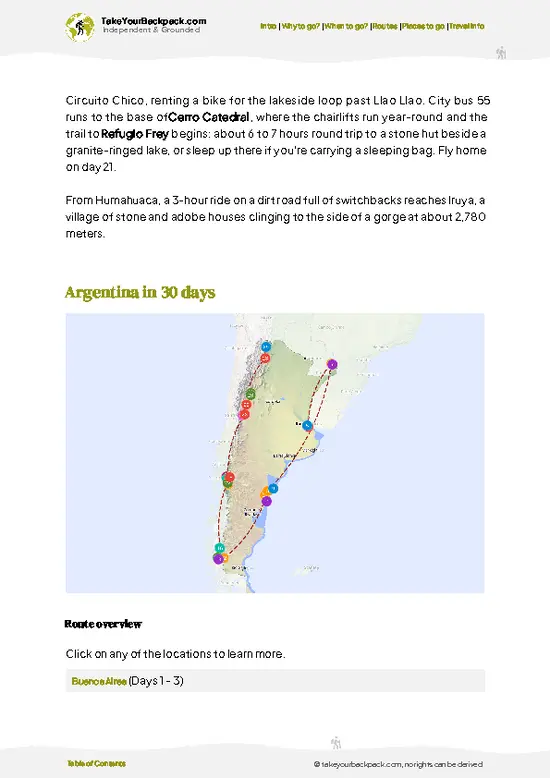
example page 0 from our offline Travel Guide for Argentina
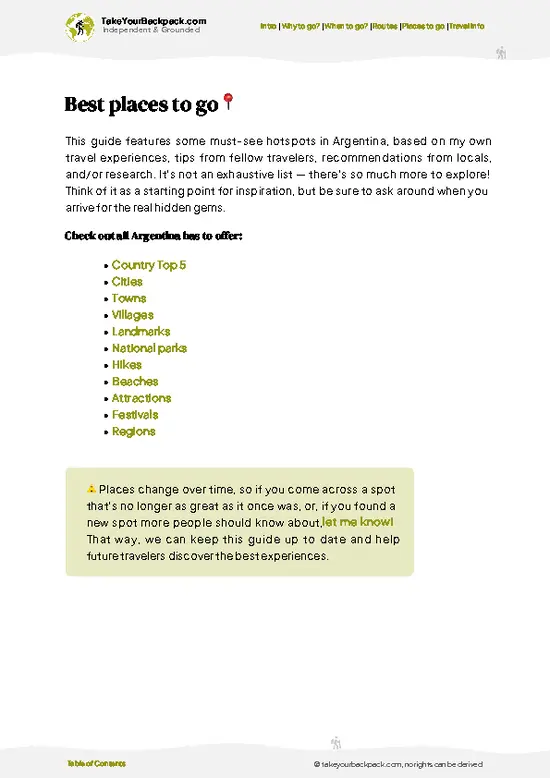
example page 1 from our offline Travel Guide for Argentina
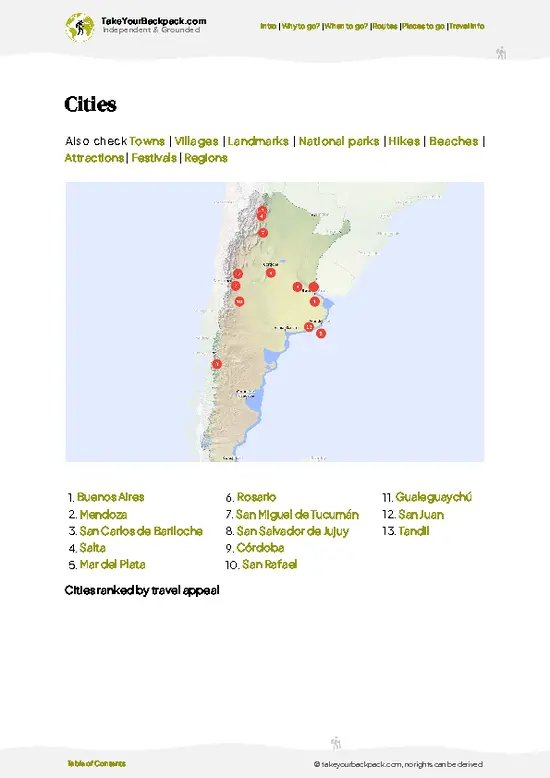
example page 2 from our offline Travel Guide for Argentina
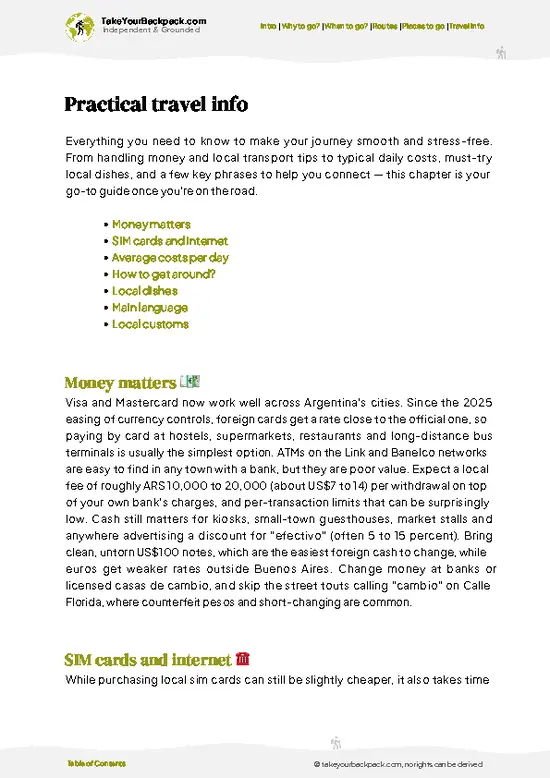
example page 3 from our offline Travel Guide for Argentina
example page 4 from our offline Travel Guide for Argentina
example page 5 from our offline Travel Guide for Argentina
example page 6 from our offline Travel Guide for Argentina
example page 7 from our offline Travel Guide for Argentina
The digital guide (505 pages) contains:
135 highlights, ranked by travel appeal
Optimized 14, 21 & 30-day travel routes
Cities, national parks, landmarks, beaches
How to get around
Offline-friendly for travel without Wi-Fi
👉 Click to see all 30+ guide features

📅 Plan smarter in minutes, not weeks
Month by month travel advice
Festivals & national holidays
Budget expectations

🗺️ Go to the right places, skip the overrated ones
Honest pros & cons of destinations
Top hikes, parks & viewpoints
Lesser-known places most travelers miss
Clear “worth it vs skip it” guidance

🛏️ Travel smoothly without rookie mistakes
Best areas to stay
Transport systems explained simply
Common scams & safety advice
SIM cards, money & practical tips

🌍 Understand the country, not just visit it
Culture & traditions
52 Essential phrases & customs
Festivals worth planning around
Traveler-friendly historical context
Insights that make places more meaningful

📱 Built for real travel conditions
Fully downloadable PDF
Works completely offline
Optimized for phone use
Useful in remote areas & buses
Everything in one place
Save weeks of stressful planning
Get instant access to your full guide. 30‑day money-back guarantee.
+ Add another guide for just US$7.80

By proceeding you agree to our terms.
Sent to your inbox immediately after payment • 100% Secure Checkout
Best Backpacking Travel Advisor 2025 tourism awardBest Backpacking
Travel Advisor
2025
What others say about Take Your Backpack Guides:
⭐⭐⭐⭐⭐
Fantastic, amazing amount of information!
⭐⭐⭐⭐⭐
My goodness this is amazing, it's what I've been looking for hats off too you!
⭐⭐⭐⭐⭐
I think this is absolutely BRILLIANT
⭐⭐⭐⭐
Very complete and informative. It's still missing places, but I gotta to commend you
⭐⭐⭐⭐⭐
This is truly amazing, thank you, can't wait to explore it with my kids!
⭐⭐⭐⭐⭐
Awesome resource, thank you!
⭐⭐⭐⭐⭐
This is amazing! Can't wait to explore the ones I haven't seen
⭐⭐⭐⭐
I love this! Well done, great idea.
⭐⭐⭐⭐⭐
Thanks for taking the time to make this gem!
⭐⭐⭐⭐⭐
This might be the best website I've ever seen.
⭐⭐⭐⭐⭐
Congratulations, and thank you so much for your work; it's incredibly valuable.
⭐⭐⭐⭐
In all seriousness I think you did a great job pointing out the important spots
⭐⭐⭐⭐⭐
10/10 very good
⭐⭐⭐⭐⭐
As someone who's only just starting to visit regularly this is awesome, thank you.
⭐⭐⭐⭐
Thank you very much! I'm going to visit my dad, it's going to be very useful!
⭐⭐⭐⭐⭐
This is really cool! We'll be travelling for the first time and this definitely come in handy.
⭐⭐⭐⭐⭐
You are now our minister of culture, congratulations 👨‍💼
⭐⭐⭐⭐⭐
Just wanted to tell you that this is a pearl! Going to follow your recommendations.
⭐⭐⭐⭐⭐
This is so cool. I'll definitely be using the resource for my travels soon.
⭐⭐⭐⭐⭐
This is very impressive! Good work.
⭐⭐⭐⭐⭐
This is an amazing and informative site. Very well done!

🛏️ Where to stay?Best areas to stay in Argentina

In Gaiman, the heart of backpacker life pulses strongest around the town center, especially near the main square, Plaza San Martín. This area is your best bet for safety and social buzz. The streets here are calm but alive with locals sipping mate on benches and the scent of fresh pastries wafting from nearby bakeries. It’s the kind of place where you can wander at dusk without a second thought, the fading light catching the warm brick facades and casting long shadows that invite conversation.

Compared to the quieter, more residential outskirts, staying near the plaza means you’re steps away … read more 👉
In Gaiman, the heart of backpacker life pulses strongest around the town center, especially near the main square, Plaza San Martín. This area is your best bet for safety and social buzz. The streets here are calm but alive with locals sipping mate on benches and the scent of fresh pastries wafting from nearby bakeries. It’s the kind of place where you can wander at dusk without a second thought, the fading light catching the warm brick facades and casting long shadows that invite conversation.

Compared to the quieter, more residential outskirts, staying near the plaza means you’re steps away from the handful of hostels that cater to budget travelers and solo adventurers. These spots aren’t just beds; they’re hubs where you’ll swap stories over shared dinners or plan your next day’s trek through the Welsh tea houses or the nearby natural reserves. The vibe is laid-back but connected, a perfect balance for those who want to feel part of the town without the overwhelm of a tourist trap.

If you stray too far from this core, you’ll find fewer options and a more isolated atmosphere. That’s not a bad thing if you crave solitude, but for the backpacker looking to plug into Gaiman’s unique blend of Welsh-Argentine culture, the center is where the pulse is strongest. Here, the light, the smells, and the easy camaraderie make every moment feel earned.

🚌 Getting aroundHow to get from A to B

Gaiman moves at a pace that feels like a slow exhale after a long hike—unhurried but deliberate, with a rhythm shaped by the soft rustle of eucalyptus leaves and the distant clatter of café cups. This isn’t a place where you’ll find a strict timetable etched in stone; instead, the town flows on a mix of local intuition and the occasional bus whistle. The light here leans golden in the late afternoon, casting long shadows over the Welsh-style cottages, and the scent of fresh bread from the panaderías drifts through the air, inviting you to slow down and savor the moment. Understanding this flow is your key to moving through Gaiman like a local, not just a visitor.


  • Walking: The heart of Gaiman is compact enough to explore entirely on foot. Strolling through the town lets you catch the subtle
read more 👉
Gaiman moves at a pace that feels like a slow exhale after a long hike—unhurried but deliberate, with a rhythm shaped by the soft rustle of eucalyptus leaves and the distant clatter of café cups. This isn’t a place where you’ll find a strict timetable etched in stone; instead, the town flows on a mix of local intuition and the occasional bus whistle. The light here leans golden in the late afternoon, casting long shadows over the Welsh-style cottages, and the scent of fresh bread from the panaderías drifts through the air, inviting you to slow down and savor the moment. Understanding this flow is your key to moving through Gaiman like a local, not just a visitor.


  • Walking: The heart of Gaiman is compact enough to explore entirely on foot. Strolling through the town lets you catch the subtle details—the chipped paint on wooden signs, the chatter spilling from small shops, the texture of cobblestones underfoot. Walking is free, flexible, and the best way to absorb the town’s character at your own pace.


  • Local Buses: Buses here run on a loose schedule, generally from 7:00 AM to 8:00 PM, with fewer runs on weekends. Tickets cost around ARS 50 (about $0.25 USD), making it a budget-friendly option if you’re heading to nearby neighborhoods or the outskirts. The buses aren’t flashy—think basic seats and open windows—but they’re reliable enough if you’re patient and willing to ask locals for the next stop.


  • Shared Taxis (Remises): These are a step up in comfort and speed, especially if you’re traveling with a small group. Prices vary but expect to pay around ARS 150 for short trips within town. They don’t run on a fixed schedule; you’ll need to call ahead or find a local driver. This option is perfect for early mornings or late nights when buses have stopped running.


  • Bicycle Rentals: Renting a bike is a smart move if you want to cover more ground without losing the freedom of the open air. Daily rentals hover around ARS 300, and the mostly flat terrain makes pedaling easy. Bikes let you explore the outskirts and the nearby riverbank trails, where the light shifts quickly and the air smells of wild herbs and earth.


  • Long-Distance Coaches: For budget travelers planning to arrive or depart, the main bus terminal connects Gaiman to Trelew and Puerto Madryn. Coaches run frequently from early morning until late evening, with tickets costing between ARS 400 and 700 depending on the destination. These rides are your gateway to the wider region, offering a chance to rest while watching the Patagonian landscape blur past.

👛 Costs (as of 4 September 2026)How expensive it really is

Backpacking in Gaiman, Argentina, offers a budget-friendly experience with modest daily expenses.
  • Dorm accommodation: Dorm beds in hostels typically cost between USD8 and USD15 per night, providing basic but comfortable lodging.
  • Meals: Eating local meals at small cafes or bakeries ranges from USD5 to USD10 per day, with traditional Argentine pastries and simple dishes.
  • Local transport: Public buses and shared taxis are affordable, usually costing around USD1 to USD3 daily for short trips within town.
  • Basic activities/entry fees: Visiting local museums or cultural sites generally costs between USD2 and USD5, with some free options available.
  • Miscellaneous expenses: This includes small purchases like bottled water, snacks, or occasional coffee, averaging USD2 to USD5 daily.
Overall, you can expect … read more 👉
Backpacking in Gaiman, Argentina, offers a budget-friendly experience with modest daily expenses.
  • Dorm accommodation: Dorm beds in hostels typically cost between USD8 and USD15 per night, providing basic but comfortable lodging.
  • Meals: Eating local meals at small cafes or bakeries ranges from USD5 to USD10 per day, with traditional Argentine pastries and simple dishes.
  • Local transport: Public buses and shared taxis are affordable, usually costing around USD1 to USD3 daily for short trips within town.
  • Basic activities/entry fees: Visiting local museums or cultural sites generally costs between USD2 and USD5, with some free options available.
  • Miscellaneous expenses: This includes small purchases like bottled water, snacks, or occasional coffee, averaging USD2 to USD5 daily.
Overall, you can expect to spend about USD25 to USD45 per day backpacking in Gaiman, balancing comfort and economy effectively.


source: numbeo.com
⚠️ Prices can change and everyone travels differently, so take this as a rough guide. Hope it helps you plan your adventure!

🚌 Day tripsShort trips worth adding

Gaiman is a compact town with a relaxed pace, making it an ideal launchpad for day trips that reveal the diverse character of Argentina’s Chubut Province. Its manageable size means you can easily return to a cozy café or a quiet street for a break after a day of exploration.

Welsh Tea Houses of Gaiman

Start with what’s right under your nose: the Welsh tea houses scattered through Gaiman. These aren’t just places to sip tea; they’re living history. The scent of freshly baked bara brith (a spiced fruit loaf) and the clink of fine china create a sensory link to the town’s roots. It’s a gentle introduction to the culture here, and you can easily spend a few hours hopping between spots on foot. Budget-wise, a tea and slice of cake will set you back around 300-500 ARS, a small price for a cultural … read more 👉
Gaiman is a compact town with a relaxed pace, making it an ideal launchpad for day trips that reveal the diverse character of Argentina’s Chubut Province. Its manageable size means you can easily return to a cozy café or a quiet street for a break after a day of exploration.

Welsh Tea Houses of Gaiman

Start with what’s right under your nose: the Welsh tea houses scattered through Gaiman. These aren’t just places to sip tea; they’re living history. The scent of freshly baked bara brith (a spiced fruit loaf) and the clink of fine china create a sensory link to the town’s roots. It’s a gentle introduction to the culture here, and you can easily spend a few hours hopping between spots on foot. Budget-wise, a tea and slice of cake will set you back around 300-500 ARS, a small price for a cultural deep dive. Best in spring or fall when the light softens the town’s pastel facades. Don’t rush—this is about savoring, not speed.

Trelew and the Paleontological Museum

A quick 20-minute bus ride from Gaiman, Trelew offers a sharp contrast with its bustling streets and the Museo Paleontológico Egidio Feruglio. This museum is a must for anyone fascinated by Patagonia’s prehistoric past, with fossils that feel almost alive under the museum’s cool, controlled lighting. The bus costs under 200 ARS round-trip, and entry is about 500 ARS, making it a budget-friendly intellectual adventure. Aim for a weekday morning to avoid crowds and get the most out of the exhibits. First-timers often underestimate the size of the museum—give yourself at least two hours to explore.

Camino de los Colonos (Colonists’ Road)

For a taste of rural Patagonia, rent a bike or hitch a ride to the Camino de los Colonos, a scenic route lined with century-old farms and orchards. The ride out takes about 30 minutes, and the road’s quiet stretches let you soak in the scent of eucalyptus and freshly turned earth. This trip is best in late spring or early summer when the orchards bloom and the air is crisp but not cold. Bring water and snacks from Gaiman’s small markets to avoid overpriced stops. Many travelers miss the chance to chat with locals here, but a quick hello can lead to stories that make the trip unforgettable.

Playa Unión

If you want a break from inland charm, Playa Unión is a 45-minute bus ride to the coast where the wind carries salt and seaweed. The beach is wide and wild, perfect for a late afternoon stroll or watching the sun dip behind distant cliffs. The bus is about 300 ARS round-trip, and you can pack a picnic from Gaiman to save money. Summer is peak season, but spring and fall offer fewer crowds and a softer light that photographers love. Don’t expect warm water—this is Patagonia, after all—but the rawness of the ocean here is part of the draw. 👉 Explore Playa Unión

Each trip from Gaiman is a manageable slice of Patagonia’s layered identity, allowing you to return each evening to the town’s calm streets and a well-earned rest.
Want to know what more Argentina offers?
The Argentina Travel Guide describes 135 highlights, from cities to national parks, from beaches to hikes

Get the Travel Guide -

🛡️ SafetyStaying Safe: What Travelers Should Know

Gaiman is a small town where the pace slows and the air carries a faint scent of Welsh tea and fresh bread. It’s broadly safe, but like anywhere, a little awareness smooths the experience. The main streets and cafés are calm well into the evening, but if you’re wandering solo after dark, stick to well-lit areas and avoid the quieter residential lanes where street lighting thins out. Pickpocketing isn’t a common problem here, but loose wallets or phones can tempt opportunists in crowded spots like the Sunday market or bus stops. Keep your bag close, preferably in front, and avoid flashing valuables. You won’t find aggressive scams targeting tourists, but some vendors might push souvenirs with a bit of insistence—firm but polite refusal works best. The real annoyance is the occasional dog barking … read more 👉
Gaiman is a small town where the pace slows and the air carries a faint scent of Welsh tea and fresh bread. It’s broadly safe, but like anywhere, a little awareness smooths the experience. The main streets and cafés are calm well into the evening, but if you’re wandering solo after dark, stick to well-lit areas and avoid the quieter residential lanes where street lighting thins out. Pickpocketing isn’t a common problem here, but loose wallets or phones can tempt opportunists in crowded spots like the Sunday market or bus stops. Keep your bag close, preferably in front, and avoid flashing valuables. You won’t find aggressive scams targeting tourists, but some vendors might push souvenirs with a bit of insistence—firm but polite refusal works best. The real annoyance is the occasional dog barking or the slow pace of local buses, not threats. Walk with confidence, blend into the easygoing rhythm, and you’ll find Gaiman’s charm rewards those who move thoughtfully through its quiet streets.

FAQTraveler FAQ

Yes, Gaiman is worth visiting for its unique Welsh heritage, charming tea houses, and cultural festivals. It offers a distinct experience compared to other towns in Patagonia, especially for those interested in history and local traditions.
One to two days are sufficient to explore Gaiman thoroughly. This allows time to visit the Welsh tea houses, the Gaiman Museum, and nearby attractions like the Chubut River and local artisan shops.
Yes, Gaiman can be visited as a day trip from Trelew, which is about 17 kilometers away. Regular buses and taxis connect the two towns, making it convenient for a day visit focused on cultural and culinary experiences.
⚠️ Things can change over time, so always validate details locally before you go.

Other Argentinian towns near Gaiman

Explore more nearby:

  • Puerto Madryn—Whale watching, Patagonian coast, Welsh legacy| 70 km away
  • Esquel—La Trochita train, Los Alerces park, steppe gateway| 474 km away
  • Trevelin—Welsh settlements, windmills, Andean foothills| 484 km away

💡 Not sure where to go next?
Create a personalized itinerary for Argentina including Gaiman and the places that fit your trip.

Generate my itinerary

👉 Discover all towns

Or checkout all Argentina has to offer (think cities, towns, villages, national parks, hikes, beaches, festivals)
Country photo of Argentina

We 💚 feedbackSumming up the experience

Gaiman’s charm hits you in the smell of fresh-baked Welsh cakes and the quiet hum of afternoon tea rituals that feel like stepping into a slower, sweeter time. It’s a slice of culture that’s rare in Argentina’s vastness. But heads-up: the town’s small size means options for nightlife or spontaneous adventure are limited. If you crave buzz after dark, plan accordingly or embrace the calm—it’s part of Gaiman’s honest appeal.

✈️ When did I visit Argentina?
I have visited Argentina, together with Chile, in September 2012.

✍️ Help improve this page!
The information on this page is based on my own backpacking experience in Argentina, supplemented with up-to-date research and feedback from other travelers. Travel details can change, so if you notice anything outdated or incomplete, feel free to let me know.


🙋‍♂️ Give feedback

👋 Meet the founderWho’s Behind Take Your Backpack?

Johan, backpacker and founder of TakeYourBackpackHi, I’m Johan (Netherlands 🇳🇱), the creator of TakeYourBackpack. Over the past decade, I’ve backpacked through 80+ countries across six continents, gaining extensive experience with independent travel, long-term trips, and overland routes.

This site is built on a combination of firsthand travel experience and carefully curated insights from other backpackers. Many guides are based on places I’ve personally visited, while others bring together tips, observations, and practical advice shared by trusted travelers I’ve met along the way.

The goal is to provide realistic, experience-driven guidance — not generic itineraries — so you can explore destinations with better context, clearer expectations, and more confidence.

Get full Argentina guide •
Instant download • 135 highlights • Full Offline guide