1. Ecocentro Puerto Madryn
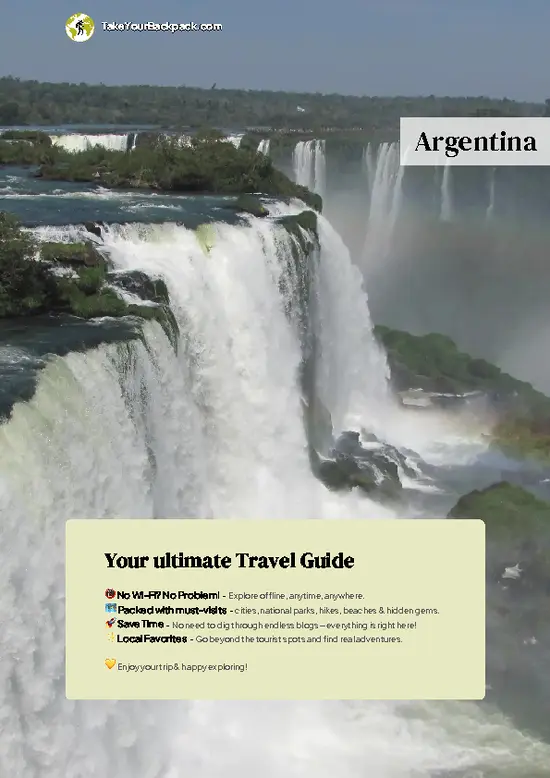
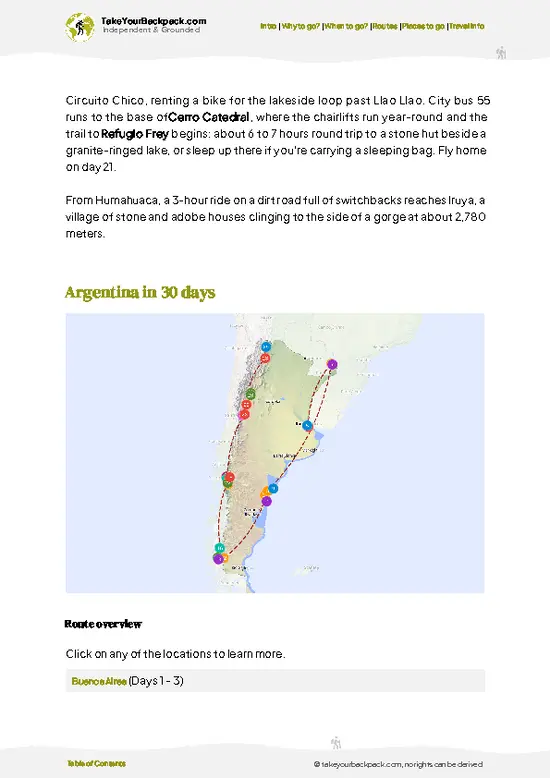
Step inside and the first thing you’ll notice is the hush—broken only by the distant crash of waves and the low hum of whale song piped through the exhibits. This isn’t just a museum; it’s a sensory immersion into Patagonia’s marine world. The building itself, perched on a bluff, feels like a ship’s prow facing the Atlantic. Panoramic windows frame the sea, and if you time it right (June to December), you might spot southern right whales breaching just offshore. The exhibits blend science and art, with tactile displays and a spiral tower that rewards you with a wind-whipped view. Plan for 1-2 hours. Entry is about ARS 2500 for foreigners. Go in the late afternoon for golden light and fewer crowds.
2. Playa El Doradillo (within city limits)
This isn’t your typical … read more 👉
Step inside and the first thing you’ll notice is the hush—broken only by the distant crash of waves and the low hum of whale song piped through the exhibits. This isn’t just a museum; it’s a sensory immersion into Patagonia’s marine world. The building itself, perched on a bluff, feels like a ship’s prow facing the Atlantic. Panoramic windows frame the sea, and if you time it right (June to December), you might spot southern right whales breaching just offshore. The exhibits blend science and art, with tactile displays and a spiral tower that rewards you with a wind-whipped view. Plan for 1-2 hours. Entry is about ARS 2500 for foreigners. Go in the late afternoon for golden light and fewer crowds.
2. Playa El Doradillo (within city limits)
This isn’t your typical … read more 👉
1. Ecocentro Puerto Madryn
Step inside and the first thing you’ll notice is the hush—broken only by the distant crash of waves and the low hum of whale song piped through the exhibits. This isn’t just a museum; it’s a sensory immersion into Patagonia’s marine world. The building itself, perched on a bluff, feels like a ship’s prow facing the Atlantic. Panoramic windows frame the sea, and if you time it right (June to December), you might spot southern right whales breaching just offshore. The exhibits blend science and art, with tactile displays and a spiral tower that rewards you with a wind-whipped view. Plan for 1-2 hours. Entry is about ARS 2500 for foreigners. Go in the late afternoon for golden light and fewer crowds.
2. Playa El Doradillo (within city limits)
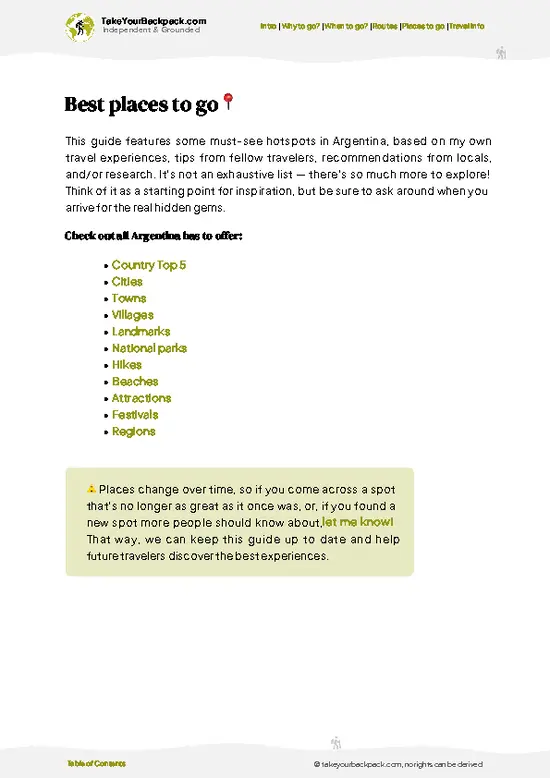
This isn’t your typical beach day. The sand is coarse, the wind can slap you awake, and the water is cold enough to numb your ankles. But from June to September, this stretch of coast becomes one of the world’s best shore-based whale-watching spots. Southern right whales come so close you can hear them exhale—a sound that cuts through the salty air and sticks with you. No ticket required, just a short drive or bike ride north from town. Bring a windbreaker and patience; the whales appear on their schedule, not yours. Give yourself at least 2 hours, especially at high tide when the whales come closest.
3. Muelle Luis Piedra Buena
This working pier is the town’s pulse. Fishermen haul in their catch, locals stroll at sunset, and the smell of salt and diesel (the real kind) lingers in the air. Walk to the end for a 360-degree view: the city behind you, the Golfo Nuevo stretching out, and—if you’re lucky—a pod of dolphins or a curious sea lion below. It’s free, open all day, and best at dusk when the sky turns sherbet-pink and the town’s lights flicker on. Give it 30-45 minutes, longer if you want to people-watch or sketch the scene.
4. Museo Provincial de Ciencias Naturales y Oceanográfico
Housed in a century-old mansion, this museum is a time capsule of Patagonian natural history. Fossilized bones, taxidermied penguins, and antique diving gear fill the rooms, each with creaky wooden floors and the faint scent of old paper and salt. It’s small but dense, perfect for a windy afternoon when the sea is too rough. Entry is around ARS 1500. Expect to spend 45 minutes to an hour, longer if you linger over the whale skeletons or chat with the staff—many are local scientists with stories to share.
5. Centro de Interpretación de la Ciudad
Often overlooked, this compact center tells the story of Puerto Madryn’s founding by Welsh immigrants and its evolution into a Patagonian hub. The exhibits are tactile and bilingual, with maps, artifacts, and audio snippets that bring the town’s layered identity to life. It’s free, rarely crowded, and takes about 30-40 minutes. Visit in the morning for the freshest perspective before heading out to explore the city’s living history.
If you’re itching to roam further, Puerto Madryn is the launchpad for day trips to Península Valdés (for wildlife overload), Punta Tombo (penguin central), and Gaiman (for Welsh tea and cakes). Península Valdés is my personal favorite—nothing beats the feeling of wind in your face as you watch elephant seals bicker on a wild, empty beach.
Step inside and the first thing you’ll notice is the hush—broken only by the distant crash of waves and the low hum of whale song piped through the exhibits. This isn’t just a museum; it’s a sensory immersion into Patagonia’s marine world. The building itself, perched on a bluff, feels like a ship’s prow facing the Atlantic. Panoramic windows frame the sea, and if you time it right (June to December), you might spot southern right whales breaching just offshore. The exhibits blend science and art, with tactile displays and a spiral tower that rewards you with a wind-whipped view. Plan for 1-2 hours. Entry is about ARS 2500 for foreigners. Go in the late afternoon for golden light and fewer crowds.
2. Playa El Doradillo (within city limits)
This isn’t your typical beach day. The sand is coarse, the wind can slap you awake, and the water is cold enough to numb your ankles. But from June to September, this stretch of coast becomes one of the world’s best shore-based whale-watching spots. Southern right whales come so close you can hear them exhale—a sound that cuts through the salty air and sticks with you. No ticket required, just a short drive or bike ride north from town. Bring a windbreaker and patience; the whales appear on their schedule, not yours. Give yourself at least 2 hours, especially at high tide when the whales come closest.
3. Muelle Luis Piedra Buena
This working pier is the town’s pulse. Fishermen haul in their catch, locals stroll at sunset, and the smell of salt and diesel (the real kind) lingers in the air. Walk to the end for a 360-degree view: the city behind you, the Golfo Nuevo stretching out, and—if you’re lucky—a pod of dolphins or a curious sea lion below. It’s free, open all day, and best at dusk when the sky turns sherbet-pink and the town’s lights flicker on. Give it 30-45 minutes, longer if you want to people-watch or sketch the scene.
4. Museo Provincial de Ciencias Naturales y Oceanográfico
Housed in a century-old mansion, this museum is a time capsule of Patagonian natural history. Fossilized bones, taxidermied penguins, and antique diving gear fill the rooms, each with creaky wooden floors and the faint scent of old paper and salt. It’s small but dense, perfect for a windy afternoon when the sea is too rough. Entry is around ARS 1500. Expect to spend 45 minutes to an hour, longer if you linger over the whale skeletons or chat with the staff—many are local scientists with stories to share.
5. Centro de Interpretación de la Ciudad
Often overlooked, this compact center tells the story of Puerto Madryn’s founding by Welsh immigrants and its evolution into a Patagonian hub. The exhibits are tactile and bilingual, with maps, artifacts, and audio snippets that bring the town’s layered identity to life. It’s free, rarely crowded, and takes about 30-40 minutes. Visit in the morning for the freshest perspective before heading out to explore the city’s living history.
If you’re itching to roam further, Puerto Madryn is the launchpad for day trips to Península Valdés (for wildlife overload), Punta Tombo (penguin central), and Gaiman (for Welsh tea and cakes). Península Valdés is my personal favorite—nothing beats the feeling of wind in your face as you watch elephant seals bicker on a wild, empty beach.
Spotted a mistake or missing something? Contact us.
v2.webp)


Best Backpacking
Hi, I’m Johan (Netherlands 🇳🇱), the creator of TakeYourBackpack. Over the past decade, I’ve backpacked through 80+ countries across six continents, gaining extensive experience with independent travel, long-term trips, and overland routes.