

×

Argentina🇦🇷 | townsPurmamarcaSeven Colors Hill, adobe houses, Quebrada de Humahuaca | things to do and best time to go

Explore El BolsónExplore Tafí del Valle

Backpacking in Purmamarca
👍 Recommendedtown ranked #9
By Johan Kruseman 🇳🇱 | Updated July 30, 2026

Most people only realize on the bus out that Purmamarca works best as your “altitude soft landing” before pushing higher into the Puna. You sleep a little higher than Salta or Jujuy, but lower than Tilcara, Humahuaca, or the Bolivian border, so your body quietly catches up while you wander.

Purmamarca sits in Argentina’s far northwest, in Jujuy Province, right in the Quebrada de Humahuaca, under that striped hill you’ve seen in photos. For backpackers, it’s a pretty, compact pause: adobe houses, dust under your shoes, cold dry air that smells of earth and grilled meat at dusk. It’s more photogenic and more tour-bus-heavy than Tilcara, less lived-in than Humahuaca, but easier for short walks straight from town. Evenings are calm: a few restaurants, early dinners, low-key hostels where you actually hear your bunkmate’s story. You’ll meet other travelers, but not in party mode; people crash early to catch sunrise on the Cerro de los Siete Colores or move on north.

Discover everything you want to know in the 📖 Argentina Travel Guide.
Loading the map 🌍
CLICK TO FILTER
cities
towns
villages
landmarks
national parks
hikes
beaches
attractions
festivals
regions
SHOW COUNTRY’S BESTSHOW ALL

✨ Why go?
Ranked #9 town in Argentina
Reasons people choose to visit here

Purmamarca is a backpacker’s haven that offers a welcome pause in the rhythm of travel. Nestled at the foot of the Cerro de los Siete Colores, the village’s vibrant colors are a feast for the eyes, but it’s the atmosphere that truly enchants. Here, the pace slows down. You can sip mate with locals, breathe in the crisp mountain air, and soak in the authenticity of a place that feels untouched by time.

For those who love hiking, Purmamarca is a gateway to trails that lead you through stunning landscapes, like the Quebrada de Humahuaca. It’s not just about the views; it’s about the journey. The village serves as a perfect rest stop between busier destinations like Salta and Jujuy, allowing you to recharge.

Travelers often stay a couple of nights, especially slow travelers and solo adventurersread more 👉
Purmamarca is a backpacker’s haven that offers a welcome pause in the rhythm of travel. Nestled at the foot of the Cerro de los Siete Colores, the village’s vibrant colors are a feast for the eyes, but it’s the atmosphere that truly enchants. Here, the pace slows down. You can sip mate with locals, breathe in the crisp mountain air, and soak in the authenticity of a place that feels untouched by time.

For those who love hiking, Purmamarca is a gateway to trails that lead you through stunning landscapes, like the Quebrada de Humahuaca. It’s not just about the views; it’s about the journey. The village serves as a perfect rest stop between busier destinations like Salta and Jujuy, allowing you to recharge.

Travelers often stay a couple of nights, especially slow travelers and solo adventurers seeking a bit of calm. The village has a social vibe, but it’s not overwhelming. You’ll find cozy hostels where stories are shared over dinner, making it a great spot for couples or anyone looking to connect. If you’re after a blend of nature and local character, Purmamarca is worth lingering in.
Want to include Purmamarca in your Argentina route?
Create a personalized Argentina itinerary that includes Purmamarca and the places that fit your trip — based on your travel style, budget, and available time. Get your route in seconds.

Generate my trip

💡 HighlightsThe experiences that define the visit

  • Cerro de los Siete Colores — The signature, multicolored hill that looms over town; walk up partway or gaze at it from the plaza for an immediate sense of place and dramatic geology you can’t fake in a brochure.
  • Sendero / Mirador al Cerro de los Siete Colores — Short, clearly marked walking trails and viewpoints that start from town; they give you different color angles and a decent workout without leaving the village limits.
  • Plaza 9 de Julio (Plaza de los Ponchos) — The small main square where locals gather and the daily artisan market sets up; great for people-watching, buying woven goods, and catching the light on the hill at golden hour.
  • Iglesia de Santa Rosa de Lima — A humble adobe church beside the plaza — old, well-loved, and a good place to notice local religious architecture,
read more 👉
  • Cerro de los Siete Colores — The signature, multicolored hill that looms over town; walk up partway or gaze at it from the plaza for an immediate sense of place and dramatic geology you can’t fake in a brochure.
  • Sendero / Mirador al Cerro de los Siete Colores — Short, clearly marked walking trails and viewpoints that start from town; they give you different color angles and a decent workout without leaving the village limits.
  • Plaza 9 de Julio (Plaza de los Ponchos) — The small main square where locals gather and the daily artisan market sets up; great for people-watching, buying woven goods, and catching the light on the hill at golden hour.
  • Iglesia de Santa Rosa de Lima — A humble adobe church beside the plaza — old, well-loved, and a good place to notice local religious architecture, folk devotion, and quiet village rhythms.
  • Cementerio tradicional detrás de la iglesia — A compact, atmospheric graveyard with painted crosses and local burial styles; it’s short, respectful to visit, and reveals cultural touches you won’t see on postcards.
  • Feria de artesanos / talleres en la calle principal — The rows of stalls and small workshops where artisans actually work (weaving, dyeing, silver); more authentic and interactive than a souvlaki-shop-style souvenir mall.
  • Casco histórico y arquitectura de adobe — Wander the side streets to see low adobe houses, wooden doors and tile roofs; small-scale, photogenic, and a living example of local building traditions.
  • Miradores y paseos cortos en los bordes del pueblo — A handful of little lookouts just outside the central blocks that give different perspectives of the hill, valley and sunrise/sunset — perfect for short hikes or a peaceful beer at dusk.
  • Tiendas y comidas locales junto a la plaza — Small cafés, empanada stands and a few family-run restaurants where you can taste humita, locro or mate; the food scene is simple but genuine and cheap if you know where to duck in.
  • Galerías y talleres comunitarios — Small art spaces and community-run cultural spots (often linked to the market) where you can see contemporary takes on traditional crafts and sometimes catch a demo or talk.
A few excellent day trips outside Purmamarca: Tilcara (Pucará and handicraft scene), the town of Humahuaca, the vast Salinas Grandes salt flats, and the spectacular Cerro El Hornocal — my personal favorite is El Hornocal for the jaw-dropping “14 colors” ridge you can’t quite stop staring at.
Spotted a mistake or missing something? Contact us.

Things to do around Purmamarca

Ratings based on Tripadvisor reviews. When you book through this link, you support our work at no extra cost to you.

🏘️ NeighborhoodsUnderstanding the local layout

Purmamarca is a compact town where every corner feels like a step into the Andes’ raw palette. Knowing where to drop your pack shapes how you experience the colors, the people, and the pace.

Centro (Town Center)
This is where the pulse of Purmamarca beats strongest. The main plaza is your hub for markets, cafes, and the iconic Cerro de los Siete Colores view. It’s walkable, lively, and perfect if you want to be in the thick of things. Expect a mix of budget hostels and mid-range spots. Nightlife is low-key but enough to share a drink with fellow travelers. Ideal for short stays or if you want to soak in the town’s energy without relying on transport.

El Mirador
A short uphill stroll from the center, this area offers quieter lodgings with panoramic views. It’s less about nightlife and … read more 👉
Purmamarca is a compact town where every corner feels like a step into the Andes’ raw palette. Knowing where to drop your pack shapes how you experience the colors, the people, and the pace.

Centro (Town Center)
This is where the pulse of Purmamarca beats strongest. The main plaza is your hub for markets, cafes, and the iconic Cerro de los Siete Colores view. It’s walkable, lively, and perfect if you want to be in the thick of things. Expect a mix of budget hostels and mid-range spots. Nightlife is low-key but enough to share a drink with fellow travelers. Ideal for short stays or if you want to soak in the town’s energy without relying on transport.

El Mirador
A short uphill stroll from the center, this area offers quieter lodgings with panoramic views. It’s less about nightlife and more about early mornings catching the sunrise on the hills. Prices here tend to be a touch higher, but the trade-off is peace and a front-row seat to nature’s light show. Best for longer stays or anyone craving a slower rhythm after dusty trails.

Route 52 Outskirts
If you’re rolling through with a vehicle or hitchhiking, this fringe zone near the highway is practical. It’s less charming but offers easy access to buses heading north or south. Accommodations here are sparse and basic, mostly catering to quick stopovers rather than immersive stays. Skip this if you want to breathe in the town’s soul, but use it as a strategic base if you’re on a tight schedule.

Each area has its own flavor. Centro plugs you into Purmamarca’s heartbeat, El Mirador lets you savor its quiet grandeur, and the outskirts serve as a functional waypoint. Choose your spot to match how you want to live the town’s colors.

⌛️ 1 dayA smart one-day plan

Purmamarca is a small town that punches well above its weight, thanks to the jaw-dropping Cerro de los Siete Colores—the Hill of Seven Colors—that looms just beyond its adobe walls. The dry air carries a faint scent of desert sage and earth, and the morning light hits the hill in a way that makes those stripes of ochre, rust, and rose pop like a painter’s palette. This is no postcard cliché; it’s a raw, tactile experience that feels earned after a night spent breathing in the crisp Andean air.

Start your day early with a stroll through the town’s modest but lively main square, Plaza 9 de Julio. The market stalls here are a sensory overload—in a good way—with handwoven textiles, silver jewelry, and the occasional llama wool sweater that’s soft enough to make you reconsider your entire wardrobe. … read more 👉
Purmamarca is a small town that punches well above its weight, thanks to the jaw-dropping Cerro de los Siete Colores—the Hill of Seven Colors—that looms just beyond its adobe walls. The dry air carries a faint scent of desert sage and earth, and the morning light hits the hill in a way that makes those stripes of ochre, rust, and rose pop like a painter’s palette. This is no postcard cliché; it’s a raw, tactile experience that feels earned after a night spent breathing in the crisp Andean air.

Start your day early with a stroll through the town’s modest but lively main square, Plaza 9 de Julio. The market stalls here are a sensory overload—in a good way—with handwoven textiles, silver jewelry, and the occasional llama wool sweater that’s soft enough to make you reconsider your entire wardrobe. Grab a strong coffee at one of the local cafés, where the baristas know their beans and the pastries are fresh, flaky, and just sweet enough to balance the bitterness.

By mid-morning, head out on the short hike to the base of the Cerro de los Siete Colores. It’s a gentle climb, but the altitude means you’ll want to take it slow and savor the panoramic views of the surrounding Quebrada de Humahuaca valley. The light shifts constantly here, so pause often to catch the way the sun plays on the rock faces.

For lunch, skip the tourist-packed spots near the plaza and wander toward the less-traveled Barrio La Loma. Here, you’ll find a small family-run eatery where the empanadas are handmade and the flavors feel like a hug from the region itself—earthy, hearty, and honest.

In the afternoon, explore the less obvious Museo Casa de Adobe. It’s a quiet place where you can step inside a traditional adobe home and see how locals lived before tourism took hold. The cool, thick walls offer a welcome respite from the sun, and the stories shared by the guides add layers to your understanding of Purmamarca’s soul.

As evening falls, return to the plaza to catch the sunset. The colors on the hill deepen, turning from pastel to fiery, and the air cools with a whisper of wind that carries the faint sound of distant folk music. Find a spot at one of the open-air restaurants, order a glass of local Torrontés wine, and let the day’s textures and tastes settle in. Purmamarca isn’t just a stop on a map—it’s a place that rewards those who slow down and listen.
Turn your Purmamarca visit into an Argentina adventure
Build a complete Argentina route with Purmamarca, hidden gems, must-see destinations, and realistic travel times included.

Generate my trip

🌤️ When to go?When to go for the best experience


  • Weather: Purmamarca sits at about 2,300 meters (7,500 feet), so expect dry, crisp air. Summers (December to February) bring warm days around 25°C (77°F) but chilly nights dropping to 5°C (41°F). Winters (June to August) can dip below freezing, with daytime highs near 12°C (54°F). Spring and fall offer mild, stable weather—ideal for hiking without overheating or freezing.

  • Daylight Hours: Summer days stretch long, up to 14 hours of light, perfect for extended treks and exploring the Hill of Seven Colors. Winter cuts daylight to about 10 hours, so plan shorter outings or early starts to catch the best light and avoid cold evenings.

  • Crowds: Peak season aligns with summer holidays and Argentine national breaks, swelling the village with tourists. Shoulder seasons—spring (September-November)
read more 👉

  • Weather: Purmamarca sits at about 2,300 meters (7,500 feet), so expect dry, crisp air. Summers (December to February) bring warm days around 25°C (77°F) but chilly nights dropping to 5°C (41°F). Winters (June to August) can dip below freezing, with daytime highs near 12°C (54°F). Spring and fall offer mild, stable weather—ideal for hiking without overheating or freezing.

  • Daylight Hours: Summer days stretch long, up to 14 hours of light, perfect for extended treks and exploring the Hill of Seven Colors. Winter cuts daylight to about 10 hours, so plan shorter outings or early starts to catch the best light and avoid cold evenings.

  • Crowds: Peak season aligns with summer holidays and Argentine national breaks, swelling the village with tourists. Shoulder seasons—spring (September-November) and fall (March-May)—offer quieter trails and more authentic village vibes, letting you savor the landscape without elbowing through crowds.

  • Seasonal Activities: Summer invites outdoor festivals and vibrant markets, while winter’s chill brings a slower pace, perfect for soaking in local culture and cozying up with regional cuisine. Spring and fall showcase wildflowers and crisp air, enhancing the natural palette of the surrounding hills.

  • Price Fluctuations: Accommodation and tours spike in summer and major holidays. Booking in shoulder seasons often nets better deals and more flexible options, letting you stretch your budget without sacrificing experience quality.


Pro-tip: Aim for late spring or early fall to catch Purmamarca’s colors at their richest, with manageable weather and fewer tourists—this balance turns the village’s rugged charm into a deeply rewarding backpacking playground.


source: climatestotravel.comJANJanuary: highly recommended for travelingFEBFebruary: highly recommended for travelingMARMarch: highly recommended for travelingAPRApril: excellent for travelingMAYMay: excellent for travelingJUNJune: good for travelingJULJuly: fair for travelingAUGAugust: good for travelingSEPSeptember: excellent for travelingOCTOctober: excellent for travelingNOVNovember: highly recommended for travelingDECDecember: highly recommended for traveling
argentina-city-purmamarca
© Google | Rodrigo Grabina

✈️ The backpacker research shortcutArgentina Travel Guide

An offline-friendly backpacking guide with optimized travel routes, ranked highlights, transport advice, and the best areas to stay.
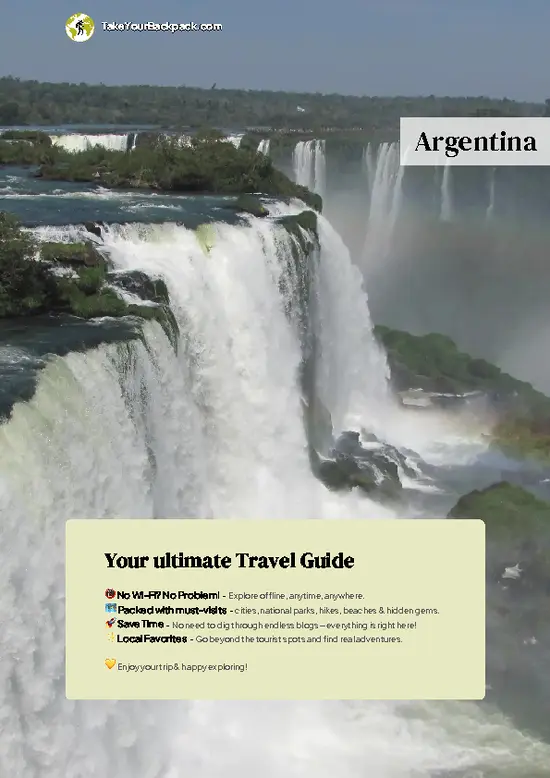
example page 0 from our offline Travel Guide for Argentina
example page 1 from our offline Travel Guide for Argentina
example page 2 from our offline Travel Guide for Argentina
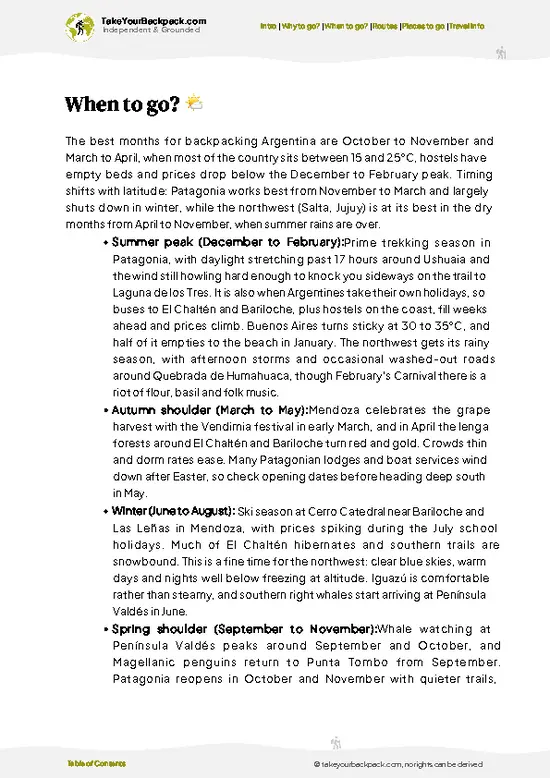
example page 3 from our offline Travel Guide for Argentina
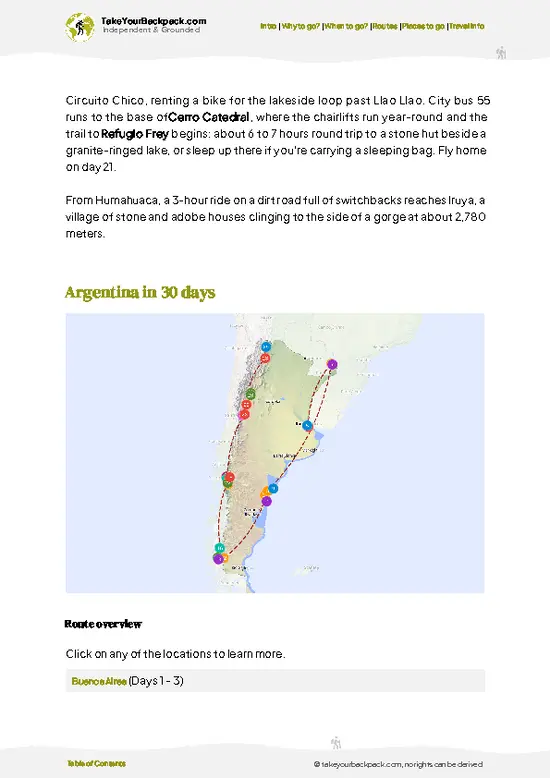
example page 4 from our offline Travel Guide for Argentina
example page 5 from our offline Travel Guide for Argentina
example page 6 from our offline Travel Guide for Argentina
example page 7 from our offline Travel Guide for Argentina
The digital guide (505 pages) contains:
135 highlights, ranked by travel appeal
Optimized 14, 21 & 30-day travel routes
Cities, national parks, landmarks, beaches
How to get around
Offline-friendly for travel without Wi-Fi
👉 Click to see all 30+ guide features

📅 Plan smarter in minutes, not weeks
Month by month travel advice
Festivals & national holidays
Budget expectations

🗺️ Go to the right places, skip the overrated ones
Honest pros & cons of destinations
Top hikes, parks & viewpoints
Lesser-known places most travelers miss
Clear “worth it vs skip it” guidance

🛏️ Travel smoothly without rookie mistakes
Best areas to stay
Transport systems explained simply
Common scams & safety advice
SIM cards, money & practical tips

🌍 Understand the country, not just visit it
Culture & traditions
52 Essential phrases & customs
Festivals worth planning around
Traveler-friendly historical context
Insights that make places more meaningful

📱 Built for real travel conditions
Fully downloadable PDF
Works completely offline
Optimized for phone use
Useful in remote areas & buses
Everything in one place
Save weeks of stressful planning
Get instant access to your full guide. 30‑day money-back guarantee.


By proceeding you agree to our terms.
Sent to your inbox immediately after payment • 100% Secure Checkout
Best Backpacking Travel Advisor 2025 tourism awardBest Backpacking
Travel Advisor
2025
What others say about Take Your Backpack Guides:
⭐⭐⭐⭐⭐
Fantastic, amazing amount of information!
⭐⭐⭐⭐⭐
My goodness this is amazing, it's what I've been looking for hats off too you!
⭐⭐⭐⭐⭐
I think this is absolutely BRILLIANT
⭐⭐⭐⭐
Very complete and informative. It's still missing places, but I gotta to commend you
⭐⭐⭐⭐⭐
This is truly amazing, thank you, can't wait to explore it with my kids!
⭐⭐⭐⭐⭐
Awesome resource, thank you!
⭐⭐⭐⭐⭐
This is amazing! Can't wait to explore the ones I haven't seen
⭐⭐⭐⭐
I love this! Well done, great idea.
⭐⭐⭐⭐⭐
Thanks for taking the time to make this gem!
⭐⭐⭐⭐⭐
This might be the best website I've ever seen.
⭐⭐⭐⭐⭐
Congratulations, and thank you so much for your work; it's incredibly valuable.
⭐⭐⭐⭐
In all seriousness I think you did a great job pointing out the important spots
⭐⭐⭐⭐⭐
10/10 very good
⭐⭐⭐⭐⭐
As someone who's only just starting to visit regularly this is awesome, thank you.
⭐⭐⭐⭐
Thank you very much! I'm going to visit my dad, it's going to be very useful!
⭐⭐⭐⭐⭐
This is really cool! We'll be travelling for the first time and this definitely come in handy.
⭐⭐⭐⭐⭐
You are now our minister of culture, congratulations 👨‍💼
⭐⭐⭐⭐⭐
Just wanted to tell you that this is a pearl! Going to follow your recommendations.
⭐⭐⭐⭐⭐
This is so cool. I'll definitely be using the resource for my travels soon.
⭐⭐⭐⭐⭐
This is very impressive! Good work.
⭐⭐⭐⭐⭐
This is an amazing and informative site. Very well done!

🛏️ Where to stay?Choosing the right base

In Purmamarca, the real magic starts when you find a place that feels like an extension of the village itself—earthy, simple, and soaked in the scent of dry mountain air mixed with wood smoke. Backpackers should zero in on hostels and guesthouses clustered near the Plaza 9 de Julio. This spot isn’t just central; it’s where the village’s pulse is strongest. Staying here means waking up to the soft chatter of locals and the distant bleat of goats, not the hum of tourist buses.

Hostels like Hostal Purmamarca or La Comarca offer dorms and private rooms with shared kitchens, which is a game-changer … read more 👉
In Purmamarca, the real magic starts when you find a place that feels like an extension of the village itself—earthy, simple, and soaked in the scent of dry mountain air mixed with wood smoke. Backpackers should zero in on hostels and guesthouses clustered near the Plaza 9 de Julio. This spot isn’t just central; it’s where the village’s pulse is strongest. Staying here means waking up to the soft chatter of locals and the distant bleat of goats, not the hum of tourist buses.

Hostels like Hostal Purmamarca or La Comarca offer dorms and private rooms with shared kitchens, which is a game-changer for anyone wanting to stretch pesos and cook fresh produce from the market. The stone and adobe walls keep the rooms cool during the day and cozy at night, a natural insulation that makes the altitude’s chill manageable. Plus, these spots often have communal terraces where you can watch the Cerro de los Siete Colores shift hues as the sun moves—an experience that feels earned after a day of hiking or wandering the dusty streets.

If you want to skip the touristy vibe but still be close enough to soak in the village’s rhythm, look for family-run hospedajes a few blocks off the plaza. They’re quieter, with a slower pace and often a chance to practice your Spanish over mate. The trade-off is a short walk on uneven cobblestones, but that’s part of the charm—each step grounds you deeper in the place’s rugged, authentic character.

🚌 Getting aroundTransportation options and practical tips

Purmamarca moves at its own pace, a rhythm shaped by the dusty wind and the slow climb of the sun over the Cerro de los Siete Colores. It’s not a place where you’ll find strict timetables or the buzz of urban urgency. Instead, the town flows with a relaxed, almost intuitive pulse—locals and travelers alike navigate by the sun’s position, the scent of wood smoke, and the occasional honk of a passing truck. This isn’t a place to rush; it’s a place to absorb the light shifting over ochre walls and to let your plans bend around the day’s natural tempo.


  • Walking: The most essential way to get around Purmamarca is on foot. The town is compact, with dirt streets that invite slow exploration. Walking lets you catch the scent of fresh bread from the bakery, the chatter of market vendors, and the
read more 👉
Purmamarca moves at its own pace, a rhythm shaped by the dusty wind and the slow climb of the sun over the Cerro de los Siete Colores. It’s not a place where you’ll find strict timetables or the buzz of urban urgency. Instead, the town flows with a relaxed, almost intuitive pulse—locals and travelers alike navigate by the sun’s position, the scent of wood smoke, and the occasional honk of a passing truck. This isn’t a place to rush; it’s a place to absorb the light shifting over ochre walls and to let your plans bend around the day’s natural tempo.


  • Walking: The most essential way to get around Purmamarca is on foot. The town is compact, with dirt streets that invite slow exploration. Walking lets you catch the scent of fresh bread from the bakery, the chatter of market vendors, and the changing colors of the hills as the sun moves. It’s free, flexible, and the best way to feel the town’s heartbeat.


  • Colectivos (Shared Minivans): These run between Purmamarca and nearby towns like Tilcara and Humahuaca. They don’t have strict schedules but generally start around 7:00 AM and run until late afternoon. A ride costs about 100-150 ARS, making them a budget-friendly option. They’re quick compared to walking but expect a bit of a squeeze during peak times. The ride offers a window into local life, with stops dictated by whoever flags them down.


  • Local Buses: Slower and less frequent than colectivos, local buses connect Purmamarca to smaller villages and the regional capital, San Salvador de Jujuy. They typically depart early morning and mid-afternoon, costing less than 100 ARS. Comfort is basic—think hard seats and open windows—but the views of the Quebrada de Humahuaca valley are worth every bump.


  • Taxi Services: Available but limited, taxis are best for short hops within town or for early morning trips to catch colectivos. Prices vary but expect to pay around 300-500 ARS for a short ride. They offer the comfort of door-to-door service and shelter from the midday sun, but they’re not the go-to for budget travelers unless you’re splitting the fare.


  • Bicycle Rentals: For those wanting a bit more speed and freedom, renting a bike is a solid choice. Rentals cost around 500-700 ARS per day. The terrain is mostly flat around town but can get challenging on the outskirts. Cycling lets you chase the light across the hills and stop wherever the landscape calls you, all while keeping your pace personal and flexible.

👛 Costs (as of 30 July 2026)Travel costs and budget guide for Purmamarca

Backpacking in Purmamarca, Argentina, offers a raw slice of Andean life, but knowing the daily costs helps you plan without surprises. Here’s the real deal on what you’ll spend day-to-day.
  • Dorm Accommodation: Expect to pay around $8 to $15 USD per night for a bed in a shared dorm. Hostels here are simple but clean, often with a courtyard where the dry mountain air carries the scent of eucalyptus and wood smoke.
  • Meals: Local eateries serve hearty, no-frills meals for about $4 to $8 USD. A typical plate might be humita (corn pudding) or empanadas, filling enough to keep you fueled for trekking. Street snacks and fresh fruit can cost less, around $1 to $3 USD.
  • Local Transport: Purmamarca is small, so most walking is free. For trips to nearby spots like the Hill of Seven Colors or Tilcara,
read more 👉
Backpacking in Purmamarca, Argentina, offers a raw slice of Andean life, but knowing the daily costs helps you plan without surprises. Here’s the real deal on what you’ll spend day-to-day.
  • Dorm Accommodation: Expect to pay around $8 to $15 USD per night for a bed in a shared dorm. Hostels here are simple but clean, often with a courtyard where the dry mountain air carries the scent of eucalyptus and wood smoke.
  • Meals: Local eateries serve hearty, no-frills meals for about $4 to $8 USD. A typical plate might be humita (corn pudding) or empanadas, filling enough to keep you fueled for trekking. Street snacks and fresh fruit can cost less, around $1 to $3 USD.
  • Local Transport: Purmamarca is small, so most walking is free. For trips to nearby spots like the Hill of Seven Colors or Tilcara, shared minibuses (colectivos) run for about $1 to $3 USD each way. They’re basic but reliable, with windows you can open to catch the crisp mountain breeze.
  • Basic Activities/Entry Fees: Many natural attractions around Purmamarca are free or ask for a small donation, usually under $2 USD. Organized tours or guided hikes can run $15 to $30 USD, but you can DIY with a good map and local advice.
  • Miscellaneous Expenses: Water bottles, snacks, or a coffee at a café will set you back $1 to $3 USD. If you want souvenirs, handcrafted textiles or pottery start around $5 USD but can climb quickly depending on quality and bargaining.

All told, you’re looking at roughly $15 to $35 USD per day to cover the essentials without cutting corners. Purmamarca’s charm is in its simplicity—spending smart here means more time soaking in the dusty pink light of the mountains and less time worrying about your wallet.


source: argentina.gob.ar
⚠️ Prices can change and everyone travels differently, so take this as a rough guide. Hope it helps you plan your adventure!

🚌 Day tripsEasy escapes and nearby places

Purmamarca is a backpacker’s dream base, offering a vibrant atmosphere and easy access to stunning landscapes. Here are some day trips that make the most of your time in this colorful village.

Salinas Grandes
A trip to Salinas Grandes is like stepping onto another planet. The vast white salt flats stretch endlessly, glimmering under the sun. It’s about a 1.5-hour drive from Purmamarca, and you can easily hitch a ride or join a local tour for around $15. The best time to visit is early morning or late afternoon when the light casts a magical glow. Don’t forget your camera; the reflections are surreal. A common mistake is underestimating the sun—bring plenty of water and sunscreen. The experience is worth every effort. 👉 Explore Purmamarca

Quebrada de Humahuaca
This UNESCO World Heritage … read more 👉
Purmamarca is a backpacker’s dream base, offering a vibrant atmosphere and easy access to stunning landscapes. Here are some day trips that make the most of your time in this colorful village.

Salinas Grandes
A trip to Salinas Grandes is like stepping onto another planet. The vast white salt flats stretch endlessly, glimmering under the sun. It’s about a 1.5-hour drive from Purmamarca, and you can easily hitch a ride or join a local tour for around $15. The best time to visit is early morning or late afternoon when the light casts a magical glow. Don’t forget your camera; the reflections are surreal. A common mistake is underestimating the sun—bring plenty of water and sunscreen. The experience is worth every effort. 👉 Explore Purmamarca

Quebrada de Humahuaca
This UNESCO World Heritage site is a feast for the senses. The drive through the Quebrada takes about an hour, and you’ll be treated to a kaleidoscope of colors in the mountains. You can explore small towns like Humahuaca or Tilcara, where local markets buzz with life. Expect to spend around $10 for transport and snacks. The best time to go is during the dry season, from May to October. Many first-timers miss the chance to try local empanadas—don’t skip this culinary delight. The vibrant culture and breathtaking views make this trip a must. 👉 Explore Purmamarca

Cerro de los Siete Colores
Hiking to the Cerro de los Siete Colores, or the Hill of Seven Colors, is a rewarding challenge. The hike takes about 2-3 hours round trip, and the payoff is a panoramic view of the vibrant rock formations. It’s a short 30-minute drive from Purmamarca, costing around $5 for transport. Early morning is ideal for fewer crowds and cooler temperatures. Many hikers forget to bring snacks; trust me, you’ll want some fuel for the climb. The colors are more than just a sight; they’re a reminder of nature’s artistry. 👉 Explore Purmamarca

Laguna de los Pozuelos
For a serene escape, head to Laguna de los Pozuelos, a stunning saltwater lagoon teeming with flamingos. It’s about a 2-hour drive from Purmamarca, and you can find a shared taxi for around $20. The best time to visit is during the wet season, from November to March, when the lagoon is full. A common mistake is not checking the weather; it can get windy and chilly. The tranquility and unique wildlife make this trip a refreshing contrast to the bustling village. 👉 Explore Purmamarca
Want to know what more Argentina offers?
The Argentina Travel Guide describes 135 highlights, from cities to national parks, from beaches to hikes

Get the Travel Guide -

🛡️ SafetyTraveler Safety Guide

Purmamarca is a small town where the pace slows and the air carries the dry scent of desert brush, making it feel safe in a way that larger cities rarely do. That said, the main caution is to stay alert around the crowded Plaza 9 de Julio, especially during market days when vendors and visitors mix tightly. Pickpockets aren’t a headline risk here, but the bustle can distract you enough to lose a wallet or phone if you’re not mindful. Walking solo after dark is generally fine, but keep to well-lit streets and avoid wandering into the quieter edges where streetlights thin out. The town’s charm is in its open, sunlit streets, so don’t miss the chance to soak in the early morning light on the Cerro de los Siete Colores, but keep your belongings close. Scams are rare, but if a local offers a “special” … read more 👉
Purmamarca is a small town where the pace slows and the air carries the dry scent of desert brush, making it feel safe in a way that larger cities rarely do. That said, the main caution is to stay alert around the crowded Plaza 9 de Julio, especially during market days when vendors and visitors mix tightly. Pickpockets aren’t a headline risk here, but the bustle can distract you enough to lose a wallet or phone if you’re not mindful. Walking solo after dark is generally fine, but keep to well-lit streets and avoid wandering into the quieter edges where streetlights thin out. The town’s charm is in its open, sunlit streets, so don’t miss the chance to soak in the early morning light on the Cerro de los Siete Colores, but keep your belongings close. Scams are rare, but if a local offers a “special” tour or product at a price that feels too good to be true, trust your gut and compare options before committing. Staying grounded in the rhythm of Purmamarca’s daily life is the best way to keep your experience smooth and worry-free.

Other Argentinian towns near Purmamarca

Explore more nearby:

  • Cafayate—Vineyards, red rock canyons, Andean foothills| 263 km away
  • Tafí del Valle—Green valleys, pre-Columbian ruins, mountain passes| 346 km away
  • Capilla del Monte—Cerro Uritorco, UFO folklore, dry sierras| 796 km away

💡 Not sure where to go next?
Create a personalized itinerary for Argentina including Purmamarca and the places that fit your trip.

Generate my itinerary

👉 Discover all towns

Or checkout all Argentina has to offer (think cities, towns, villages, national parks, hikes, beaches, festivals)
Country photo of Argentina

We 💚 feedbackKey takeaways before you go

Purmamarca’s vibrant mountains are a painter’s palette, shifting colors with the sun. The air is crisp, filled with the scent of earth and wild herbs. But here’s the catch: it can get crowded, especially during peak season. Embrace the early mornings or late afternoons for a quieter experience. The payoff? Those moments when the light hits just right, and you feel like you’ve stepped into a living canvas. It’s worth the hustle.

✈️ When did I visit Argentina?
I have visited Argentina, together with Chile, in September 2012.

✍️ Help improve this page!
The information on this page is based on my own backpacking experience in Argentina, supplemented with up-to-date research and feedback from other travelers. Travel details can change, so if you notice anything outdated or incomplete, feel free to let me know.


🙋‍♂️ Give feedback

👋 Meet the founderWho’s Behind Take Your Backpack?

Johan, backpacker and founder of TakeYourBackpackHi, I’m Johan (Netherlands 🇳🇱), the creator of TakeYourBackpack. Over the past decade, I’ve backpacked through 80+ countries across six continents, gaining extensive experience with independent travel, long-term trips, and overland routes.

This site is built on a combination of firsthand travel experience and carefully curated insights from other backpackers. Many guides are based on places I’ve personally visited, while others bring together tips, observations, and practical advice shared by trusted travelers I’ve met along the way.

The goal is to provide realistic, experience-driven guidance — not generic itineraries — so you can explore destinations with better context, clearer expectations, and more confidence.

Get full Argentina guide •
Instant download • 135 highlights • Full Offline guide