×

Argentina🇦🇷 | citiesSanta Fecolonial port, river islands, mate rituals | things to do and best time to go

Explore Río CuartoExplore Paraná

Backpacking in Santa Fe
👌 Worth visitingcity ranked #16
By Johan Kruseman 🇳🇱 | Updated June 1, 2026

Your shoes are still damp from the Paraná river breeze when the church bells cut through the bus noise, and the smell of grilled choripán drifts across Plaza 25 de Mayo. This is Santa Fe, sitting in Argentina’s low, flat Litoral region, between Rosario and Paraná. For backpackers, it’s low-cost, low-drama, and low-key: colonial facades, a solid suspension bridge sunset, decent museums, student nightlife, but not much of a “scene.” It’s safer and calmer than Rosario, less pretty than Córdoba, and great if you like real-life Argentina more than postcard Argentina.

Discover everything you want to know in the 📖 Argentina Travel Guide.
Loading the map 🌍
CLICK TO FILTER
cities
towns
villages
landmarks
national parks
hikes
beaches
attractions
festivals
regions
SHOW COUNTRY’S BESTSHOW ALL

✨ Why go?
Ranked #16 city in Argentina
What makes it a must-see city

Santa Fe, Argentina, is a strategic basecamp for backpackers, offering a blend of affordability and accessibility. The city’s walkability makes it easy to explore, with vibrant streets lined with local eateries and cozy hostels that cater to budget travelers. You’ll find a variety of highlights that keep your itinerary packed without draining your wallet.

The nightlife here is lively yet laid-back, perfect for unwinding after a day of exploration. Plus, it’s a launching pad for day trips into the surrounding landscapes, making it a smart choice for those wanting to experience more of Argentina without the hassle of constant travel. If you’re looking for a place that balances comfort and value, Santa Fe is worth considering, whether for a longer stay or as a quick stop on your journey.
Want to include Santa Fe in your Argentina route?
Create a personalized Argentina itinerary that includes Santa Fe and the places that fit your trip — based on your travel style, budget, and available time. Get your route in seconds.

Generate my trip

💡 HighlightsEssential experiences to have while visiting Santa Fe

  • Plaza 25 de Mayo & Catedral Basílica de Santa Fe de la Vera Cruz — The city’s heart: shady benches, street life, and the cathedral’s neoclassical façade and interior murals. Great for people-watching and to feel how Santa Fe grew around river trade and religion.
  • El Cabildo / Museo Histórico Provincial — The old town hall next to the plaza houses exhibits on colonial life, indigenous ties and provincial politics; it’s compact but full of objects and stories that explain why Santa Fe matters in Argentine history.
  • Museo Etnográfico y Colonial ”Juan de Garay” — A focused little museum on the city’s founding, local crafts, and folk traditions; good if you want context before wandering historic streets or chatting with locals about origins.
  • Museo Provincial de Bellas Artes Rosa Galisteo de
read more 👉
  • Plaza 25 de Mayo & Catedral Basílica de Santa Fe de la Vera Cruz — The city’s heart: shady benches, street life, and the cathedral’s neoclassical façade and interior murals. Great for people-watching and to feel how Santa Fe grew around river trade and religion.
  • El Cabildo / Museo Histórico Provincial — The old town hall next to the plaza houses exhibits on colonial life, indigenous ties and provincial politics; it’s compact but full of objects and stories that explain why Santa Fe matters in Argentine history.
  • Museo Etnográfico y Colonial ”Juan de Garay” — A focused little museum on the city’s founding, local crafts, and folk traditions; good if you want context before wandering historic streets or chatting with locals about origins.
  • Museo Provincial de Bellas Artes Rosa Galisteo de Rodríguez — The main art museum with rotating shows and regional collections — an excellent place to see provincial painters and get a sense of Santa Fe’s cultural scene without the crowds.
  • Teatro Municipal 1º de Mayo — A beautifully restored historic theater that still runs plays, concerts and tango nights; even a daytime tour to admire the décor is worth it for architecture lovers.
  • Puente Colgante (Hanging Bridge) — The iconic suspension bridge over the Salado gives dramatic views of the riverfront and is a classic photo stop; walking it connects you to neighborhood life on both banks.
  • La Costanera and Puerto — The Paraná river promenade is where locals stroll, jog, eat empanadas at stalls, and watch freighters slide by; sunsets here are simple but memorable and very local.
  • Mercado Norte — A lively indoor market full of fresh produce, butcher stalls, bakeries and small eateries — perfect for sampling regional flavors, grabbing a cheap plate of river fish or buying mate essentials.
  • Convento e Iglesia San Francisco — A quieter, older religious complex with cloisters and period architecture; worth visiting for peaceful corners, historic altarpieces, and a real sense of the city’s colonial past.
  • Barrio Candioti & Paseo de las Casas Antiguas — Walkable neighborhood of old mansions, leafy streets and little plazas that shows a different, residential side of Santa Fe — great for architecture buffs and low-key neighborhood wandering.
A few nice day trips nearby: boat trips to the Paraná islands (my personal favorite), the river-beach town of Rincón for a lazy day by the water, and small riverside towns like Helvecia for local festivals and colonial vibes.
Spotted a mistake or missing something? Contact us.
🏘️ NeighborhoodsWhere things are and how it's laid out

Santa Fe, Argentina, is a city where history meets vibrant culture, making it a playground for backpackers. Here’s how to navigate its neighborhoods:

Centro Histórico: This is the heart of Santa Fe. Expect a lively atmosphere with cafes and shops. It’s walkable, making it easy to explore on foot. Costs are moderate, and you’ll find a mix of budget hostels and mid-range hotels. Perfect for short stays, but the nightlife can be a bit subdued.

El Parque: Known for its green spaces, this area offers a quieter vibe. It’s ideal for those who want to relax after a day of exploring. Prices are slightly lower here, and while it’s less bustling at night, you can still find cozy bars. Great for longer stays if you prefer a slower pace.

Las Flores: A bit off the beaten path, this neighborhood is more … read more 👉
Santa Fe, Argentina, is a city where history meets vibrant culture, making it a playground for backpackers. Here’s how to navigate its neighborhoods:

Centro Histórico: This is the heart of Santa Fe. Expect a lively atmosphere with cafes and shops. It’s walkable, making it easy to explore on foot. Costs are moderate, and you’ll find a mix of budget hostels and mid-range hotels. Perfect for short stays, but the nightlife can be a bit subdued.

El Parque: Known for its green spaces, this area offers a quieter vibe. It’s ideal for those who want to relax after a day of exploring. Prices are slightly lower here, and while it’s less bustling at night, you can still find cozy bars. Great for longer stays if you prefer a slower pace.

Las Flores: A bit off the beaten path, this neighborhood is more residential. It’s affordable and offers a genuine local experience. Walkability is decent, but you might need public transport to reach the city center. Best for those looking to immerse themselves in daily life for an extended period.

Río Salado: This area boasts stunning river views and outdoor activities. It’s a bit pricier, but the scenery is worth it. Nightlife is minimal, making it a peaceful retreat. Ideal for short stays focused on nature and relaxation.

⌛️ 1 dayHow to make the most of one day

Santa Fe, Argentina, is a city where colonial charm meets vibrant street art, all wrapped in a warm, welcoming atmosphere. The historic center buzzes with life, while the surrounding neighborhoods offer a glimpse into local culture that’s often overlooked by tourists.

Start your morning at the Plaza 25 de Mayo, the heart of the city. Grab a coffee and a medialuna at a nearby café, soaking in the sights of the stunning cathedral and the colonial architecture. From there, stroll through the nearby Mercado Municipal, where you can sample local cheeses and meats. This market is a treasure trove of flavors and a great way to connect with locals.

In the afternoon, head to the Parque Nacional Quebrada del Condorito, just a short drive away. This isn’t your typical tourist spot, but the breathtaking … read more 👉
Santa Fe, Argentina, is a city where colonial charm meets vibrant street art, all wrapped in a warm, welcoming atmosphere. The historic center buzzes with life, while the surrounding neighborhoods offer a glimpse into local culture that’s often overlooked by tourists.

Start your morning at the Plaza 25 de Mayo, the heart of the city. Grab a coffee and a medialuna at a nearby café, soaking in the sights of the stunning cathedral and the colonial architecture. From there, stroll through the nearby Mercado Municipal, where you can sample local cheeses and meats. This market is a treasure trove of flavors and a great way to connect with locals.

In the afternoon, head to the Parque Nacional Quebrada del Condorito, just a short drive away. This isn’t your typical tourist spot, but the breathtaking views and the chance to see condors soaring overhead make it worth the trip. The hike is moderate, allowing you to stretch your legs and breathe in the fresh air.

As evening approaches, return to the city and explore the trendy neighborhood of Candioti. Here, you’ll find a mix of art galleries and cozy restaurants. Treat yourself to a meal at a local parrilla, where the asado is a must-try.

End your day with a leisurely walk along the riverbank, reflecting on the rich tapestry of experiences you’ve woven throughout the day. Santa Fe isn’t just a destination; it’s a vibrant story waiting to be explored.
Turn your Santa Fe visit into an Argentina adventure
Build a complete Argentina route with Santa Fe, hidden gems, must-see destinations, and realistic travel times included.

Generate my trip

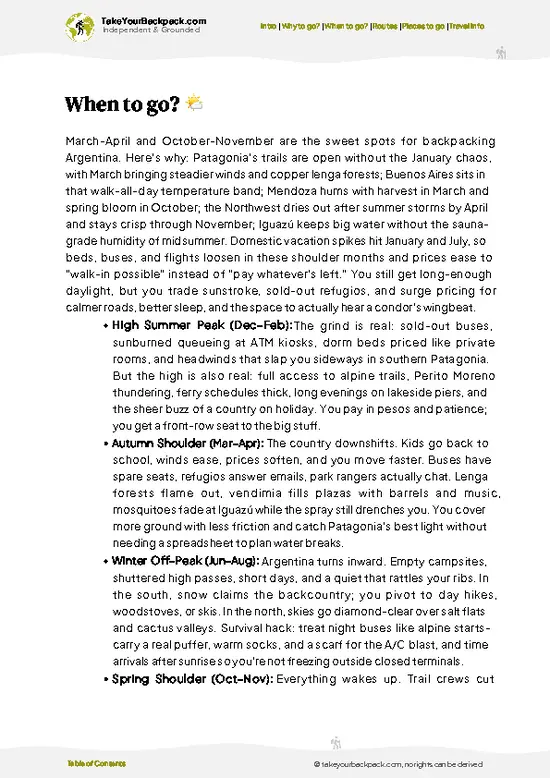
🌤️ When to go?When to go for the best experience


  • Weather: Santa Fe’s climate swings between hot summers and mild winters. December to February hits 28-33°C (82-91°F), often sticky with humidity. April to September cools down to 10-20°C (50-68°F), making outdoor trekking more pleasant.

  • Daylight Hours: Summer days stretch long, up to 14 hours, perfect for extended exploration. Winter shrinks daylight to around 10 hours, limiting your window for sightseeing.

  • Crowds: Peak tourist season aligns with summer holidays, so expect busier streets and higher prices. Shoulder seasons—spring and fall—offer a quieter vibe and more local interaction.

  • Seasonal Activities: Summer brings festivals and river activities, while winter focuses on cultural events and indoor museums. Choose based on whether you want lively or laid-back experiences.

  • Price
read more 👉

  • Weather: Santa Fe’s climate swings between hot summers and mild winters. December to February hits 28-33°C (82-91°F), often sticky with humidity. April to September cools down to 10-20°C (50-68°F), making outdoor trekking more pleasant.

  • Daylight Hours: Summer days stretch long, up to 14 hours, perfect for extended exploration. Winter shrinks daylight to around 10 hours, limiting your window for sightseeing.

  • Crowds: Peak tourist season aligns with summer holidays, so expect busier streets and higher prices. Shoulder seasons—spring and fall—offer a quieter vibe and more local interaction.

  • Seasonal Activities: Summer brings festivals and river activities, while winter focuses on cultural events and indoor museums. Choose based on whether you want lively or laid-back experiences.

  • Price Fluctuations: Accommodation and flights spike in summer. Booking in shoulder seasons can save you 20-30%, letting you invest in unique local experiences instead.


Pro-tip: Aim for spring (September-November) or fall (March-May) to balance comfortable weather, fewer crowds, and better prices—Santa Fe’s sweet spot for backpackers who want to feel like insiders, not tourists.


source: climatestotravel.comJANJanuary: good for travelingFEBFebruary: good for travelingMARMarch: highly recommended for travelingAPRApril: highly recommended for travelingMAYMay: highly recommended for travelingJUNJune: good for travelingJULJuly: good for travelingAUGAugust: good for travelingSEPSeptember: excellent for travelingOCTOctober: excellent for travelingNOVNovember: excellent for travelingDECDecember: good for traveling
when-to-go

✈️ The backpacker research shortcutArgentina Travel Guide

An offline-friendly backpacking guide with optimized travel routes, ranked highlights, transport advice, and the best areas to stay.
example page 0 from our offline Travel Guide for Argentinaexample page 1 from our offline Travel Guide for Argentinaexample page 2 from our offline Travel Guide for Argentinaexample page 3 from our offline Travel Guide for Argentinaexample page 4 from our offline Travel Guide for Argentinaexample page 5 from our offline Travel Guide for Argentinaexample page 6 from our offline Travel Guide for Argentinaexample page 7 from our offline Travel Guide for Argentina
The digital guide (542 pages) contains:
143 highlights, ranked by travel appeal
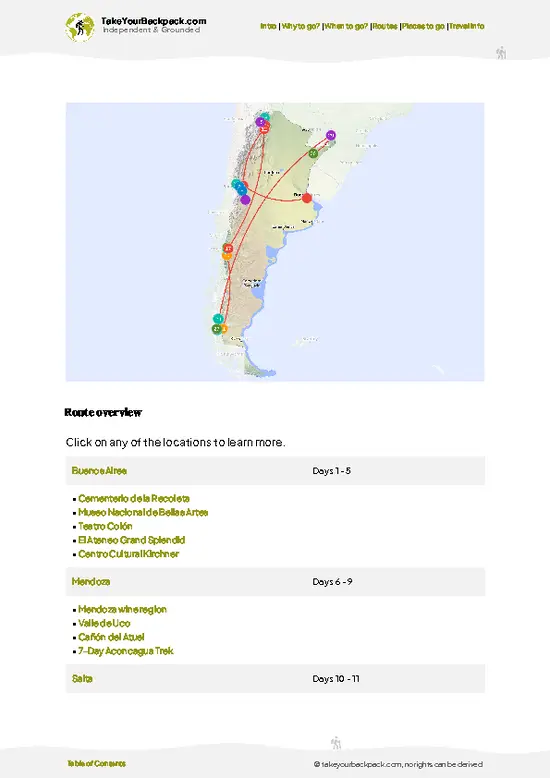
Optimized 14, 21 & 30-day travel routes
Cities, national parks, landmarks, beaches
How to get around
Offline-friendly for travel without Wi-Fi
👉 Click to see all 30+ guide features

📅 Plan smarter in minutes, not weeks
Month by month travel advice
Festivals & national holidays
Budget expectations

🗺️ Go to the right places, skip the overrated ones
Honest pros & cons of destinations
Top hikes, parks & viewpoints
Lesser-known places most travelers miss
Clear “worth it vs skip it” guidance

🛏️ Travel smoothly without rookie mistakes
Best areas to stay
Transport systems explained simply
Common scams & safety advice
SIM cards, money & practical tips

🌍 Understand the country, not just visit it
Culture & traditions
52 Essential phrases & customs
Festivals worth planning around
Traveler-friendly historical context
Insights that make places more meaningful

📱 Built for real travel conditions
Fully downloadable PDF
Works completely offline
Optimized for phone use
Useful in remote areas & buses
Everything in one place
Save weeks of stressful planning
Get instant access to your full guide. 30‑day money-back guarantee.


By proceeding you agree to our terms.
Sent to your inbox immediately after payment • 100% Secure Checkout
Best Backpacking Travel Advisor 2025 tourism awardBest Backpacking
Travel Advisor
2025
What others say about Take Your Backpack Guides:
⭐⭐⭐⭐⭐
Fantastic, amazing amount of information!
⭐⭐⭐⭐⭐
My goodness this is amazing, it's what I've been looking for hats off too you!
⭐⭐⭐⭐⭐
I think this is absolutely BRILLIANT
⭐⭐⭐⭐
Very complete and informative. It's still missing places, but I gotta to commend you
⭐⭐⭐⭐⭐
This is truly amazing, thank you, can't wait to explore it with my kids!
⭐⭐⭐⭐⭐
Awesome resource, thank you!
⭐⭐⭐⭐⭐
This is amazing! Can't wait to explore the ones I haven't seen
⭐⭐⭐⭐
I love this! Well done, great idea.
⭐⭐⭐⭐⭐
Thanks for taking the time to make this gem!
⭐⭐⭐⭐⭐
This might be the best website I've ever seen.
⭐⭐⭐⭐⭐
Congratulations, and thank you so much for your work; it's incredibly valuable.
⭐⭐⭐⭐
In all seriousness I think you did a great job pointing out the important spots
⭐⭐⭐⭐⭐
10/10 very good
⭐⭐⭐⭐⭐
As someone who's only just starting to visit regularly this is awesome, thank you.
⭐⭐⭐⭐
Thank you very much! I'm going to visit my dad, it's going to be very useful!
⭐⭐⭐⭐⭐
This is really cool! We'll be travelling for the first time and this definitely come in handy.
⭐⭐⭐⭐⭐
You are now our minister of culture, congratulations 👨‍💼
⭐⭐⭐⭐⭐
Just wanted to tell you that this is a pearl! Going to follow your recommendations.
⭐⭐⭐⭐⭐
This is so cool. I'll definitely be using the resource for my travels soon.
⭐⭐⭐⭐⭐
This is very impressive! Good work.
⭐⭐⭐⭐⭐
This is an amazing and informative site. Very well done!

🛏️ Where to stay?Best areas and accommodation options

Santa Fe’s downtown core is the natural magnet for backpackers chasing safety, social buzz, and budget options. It’s compact, walkable, and packed with hostels that cater to solo travelers looking to connect. The vibe here is a mix of local hustle and traveler energy—cafés spill onto sidewalks, and plazas pulse with street performers and impromptu gatherings. Compared to the quieter, more residential neighborhoods on the outskirts, downtown offers a built-in social scene and easy access to public transport, which means less time and money spent on taxis or buses. If you stray too far into the … read more 👉
Santa Fe’s downtown core is the natural magnet for backpackers chasing safety, social buzz, and budget options. It’s compact, walkable, and packed with hostels that cater to solo travelers looking to connect. The vibe here is a mix of local hustle and traveler energy—cafés spill onto sidewalks, and plazas pulse with street performers and impromptu gatherings. Compared to the quieter, more residential neighborhoods on the outskirts, downtown offers a built-in social scene and easy access to public transport, which means less time and money spent on taxis or buses. If you stray too far into the suburbs, you’ll find fewer hostels and less nightlife, which can save cash but costs you the chance to meet fellow travelers. Downtown balances comfort and community without breaking the bank—exactly what you want when you’re backpacking smart.

🚌 Getting aroundHow to get around Santa Fe

Santa Fe, Argentina, pulses with a rhythm that’s neither strictly regimented nor wildly unpredictable. It’s a city where the clock matters, but the flow bends to human pace—like a dance between order and ease. You won’t find rigid timetables etched in stone, but you won’t be left stranded either. The city’s transit system is a practical puzzle: balancing time, money, and comfort in ways that reward the traveler who reads between the lines. Understanding these trade-offs means you’re not just moving through Santa Fe—you’re mastering it.


  • Walking: The heart of Santa Fe beats strongest on foot. Most central neighborhoods are compact, making walking the cheapest and often fastest way to get around. No schedule, no cost, just your own pace and the city’s textures underfoot.

  • Colectivos (City
read more 👉
Santa Fe, Argentina, pulses with a rhythm that’s neither strictly regimented nor wildly unpredictable. It’s a city where the clock matters, but the flow bends to human pace—like a dance between order and ease. You won’t find rigid timetables etched in stone, but you won’t be left stranded either. The city’s transit system is a practical puzzle: balancing time, money, and comfort in ways that reward the traveler who reads between the lines. Understanding these trade-offs means you’re not just moving through Santa Fe—you’re mastering it.


  • Walking: The heart of Santa Fe beats strongest on foot. Most central neighborhoods are compact, making walking the cheapest and often fastest way to get around. No schedule, no cost, just your own pace and the city’s textures underfoot.

  • Colectivos (City Buses): Running roughly from 6:00 AM to 10:00 PM, these buses cost about 50 ARS per ride. They’re slow but reliable, threading through the city’s main arteries. Expect basic comfort and frequent stops—perfect if you’re not in a rush and want to stretch your budget.

  • Remises (Private Taxis): More expensive, around 300-500 ARS for typical short trips, but they offer door-to-door convenience and a smoother ride. Ideal when time is tight or you’re carrying heavy gear. They don’t run on fixed schedules, so you call them when you need.

  • Bicycle Rentals: A growing option for the adventurous, costing about 200 ARS per day. Santa Fe’s flat terrain makes cycling a fast and flexible choice, blending speed with fresh air and zero emissions. Not the most comfortable in bad weather, but unbeatable for control over your schedule.

👛 Costs (as of 11 May 2025)What things cost and how to budget

Backpacking in Santa Fe, Argentina, demands a clear-eyed view of where your money goes. Understanding the trade-offs between time, money, and comfort here means knowing the real costs behind each choice.
  • Dorm Accommodation (High Season): Expect to pay around $10 to $15 USD per night. This is when demand spikes—summer months and local festivals push prices up, and rooms fill fast.
  • Dorm Accommodation (Off-Season): Prices drop to about $7 to $10 USD. Fewer tourists mean better deals, but some hostels may close or reduce services, so check availability.
  • Meals: Budget $5 to $10 USD per day if you stick to street food, local markets, and small eateries. A hearty empanada or a simple parrilla meal fits here. Eating out at mid-range restaurants will push this higher.
  • Local Transport: Single bus rides
read more 👉
Backpacking in Santa Fe, Argentina, demands a clear-eyed view of where your money goes. Understanding the trade-offs between time, money, and comfort here means knowing the real costs behind each choice.
  • Dorm Accommodation (High Season): Expect to pay around $10 to $15 USD per night. This is when demand spikes—summer months and local festivals push prices up, and rooms fill fast.
  • Dorm Accommodation (Off-Season): Prices drop to about $7 to $10 USD. Fewer tourists mean better deals, but some hostels may close or reduce services, so check availability.
  • Meals: Budget $5 to $10 USD per day if you stick to street food, local markets, and small eateries. A hearty empanada or a simple parrilla meal fits here. Eating out at mid-range restaurants will push this higher.
  • Local Transport: Single bus rides cost roughly $0.30 to $0.50 USD. Walking is often the best way to save time and money in Santa Fe’s compact city center.
  • City Transport Pass: A daily or multi-day bus pass can cost around $1.50 to $3 USD, worth it if you plan multiple trips across town in a day.
  • Basic Activities/Entry Fees: Museums and cultural sites typically charge $1 to $3 USD. Some parks and historic buildings are free or ask for a small donation.
  • Miscellaneous Expenses: Budget $2 to $5 USD for things like bottled water, snacks, or occasional internet access at cafes.

Total daily costs for a backpacker in Santa Fe hover between $15 and $30 USD, depending on season and lifestyle choices. This range balances the essentials without cutting corners on comfort or missing out on local flavor. Knowing these numbers lets you play the system smart—spend where it counts, save where it doesn’t.


source: argentina.gob.ar
⚠️ Prices can change and everyone travels differently, so take this as a rough guide. Hope it helps you plan your adventure!

🚌 Day tripsWhere to go beyond the main area

Santa Fe, Argentina, is a fantastic launchpad for day trips that pack a punch without draining your wallet or time. Here’s how to make the most of your adventure.

Quebrada de Humahuaca
This UNESCO World Heritage site is a feast for the eyes. The vibrant hills and ancient villages tell stories of indigenous cultures. It’s about a 3.5-hour drive from Santa Fe, so leave early to soak it all in. Expect to spend around $30 on gas and snacks. The best time to visit is during the dry season (April to October) when the colors pop. A common mistake? Underestimating the altitude; stay hydrated and take it slow.
👉 Explore Quebrada de Humahuaca

Córdoba
Just a 2.5-hour bus ride away, Córdoba offers a mix of colonial charm and youthful energy. Explore the Jesuit Block and grab a coffee in the bustling … read more 👉
Santa Fe, Argentina, is a fantastic launchpad for day trips that pack a punch without draining your wallet or time. Here’s how to make the most of your adventure.

Quebrada de Humahuaca
This UNESCO World Heritage site is a feast for the eyes. The vibrant hills and ancient villages tell stories of indigenous cultures. It’s about a 3.5-hour drive from Santa Fe, so leave early to soak it all in. Expect to spend around $30 on gas and snacks. The best time to visit is during the dry season (April to October) when the colors pop. A common mistake? Underestimating the altitude; stay hydrated and take it slow.
👉 Explore Quebrada de Humahuaca

Córdoba
Just a 2.5-hour bus ride away, Córdoba offers a mix of colonial charm and youthful energy. Explore the Jesuit Block and grab a coffee in the bustling Plaza San Martín. A round-trip bus ticket will set you back about $20. Spring (September to November) is ideal, with pleasant weather and fewer crowds. First-timers often miss the local markets—don’t skip the artisan stalls for unique souvenirs.


Salinas Grandes
These stunning salt flats are about a 4-hour drive from Santa Fe. The surreal landscape is perfect for photography and a unique experience. Budget around $40 for gas and snacks. Visit in the morning for the best light and fewer tourists. Many overlook the nearby village of Purmamarca; take a detour for a taste of local life.


El Tigre
A hidden treasure just 2 hours away, El Tigre is a lush escape. Kayak through the delta and enjoy the tranquility. Expect to spend about $25 on rentals and lunch. The best time to go is during the warmer months (November to March). A rookie mistake? Not checking the tide schedule; it can affect your kayaking experience.
Want to know what more Argentina offers?
The Argentina Travel Guide describes 143 highlights, from cities to national parks, from beaches to hikes

Get the Travel Guide -

🍲 FoodEating & Drinking in Santa Fe

In Santa Fe, Argentina, food and drink are a vibrant part of the local culture. You can’t miss trying the empanadas, stuffed pastries that come with various fillings, from spicy beef to creamy cheese. They’re often sold at street stalls, where the aroma wafts through the air, tempting you to grab one on the go.

For a heartier experience, dive into a plate of locro, a thick stew made with corn, beans, and meat, perfect for sharing with friends. Pair it with a glass of Malbec—the region’s pride—served in casual bars where locals gather to unwind.

Eating here is a social affair. Expect to linger over meals, enjoying the company as much as the food. Don’t rush; it’s common to savor every bite and sip. When you’re ready for a caffeine boost, find a café and order a mate, a traditional herbal … read more 👉
In Santa Fe, Argentina, food and drink are a vibrant part of the local culture. You can’t miss trying the empanadas, stuffed pastries that come with various fillings, from spicy beef to creamy cheese. They’re often sold at street stalls, where the aroma wafts through the air, tempting you to grab one on the go.

For a heartier experience, dive into a plate of locro, a thick stew made with corn, beans, and meat, perfect for sharing with friends. Pair it with a glass of Malbec—the region’s pride—served in casual bars where locals gather to unwind.

Eating here is a social affair. Expect to linger over meals, enjoying the company as much as the food. Don’t rush; it’s common to savor every bite and sip. When you’re ready for a caffeine boost, find a café and order a mate, a traditional herbal drink shared among friends, embodying the spirit of connection.

🛡️ SafetyTraveler Safety Guide

Santa Fe, Argentina, is generally safe, but a few areas require extra awareness. Stick to well-lit streets in the city center at night, especially around the Plaza 25 de Mayo. Solo travelers should blend in; avoid drawing attention with flashy gear.

Common scams include overly friendly locals offering unsolicited help or guiding you to shops with inflated prices. Politely decline and trust your instincts. Everyday annoyances can arise from street vendors who may be persistent, but a firm “no, gracias” usually does the trick.

Stay alert, keep your belongings close, and maintain a confident demeanor. With these strategies, you can navigate Santa Fe smoothly and enjoy its vibrant culture.

Other Argentinian cities near Santa Fe

Explore more nearby:

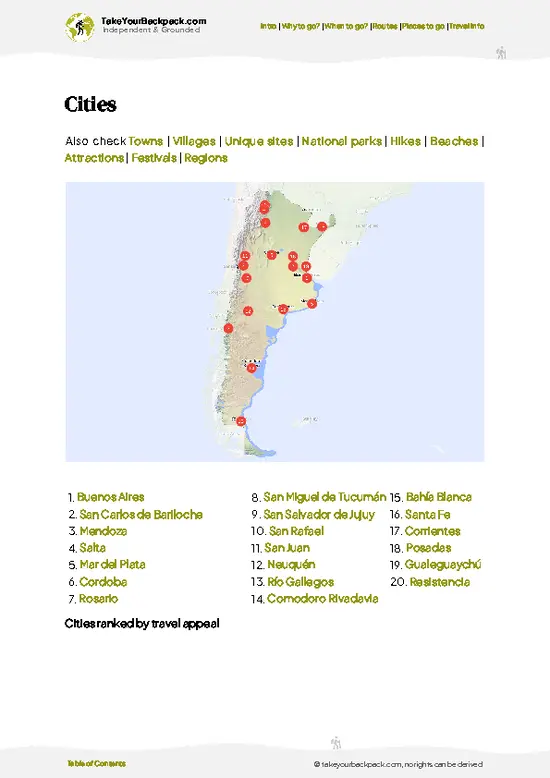
  • Paraná—cliffside views, river ferries, quiet plazas| 23 km away
  • Rosario—riverfront parks, modern art, mate culture| 155 km away
  • San Nicolás de los Arroyos—pilgrimage site, river delta, industrial port| 197 km away

💡 Not sure where to go next?
Create a personalized itinerary for Argentina including Santa Fe and the places that fit your trip.

Generate my itinerary

👉 Discover all cities

Or checkout all Argentina has to offer (think cities, towns, villages, national parks, hikes, beaches, festivals)
Country photo of Argentina

We 💚 feedbackSumming up the experience

Santa Fe’s vibrant street art and rich history make it a canvas of culture you can’t ignore. You’ll feel the pulse of local life in every corner. Just be ready for the heat in summer; it can be relentless. Embrace the sweat, and you’ll find the city’s charm is worth every drop. It’s a trade-off that pays off in unforgettable experiences.

✈️ When did I visit Argentina?
I have visited Argentina, together with Chile, in September 2012.

✍️ Help improve this page!
The information on this page is based on my own backpacking experience in Argentina, supplemented with up-to-date research and feedback from other travelers. Travel details can change, so if you notice anything outdated or incomplete, feel free to let me know.


🙋‍♂️ Give feedback

👋 Meet the founderWho’s Behind Take Your Backpack?

Johan, backpacker and founder of TakeYourBackpackHi, I’m Johan (Netherlands 🇳🇱), the creator of TakeYourBackpack. Over the past decade, I’ve backpacked through 80+ countries across six continents, gaining extensive experience with independent travel, long-term trips, and overland routes.

This site is built on a combination of firsthand travel experience and carefully curated insights from other backpackers. Many guides are based on places I’ve personally visited, while others bring together tips, observations, and practical advice shared by trusted travelers I’ve met along the way.

The goal is to provide realistic, experience-driven guidance — not generic itineraries — so you can explore destinations with better context, clearer expectations, and more confidence.

Get full Argentina guide •
Instant download • 143 highlights • Full Offline guide