×

Argentina🇦🇷 | best citiesEssential 10 cities to Explore in Argentina

Argentina’s cities are a vibrant tapestry of culture, history, and local flavor, each offering a unique experience for the backpacker or independent traveler. From the bustling streets of Buenos Aires to the charming plazas of Salta, the choices you make will shape your journey in profound ways.

Major hubs like Buenos Aires and Córdoba provide a rich urban experience, with extensive transport connections and a lively nightlife that pulses through the streets. Here, you can dive into tango shows, street art, and culinary delights. However, these cities can be pricier and more crowded, especially during peak tourist seasons.

On the flip side, smaller urban centers like Mendoza or Ushuaia offer a more laid-back vibe, often at a lower cost. They allow for deeper cultural immersion, but you might sacrifice some comfort and convenience. Seasonal nuances also play a role; summer in the north can be sweltering, while winter in the south brings chilly winds.

Choosing the right city impacts your budget, safety, and overall experience. Understanding these dynamics is crucial for maximizing your adventure in Argentina. Each city has its own rhythm, and knowing how to navigate these choices will lead to a more fulfilling journey.

By Johan Kruseman 🇳🇱 | Updated September 5, 2026
Explore the best towns in Argentina

Why go?Why These city Stand Out

In Argentina, cities are more than just urban centers; they are vibrant reflections of a complex cultural tapestry. The cultural diversity here is palpable, shaped by waves of immigration from Europe, the Middle East, and beyond. This blend creates a unique atmosphere where Italian cafés coexist with traditional Asado joints, and tango halls pulse with life. Unlike many countries, Argentina’s cities are living museums, steeped in historical depth that tells stories of colonialism, revolution, and resilience.

The regional identities across Argentina further enrich the urban experience. Each city carries its own flavor, influenced by geography and climate. The Andean foothills bring a different rhythm to life than the Patagonian plains. This diversity means that travelers can experience a range … read more 👉
In Argentina, cities are more than just urban centers; they are vibrant reflections of a complex cultural tapestry. The cultural diversity here is palpable, shaped by waves of immigration from Europe, the Middle East, and beyond. This blend creates a unique atmosphere where Italian cafés coexist with traditional Asado joints, and tango halls pulse with life. Unlike many countries, Argentina’s cities are living museums, steeped in historical depth that tells stories of colonialism, revolution, and resilience.

The regional identities across Argentina further enrich the urban experience. Each city carries its own flavor, influenced by geography and climate. The Andean foothills bring a different rhythm to life than the Patagonian plains. This diversity means that travelers can experience a range of lifestyles and traditions within a single country, but it also presents a trade-off: the more you explore, the more time you’ll need. Traveling from the bustling streets of Buenos Aires to the serene landscapes of Mendoza requires planning and patience.

Transport networks in Argentina are extensive but can be a double-edged sword. While long-distance buses and domestic flights connect major cities, the time spent in transit can detract from your exploration. If you prioritize depth over breadth, consider focusing on fewer cities to truly immerse yourself in their unique offerings. This choice often leads to richer experiences, but it means sacrificing the chance to see everything on your list.

Argentina’s climatic variations also play a role in shaping urban experiences. The heat of summer can be stifling in the north, while the south may offer a chill that requires layers. Understanding these nuances can help you choose the best time to visit each city, but it also means you’ll need to pack wisely and be prepared for changing conditions.

Ultimately, Argentina is well-suited for travelers seeking a mix of cultural immersion and historical exploration, but it demands conscious choices. The trade-offs between time, money, and comfort are significant. Opt for a deeper dive into fewer cities, and you’ll uncover the soul of Argentina. Choose to rush through, and you risk missing the very essence that makes these cities matter.
Why These Made the Cut
The list of best cities in Argentina is created based on culture, vibe, attractions, transport ease, and local charm. If you feel a city is missing in this list, please let us know.

When to go?Timing Your Visit for the Best Experience

Argentina’s climate varies significantly across its vast expanse, impacting the experience in its cities. Understanding these seasonal shifts is crucial for making informed travel decisions.

Summer runs from December to February. Expect heat, especially in the northern regions. Temperatures can soar, making outdoor activities challenging. This is peak tourist season, so expect crowds and higher prices. However, summer also brings vibrant festivals and lively street scenes. Missing out on these cultural events can feel like a loss, but the trade-off is clear: comfort versus experience.

Autumn, from March to May, offers a sweet spot. The weather cools down, making it more pleasant for exploration. Crowds thin out as schools resume, leading to lower accommodation costs. This is a prime time … read more 👉
Argentina’s climate varies significantly across its vast expanse, impacting the experience in its cities. Understanding these seasonal shifts is crucial for making informed travel decisions.

Summer runs from December to February. Expect heat, especially in the northern regions. Temperatures can soar, making outdoor activities challenging. This is peak tourist season, so expect crowds and higher prices. However, summer also brings vibrant festivals and lively street scenes. Missing out on these cultural events can feel like a loss, but the trade-off is clear: comfort versus experience.

Autumn, from March to May, offers a sweet spot. The weather cools down, making it more pleasant for exploration. Crowds thin out as schools resume, leading to lower accommodation costs. This is a prime time for those who want to enjoy the local rhythm without the hustle of peak season. However, some festivals may be winding down, so the cultural buzz might not be as intense.

Winter, from June to August, presents a different scenario. In southern cities, temperatures can drop significantly. This is the off-peak season, meaning fewer tourists and lower prices. However, the chill can deter some from venturing out. While winter sports and cozy indoor experiences are appealing, the vibrant city life may feel subdued. Missing the summer buzz can be a trade-off for those seeking solitude and savings.

Spring, from September to November, brings a revival. The weather warms up, and flowers bloom, creating a refreshing atmosphere. This shoulder season strikes a balance between comfort and cultural engagement. Crowds are manageable, and prices remain reasonable. However, some may miss out on the peak summer festivities, which can be a significant consideration for those seeking a lively experience.

Peak periods often coincide with major holidays and festivals. These times can lead to inflated prices and packed streets. Planning around these dates can save money and provide a more relaxed experience, but it may also mean sacrificing the chance to partake in unique cultural celebrations.

In summary, each season in Argentina offers distinct advantages and drawbacks. Understanding these trade-offs allows travelers to choose the timing that aligns best with their priorities, whether that’s avoiding crowds, enjoying ideal weather, or immersing in local culture.

city hoppingSuggested Travel Strategies

Transport Networks and Regional Clustering

Argentina is vast, and efficient travel hinges on understanding its geography. Start by clustering cities by region. The north is rich in culture and history, with Salta and Jujuy. The central region boasts Buenos Aires, Córdoba, and Mendoza, while the south offers Patagonia’s breathtaking landscapes. This regional approach minimizes travel time and maximizes experience.

Routing Logic

Begin in Buenos Aires, the hub of international flights. From there, head to Córdoba, about 1.5 hours by plane. Next, consider Mendoza, a short flight or a scenic bus ride away. This route allows for a natural progression through the heart of Argentina. If time permits, venture north to Salta and Jujuy, but be mindful of the longer travel times. A bus can take up … read more 👉

Transport Networks and Regional Clustering

Argentina is vast, and efficient travel hinges on understanding its geography. Start by clustering cities by region. The north is rich in culture and history, with Salta and Jujuy. The central region boasts Buenos Aires, Córdoba, and Mendoza, while the south offers Patagonia’s breathtaking landscapes. This regional approach minimizes travel time and maximizes experience.

Routing Logic

Begin in Buenos Aires, the hub of international flights. From there, head to Córdoba, about 1.5 hours by plane. Next, consider Mendoza, a short flight or a scenic bus ride away. This route allows for a natural progression through the heart of Argentina. If time permits, venture north to Salta and Jujuy, but be mindful of the longer travel times. A bus can take up to 20 hours from Buenos Aires to Salta, so plan accordingly.

Time Allocation

Each city deserves attention. Allocate at least two to three days in Buenos Aires to soak in its vibrant culture. Córdoba can be explored in two days, while Mendoza’s wine tours require a full day. For the north, three days in Salta and Jujuy is ideal to appreciate the stunning landscapes and indigenous culture. This pacing ensures a balance between seeing multiple cities and diving deep into their unique offerings.

Common Planning Mistakes

One major pitfall is overloading the itinerary. Trying to cram too many cities into a short timeframe leads to exhaustion and missed experiences. Another mistake is underestimating travel times. Buses can be slow, and flights may not always align with your schedule. Flexibility is key; allow for changes in plans based on local recommendations or unexpected discoveries.

Trade-Offs and Constraints

Speed versus depth is a constant trade-off. Rushing through cities may save time but sacrifices the richness of experience. Budget travelers might opt for buses to save money, but this can lead to discomfort and fatigue. Conversely, splurging on flights offers comfort and speed but can strain finances. Weigh these factors carefully to find a balance that suits your travel style.

Realistic Pacing and Strategic Planning

Prioritize flexibility in your plans. Allow for spontaneous detours or extended stays in places that resonate. This approach fosters a deeper connection with the culture and people. A well-thought-out route, combined with realistic time allocations, will enhance the overall experience, making each stop not just a point on a map, but a meaningful chapter in your Argentine adventure.

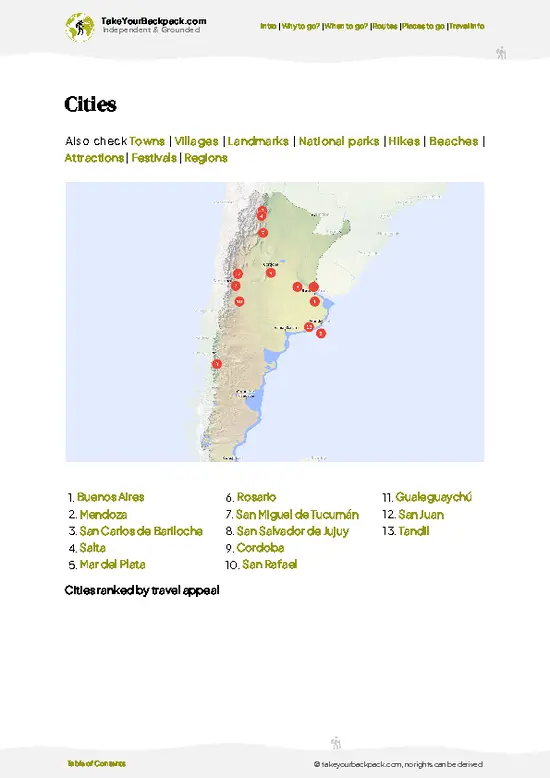
The ListTop cities of Argentina

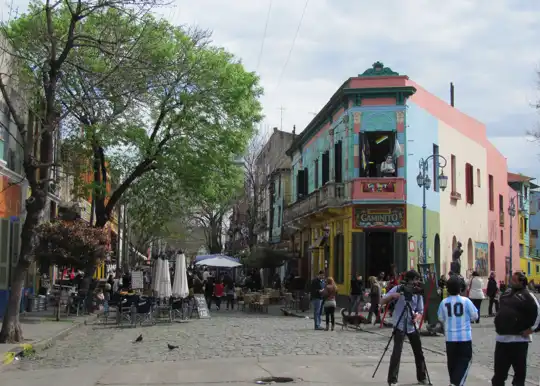
1 Buenos Aires

grand avenues, late-night life, tango districts, literary cafés

Wander neighborhoods where European architecture meets local traditions, sample diverse cuisine, and experience a city that never truly sleeps.

Argentina - Buenos Aires

2 Mendoza

Andes views, wine bodegas, tree-lined streets

Taste local Malbecs, cycle between vineyards, and enjoy mountain panoramas that define daily life in this western city.

argentina-city-mendoza
© Google |

3 San Carlos de Bariloche

alpine lakes, chocolate shops, Patagonian forests

Hike forested trails, kayak on glacial lakes, and sample chocolate in a city shaped by mountain scenery.

argentina-city-san-carlos-de-bariloche
© Google |

4 Salta

Andean heritage, adobe facades, folk music

Experience a blend of indigenous and colonial influences, with lively peñas and access to dramatic highland landscapes.

argentina-city-salta
© Google |

5 Mar del Plata

Atlantic beaches, seafood markets, casino strip

Swim or surf by day, eat fresh catch at portside stalls, and see how Argentines vacation on the coast.

6 Rosario

riverfront parks, modern art, mate culture

Stroll along the Paraná, visit contemporary museums, and join locals sharing mate in leafy public spaces.

argentina-city-rosario
© Google |

7 San Miguel de Tucumán

independence history, subtropical gardens, sugar mills

Walk through leafy plazas, learn about Argentina’s founding, and see how agriculture shapes the city’s edges.

8 San Salvador de Jujuy

Quebrada gateway, indigenous crafts, mountain markets

Use the city as a base for exploring colorful valleys, browsing artisan stalls, and sampling Andean flavors.

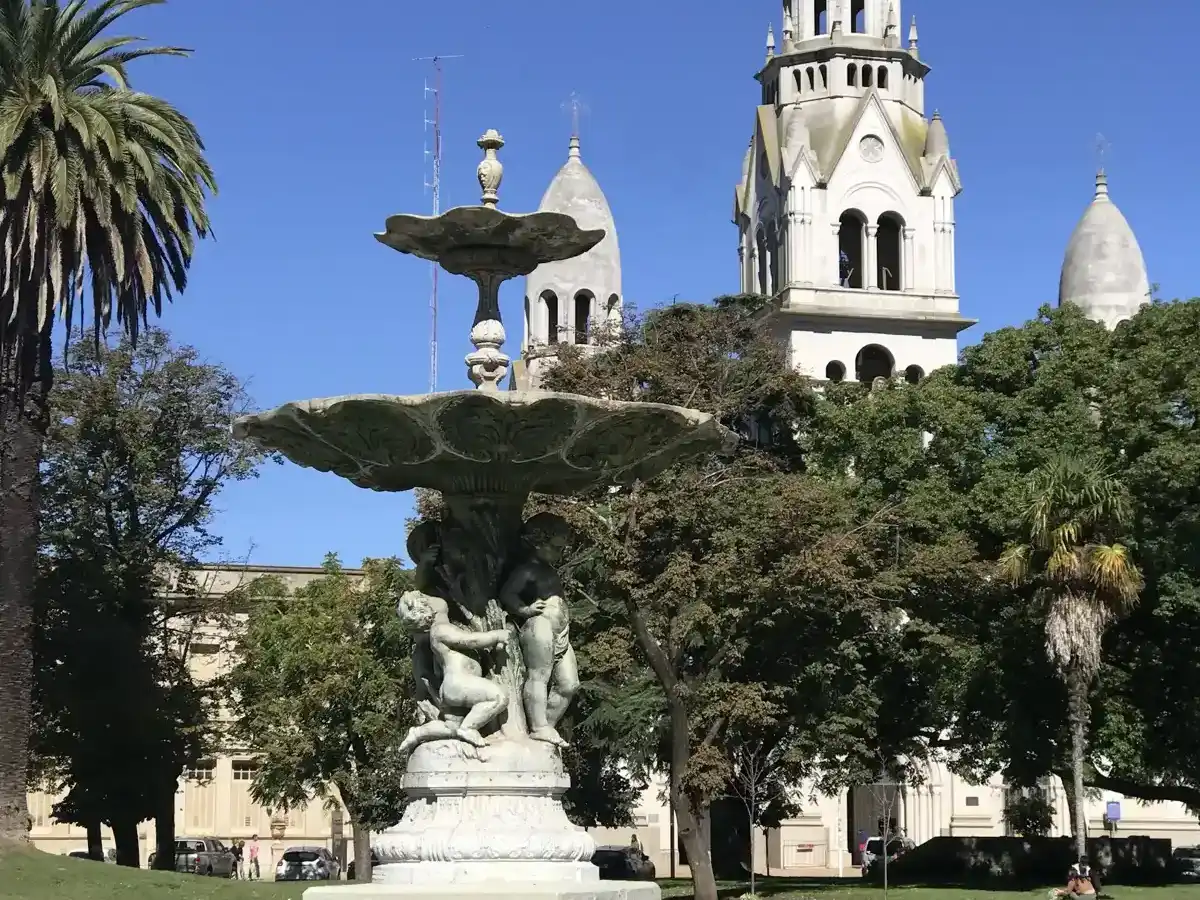
9 Cordoba

colonial churches, student energy, sierras backdrop

Discover a city shaped by university life, historic plazas, and easy escapes to surrounding hills and rivers.

argentina-city-cordoba
© Google |

10 San Rafael

vineyards, river canyons, adventure sports

Paddle through canyons, tour small wineries, and enjoy a relaxed pace in a city surrounded by outdoor activities.

11 Gualeguaychú

carnival parades, river beaches, thermal baths

Join festive celebrations, relax by the river, and soak in hot springs in a city known for its lively calendar.

argentina-city-gualeguaychu
© Google |

12 San Juan

desert climate, olive groves, paleontology sites

Tour arid landscapes, visit olive oil producers, and explore fossil-rich valleys just outside the city.

13 Tandil

rolling hills, stone formations, local cheeses

Hike gentle trails, sample regional products, and relax in a small city known for its outdoor spaces and artisanal foods.

Think you know Argentina?

Prove you’re a true local — uncover 3 lesser-known cities in Argentina that locals tend to keep to themselves.
Loading the map 🌍

Expert viewTips and Advice from Travelers

Transport Hubs
Argentina’s transport network is a mixed bag. Major cities are well-connected by buses and domestic flights, but the quality and frequency can vary. If you’re hopping between urban centers, buses are often the most cost-effective option. Expect long rides, sometimes upwards of 20 hours, but they can be a chance to see the countryside. Flights save time but can eat into your budget, especially if you’re booking last minute.

Consider your priorities: if you’re on a tight schedule, flying might seem like the best choice. However, the bus experience can be a cultural immersion in itself. You’ll meet locals, sample regional snacks, and witness the landscape change. Just remember, the longer you spend on the road, the less time you have to explore each city.

Urban Pacing
The … read more 👉
Transport Hubs
Argentina’s transport network is a mixed bag. Major cities are well-connected by buses and domestic flights, but the quality and frequency can vary. If you’re hopping between urban centers, buses are often the most cost-effective option. Expect long rides, sometimes upwards of 20 hours, but they can be a chance to see the countryside. Flights save time but can eat into your budget, especially if you’re booking last minute.

Consider your priorities: if you’re on a tight schedule, flying might seem like the best choice. However, the bus experience can be a cultural immersion in itself. You’ll meet locals, sample regional snacks, and witness the landscape change. Just remember, the longer you spend on the road, the less time you have to explore each city.

Urban Pacing
The pace of life varies significantly across Argentina. In bustling cities, you’ll feel the energy—people are always on the move. But in smaller towns, life slows down. If you’re looking to soak in the local vibe, don’t rush. Spending a few days in one place allows you to connect with the culture, try local foods, and maybe even make friends.

If you’re trying to see as many cities as possible, you’ll sacrifice depth for breadth. You might check off a list of must-sees, but you’ll miss the nuances that make each place unique. A good rule of thumb is to aim for two to three cities in a week if you want to balance exploration with immersion.

Local Costs
Argentina can be a budget-friendly destination, but costs can fluctuate based on where you are. In larger cities, expect to pay more for accommodation and dining. However, venture into smaller towns, and you’ll find prices drop significantly. Street food is a great way to eat well without breaking the bank.

Keep in mind that while you can save money by staying in hostels or using public transport, these choices often come with trade-offs in comfort and convenience. If you’re willing to splurge a bit on a nice hotel or a guided tour, you’ll likely have a more enriching experience. It’s about finding that sweet spot between your budget and the experiences you want to have.

Exploring More Cities Quickly vs. Deeper Immersion
The temptation to see as much as possible can lead to a frantic travel style. Sure, you can tick off a bunch of cities in a week, but at what cost? You’ll likely end up feeling exhausted and unsatisfied. Instead, consider focusing on a few key locations where you can really dive in.

Each city has its own rhythm and character. By spending more time in fewer places, you’ll have the chance to explore local markets, attend cultural events, and even learn a bit of the language. This deeper immersion often leads to more meaningful experiences.

If you’re short on time, prioritize cities that offer a mix of attractions—historical sites, vibrant nightlife, and local cuisine. This way, you can still get a taste of the local culture without feeling rushed.

Regional Variation
Argentina is vast, and each region has its own flavor. The north is known for its indigenous cultures and stunning landscapes, while the south boasts breathtaking natural beauty. The central region is where you’ll find the bustling urban life.

When planning your trip, consider the regional differences in infrastructure. Some areas are well-served by public transport, while others may require a rental car or private transport. This can affect your itinerary significantly.

Safety is another consideration. While most cities are generally safe for tourists, it’s wise to stay aware of your surroundings, especially in crowded areas. Each region has its own cultural norms, so take the time to learn about local customs. This not only enhances your experience but also shows respect for the people and places you’re visiting.

Time and Effort
Traveling in Argentina requires a balance of time and effort. If you’re planning to visit multiple cities, be prepared for some long travel days. Factor in the time it takes to get from one place to another, and don’t underestimate the effort involved in navigating local transport systems.

If you’re short on time, consider focusing on a specific region. This allows you to explore more thoroughly without the stress of constant travel. You’ll find that the effort you put into understanding a place pays off in richer experiences.

In the end, it’s about making conscious choices. Whether you decide to rush through cities or take your time, be aware of what you’re sacrificing. The best experiences often come from those moments when you slow down and really engage with your surroundings.

Final Thoughts
Traveling through Argentina is a journey of contrasts. The choices you make—whether to prioritize time, money, or comfort—will shape your experience. Embrace the trade-offs and choose what resonates with you. Whether you’re chasing adventure or seeking connection, Argentina has something to offer everyone. Just remember, the real magic often lies in the moments you didn’t plan for.

✈️ The backpacker research shortcutArgentina Travel Guide

An offline-friendly backpacking guide with optimized travel routes, ranked highlights, transport advice, and the best areas to stay.
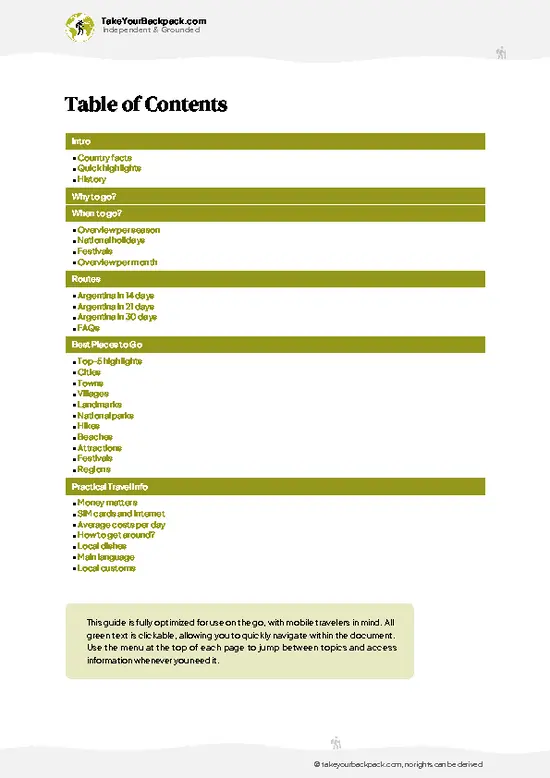
example page 0 from our offline Travel Guide for Argentina
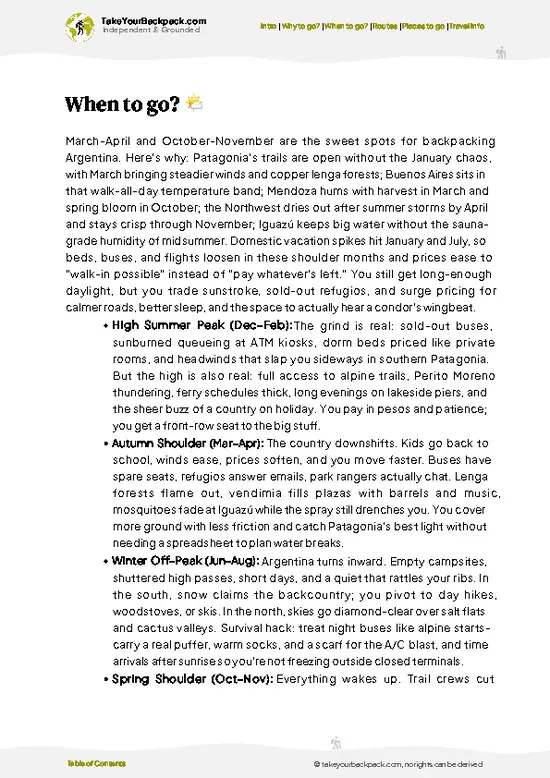
example page 1 from our offline Travel Guide for Argentina
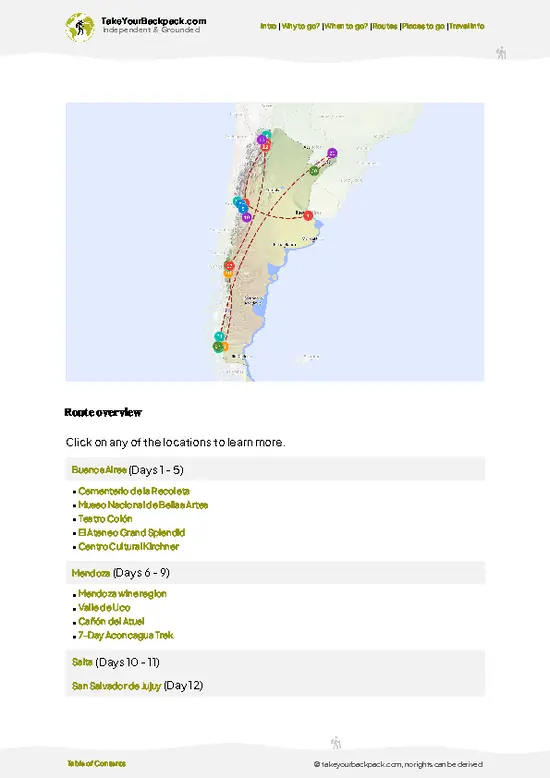
example page 2 from our offline Travel Guide for Argentina
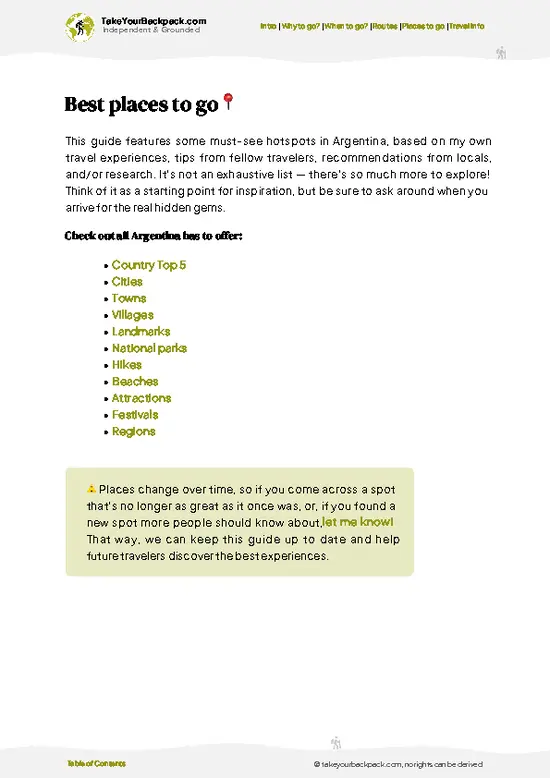
example page 3 from our offline Travel Guide for Argentina
example page 4 from our offline Travel Guide for Argentina
example page 5 from our offline Travel Guide for Argentina
example page 6 from our offline Travel Guide for Argentina
example page 7 from our offline Travel Guide for Argentina
The digital guide (505 pages) contains:
135 highlights, ranked by travel appeal
Optimized 14, 21 & 30-day travel routes
Cities, national parks, landmarks, beaches
How to get around
Offline-friendly for travel without Wi-Fi
👉 Click to see all 30+ guide features

📅 Plan smarter in minutes, not weeks
Month by month travel advice
Festivals & national holidays
Budget expectations

🗺️ Go to the right places, skip the overrated ones
Honest pros & cons of destinations
Top hikes, parks & viewpoints
Lesser-known places most travelers miss
Clear “worth it vs skip it” guidance

🛏️ Travel smoothly without rookie mistakes
Best areas to stay
Transport systems explained simply
Common scams & safety advice
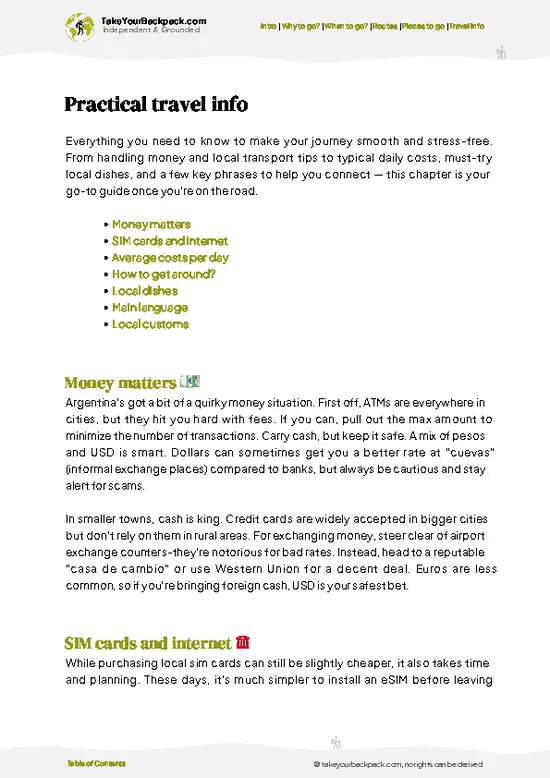
SIM cards, money & practical tips

🌍 Understand the country, not just visit it
Culture & traditions
52 Essential phrases & customs
Festivals worth planning around
Traveler-friendly historical context
Insights that make places more meaningful

📱 Built for real travel conditions
Fully downloadable PDF
Works completely offline
Optimized for phone use
Useful in remote areas & buses
Everything in one place
Save weeks of stressful planning
Get instant access to your full guide. 30‑day money-back guarantee.
+ Add another guide for just US$7.80

By proceeding you agree to our terms.
Sent to your inbox immediately after payment • 100% Secure Checkout
Best Backpacking Travel Advisor 2025 tourism awardBest Backpacking
Travel Advisor
2025
What others say about Take Your Backpack Guides:
⭐⭐⭐⭐⭐
Fantastic, amazing amount of information!
⭐⭐⭐⭐⭐
My goodness this is amazing, it's what I've been looking for hats off too you!
⭐⭐⭐⭐⭐
I think this is absolutely BRILLIANT
⭐⭐⭐⭐
Very complete and informative. It's still missing places, but I gotta to commend you
⭐⭐⭐⭐⭐
This is truly amazing, thank you, can't wait to explore it with my kids!
⭐⭐⭐⭐⭐
Awesome resource, thank you!
⭐⭐⭐⭐⭐
This is amazing! Can't wait to explore the ones I haven't seen
⭐⭐⭐⭐
I love this! Well done, great idea.
⭐⭐⭐⭐⭐
Thanks for taking the time to make this gem!
⭐⭐⭐⭐⭐
This might be the best website I've ever seen.
⭐⭐⭐⭐⭐
Congratulations, and thank you so much for your work; it's incredibly valuable.
⭐⭐⭐⭐
In all seriousness I think you did a great job pointing out the important spots
⭐⭐⭐⭐⭐
10/10 very good
⭐⭐⭐⭐⭐
As someone who's only just starting to visit regularly this is awesome, thank you.
⭐⭐⭐⭐
Thank you very much! I'm going to visit my dad, it's going to be very useful!
⭐⭐⭐⭐⭐
This is really cool! We'll be travelling for the first time and this definitely come in handy.
⭐⭐⭐⭐⭐
You are now our minister of culture, congratulations 👨‍💼
⭐⭐⭐⭐⭐
Just wanted to tell you that this is a pearl! Going to follow your recommendations.
⭐⭐⭐⭐⭐
This is so cool. I'll definitely be using the resource for my travels soon.
⭐⭐⭐⭐⭐
This is very impressive! Good work.
⭐⭐⭐⭐⭐
This is an amazing and informative site. Very well done!

🛏️ Where to stay?Where to Base Yourself

hostels and budget accommodation are widespread across Argentina, with the most options in Buenos Aires (Palermo, San Telmo, Microcentro, Recoleta), Mendoza (city centre and Chacras de Coria), Bariloche (centro), El Calafate (centro) and Puerto Iguazú (town centre).

Palermo has nightlife, cafés and many hostel choices but is noisier and often pricier; San Telmo offers historic charm and markets with a strong backpacker vibe but can feel less safe late at night; Microcentro and Recoleta give the best transit links and museums yet are quieter after dark and more touristy; Mendoza centre and Chacras are walkable to vineyards and plazas but farther from mountain trails; Bariloche centro is convenient … read more 👉
hostels and budget accommodation are widespread across Argentina, with the most options in Buenos Aires (Palermo, San Telmo, Microcentro, Recoleta), Mendoza (city centre and Chacras de Coria), Bariloche (centro), El Calafate (centro) and Puerto Iguazú (town centre).

Palermo has nightlife, cafés and many hostel choices but is noisier and often pricier; San Telmo offers historic charm and markets with a strong backpacker vibe but can feel less safe late at night; Microcentro and Recoleta give the best transit links and museums yet are quieter after dark and more touristy; Mendoza centre and Chacras are walkable to vineyards and plazas but farther from mountain trails; Bariloche centro is convenient for buses, shops and lake access but fills up in high season; El Calafate centro is the practical base for glacier tours though touristy and cold; Puerto Iguazú town is the cheapest base for the falls with basic services but less nightlife and higher humidity.

If you enjoy meeting fellow travelers, consider choosing hostels with high ratings for atmosphere. On the other hand, if you prefer having your own space, a hotel might be a better option.

ArgentinaExpand Your Journey

👋 Meet the founderWho’s Behind Take Your Backpack?

Johan, backpacker and founder of TakeYourBackpackHi, I’m Johan (Netherlands 🇳🇱), the creator of TakeYourBackpack. Over the past decade, I’ve backpacked through 80+ countries across six continents, gaining extensive experience with independent travel, long-term trips, and overland routes.

This site is built on a combination of firsthand travel experience and carefully curated insights from other backpackers. Many guides are based on places I’ve personally visited, while others bring together tips, observations, and practical advice shared by trusted travelers I’ve met along the way.

The goal is to provide realistic, experience-driven guidance — not generic itineraries — so you can explore destinations with better context, clearer expectations, and more confidence.

Get full Argentina guide •
Instant download • 135 highlights • Full Offline guide