×

Argentina🇦🇷 | festivalsTango Festivalmilonga halls, live orchestras, dance competitions | things to do and best time to go

Explore Grape Harvest Festival (Vendimia)Explore Fiesta Nacional de la Vendimia Gay

Backpacking in Tango
🏆 Top pickfestival ranked #3
By Johan Kruseman 🇳🇱 | Updated September 4, 2026

Ten years ago, Buenos Aires’ Tango Festival felt scrappy and local: milongas spilling into sidewalks, plastic chairs, old speakers, and grandmas in heels out-dancing everyone. Today it’s slicker, bigger, and more international, anchored in the city itself, mostly around venues in central Buenos Aires and the traditional tango barrios. You get world-class orchestras, late-night milongas, and competitions that pull dancers from every continent. The soundtrack is heavy on classic tango with some modern orchestral twists; this is not an EDM party, it’s violins, bandoneón, and drama. The crowd skews dance-obsessed: serious tangueros, culture hunters, and a smaller slice of casual backpackers chasing a “real Buenos Aires” hit. The festival usually runs over several days, so you can dip in between empanadas and hostel beers. It’s worth it if you’re curious about tango’s roots and rituals; if you hate crowds and late nights, save your pesos.

Discover everything you want to know in the 📖 Argentina Travel Guide.
Loading the map 🌍
CLICK TO FILTER
cities
towns
villages
landmarks
national parks
hikes
beaches
attractions
festivals
regions
SHOW COUNTRY’S BESTSHOW ALL

✨ Why go?
Ranked #3 festival in Argentina
Reasons people choose to celebrate the here

Backpackers flock to the Tango Festival in Argentina for a reason: it’s a cultural explosion that transforms the streets into a vibrant dance floor. This isn’t just a festival; it’s a temporary community where you can connect with locals and fellow travelers alike. The social energy is palpable, as strangers become friends over shared rhythms and late-night milongas.

Planning your route around this festival isn’t just smart; it’s essential for cultural immersion. You’ll dive headfirst into the heart of Buenos Aires, experiencing tango not just as a spectator but as a participant. The affordability of the festival compared to similar events worldwide makes it a budget-friendly choice, allowing you to splurge on experiences rather than just tickets.

Integrating the festival into your longer … read more 👉
Backpackers flock to the Tango Festival in Argentina for a reason: it’s a cultural explosion that transforms the streets into a vibrant dance floor. This isn’t just a festival; it’s a temporary community where you can connect with locals and fellow travelers alike. The social energy is palpable, as strangers become friends over shared rhythms and late-night milongas.

Planning your route around this festival isn’t just smart; it’s essential for cultural immersion. You’ll dive headfirst into the heart of Buenos Aires, experiencing tango not just as a spectator but as a participant. The affordability of the festival compared to similar events worldwide makes it a budget-friendly choice, allowing you to splurge on experiences rather than just tickets.

Integrating the festival into your longer travel plans is a no-brainer. It serves as a launchpad for exploring Argentina’s rich landscapes, from the stunning Iguazu Falls to the rugged Andes. By timing your visit, you preserve both your energy and your budget for the moments that truly matter. Embrace the rhythm, and let the tango lead you on an unforgettable journey.
Want to include Tango Festival in your Argentina route?
Create a personalized Argentina itinerary that includes Tango Festival and the places that fit your trip — based on your travel style, budget, and available time. Get your route in seconds.

Generate my trip

💡 HighlightsDon't-miss highlights and experiences

  1. Milongas (social dance nights) — The beating heart of any Tango Festival. These are where locals and visitors share the floor, following the old social rules (cabeceo, line-of-dance) while feeding off the room’s energy. It’s intimate, unpredictable and the best place to feel how tango functions as a living conversation between partners. (Personal favorite — nothing beats the buzz of a packed milonga at midnight.)
  2. Orquesta típica & live music — Full bands with bandoneóns, violins and singers give tango its spine; hearing them live is visceral in a way recordings can’t match. The dynamics, phrasing and pauses in real time shape how dancers move, and festivals attract rare ensembles and spirited jam sessions that heighten that connection.
  3. Stage shows and choreographed performances — Polished
read more 👉
  1. Milongas (social dance nights) — The beating heart of any Tango Festival. These are where locals and visitors share the floor, following the old social rules (cabeceo, line-of-dance) while feeding off the room’s energy. It’s intimate, unpredictable and the best place to feel how tango functions as a living conversation between partners. (Personal favorite — nothing beats the buzz of a packed milonga at midnight.)
  2. Orquesta típica & live music — Full bands with bandoneóns, violins and singers give tango its spine; hearing them live is visceral in a way recordings can’t match. The dynamics, phrasing and pauses in real time shape how dancers move, and festivals attract rare ensembles and spirited jam sessions that heighten that connection.
  3. Stage shows and choreographed performances — Polished productions showcase tango’s theatrical side: dramatic staging, narrative routines and athletic partnering you won’t usually see on the social floor. They’re great to understand tango’s aesthetic evolution and to watch how tradition and contemporary creativity collide.
  4. Open-air milongas & street performances — Dancing spilling into plazas and cobbled lanes makes tango democratic and photogenic. These pop-up sets are informal, often free, and let you witness spontaneous duets, live buskers and the festival seeping into everyday city life — perfect if you want atmosphere without a ticket.
  5. Workshops, prácticas and masterclasses — Festivals pack classes for all levels: technique, musicality, partner skills and stylistic deep-dives led by seasoned maestros. They’re the quickest way to sharpen your dancing, meet other travellers, and test moves you’ve only admired from the floor.
Spotted a mistake or missing something? Contact us.

Things to do around Tango Festival

Ratings based on Tripadvisor reviews. When you book through this link, you support our work at no extra cost to you.

🌤️ When to go?When is the celebration of Tango Festival?


  • Topic: Weather and Temperature – The Tango Festival in Buenos Aires thrives in late August to early December. Expect spring warmth, with highs around 20-25°C (68-77°F). Avoid the summer heat of January-February, which can spike above 30°C (86°F) and sap your energy mid-dance.

  • Topic: Daylight Hours – Spring days stretch longer, giving you more daylight to explore the city’s vibrant neighborhoods before the festival nights kick in. By October, expect up to 13 hours of daylight, perfect for balancing sightseeing and tango marathons.

  • Topic: Crowds – The festival peaks in October and November, drawing international dancers and tourists. This means lively energy but also pricier accommodations and busier venues. Arriving early in the season or late in November can help you dodge the thickest
read more 👉

  • Topic: Weather and Temperature – The Tango Festival in Buenos Aires thrives in late August to early December. Expect spring warmth, with highs around 20-25°C (68-77°F). Avoid the summer heat of January-February, which can spike above 30°C (86°F) and sap your energy mid-dance.

  • Topic: Daylight Hours – Spring days stretch longer, giving you more daylight to explore the city’s vibrant neighborhoods before the festival nights kick in. By October, expect up to 13 hours of daylight, perfect for balancing sightseeing and tango marathons.

  • Topic: Crowds – The festival peaks in October and November, drawing international dancers and tourists. This means lively energy but also pricier accommodations and busier venues. Arriving early in the season or late in November can help you dodge the thickest crowds.

  • Topic: Seasonal Activities – Spring in Buenos Aires bursts with outdoor milongas, street performances, and open-air cafes. This season’s vibe fuels the festival’s pulse, making every step on the dance floor feel electric and every street corner a stage.

  • Topic: Price Fluctuations – Prices for lodging and flights climb with the festival’s crescendo in October-November. Booking early or targeting late August to early September can save you serious pesos, leaving more cash for tango lessons and empanadas.


Pro-tip: Time your visit for early October—weather’s sweet, crowds manageable, and the city’s energy is just ramping up, giving you the perfect launchpad to dive deep into tango without burning out.


source: climatestotravel.comJANJanuary: not recommended for travelingFEBFebruary: not recommended for travelingMARMarch: not recommended for travelingAPRApril: not recommended for travelingMAYMay: not recommended for travelingJUNJune: not recommended for travelingJULJuly: not recommended for travelingAUGAugust: highly recommended for travelingSEPSeptember: highly recommended for travelingOCTOctober: highly recommended for travelingNOVNovember: highly recommended for travelingDECDecember: highly recommended for traveling

✈️ The backpacker research shortcutArgentina Travel Guide

An offline-friendly backpacking guide with optimized travel routes, ranked highlights, transport advice, and the best areas to stay.
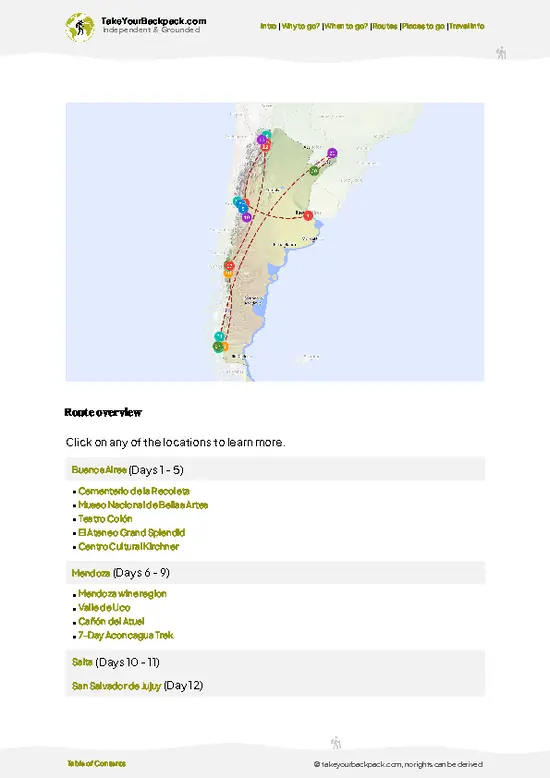
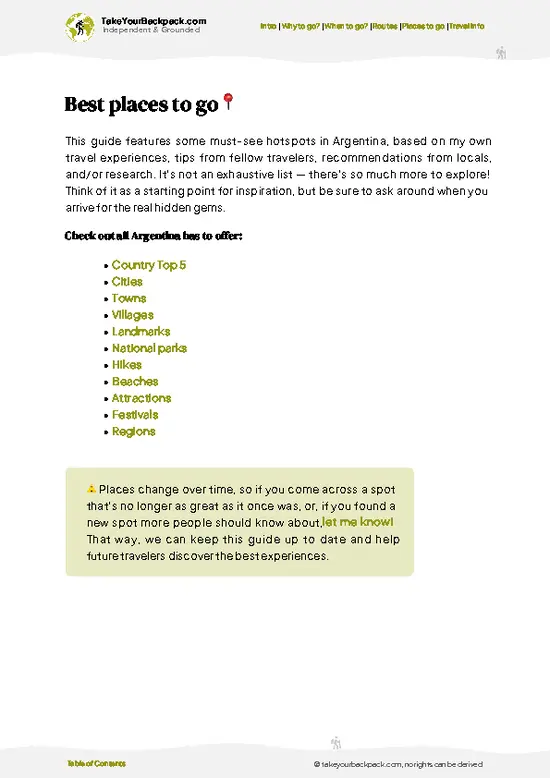
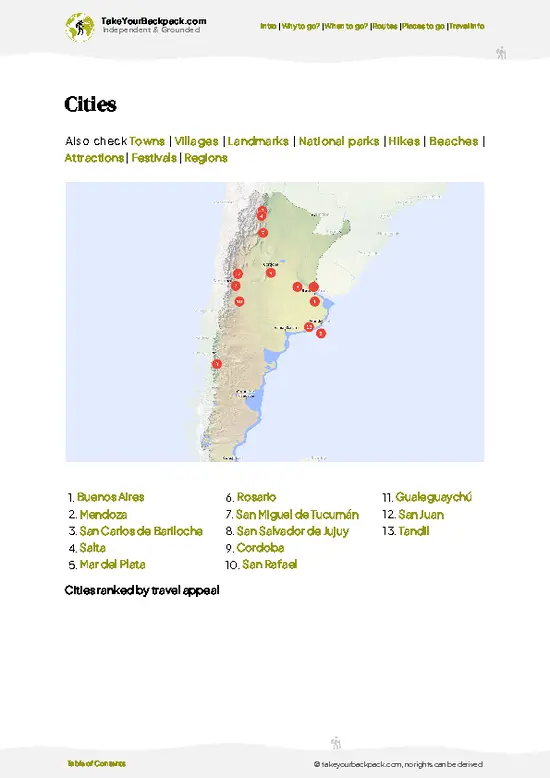
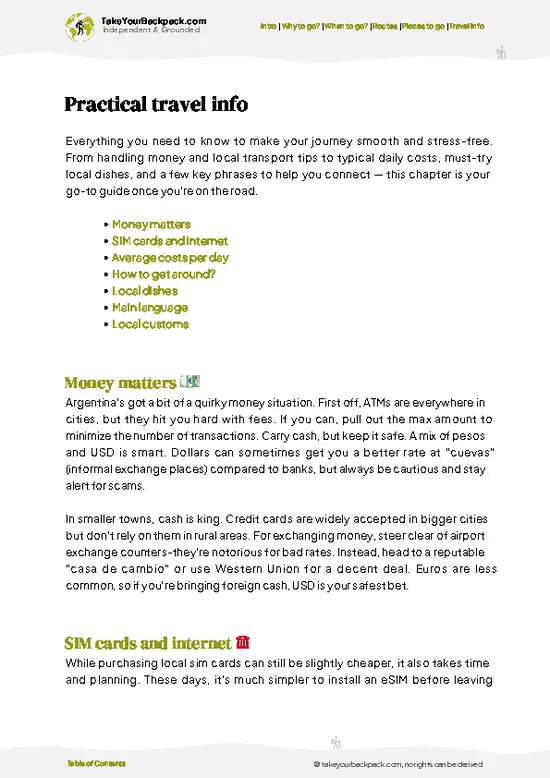
example page 0 from our offline Travel Guide for Argentina
example page 1 from our offline Travel Guide for Argentina
example page 2 from our offline Travel Guide for Argentina
example page 3 from our offline Travel Guide for Argentina
example page 4 from our offline Travel Guide for Argentina
example page 5 from our offline Travel Guide for Argentina
example page 6 from our offline Travel Guide for Argentina
example page 7 from our offline Travel Guide for Argentina
The digital guide (505 pages) contains:
135 highlights, ranked by travel appeal
Optimized 14, 21 & 30-day travel routes
Cities, national parks, landmarks, beaches
How to get around
Offline-friendly for travel without Wi-Fi
👉 Click to see all 30+ guide features

📅 Plan smarter in minutes, not weeks
Month by month travel advice
Festivals & national holidays
Budget expectations

🗺️ Go to the right places, skip the overrated ones
Honest pros & cons of destinations
Top hikes, parks & viewpoints
Lesser-known places most travelers miss
Clear “worth it vs skip it” guidance

🛏️ Travel smoothly without rookie mistakes
Best areas to stay
Transport systems explained simply
Common scams & safety advice
SIM cards, money & practical tips

🌍 Understand the country, not just visit it
Culture & traditions
52 Essential phrases & customs
Festivals worth planning around
Traveler-friendly historical context
Insights that make places more meaningful

📱 Built for real travel conditions
Fully downloadable PDF
Works completely offline
Optimized for phone use
Useful in remote areas & buses
Everything in one place
Save weeks of stressful planning
Get instant access to your full guide. 30‑day money-back guarantee.
+ Add another guide for just US$7.80

By proceeding you agree to our terms.
Sent to your inbox immediately after payment • 100% Secure Checkout
Best Backpacking Travel Advisor 2025 tourism awardBest Backpacking
Travel Advisor
2025
What others say about Take Your Backpack Guides:
⭐⭐⭐⭐⭐
Fantastic, amazing amount of information!
⭐⭐⭐⭐⭐
My goodness this is amazing, it's what I've been looking for hats off too you!
⭐⭐⭐⭐⭐
I think this is absolutely BRILLIANT
⭐⭐⭐⭐
Very complete and informative. It's still missing places, but I gotta to commend you
⭐⭐⭐⭐⭐
This is truly amazing, thank you, can't wait to explore it with my kids!
⭐⭐⭐⭐⭐
Awesome resource, thank you!
⭐⭐⭐⭐⭐
This is amazing! Can't wait to explore the ones I haven't seen
⭐⭐⭐⭐
I love this! Well done, great idea.
⭐⭐⭐⭐⭐
Thanks for taking the time to make this gem!
⭐⭐⭐⭐⭐
This might be the best website I've ever seen.
⭐⭐⭐⭐⭐
Congratulations, and thank you so much for your work; it's incredibly valuable.
⭐⭐⭐⭐
In all seriousness I think you did a great job pointing out the important spots
⭐⭐⭐⭐⭐
10/10 very good
⭐⭐⭐⭐⭐
As someone who's only just starting to visit regularly this is awesome, thank you.
⭐⭐⭐⭐
Thank you very much! I'm going to visit my dad, it's going to be very useful!
⭐⭐⭐⭐⭐
This is really cool! We'll be travelling for the first time and this definitely come in handy.
⭐⭐⭐⭐⭐
You are now our minister of culture, congratulations 👨‍💼
⭐⭐⭐⭐⭐
Just wanted to tell you that this is a pearl! Going to follow your recommendations.
⭐⭐⭐⭐⭐
This is so cool. I'll definitely be using the resource for my travels soon.
⭐⭐⭐⭐⭐
This is very impressive! Good work.
⭐⭐⭐⭐⭐
This is an amazing and informative site. Very well done!

🛏️ Where to stay?Best areas and accommodation options

When you’re gearing up for the Tango Festival in Buenos Aires, the right area can make all the difference. Head straight to San Telmo. This neighborhood pulses with history and character, where cobblestone streets meet vibrant street art. It’s a hotspot for backpackers, brimming with social hostels and communal spaces. You’ll find fellow travelers eager to share stories and tips, plus plenty of local eateries serving up empanadas that won’t break the bank.

Next, consider Palermo. This area is trendy and youthful, with parks, cafes, and a nightlife that keeps the energy high. It’s a bit pricier, … read more 👉
When you’re gearing up for the Tango Festival in Buenos Aires, the right area can make all the difference. Head straight to San Telmo. This neighborhood pulses with history and character, where cobblestone streets meet vibrant street art. It’s a hotspot for backpackers, brimming with social hostels and communal spaces. You’ll find fellow travelers eager to share stories and tips, plus plenty of local eateries serving up empanadas that won’t break the bank.

Next, consider Palermo. This area is trendy and youthful, with parks, cafes, and a nightlife that keeps the energy high. It’s a bit pricier, but the vibe is electric, and you’ll be close to the festival’s action. Look for hostels that offer group outings; they’re a great way to meet people and dive into the local scene.

Finally, don’t overlook Microcentro. It’s the heart of the city, making it easy to hop on public transport to the festival. While it can feel a bit touristy, you’ll find budget-friendly options and a bustling atmosphere that’s perfect for solo travelers.

Avoid the tourist traps by sticking to these neighborhoods. They’ll keep your budget intact and your spirit soaring as you dance through the festival.

👛 Costs (as of 4 September 2026)What things cost and how to budget

The Tango Festival in Argentina is a vibrant celebration, but navigating the costs can feel like a dance of its own. Here’s how to keep your budget in check while maximizing your experience.
  • Festival Tickets: Expect to pay between $50 to $150 for a full festival pass. Individual events can range from $10 to $30. Prices vary based on the venue and the popularity of the performers. Book early to snag the best deals.
  • Accommodation: Options range from budget hostels at $15 to $30 per night to mid-range hotels costing $70 to $150. If you want a taste of local life, consider renting an apartment through platforms like Airbnb, which can run from $40 to $100 per night. Location matters; staying close to the festival venues can save you time and transport costs.
  • Local Transport: Public transport is affordable.
read more 👉
The Tango Festival in Argentina is a vibrant celebration, but navigating the costs can feel like a dance of its own. Here’s how to keep your budget in check while maximizing your experience.
  • Festival Tickets: Expect to pay between $50 to $150 for a full festival pass. Individual events can range from $10 to $30. Prices vary based on the venue and the popularity of the performers. Book early to snag the best deals.
  • Accommodation: Options range from budget hostels at $15 to $30 per night to mid-range hotels costing $70 to $150. If you want a taste of local life, consider renting an apartment through platforms like Airbnb, which can run from $40 to $100 per night. Location matters; staying close to the festival venues can save you time and transport costs.
  • Local Transport: Public transport is affordable. A single bus or subway ride costs around $0.30. If you prefer taxis or rideshares, budget about $5 to $15 for short trips. Walking is also a great way to soak in the atmosphere, so wear comfortable shoes.
  • Food & Drinks: Street food is a steal, with meals costing around $5 to $10. Dining at local restaurants can range from $10 to $30 per meal, depending on the cuisine and location. Don’t forget to budget for drinks; a beer or wine can set you back $2 to $6.
  • Miscellaneous Expenses: Set aside $50 to $100 for souvenirs, workshops, or unexpected costs. Workshops can be a fantastic way to immerse yourself in tango culture, typically costing $20 to $50 each.

Keep these figures in mind to avoid surprises. The goal is to enjoy the rhythm of the festival without breaking the bank.


source: argentina.gob.ar
⚠️ Prices can change and everyone travels differently, so take this as a rough guide. Hope it helps you plan your adventure!

🍲 FoodLocal Cuisine & Drinks

At the Tango Festival in Argentina, food and drink are as much a part of the experience as the dancing. You’ll find empanadas sizzling at stalls, their flaky crusts filled with spiced meats or cheese. Grab a plate of asado—the Argentine barbecue that’s a festival staple. The smoky aroma wafts through the air, pulling you in like a tango partner.

Don’t miss out on mate, the traditional herbal tea served in a gourd. It’s not just a drink; it’s a ritual. You’ll see locals sharing it, passing the gourd around. Join in! Just remember, if you’re the one serving, fill it up, but don’t overdo it—leave a little space for the next drinker.

For something sweet, try dulce de leche treats. Whether it’s in a pastry or drizzled over ice cream, it’s a must-have. Lines can get long, especially for the … read more 👉
At the Tango Festival in Argentina, food and drink are as much a part of the experience as the dancing. You’ll find empanadas sizzling at stalls, their flaky crusts filled with spiced meats or cheese. Grab a plate of asado—the Argentine barbecue that’s a festival staple. The smoky aroma wafts through the air, pulling you in like a tango partner.

Don’t miss out on mate, the traditional herbal tea served in a gourd. It’s not just a drink; it’s a ritual. You’ll see locals sharing it, passing the gourd around. Join in! Just remember, if you’re the one serving, fill it up, but don’t overdo it—leave a little space for the next drinker.

For something sweet, try dulce de leche treats. Whether it’s in a pastry or drizzled over ice cream, it’s a must-have. Lines can get long, especially for the best stalls, so be patient. Bring cash; some vendors don’t take cards, and you don’t want to miss out on that perfect bite because you’re fumbling for change.

Serving sizes can be generous, so pace yourself. Enjoy the vibrant atmosphere, and let the flavors fuel your energy for the next dance!

FAQTraveler FAQ

The Tango Festival in Argentina typically takes place in August, lasting about 10 days. It is centered mainly in Buenos Aires, the birthplace of tango.
Costs vary depending on the events attended; many milongas (dance parties) have entrance fees around 200-500 Argentine pesos, while some shows and workshops can cost between 1000 and 3000 pesos. Street performances and some public events are free.
Yes, it is recommended to buy tickets in advance for popular shows and workshops, especially during the peak festival days. Milongas often allow entry without advance tickets, but securing spots early is safer during the festival.
⚠️ Things can change over time, so always validate details locally before you go.

Other Argentinian festivals near Tango

Explore more nearby:


💡 Not sure where to go next?
Create a personalized itinerary for Argentina including Tango and the places that fit your trip.

Generate my itinerary

👉 Discover all festivals

Or checkout all Argentina has to offer (think cities, towns, villages, national parks, hikes, beaches, festivals)
Country photo of Argentina

We 💚 feedbackParting advice and final tips

The Tango Festival in Argentina is a dance lover’s paradise. You’ll feel the pulse of the city as you immerse yourself in the rhythm of the streets. But here’s the kicker: accommodations can skyrocket during the festival. Book early, or you might end up in a cramped spot far from the action. Embrace the challenge, and you’ll save your energy for those late-night milongas that make every step worth it.

✈️ When did I visit Argentina?
I have visited Argentina, together with Chile, in September 2012.

✍️ Help improve this page!
The information on this page is based on my own backpacking experience in Argentina, supplemented with up-to-date research and feedback from other travelers. Travel details can change, so if you notice anything outdated or incomplete, feel free to let me know.


🙋‍♂️ Give feedback

👋 Meet the founderWho’s Behind Take Your Backpack?

Johan, backpacker and founder of TakeYourBackpackHi, I’m Johan (Netherlands 🇳🇱), the creator of TakeYourBackpack. Over the past decade, I’ve backpacked through 80+ countries across six continents, gaining extensive experience with independent travel, long-term trips, and overland routes.

This site is built on a combination of firsthand travel experience and carefully curated insights from other backpackers. Many guides are based on places I’ve personally visited, while others bring together tips, observations, and practical advice shared by trusted travelers I’ve met along the way.

The goal is to provide realistic, experience-driven guidance — not generic itineraries — so you can explore destinations with better context, clearer expectations, and more confidence.

Get full Argentina guide •
Instant download • 135 highlights • Full Offline guide