×

Argentina🇦🇷 | townsVilla de MerloSierra hikes, waterfall pool, artisan workshops | things to do and best time to go

Explore UshuaiaExplore San Martín de los Andes

Backpacking in Villa de Merlo
👍 Recommendedtown ranked #11
By Johan Kruseman 🇳🇱 | Updated October 19, 2026

Years ago Villa de Merlo was a sleepy secret in the Sierras de los Comechingones, known mostly to Argentine families chasing the microclimate and quiet air. Today it's still low-key, but hostels, trekking outfitters and craft breweries have moved in. Located in San Luis province, central Argentina, it works best as a base rather than a passing stop: you come for the hikes, waterfalls and horseback rides in the hills above town, not for urban sightseeing. Getting there means a long bus ride from Córdoba or San Luis city, and once you arrive you'll want a bike, remis, or your own boots since the town sprawls along the mountainside. Evenings are slow, campfire-and-guitar territory rather than nightlife. It's cheaper and calmer than Córdoba, more nature-focused than San Luis, and safe enough that the main risk is just losing track of time on a mirador at sunset.

Discover everything you want to know in the 📖 Argentina Travel Guide.


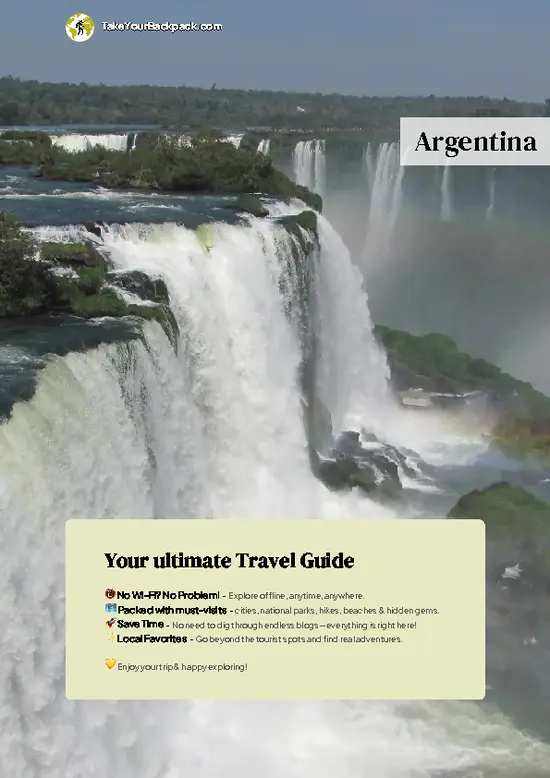
example page 0 from our offline Travel Guide for Argentina
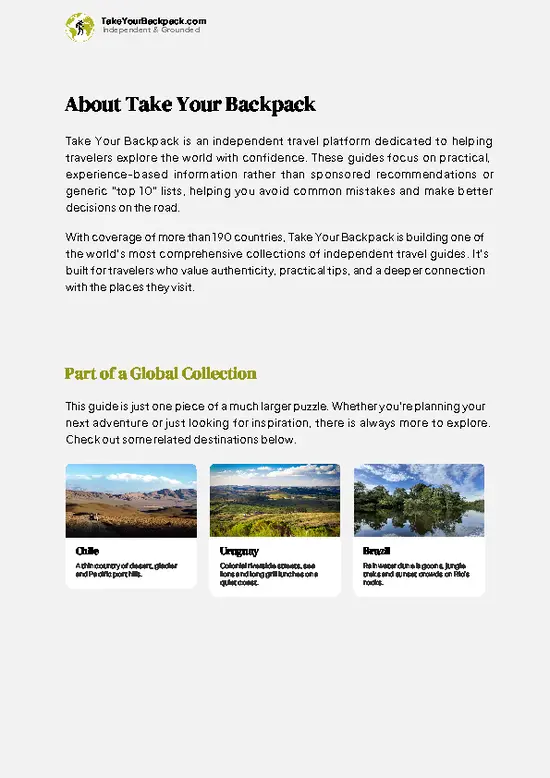
example page 1 from our offline Travel Guide for Argentina
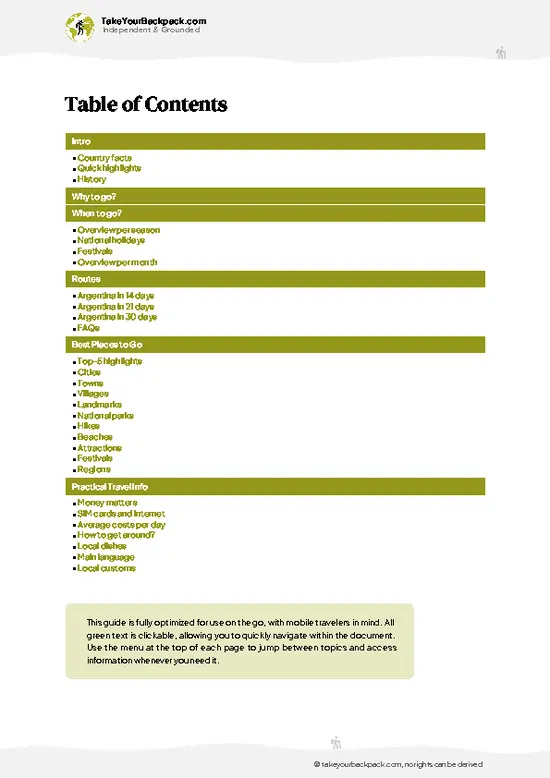
example page 2 from our offline Travel Guide for Argentina
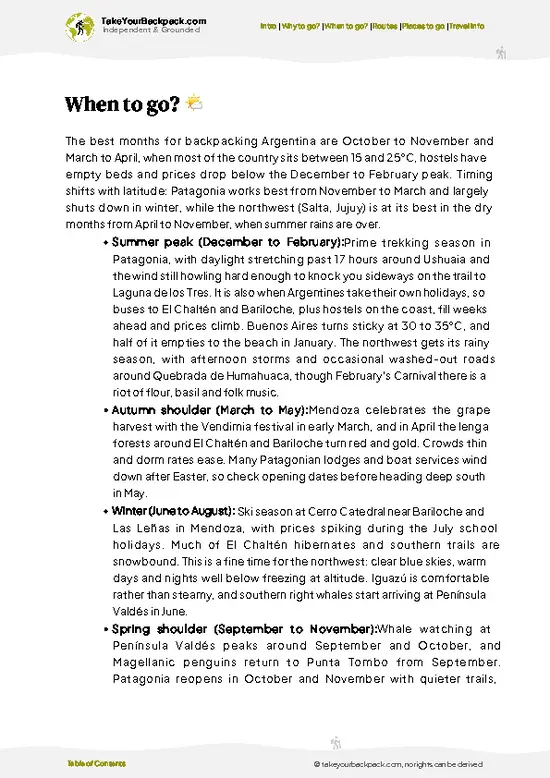
example page 3 from our offline Travel Guide for Argentina
example page 4 from our offline Travel Guide for Argentina
example page 5 from our offline Travel Guide for Argentina
example page 6 from our offline Travel Guide for Argentina
example page 7 from our offline Travel Guide for Argentina
Loading the map 🌍
CLICK TO FILTER
cities
towns
villages
landmarks
national parks
hikes
beaches
attractions
festivals
regions
SHOW COUNTRY’S BESTSHOW ALL

✨ Why go?
Ranked #11 town in Argentina
What makes it a must-see town

The real draw here is the sierra access: trailheads for waterfalls, granite lookouts and swimming holes start within walking or short remis distance of town. Backpackers use Merlo as a multi-day base rather than a quick stop, often lingering three to five days to string together hikes without rushing. The vibe is quiet and unhurried, more campfire conversation than bar crawl, which suits slow travelers, solo hikers, and small groups looking to decompress after busier cities like Córdoba or Mendoza. Hostels here tend to be small, family-run affairs with shared kitchens and owners who'll sketch you a hiking route on a napkin. Local food leans toward simple, hearty asado and regional cheese rather than trendy restaurants. There's a walkable core near the plaza, but most of the appeal sits in … read more 👉
The real draw here is the sierra access: trailheads for waterfalls, granite lookouts and swimming holes start within walking or short remis distance of town. Backpackers use Merlo as a multi-day base rather than a quick stop, often lingering three to five days to string together hikes without rushing. The vibe is quiet and unhurried, more campfire conversation than bar crawl, which suits slow travelers, solo hikers, and small groups looking to decompress after busier cities like Córdoba or Mendoza. Hostels here tend to be small, family-run affairs with shared kitchens and owners who'll sketch you a hiking route on a napkin. Local food leans toward simple, hearty asado and regional cheese rather than trendy restaurants. There's a walkable core near the plaza, but most of the appeal sits in the hills above it, so don't expect an urban buzz. If you want dancing until 4am, this isn't it. If you want mountain air and honest conversation, it delivers.

💡 HighlightsWhat this place is best known for

  1. Mirador del Sol: A short uphill walk from the center rewards you with a wide view over the valley, best at sunset when the light turns the granite pink. Free, takes about 30 to 45 minutes round trip.
  2. Plaza Merlo: The town's social hub, surrounded by cafés and craft stalls, worth an hour in the early evening when locals come out to walk. Free.
  3. Camino de los Artesanos: A cluster of artisan workshops and small galleries showcasing local leatherwork and weaving, good for an unhurried afternoon browse. Free to walk through, an hour or two.
  4. Arroyo Piedras Blancas trails: Network of walking paths through native woodland with river crossings, ideal for a half-day trek without needing a guide. Free, allow 3 to 4 hours.
Outside town, the waterfalls and swimming holes near Los Molles, the granite formations … read more 👉
  1. Mirador del Sol: A short uphill walk from the center rewards you with a wide view over the valley, best at sunset when the light turns the granite pink. Free, takes about 30 to 45 minutes round trip.
  2. Plaza Merlo: The town's social hub, surrounded by cafés and craft stalls, worth an hour in the early evening when locals come out to walk. Free.
  3. Camino de los Artesanos: A cluster of artisan workshops and small galleries showcasing local leatherwork and weaving, good for an unhurried afternoon browse. Free to walk through, an hour or two.
  4. Arroyo Piedras Blancas trails: Network of walking paths through native woodland with river crossings, ideal for a half-day trek without needing a guide. Free, allow 3 to 4 hours.
Outside town, the waterfalls and swimming holes near Los Molles, the granite formations of Cerro de Oro, and the village of Carpintería all make solid day trips; my personal favorite is the trail up toward Cerro de Oro, where the granite boulders catch early light in a way that makes the whole climb worth the sweat.
Spotted a mistake or missing something? Contact us.

🏘️ NeighborhoodsNeighborhood guide to Villa de Merlo

Villa de Merlo splits into a few distinct zones climbing the hillside, and where you land changes the whole rhythm of your stay.
  • Centro (Plaza Merlo area): The flattest, most walkable zone, with the bus terminal, ATMs, grocery stores and cheap eateries within a few blocks. Good for a one or two night stop before heading up the mountain, and easiest if you arrive without a car.
  • Piedra Blanca: A quieter, greener pocket a short remis ride uphill, popular with hostels that have gardens and hammocks. Better for longer stays, slightly cooler air, and closer to trailheads, but you'll want transport after dark since it's spread out.
  • Rincón del Este: Higher up, closer to the sierra, with a more rural, wooded feel and fewer services. Suits hikers who want to walk straight out the door onto a trail, but
… read more 👉
Villa de Merlo splits into a few distinct zones climbing the hillside, and where you land changes the whole rhythm of your stay.
  • Centro (Plaza Merlo area): The flattest, most walkable zone, with the bus terminal, ATMs, grocery stores and cheap eateries within a few blocks. Good for a one or two night stop before heading up the mountain, and easiest if you arrive without a car.
  • Piedra Blanca: A quieter, greener pocket a short remis ride uphill, popular with hostels that have gardens and hammocks. Better for longer stays, slightly cooler air, and closer to trailheads, but you'll want transport after dark since it's spread out.
  • Rincón del Este: Higher up, closer to the sierra, with a more rural, wooded feel and fewer services. Suits hikers who want to walk straight out the door onto a trail, but it's inconvenient if you need daily errands.
  • Cortaderas / Los Molles road corridor: Strung along the road toward the waterfalls, with scattered cabins and hostels. Peaceful, dark skies at night, but you'll need a bike or vehicle to reach anything.
Pick Centro for convenience, the outer zones for scenery and trail access.

⌛️ 1 day1-day itinerary for Villa de Merlo

8:00 AM, Plaza Sobremonte: The day runs on foot with a long pause at midday, because the sun in the Sierras de Comechingones valley gets heavy by early afternoon. Start with coffee and medialunas at a café on the plaza, then wander the shaded streets around it to watch the town wake up.
9:30 AM, Mirador del Sol and Camino de los Artesanos: Take a short taxi up toward the Mirador del Sol, where you see the whole valley laid out against the sierra. The cool morning air makes this the best hour for the view. Walk back down past roadside craft stalls.
11:30 AM, Algarrobo Abuelo: Head to this ancient carob tree, which locals say is several centuries old. It takes only 20 minutes, and the trunk is bigger than you expect.
1:00 PM, Lunch near the plaza: Order a parrilla plate or a regional goat dish … read more 👉
8:00 AM, Plaza Sobremonte: The day runs on foot with a long pause at midday, because the sun in the Sierras de Comechingones valley gets heavy by early afternoon. Start with coffee and medialunas at a café on the plaza, then wander the shaded streets around it to watch the town wake up.
9:30 AM, Mirador del Sol and Camino de los Artesanos: Take a short taxi up toward the Mirador del Sol, where you see the whole valley laid out against the sierra. The cool morning air makes this the best hour for the view. Walk back down past roadside craft stalls.
11:30 AM, Algarrobo Abuelo: Head to this ancient carob tree, which locals say is several centuries old. It takes only 20 minutes, and the trunk is bigger than you expect.
1:00 PM, Lunch near the plaza: Order a parrilla plate or a regional goat dish and stay put. This is the heat break, so linger and let the siesta quiet settle over the streets.
4:00 PM, Pasaje Los Patios and Cerro de la Cruz area: Once the sun softens, stroll the quiet residential lanes lined with old trees and low houses, where almost no tourists go. Walk up the gentle slope toward the cross for a different angle over the rooftops and the sierra beyond.
7:00 PM, Back at the plaza: Buy a cold beer or a licuado, then eat early evening empanadas while artisans pack up and the mountain turns dark purple. Chat with other travelers at your hostel afterward.

🌤️ When to go?Weather, crowds, and seasonal trade-offs

  • Spring (September to November): Mild days around 20 to 26°C (68 to 79°F), wildflowers in the hills, and fewer crowds than summer; ideal hiking weather.
  • Summer (December to February): Warm, sometimes hot, with daytime highs near 30°C (86°F); this is peak season with Argentine families filling hostels and prices rising.
  • Autumn (March to May): Comfortable temperatures around 18 to 24°C (64 to 75°F), clear skies, and noticeably quieter trails and lower rates.
  • Winter (June to August): Cool but mild for Argentina, daytime highs around 14 to 18°C (57 to 64°F); good for those avoiding heat, though some outdoor activities slow down.
Aim for late September through October or April, when daylight is decent, trails aren't crowded, and you'll actually get a bed without booking weeks ahead.

source: climatestotravel.comJANJanuary: good for travelingFEBFebruary: good for travelingMARMarch: highly recommended for travelingAPRApril: excellent for travelingMAYMay: excellent for travelingJUNJune: highly recommended for travelingJULJuly: highly recommended for travelingAUGAugust: highly recommended for travelingSEPSeptember: excellent for travelingOCTOctober: excellent for travelingNOVNovember: highly recommended for travelingDECDecember: good for traveling
argentina-city-villa-de-merlo
© Google | Maria Noel Suarez

✈️ The backpacker research shortcutArgentina Travel Guide

An offline-friendly backpacking guide with optimized travel routes, ranked highlights, transport advice, and the best areas to stay.
example page 0 from our offline Travel Guide for Argentina
example page 1 from our offline Travel Guide for Argentina
example page 2 from our offline Travel Guide for Argentina
example page 3 from our offline Travel Guide for Argentina
example page 4 from our offline Travel Guide for Argentina
example page 5 from our offline Travel Guide for Argentina
example page 6 from our offline Travel Guide for Argentina
example page 7 from our offline Travel Guide for Argentina
The digital guide (393 pages) contains:
✅ 131 highlights, ranked by travel appeal
✅ Optimized 14, 21 & 30-day travel routes
✅ Cities, national parks, landmarks, beaches
✅ How to get around
✅ Offline-friendly for travel without Wi-Fi
👉 Click to see all 30+ guide features

📅 Plan smarter in minutes, not weeks
✅ Month by month travel advice
✅ Festivals & national holidays
✅ Budget expectations

🗺️ Go to the right places, skip the overrated ones
✅ Honest pros & cons of destinations
✅ Top hikes, parks & viewpoints
✅ Lesser-known places most travelers miss
✅ Clear “worth it vs skip it” guidance

🛏️ Travel smoothly without rookie mistakes
✅ Best areas to stay
✅ Transport systems explained simply
✅ Common scams & safety advice
✅ SIM cards, money & practical tips

🌍 Understand the country, not just visit it
✅ Culture & traditions
✅ 52 Essential phrases & customs
✅ Festivals worth planning around
✅ Traveler-friendly historical context
✅ Insights that make places more meaningful

📱 Built for real travel conditions
✅ Fully downloadable PDF
✅ Works completely offline
✅ Optimized for phone use
✅ Useful in remote areas & buses
✅ Everything in one place
Stop searching, start planning
Get instant access to your full guide. 30‑day money-back guarantee.
+ Add another guide for just

By proceeding you agree to our terms.
Sent to your inbox immediately after payment • 100% Secure Checkout
Best Backpacking Travel Advisor 2025 tourism awardBest Backpacking
Travel Advisor
2025
What others say about Take Your Backpack Guides:
⭐⭐⭐⭐⭐
Fantastic, amazing amount of information!
⭐⭐⭐⭐⭐
My goodness this is amazing, it's what I've been looking for hats off too you!
⭐⭐⭐⭐⭐
I think this is absolutely BRILLIANT
⭐⭐⭐⭐
Very complete and informative. It's still missing places, but I gotta to commend you
⭐⭐⭐⭐⭐
This is truly amazing, thank you, can't wait to explore it with my kids!
⭐⭐⭐⭐⭐
Awesome resource, thank you!
⭐⭐⭐⭐⭐
This is amazing! Can't wait to explore the ones I haven't seen
⭐⭐⭐⭐
I love this! Well done, great idea.
⭐⭐⭐⭐⭐
Thanks for taking the time to make this gem!
⭐⭐⭐⭐⭐
This might be the best website I've ever seen.
⭐⭐⭐⭐⭐
Congratulations, and thank you so much for your work; it's incredibly valuable.
⭐⭐⭐⭐
In all seriousness I think you did a great job pointing out the important spots
⭐⭐⭐⭐⭐
10/10 very good
⭐⭐⭐⭐⭐
As someone who's only just starting to visit regularly this is awesome, thank you.
⭐⭐⭐⭐
Thank you very much! I'm going to visit my dad, it's going to be very useful!
⭐⭐⭐⭐⭐
This is really cool! We'll be travelling for the first time and this definitely come in handy.
⭐⭐⭐⭐⭐
You are now our minister of culture, congratulations 👨‍💼
⭐⭐⭐⭐⭐
Just wanted to tell you that this is a pearl! Going to follow your recommendations.
⭐⭐⭐⭐⭐
This is so cool. I'll definitely be using the resource for my travels soon.
⭐⭐⭐⭐⭐
This is very impressive! Good work.
⭐⭐⭐⭐⭐
This is an amazing and informative site. Very well done!

🛏️ Where to stay?Where staying makes the most sense

Centro, right around Plaza Merlo, is the most practical base for backpackers, with grocery stores, the bus terminal and cheap eateries within walking distance, making it ideal for shorter stays or arrivals without a vehicle. For a quieter, greener experience with better trail access, Piedra Blanca is the favorite among longer-staying backpackers, offering garden hostels and a slower pace, though you'll want a bike or remis for evening plans. Compared to these two, the outer zones like Rincón del Este or the Cortaderas road feel more rural and isolated, better suited to hikers who prioritize proximity … read more 👉
Centro, right around Plaza Merlo, is the most practical base for backpackers, with grocery stores, the bus terminal and cheap eateries within walking distance, making it ideal for shorter stays or arrivals without a vehicle. For a quieter, greener experience with better trail access, Piedra Blanca is the favorite among longer-staying backpackers, offering garden hostels and a slower pace, though you'll want a bike or remis for evening plans. Compared to these two, the outer zones like Rincón del Este or the Cortaderas road feel more rural and isolated, better suited to hikers who prioritize proximity to trails over social atmosphere or convenience. For meeting other travelers and easy logistics, Centro or Piedra Blanca beat the outer areas hands down.

🚌 Getting aroundTransportation options and practical tips

Villa de Merlo doesn't run on rigid schedules, it runs on sun position and word of mouth. There's no real metro or tight timetable system here; things happen when the remis driver feels like it or when enough people gather at a corner. That looseness is part of the charm, but it catches first-timers off guard if they expect city-style punctuality. The town sprawls uphill along winding roads, so distances that look short on a map often mean a real climb in sierra heat, and the smart move is to plan transport before the midday sun gets aggressive rather than after.
  • Walking: Great for the flat Centro area near the plaza, but expect real elevation gain heading toward Piedra Blanca or the miradores, so pace yourself and carry water.
  • Remis (local taxi): The backbone of getting around outside Centro,
… read more 👉
Villa de Merlo doesn't run on rigid schedules, it runs on sun position and word of mouth. There's no real metro or tight timetable system here; things happen when the remis driver feels like it or when enough people gather at a corner. That looseness is part of the charm, but it catches first-timers off guard if they expect city-style punctuality. The town sprawls uphill along winding roads, so distances that look short on a map often mean a real climb in sierra heat, and the smart move is to plan transport before the midday sun gets aggressive rather than after.
  • Walking: Great for the flat Centro area near the plaza, but expect real elevation gain heading toward Piedra Blanca or the miradores, so pace yourself and carry water.
  • Remis (local taxi): The backbone of getting around outside Centro, cheap by international standards (typically a few hundred to under a thousand pesos for short hops), fast, and available by phone call rather than app.
  • Rental bikes: Popular for reaching Piedra Blanca or nearby trailheads, affordable for a half or full day, though the hills make it a workout rather than a breeze.
  • Long-distance buses: The only practical way in or out, connecting to Córdoba and San Luis city, with a handful of daily departures rather than constant service, so check timetables at the terminal a day ahead.
  • Hitching rides with hostel groups: Common and informal for reaching farther trailheads or waterfalls, especially when hostels organize shared transport, saving money over a solo remis.

👛 Costs (as of 19 October 2026)What things cost and how to budget

On average, budget travelers in Villa de Merlo can expect to spend between USD25 and USD40 per day, depending on accommodation choice and how many activities or tours they add. Dorm beds and simple meals keep costs low compared to Argentina's larger cities, though transport to trailheads and waterfalls can add up if relying on remis rides rather than walking or biking.
CategoryBudget RangeLocal Reality
Dorm accommodationUSD8 to USD15Small family-run hostels dominate, often with gardens or hammocks included
MealsUSD5 to USD12 per daySimple set-menu lunches and empanadas are the cheapest way to eat well
Local transportUSD3 to USD8 per dayRemis rides add up fast if you skip biking or walking between zones
Basic activities/entry feesUSD2 to USD10Waterfall and trail entry fees are minimal, but guided
… read more 👉
On average, budget travelers in Villa de Merlo can expect to spend between USD25 and USD40 per day, depending on accommodation choice and how many activities or tours they add. Dorm beds and simple meals keep costs low compared to Argentina's larger cities, though transport to trailheads and waterfalls can add up if relying on remis rides rather than walking or biking.
CategoryBudget RangeLocal Reality
Dorm accommodationUSD8 to USD15Small family-run hostels dominate, often with gardens or hammocks included
MealsUSD5 to USD12 per daySimple set-menu lunches and empanadas are the cheapest way to eat well
Local transportUSD3 to USD8 per dayRemis rides add up fast if you skip biking or walking between zones
Basic activities/entry feesUSD2 to USD10Waterfall and trail entry fees are minimal, but guided tours cost more
MiscellaneousUSD3 to USD7Snacks, water, small souvenirs from artisan markets
Total Daily BudgetUSD25 to USD40Realistic range for a budget-conscious independent traveler
⚠️ Prices can change and everyone travels differently, so take this as a rough guide. Hope it helps you plan your adventure!

🚌 Day tripsEasy escapes and nearby places

Villa de Merlo works well as a day-trip base, because the best outings start within 15 to 90 minutes of town and most are reachable by local bus, shared taxi or a rented bike.
Cortaderas and Piedra Blanca:
San Luis side villages sit just below the Comechingones range, and the road to Cortaderas and Piedra Blanca runs through dry creek valleys and algarrobo trees. A day trip here means short walks to waterfalls and pools. Allow 20 to 30 minutes by taxi or bus, and budget US$5 to 15 round trip. Go in spring or autumn, when midday heat is mild. First-timers often start walking after noon and run short of light.

Mirador del Sol:
The Mirador del Sol lookout is a short ride from the center and gives a wide view over the Conlara Valley, which explains why Merlo is known for its microclimate. Sunlit … read more 👉
Villa de Merlo works well as a day-trip base, because the best outings start within 15 to 90 minutes of town and most are reachable by local bus, shared taxi or a rented bike.
Cortaderas and Piedra Blanca:
San Luis side villages sit just below the Comechingones range, and the road to Cortaderas and Piedra Blanca runs through dry creek valleys and algarrobo trees. A day trip here means short walks to waterfalls and pools. Allow 20 to 30 minutes by taxi or bus, and budget US$5 to 15 round trip. Go in spring or autumn, when midday heat is mild. First-timers often start walking after noon and run short of light.

Mirador del Sol:
The Mirador del Sol lookout is a short ride from the center and gives a wide view over the Conlara Valley, which explains why Merlo is known for its microclimate. Sunlit mornings are best, and most visitors need only 2 to 3 hours. A taxi costs about US$3 to 6 each way, or you can walk uphill from town if you start early. Bring water, as there are few shops nearby.

Horseback Rides in the Sierras:
Local guides run short walks and horseback rides into the quebradas east of town. A half-day outing costs roughly US$10 to 30, depending on whether you hire a horse. Go from October to April for the best conditions, and avoid summer afternoons because of thunderstorms. A common slip is skipping sunscreen on cool, breezy days.
Santa Rosa de Conlara:
This small town is a quieter stop on the valley floor, with a plaza, local bakeries and a slower pace than Merlo. It is about 30 to 45 minutes away by bus, so you can return by evening for US$3 to 8 total. Spring brings fewer crowds.

🛡️ SafetyStaying Safe: What Travelers Should Know

Villa de Merlo is broadly safe, and most travelers experience nothing worse than a mosquito bite. The main thing worth actual attention is trail safety: some paths to waterfalls and viewpoints are unmarked or slippery, so tell your hostel where you're headed and avoid hiking alone into late afternoon when light fades fast in the hills. Solo travelers, including women, generally report feeling comfortable walking around Centro after dark, though the outer zones get quiet and poorly lit, so a remis is the smarter call at night. Scams are rare here compared to bigger cities; the more common annoyance is overpriced tourist-oriented tours, so booking hikes directly through your hostel usually gets you a fairer price.

FAQTraveler FAQ

Villa de Merlo is worth visiting on its own merits rather than as a quick stopover, thanks to its unusually mild microclimate, swimmable waterfalls, and granite hiking trails in the surrounding Sierras de los Comechingones. It rewards travelers who stay long enough to explore beyond the town center, since most highlights sit in the hills rather than in the plaza itself.
Three to five days is a realistic range, enough time to hike to a couple of waterfalls, explore at least one granite peak like Cerro de Oro, and still have slow mornings in Centro without rushing. Shorter visits are possible but you'll likely miss the trails that make the area distinctive.
It's not typically visited as a day trip from a nearby city since the closest major hubs, Córdoba and San Luis city, are several hours away by bus. It works much better as its own multi-day base, with nearby villages and waterfalls treated as day trips from Merlo itself rather than the reverse.
⚠️ Things can change over time, so always validate details locally before you go.

Other Argentine towns near Villa de Merlo

Explore more nearby:


💡 Not sure where to go next?
Create a personalized itinerary for Argentina including Villa de Merlo and the places that fit your trip.

Generate my itinerary

👉 Discover all towns

Or checkout all Argentina has to offer (think cities, towns, villages, national parks, hikes, beaches, festivals)
Country photo of Argentina

We 💚 feedbackWhat to keep in mind

Merlo is worth it for the sierra air and the waterfalls you'll have almost to yourself if you time it right. The drawback: without a bike or remis, the spread-out hills make simple errands feel like mini expeditions. Come for the quiet, not the nightlife.

✈️ When did I visit Argentina?
I have visited Argentina, together with Chile, in September 2012.

✍️ Help improve this page!
The information on this page is based on my own backpacking experience in Argentina, supplemented with up-to-date research and feedback from other travelers. Travel details can change, so if you notice anything outdated or incomplete, feel free to let me know.


🙋‍♂️ Give feedback

👋 Meet the founderWho’s Behind Take Your Backpack?

Johan, backpacker and founder of TakeYourBackpackHi, I’m Johan (Netherlands 🇳🇱), the creator of TakeYourBackpack. Over the past 3 decades, I’ve backpacked through 90+ countries across six continents, gaining extensive experience with independent travel, long-term trips, and overland routes.

This site is built on a combination of firsthand travel experience and carefully curated insights from other backpackers. Many guides are based on places I’ve personally visited, while others bring together tips, observations, and practical advice shared by trusted travelers I’ve met along the way.

The goal is to provide realistic, experience-driven guidance — not generic itineraries — so you can explore destinations with better context, clearer expectations, and more confidence.