×

Australia🇦🇺 | attractionsLone Pine Koala SanctuaryKoala photo, roo paddock, platypus house, sheep dog show | things to do and best time to go

Explore Sea Life Sydney AquariumExplore Currumbin Wildlife Sanctuary

Backpacking in Lone Pine Koala Sanctuary
🌟 Highlightattraction ranked #8
By Johan Kruseman 🇳🇱 | Updated October 15, 2026

Lone Pine is the world’s first and largest koala sanctuary by reputation, yet you can’t cuddle a koala here, because the sanctuary ended koala holding in 2024, so the famous photo is taken beside one, with a keeper’s hand on the animal. It sits in Fig Tree Pocket, southwest of central Brisbane in Australia, beside the river. Expect school groups, tour buses and an entry fee that stings, plus extra for the photo. I assumed koalas were lively. One I watched barely twitched for twenty minutes, then slowly yawned, and a crowd of strangers applauded like it had scored a goal. Kangaroos you can hand-feed, wombats and a raptor show fill the gaps. A first day could go: koalas at opening, roos by midmorning, birds of prey after lunch.

Discover everything you want to know in the 📖 Australia Travel Guide.


example page 0 from our offline Travel Guide for Australia
example page 1 from our offline Travel Guide for Australia
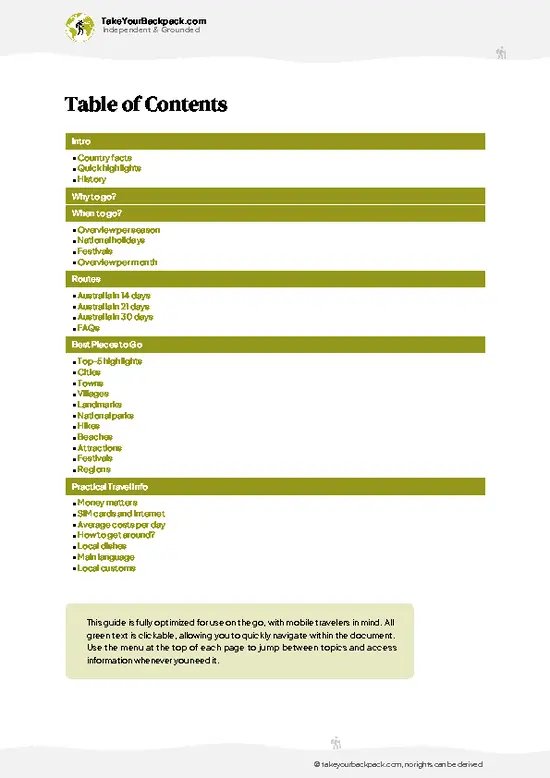
example page 2 from our offline Travel Guide for Australia
example page 3 from our offline Travel Guide for Australia
example page 4 from our offline Travel Guide for Australia
example page 5 from our offline Travel Guide for Australia
example page 6 from our offline Travel Guide for Australia
example page 7 from our offline Travel Guide for Australia
Loading the map 🌍
CLICK TO FILTER
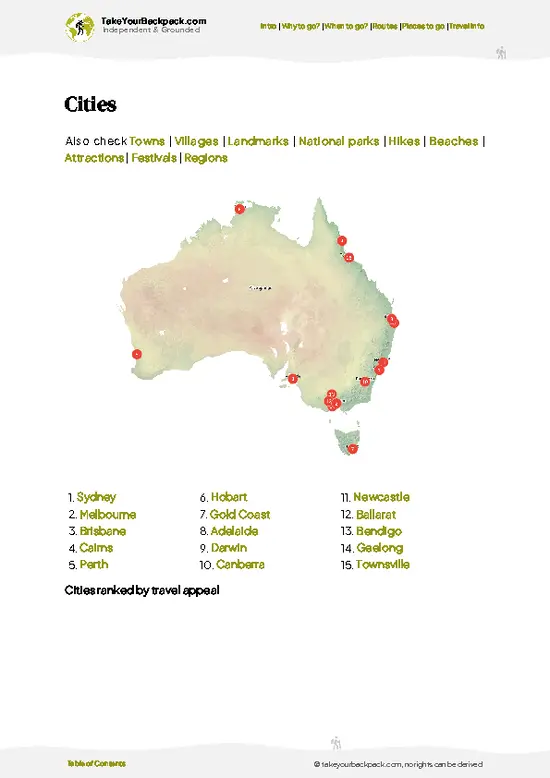
cities
towns
villages
landmarks
national parks
hikes
beaches
attractions
festivals
regions
SHOW COUNTRY’S BESTSHOW ALL

✨ Why go?
Ranked #8 attraction in Australia
Why Lone Pine Koala Sanctuary should be on your travel list

Lone Pine is the easiest place in Australia to see the animals every traveler lists before arriving, and see them properly. Over 100 koalas live in tiered enclosures at eye level, so you aren’t craning at a gum tree hoping for a gray lump. The walk-in kangaroo and wallaby paddock lets you stroke a roo with feed bought at the gate, which is rarer than people assume, and it’s a lot more fun than it sounds. Beyond the animals, it works as a cheap-feeling easy win on a Brisbane stop. You get wildlife without a long drive, rental car or tour. The Brisbane River location means you can arrive by boat from the city, which turns a zoo visit into a small outing. Skeptics who dislike zoos should know it is a working wildlife hospital and breeding operation, and entry money supports that.

💡 HighlightsMust-see experiences and standout moments

  1. Koala Encounter and Photo: the headline act. You stand beside a koala with a keeper and a photographer, and the fee is extra.
  2. Koala Sanctuary Viewing Areas: koalas sleeping in forks of eucalypts, with walkways close enough to see their thumb-like double pads and rubbery noses.
  3. Kangaroo Paddock: a large open enclosure where you can feed and pat eastern grays and red kangaroos, which ambush you for pellets.
  4. Birds of Prey Display: a flight show with owls, kites and eagles swooping low over the audience.
  5. Sheep Dog and Shearing Show: a rural demonstration with working dogs herding sheep, a very Australian bit of theater.
  6. Platypus House: a dim, quiet exhibit where you can watch one of the world’s oddest mammals paddle around.
  7. Wombats and Tasmanian Devils: stocky, grumpy, endlessly entertaining, and best
… read more 👉
  1. Koala Encounter and Photo: the headline act. You stand beside a koala with a keeper and a photographer, and the fee is extra.
  2. Koala Sanctuary Viewing Areas: koalas sleeping in forks of eucalypts, with walkways close enough to see their thumb-like double pads and rubbery noses.
  3. Kangaroo Paddock: a large open enclosure where you can feed and pat eastern grays and red kangaroos, which ambush you for pellets.
  4. Birds of Prey Display: a flight show with owls, kites and eagles swooping low over the audience.
  5. Sheep Dog and Shearing Show: a rural demonstration with working dogs herding sheep, a very Australian bit of theater.
  6. Platypus House: a dim, quiet exhibit where you can watch one of the world’s oddest mammals paddle around.
  7. Wombats and Tasmanian Devils: stocky, grumpy, endlessly entertaining, and best seen when keepers feed them.
  8. Reptile and Native Bird Aviaries: lorikeets, cassowaries and snakes, handy for ticking off species in one loop.
The kangaroo paddock and the koala viewing areas pair well in one morning, before the heat sends the animals to nap.
Spotted a mistake or missing something? Contact us.

Things to do around Lone Pine Koala Sanctuary

Ratings based on Tripadvisor reviews. When you book through this link, you support our work at no extra cost to you.

🌤️ When to go?Best time to visit Lone Pine Koala Sanctuary

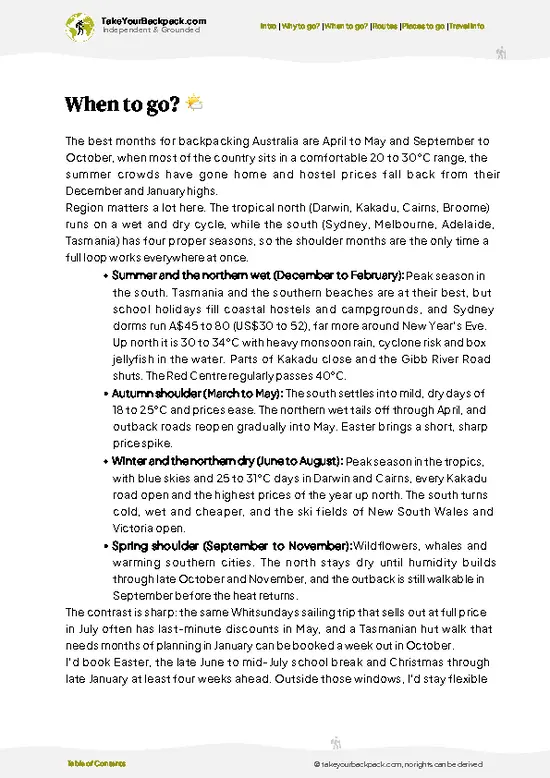
  • Summer (Dec to Feb): Brisbane runs 21 to 30°C (70 to 86°F) with humid afternoon storms. Daylight lasts until about 7 pm. School holidays around Christmas and January bring the biggest family crowds and higher prices.
  • Autumn (Mar to May): Highs of 22 to 28°C (72 to 82°F), drier air and lighter queues make koala photos and sheepdog shows comfortable.
  • Winter (Jun to Aug): Mild days of 10 to 22°C (50 to 72°F), clear skies and sunset near 5 pm. Koalas are often more active in the cool, and it is the easiest season for walking the grounds.
  • Spring (Sep to Nov): 14 to 27°C (57 to 81°F), wildflowers, and busy weekends during September school holidays.
Arrive at opening, around 9 am, on a weekday to get the shortest wait for koala photos.

source: climatestotravel.comJANJanuary: fair for travelingFEBFebruary: fair for travelingMARMarch: highly recommended for travelingAPRApril: excellent for travelingMAYMay: excellent for travelingJUNJune: good for travelingJULJuly: good for travelingAUGAugust: good for travelingSEPSeptember: excellent for travelingOCTOctober: excellent for travelingNOVNovember: excellent for travelingDECDecember: fair for traveling
australia-attraction-lone-pine-koala-sanctuary
© Google |

✈️ The backpacker research shortcutAustralia Travel Guide

An offline-friendly backpacking guide with optimized travel routes, ranked highlights, transport advice, and the best areas to stay.
example page 0 from our offline Travel Guide for Australia
example page 1 from our offline Travel Guide for Australia
example page 2 from our offline Travel Guide for Australia
example page 3 from our offline Travel Guide for Australia
example page 4 from our offline Travel Guide for Australia
example page 5 from our offline Travel Guide for Australia
example page 6 from our offline Travel Guide for Australia
example page 7 from our offline Travel Guide for Australia
The digital guide (414 pages) contains:
✅ 143 highlights, ranked by travel appeal
✅ Optimized 14, 21 & 30-day travel routes
✅ Cities, national parks, landmarks, beaches
✅ How to get around
✅ Offline-friendly for travel without Wi-Fi
👉 Click to see all 30+ guide features

📅 Plan smarter in minutes, not weeks
✅ Month by month travel advice
✅ Festivals & national holidays
✅ Budget expectations

🗺️ Go to the right places, skip the overrated ones
✅ Honest pros & cons of destinations
✅ Top hikes, parks & viewpoints
✅ Lesser-known places most travelers miss
✅ Clear “worth it vs skip it” guidance

🛏️ Travel smoothly without rookie mistakes
✅ Best areas to stay
✅ Transport systems explained simply
✅ Common scams & safety advice
✅ SIM cards, money & practical tips

🌍 Understand the country, not just visit it
✅ Culture & traditions
✅ Local customs
✅ Festivals worth planning around
✅ Traveler-friendly historical context
✅ Insights that make places more meaningful

📱 Built for real travel conditions
✅ Fully downloadable PDF
✅ Works completely offline
✅ Optimized for phone use
✅ Useful in remote areas & buses
✅ Everything in one place
Stop searching, start planning
Get instant access to your full guide. 30‑day money-back guarantee.
+ Add another guide for just

By proceeding you agree to our terms.
Sent to your inbox immediately after payment • 100% Secure Checkout
Best Backpacking Travel Advisor 2025 tourism awardBest Backpacking
Travel Advisor
2025
What others say about Take Your Backpack Guides:
⭐⭐⭐⭐⭐
Fantastic, amazing amount of information!
⭐⭐⭐⭐⭐
My goodness this is amazing, it's what I've been looking for hats off too you!
⭐⭐⭐⭐⭐
I think this is absolutely BRILLIANT
⭐⭐⭐⭐
Very complete and informative. It's still missing places, but I gotta to commend you
⭐⭐⭐⭐⭐
This is truly amazing, thank you, can't wait to explore it with my kids!
⭐⭐⭐⭐⭐
Awesome resource, thank you!
⭐⭐⭐⭐⭐
This is amazing! Can't wait to explore the ones I haven't seen
⭐⭐⭐⭐
I love this! Well done, great idea.
⭐⭐⭐⭐⭐
Thanks for taking the time to make this gem!
⭐⭐⭐⭐⭐
This might be the best website I've ever seen.
⭐⭐⭐⭐⭐
Congratulations, and thank you so much for your work; it's incredibly valuable.
⭐⭐⭐⭐
In all seriousness I think you did a great job pointing out the important spots
⭐⭐⭐⭐⭐
10/10 very good
⭐⭐⭐⭐⭐
As someone who's only just starting to visit regularly this is awesome, thank you.
⭐⭐⭐⭐
Thank you very much! I'm going to visit my dad, it's going to be very useful!
⭐⭐⭐⭐⭐
This is really cool! We'll be travelling for the first time and this definitely come in handy.
⭐⭐⭐⭐⭐
You are now our minister of culture, congratulations 👨‍💼
⭐⭐⭐⭐⭐
Just wanted to tell you that this is a pearl! Going to follow your recommendations.
⭐⭐⭐⭐⭐
This is so cool. I'll definitely be using the resource for my travels soon.
⭐⭐⭐⭐⭐
This is very impressive! Good work.
⭐⭐⭐⭐⭐
This is an amazing and informative site. Very well done!

🛏️ Where to stay?Best areas and accommodation options

The best base is Brisbane’s inner south and city center, since the sanctuary sits in Fig Tree Pocket, about 11 km (7 miles) southwest of the CBD. Fortitude Valley and the CBD have the most hostels, the busiest social scenes and the easiest transport, so solo travelers meet people quickly and can reach the sanctuary by bus or the river. South Brisbane and West End, across the river, feel more relaxed, with cafes, markets, live music and walkable access to the Cultural Precinct and South Bank parklands. Both areas are well lit and busy into the evening, though Fortitude Valley gets rowdy late on … read more 👉
The best base is Brisbane’s inner south and city center, since the sanctuary sits in Fig Tree Pocket, about 11 km (7 miles) southwest of the CBD. Fortitude Valley and the CBD have the most hostels, the busiest social scenes and the easiest transport, so solo travelers meet people quickly and can reach the sanctuary by bus or the river. South Brisbane and West End, across the river, feel more relaxed, with cafes, markets, live music and walkable access to the Cultural Precinct and South Bank parklands. Both areas are well lit and busy into the evening, though Fortitude Valley gets rowdy late on weekends, so light sleepers should choose a quieter street. Toowong and Indooroopilly are closer to the sanctuary and cheaper for short stays, but they have few hostels and a quieter social scene. Most budget travelers choose the CBD or South Brisbane, then make this a half-day outing.

👛 Costs (as of 15 October 2026)Typical daily expenses

A day at Lone Pine Koala Sanctuary costs roughly US$102 to 169 for a backpacker, with the entry ticket making up the biggest share.
CategoryBudget RangeLocal Reality
Entry ticketUS$27 to 42Adult general admission sits near the top of this range at the gate. Booking online ahead is often a little cheaper, and concession cards can reduce the price.
Koala photoUS$25 to 40You stand beside a koala for the picture, no holding. Photo packages are sold on site and are optional.
Kangaroo feedUS$2 to 4Small feed cups are sold at the kiosks. Walking among the roaming kangaroos in the open paddock is included in entry.
TransportUS$6 to 16Bus from Brisbane city takes about 40 to 60 minutes with a go card or contactless payment. A rideshare from the city runs about US$25 to 40 one way.
Food and drinkUS$12 to
… read more 👉
A day at Lone Pine Koala Sanctuary costs roughly US$102 to 169 for a backpacker, with the entry ticket making up the biggest share.
CategoryBudget RangeLocal Reality
Entry ticketUS$27 to 42Adult general admission sits near the top of this range at the gate. Booking online ahead is often a little cheaper, and concession cards can reduce the price.
Koala photoUS$25 to 40You stand beside a koala for the picture, no holding. Photo packages are sold on site and are optional.
Kangaroo feedUS$2 to 4Small feed cups are sold at the kiosks. Walking among the roaming kangaroos in the open paddock is included in entry.
TransportUS$6 to 16Bus from Brisbane city takes about 40 to 60 minutes with a go card or contactless payment. A rideshare from the city runs about US$25 to 40 one way.
Food and drinkUS$12 to 22Cafe meals and snacks cost more than in town. Bringing a refillable bottle saves money, and picnic tables are available.
Accommodation (high season)US$30 to 45A hostel dorm bed in Brisbane, such as in the CBD or Fortitude Valley, in the dry months from June to September. Off-season beds run slightly lower.
Total Daily BudgetUS$102 to 169Per person, per day, in high season.
⚠️ Prices can change and everyone travels differently, so take this as a rough guide. Hope it helps you plan your adventure!

FAQTraveler FAQ

Plan on 3 to 4 hours inside. The daily sheepdog and birds of prey shows, koala encounters and kangaroo feeding areas fill most of a morning. Add 45 to 60 minutes each way from central Brisbane, so a half day is realistic.
Yes for most travelers, at roughly A$55 to 60 for adults. It houses over 100 koalas plus kangaroos, wombats and Tasmanian devils. Skip it only if you have already seen wildlife in the bush.
Take a bus from Brisbane’s Queen Street station, around 40 to 50 minutes, or a rideshare for about 25 minutes depending on traffic and A$30 to 45. A river cruise from the CBD also runs to the sanctuary on some days, taking about 90 minutes. Driving is easy, with parking on site.
⚠️ Things can change over time, so always validate details locally before you go.

Other Australian attractions near Lone Pine Koala Sanctuary

Explore more nearby:

  • Queensland Museum—Whale Mall, megafauna fossils, Sciencentre, South Bank| 8 km away
  • Dreamworld—Tiger Island, Steel Taipan, Giant Drop, Whitewater World| 50 km away
  • Warner Bros. Movie World—Superman launch, Batwing Spaceshot, Stunt Driver Show, Looney Tunes Village| 54 km away

💡 Not sure where to go next?
Create a personalized itinerary for Australia including Lone Pine Koala Sanctuary and the places that fit your trip.

Generate my itinerary

👉 Discover all attractions

Or checkout all Australia has to offer (think cities, towns, villages, national parks, hikes, beaches, festivals)
Country photo of Australia

We 💚 feedbackIs it worth it?

Go on a weekday soon after opening, ideally in the cooler months from May to September. Koalas are most alert in the morning, the paddock is calmer, and you’ll avoid the school-group wave by lunch. I would book the photo ahead and skip the gift shop.

✈️ When did I visit Australia?
On my trip to New Zealand in 1993, I had a short stop in Australia as well.

✍️ Help improve this page!
The information on this page is based on my own backpacking experience in Australia, supplemented with up-to-date research and feedback from other travelers. Travel details can change, so if you notice anything outdated or incomplete, feel free to let me know.


🙋‍♂️ Give feedback

👋 Meet the founderWho’s Behind Take Your Backpack?

Johan, backpacker and founder of TakeYourBackpackHi, I’m Johan (Netherlands 🇳🇱), the creator of TakeYourBackpack. Over the past 3 decades, I’ve backpacked through 90+ countries across six continents, gaining extensive experience with independent travel, long-term trips, and overland routes.

This site is built on a combination of firsthand travel experience and carefully curated insights from other backpackers. Many guides are based on places I’ve personally visited, while others bring together tips, observations, and practical advice shared by trusted travelers I’ve met along the way.

The goal is to provide realistic, experience-driven guidance — not generic itineraries — so you can explore destinations with better context, clearer expectations, and more confidence.