×

Australia🇦🇺 | national parksNambung National Park (Pinnacles)limestone pillars, yellow sand desert, coastal heath | things to do and best time to go

Explore Mungo National ParkExplore Naracoorte Caves National Park

Backpacking in Nambung (Pinnacles)
👍 Recommendednational park ranked #14
By Johan Kruseman 🇳🇱 | Updated May 8, 2026

Your first real decision at Nambung National Park is simple but important: do you pay for a tour from Perth, or rent a car and go yourself. It decides your costs, your timing for sunset or stars, and whether you’re stuck on a schedule. Nambung sits on Western Australia’s Coral Coast, near Cervantes, about two and a half hours north of Perth. The Pinnacles are visually odd and worth seeing once, but this is a short-stop park, not a multi-day trek. Hiking is limited to short walks through limestone spires; it’s more wandering than proper trail mileage, with harsh sun, soft sand, and almost no shade. Wildlife is mostly roos at dawn/dusk and the usual reptiles and birds; don’t come expecting big fauna shows. Access is easy on sealed roads, and the entrance fee is reasonable, especially if you have a WA parks pass, but it can feel steep if you only stay an hour. Crowds spike at midday with tour buses, then thin out toward sunset, when the light finally does the landscape justice. There’s no camping inside the park and budget beds in Cervantes are functional rather than charming, so you’re paying for location, not character. Compared with bigger WA parks like Kalbarri or Yanchep, Nambung is more “quick, surreal photo stop” than full-on adventure base; I treat it as a worthwhile detour on a road trip, not the main event.

Discover everything you want to know in the 📖 Australia Travel Guide.
Loading the map 🌍
CLICK TO FILTER
cities
towns
villages
landmarks
national parks
hikes
beaches
attractions
festivals
regions
SHOW COUNTRY’S BESTSHOW ALL

✨ Why go?
Ranked #14 national park in Australia
Why Nambung (Pinnacles) should be on your travel list

Backpackers flock to Nambung National Park for its independent exploration opportunities. The Pinnacles, with their eerie limestone formations, invite you to wander freely. Budget-conscious travelers appreciate the camping options nearby, along with affordable hostels in the region. The park offers a range of trails, from easy walks to more challenging paths, catering to various skill levels. This flexibility makes it ideal for self-guided travelers who prefer to set their own pace rather than rely on tours. Just remember, the park can get hot, so plan your hikes early in the day to avoid the midday sun. Prioritize your energy for the stunning views that await.
Want to include Nambung National Park (Pinnacles) in your Australia route?
Create a personalized Australia itinerary that includes Nambung National Park (Pinnacles) and the places that fit your trip — based on your travel style, budget, and available time. Get your route in seconds.

Generate my trip

💡 HighlightsKey sights and experiences for travelers

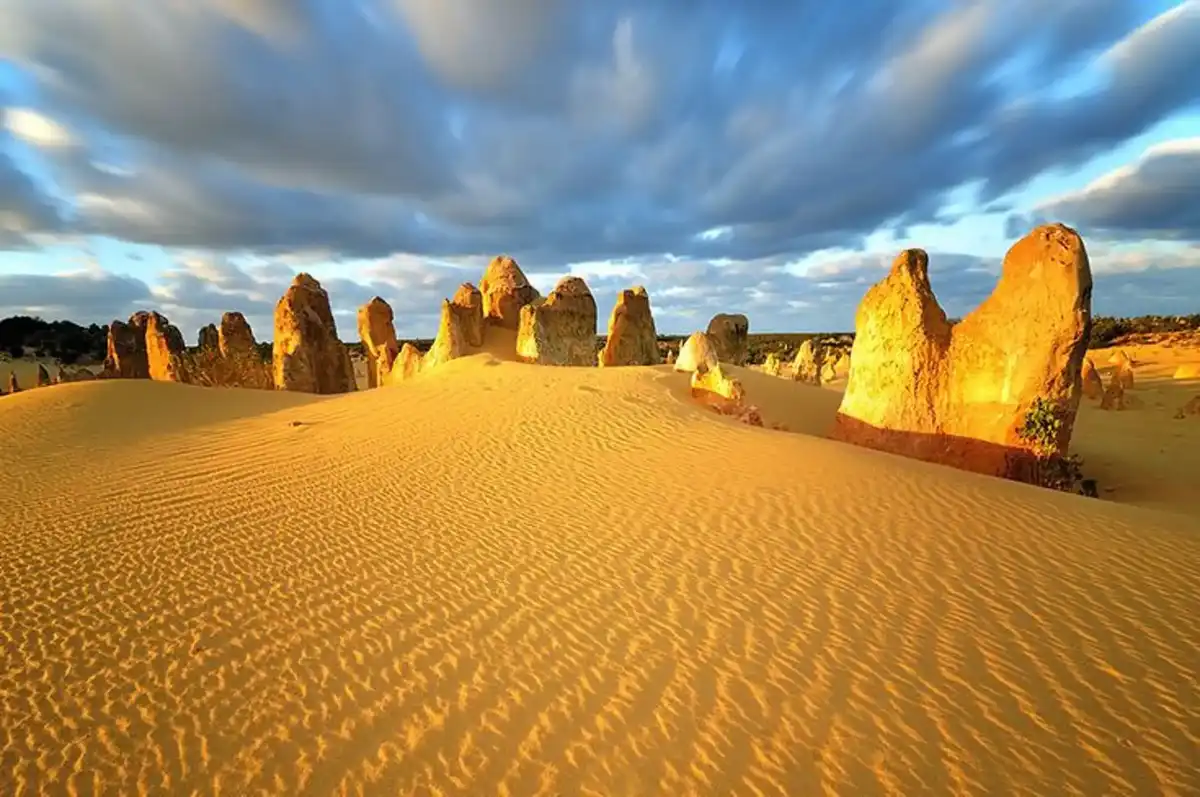
  • The Pinnacles Desert: Hundreds (really thousands) of weathered limestone pillars rising out of yellow sand — it’s what the park is famous for and feels almost lunar. Great for wandering between the rows of spires and getting that iconic photo.
  • Pinnacles Drive and Lookouts: A short, easy driving loop with several carparks and raised platforms that give different perspectives of the formations. Perfect if you’re short on time or scouting the best angles for sunrise/sunset.
  • Pinnacles Desert Discovery Trail (boardwalk): A compact walking trail with interpretive signs that explain how the pillars formed. The boardwalk lets you get up close without trampling fragile vegetation — takes under an hour at a relaxed pace.
  • Sunrise and Sunset Viewing: The low sun casts long, dramatic shadows and turns
read more 👉
  • The Pinnacles Desert: Hundreds (really thousands) of weathered limestone pillars rising out of yellow sand — it’s what the park is famous for and feels almost lunar. Great for wandering between the rows of spires and getting that iconic photo.
  • Pinnacles Drive and Lookouts: A short, easy driving loop with several carparks and raised platforms that give different perspectives of the formations. Perfect if you’re short on time or scouting the best angles for sunrise/sunset.
  • Pinnacles Desert Discovery Trail (boardwalk): A compact walking trail with interpretive signs that explain how the pillars formed. The boardwalk lets you get up close without trampling fragile vegetation — takes under an hour at a relaxed pace.
  • Sunrise and Sunset Viewing: The low sun casts long, dramatic shadows and turns the sand and limestone into warm golds and oranges. Crowds thin out early or late, so you’ll get better light and more solitude than midday.
  • Coastal dunes and beaches: The park includes windblown dunes and a rugged coastline — bring a jacket even in summer. The contrast of scrub, banksia woodland and open sand adds variety to any walk or photo walk.
  • Wildflowers and native vegetation: In spring the park lights up with seasonal wildflowers and lots of native coastal plants, including banksias and scrub species. It’s quietly spectacular if you time it right (late winter-spring).
  • Wildlife spotting: Keep an eye out for western grey kangaroos, emus, lizards and a variety of birds. Early morning and dusk are the best windows for animal activity without the heat.
  • Night skies and astrophotography: With relatively low light pollution, the Pinnacles silhouette beautifully against the Milky Way and star fields — bring a tripod if you want to try long exposures.
Spotted a mistake or missing something? Contact us.

Things to do around Nambung National Park (Pinnacles)

Ratings based on Tripadvisor reviews. When you book through this link, you support our work at no extra cost to you.

🌤️ When to go?Weather, crowds, and seasonal trade-offs


  • Weather: The best time to visit Nambung National Park is during the Australian spring (September to November) and autumn (March to May) when temperatures are mild and rainfall is low. Summers can be brutally hot, often exceeding 35°C (95°F), which drains your energy fast.

  • Temperature: Spring and autumn offer comfortable daytime highs around 20-25°C (68-77°F), perfect for hiking and exploring without overheating. Winter nights can dip below 10°C (50°F), so pack layers if you camp.

  • Daylight Hours: Longer daylight in spring and autumn means more time to explore the Pinnacles without rushing. Winter days are shorter, limiting your window for outdoor activities.

  • Crowds: Peak tourist season is summer and school holidays, so expect more visitors and higher prices then. Visiting shoulder
read more 👉

  • Weather: The best time to visit Nambung National Park is during the Australian spring (September to November) and autumn (March to May) when temperatures are mild and rainfall is low. Summers can be brutally hot, often exceeding 35°C (95°F), which drains your energy fast.

  • Temperature: Spring and autumn offer comfortable daytime highs around 20-25°C (68-77°F), perfect for hiking and exploring without overheating. Winter nights can dip below 10°C (50°F), so pack layers if you camp.

  • Daylight Hours: Longer daylight in spring and autumn means more time to explore the Pinnacles without rushing. Winter days are shorter, limiting your window for outdoor activities.

  • Crowds: Peak tourist season is summer and school holidays, so expect more visitors and higher prices then. Visiting shoulder seasons reduces crowd stress and lets you enjoy the landscape in relative peace.

  • Seasonal Activities: Spring brings wildflowers that add color to the desert landscape, enhancing photo ops. Summer offers limited activities due to heat, while autumn is ideal for comfortable walks and wildlife spotting.

  • Price Fluctuations: Accommodation and tours spike in summer and school holidays. Booking in shoulder seasons can save you a decent chunk of cash and avoid sold-out frustrations.


Pro-tip: Aim for early spring or late autumn to dodge the heat and crowds, giving you the best balance of comfort, cost, and calm for your Pinnacles adventure.


source: climatestotravel.comJANJanuary: fair for travelingFEBFebruary: fair for travelingMARMarch: highly recommended for travelingAPRApril: excellent for travelingMAYMay: excellent for travelingJUNJune: good for travelingJULJuly: good for travelingAUGAugust: good for travelingSEPSeptember: excellent for travelingOCTOctober: excellent for travelingNOVNovember: highly recommended for travelingDECDecember: fair for traveling
australia-national-park-nambung-national-park-pinnacles
© Google | Randolfo Santos

✈️ The backpacker research shortcutAustralia Travel Guide

An offline-friendly backpacking guide with optimized travel routes, ranked highlights, transport advice, and the best areas to stay.
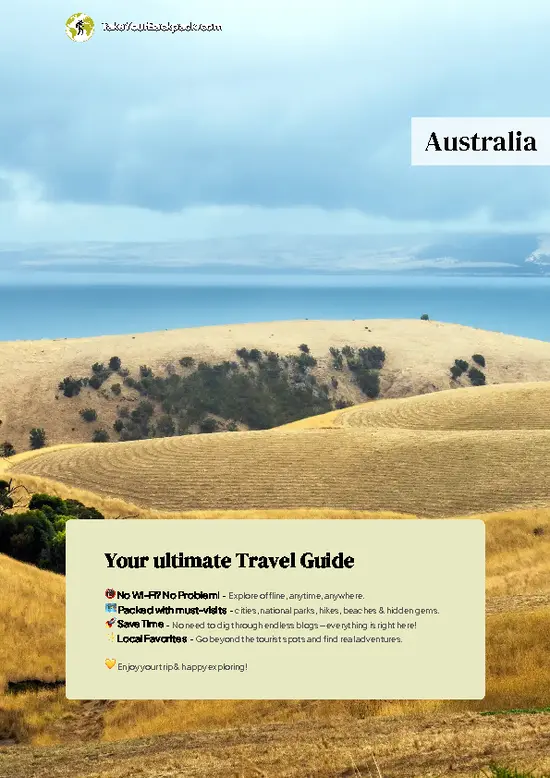
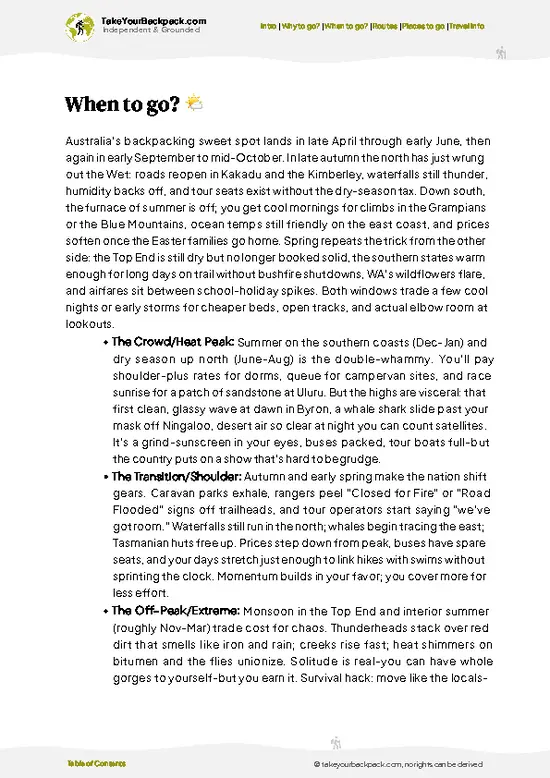
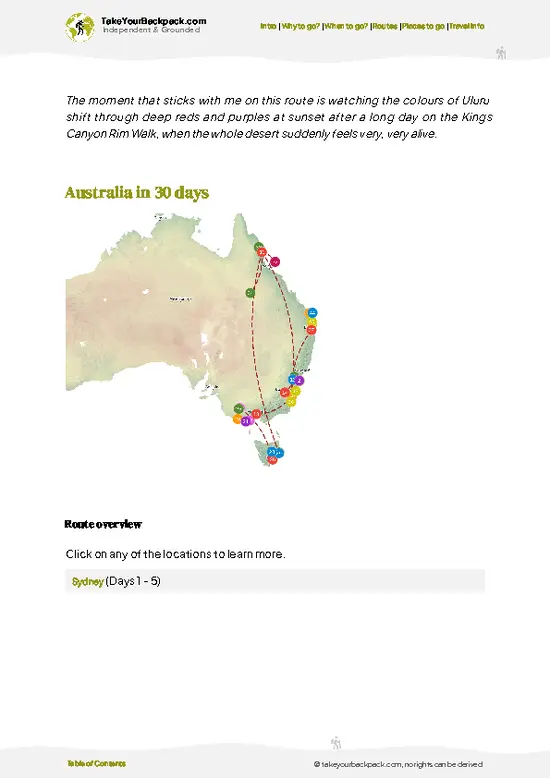
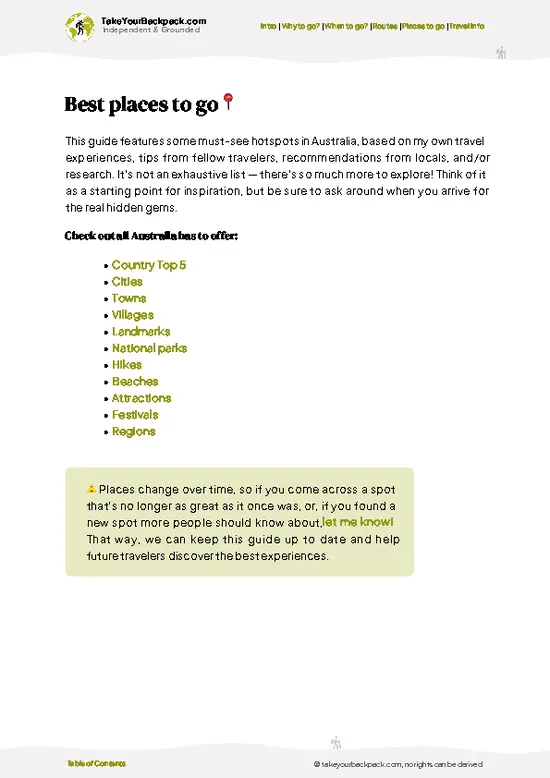
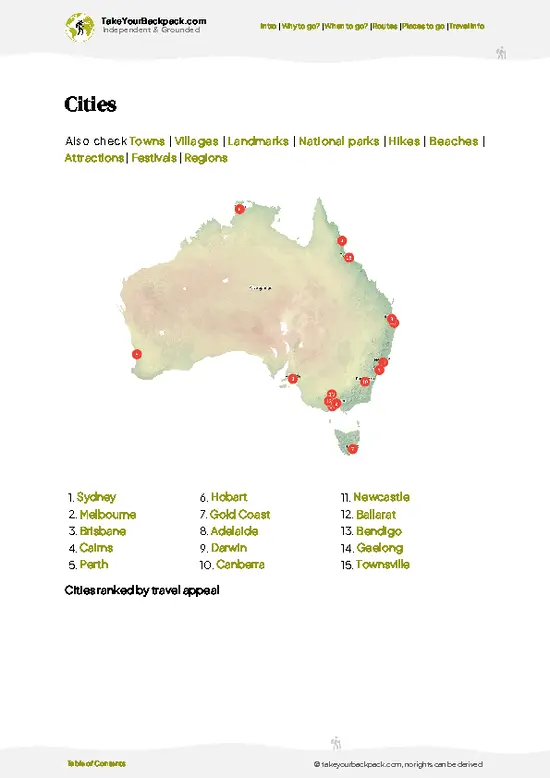
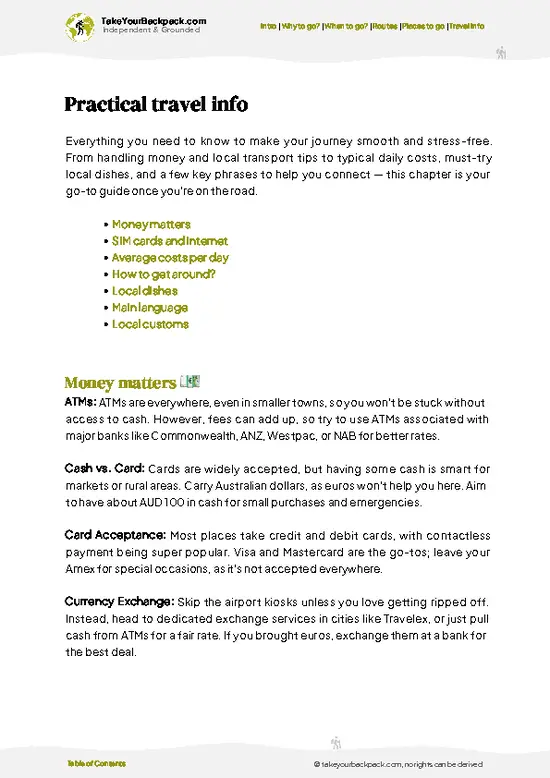
example page 0 from our offline Travel Guide for Australiaexample page 1 from our offline Travel Guide for Australiaexample page 2 from our offline Travel Guide for Australiaexample page 3 from our offline Travel Guide for Australiaexample page 4 from our offline Travel Guide for Australiaexample page 5 from our offline Travel Guide for Australiaexample page 6 from our offline Travel Guide for Australiaexample page 7 from our offline Travel Guide for Australia
The digital guide (554 pages) contains:
151 highlights, ranked by travel appeal
Optimized 14, 21 & 30-day travel routes
Cities, national parks, landmarks, beaches
How to get around
Offline-friendly for travel without Wi-Fi
👉 Click to see all 30+ guide features

📅 Plan smarter in minutes, not weeks
Month by month travel advice
Festivals & national holidays
Budget expectations

🗺️ Go to the right places, skip the overrated ones
Honest pros & cons of destinations
Top hikes, parks & viewpoints
Lesser-known places most travelers miss
Clear “worth it vs skip it” guidance

🛏️ Travel smoothly without rookie mistakes
Best areas to stay
Transport systems explained simply
Common scams & safety advice
SIM cards, money & practical tips

🌍 Understand the country, not just visit it
Culture & traditions
Local customs
Festivals worth planning around
Traveler-friendly historical context
Insights that make places more meaningful

📱 Built for real travel conditions
Fully downloadable PDF
Works completely offline
Optimized for phone use
Useful in remote areas & buses
Everything in one place
Save weeks of stressful planning
Get instant access to your full guide. 30‑day money-back guarantee.


Sent to your inbox immediately after payment • 100% Secure Checkout
Best Backpacking Travel Advisor 2025 tourism awardBest Backpacking
Travel Advisor
2025
What others say about Take Your Backpack Guides:
⭐⭐⭐⭐⭐
Fantastic, amazing amount of information!
⭐⭐⭐⭐⭐
My goodness this is amazing, it's what I've been looking for hats off too you!
⭐⭐⭐⭐⭐
I think this is absolutely BRILLIANT
⭐⭐⭐⭐
Very complete and informative. It's still missing places, but I gotta to commend you
⭐⭐⭐⭐⭐
This is truly amazing, thank you, can't wait to explore it with my kids!
⭐⭐⭐⭐⭐
Awesome resource, thank you!
⭐⭐⭐⭐⭐
This is amazing! Can't wait to explore the ones I haven't seen
⭐⭐⭐⭐
I love this! Well done, great idea.
⭐⭐⭐⭐⭐
Thanks for taking the time to make this gem!
⭐⭐⭐⭐⭐
This might be the best website I've ever seen.
⭐⭐⭐⭐⭐
Congratulations, and thank you so much for your work; it's incredibly valuable.
⭐⭐⭐⭐
In all seriousness I think you did a great job pointing out the important spots
⭐⭐⭐⭐⭐
10/10 very good
⭐⭐⭐⭐⭐
As someone who's only just starting to visit regularly this is awesome, thank you.
⭐⭐⭐⭐
Thank you very much! I'm going to visit my dad, it's going to be very useful!
⭐⭐⭐⭐⭐
This is really cool! We'll be travelling for the first time and this definitely come in handy.
⭐⭐⭐⭐⭐
You are now our minister of culture, congratulations 👨‍💼
⭐⭐⭐⭐⭐
Just wanted to tell you that this is a pearl! Going to follow your recommendations.
⭐⭐⭐⭐⭐
This is so cool. I'll definitely be using the resource for my travels soon.
⭐⭐⭐⭐⭐
This is very impressive! Good work.
⭐⭐⭐⭐⭐
This is an amazing and informative site. Very well done!

🛏️ Where to stay?Choosing the right base

Nambung National Park, home to the Pinnacles, doesn’t offer in-park accommodations. Your best bet is to stay in nearby Cervantes, a small coastal town just 17 kilometers away. Here, you’ll find budget-friendly hostels and motels that cater to backpackers.

Look for places like the Pinnacles Edge Resort, which provides basic amenities and easy access to the park. If you’re feeling adventurous, consider camping at the Cervantes Holiday Park. It’s a solid option for those who want to immerse themselves in nature without breaking the bank.

Be mindful of the park’s entry fees and check for any seasonal … read more 👉
Nambung National Park, home to the Pinnacles, doesn’t offer in-park accommodations. Your best bet is to stay in nearby Cervantes, a small coastal town just 17 kilometers away. Here, you’ll find budget-friendly hostels and motels that cater to backpackers.

Look for places like the Pinnacles Edge Resort, which provides basic amenities and easy access to the park. If you’re feeling adventurous, consider camping at the Cervantes Holiday Park. It’s a solid option for those who want to immerse themselves in nature without breaking the bank.

Be mindful of the park’s entry fees and check for any seasonal closures. Planning ahead will save you from unexpected costs and keep your focus on the stunning landscapes.

👛 Costs (as of 26 May 2026)Travel costs and budget guide for Nambung (Pinnacles)

Nambung National Park, home to the Pinnacles, is a stunning spot, but it’s essential to be aware of the costs involved to avoid surprises.

Entry fees are straightforward. As of the latest estimates, the park charges around AUD 15 per vehicle. This fee covers all passengers, so if you’re carpooling, it’s a good deal.

If you’re considering a guided tour, expect to pay between AUD 100 to AUD 200 per person. This usually includes transportation and a guide who can provide insights into the unique landscape.

Accommodation options nearby vary widely. Camping in the park can cost around AUD 10 to AUD 20 per night for a basic site. If you prefer more comfort, nearby motels or lodges can range from AUD 100 to AUD 250 per night, depending on the season and amenities.

Food is another consideration. … read more 👉
Nambung National Park, home to the Pinnacles, is a stunning spot, but it’s essential to be aware of the costs involved to avoid surprises.

Entry fees are straightforward. As of the latest estimates, the park charges around AUD 15 per vehicle. This fee covers all passengers, so if you’re carpooling, it’s a good deal.

If you’re considering a guided tour, expect to pay between AUD 100 to AUD 200 per person. This usually includes transportation and a guide who can provide insights into the unique landscape.

Accommodation options nearby vary widely. Camping in the park can cost around AUD 10 to AUD 20 per night for a basic site. If you prefer more comfort, nearby motels or lodges can range from AUD 100 to AUD 250 per night, depending on the season and amenities.

Food is another consideration. If you’re dining out, budget around AUD 15 to AUD 30 per meal at local cafes or restaurants. Grocery stores are available if you want to save by cooking your own meals.

Keep in mind that fuel prices in Australia can be higher than in many other countries, so factor that into your travel budget.

Planning ahead and knowing these costs will help you enjoy the park without financial stress. Focus your energy on the experience, not on unexpected expenses.


source: parks.dpaw.wa.gov.au
⚠️ Prices can change and everyone travels differently, so take this as a rough guide. Hope it helps you plan your adventure!

🥾 TrailsBest hikes in Nambung (Pinnacles) national park

Nambung National Park is a hidden gem in Australia, especially known for its otherworldly Pinnacles Desert. The scenery is surreal, with towering limestone formations jutting out from the sand, creating a landscape that feels like it’s from another planet. You can wander through the Pinnacles, but the terrain can be a bit sandy and uneven, so good shoes are a must. Wildlife is another perk; keep an eye out for kangaroos and various bird species—just don’t expect a bear to pop out of the bushes.

For those looking to explore more, there’s a designated trail called Pinnacles Desert Discovery Walk. … read more 👉
Nambung National Park is a hidden gem in Australia, especially known for its otherworldly Pinnacles Desert. The scenery is surreal, with towering limestone formations jutting out from the sand, creating a landscape that feels like it’s from another planet. You can wander through the Pinnacles, but the terrain can be a bit sandy and uneven, so good shoes are a must. Wildlife is another perk; keep an eye out for kangaroos and various bird species—just don’t expect a bear to pop out of the bushes.

For those looking to explore more, there’s a designated trail called Pinnacles Desert Discovery Walk. Here are the details:
  • Length: 1.2 km
  • Estimated Duration: 30-45 minutes
  • Difficulty Level: Easy
  • Key Features: Stunning views of the Pinnacles, interpretive signs about the area’s geology and wildlife
  • Terrain: Sandy paths with some uneven surfaces

Getting to Nambung National Park isn’t too tricky. If you’re relying on public transport, you can catch a bus from Perth to Cervantes, which is about a 30-minute drive from the park. Just make sure to check the schedule; it can be a bit sparse. As for crowds, it can get busy, especially during weekends and holidays, so if you want to enjoy the tranquility, aim for a weekday visit. There’s an entrance fee, but it’s pretty reasonable—just a small price to pay for such a unique experience.
⚠️ Hiking info can sometimes be outdated or inaccurate. Before you hit the trail, check the latest conditions with locals. If you do spot anything that's off, I'd love to hear from you, so I can update it for fellow travelers.

🛡️ SafetyStaying Safe: What Travelers Should Know

Nambung National Park is generally straightforward for backpackers, but a few realities can enhance your experience. Weather can shift quickly; pack layers to stay comfortable. The terrain is mostly flat, but some paths may have loose gravel, so watch your footing.

Wildlife encounters are rare, but if you spot a kangaroo or emu, keep your distance and don’t feed them. Timing is key—early mornings or late afternoons offer cooler temps and fewer crowds. Bring plenty of water, as hydration is crucial. With these practical tips, you’ll preserve your energy and budget for the moments that truly matter.

Other Australian national parks near Nambung (Pinnacles)

Explore more nearby:


💡 Not sure where to go next?
Create a personalized itinerary for Australia including Nambung (Pinnacles) and the places that fit your trip.

Generate my itinerary

👉 Discover all national parks

Or checkout all Australia has to offer (think cities, towns, villages, national parks, hikes, beaches, festivals)
Country photo of Australia

We 💚 feedbackWhat to keep in mind

Nambung National Park is a must for its otherworldly Pinnacles—those limestone formations are like nature’s art gallery. But be ready for the heat; it can be relentless in summer. Stay hydrated and plan your hikes for early morning or late afternoon to enjoy the magic without melting.

✈️ When did I visit Australia?
On my trip to New Zealand in 1993, I had a short stop in Australia as well.

✍️ Help improve this page!
The information on this page is based on my own backpacking experience in Australia, supplemented with up-to-date research and feedback from other travelers. Travel details can change, so if you notice anything outdated or incomplete, feel free to let me know.


🙋‍♂️ Give feedback

👋 Meet the founderWho’s Behind Take Your Backpack?

Johan, backpacker and founder of TakeYourBackpackHi, I’m Johan (Netherlands 🇳🇱), the creator of TakeYourBackpack. Over the past decade, I’ve backpacked through 80+ countries across six continents, gaining extensive experience with independent travel, long-term trips, and overland routes.

This site is built on a combination of firsthand travel experience and carefully curated insights from other backpackers. Many guides are based on places I’ve personally visited, while others bring together tips, observations, and practical advice shared by trusted travelers I’ve met along the way.

The goal is to provide realistic, experience-driven guidance — not generic itineraries — so you can explore destinations with better context, clearer expectations, and more confidence.

Get full Australia guide •
Instant download • 151 highlights • Full Offline guide