How many national parks to visit: Three to five parks on a trip of two to four weeks is the number I advise. Fewer than three and you miss how different the country’s landscapes are. More than five and you are spending your holiday in a driver’s seat, watching the odometer, which is a poor use of airfare. Each park deserves two or three nights to feel like a place, and the time lost to long transfers adds up. That is the cost in time. The cost in money is lower than people expect when entry is cheap, but car hire, fuel and flights are the real spend. In comfort, a smaller number of longer stays means unpacking less often, which is worth more than a longer checklist.
Choosing between kinds of parks: Australia’s parks fall into a few types, and the kind you pick should match how you travel.
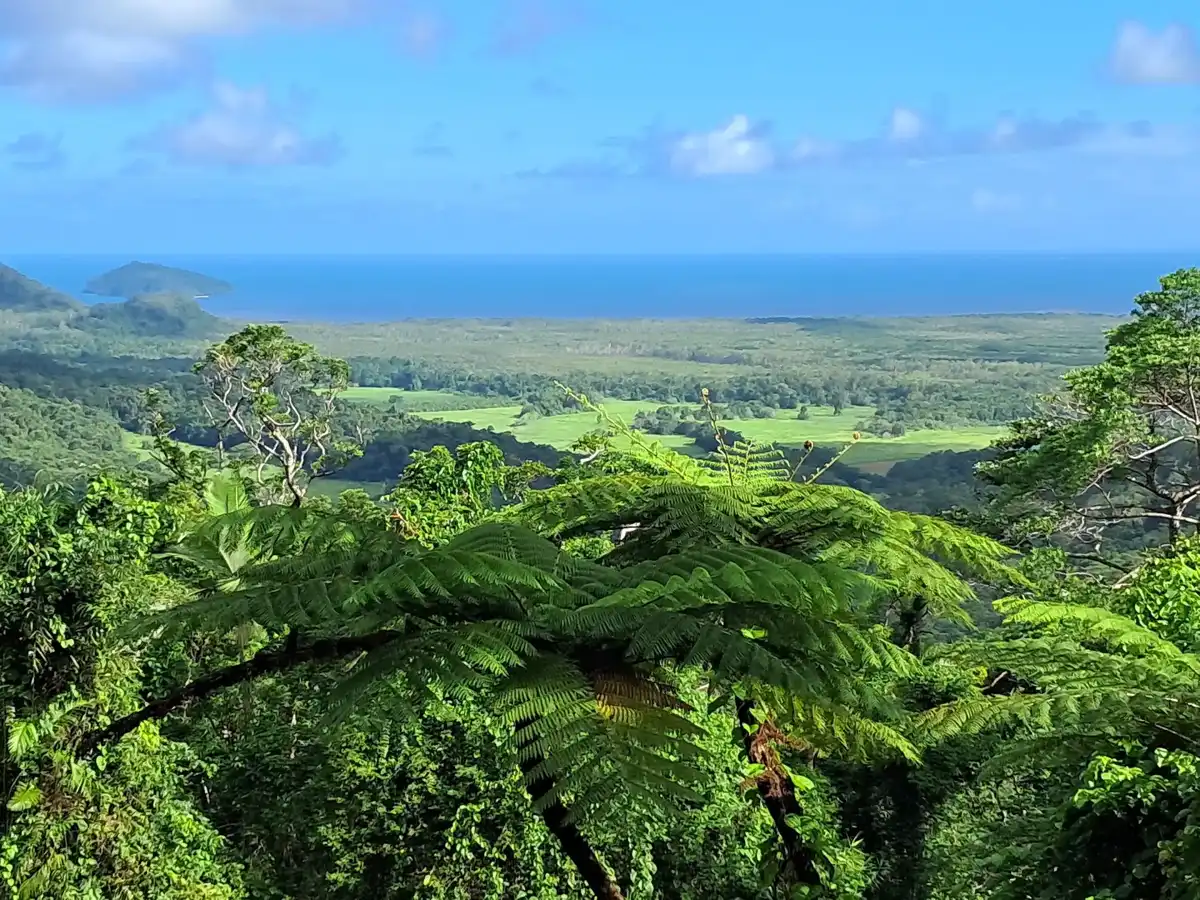
Coastal and rainforest parks on the east side are the easy option, with sealed roads, public transport from big cities in some cases, showers and cafés. They suit first-timers and shorter trips, and they cost the least in time and effort, though they draw the most visitors.
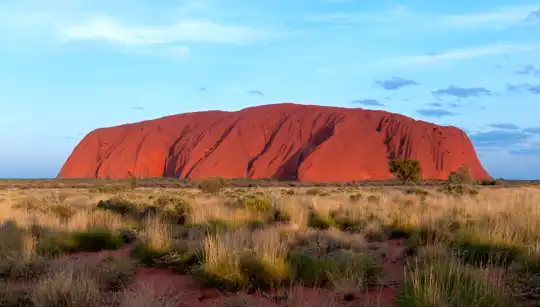
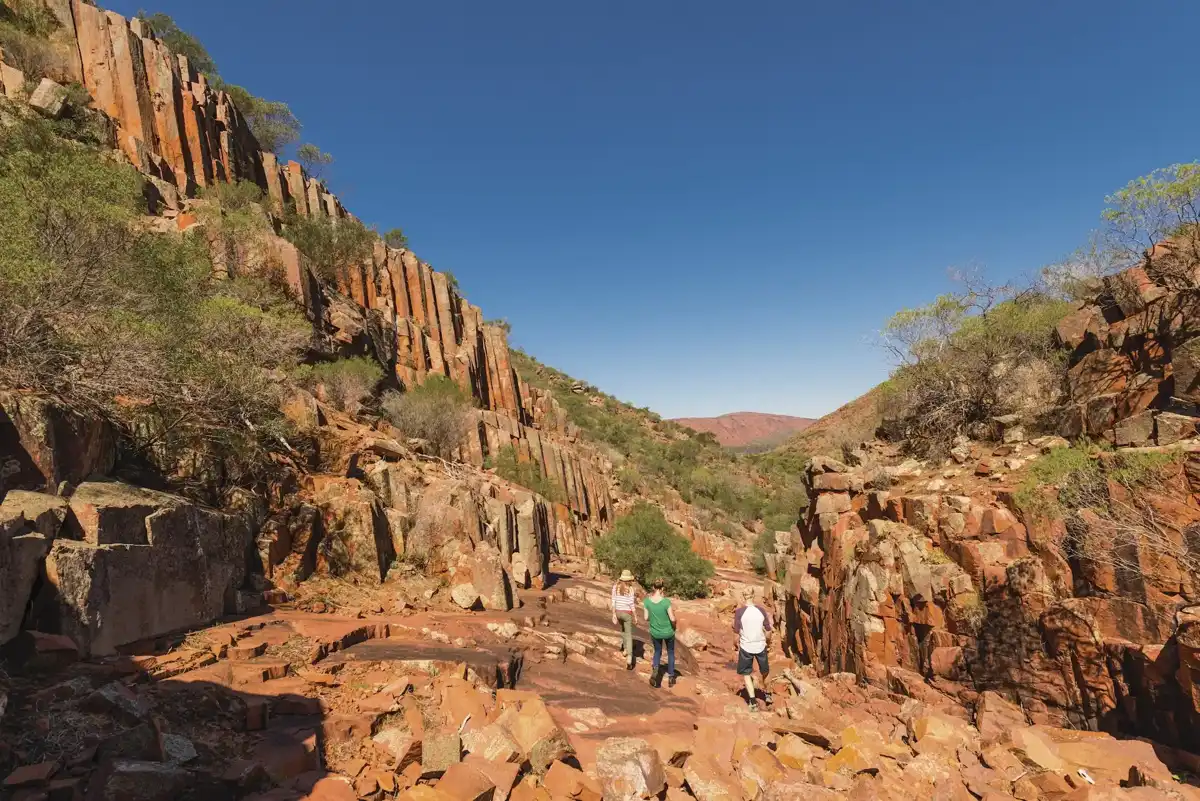
Outback and desert parks are the signature experience and demand the most planning. They need a vehicle or a tour, more fuel and water, and higher fees. The reward is solitude and scale, which is unlike anywhere in Europe or Asia.
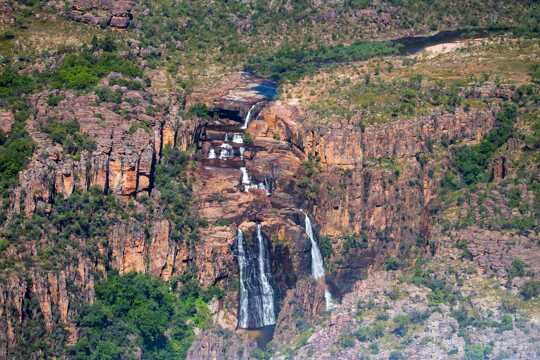
Tropical north parks give wildlife and waterholes but are seasonal, and swimming comes with real crocodile rules.
Tasmanian and alpine parks suit walkers who like long tracks, cool air and fewer people, at the price of wetter weather and heavier packs.
If you are traveling on a tight budget with limited time, I would pick one accessible east coast park, one outback or tropical park, and one southern walking park. That gives the most variety for the least overlap. If you have only a week, choose one region and stay put, because a rental car and a long highway are not what you want on day six.
What it costs: A realistic budget for a backpacker camping and cooking is A$100 to 180 a day (about US$65 to 120), including food, fuel share and campsite fees. Hostel beds near park gateways run A$35 to 60 (US$23 to 40). Entry fees vary by state. Many parks in Queensland, Victoria and the Northern Territory outside the big names are free, while New South Wales charges about A$8 to 12 per vehicle per day and Western Australia roughly A$15 to 20. The famous outback parks charge per person, around A$38 to 40 (about US$25 to 26) for a multi-day pass. Tasmania sells a parks pass for around A$45 to 90 per vehicle depending on length, which pays for itself after about a week of use. Per visit, add A$10 to 30 (US$7 to 20) per person for a camping night in the parks, and A$100 to 250 (US$65 to 165) for a guided day or half-day tour. Car hire runs A$60 to 120 a day for a small car, and A$150 to 250 for a 4WD. Sharing a car among three or four people cuts the daily transport cost dramatically, so find travel partners at the hostel. Tours cost more in money than driving yourself, but they save time and give you a local guide, so they win for desert and Top End parks, where a Traditional Owner or ranger adds context no sign can.
Safety on the ground: Heat and distance cause more trouble than animals. Carry at least 4 liters of water per person per day in hot regions, tell someone your route, and do not walk in midday summer sun. Mobile coverage fails outside towns, so download offline maps and consider a satellite messenger or hired emergency beacon for remote tracks. Unsealed roads can wreck a rental, and many hire contracts exclude them, so read the terms. Never drive at dusk or dawn if you can avoid it, since kangaroos are active then and a collision can write off a car.
In the north,
saltwater crocodiles live in rivers, billabongs and some coastal waters. Swim only where signs say it is safe, and keep well back from the water’s edge when fishing or camping. From roughly October to May, box jellyfish and Irrigani stingers make ocean swimming risky without a full stinger suit. Snakes are common but avoid people. Closed shoes, long trousers in tall grass, and not sticking hands into crevices prevent almost every bite. Bushfire season in the south is a serious factor, so check the state fire app and obey total fire ban days, when campfires and stoves can be illegal. Flash flooding is another hazard in dry creek beds.
Cultural considerations: Many parks sit on Aboriginal land, and some places are closed to visitors or photography for cultural reasons. Obey the signs, do not take rocks or sand as souvenirs, and stay on marked tracks. Uluru’s climb has been closed since 2019, and no amount of asking changes that. Some remote Aboriginal communities require a permit to enter or even drive through, and those permits can take weeks, so apply early. Spending money on an Indigenous-guided tour is the most direct way to put your visit to good use, and a good guide is usually the highlight of a park day. Alcohol is restricted in many remote communities, so check the local rules before packing a case of beer into the car.
Leave no trace, pack out rubbish, and use designated fire pits. Australia’s parks are generous with space but not with services, and that is the real bargain: you pay little to enter and you get room to move, so long as you arrive prepared.
v2.webp)



 Best Backpacking
.jpg) Hi, I’m Johan (Netherlands 🇳🇱), the creator of TakeYourBackpack. Over the past 3 decades, I’ve backpacked through 90+ countries across six continents, gaining extensive experience with independent travel, long-term trips, and overland routes.
Hi, I’m Johan (Netherlands 🇳🇱), the creator of TakeYourBackpack. Over the past 3 decades, I’ve backpacked through 90+ countries across six continents, gaining extensive experience with independent travel, long-term trips, and overland routes.