×

Australia🇦🇺 | festivalsNational Folk Festivalfolk music sessions, dance workshops, camping community | things to do and best time to go

Explore Melbourne International Comedy FestivalExplore Splendour in the Grass

Backpacking in National Folk
👌 Worth visitingfestival ranked #14
By Johan Kruseman 🇳🇱 | Updated September 4, 2026

Ten years ago the National Folk Festival felt like a scruffy reunion of buskers, barefoot dancers, and old-school folkies trading songs till sunrise; now it’s slicker, bigger, and more curated, but the heart’s still beating under the polish. Held over the Easter long weekend at Exhibition Park in Canberra, it’s a multi-day hit of folk, roots, trad, and world music with workshops, sessions, and late-night sessions in dusty tents. You’ll meet grey-haired purists, young fiddlers, circus kids, and backpackers chasing campfire jams. It’s worth it if you like participation over spectacle and don’t mind a bit of mud and sleep deprivation.

Discover everything you want to know in the 📖 Australia Travel Guide.
Loading the map 🌍
CLICK TO FILTER
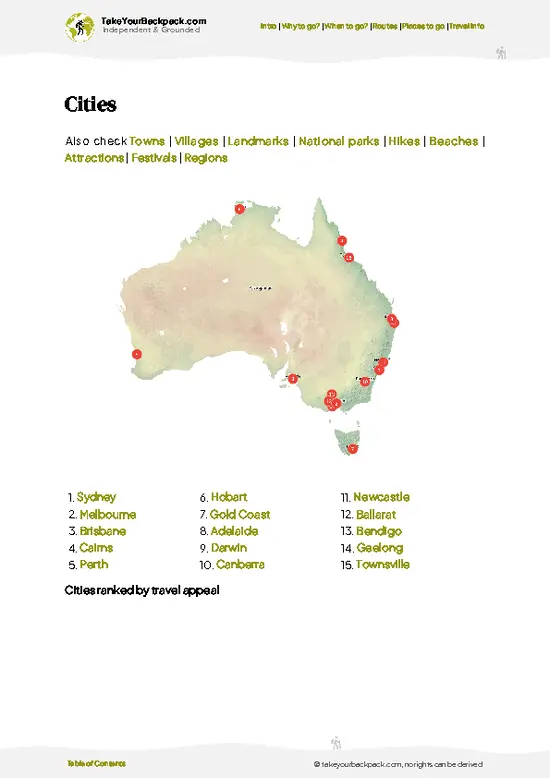
cities
towns
villages
landmarks
national parks
hikes
beaches
attractions
festivals
regions
SHOW COUNTRY’S BESTSHOW ALL

✨ Why go?
Ranked #14 festival in Australia
Why visitors keep coming back

Backpackers flock to the National Folk Festival in Australia for a reason. It’s not just about the music; it’s the social energy that electrifies the air. You’ll find a temporary community buzzing with shared experiences, laughter, and spontaneous jam sessions. This festival offers a deep dive into cultural immersion, showcasing local traditions and talents that you won’t find in guidebooks.

Plus, it’s a steal compared to similar events. You get a rich tapestry of performances without breaking the bank. Planning your route around this festival means you can blend it seamlessly into your longer travel plans, making every moment count. Don’t miss the chance to recharge your spirit while connecting with fellow travelers and locals alike. It’s a vibrant pit stop on your adventure!
Want to include National Folk Festival in your Australia route?
Create a personalized Australia itinerary that includes National Folk Festival and the places that fit your trip — based on your travel style, budget, and available time. Get your route in seconds.

Generate my trip

💡 HighlightsDon't-miss highlights and experiences

  • Multiple stages of living folk music — You’ll find everything from acoustic singer-songwriters to world-folk ensembles and trad bands all playing across a handful of stages. The thing that sticks is the mix: polished headline sets next to smaller, raw-feeling performances where you can stand close, hear every string and lyric, and discover artists you’ll be talking about on the bus home.
  • Participatory dance halls — Ceilidhs, bush dances, square dances and other social dances are a core feature, and they’re designed for ordinary people, not pros. There’s often a caller who walks you through the steps, so you get sweaty, laugh a lot, and meet strangers who turn into friends by the third dance.
  • Indigenous and traditional cultural programming — Storytelling, songlines, traditional instruments
read more 👉
  • Multiple stages of living folk music — You’ll find everything from acoustic singer-songwriters to world-folk ensembles and trad bands all playing across a handful of stages. The thing that sticks is the mix: polished headline sets next to smaller, raw-feeling performances where you can stand close, hear every string and lyric, and discover artists you’ll be talking about on the bus home.
  • Participatory dance halls — Ceilidhs, bush dances, square dances and other social dances are a core feature, and they’re designed for ordinary people, not pros. There’s often a caller who walks you through the steps, so you get sweaty, laugh a lot, and meet strangers who turn into friends by the third dance.
  • Indigenous and traditional cultural programming — Storytelling, songlines, traditional instruments and First Nations performances are woven into the program rather than being an add-on. Those sets offer perspective and depth you won’t get from a straight concert—more than entertainment, it’s a living cultural exchange.
  • Hands-on workshops and learning spaces — Want to try a new instrument, learn close-harmony singing, or pick up a dance move? Workshops run by experienced players and teachers are approachable and practical. You’ll walk away with a new skill or a handful of tunes to annoy your friends with back home.
  • Session culture, markets and that communal village vibe — Between performances you’ll stumble into impromptu jams, buskers, instrument stalls, artisan markets and long picnic-table conversations. It feels like a temporary small town where the soundtrack is live music and everyone’s happy to share tips, tunes or a bite of something delicious.
Spotted a mistake or missing something? Contact us.

Things to do around National Folk Festival

Ratings based on Tripadvisor reviews. When you book through this link, you support our work at no extra cost to you.

🌤️ When to go?When is the celebration of National Folk Festival?


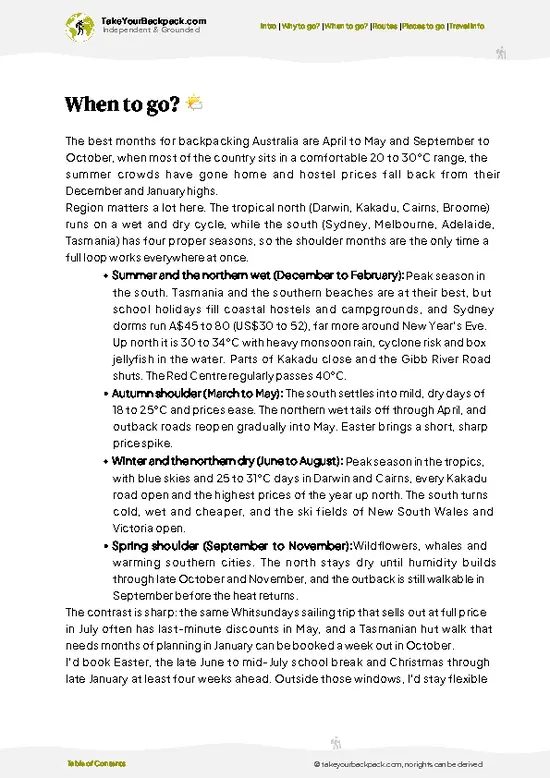
  • Topic: Weather – The National Folk Festival usually lands in late April or early May, when Australia’s autumn cools the air to a comfortable 15-22°C (59-72°F). This drop from summer’s scorch means you’ll move easier, not sweat buckets.

  • Topic: Temperature – Expect mild days perfect for wandering stages and chilly nights that demand a jacket. Temperatures rarely dip below 10°C (50°F), so pack layers but skip the heavy winter gear.

  • Topic: Daylight Hours – With roughly 11-12 hours of daylight, you get enough light to catch every act without rushing, plus cozy evenings to soak in campfire vibes or late-night sessions.

  • Topic: Crowds – This festival draws a loyal crowd, but autumn’s shoulder season keeps numbers manageable. Arrive early to snag good spots and avoid the crush that summer
read more 👉

  • Topic: Weather – The National Folk Festival usually lands in late April or early May, when Australia’s autumn cools the air to a comfortable 15-22°C (59-72°F). This drop from summer’s scorch means you’ll move easier, not sweat buckets.

  • Topic: Temperature – Expect mild days perfect for wandering stages and chilly nights that demand a jacket. Temperatures rarely dip below 10°C (50°F), so pack layers but skip the heavy winter gear.

  • Topic: Daylight Hours – With roughly 11-12 hours of daylight, you get enough light to catch every act without rushing, plus cozy evenings to soak in campfire vibes or late-night sessions.

  • Topic: Crowds – This festival draws a loyal crowd, but autumn’s shoulder season keeps numbers manageable. Arrive early to snag good spots and avoid the crush that summer festivals often bring.

  • Topic: Seasonal Activities – Autumn’s harvest season means local food stalls brim with fresh produce, and outdoor workshops thrive in the crisp air—perfect for diving deeper into folk culture beyond the music.

  • Topic: Price Fluctuations – Booking just after summer’s peak travel season can save you on accommodation and flights. Early bird tickets often drop months ahead, so lock in your spot before prices climb.


Pro-tip: Time your arrival for midweek to dodge weekend surges—this keeps your energy high and your wallet happy for the festival’s best moments.


source: climatestotravel.comJANJanuary: not recommended for travelingFEBFebruary: not recommended for travelingMARMarch: not recommended for travelingAPRApril: excellent for travelingMAYMay: excellent for travelingJUNJune: not recommended for travelingJULJuly: not recommended for travelingAUGAugust: not recommended for travelingSEPSeptember: not recommended for travelingOCTOctober: not recommended for travelingNOVNovember: not recommended for travelingDECDecember: not recommended for traveling

✈️ The backpacker research shortcutAustralia Travel Guide

An offline-friendly backpacking guide with optimized travel routes, ranked highlights, transport advice, and the best areas to stay.
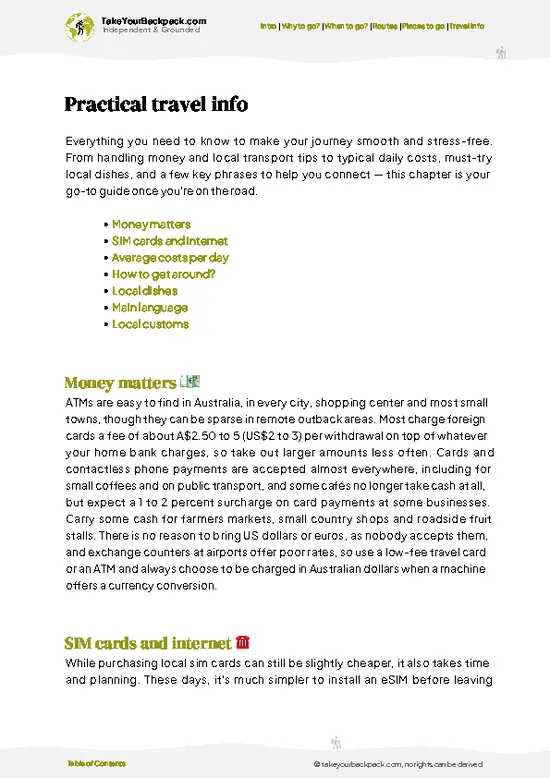
example page 0 from our offline Travel Guide for Australia
example page 1 from our offline Travel Guide for Australia
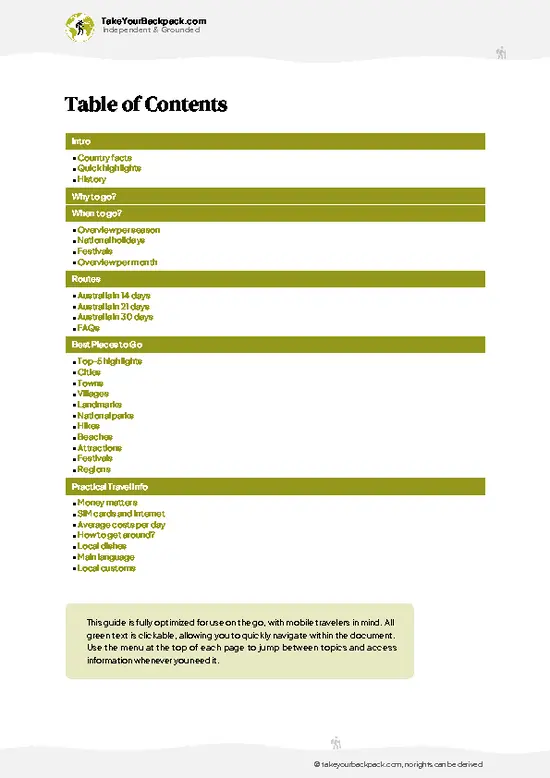
example page 2 from our offline Travel Guide for Australia
example page 3 from our offline Travel Guide for Australia
example page 4 from our offline Travel Guide for Australia
example page 5 from our offline Travel Guide for Australia
example page 6 from our offline Travel Guide for Australia
example page 7 from our offline Travel Guide for Australia
The digital guide (544 pages) contains:
149 highlights, ranked by travel appeal
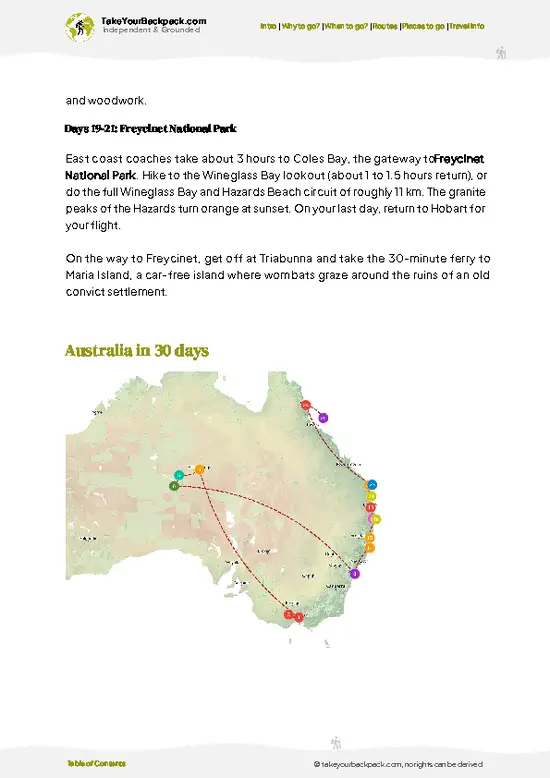
Optimized 14, 21 & 30-day travel routes
Cities, national parks, landmarks, beaches
How to get around
Offline-friendly for travel without Wi-Fi
👉 Click to see all 30+ guide features

📅 Plan smarter in minutes, not weeks
Month by month travel advice
Festivals & national holidays
Budget expectations

🗺️ Go to the right places, skip the overrated ones
Honest pros & cons of destinations
Top hikes, parks & viewpoints
Lesser-known places most travelers miss
Clear “worth it vs skip it” guidance

🛏️ Travel smoothly without rookie mistakes
Best areas to stay
Transport systems explained simply
Common scams & safety advice
SIM cards, money & practical tips

🌍 Understand the country, not just visit it
Culture & traditions
Local customs
Festivals worth planning around
Traveler-friendly historical context
Insights that make places more meaningful

📱 Built for real travel conditions
Fully downloadable PDF
Works completely offline
Optimized for phone use
Useful in remote areas & buses
Everything in one place
Save weeks of stressful planning
Get instant access to your full guide. 30‑day money-back guarantee.
+ Add another guide for just US$7.80

By proceeding you agree to our terms.
Sent to your inbox immediately after payment • 100% Secure Checkout
Best Backpacking Travel Advisor 2025 tourism awardBest Backpacking
Travel Advisor
2025
What others say about Take Your Backpack Guides:
⭐⭐⭐⭐⭐
Fantastic, amazing amount of information!
⭐⭐⭐⭐⭐
My goodness this is amazing, it's what I've been looking for hats off too you!
⭐⭐⭐⭐⭐
I think this is absolutely BRILLIANT
⭐⭐⭐⭐
Very complete and informative. It's still missing places, but I gotta to commend you
⭐⭐⭐⭐⭐
This is truly amazing, thank you, can't wait to explore it with my kids!
⭐⭐⭐⭐⭐
Awesome resource, thank you!
⭐⭐⭐⭐⭐
This is amazing! Can't wait to explore the ones I haven't seen
⭐⭐⭐⭐
I love this! Well done, great idea.
⭐⭐⭐⭐⭐
Thanks for taking the time to make this gem!
⭐⭐⭐⭐⭐
This might be the best website I've ever seen.
⭐⭐⭐⭐⭐
Congratulations, and thank you so much for your work; it's incredibly valuable.
⭐⭐⭐⭐
In all seriousness I think you did a great job pointing out the important spots
⭐⭐⭐⭐⭐
10/10 very good
⭐⭐⭐⭐⭐
As someone who's only just starting to visit regularly this is awesome, thank you.
⭐⭐⭐⭐
Thank you very much! I'm going to visit my dad, it's going to be very useful!
⭐⭐⭐⭐⭐
This is really cool! We'll be travelling for the first time and this definitely come in handy.
⭐⭐⭐⭐⭐
You are now our minister of culture, congratulations 👨‍💼
⭐⭐⭐⭐⭐
Just wanted to tell you that this is a pearl! Going to follow your recommendations.
⭐⭐⭐⭐⭐
This is so cool. I'll definitely be using the resource for my travels soon.
⭐⭐⭐⭐⭐
This is very impressive! Good work.
⭐⭐⭐⭐⭐
This is an amazing and informative site. Very well done!

🛏️ Where to stay?Choosing the right base

Stay close to the National Folk Festival in Canberra, where the energy is electric and the community vibe is strong. The city center is your best bet—think bustling cafes, lively bars, and easy access to festival grounds. You’ll find plenty of budget-friendly hostels here, perfect for meeting fellow travelers and swapping stories over a pint.

Consider the Braddon area, too. It’s a hip neighborhood with a creative flair, packed with street art and local eateries. The social scene is vibrant, making it easy to connect with others.

Don’t overlook the suburbs like Kingston and Manuka. They offer … read more 👉
Stay close to the National Folk Festival in Canberra, where the energy is electric and the community vibe is strong. The city center is your best bet—think bustling cafes, lively bars, and easy access to festival grounds. You’ll find plenty of budget-friendly hostels here, perfect for meeting fellow travelers and swapping stories over a pint.

Consider the Braddon area, too. It’s a hip neighborhood with a creative flair, packed with street art and local eateries. The social scene is vibrant, making it easy to connect with others.

Don’t overlook the suburbs like Kingston and Manuka. They offer a quieter atmosphere but still have great transport links to the festival. Plus, you’ll discover charming markets and parks to recharge between festival sessions.

Avoid the tourist traps and focus on these areas to keep your energy high and your budget intact. Enjoy the music, the culture, and the connections you’ll make along the way!

👛 Costs (as of 4 September 2026)How expensive it really is

The National Folk Festival in Australia is a vibrant celebration of culture, music, and community, but navigating the costs can feel like a maze. Here’s how to keep your budget intact while soaking in the experience.
  • Festival Tickets: Expect to pay around $50 to $150 USD for a full festival pass. Single-day tickets can range from $30 to $80 USD. Prices vary based on the day and any special events, so snag your tickets early to avoid higher last-minute costs.
  • Accommodation: Options range from budget hostels at about $30 to $60 USD per night to mid-range hotels costing $100 to $200 USD. If you’re feeling adventurous, consider camping, which can be as low as $20 USD per night. Book early; places fill up fast.
  • Local Transport: Public transport is your best friend here. A day pass for buses and trams
read more 👉
The National Folk Festival in Australia is a vibrant celebration of culture, music, and community, but navigating the costs can feel like a maze. Here’s how to keep your budget intact while soaking in the experience.
  • Festival Tickets: Expect to pay around $50 to $150 USD for a full festival pass. Single-day tickets can range from $30 to $80 USD. Prices vary based on the day and any special events, so snag your tickets early to avoid higher last-minute costs.
  • Accommodation: Options range from budget hostels at about $30 to $60 USD per night to mid-range hotels costing $100 to $200 USD. If you’re feeling adventurous, consider camping, which can be as low as $20 USD per night. Book early; places fill up fast.
  • Local Transport: Public transport is your best friend here. A day pass for buses and trams typically costs around $10 USD. If you’re planning to rent a bike, budget about $20 USD for a day. Rideshares can add up quickly, so keep that in mind.
  • Food & Drinks: You’ll find food stalls offering meals for $10 to $20 USD. If you want to dine out, expect to pay $20 to $50 USD per meal at local restaurants. Don’t forget to factor in drinks; festival prices can be steep, with beers around $8 to $12 USD.
  • Miscellaneous Expenses: This includes souvenirs, workshops, or any extra activities. Set aside $50 to $100 USD for unexpected costs. It’s easy to get caught up in the excitement, so having a buffer will save you from overspending.

Planning ahead and keeping these costs in mind will help you enjoy the festival without breaking the bank. Focus on the music, the people, and the moments that matter.


source: australia.com
⚠️ Prices can change and everyone travels differently, so take this as a rough guide. Hope it helps you plan your adventure!

🍲 FoodWhat to Eat & Drink

At the National Folk Festival, food and drink are as vibrant as the music. You’ll find stalls brimming with local specialties like kangaroo skewers and damper bread, each bite a taste of Aussie culture. Don’t miss out on the bush tucker—think native herbs and spices that elevate simple dishes into something extraordinary.

For drinks, grab a craft beer from a local brewery or a refreshing lemon myrtle iced tea. Both are perfect for cooling off between sets.

Be ready for some quirks: lines can snake around stalls, so patience is key. Cash is king here; some vendors may not accept cards, so stash a few notes for those must-try bites. Serving sizes can vary wildly—sometimes you’ll get a hearty portion, other times just a taste. Sharing is part of the experience, so don’t hesitate to swap bites … read more 👉
At the National Folk Festival, food and drink are as vibrant as the music. You’ll find stalls brimming with local specialties like kangaroo skewers and damper bread, each bite a taste of Aussie culture. Don’t miss out on the bush tucker—think native herbs and spices that elevate simple dishes into something extraordinary.

For drinks, grab a craft beer from a local brewery or a refreshing lemon myrtle iced tea. Both are perfect for cooling off between sets.

Be ready for some quirks: lines can snake around stalls, so patience is key. Cash is king here; some vendors may not accept cards, so stash a few notes for those must-try bites. Serving sizes can vary wildly—sometimes you’ll get a hearty portion, other times just a taste. Sharing is part of the experience, so don’t hesitate to swap bites with fellow festival-goers. Embrace the chaos; it’s all part of the fun!

FAQCommon questions from travelers

The National Folk Festival in Australia typically takes place over four days during the Easter long weekend in April. It is an annual event held in Canberra. Dates may vary slightly each year, so check the specific year's schedule.
Ticket prices for the National Folk Festival vary depending on the type and duration. A full festival pass usually costs around AUD 150 to 200, while single-day tickets are cheaper, approximately AUD 50 to 70. Discounts may be available for children, seniors, and groups.
Yes, tickets for the National Folk Festival should be purchased in advance to guarantee entry, especially for full festival passes. Single-day tickets might be available at the gate but are not guaranteed. Booking early is recommended to avoid disappointment.
⚠️ Things can change over time, so always validate details locally before you go.

Other Australian festivals near National Folk

Explore more nearby:


💡 Not sure where to go next?
Create a personalized itinerary for Australia including National Folk and the places that fit your trip.

Generate my itinerary

👉 Discover all festivals

Or checkout all Australia has to offer (think cities, towns, villages, national parks, hikes, beaches, festivals)
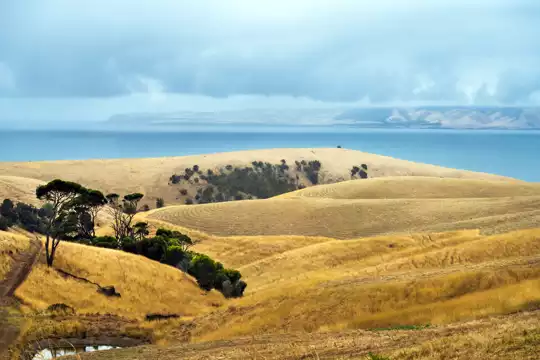
Country photo of Australia

We 💚 feedbackParting advice and final tips

The National Folk Festival is a vibrant celebration of culture that’ll have you dancing with strangers and sharing stories over campfires. But be ready for crowds; it can feel like a sea of people at times. Embrace the chaos, though—it’s part of the experience. Just keep your energy for those unforgettable moments that make it all worthwhile.

✈️ When did I visit Australia?
On my trip to New Zealand in 1993, I had a short stop in Australia as well.

✍️ Help improve this page!
The information on this page is based on my own backpacking experience in Australia, supplemented with up-to-date research and feedback from other travelers. Travel details can change, so if you notice anything outdated or incomplete, feel free to let me know.


🙋‍♂️ Give feedback

👋 Meet the founderWho’s Behind Take Your Backpack?

Johan, backpacker and founder of TakeYourBackpackHi, I’m Johan (Netherlands 🇳🇱), the creator of TakeYourBackpack. Over the past decade, I’ve backpacked through 80+ countries across six continents, gaining extensive experience with independent travel, long-term trips, and overland routes.

This site is built on a combination of firsthand travel experience and carefully curated insights from other backpackers. Many guides are based on places I’ve personally visited, while others bring together tips, observations, and practical advice shared by trusted travelers I’ve met along the way.

The goal is to provide realistic, experience-driven guidance — not generic itineraries — so you can explore destinations with better context, clearer expectations, and more confidence.

Get full Australia guide •
Instant download • 149 highlights • Full Offline guide