v2.webp)
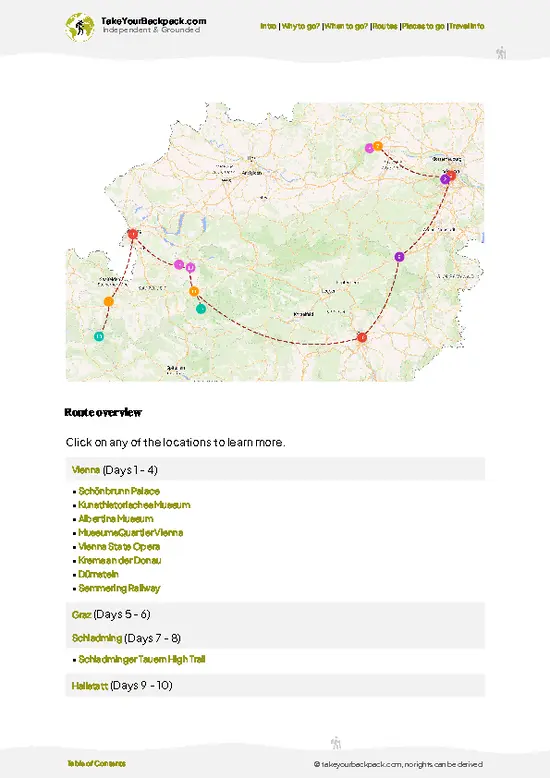
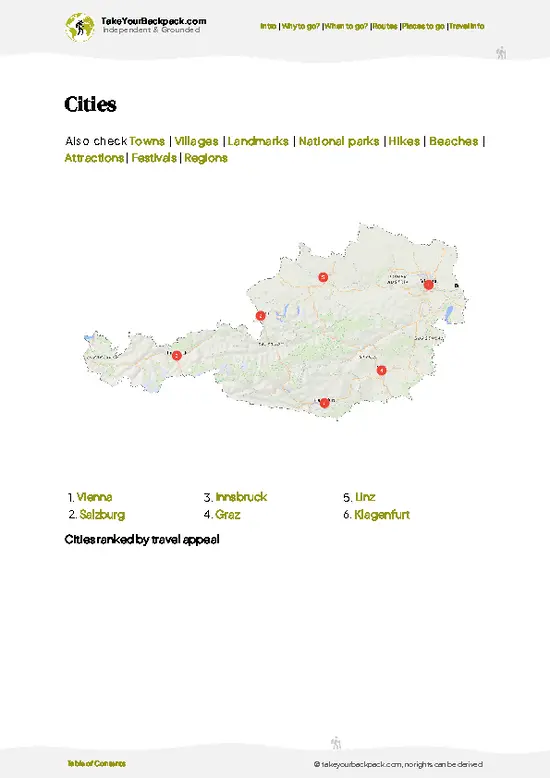
- Alpbach village centre (traditional wooden architecture) — The whole village is one of the rare places in Austria where the wooden Tyrolean building style is still dominant: narrow streets, flower-boxed chalets and a cohesive look that feels like stepping into a living postcard. Great for wandering, photos and just taking the local vibe in.
- Pfarrkirche Alpbach (the parish church) — The village parish church is the social and visual landmark of town: an intimate interior, a neat tower you can spot from the valley, and the kind of local art and memorials that tell Alpbach’s story better than any brochure.
- Alpbach Congress Centre (Kultur- und Kongresszentrum) — Home to the annual European Forum Alpbach and year-round events. Even if there’s no conference, the building and surrounding plaza
- Alpbach village centre (traditional wooden architecture) — The whole village is one of the rare places in Austria where the wooden Tyrolean building style is still dominant: narrow streets, flower-boxed chalets and a cohesive look that feels like stepping into a living postcard. Great for wandering, photos and just taking the local vibe in.
- Pfarrkirche Alpbach (the parish church) — The village parish church is the social and visual landmark of town: an intimate interior, a neat tower you can spot from the valley, and the kind of local art and memorials that tell Alpbach’s story better than any brochure.
- Alpbach Congress Centre (Kultur- und Kongresszentrum) — Home to the annual European Forum Alpbach and year-round events. Even if there’s no conference, the building and surrounding plaza are worth a look for the modern-meets-traditional cultural scene and occasional public talks, concerts or exhibitions.
- Wiedersbergerhornbahn (cable car) & Wiedersbergerhorn summit — The valley station is in Alpbach; a quick lift takes you up to high-alpine trails, panoramic viewpoints and a summit hut. In summer it’s a classic day-hike start, in winter a gateway to the local slopes.
- Heimatmuseum / local history displays — Small, local museums and exhibit corners in town preserve farming tools, folkloric costumes and everyday objects. They’re compact but packed with real, tactile history you won’t get from signs alone—ask at the tourist office for the current spot and opening hours.
- Alpbach Panorama walks and alpine meadows — Trails that start right from town roll through flower-meadows, past rustic alpine huts and offer uninterrupted views of the Zillertal Alps. Perfect for easy half-day hikes or picnic stops that feel very “Tyrol.”
- Village chapels and wayside shrines — Scattered up the hills above the village are small chapels and shrines: low-effort, high-character stops that give a real sense of local religious traditions, plus quiet views and photo ops without the tourist crowds.
- Alpine huts and guesthouses on the slopes above Alpbach — Several family-run huts and mountain inns are reachable from town or the cable car; they serve hearty Tyrolean dishes, coffee and cakes with views—an authentic way to experience local hospitality even if you’re not staying overnight.
- Historic guesthouses in the village (e.g., traditional inns and the Posthaus area) — Old inns and wooden guesthouses in the centre are worth popping into for atmosphere, a drink or a local meal; they’re living examples of the village’s vernacular architecture and community life.
- Seasonal markets and village events — When they run, the weekly markets, summer alpabtriebe (cattle drives) and Christmas markets are where local crafts, cheeses and traditions come alive—timing matters, but they’re genuinely rewarding cultural experiences.
Spotted a mistake or missing something? Contact us.


 Best Backpacking
.jpg) Hi, I’m Johan (Netherlands 🇳🇱), the creator of TakeYourBackpack. Over the past 3 decades, I’ve backpacked through 90+ countries across six continents, gaining extensive experience with independent travel, long-term trips, and overland routes.
Hi, I’m Johan (Netherlands 🇳🇱), the creator of TakeYourBackpack. Over the past 3 decades, I’ve backpacked through 90+ countries across six continents, gaining extensive experience with independent travel, long-term trips, and overland routes.