×

Austria🇦🇹 | regionsAustrian Alpshigh-altitude trails, glacial lakes, alpine huts, rugged peaks | things to do and best time to go

Explore BregenzerwaldExplore Carinthia

Backpacking in Austrian Alps
🏆 Top pickregion ranked #1
By Johan Kruseman 🇳🇱 | Updated June 7, 2026

You land in Salzburg with four days and one big fork in the road: do you blow half your budget on a cable car and cozy guesthouse in Hallstatt, or skip the postcard circus and spend that money on extra nights hiking in Hohe Tauern? That choice matters, because in the Austrian Alps you’re constantly trading money for comfort, and time for authenticity.

The Austrian Alps run like a jagged spine across western and southern Austria—Tyrol, Salzburg province, Vorarlberg, bits of Styria and Carinthia—basically everything that feels steep, green, and full of cowbells. For backpackers, it’s outrageously scenic and surprisingly organized: trails are well-marked, mountain huts are dialed in, and trains link towns like Innsbruck, Zell am See, and Schladming with almost smug efficiency. But it’s not cheap, and the famous spots can feel like theme parks compared with quieter valleys like Ötztal or Lungau. Versus Vienna or Graz, you trade nightlife and museums for clean air, big views, and the kind of silence you only notice when the last gondola stops running.

Discover everything you want to know in the 📖 Austria Travel Guide.


Get your Austria guide
94 ranked highlights, routes & tips, works offline (376 pages)
Loading the map 🌍
CLICK TO FILTER
cities
towns
villages
landmarks
national parks
hikes
beaches
attractions
festivals
regions
SHOW COUNTRY’S BESTSHOW ALL

✨ Why go?
Ranked #1 region in Austria
The unique appeal for travelers

In the Austrian Alps, backpackers find a playground that balances time, money, and comfort like few places can. The variety of landscapes is staggering. You can hike through lush valleys, tackle rugged peaks, or chill by serene lakes—all without the hassle of constant relocation. This means you can dig deeper into the region’s charm without feeling like you’re on a treadmill of travel.

Transport is a breeze here. Trains and buses connect charming villages and major towns, giving you the flexibility to explore at your own pace. Want to sip coffee in a quaint mountain village? Go for it. Prefer to hit the trails? You’ve got options.

What’s more, the mix of nature and culture is a game-changer. You can spend your mornings hiking and your afternoons wandering through local markets or visiting … read more 👉
In the Austrian Alps, backpackers find a playground that balances time, money, and comfort like few places can. The variety of landscapes is staggering. You can hike through lush valleys, tackle rugged peaks, or chill by serene lakes—all without the hassle of constant relocation. This means you can dig deeper into the region’s charm without feeling like you’re on a treadmill of travel.

Transport is a breeze here. Trains and buses connect charming villages and major towns, giving you the flexibility to explore at your own pace. Want to sip coffee in a quaint mountain village? Go for it. Prefer to hit the trails? You’ve got options.

What’s more, the mix of nature and culture is a game-changer. You can spend your mornings hiking and your afternoons wandering through local markets or visiting historic sites. This blend of experiences allows for a richer, more authentic journey.

So, if you’re looking to stretch your time and money while soaking in the Alps’ beauty, you’re in for a treat. Embrace the slow travel vibe, and let the mountains work their magic.
Want to include Austrian Alps in your Austria route?
Create a personalized Austria itinerary that includes Austrian Alps and the places that fit your trip — based on your travel style, budget, and available time. Get your route in seconds.

Generate my trip

💡 HighlightsMust-see experiences and standout moments

  1. Großglockner & Pasterze Glacier (Hohe Tauern National Park)
    Austria’s highest peak and its largest glacier—seen from the Großglockner High Alpine Road—gives you raw, rugged alpine scenery you won’t get in the foothills: jagged ridges, glacial moraines and the feel of real high mountains. Drive a section of the toll road for staggeringly close views, hike short glacier-access trails, or base yourself in Heiligenblut for authentic mountain-village life beneath the peak.
  2. Krimml Waterfalls
    Europe-scale volume and thunder: Krimml is Austria’s tallest cascade and a sensory experience—spray, smell, misty paths and chest-deep views into a gorge. It’s a great half-day outing with well-kept trails that climb through different microclimates, and locals still treat it as a pilgrimage to the mountains
read more 👉
  1. Großglockner & Pasterze Glacier (Hohe Tauern National Park)
    Austria’s highest peak and its largest glacier—seen from the Großglockner High Alpine Road—gives you raw, rugged alpine scenery you won’t get in the foothills: jagged ridges, glacial moraines and the feel of real high mountains. Drive a section of the toll road for staggeringly close views, hike short glacier-access trails, or base yourself in Heiligenblut for authentic mountain-village life beneath the peak.
  2. Krimml Waterfalls
    Europe-scale volume and thunder: Krimml is Austria’s tallest cascade and a sensory experience—spray, smell, misty paths and chest-deep views into a gorge. It’s a great half-day outing with well-kept trails that climb through different microclimates, and locals still treat it as a pilgrimage to the mountains rather than just a photo stop.
  3. Eisriesenwelt Ice Cave (Werfen)
    The world’s largest ice cave is a literal underground alpine spectacle—ridges, pillars and curtains of ice inside limestone caverns. It’s accessible on a guided walk (bring layers; it’s freezing), and pairing it with Hohenwerfen castle above makes for a day that mixes natural wonder with mountain history.
  4. Dachstein Krippenstein & 5fingers Viewpoint
    Dramatic cliffs, a glassy cantilever viewpoint that juts out over an abyss, and nearby ice caves make the Dachstein massif feel cinematic. Hike or take the cable car from Obertraun, and don’t skip the short walks around the plateau—this spot has alpine panoramas unique to the Northern Limestone Alps.
  5. Admont Abbey Library
    A baroque jewel tucked into the Ennstal valley: the largest monastic library in the world in terms of frescoed ceiling space and sheer wow factor. It’s a cultural stop that pairs perfectly with alpine hiking in the nearby Gesäuse or Dachstein ranges—history and mountains in one afternoon.
  6. Bad Gastein (waterfalls and Felsentherme spa)(hidden gem)
    A crumbling Belle Époque spa town with a waterfall slicing through the center and thermal baths carved into rock—Bad Gastein feels like a faded movie set that locals still love. Great for soaking sore legs after hikes, exploring eccentric architecture, and watching Austria’s spa culture play out in a very alpine setting.
  7. Alpbach village & Alpbachtal(hidden gem)
    Wooden chalets, meticulously kept flower boxes and a strong local identity—Alpbach is why Tyrol doesn’t all look the same. It’s small, photogenic and actually lived-in: walk local trails, pop into family-run guesthouses, and enjoy authentic Tyrolean food without the big-resort bustle.
  8. Großes Walsertal Biosphere Reserve(hidden gem)
    A UNESCO biosphere tucked into Vorarlberg where farmers, cheese-makers and hikers share a slow-pace mountain life—think pristine pastures, marked alpine trails and valley farms selling their own cheese. It’s an excellent spot to see traditional alpine agriculture still shaping the landscape.
  9. Formarinsee & the Lech Source Area (Vorarlberg)
    Turquoise lakes, wild Lech riverhead scenery and rugged peaks—Formarinsee and the surrounding trails feel remote but are perfectly doable as a day hike. The Lech’s source stretch is one of the best places to see how an Alpine river carves its way through limestone and gives the region its distinct light and color.
  10. Nockberge Biosphere Park
    Rounded “nock” mountains, pastoral high-alpine meadows and a different, gentler alpine vibe—this is where Carinthia’s mountains favor broad ridges over spikes. Hike between alpine huts, sample local dairy products, and enjoy quieter trails and vistas that feel distinctly Austrian but unlike the high Alps aesthetic.
Spotted a mistake or missing something? Contact us.

Things to do around Austrian Alps

Ratings based on Tripadvisor reviews. When you book through this link, you support our work at no extra cost to you.

⌛️ 5 daysA smart one-week plan

Day 1: Innsbruck
Innsbruck is your gateway to the Austrian Alps, and it’s where you’ll want to kick off your adventure. The city’s transport hub is a dream, with trains and buses connecting you to the surrounding mountains. Spend the day exploring the old town, then hop on the Nordkette cable car for a quick ascent. The views are jaw-dropping, and you’ll get a taste of the alpine air. This sets the tone for your trip: a blend of culture and nature right from the start.

Day 2: Stubai Valley
Take an early bus to Stubai Valley, about 30 minutes from Innsbruck. The valley is a playground for hikers, and the Stubai Glacier is a must-see. The transport here is efficient, so you can maximize your time on the trails. Spend the day hiking to the Eissee, a stunning glacial lake. The journey is … read more 👉
Day 1: Innsbruck
Innsbruck is your gateway to the Austrian Alps, and it’s where you’ll want to kick off your adventure. The city’s transport hub is a dream, with trains and buses connecting you to the surrounding mountains. Spend the day exploring the old town, then hop on the Nordkette cable car for a quick ascent. The views are jaw-dropping, and you’ll get a taste of the alpine air. This sets the tone for your trip: a blend of culture and nature right from the start.

Day 2: Stubai Valley
Take an early bus to Stubai Valley, about 30 minutes from Innsbruck. The valley is a playground for hikers, and the Stubai Glacier is a must-see. The transport here is efficient, so you can maximize your time on the trails. Spend the day hiking to the Eissee, a stunning glacial lake. The journey is worth it, and the tranquility you find there is a refreshing contrast to the bustling city.

Day 3: Seefeld
Next, head to Seefeld, just an hour from Stubai. This charming village is known for its cross-country skiing in winter, but in summer, it’s a hiker’s paradise. The trails are well-marked, and you can easily spend the day wandering through lush meadows. Grab a local snack at a mountain hut; it’s a small indulgence that adds flavor to your experience.

Day 4: Zillertal
On day four, make your way to Zillertal, about an hour from Seefeld. The valley is famous for its breathtaking scenery and vibrant culture. Take the Zillertalbahn train for a scenic ride, then explore the area on foot. The local cheese is a must-try, and you’ll find plenty of spots to savor it.

Day 5: Off-Path Reward - Achensee
For your final day, take a detour to Achensee, a stunning lake about 30 minutes from Zillertal. The ferry ride across the lake is a hidden treasure, offering panoramic views of the surrounding mountains. Spend the day swimming or hiking along the shore.

The must-do day? Day 2 in Stubai Valley. The combination of stunning landscapes and the glacier experience is what makes this trip unforgettable. You’ll leave with a sense of accomplishment and a heart full of alpine memories.
Turn your Austrian Alps visit into an Austria adventure
Build a complete Austria route with Austrian Alps, hidden gems, must-see destinations, and realistic travel times included.

Generate my trip

🌤️ When to go?Choosing the right time of year


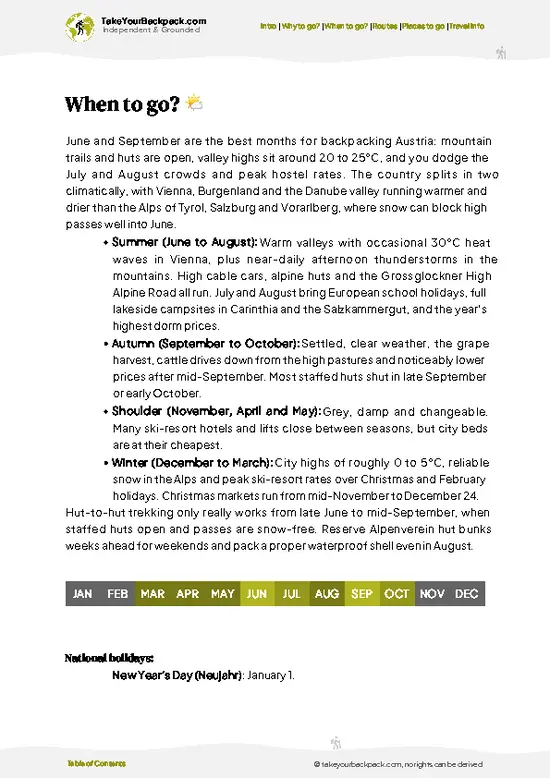
  • Weather: The Austrian Alps swing between crisp winters and mild summers. Winter months (December to February) bring snow-packed trails perfect for skiing but tricky for backpackers. Summer (June to August) offers stable weather, with temperatures ranging from 15°C to 25°C (59°F to 77°F), ideal for hiking and climbing.

  • Temperature: Spring and autumn are cooler, hovering around 5°C to 15°C (41°F to 59°F). Nights can dip below freezing even in shoulder seasons, so pack layers. Summer days are warm but rarely scorch, making it comfortable for long treks.

  • Daylight Hours: Peak summer grants up to 16 hours of daylight, giving you more time on the trails. Winter days shrink to about 8 hours, limiting daylight but enhancing the alpine atmosphere with early sunsets.

  • Crowds: July and August
read more 👉

  • Weather: The Austrian Alps swing between crisp winters and mild summers. Winter months (December to February) bring snow-packed trails perfect for skiing but tricky for backpackers. Summer (June to August) offers stable weather, with temperatures ranging from 15°C to 25°C (59°F to 77°F), ideal for hiking and climbing.

  • Temperature: Spring and autumn are cooler, hovering around 5°C to 15°C (41°F to 59°F). Nights can dip below freezing even in shoulder seasons, so pack layers. Summer days are warm but rarely scorch, making it comfortable for long treks.

  • Daylight Hours: Peak summer grants up to 16 hours of daylight, giving you more time on the trails. Winter days shrink to about 8 hours, limiting daylight but enhancing the alpine atmosphere with early sunsets.

  • Crowds: July and August are packed with tourists, especially around hotspots like Innsbruck and Zell am See. Shoulder seasons (May-June, September) offer quieter trails and a more authentic vibe without sacrificing decent weather.

  • Seasonal Activities: Winter is king for skiing and snowboarding. Summer shifts to hiking, mountain biking, and alpine climbing. Spring and autumn bring wildflower blooms and vibrant foliage, perfect for photographers and peace seekers.

  • Price Fluctuations: Expect peak prices in summer and winter ski season. Shoulder seasons offer better deals on accommodation and transport, making them the sweet spot for budget-conscious backpackers who want comfort without crowds.


Pro-tip: Aim for late May or early September—weather’s still solid, crowds thin, and prices drop. You’ll feel like you’ve hacked the Alps’ secret season.


source: climatestotravel.comJANJanuary: fair for travelingFEBFebruary: fair for travelingMARMarch: good for travelingAPRApril: good for travelingMAYMay: highly recommended for travelingJUNJune: highly recommended for travelingJULJuly: good for travelingAUGAugust: good for travelingSEPSeptember: highly recommended for travelingOCTOctober: good for travelingNOVNovember: fair for travelingDECDecember: fair for traveling
austria-region-austrian-alps
© Google |

✈️ The backpacker research shortcutAustria Travel Guide

An offline-friendly backpacking guide with optimized travel routes, ranked highlights, transport advice, and the best areas to stay.
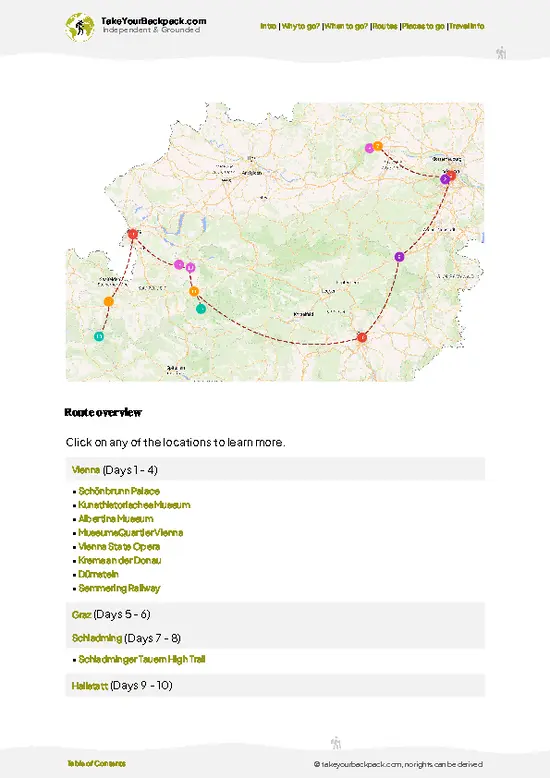
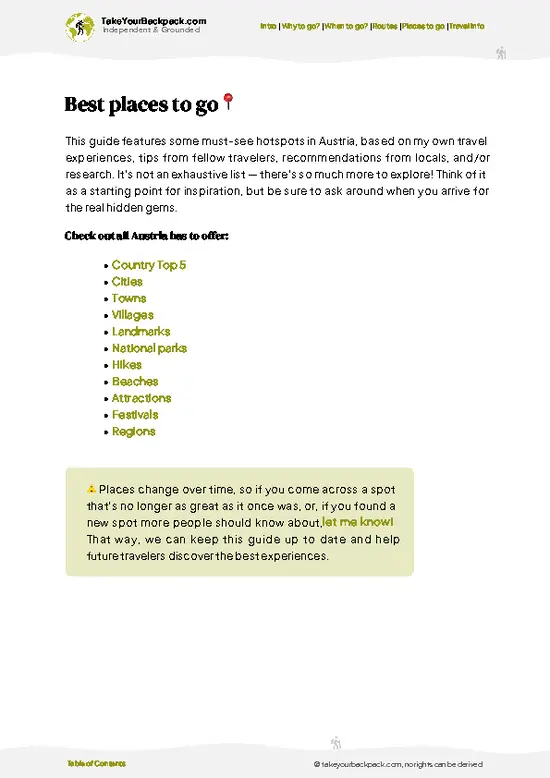
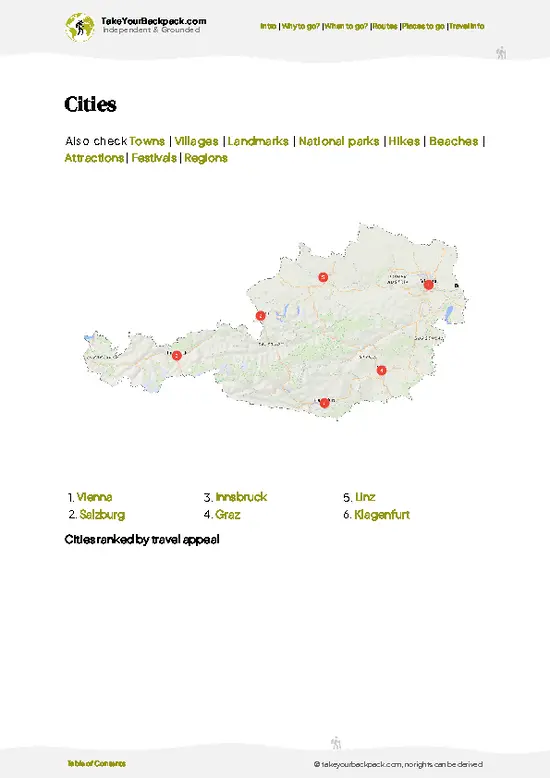
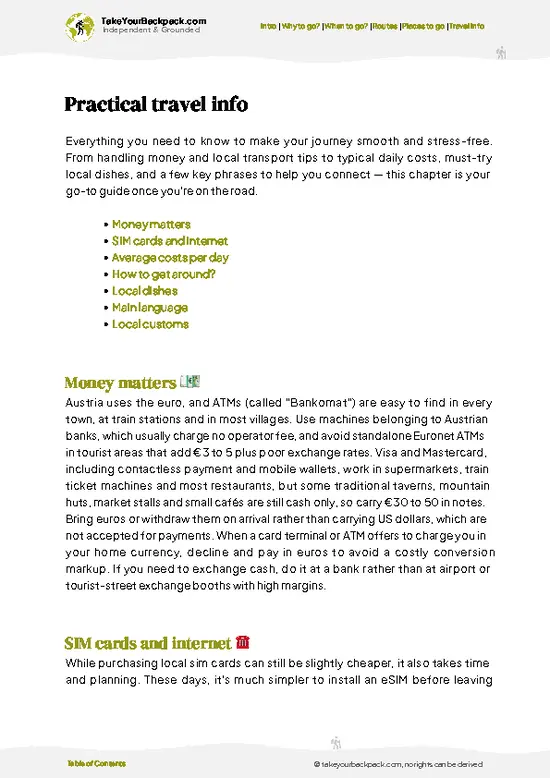
example page 0 from our offline Travel Guide for Austria
example page 1 from our offline Travel Guide for Austria
example page 2 from our offline Travel Guide for Austria
example page 3 from our offline Travel Guide for Austria
example page 4 from our offline Travel Guide for Austria
example page 5 from our offline Travel Guide for Austria
example page 6 from our offline Travel Guide for Austria
example page 7 from our offline Travel Guide for Austria
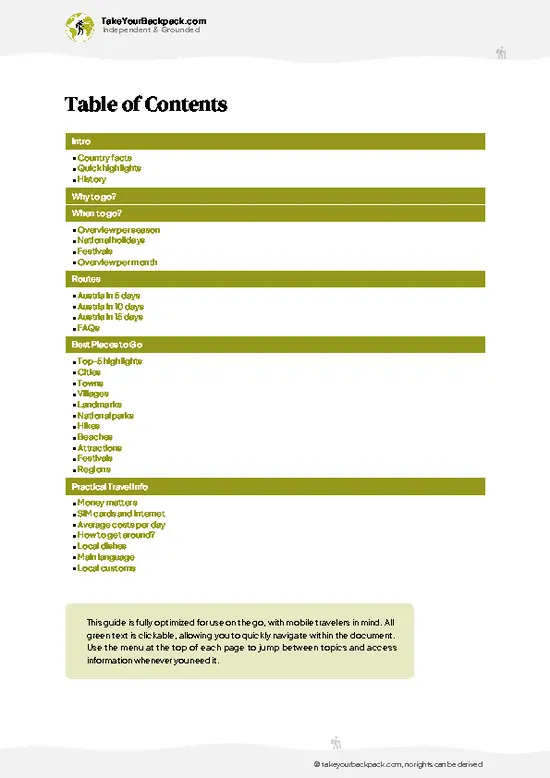
The digital guide (376 pages) contains:
94 highlights, ranked by travel appeal
Optimized 5, 10 & 15-day travel routes
Cities, national parks, landmarks, beaches
How to get around
Offline-friendly for travel without Wi-Fi
👉 Click to see all 30+ guide features

📅 Plan smarter in minutes, not weeks
Month by month travel advice
Festivals & national holidays
Budget expectations

🗺️ Go to the right places, skip the overrated ones
Honest pros & cons of destinations
Top hikes, parks & viewpoints
Lesser-known places most travelers miss
Clear “worth it vs skip it” guidance

🛏️ Travel smoothly without rookie mistakes
Best areas to stay
Transport systems explained simply
Common scams & safety advice
SIM cards, money & practical tips

🌍 Understand the country, not just visit it
Culture & traditions
52 Essential phrases & customs
Festivals worth planning around
Traveler-friendly historical context
Insights that make places more meaningful

📱 Built for real travel conditions
Fully downloadable PDF
Works completely offline
Optimized for phone use
Useful in remote areas & buses
Everything in one place
Save weeks of stressful planning
Get instant access to your full guide. 30‑day money-back guarantee.


By proceeding you agree to our terms.
Sent to your inbox immediately after payment • 100% Secure Checkout
Best Backpacking Travel Advisor 2025 tourism awardBest Backpacking
Travel Advisor
2025
What others say about Take Your Backpack Guides:
⭐⭐⭐⭐⭐
Fantastic, amazing amount of information!
⭐⭐⭐⭐⭐
My goodness this is amazing, it's what I've been looking for hats off too you!
⭐⭐⭐⭐⭐
I think this is absolutely BRILLIANT
⭐⭐⭐⭐
Very complete and informative. It's still missing places, but I gotta to commend you
⭐⭐⭐⭐⭐
This is truly amazing, thank you, can't wait to explore it with my kids!
⭐⭐⭐⭐⭐
Awesome resource, thank you!
⭐⭐⭐⭐⭐
This is amazing! Can't wait to explore the ones I haven't seen
⭐⭐⭐⭐
I love this! Well done, great idea.
⭐⭐⭐⭐⭐
Thanks for taking the time to make this gem!
⭐⭐⭐⭐⭐
This might be the best website I've ever seen.
⭐⭐⭐⭐⭐
Congratulations, and thank you so much for your work; it's incredibly valuable.
⭐⭐⭐⭐
In all seriousness I think you did a great job pointing out the important spots
⭐⭐⭐⭐⭐
10/10 very good
⭐⭐⭐⭐⭐
As someone who's only just starting to visit regularly this is awesome, thank you.
⭐⭐⭐⭐
Thank you very much! I'm going to visit my dad, it's going to be very useful!
⭐⭐⭐⭐⭐
This is really cool! We'll be travelling for the first time and this definitely come in handy.
⭐⭐⭐⭐⭐
You are now our minister of culture, congratulations 👨‍💼
⭐⭐⭐⭐⭐
Just wanted to tell you that this is a pearl! Going to follow your recommendations.
⭐⭐⭐⭐⭐
This is so cool. I'll definitely be using the resource for my travels soon.
⭐⭐⭐⭐⭐
This is very impressive! Good work.
⭐⭐⭐⭐⭐
This is an amazing and informative site. Very well done!

🛏️ Where to stay?Choosing the right base

When you’re diving into the Austrian Alps, the right base can make all the difference. Here are some top spots that scream “backpacker-friendly” while keeping you in the heart of the action.

Start with Innsbruck. This city is a blend of urban vibes and mountain magic. You’ll find a lively scene with plenty of bars and cafes where you can swap stories with fellow travelers. Plus, the public transport is a breeze, making it easy to hop to nearby trails.

Next up, consider Hallstatt. Yes, it’s a bit touristy, but the charm is undeniable. The stunning lake views and quaint streets are worth it. Stay … read more 👉
When you’re diving into the Austrian Alps, the right base can make all the difference. Here are some top spots that scream “backpacker-friendly” while keeping you in the heart of the action.

Start with Innsbruck. This city is a blend of urban vibes and mountain magic. You’ll find a lively scene with plenty of bars and cafes where you can swap stories with fellow travelers. Plus, the public transport is a breeze, making it easy to hop to nearby trails.

Next up, consider Hallstatt. Yes, it’s a bit touristy, but the charm is undeniable. The stunning lake views and quaint streets are worth it. Stay here for a night or two to soak in the atmosphere, then venture out to nearby hiking trails. Just be mindful of peak season; it can get crowded.

Don’t overlook Zell am See. This town is a playground for outdoor enthusiasts. You can hike, bike, or just chill by the lake. The social scene is vibrant, and you’ll find plenty of budget-friendly eateries.

Lastly, St. Johann in Tirol offers a more laid-back vibe. It’s safe, welcoming, and has a strong backpacker community. You’ll feel right at home while enjoying the stunning alpine backdrop.

Choose wisely, and you’ll unlock the true essence of the Alps.

🚌 Getting aroundGetting around like a local

The Austrian Alps pulse with a rhythm that’s both exhilarating and laid-back. Picture this: you’re surrounded by jagged peaks, lush valleys, and quaint villages, where the air is crisp and the scenery feels like a postcard. Here, the flow isn’t dictated by rigid schedules; it’s more about embracing the moment. Sure, you can catch a train or a bus, but the real magic happens when you let intuition guide you. Whether you’re hopping from one charming village to another or taking a scenic detour, the Alps invite you to savor the journey as much as the destination.

Here’s the lowdown on getting around this stunning region without breaking the bank:


  • Train: The ÖBB (Austrian Federal Railways) operates a reliable network. Trains run frequently, with first departures around 5 AM and last ones around
read more 👉
The Austrian Alps pulse with a rhythm that’s both exhilarating and laid-back. Picture this: you’re surrounded by jagged peaks, lush valleys, and quaint villages, where the air is crisp and the scenery feels like a postcard. Here, the flow isn’t dictated by rigid schedules; it’s more about embracing the moment. Sure, you can catch a train or a bus, but the real magic happens when you let intuition guide you. Whether you’re hopping from one charming village to another or taking a scenic detour, the Alps invite you to savor the journey as much as the destination.

Here’s the lowdown on getting around this stunning region without breaking the bank:


  • Train: The ÖBB (Austrian Federal Railways) operates a reliable network. Trains run frequently, with first departures around 5 AM and last ones around 10 PM. Prices vary, but you can snag a ticket for as low as €15 if you book in advance. The ride is smooth and offers breathtaking views, making it a comfortable choice.


  • Bus: Postbuses connect remote areas and are essential for reaching smaller villages. They typically run from 6 AM to 7 PM, with prices around €5-€20 depending on the distance. While they may take a bit longer than trains, the scenic routes are worth the wait, and you’ll often find yourself sharing the ride with locals.


  • Car Rental: If you crave flexibility, renting a car is your best bet. Prices start at €30 per day, but factor in fuel and parking fees. This option allows you to explore off-the-beaten-path spots at your own pace, but be prepared for winding mountain roads and occasional traffic in peak season.


  • Bike Rentals: Many towns offer bike rentals, with prices around €15-€25 per day. Cycling is a fantastic way to soak in the alpine scenery, especially on dedicated bike paths. Just keep an eye on the weather; sudden rain can turn a leisurely ride into a slippery adventure.


  • Hiking: While not a traditional transport option, hiking is the ultimate way to explore the Alps. Trails are well-marked, and you can often find paths that lead to stunning viewpoints or hidden lakes. It’s free, and the only cost is a good pair of boots and maybe a snack for the trail.


For a tactical tip: consider getting an ÖBB Vorteilscard if you plan to travel frequently by train. It offers discounts on fares and can save you a chunk of change, making those scenic train rides even sweeter. Embrace the flow of the Alps, and let your journey unfold!

🍲 FoodEating & Drinking in Austrian Alps

In the Austrian Alps, food is as much about the experience as it is about the flavors. Dive into Kaiserschmarrn, a fluffy, caramelized pancake served with a dusting of powdered sugar and a side of fruit compote. It’s a sweet treat that feels like a warm hug after a long hike. Don’t miss Speckplatte, a platter of cured meats and cheeses that pairs perfectly with a local Zwickl beer, a cloudy, unfiltered lager that’s refreshing after a day on the trails.

For a true local vibe, hit up the markets in towns like Innsbruck or Hallstatt. Stalls overflow with fresh produce, artisanal cheeses, and homemade pastries. Grab a Brettljause, a rustic snack of bread, cheese, and meats, and enjoy it at a nearby park. Cafés are another treasure trove; sip on a Melange, a rich coffee topped with frothy milk, … read more 👉
In the Austrian Alps, food is as much about the experience as it is about the flavors. Dive into Kaiserschmarrn, a fluffy, caramelized pancake served with a dusting of powdered sugar and a side of fruit compote. It’s a sweet treat that feels like a warm hug after a long hike. Don’t miss Speckplatte, a platter of cured meats and cheeses that pairs perfectly with a local Zwickl beer, a cloudy, unfiltered lager that’s refreshing after a day on the trails.

For a true local vibe, hit up the markets in towns like Innsbruck or Hallstatt. Stalls overflow with fresh produce, artisanal cheeses, and homemade pastries. Grab a Brettljause, a rustic snack of bread, cheese, and meats, and enjoy it at a nearby park. Cafés are another treasure trove; sip on a Melange, a rich coffee topped with frothy milk, while people-watching.

Dining customs here are relaxed but communal. Expect to share tables in cozy Gasthäuser, where locals gather to chat over hearty meals. Don’t rush; linger over your food and soak in the atmosphere. And remember, it’s perfectly acceptable to raise your glass and toast with a hearty “Prost!” before diving into your meal. This isn’t just food; it’s a celebration of the alpine spirit.

Other Austrian regions near Austrian Alps

Explore more nearby:

  • Dachstein, Salzkammergut—limestone caves, lakefront towns, UNESCO heritage, salt mines| 18 km away
  • Carinthia—warm lakes, borderland villages, southern dialects, forested hills| 108 km away
  • Kühtai—high mountain pass, ski-in villages, sparse tree line, avalanche terrain| 175 km away

💡 Not sure where to go next?
Create a personalized itinerary for Austria including Austrian Alps and the places that fit your trip.

Generate my itinerary

👉 Discover all regions

Or checkout all Austria has to offer (think cities, towns, villages, national parks, hikes, beaches, festivals)
Country photo of Austria

We 💚 feedbackParting advice and final tips

The Austrian Alps are a playground for the senses. Picture this: crisp air, jaw-dropping peaks, and trails that lead to cozy huts serving the best apple strudel you’ve ever tasted. But here’s the kicker: the weather can be unpredictable. One minute you’re basking in sunshine, the next you’re dodging rain. Pack layers and be ready for anything. Embrace the adventure, and you’ll find the Alps are worth every moment.

✈️ When did I visit Austria?
Being so close to my home country, and me loving mountains, I have visited Austria almost every year. During my childhood during summer holidays for hiking in the Alps. Now I go yearly in February or March for skiing. One of the most beautiful countries in the world.

✍️ Help improve this page!
The information on this page is based on my own backpacking experience in Austria, supplemented with up-to-date research and feedback from other travelers. Travel details can change, so if you notice anything outdated or incomplete, feel free to let me know.


🙋‍♂️ Give feedback

👋 Meet the founderWho’s Behind Take Your Backpack?

Johan, backpacker and founder of TakeYourBackpackHi, I’m Johan (Netherlands 🇳🇱), the creator of TakeYourBackpack. Over the past decade, I’ve backpacked through 80+ countries across six continents, gaining extensive experience with independent travel, long-term trips, and overland routes.

This site is built on a combination of firsthand travel experience and carefully curated insights from other backpackers. Many guides are based on places I’ve personally visited, while others bring together tips, observations, and practical advice shared by trusted travelers I’ve met along the way.

The goal is to provide realistic, experience-driven guidance — not generic itineraries — so you can explore destinations with better context, clearer expectations, and more confidence.

Get full Austria guide •
Instant download • 94 highlights • Full Offline guide