How many regions: I advise two to four regions in a single trip. Alpine areas need slack for weather, valley buses run less often than city trains, and each move costs half a day once you pack, check out and wait for connections. An experienced traveler stays longer in fewer places and adds day trips by public transport.
Choosing the kind of region: Match the type to your travel style. If hiking is the goal, prioritize
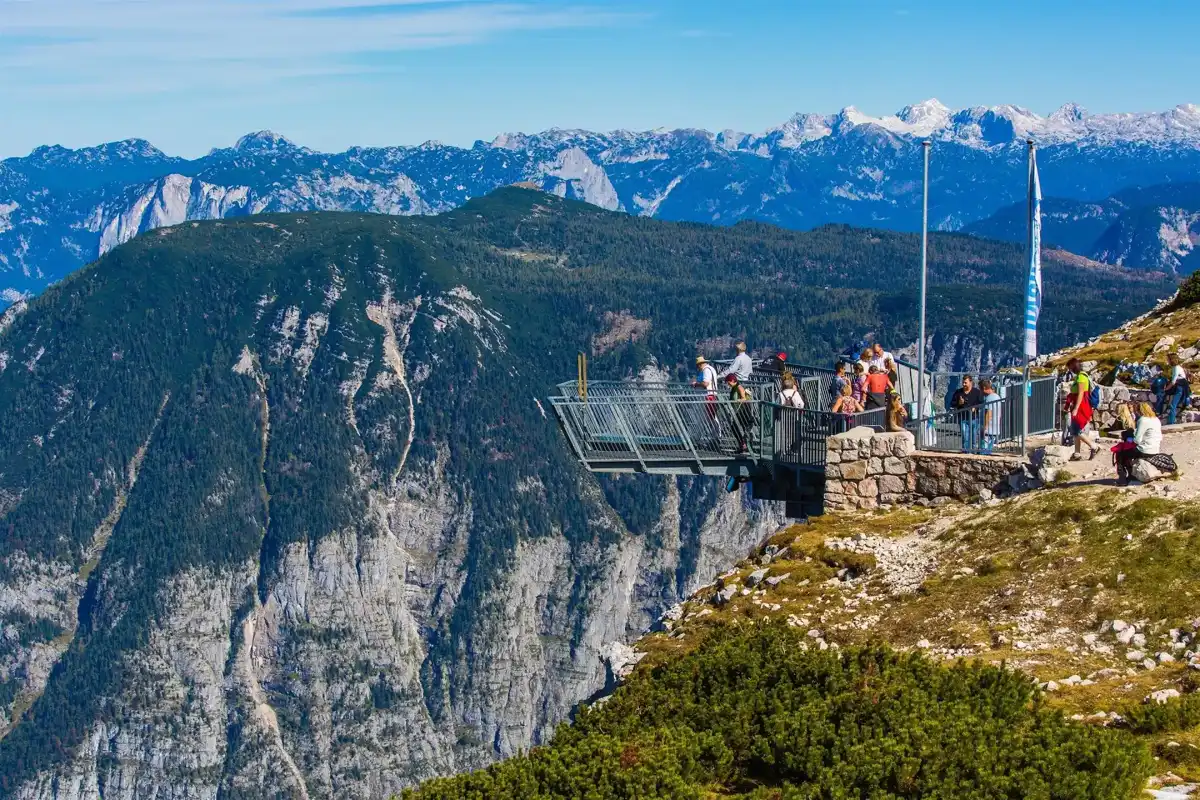
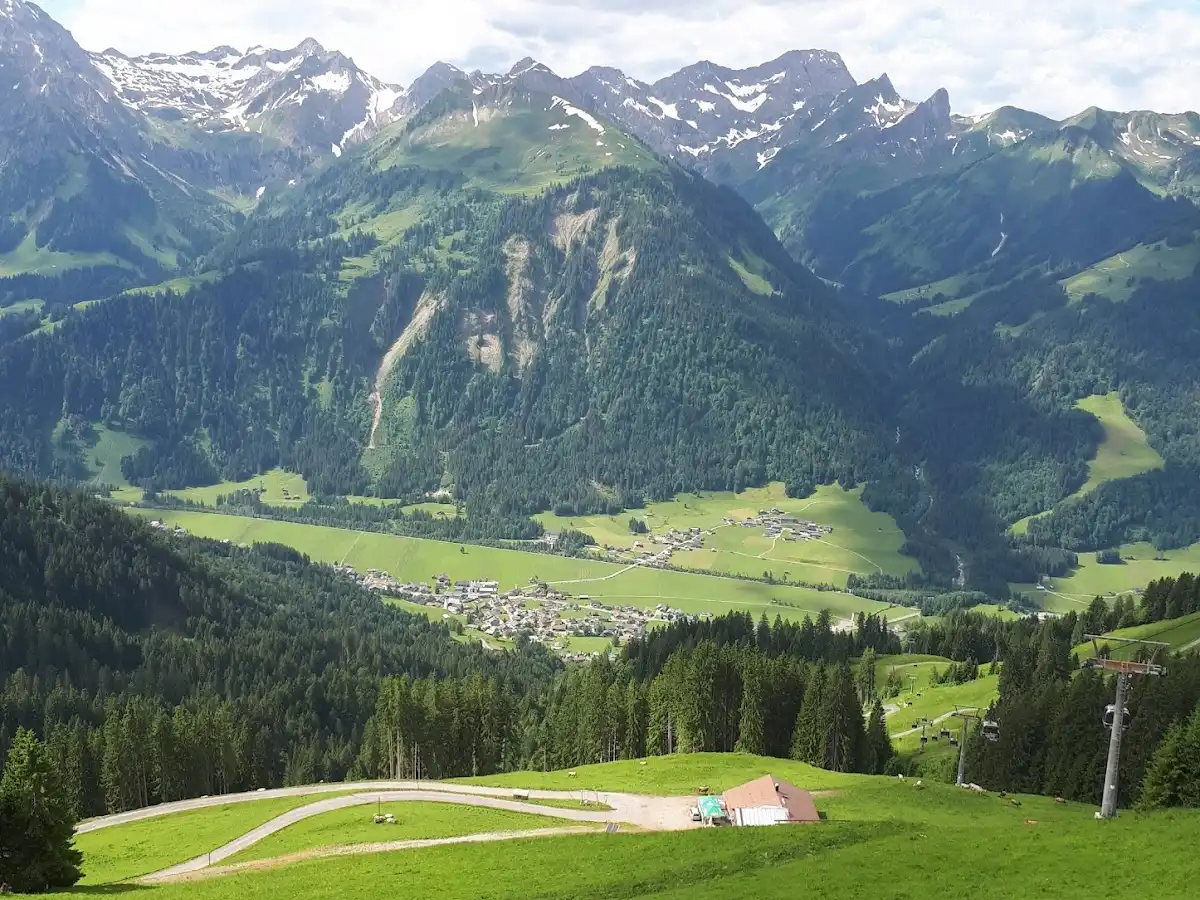
Alpine provinces in summer, where trails, huts and guest cards concentrate. If you want culture, food and lower prices, favor
eastern and urban areas, which also work in cold or wet months. Lake and southern areas suit swimming and slower cycling, with milder summers and fewer queues. Avoid mixing ski-season and city priorities, because winter pricing in mountain areas rarely …
read more 👉 How many regions: I advise two to four regions in a single trip. Alpine areas need slack for weather, valley buses run less often than city trains, and each move costs half a day once you pack, check out and wait for connections. An experienced traveler stays longer in fewer places and adds day trips by public transport.
Choosing the kind of region: Match the type to your travel style. If hiking is the goal, prioritize Alpine provinces in summer, where trails, huts and guest cards concentrate. If you want culture, food and lower prices, favor eastern and urban areas, which also work in cold or wet months. Lake and southern areas suit swimming and slower cycling, with milder summers and fewer queues. Avoid mixing ski-season and city priorities, because winter pricing in mountain areas rarely repays itself on a tight budget.
What it costs: Austria is not a shoestring destination. A realistic backpacker budget is about €70 to 110 a day: dorms or simple rooms at €25 to 45, self-catered meals plus one cheap lunch at €15 to 25, and local transport and entry fees making up the rest. Mountain lifts are the big variable, often €30 to 70 for a round trip, and day passes for regional transport run roughly €6 to 15. Supermarkets such as Hofer, Billa and Spar cut food costs sharply, and bakery lunches are filling and cheap. Guest cards offered by many accommodations often include lifts or buses, so ask at check-in. Per visit to a mountain area, budget €100 to 150 a day if you add a lift, a guide or a hut night. Alpine huts typically charge €20 to 40 for a dorm bed plus €15 to 25 for dinner, and booking ahead is expected in July and August.
Safety and cultural points: Mountain danger comes from weather and underestimating terrain. Afternoon storms, fog and snow patches on high trails are common, so check forecasts, start early and turn back on time. Mountain rescue by helicopter can be billed, so travel insurance with Alpine coverage is wise. The emergency number is 112, and Alpine emergency is 140.
Culturally, Austria rewards punctuality and quiet. Most shops close on Sundays and holidays, so buy supplies on Saturday. Greet with “Grüß Gott” or “Servus” when entering shops and huts. Keep noise down after 10 pm in guesthouses and in dorms, and stay on marked paths across farmland and pasture, where fences protect livestock.



 Best Backpacking
 Hi, I’m Johan (Netherlands 🇳🇱), the creator of TakeYourBackpack. Over the past 3 decades, I’ve backpacked through 90+ countries across six continents, gaining extensive experience with independent travel, long-term trips, and overland routes.