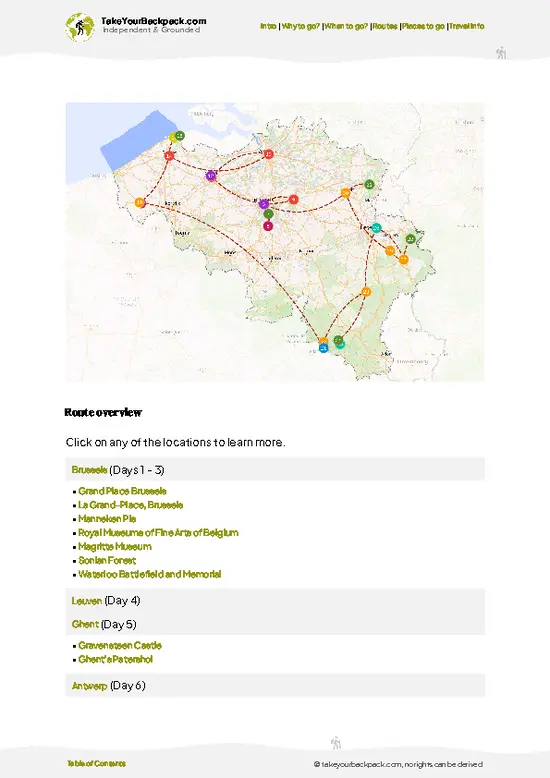
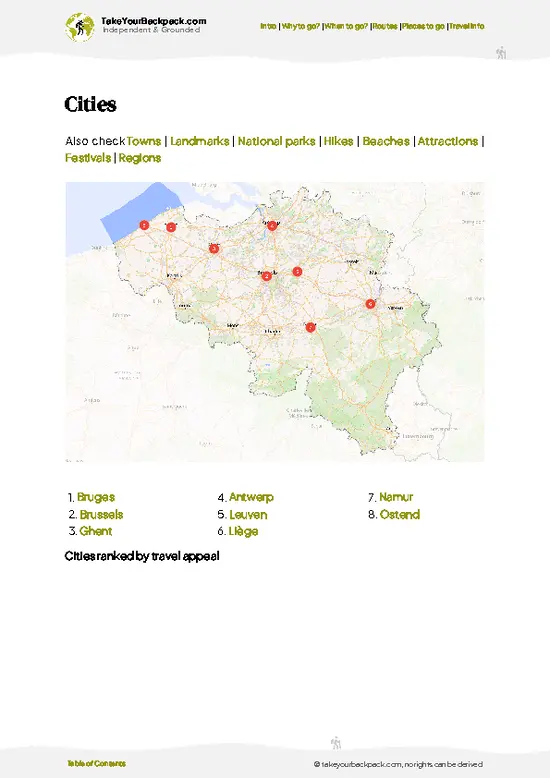
×
Bruges

Belgium🇧🇪 | citiesBrugesmedieval canals, bell towers, lace shops | things to do and best time to go

Explore AntwerpExplore Brussels

Backpacking in Bruges
UNESCO World Heritage site
🏆 Top pickcity ranked #1
By Johan Kruseman 🇳🇱 | Updated June 19, 2026

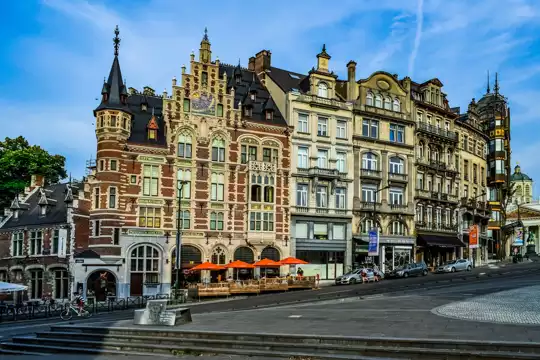
Most people only realize on the train out that Bruges is actually the easiest “deep-dive into medieval Europe” you can do in a single, walkable day, without burning time on transit or confusing metro systems. It sits in northwest Belgium, in Flanders, a short hop from Ghent and about an hour from Brussels. For backpackers, Bruges is gorgeous and compact: canals, stepped-gable houses, the Belfry, and cobbled lanes that feel like a movie set, plus a few solid museums and a surprisingly peaceful windmill zone for cheap picnics. It’s safe, absurdly easy to navigate, and logistically simple, but it’s not a party town like Ghent or as diverse and big-city as Brussels. Hostels are social but limited, and prices lean touristy, especially around Markt and Burg squares. I love it for 24–36 hours: arrive, wander hard, climb the tower, drink good beer, then move on before the crowds and costs wear you down.

Discover everything you want to know in the 📖 Belgium Travel Guide.


Get your Belgium guide
90 ranked highlights, routes & tips, works offline (355 pages)
Loading the map 🌍
CLICK TO FILTER
cities
towns
landmarks
national parks
hikes
beaches
attractions
festivals
regions
SHOW COUNTRY’S BESTSHOW ALL

✨ Why go?
Ranked #1 city in Belgium
Why visitors keep coming back

Bruges is a backpacker’s delight for several reasons, making it a prime stop on your European route. First off, the city is incredibly walkable. You can easily explore its charming streets and canals without needing public transport, saving both time and money. The hostel scene here is solid, offering budget-friendly options that foster a social atmosphere, perfect for meeting fellow travelers.

Food is another highlight; you can indulge in local treats without breaking the bank. Think waffles and frites that won’t dent your wallet. Bruges also serves as a basecamp for day trips to nearby cities like Ghent and Antwerp, maximizing your experience without the hassle of constant packing and unpacking.

As for nightlife, it’s laid-back yet lively, with plenty of cozy bars to unwind after a day … read more 👉
Bruges is a backpacker’s delight for several reasons, making it a prime stop on your European route. First off, the city is incredibly walkable. You can easily explore its charming streets and canals without needing public transport, saving both time and money. The hostel scene here is solid, offering budget-friendly options that foster a social atmosphere, perfect for meeting fellow travelers.

Food is another highlight; you can indulge in local treats without breaking the bank. Think waffles and frites that won’t dent your wallet. Bruges also serves as a basecamp for day trips to nearby cities like Ghent and Antwerp, maximizing your experience without the hassle of constant packing and unpacking.

As for nightlife, it’s laid-back yet lively, with plenty of cozy bars to unwind after a day of exploration. The city’s compact size means you can easily fit in a lot without feeling rushed. If you’re looking for a place that balances high-value experiences with a relaxed vibe, Bruges is a smart choice. Just remember, it’s best enjoyed as a short stop rather than a long stay.
Want to include Bruges in your Belgium route?
Create a personalized Belgium itinerary that includes Bruges and the places that fit your trip — based on your travel style, budget, and available time. Get your route in seconds.

Generate my trip

💡 HighlightsPlaces and moments you shouldn't skip

  1. Markt and the Belfry (Belfort): The beating heart of Bruges — a medieval market square ringed with colorful guild houses and cafés, with the iconic Belfry rising in the middle. Climb the tower for a slightly breathless but unbeatable panorama of the city’s rooftops and canals.
  2. Basilica of the Holy Blood (Burg Square): A compact, surprising church that houses a tiny vial said to contain Christ’s blood and a richly decorated Gothic and Romanesque interior. It’s historically important and still used for the famous procession each May.
  3. Church of Our Lady (Onze-Lieve-Vrouwekerk): Home to Michelangelo’s “Madonna and Child” outside Italy and an impressive, quiet interior with historic tombs. The scale and marble work make it one of Bruges’ most emotionally powerful churches.
  4. Groeninge Museum:
read more 👉
  1. Markt and the Belfry (Belfort): The beating heart of Bruges — a medieval market square ringed with colorful guild houses and cafés, with the iconic Belfry rising in the middle. Climb the tower for a slightly breathless but unbeatable panorama of the city’s rooftops and canals.
  2. Basilica of the Holy Blood (Burg Square): A compact, surprising church that houses a tiny vial said to contain Christ’s blood and a richly decorated Gothic and Romanesque interior. It’s historically important and still used for the famous procession each May.
  3. Church of Our Lady (Onze-Lieve-Vrouwekerk): Home to Michelangelo’s “Madonna and Child” outside Italy and an impressive, quiet interior with historic tombs. The scale and marble work make it one of Bruges’ most emotionally powerful churches.
  4. Groeninge Museum: The best place in Bruges to see the Flemish Primitives up close—Jan van Eyck-era painters, early Netherlandish panels and a strong modern collection. If you care about art history, this is a must.
  5. St. John’s Hospital (Sint-Janshospitaal) & Memling Museum: One of Europe’s oldest hospital buildings, with preserved medieval wards and a small but stunning collection of Hans Memling paintings. Visiting feels like stepping into daily life in medieval Bruges.
  6. The Begijnhof (Beguinage): A tranquil enclave of white-painted houses, a quiet cloister and a small church where beguines once lived. It’s perfect for a slow wander and shows a gentler, domestic side of Bruges’ history.
  7. Minnewater and Minnewaterpark: The “Lake of Love” is postcard-perfect — old canal bridges, swans, and peaceful lawns. Great for an early-morning stroll or sunset when the light hits the water and the crowds thin out.
  8. De Halve Maan Brewery: A family-run brewery in the city center that still produces beer on-site. The tour includes a look at the brewhouse, the famous long beer pipeline, and a rooftop view—good beer plus local industrial history.
  9. Windmills on the Kruisvest: A handful of working windmills on the old city ramparts, offering a tangible reminder of Bruges’ pre-industrial landscape. You can walk the green belt, see the mills from up close, and sometimes go inside one.
  10. Huis de Alijn (House of Yesteryear / Folk Museum): A quieter museum that showcases everyday Belgian life from the 19th and 20th centuries — toys, kitchens, barbershops and street scenes. It’s a great counterpoint to grand churches and tells how people in Bruges actually lived.
A few nice day-trip options nearby: the medieval town of Damme (bike or boat from Bruges), the sandy beaches and Zwin nature reserve at Knokke-Heist/Blankenberge, and the city of Ghent with its own great medieval center.
Spotted a mistake or missing something? Contact us.

Things to do in Bruges

Ratings based on Tripadvisor reviews. When you book through this link, you support our work at no extra cost to you.

🏘️ NeighborhoodsHow different areas shape the experience

Bruges is a compact city that offers a delightful mix of medieval charm and modern convenience. Here’s a breakdown of key neighborhoods to help you navigate your stay.

City Center: This is where the magic happens. You’re surrounded by iconic canals, cobblestone streets, and the stunning Belfry. It’s a bit pricier, but the walkability is unbeatable. Perfect for short stays; you can soak in the sights without needing transport. Nightlife is lively but not overwhelming, with plenty of cozy bars.

Markt: The heart of Bruges, bustling with tourists and locals alike. It’s a great spot for budget-friendly eateries and shops. While it can get crowded, the energy is infectious. Ideal for those who want to be in the thick of things for a few days. Public transport is easily accessible, making it a … read more 👉
Bruges is a compact city that offers a delightful mix of medieval charm and modern convenience. Here’s a breakdown of key neighborhoods to help you navigate your stay.

City Center: This is where the magic happens. You’re surrounded by iconic canals, cobblestone streets, and the stunning Belfry. It’s a bit pricier, but the walkability is unbeatable. Perfect for short stays; you can soak in the sights without needing transport. Nightlife is lively but not overwhelming, with plenty of cozy bars.

Markt: The heart of Bruges, bustling with tourists and locals alike. It’s a great spot for budget-friendly eateries and shops. While it can get crowded, the energy is infectious. Ideal for those who want to be in the thick of things for a few days. Public transport is easily accessible, making it a solid base.

Sint-Anna: A quieter neighborhood that offers a more local vibe. Here, you’ll find charming streets and fewer tourists. It’s a bit further from the main attractions, so expect to walk or bike more. Great for longer stays if you want to experience Bruges like a local. The nightlife is low-key, perfect for winding down after a day of exploring.

Assebroek: This area is more residential, offering a peaceful retreat from the tourist hustle. It’s budget-friendly and has a few local cafes. Walkability is decent, but you’ll need to rely on public transport or a bike to reach the city center. Best for those looking for a longer stay with a homey feel.

⌛️ 1 day1-day itinerary for Bruges

Bruges is like stepping into a medieval painting, where cobblestone streets wind past canals and gabled buildings. This city is a delightful blend of history and charm, making it a perfect spot for a day trip. You’ll want to soak in the atmosphere without feeling rushed, so let’s dive into a well-paced itinerary.

Start your morning at the Markt, the bustling heart of Bruges. Grab a buttery croissant and a rich café au lait from a local bakery. As you savor your breakfast, take in the towering Belfry of Bruges, which you can climb later for a panoramic view. The early hours are ideal for wandering the nearby Burg Square, where the architecture tells stories of centuries past.

In the afternoon, head towards the quieter neighborhood of the Beguinage. This serene enclave, with its whitewashed … read more 👉
Bruges is like stepping into a medieval painting, where cobblestone streets wind past canals and gabled buildings. This city is a delightful blend of history and charm, making it a perfect spot for a day trip. You’ll want to soak in the atmosphere without feeling rushed, so let’s dive into a well-paced itinerary.

Start your morning at the Markt, the bustling heart of Bruges. Grab a buttery croissant and a rich café au lait from a local bakery. As you savor your breakfast, take in the towering Belfry of Bruges, which you can climb later for a panoramic view. The early hours are ideal for wandering the nearby Burg Square, where the architecture tells stories of centuries past.

In the afternoon, head towards the quieter neighborhood of the Beguinage. This serene enclave, with its whitewashed houses and lush gardens, offers a peaceful contrast to the busy Markt. Spend some time here, reflecting on the simplicity of life in the past. Afterward, stroll along the canals to the Gruuthuse Museum, where you can explore the history of Bruges through art and artifacts. It’s often overlooked by tourists, but the insights you gain are well worth the visit.

As evening approaches, make your way to the lively area around the fish market. Here, you’ll find cozy restaurants serving fresh seafood. Try the local specialty, mussels with fries, paired with a Belgian beer. After dinner, take a leisurely walk along the canals, where the buildings are beautifully illuminated.

Bruges is compact, so you won’t waste time commuting. Each neighborhood offers a unique flavor, and by focusing on these areas, you’ll leave with a deeper appreciation of this enchanting city. Embrace the rhythm of Bruges, and let its charm linger long after you’ve left.
Turn your Bruges visit into an Belgium adventure
Build a complete Belgium route with Bruges, hidden gems, must-see destinations, and realistic travel times included.

Generate my trip

🌤️ When to go?Weather, crowds, and seasonal trade-offs


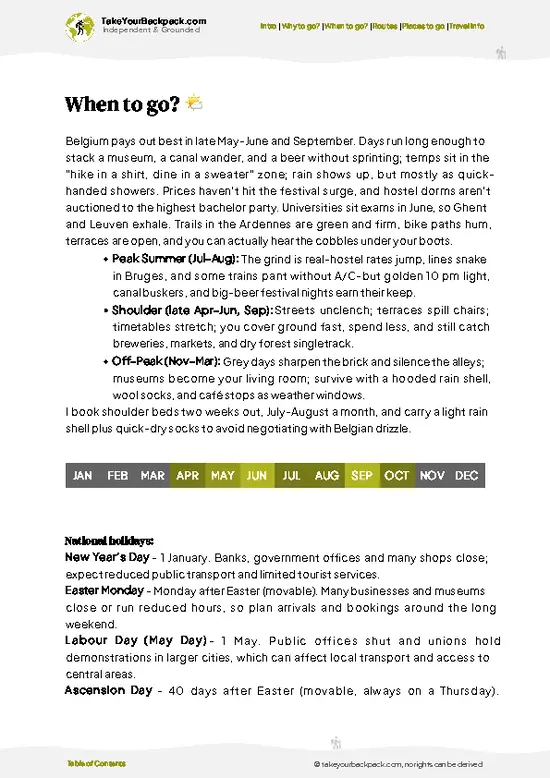
  • Weather: Bruges experiences mild, often damp weather. Summers hover around 17-22°C (63-72°F), perfect for wandering without overheating. Winters dip to 0-5°C (32-41°F), bringing a chill that can dampen outdoor plans but adds a cozy vibe.

  • Temperature: Spring and early autumn offer the sweet spot—comfortable 10-18°C (50-64°F) days, cool evenings. Avoid the extremes: winter’s cold and summer’s occasional humidity and rain.

  • Daylight Hours: Peak daylight stretches from late May to August, with up to 16 hours, maximizing sightseeing time. In winter, expect just 8 hours, which compresses your daily exploration window.

  • Crowds: Summer months (June-August) flood Bruges with tourists, inflating prices and crowding narrow streets. Late spring and early autumn strike a balance—fewer people but
read more 👉

  • Weather: Bruges experiences mild, often damp weather. Summers hover around 17-22°C (63-72°F), perfect for wandering without overheating. Winters dip to 0-5°C (32-41°F), bringing a chill that can dampen outdoor plans but adds a cozy vibe.

  • Temperature: Spring and early autumn offer the sweet spot—comfortable 10-18°C (50-64°F) days, cool evenings. Avoid the extremes: winter’s cold and summer’s occasional humidity and rain.

  • Daylight Hours: Peak daylight stretches from late May to August, with up to 16 hours, maximizing sightseeing time. In winter, expect just 8 hours, which compresses your daily exploration window.

  • Crowds: Summer months (June-August) flood Bruges with tourists, inflating prices and crowding narrow streets. Late spring and early autumn strike a balance—fewer people but still lively energy.

  • Seasonal Activities: Winter brings festive Christmas markets and cozy pubs, but fewer outdoor tours. Spring and autumn host cultural festivals and quieter canal cruises, offering richer local interaction.

  • Price Fluctuations: Peak season spikes accommodation and transport costs. Shoulder seasons (April-May, September-October) deliver better deals without sacrificing much on experience quality.


Pro-tip: Aim for late April to early June or September to early October—these windows blend manageable weather, fewer crowds, and wallet-friendly prices, letting you savor Bruges without the usual tourist chaos.


source: climatestotravel.comJANJanuary: fair for travelingFEBFebruary: fair for travelingMARMarch: good for travelingAPRApril: highly recommended for travelingMAYMay: excellent for travelingJUNJune: highly recommended for travelingJULJuly: good for travelingAUGAugust: good for travelingSEPSeptember: excellent for travelingOCTOctober: highly recommended for travelingNOVNovember: good for travelingDECDecember: fair for traveling
Belgium - Bruges

✈️ The backpacker research shortcutBelgium Travel Guide

An offline-friendly backpacking guide with optimized travel routes, ranked highlights, transport advice, and the best areas to stay.
example page 0 from our offline Travel Guide for Belgium
example page 1 from our offline Travel Guide for Belgium
example page 2 from our offline Travel Guide for Belgium
example page 3 from our offline Travel Guide for Belgium
example page 4 from our offline Travel Guide for Belgium
example page 5 from our offline Travel Guide for Belgium
example page 6 from our offline Travel Guide for Belgium
example page 7 from our offline Travel Guide for Belgium
The digital guide (355 pages) contains:
90 highlights, ranked by travel appeal
Optimized 5, 10 & 15-day travel routes
Cities, national parks, landmarks, beaches
How to get around
Offline-friendly for travel without Wi-Fi
👉 Click to see all 30+ guide features

📅 Plan smarter in minutes, not weeks
Month by month travel advice
Festivals & national holidays
Budget expectations

🗺️ Go to the right places, skip the overrated ones
Honest pros & cons of destinations
Top hikes, parks & viewpoints
Lesser-known places most travelers miss
Clear “worth it vs skip it” guidance

🛏️ Travel smoothly without rookie mistakes
Best areas to stay
Transport systems explained simply
Common scams & safety advice
SIM cards, money & practical tips

🌍 Understand the country, not just visit it
Culture & traditions
52 Essential phrases & customs
Festivals worth planning around
Traveler-friendly historical context
Insights that make places more meaningful

📱 Built for real travel conditions
Fully downloadable PDF
Works completely offline
Optimized for phone use
Useful in remote areas & buses
Everything in one place
Save weeks of stressful planning
Get instant access to your full guide. 30‑day money-back guarantee.


By proceeding you agree to our terms.
Sent to your inbox immediately after payment • 100% Secure Checkout
Best Backpacking Travel Advisor 2025 tourism awardBest Backpacking
Travel Advisor
2025
What others say about Take Your Backpack Guides:
⭐⭐⭐⭐⭐
Fantastic, amazing amount of information!
⭐⭐⭐⭐⭐
My goodness this is amazing, it's what I've been looking for hats off too you!
⭐⭐⭐⭐⭐
I think this is absolutely BRILLIANT
⭐⭐⭐⭐
Very complete and informative. It's still missing places, but I gotta to commend you
⭐⭐⭐⭐⭐
This is truly amazing, thank you, can't wait to explore it with my kids!
⭐⭐⭐⭐⭐
Awesome resource, thank you!
⭐⭐⭐⭐⭐
This is amazing! Can't wait to explore the ones I haven't seen
⭐⭐⭐⭐
I love this! Well done, great idea.
⭐⭐⭐⭐⭐
Thanks for taking the time to make this gem!
⭐⭐⭐⭐⭐
This might be the best website I've ever seen.
⭐⭐⭐⭐⭐
Congratulations, and thank you so much for your work; it's incredibly valuable.
⭐⭐⭐⭐
In all seriousness I think you did a great job pointing out the important spots
⭐⭐⭐⭐⭐
10/10 very good
⭐⭐⭐⭐⭐
As someone who's only just starting to visit regularly this is awesome, thank you.
⭐⭐⭐⭐
Thank you very much! I'm going to visit my dad, it's going to be very useful!
⭐⭐⭐⭐⭐
This is really cool! We'll be travelling for the first time and this definitely come in handy.
⭐⭐⭐⭐⭐
You are now our minister of culture, congratulations 👨‍💼
⭐⭐⭐⭐⭐
Just wanted to tell you that this is a pearl! Going to follow your recommendations.
⭐⭐⭐⭐⭐
This is so cool. I'll definitely be using the resource for my travels soon.
⭐⭐⭐⭐⭐
This is very impressive! Good work.
⭐⭐⭐⭐⭐
This is an amazing and informative site. Very well done!

🛏️ Where to stay?Best areas to stay in Belgium

Bruges is compact, which means your choice of neighborhood isn’t about dodging long commutes but about dialing in the vibe and budget. For backpackers, the sweet spot is the area just outside the medieval city center, especially around the Sint-Jakobs district and the outskirts of the Markt square. This zone strikes a balance between accessibility and affordability. You’re close enough to the main sights to walk, but far enough to avoid the tourist crush that spikes prices and kills the local feel.

This area is a magnet for solo travelers and budget backpackers because it hosts a cluster of hostels … read more 👉
Bruges is compact, which means your choice of neighborhood isn’t about dodging long commutes but about dialing in the vibe and budget. For backpackers, the sweet spot is the area just outside the medieval city center, especially around the Sint-Jakobs district and the outskirts of the Markt square. This zone strikes a balance between accessibility and affordability. You’re close enough to the main sights to walk, but far enough to avoid the tourist crush that spikes prices and kills the local feel.

This area is a magnet for solo travelers and budget backpackers because it hosts a cluster of hostels and budget guesthouses. The vibe here is social without being overwhelming—think communal lounges, shared kitchens, and a steady flow of fellow travelers swapping tips over cheap beers. Safety is solid; Bruges is generally low-crime, but this neighborhood’s steady foot traffic and well-lit streets add an extra layer of comfort for solo adventurers.

Contrast this with the city center, where prices jump and the atmosphere leans more toward day-trippers and upscale tourists. Or the quieter residential zones, which are peaceful but isolate you from the social pulse. Choosing the Sint-Jakobs edge means you’re not just saving money—you’re plugging into the backpacker network, making your stay both economical and rich in connection. That’s the kind of trade-off that turns a trip from a checklist into a story.

🚌 Getting aroundHow to get from A to B

Bruges moves at its own pace—less a frantic rush, more a deliberate dance between cobblestone streets and canals. It’s a city where schedules exist but bend to the rhythm of tourists and locals alike. You won’t find the relentless precision of a metropolis like London or Tokyo here. Instead, Bruges offers a blend of predictable transit and charming unpredictability. This means your choices between time, money, and comfort aren’t just about logistics—they’re about tuning into the city’s pulse and deciding how you want to experience it. The trade-off map here is simple but crucial: save money by walking and soaking in every detail, or spend a bit more for speed and ease, knowing you’re buying back precious time for the sights that matter most.


  • Walking: The ultimate budget option and the
read more 👉
Bruges moves at its own pace—less a frantic rush, more a deliberate dance between cobblestone streets and canals. It’s a city where schedules exist but bend to the rhythm of tourists and locals alike. You won’t find the relentless precision of a metropolis like London or Tokyo here. Instead, Bruges offers a blend of predictable transit and charming unpredictability. This means your choices between time, money, and comfort aren’t just about logistics—they’re about tuning into the city’s pulse and deciding how you want to experience it. The trade-off map here is simple but crucial: save money by walking and soaking in every detail, or spend a bit more for speed and ease, knowing you’re buying back precious time for the sights that matter most.


  • Walking: The ultimate budget option and the best way to absorb Bruges’ medieval charm. Nearly everything in the city center is within a 20-minute stroll. Zero cost, full control over your pace, and the freedom to detour down any alley or canal bank that catches your eye. The trade-off? It’s slower and can be tiring if you’re covering long distances or carrying heavy gear.


  • De Lijn Bus: Bruges’ public bus system is reliable and affordable, with tickets costing around €3 for a single ride. Buses run roughly from 6:00 AM to 11:00 PM, connecting the outskirts and train station to the city center. It’s a solid balance of speed and cost, but buses can be cramped during peak tourist hours and don’t always run on a tight schedule, so expect some waiting.


  • Bicycle Rental: Renting a bike costs about €10-€15 per day and offers a sweet spot between walking and motorized transport. Bruges is flat and bike-friendly, letting you cover more ground quickly without the hassle of parking or traffic jams. Comfort depends on the bike’s condition, and you’ll need to be comfortable navigating narrow streets and occasional cobblestones.


  • Taxi or Ride-Sharing: The fastest and most comfortable option, but also the priciest. A short ride within the city center can easily hit €10-€15, with more for airport transfers. Useful if you’re pressed for time or traveling with heavy luggage, but not ideal for budget travelers who want to stretch their euros.


  • Boat Tours: While not a transit option per se, boat tours along Bruges’ canals offer a unique perspective and a break from walking. Prices start around €10-€15 for a 30-minute ride. It’s a splurge on comfort and experience rather than efficiency, perfect for a midday rest or a scenic detour.


Understanding these options lets you play the game of Bruges travel smartly. Walk when you want to savor the city’s texture, hop on a bus or bike to save time without breaking the bank, and reserve taxis or boats for moments when comfort or a fresh angle on the city is worth the extra spend. Your trip’s flow depends on how you mix these modes—each choice a deliberate move in the chess match of time, money, and comfort.

👛 Costs (as of 9 January 2026)Typical daily expenses

Backpacking in Bruges means balancing charm with cost, and knowing exactly where your euros go turns the trip into a strategic win.
  • Dorm Accommodation (High Season): Expect to pay around €30 to €45 per night in popular hostels during peak months (spring to early fall). These spots fill fast, so prices reflect demand and central location convenience.
  • Dorm Accommodation (Off-Season): Drop to about €20 to €30 per night when the crowds thin out in late fall and winter. You’ll get quieter dorms and sometimes extra perks like free breakfast or common area access.
  • Meals: Budget roughly €10 to €20 daily if you mix supermarket snacks, street food, and occasional sit-down meals. Bruges has plenty of affordable frites stands and bakeries, which keep hunger at bay without breaking the bank.
  • Local
read more 👉
Backpacking in Bruges means balancing charm with cost, and knowing exactly where your euros go turns the trip into a strategic win.
  • Dorm Accommodation (High Season): Expect to pay around €30 to €45 per night in popular hostels during peak months (spring to early fall). These spots fill fast, so prices reflect demand and central location convenience.
  • Dorm Accommodation (Off-Season): Drop to about €20 to €30 per night when the crowds thin out in late fall and winter. You’ll get quieter dorms and sometimes extra perks like free breakfast or common area access.
  • Meals: Budget roughly €10 to €20 daily if you mix supermarket snacks, street food, and occasional sit-down meals. Bruges has plenty of affordable frites stands and bakeries, which keep hunger at bay without breaking the bank.
  • Local Transport: Bruges is compact, so walking covers most ground. If needed, single bus rides cost about €3, but many sights are within a 20-minute stroll.
  • City Transport Pass: A day pass for buses runs around €6, useful if you plan multiple trips or want to save time on longer routes.
  • Basic Activities/Entry Fees: Museums and attractions typically charge €8 to €15. Prioritize a few key spots like the Belfry or Groeningemuseum to keep costs manageable while soaking in Bruges’ history.
  • Miscellaneous Expenses: Factor in about €5 to €10 for essentials like bottled water, occasional coffee, or small souvenirs. These little extras add up but keep your experience smooth.

A realistic daily budget for backpacking in Bruges lands between €50 and €85. This range covers the essentials without skimping on comfort or experiences. Knowing when to book and where to eat lets you stretch your euros further, turning Bruges from a pricey postcard into a savvy traveler’s playground.


source: visitbruges.be
⚠️ Prices can change and everyone travels differently, so take this as a rough guide. Hope it helps you plan your adventure!

🚌 Day tripsEasy escapes and nearby places

Bruges is a fantastic launchpad for day trips that blend culture, history, and a touch of adventure. Let’s dive into some options that will enrich your experience without draining your wallet.

Ghent
Just a 30-minute train ride from Bruges, Ghent is a vibrant mix of medieval architecture and modern life. The Gravensteen Castle is a must-see, offering a glimpse into the city’s feudal past. Stroll along the canals and grab a bite at one of the many local eateries. The best part? You can easily explore on foot, soaking in the lively atmosphere. Aim for a weekday visit to avoid the weekend crowds. Total cost? Around €10 for the train and a meal.
👉 Explore Ghent

Brussels
In about an hour, you can be in Belgium’s capital, Brussels. While it’s known for its grand squares and chocolate shops, … read more 👉
Bruges is a fantastic launchpad for day trips that blend culture, history, and a touch of adventure. Let’s dive into some options that will enrich your experience without draining your wallet.

Ghent
Just a 30-minute train ride from Bruges, Ghent is a vibrant mix of medieval architecture and modern life. The Gravensteen Castle is a must-see, offering a glimpse into the city’s feudal past. Stroll along the canals and grab a bite at one of the many local eateries. The best part? You can easily explore on foot, soaking in the lively atmosphere. Aim for a weekday visit to avoid the weekend crowds. Total cost? Around €10 for the train and a meal.
👉 Explore Ghent

Brussels
In about an hour, you can be in Belgium’s capital, Brussels. While it’s known for its grand squares and chocolate shops, don’t miss the quirky Atomium and the stunning Art Nouveau architecture. The city is a bit pricier, so budget around €15 for the train and €20 for lunch. Weekdays are ideal for a less hectic experience. A common rookie mistake is sticking only to the tourist traps; venture into the neighborhoods for authentic eats.
👉 Explore Brussels

Ostend
If you crave a seaside escape, Ostend is just 15 minutes away by train. This coastal city offers a refreshing beach vibe, perfect for a sunny day. Walk along the promenade, indulge in fresh seafood, or simply relax by the water. The total cost is minimal—about €5 for the train and a few euros for a snack. Summer is peak season, but spring and early fall can be equally enjoyable without the crowds. Don’t forget your sunscreen!
👉 Explore Ostend

Ypres
For a more somber yet enriching experience, Ypres is about 1.5 hours from Bruges. This town is steeped in World War I history, with the Menin Gate and the In Flanders Fields Museum. It’s a powerful reminder of the past, and the memorial ceremonies are moving. Expect to spend around €15 for the train and €10 for lunch. Visit in the spring or fall for milder weather and fewer tourists. A common oversight is underestimating the emotional weight of the sites; take your time to reflect.
👉 Explore Ypres

Mechelen
A hidden treasure, Mechelen is just 50 minutes away. This charming town boasts stunning churches and a relaxed vibe. The St. Rumbold’s Cathedral is a highlight, and you can climb its tower for panoramic views. Budget about €12 for the train and €15 for food. Spring is lovely here, with blooming flowers adding to the charm. First-timers often miss the local cafes; don’t skip them for a true taste of Belgian life.
👉 Explore Mechelen
Want to know what more Belgium offers?
The Belgium Travel Guide describes 90 highlights, from cities to national parks, from beaches to hikes

Get the Travel Guide -

🍲 FoodEating & Drinking in Bruges

Bruges is a culinary playground, where every bite tells a story and every sip is steeped in tradition. The local cuisine is a delightful mix of hearty flavors and rich history, making it a must-explore for any backpacker.

Start with moules-frites—mussels served with crispy fries. You’ll find this dish in many casual eateries. The mussels are plump and flavorful, often steamed in a broth of white wine, garlic, and herbs. Pair it with a local beer, like a Brugse Zot, and you’re in for a treat. Expect to pay around €15-20 for a satisfying meal, which is reasonable given the quality.

Don’t miss out on stoofvlees, a Flemish beef stew simmered in dark beer. It’s comfort food at its finest, served with fries or bread. You can find it at cozy bistros or even some food stalls during local markets. … read more 👉
Bruges is a culinary playground, where every bite tells a story and every sip is steeped in tradition. The local cuisine is a delightful mix of hearty flavors and rich history, making it a must-explore for any backpacker.

Start with moules-frites—mussels served with crispy fries. You’ll find this dish in many casual eateries. The mussels are plump and flavorful, often steamed in a broth of white wine, garlic, and herbs. Pair it with a local beer, like a Brugse Zot, and you’re in for a treat. Expect to pay around €15-20 for a satisfying meal, which is reasonable given the quality.

Don’t miss out on stoofvlees, a Flemish beef stew simmered in dark beer. It’s comfort food at its finest, served with fries or bread. You can find it at cozy bistros or even some food stalls during local markets. Prices hover around €12-18, making it a solid choice for a filling meal without breaking the bank.

For a sweet finish, indulge in Belgian waffles. They’re not just breakfast; they’re a snack, dessert, or any-time treat. Street vendors serve them hot, topped with whipped cream, strawberries, or even chocolate. A waffle will set you back about €3-5, and trust me, it’s worth every cent.

When it comes to drinks, Bruges is a beer lover’s paradise. The city boasts a plethora of local breweries. Try a Trappist beer—these are brewed by monks and have a unique depth of flavor. Bars like De Garre offer a vast selection, and the atmosphere is perfect for mingling with locals and fellow travelers. Expect to pay around €4-6 for a pint, which is a fair price for such quality.

Eating customs here are relaxed but have their quirks. It’s common to share dishes, especially when trying multiple items. Don’t hesitate to order a few things and pass them around the table. This communal style enhances the experience and lets you sample more of Bruges’ culinary offerings.

Timing is key. Lunchtime can be busy, especially on weekends, so aim for a late lunch around 2 PM to snag a table without a wait. Dinner is typically served later, around 7 PM, which gives you time to explore the beautiful canals before settling in for a meal.

One practical tip: always ask for recommendations. Locals love to share their favorites, and you might stumble upon a dish or drink you wouldn’t have considered otherwise.

In Bruges, food and drink are not just sustenance; they’re a way to connect with the culture. Embrace the flavors, share your meals, and savor the moments. Each bite is a step deeper into the heart of this enchanting city.

🛡️ SafetyTraveler Safety Guide

Bruges is generally a safe haven for backpackers, but like any city, it has its quirks. The cobblestone streets and picturesque canals can lull you into a sense of security, but a few practical tips will keep you sharp.

First, be mindful in crowded areas, especially around the Markt and the Belfry. Pickpockets can be a nuisance, particularly during peak tourist seasons. Keep your valuables close—front pockets or a money belt work wonders. If you’re carrying a backpack, consider using a lock or at least keeping it zipped and in sight.

Solo travelers should feel comfortable wandering Bruges, even at night. The city is well-lit and the locals are friendly. However, stick to well-trafficked areas after dark. The quieter backstreets can be charming but also a bit eerie when you’re alone. Trust … read more 👉
Bruges is generally a safe haven for backpackers, but like any city, it has its quirks. The cobblestone streets and picturesque canals can lull you into a sense of security, but a few practical tips will keep you sharp.

First, be mindful in crowded areas, especially around the Markt and the Belfry. Pickpockets can be a nuisance, particularly during peak tourist seasons. Keep your valuables close—front pockets or a money belt work wonders. If you’re carrying a backpack, consider using a lock or at least keeping it zipped and in sight.

Solo travelers should feel comfortable wandering Bruges, even at night. The city is well-lit and the locals are friendly. However, stick to well-trafficked areas after dark. The quieter backstreets can be charming but also a bit eerie when you’re alone. Trust your instincts; if a street feels off, take a different route.

As for scams, they’re not rampant, but a few common ones do pop up. Be cautious of overly friendly strangers offering unsolicited help or trying to engage you in conversation about “lost” items. They may be fishing for a distraction while an accomplice works on your belongings. If someone approaches you with a sob story, it’s best to keep moving.

Annoyances can include the occasional aggressive street performer or overly persistent souvenir sellers. A polite “no, thank you” usually suffices. Bruges thrives on its charm, but that charm can sometimes come with a side of hustle.

Overall, stay aware, keep your belongings secure, and embrace the city’s beauty. With a little mindfulness, you’ll navigate Bruges like a pro, soaking in the experience without unnecessary stress.

Other Belgian cities near Bruges

Explore more nearby:

  • Ostend—North Sea beaches, seafood stalls, art museums| 22 km away
  • Ghent—student bars, riverside quays, fortress views| 39 km away
  • Antwerp—fashion district, diamond quarter, port skyline| 83 km away

💡 Not sure where to go next?
Create a personalized itinerary for Belgium including Bruges and the places that fit your trip.

Generate my itinerary

👉 Discover all cities

Or checkout all Belgium has to offer (think cities, towns, villages, national parks, hikes, beaches, festivals)
Country photo of Belgium

We 💚 feedbackFinal thoughts on visiting Bruges

Bruges is like stepping into a medieval painting, with its canals and cobblestone streets whispering stories of the past. The charm is palpable, especially when you indulge in a local chocolate shop or sip a Trappist beer by the water. But here’s the catch: it can feel tourist-heavy, especially in peak season. If you’re after that authentic vibe, aim for the shoulder months. It’s a balancing act, but worth every moment.

✈️ When did I visit Belgium?
Belgium being my neighbour country, I have visited it many times, mainly for weekend city trips.

✍️ Help improve this page!
The information on this page is based on my own backpacking experience in Belgium, supplemented with up-to-date research and feedback from other travelers. Travel details can change, so if you notice anything outdated or incomplete, feel free to let me know.


🙋‍♂️ Give feedback

👋 Meet the founderWho’s Behind Take Your Backpack?

Johan, backpacker and founder of TakeYourBackpackHi, I’m Johan (Netherlands 🇳🇱), the creator of TakeYourBackpack. Over the past decade, I’ve backpacked through 80+ countries across six continents, gaining extensive experience with independent travel, long-term trips, and overland routes.

This site is built on a combination of firsthand travel experience and carefully curated insights from other backpackers. Many guides are based on places I’ve personally visited, while others bring together tips, observations, and practical advice shared by trusted travelers I’ve met along the way.

The goal is to provide realistic, experience-driven guidance — not generic itineraries — so you can explore destinations with better context, clearer expectations, and more confidence.

Get full Belgium guide •
Instant download • 90 highlights • Full Offline guide