×
Ghent

Belgium🇧🇪 | citiesGhentstudent bars, riverside quays, fortress views | things to do and best time to go

Explore BrusselsExplore Leuven

Backpacking in Ghent
🌟 Highlightcity ranked #3
By Johan Kruseman 🇳🇱 | Updated June 17, 2026

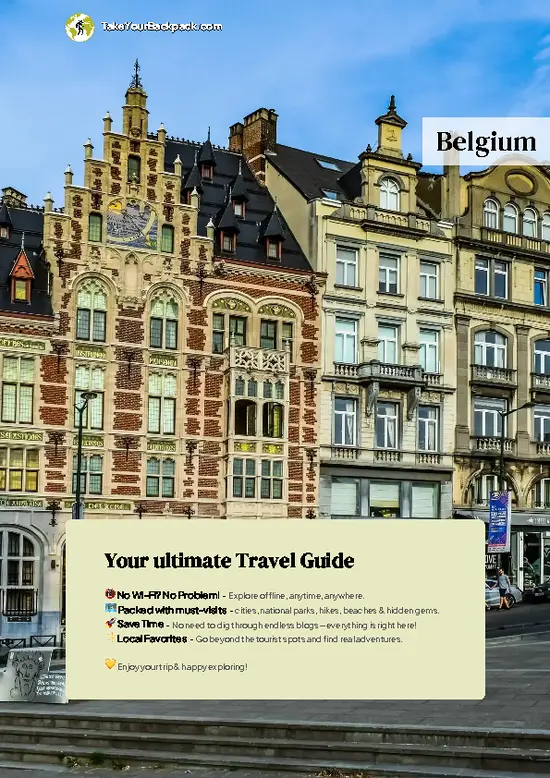
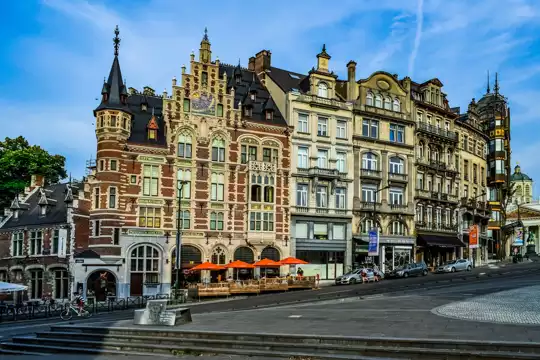
Everyone talks about Ghent’s postcard canal views, but the real reason it hooks backpackers is the feeling that you’ve hacked Belgium: big-city culture, small-city stress levels, and prices that don’t punch like Brussels. Ghent sits in northwest Belgium, roughly halfway between Brussels and Bruges, and it feels like the clever middle choice between the two. You get a hulking medieval castle, a skyline of guild houses and church towers, and street art tunnels that smell faintly of spray paint and fries. It’s easy to reach by train, walkable, and safe enough that late walks home from the Overpoort nightlife strip feel more about dodging bikes than danger. It’s cheaper and less choreographed than Bruges, but more atmospheric than Brussels after dark. Social hostels and a big student population make meeting people simple, though if you crave chaos, Ghent can feel almost too relaxed.

Discover everything you want to know in the 📖 Belgium Travel Guide.


Get your Belgium guide
90 ranked highlights, routes & tips, works offline (355 pages)
Loading the map 🌍
CLICK TO FILTER
cities
towns
landmarks
national parks
hikes
beaches
attractions
festivals
regions
SHOW COUNTRY’S BESTSHOW ALL

✨ Why go?
Ranked #3 city in Belgium
What sets this place apart

Ghent is a backpacker’s playground that strikes a balance between affordability and experience. It’s not just a stopover; it’s a basecamp for adventure. The city’s walkability makes it easy to explore on foot, allowing you to soak in the charming architecture and vibrant street life without burning through your budget on transport.

You’ll find a range of hostels that cater to different vibes, from social hubs to quieter retreats, ensuring you can recharge without breaking the bank. When it comes to food, Ghent offers everything from street snacks to cozy cafes, so you can indulge without guilt.

The nightlife is lively yet laid-back, perfect for unwinding after a day of exploration. Plus, Ghent’s location is strategic for day trips to nearby cities like Bruges and Antwerp, making it a smart … read more 👉
Ghent is a backpacker’s playground that strikes a balance between affordability and experience. It’s not just a stopover; it’s a basecamp for adventure. The city’s walkability makes it easy to explore on foot, allowing you to soak in the charming architecture and vibrant street life without burning through your budget on transport.

You’ll find a range of hostels that cater to different vibes, from social hubs to quieter retreats, ensuring you can recharge without breaking the bank. When it comes to food, Ghent offers everything from street snacks to cozy cafes, so you can indulge without guilt.

The nightlife is lively yet laid-back, perfect for unwinding after a day of exploration. Plus, Ghent’s location is strategic for day trips to nearby cities like Bruges and Antwerp, making it a smart choice for those looking to maximize their time.

In short, Ghent is a city that rewards you for staying a little longer. It’s not just about ticking boxes; it’s about immersing yourself in a place that feels both authentic and accessible.
Want to include Ghent in your Belgium route?
Create a personalized Belgium itinerary that includes Ghent and the places that fit your trip — based on your travel style, budget, and available time. Get your route in seconds.

Generate my trip

💡 HighlightsThe experiences that define the visit

  • Gravensteen (Castle of the Counts) — A real medieval fortress right in the city center: walk the battlements, explore the keep and the small arms/torture exhibits, and get a strong sense of Ghent’s feudal past with great views over the old town.
  • Sint-Baafskathedraal (Saint Bavo’s Cathedral) — Home of the original Van Eyck Ghent Altarpiece; the cathedral’s art, layered architecture and quiet chapels reward a proper visit rather than a quick snap outside.
  • Belfort van Gent (Belfry of Ghent) — Climb (or take the elevator) up this UNESCO-heritage tower for sweeping city panoramas and to see the medieval dragon weathervane and the historic carillon in action.
  • Graslei & Korenlei — The photogenic twin quays on the Leie river: beautifully preserved guild houses, cafés with terrace seats, and an
read more 👉
  • Gravensteen (Castle of the Counts) — A real medieval fortress right in the city center: walk the battlements, explore the keep and the small arms/torture exhibits, and get a strong sense of Ghent’s feudal past with great views over the old town.
  • Sint-Baafskathedraal (Saint Bavo’s Cathedral) — Home of the original Van Eyck Ghent Altarpiece; the cathedral’s art, layered architecture and quiet chapels reward a proper visit rather than a quick snap outside.
  • Belfort van Gent (Belfry of Ghent) — Climb (or take the elevator) up this UNESCO-heritage tower for sweeping city panoramas and to see the medieval dragon weathervane and the historic carillon in action.
  • Graslei & Korenlei — The photogenic twin quays on the Leie river: beautifully preserved guild houses, cafés with terrace seats, and an unbeatable place for a late-afternoon stroll or a canal-side beer.
  • Patershol — A compact medieval neighborhood of narrow streets and cobbled squares; best for wandering, boutique-bars, and tasting classic Flemish cooking in a neighborhood that still feels lived-in.
  • STAM — Ghent City Museum — Smart, hands-on museum that tells Ghent’s story clearly: models, maps and multimedia make it easy to understand how the city grew and why its layers matter.
  • SMAK (Museum of Contemporary Art) — Rough-around-the-edges modern art housed next to Citadelpark; the collection and rotating shows are great if you want something challenging or surprising after the medieval sights.
  • Werregarenstraat (Graffiti Street) — A legal, ever-changing outdoor gallery: alley-length street art that’s a lively contrast to Ghent’s historic core and a good spot for photojournal-style shots.
  • Huis van Alijn (Museum of Everyday Life) — Charming, human-scale museum focused on daily Flemish life across the 20th century — small exhibits, evocative objects and a lovely tearoom for a slow, local-feel visit.
  • Het Vleeshuis (Great Butchers’ Hall) — A striking medieval guild hall still used for concerts and exhibitions; the timber-and-brick interior and occasional food/music events connect history to present-day Ghent culture.
A few nearby day-trip highlights: the medieval canals of Bruges (25-30 min by train), the riverside Castle of Laarne (about 20-30 min by car/bus), and the Belgian coast at Ostend are all easily reachable from Ghent.
Spotted a mistake or missing something? Contact us.

Things to do in Ghent

Ratings based on Tripadvisor reviews. When you book through this link, you support our work at no extra cost to you.

🏘️ NeighborhoodsHow different areas shape the experience

Ghent is a backpacker’s playground, blending history with a youthful energy. Each neighborhood offers a unique flavor, so let’s break down where to stay based on what you value most.

Graslei and Korenlei: This picturesque area along the river is the heart of Ghent. It’s perfect for short stays, with plenty of cafes and bars. The vibe is lively, especially at night, but it can get touristy. Expect higher prices here, but the views are worth it. Walkability is top-notch, making it easy to explore nearby attractions.

Patershol: A charming maze of cobblestone streets, Patershol is quieter and more intimate. Ideal for longer stays, it offers a mix of cozy restaurants and local shops. Prices are moderate, and the ambiance is perfect for those seeking a more laid-back experience. It’s still walkable, … read more 👉
Ghent is a backpacker’s playground, blending history with a youthful energy. Each neighborhood offers a unique flavor, so let’s break down where to stay based on what you value most.

Graslei and Korenlei: This picturesque area along the river is the heart of Ghent. It’s perfect for short stays, with plenty of cafes and bars. The vibe is lively, especially at night, but it can get touristy. Expect higher prices here, but the views are worth it. Walkability is top-notch, making it easy to explore nearby attractions.

Patershol: A charming maze of cobblestone streets, Patershol is quieter and more intimate. Ideal for longer stays, it offers a mix of cozy restaurants and local shops. Prices are moderate, and the ambiance is perfect for those seeking a more laid-back experience. It’s still walkable, but you might want to budget a bit more time to wander.

St. Peter’s Square: This area is home to the stunning St. Peter’s Abbey and is a bit off the beaten path. It’s great for budget travelers, with affordable hostels and eateries. The vibe is relaxed, making it suitable for longer stays. Public transport access is decent, but you’ll want to walk to soak in the local atmosphere.

City Center: Bustling and vibrant, the City Center is where you’ll find shopping and nightlife. It’s perfect for those who thrive on energy and excitement. Prices can vary widely, but you can find budget options if you look. Walkability is excellent, and it’s a hub for public transport, making it easy to explore further afield.

⌛️ 1 daySeeing the highlights in 24 hours

Ghent is a city that dances between medieval charm and modern vibrancy. With its winding canals, stunning architecture, and a lively arts scene, it’s a place where history feels alive. You can easily spend a day here, soaking in the sights and flavors without feeling rushed.

Start your morning in the historic center, where the Gravensteen Castle looms large. This medieval fortress is a must-see, offering a glimpse into the city’s past. Climb to the top for a panoramic view that makes you appreciate Ghent’s layout—canals crisscrossing through the city like veins. Afterward, stroll over to the nearby St. Bavo’s Cathedral. The famous altarpiece, the Adoration of the Mystic Lamb, is a masterpiece that’s worth your time. Grab a coffee at a local café, like Café Labath, where the baristas are passionate … read more 👉
Ghent is a city that dances between medieval charm and modern vibrancy. With its winding canals, stunning architecture, and a lively arts scene, it’s a place where history feels alive. You can easily spend a day here, soaking in the sights and flavors without feeling rushed.

Start your morning in the historic center, where the Gravensteen Castle looms large. This medieval fortress is a must-see, offering a glimpse into the city’s past. Climb to the top for a panoramic view that makes you appreciate Ghent’s layout—canals crisscrossing through the city like veins. Afterward, stroll over to the nearby St. Bavo’s Cathedral. The famous altarpiece, the Adoration of the Mystic Lamb, is a masterpiece that’s worth your time. Grab a coffee at a local café, like Café Labath, where the baristas are passionate about their brews.

In the afternoon, head to the Patershol neighborhood. This area is a maze of cobblestone streets lined with quaint restaurants and shops. It’s less touristy, giving you a chance to mingle with locals. Stop by the Museum of Fine Arts for a dose of culture, or simply wander the streets, soaking in the atmosphere. If you’re feeling adventurous, check out the hidden gem of the Muinkpark, a serene park where you can relax and people-watch.

As evening falls, make your way to the vibrant Graslei and Korenlei. These picturesque streets along the river are perfect for a leisurely dinner. Try De Graslei for traditional Flemish dishes. The ambiance here is electric, especially as the sun sets and the buildings reflect in the water.

By the end of the day, you’ll have tasted the essence of Ghent—its history, its art, and its local life—all while making choices that balance time, money, and comfort. Each decision you make adds to the richness of your experience, turning a simple day into something memorable.
Turn your Ghent visit into an Belgium adventure
Build a complete Belgium route with Ghent, hidden gems, must-see destinations, and realistic travel times included.

Generate my trip

🌤️ When to go?Best time to visit Ghent


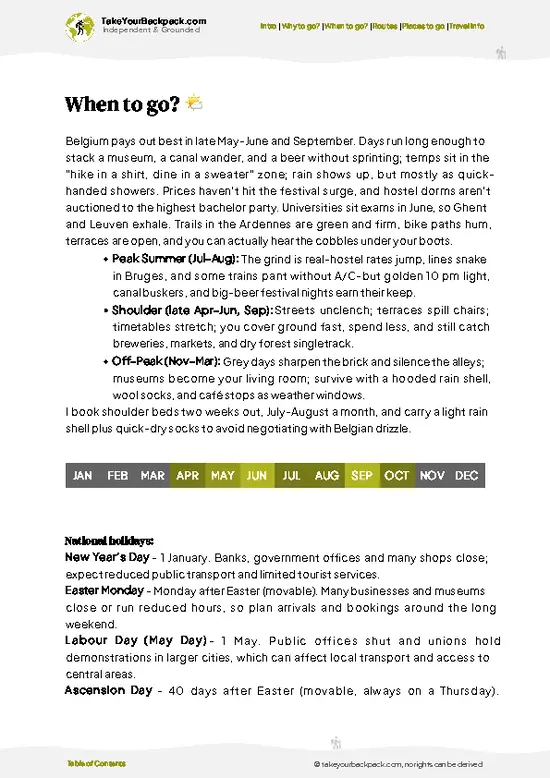
  • Weather: Ghent’s climate leans toward mild but unpredictable. Spring and early autumn offer the best balance—expect temperatures around 12-18°C (54-64°F) with less rain than winter. Summers can be warm, 20-25°C (68-77°F), but occasional showers disrupt plans.

  • Temperature: Winters hover near freezing, 0-5°C (32-41°F), which can make wandering the cobblestone streets less appealing. Late spring and early fall provide comfortable walking weather without the stifling heat or biting cold.

  • Daylight Hours: Long summer days stretch to 16 hours, maximizing sightseeing time. Winter days shrink to about 8 hours, limiting exploration but offering cozy evenings in cafes.

  • Crowds: Peak tourist season hits June through August, swelling Ghent’s historic center with day-trippers and festival-goers.
read more 👉

  • Weather: Ghent’s climate leans toward mild but unpredictable. Spring and early autumn offer the best balance—expect temperatures around 12-18°C (54-64°F) with less rain than winter. Summers can be warm, 20-25°C (68-77°F), but occasional showers disrupt plans.

  • Temperature: Winters hover near freezing, 0-5°C (32-41°F), which can make wandering the cobblestone streets less appealing. Late spring and early fall provide comfortable walking weather without the stifling heat or biting cold.

  • Daylight Hours: Long summer days stretch to 16 hours, maximizing sightseeing time. Winter days shrink to about 8 hours, limiting exploration but offering cozy evenings in cafes.

  • Crowds: Peak tourist season hits June through August, swelling Ghent’s historic center with day-trippers and festival-goers. Shoulder seasons—April-May and September-October—offer quieter streets and more authentic local vibes.

  • Seasonal Activities: Summer festivals like Gentse Feesten flood the city with energy but also spike prices and crowds. Autumn brings harvest markets and fewer tourists, perfect for those who want culture without chaos.

  • Price Fluctuations: Accommodation and flights peak in summer, often doubling compared to off-season. Booking in shoulder seasons can save you 20-40%, giving you more budget for experiences.


Pro-tip: Aim for late April or early October—Ghent feels alive but manageable, with pleasant weather, fewer crowds, and wallet-friendly prices. You’ll experience the city’s soul without the tourist traffic jam.


source: climatestotravel.comJANJanuary: fair for travelingFEBFebruary: fair for travelingMARMarch: good for travelingAPRApril: highly recommended for travelingMAYMay: highly recommended for travelingJUNJune: good for travelingJULJuly: good for travelingAUGAugust: good for travelingSEPSeptember: highly recommended for travelingOCTOctober: highly recommended for travelingNOVNovember: fair for travelingDECDecember: fair for traveling
Belgium - Ghent

✈️ The backpacker research shortcutBelgium Travel Guide

An offline-friendly backpacking guide with optimized travel routes, ranked highlights, transport advice, and the best areas to stay.
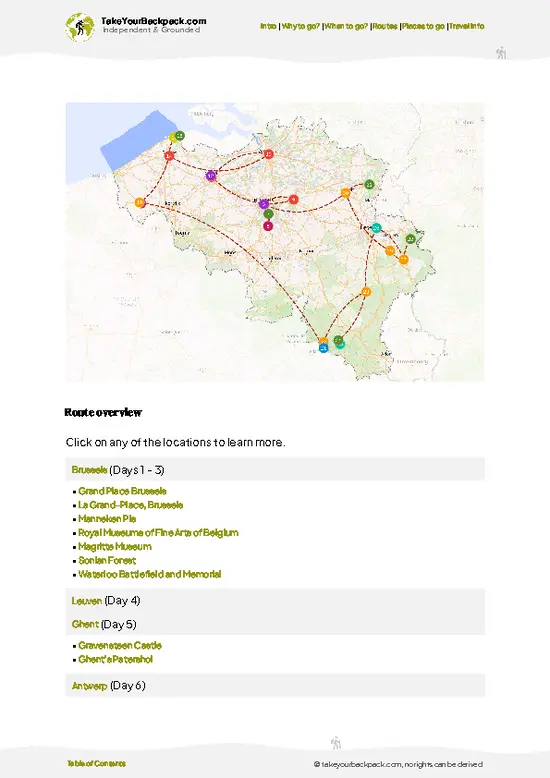
example page 0 from our offline Travel Guide for Belgium
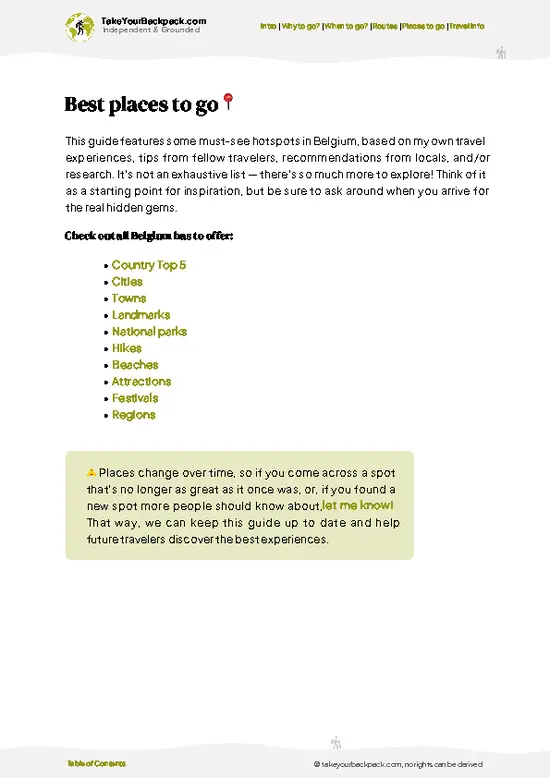
example page 1 from our offline Travel Guide for Belgium
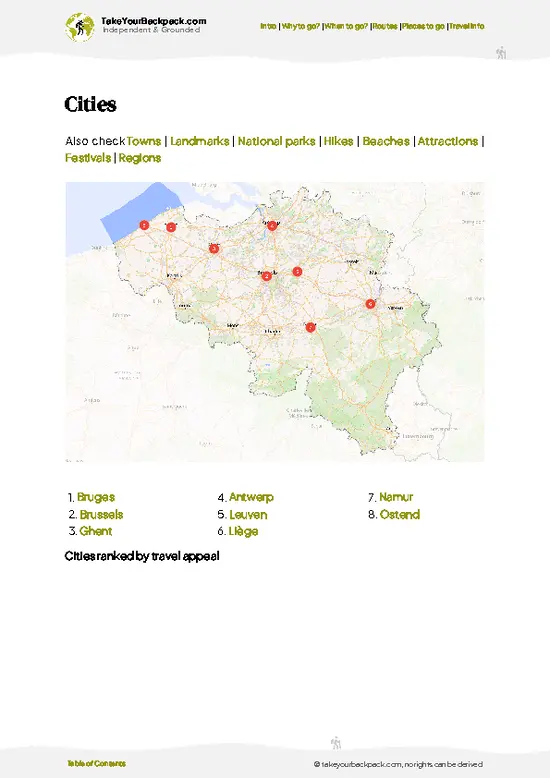
example page 2 from our offline Travel Guide for Belgium
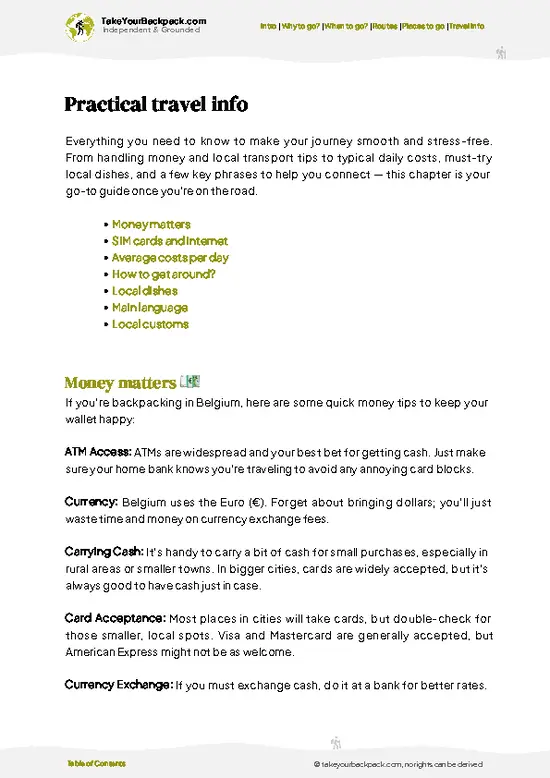
example page 3 from our offline Travel Guide for Belgium
example page 4 from our offline Travel Guide for Belgium
example page 5 from our offline Travel Guide for Belgium
example page 6 from our offline Travel Guide for Belgium
example page 7 from our offline Travel Guide for Belgium
The digital guide (355 pages) contains:
90 highlights, ranked by travel appeal
Optimized 5, 10 & 15-day travel routes
Cities, national parks, landmarks, beaches
How to get around
Offline-friendly for travel without Wi-Fi
👉 Click to see all 30+ guide features

📅 Plan smarter in minutes, not weeks
Month by month travel advice
Festivals & national holidays
Budget expectations

🗺️ Go to the right places, skip the overrated ones
Honest pros & cons of destinations
Top hikes, parks & viewpoints
Lesser-known places most travelers miss
Clear “worth it vs skip it” guidance

🛏️ Travel smoothly without rookie mistakes
Best areas to stay
Transport systems explained simply
Common scams & safety advice
SIM cards, money & practical tips

🌍 Understand the country, not just visit it
Culture & traditions
52 Essential phrases & customs
Festivals worth planning around
Traveler-friendly historical context
Insights that make places more meaningful

📱 Built for real travel conditions
Fully downloadable PDF
Works completely offline
Optimized for phone use
Useful in remote areas & buses
Everything in one place
Save weeks of stressful planning
Get instant access to your full guide. 30‑day money-back guarantee.


By proceeding you agree to our terms.
Sent to your inbox immediately after payment • 100% Secure Checkout
Best Backpacking Travel Advisor 2025 tourism awardBest Backpacking
Travel Advisor
2025
What others say about Take Your Backpack Guides:
⭐⭐⭐⭐⭐
Fantastic, amazing amount of information!
⭐⭐⭐⭐⭐
My goodness this is amazing, it's what I've been looking for hats off too you!
⭐⭐⭐⭐⭐
I think this is absolutely BRILLIANT
⭐⭐⭐⭐
Very complete and informative. It's still missing places, but I gotta to commend you
⭐⭐⭐⭐⭐
This is truly amazing, thank you, can't wait to explore it with my kids!
⭐⭐⭐⭐⭐
Awesome resource, thank you!
⭐⭐⭐⭐⭐
This is amazing! Can't wait to explore the ones I haven't seen
⭐⭐⭐⭐
I love this! Well done, great idea.
⭐⭐⭐⭐⭐
Thanks for taking the time to make this gem!
⭐⭐⭐⭐⭐
This might be the best website I've ever seen.
⭐⭐⭐⭐⭐
Congratulations, and thank you so much for your work; it's incredibly valuable.
⭐⭐⭐⭐
In all seriousness I think you did a great job pointing out the important spots
⭐⭐⭐⭐⭐
10/10 very good
⭐⭐⭐⭐⭐
As someone who's only just starting to visit regularly this is awesome, thank you.
⭐⭐⭐⭐
Thank you very much! I'm going to visit my dad, it's going to be very useful!
⭐⭐⭐⭐⭐
This is really cool! We'll be travelling for the first time and this definitely come in handy.
⭐⭐⭐⭐⭐
You are now our minister of culture, congratulations 👨‍💼
⭐⭐⭐⭐⭐
Just wanted to tell you that this is a pearl! Going to follow your recommendations.
⭐⭐⭐⭐⭐
This is so cool. I'll definitely be using the resource for my travels soon.
⭐⭐⭐⭐⭐
This is very impressive! Good work.
⭐⭐⭐⭐⭐
This is an amazing and informative site. Very well done!

🛏️ Where to stay?Best areas to stay in Belgium

Ghent’s best backpacker zones cluster around the city center, where safety, social buzz, and budget options intersect neatly. The area around the Old Town—especially near the Graslei and Korenlei quays—offers a sweet spot. It’s walkable, packed with lively cafés and bars, and has a steady flow of fellow travelers. You’re not just close to the main sights; you’re in the thick of a scene that’s easy to plug into without spending a fortune.

Just a bit east, the Patershol neighborhood adds a quieter, more intimate vibe. It’s still central but less touristy, with narrow cobblestone streets and a local … read more 👉
Ghent’s best backpacker zones cluster around the city center, where safety, social buzz, and budget options intersect neatly. The area around the Old Town—especially near the Graslei and Korenlei quays—offers a sweet spot. It’s walkable, packed with lively cafés and bars, and has a steady flow of fellow travelers. You’re not just close to the main sights; you’re in the thick of a scene that’s easy to plug into without spending a fortune.

Just a bit east, the Patershol neighborhood adds a quieter, more intimate vibe. It’s still central but less touristy, with narrow cobblestone streets and a local feel that’s perfect for solo travelers wanting to blend in. Hostels here tend to be smaller and more communal, which means you’ll meet people without the overwhelming crowds of bigger places.

Compared to the outskirts or the more residential Zuid district, these central neighborhoods save you time and transport costs, which is a big win when you’re on a tight schedule or budget. Plus, the compactness of Ghent means you can easily switch between social hubs and chill zones on foot or by bike, maximizing comfort without extra expense. In short, stick close to the heart of Ghent to balance safety, social life, and wallet-friendly stays.

🚌 Getting aroundHow to get from A to B

Ghent moves with a rhythm that’s part medieval charm, part modern pulse. It’s not a city where you’ll find the frantic rush of a metropolis, but it’s also far from a sleepy town stuck in the past. Instead, Ghent’s flow is a dance between old cobblestones and efficient, well-timed transit. The city’s heart beats to a schedule that respects tradition but embraces practicality. You’ll notice that while buses and trams run on reliable timetables, the real magic happens when you step off and navigate the streets on foot or by bike, where intuition and local pace take over. Understanding this balance is your key to mastering Ghent’s transit game—knowing when to lean on the clock and when to trust your feet.


  • Walking: Ghent’s compact center is a walker’s playground. Most major sights are within
read more 👉
Ghent moves with a rhythm that’s part medieval charm, part modern pulse. It’s not a city where you’ll find the frantic rush of a metropolis, but it’s also far from a sleepy town stuck in the past. Instead, Ghent’s flow is a dance between old cobblestones and efficient, well-timed transit. The city’s heart beats to a schedule that respects tradition but embraces practicality. You’ll notice that while buses and trams run on reliable timetables, the real magic happens when you step off and navigate the streets on foot or by bike, where intuition and local pace take over. Understanding this balance is your key to mastering Ghent’s transit game—knowing when to lean on the clock and when to trust your feet.


  • Walking: Ghent’s compact center is a walker’s playground. Most major sights are within a 20-minute stroll of each other. Walking costs nothing, offers maximum flexibility, and lets you soak in the city’s layers at your own pace. It’s the baseline for any budget traveler aiming to feel the city’s pulse firsthand.


  • De Lijn Trams: The backbone of Ghent’s public transit, trams run roughly from 5:30 AM to midnight. A single ticket costs about €3, valid for an hour across buses and trams. Trams are fast and frequent, slicing through the city’s arteries with stops near key attractions. Comfort is basic but reliable—think functional seats and smooth rides rather than luxury.


  • De Lijn Buses: Complementing the trams, buses cover routes that trams don’t reach, especially the outskirts and suburbs. They share the same ticketing system and hours but tend to be slower due to more stops and traffic. Buses are your fallback for reaching less central neighborhoods without breaking the bank.


  • Bicycle Rentals: Ghent is famously bike-friendly, with dedicated lanes and flat terrain. Renting a bike costs around €10-15 per day, offering a sweet spot between speed and immersion. You gain the freedom to cover more ground than walking, with the comfort of fresh air and no schedule constraints. It’s a savvy choice if you want to explore beyond the core without the hassle of public transit timetables.


  • Water Taxis and Canal Boats: While not a primary transit method for budget travelers, these offer a unique perspective on Ghent’s waterways. Prices vary but expect to pay a premium compared to land transit. They’re slower and less practical for daily commuting but worth considering for a splurge or a scenic detour.


Ghent’s transit system is a puzzle where time, money, and comfort constantly trade places. Walking costs zero but demands time and energy. Trams and buses save time but require a small budget and adherence to schedules. Bikes offer a middle ground—more freedom and speed for a moderate price. Knowing these trade-offs lets you tailor your travel style, turning Ghent’s flow into your personal advantage rather than a logistical headache.

👛 Costs (as of 10 January 2026)Travel costs and budget guide for Ghent

Ghent’s backpacking costs reflect a balance between Western European standards and the city’s student-friendly vibe, making it a manageable stop without skimping on comfort or experience.
  • Dorm Accommodation (High Season): Expect to pay around €25 to €35 per night in popular hostels during peak months (spring through early fall). These dorms are clean, centrally located, and often include extras like free Wi-Fi and communal kitchens.
  • Dorm Accommodation (Off-Season): In the quieter months, prices dip to about €18 to €25. This is when you can snag a bed in a well-rated hostel without the crowds, perfect for budget-conscious travelers who don’t mind cooler weather.
  • Meals: Budget roughly €10 to €15 per day if you mix supermarket buys with occasional street food or casual café meals. Ghent’s
read more 👉
Ghent’s backpacking costs reflect a balance between Western European standards and the city’s student-friendly vibe, making it a manageable stop without skimping on comfort or experience.
  • Dorm Accommodation (High Season): Expect to pay around €25 to €35 per night in popular hostels during peak months (spring through early fall). These dorms are clean, centrally located, and often include extras like free Wi-Fi and communal kitchens.
  • Dorm Accommodation (Off-Season): In the quieter months, prices dip to about €18 to €25. This is when you can snag a bed in a well-rated hostel without the crowds, perfect for budget-conscious travelers who don’t mind cooler weather.
  • Meals: Budget roughly €10 to €15 per day if you mix supermarket buys with occasional street food or casual café meals. Ghent’s local markets and affordable eateries make it easy to eat well without overspending.
  • Local Transport: Single tram or bus rides cost about €3.50, but most backpackers find walking or cycling more practical given Ghent’s compact size and bike-friendly streets.
  • City Transport Pass: A 24-hour pass runs around €7.50, offering unlimited rides on public transport. This is a smart buy if you plan multiple trips across the city in a day.
  • Basic Activities/Entry Fees: Museums and attractions typically charge between €8 and €12. Some places offer discounts for students or youth, so keep your ID handy.
  • Miscellaneous Expenses: Budget €5 to €10 for extras like bottled water, snacks, or a coffee break. Small splurges add up but keep your daily budget realistic.

All told, a sensible daily budget for backpacking in Ghent ranges from about €50 on the lean side to €75 if you lean into a bit more comfort and activity. This range lets you navigate the city with enough flexibility to enjoy its rich history and lively atmosphere without feeling pinched.


source: numbeo.com
⚠️ Prices can change and everyone travels differently, so take this as a rough guide. Hope it helps you plan your adventure!

🚌 Day tripsBest day trips from Ghent

Ghent is a fantastic launchpad for day trips that blend culture, history, and a bit of adventure. Let’s dive into some high-value excursions that won’t break the bank.

Bruges
Just a 30-minute train ride from Ghent, Bruges is like stepping into a medieval postcard. The canals, cobblestone streets, and the iconic Belfry Tower create a picturesque backdrop. You can easily spend a day wandering through the Markt, sampling local chocolates, and enjoying a boat tour. Budget about €15 for the train and another €20 for food and activities. The best time to visit is spring or early fall when the crowds are manageable. A common mistake? Rushing through the sights without taking a moment to enjoy a quiet café by the canal.
👉 Explore Bruges

Antwerp
In about 40 minutes, you can hop on a train to … read more 👉
Ghent is a fantastic launchpad for day trips that blend culture, history, and a bit of adventure. Let’s dive into some high-value excursions that won’t break the bank.

Bruges
Just a 30-minute train ride from Ghent, Bruges is like stepping into a medieval postcard. The canals, cobblestone streets, and the iconic Belfry Tower create a picturesque backdrop. You can easily spend a day wandering through the Markt, sampling local chocolates, and enjoying a boat tour. Budget about €15 for the train and another €20 for food and activities. The best time to visit is spring or early fall when the crowds are manageable. A common mistake? Rushing through the sights without taking a moment to enjoy a quiet café by the canal.
👉 Explore Bruges

Antwerp
In about 40 minutes, you can hop on a train to Antwerp, a city that pulses with art and fashion. The Cathedral of Our Lady houses masterpieces by Rubens, and the vibrant fashion district is a must for window shopping. Expect to spend around €20 on transport and €25 on food and entry fees. Late summer is ideal for enjoying outdoor markets and festivals. First-timers often overlook the quirky street art scattered throughout the city—keep your eyes peeled!
👉 Explore Antwerp

Mechelen
Just a 30-minute train ride away, Mechelen is a lesser-known treasure. The city is home to stunning architecture and the impressive St. Rumbold’s Cathedral, where you can climb the tower for panoramic views. Total costs should be around €15 for transport and €15 for food and entry. Spring is lovely here, with blooming flowers in the parks. A common pitfall? Skipping the local breweries—try the Mechelen beer for a true taste of the region.
👉 Explore Mechelen

Ypres
A bit further afield at about 90 minutes by train, Ypres is steeped in World War I history. The Menin Gate and the In Flanders Fields Museum are must-sees. Plan for around €25 for transport and €20 for food and museum entry. Visit in late spring for the Last Post ceremony, which is both moving and memorable. Many first-timers miss the chance to explore the surrounding battlefields—take a guided tour for deeper insights.
👉 Explore Ypres

Each of these trips offers a unique slice of Belgian life, making them well worth your time and money.
Want to know what more Belgium offers?
The Belgium Travel Guide describes 90 highlights, from cities to national parks, from beaches to hikes

Get the Travel Guide -

🍲 FoodLocal Cuisine & Drinks

In Ghent, food and drink are not just sustenance; they’re a celebration of local culture. You’ll want to dive into the city’s culinary scene, where every bite tells a story.

Start with the local specialty: Waterzooi. This creamy stew, typically made with chicken or fish, is a hug in a bowl. The flavors meld together beautifully, and you’ll find it on menus across town. Pair it with a side of friet—Belgium’s famous fries, served with a dollop of mayo. Trust me, they’re a must.

For a quick and affordable bite, head to Graslei or Korenlei. These picturesque streets are lined with casual eateries and street vendors. Grab a stoverij, a hearty beef stew, from a local food stall. It’s rich, filling, and perfect for those chilly evenings. Expect to pay around €10-15 for a meal, which is reasonable … read more 👉
In Ghent, food and drink are not just sustenance; they’re a celebration of local culture. You’ll want to dive into the city’s culinary scene, where every bite tells a story.

Start with the local specialty: Waterzooi. This creamy stew, typically made with chicken or fish, is a hug in a bowl. The flavors meld together beautifully, and you’ll find it on menus across town. Pair it with a side of friet—Belgium’s famous fries, served with a dollop of mayo. Trust me, they’re a must.

For a quick and affordable bite, head to Graslei or Korenlei. These picturesque streets are lined with casual eateries and street vendors. Grab a stoverij, a hearty beef stew, from a local food stall. It’s rich, filling, and perfect for those chilly evenings. Expect to pay around €10-15 for a meal, which is reasonable compared to other European cities.

Don’t skip the local beers. Ghent is home to some fantastic breweries. Try a Gouden Carolus or a St. Bernardus—both are flavorful and will give you a taste of the region’s brewing heritage. Bars like Dulle Griet offer an impressive selection, and you can even trade your shoe for a beer mug. It’s quirky, but it’s part of the fun.

When it comes to drinking customs, don’t rush. Belgians savor their drinks, so take your time. If you’re in a bar, it’s common to order a round for your group. Sharing is part of the experience, so don’t hesitate to ask for recommendations from locals or your fellow travelers.

Timing is key. Lunch is typically served from noon to 2 PM, and dinner starts around 6 PM. If you want to experience the local vibe, aim for dinner around 7 PM. The streets come alive with chatter and laughter, and you’ll feel the pulse of the city.

For dessert, seek out a cuberdon, a cone-shaped candy filled with raspberry goodness. It’s a sweet treat that you can find at local markets. Speaking of markets, the Friday Market is a great spot to sample local cheeses and meats. Grab a few items, find a bench, and enjoy a picnic by the river.

In Ghent, food and drink are about connection—between flavors, people, and the city itself. Embrace the local customs, savor each bite, and let the experience unfold. You’re not just eating; you’re part of a vibrant tapestry of life.

🛡️ SafetyScams, Hazards, and Annoyances

Ghent is generally a safe city for backpackers, but like any urban area, a bit of awareness goes a long way. The historic center, with its cobblestone streets and stunning architecture, is usually bustling with tourists and locals alike. This vibrant atmosphere is a great backdrop for exploration, but it’s also where you should keep your wits about you.

When wandering around, especially in the evening, stick to well-lit areas. The Gravensteen Castle and the canals are beautiful at night, but if you’re alone, it’s wise to avoid quieter streets. Trust your instincts; if a place feels off, it probably is.

As for scams, they’re not rampant, but a few things can catch you off guard. Be cautious of overly friendly strangers who might engage you in conversation, especially near popular tourist … read more 👉
Ghent is generally a safe city for backpackers, but like any urban area, a bit of awareness goes a long way. The historic center, with its cobblestone streets and stunning architecture, is usually bustling with tourists and locals alike. This vibrant atmosphere is a great backdrop for exploration, but it’s also where you should keep your wits about you.

When wandering around, especially in the evening, stick to well-lit areas. The Gravensteen Castle and the canals are beautiful at night, but if you’re alone, it’s wise to avoid quieter streets. Trust your instincts; if a place feels off, it probably is.

As for scams, they’re not rampant, but a few things can catch you off guard. Be cautious of overly friendly strangers who might engage you in conversation, especially near popular tourist spots. They might ask for directions or strike up a chat, only to lead you into a sales pitch or, worse, distract you while an accomplice picks your pocket. Keep your belongings close and be polite but firm if someone’s trying to pull you into a conversation that feels off.

Another common annoyance is the occasional street performer or busker who might be a bit too persistent. While many are genuinely talented, some can be quite aggressive in seeking donations. Enjoy the performances, but if you’re not interested in giving, a simple smile and a polite shake of the head usually do the trick.

Public transport is reliable, but be mindful of your bags on trams and buses, especially during peak hours. Crowds can be a prime opportunity for pickpockets, so keep your backpack in front of you and your valuables secured.

Overall, Ghent is a city where you can feel comfortable exploring. Just carry yourself with confidence, stay aware of your surroundings, and you’ll navigate the streets like a local. Enjoy the rich culture and history without letting minor annoyances dampen your experience.

Other Belgian cities near Ghent

Explore more nearby:

  • Bruges—medieval canals, bell towers, lace shops| 39 km away
  • Brussels—comic murals, Art Nouveau, multilingual streets| 49 km away
  • Antwerp—fashion district, diamond quarter, port skyline| 51 km away

💡 Not sure where to go next?
Create a personalized itinerary for Belgium including Ghent and the places that fit your trip.

Generate my itinerary

👉 Discover all cities

Or checkout all Belgium has to offer (think cities, towns, villages, national parks, hikes, beaches, festivals)
Country photo of Belgium

We 💚 feedbackIs it worth it?

Ghent is a treasure trove of medieval charm, where you can wander cobblestone streets and soak in the vibrant local art scene. The food? Absolutely worth every calorie. But be prepared: it can get crowded, especially during peak season. If you’re after that authentic vibe, aim for early mornings or late afternoons. Embrace the hustle, and you’ll find the magic in the mix.

✈️ When did I visit Belgium?
Belgium being my neighbour country, I have visited it many times, mainly for weekend city trips.

✍️ Help improve this page!
The information on this page is based on my own backpacking experience in Belgium, supplemented with up-to-date research and feedback from other travelers. Travel details can change, so if you notice anything outdated or incomplete, feel free to let me know.


🙋‍♂️ Give feedback

👋 Meet the founderWho’s Behind Take Your Backpack?

Johan, backpacker and founder of TakeYourBackpackHi, I’m Johan (Netherlands 🇳🇱), the creator of TakeYourBackpack. Over the past decade, I’ve backpacked through 80+ countries across six continents, gaining extensive experience with independent travel, long-term trips, and overland routes.

This site is built on a combination of firsthand travel experience and carefully curated insights from other backpackers. Many guides are based on places I’ve personally visited, while others bring together tips, observations, and practical advice shared by trusted travelers I’ve met along the way.

The goal is to provide realistic, experience-driven guidance — not generic itineraries — so you can explore destinations with better context, clearer expectations, and more confidence.

Get full Belgium guide •
Instant download • 90 highlights • Full Offline guide