v2.webp)
Menin Gate Memorial
You feel the hush before you see it. The Menin Gate is not just a monument; it’s a ritual. Every evening at 8 p.m., buglers in crisp uniforms play the Last Post beneath its pale stone arches, their notes echoing off the names of 54,000 missing soldiers. Stand shoulder-to-shoulder with locals and travelers—no one speaks, but everyone listens. The ceremony is free, and the best time to visit is just before sunset, when the light softens and the crowd gathers. Allow 30-45 minutes, longer if you want to read the names or linger in the gravity of the moment.
In Flanders Fields Museum
Inside the rebuilt Cloth Hall, the In Flanders Fields Museum pulls you into the trenches with interactive exhibits, original artifacts, and personal stories. The air smells faintly of old paper and … read more 👉
You feel the hush before you see it. The Menin Gate is not just a monument; it’s a ritual. Every evening at 8 p.m., buglers in crisp uniforms play the Last Post beneath its pale stone arches, their notes echoing off the names of 54,000 missing soldiers. Stand shoulder-to-shoulder with locals and travelers—no one speaks, but everyone listens. The ceremony is free, and the best time to visit is just before sunset, when the light softens and the crowd gathers. Allow 30-45 minutes, longer if you want to read the names or linger in the gravity of the moment.
In Flanders Fields Museum
Inside the rebuilt Cloth Hall, the In Flanders Fields Museum pulls you into the trenches with interactive exhibits, original artifacts, and personal stories. The air smells faintly of old paper and … read more 👉
Menin Gate Memorial
You feel the hush before you see it. The Menin Gate is not just a monument; it’s a ritual. Every evening at 8 p.m., buglers in crisp uniforms play the Last Post beneath its pale stone arches, their notes echoing off the names of 54,000 missing soldiers. Stand shoulder-to-shoulder with locals and travelers—no one speaks, but everyone listens. The ceremony is free, and the best time to visit is just before sunset, when the light softens and the crowd gathers. Allow 30-45 minutes, longer if you want to read the names or linger in the gravity of the moment.
In Flanders Fields Museum
Inside the rebuilt Cloth Hall, the In Flanders Fields Museum pulls you into the trenches with interactive exhibits, original artifacts, and personal stories. The air smells faintly of old paper and polished wood. Touchscreens let you follow real people through the war, and the panoramic view from the belfry (for a small extra fee) is a reward for those who climb the spiral stairs. Tickets are around €10-12 for adults. Two hours is enough for a focused visit, but history lovers will want more.
St. Martin’s Cathedral
Step inside and the cool, incense-tinged air hits you. This neo-Gothic cathedral, rebuilt after World War I, is a lesson in resilience. Look up: the stained glass is a kaleidoscope of color on a sunny morning, and the organ’s deep notes sometimes roll through the nave. Entry is free, and it’s rarely crowded. Early morning or late afternoon is best for quiet reflection. Thirty minutes is plenty unless you’re drawn into the details of the tombs and chapels.
Ramparts Cemetery
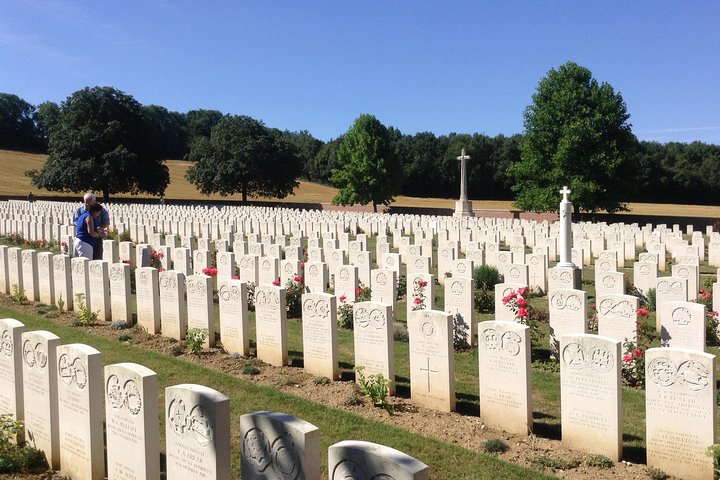
A short walk from the center, this Commonwealth cemetery sits right on the old city walls, overlooking a still moat and willow trees. The grass is always clipped, the white headstones perfectly aligned. It’s smaller and more intimate than the big memorials, and the silence is broken only by birdsong or distant church bells. Free to enter, open daylight hours. Twenty minutes is enough for a thoughtful pause, but the atmosphere lingers.
Ypres Saturday Market
If you want to see Ypres alive, go on a Saturday morning. The Grote Markt fills with stalls selling local cheese, sausages, and flowers. The air is a mix of fresh bread and strong coffee. This is where you’ll hear Flemish chatter and see families shopping for the week. It’s free to wander, but bring a few euros for a pastry or a wedge of cheese. Best from 8 a.m. to noon. Give yourself an hour to soak it in.
For day trips, the Tyne Cot Cemetery, Hill 60, and the Passchendaele Museum are all close by—each a powerful chapter in the region’s story. Tyne Cot, with its endless rows of graves, is my personal favorite for its scale and the way it puts history in perspective.
You feel the hush before you see it. The Menin Gate is not just a monument; it’s a ritual. Every evening at 8 p.m., buglers in crisp uniforms play the Last Post beneath its pale stone arches, their notes echoing off the names of 54,000 missing soldiers. Stand shoulder-to-shoulder with locals and travelers—no one speaks, but everyone listens. The ceremony is free, and the best time to visit is just before sunset, when the light softens and the crowd gathers. Allow 30-45 minutes, longer if you want to read the names or linger in the gravity of the moment.
In Flanders Fields Museum
Inside the rebuilt Cloth Hall, the In Flanders Fields Museum pulls you into the trenches with interactive exhibits, original artifacts, and personal stories. The air smells faintly of old paper and polished wood. Touchscreens let you follow real people through the war, and the panoramic view from the belfry (for a small extra fee) is a reward for those who climb the spiral stairs. Tickets are around €10-12 for adults. Two hours is enough for a focused visit, but history lovers will want more.
St. Martin’s Cathedral
Step inside and the cool, incense-tinged air hits you. This neo-Gothic cathedral, rebuilt after World War I, is a lesson in resilience. Look up: the stained glass is a kaleidoscope of color on a sunny morning, and the organ’s deep notes sometimes roll through the nave. Entry is free, and it’s rarely crowded. Early morning or late afternoon is best for quiet reflection. Thirty minutes is plenty unless you’re drawn into the details of the tombs and chapels.
Ramparts Cemetery
A short walk from the center, this Commonwealth cemetery sits right on the old city walls, overlooking a still moat and willow trees. The grass is always clipped, the white headstones perfectly aligned. It’s smaller and more intimate than the big memorials, and the silence is broken only by birdsong or distant church bells. Free to enter, open daylight hours. Twenty minutes is enough for a thoughtful pause, but the atmosphere lingers.
Ypres Saturday Market
If you want to see Ypres alive, go on a Saturday morning. The Grote Markt fills with stalls selling local cheese, sausages, and flowers. The air is a mix of fresh bread and strong coffee. This is where you’ll hear Flemish chatter and see families shopping for the week. It’s free to wander, but bring a few euros for a pastry or a wedge of cheese. Best from 8 a.m. to noon. Give yourself an hour to soak it in.
For day trips, the Tyne Cot Cemetery, Hill 60, and the Passchendaele Museum are all close by—each a powerful chapter in the region’s story. Tyne Cot, with its endless rows of graves, is my personal favorite for its scale and the way it puts history in perspective.
Spotted a mistake or missing something? Contact us.

From IEPER Private 4-hour Tour of the Ypres Battlefield
✓ Free cancellation

In Flanders Fields and Passchendaele Half Day Morning Tour
✓ Free cancellation
From Ypres, The Christmas Truce to Passchendaele Ypres Based WW1 private tour
✓ Free cancellation

Ypres Battlefields and Passchendaele Museum Full Day Tour
✓ Free cancellation

Full Day Canadian WW1 Vimy and Somme Battlefield Tour from Ypres
✓ Free cancellation

e-Scavenger hunt Ypres: Explore the city at your own pace
✓ Free cancellation

From LIlle or Bruges, Christmas Truce to Passchendaele Ypres 1 day WW1 private
✓ Free cancellation

From Ypres 4hr Christmas Truce and Monster Mines of Messines PRIVATE Tour
✓ Free cancellation

PRIVATE Australian Western Front Battlefields 3-Day Tour Ypres to Amiens
✓ Free cancellation

Hidden Ypres: A Self-Guided Audio Tour
✓ Free cancellation


 Best Backpacking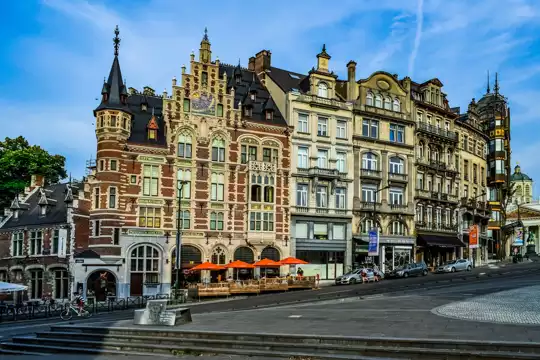
.jpg) Hi, I’m Johan (Netherlands 🇳🇱), the creator of TakeYourBackpack. Over the past decade, I’ve backpacked through 80+ countries across six continents, gaining extensive experience with independent travel, long-term trips, and overland routes.
Hi, I’m Johan (Netherlands 🇳🇱), the creator of TakeYourBackpack. Over the past decade, I’ve backpacked through 80+ countries across six continents, gaining extensive experience with independent travel, long-term trips, and overland routes.