v2.webp)





The Staircase
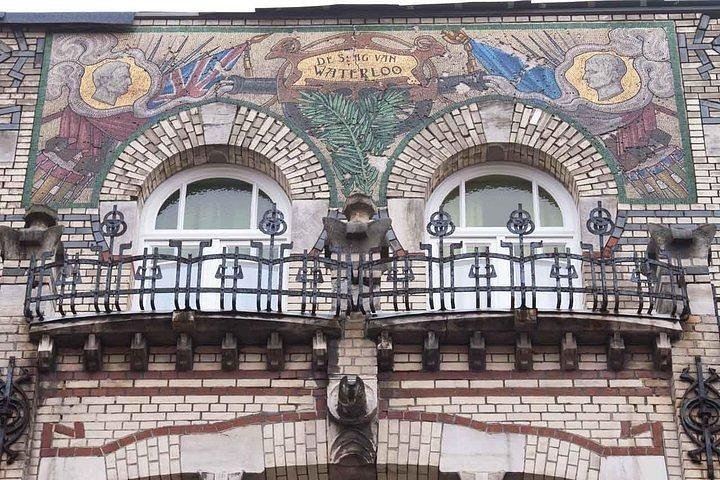
Forget the polite hush of most house museums—this staircase is a show-off, and it knows it. It’s not just a way to get upstairs; it’s the swirling, sun-drenched backbone of Victor Horta’s vision. Ironwork curves like vines, glass panels throw patterns across the walls, and every step feels like you’re walking through a living sculpture. The Instagram crowd will jostle for a shot, but the real thrill is standing still and letting the light move around you. This is the moment you realize Art Nouveau wasn’t just a style—it was a full-body experience.
The Winter Garden
This isn’t some dusty conservatory with a sad fern in the corner. The Winter Garden is a glass-topped oasis that feels like it was designed for daydreamers and rebels. Light pours in from above, bouncing off the mosaic … read more 👉
Forget the polite hush of most house museums—this staircase is a show-off, and it knows it. It’s not just a way to get upstairs; it’s the swirling, sun-drenched backbone of Victor Horta’s vision. Ironwork curves like vines, glass panels throw patterns across the walls, and every step feels like you’re walking through a living sculpture. The Instagram crowd will jostle for a shot, but the real thrill is standing still and letting the light move around you. This is the moment you realize Art Nouveau wasn’t just a style—it was a full-body experience.
The Winter Garden
This isn’t some dusty conservatory with a sad fern in the corner. The Winter Garden is a glass-topped oasis that feels like it was designed for daydreamers and rebels. Light pours in from above, bouncing off the mosaic … read more 👉
The Staircase
Forget the polite hush of most house museums—this staircase is a show-off, and it knows it. It’s not just a way to get upstairs; it’s the swirling, sun-drenched backbone of Victor Horta’s vision. Ironwork curves like vines, glass panels throw patterns across the walls, and every step feels like you’re walking through a living sculpture. The Instagram crowd will jostle for a shot, but the real thrill is standing still and letting the light move around you. This is the moment you realize Art Nouveau wasn’t just a style—it was a full-body experience.
The Winter Garden
This isn’t some dusty conservatory with a sad fern in the corner. The Winter Garden is a glass-topped oasis that feels like it was designed for daydreamers and rebels. Light pours in from above, bouncing off the mosaic floor and the wild, organic ironwork. It’s a space that makes you want to linger, sketch, or just stare at the ceiling until your neck hurts. If you want to see how Horta turned architecture into a mood, this is it.
The Door Handles and Hardware
Yes, you read that right—door handles. Horta didn’t phone it in on the details. Every knob, latch, and hinge is a tiny piece of sculpture, twisting and looping with the same energy as the grand staircase. This is where the myth of “it’s all in the details” actually holds up. Run your hand along a banister and you’ll feel the difference between mass-produced and master-crafted. It’s tactile proof that beauty isn’t just for show.
The Studio and Office
This is where the magic happened. Horta’s workspace is preserved with the kind of reverence usually reserved for saints or rock stars. You can see his drafting table, the tools of his trade, and the sketches that became world-famous buildings. There’s a raw, creative energy here that you won’t find in the more polished rooms. It’s a rare peek behind the curtain—messy, inspiring, and very human.
The Lightwells
Most houses hide their functional bits. Not here. Horta turned the need for natural light into a design feature, carving out vertical shafts that funnel daylight deep into the house. The effect is subtle but transformative—rooms feel alive, shadows shift, and you start to notice how architecture can shape your mood. It’s a masterclass in making utility beautiful.
The Dining Room
This isn’t just a place to eat; it’s a stage set for conversation and drama. The walls curve, the wood glows, and the furniture looks like it might start moving if you turn your back. It’s intimate without being stuffy, and every surface begs to be touched (though, for the record, don’t). If you want to understand how Horta made everyday life feel theatrical, this is the room.
Personal Favorite: The Staircase
I’ve seen a lot of “famous” staircases—some are just stairs with a PR agent. Horta’s is the real deal. It’s the kind of place that makes you want to climb it twice, just to see how the light changes. If you only have time for one thing, make it this.
Forget the polite hush of most house museums—this staircase is a show-off, and it knows it. It’s not just a way to get upstairs; it’s the swirling, sun-drenched backbone of Victor Horta’s vision. Ironwork curves like vines, glass panels throw patterns across the walls, and every step feels like you’re walking through a living sculpture. The Instagram crowd will jostle for a shot, but the real thrill is standing still and letting the light move around you. This is the moment you realize Art Nouveau wasn’t just a style—it was a full-body experience.
The Winter Garden
This isn’t some dusty conservatory with a sad fern in the corner. The Winter Garden is a glass-topped oasis that feels like it was designed for daydreamers and rebels. Light pours in from above, bouncing off the mosaic floor and the wild, organic ironwork. It’s a space that makes you want to linger, sketch, or just stare at the ceiling until your neck hurts. If you want to see how Horta turned architecture into a mood, this is it.
The Door Handles and Hardware
Yes, you read that right—door handles. Horta didn’t phone it in on the details. Every knob, latch, and hinge is a tiny piece of sculpture, twisting and looping with the same energy as the grand staircase. This is where the myth of “it’s all in the details” actually holds up. Run your hand along a banister and you’ll feel the difference between mass-produced and master-crafted. It’s tactile proof that beauty isn’t just for show.
The Studio and Office
This is where the magic happened. Horta’s workspace is preserved with the kind of reverence usually reserved for saints or rock stars. You can see his drafting table, the tools of his trade, and the sketches that became world-famous buildings. There’s a raw, creative energy here that you won’t find in the more polished rooms. It’s a rare peek behind the curtain—messy, inspiring, and very human.
The Lightwells
Most houses hide their functional bits. Not here. Horta turned the need for natural light into a design feature, carving out vertical shafts that funnel daylight deep into the house. The effect is subtle but transformative—rooms feel alive, shadows shift, and you start to notice how architecture can shape your mood. It’s a masterclass in making utility beautiful.
The Dining Room
This isn’t just a place to eat; it’s a stage set for conversation and drama. The walls curve, the wood glows, and the furniture looks like it might start moving if you turn your back. It’s intimate without being stuffy, and every surface begs to be touched (though, for the record, don’t). If you want to understand how Horta made everyday life feel theatrical, this is the room.
Personal Favorite: The Staircase
I’ve seen a lot of “famous” staircases—some are just stairs with a PR agent. Horta’s is the real deal. It’s the kind of place that makes you want to climb it twice, just to see how the light changes. If you only have time for one thing, make it this.
Spotted a mistake or missing something? Contact us.

Brussels PRIVATE TOUR With Locals: Highlights & Hidden Gems

Horta House Tickets and Gems in Art Nouveau Private Tour

e-Scavenger hunt Brussels: Explore the city at your own pace

2-Hour Walking Tour in Brussels: Fall and Rise of Art Nouveau

Art Nouveau's Sublime Capital: An Audio Tour in Brussels

 Best Backpacking
.jpg) Hi, I’m Johan (Netherlands 🇳🇱), the creator of TakeYourBackpack. Over the past 3 decades, I’ve backpacked through 90+ countries across six continents, gaining extensive experience with independent travel, long-term trips, and overland routes.
Hi, I’m Johan (Netherlands 🇳🇱), the creator of TakeYourBackpack. Over the past 3 decades, I’ve backpacked through 90+ countries across six continents, gaining extensive experience with independent travel, long-term trips, and overland routes.