v2.webp)
- Heather seas in late summer — The classic reason to come: wide swathes of purple heather that carpet the landscape around August-September. It’s a photographer’s dream and the scent in the air is a proper reminder you’re somewhere wild, not a suburb with a park.
- Inland sand dunes and shifting sands — Unlike coastal dunes, these are inland, sculpted by wind and time into ridges and hollows. Walk a few paths and you’ll see the sudden change from sandy open areas to dense heath and scrub — very cool terrain variety for such a small park.
- Vennen (heath ponds) and boggy spots — Small peat ponds dot the reserve, often ringed with cotton grass and dragonflies. They’re tiny ecosystems that attract frogs, insects and birds, and they add a reflective, moody contrast to the dry heath.
- Birdlife and
- Heather seas in late summer — The classic reason to come: wide swathes of purple heather that carpet the landscape around August-September. It’s a photographer’s dream and the scent in the air is a proper reminder you’re somewhere wild, not a suburb with a park.
- Inland sand dunes and shifting sands — Unlike coastal dunes, these are inland, sculpted by wind and time into ridges and hollows. Walk a few paths and you’ll see the sudden change from sandy open areas to dense heath and scrub — very cool terrain variety for such a small park.
- Vennen (heath ponds) and boggy spots — Small peat ponds dot the reserve, often ringed with cotton grass and dragonflies. They’re tiny ecosystems that attract frogs, insects and birds, and they add a reflective, moody contrast to the dry heath.
- Birdlife and insects — Expect skylarks, warblers and a healthy population of heathland butterflies and dragonflies in summer; in autumn and spring migrant birds pass through. It’s not a birding superpower like a wetland reserve, but the open heath makes sightings easier and more rewarding.
- Marked hiking and cycling routes — There are a handful of well-marked loops (and longer cross-border tracks) that mix easy walking with sections through dunes and forest. Good for half-day hikes — take layers, because wind across the heath can be relentless.
- Observational hides and viewpoints — Several hides and elevated spots let you watch wildlife without disturbing it, and they’re great for sunset or early-morning light. Quiet time here can feel surprisingly remote, even though towns aren’t far away.
- Cross-border continuity: De Zoom - Kalmthoutse Heide — The reserve links with Dutch heathland, creating a larger protected landscape you can explore across the border. That means longer routes and a stronger sense of wilderness than a single small park would normally offer.
Spotted a mistake or missing something? Contact us.

Historical Walking Tour in Antwerp Old City
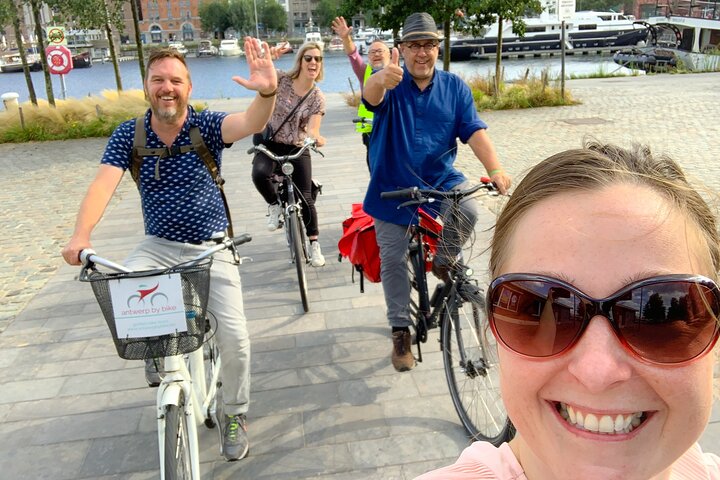
Guided Bike Tour: 2 Hours Highlights of Antwerp
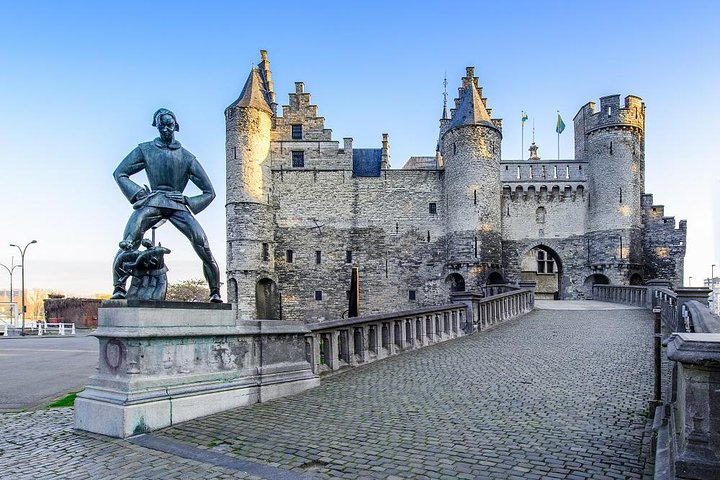
Private tour: Highlights & History of Antwerp

Antwerp Bike Tours

Tasting Tour: A Taste of Antwerp (Fries, Waffles, Beer & More)

3-Hour Antwerp Bike Tour

Private Historical Tour: Legends of Antwerp

Private Tour: The Dark Side of Antwerp

Antwerp BeerWalk with English Guide





 Best Backpacking
.jpg) Hi, I’m Johan (Netherlands 🇳🇱), the creator of TakeYourBackpack. Over the past decade, I’ve backpacked through 80+ countries across six continents, gaining extensive experience with independent travel, long-term trips, and overland routes.
Hi, I’m Johan (Netherlands 🇳🇱), the creator of TakeYourBackpack. Over the past decade, I’ve backpacked through 80+ countries across six continents, gaining extensive experience with independent travel, long-term trips, and overland routes.