Essential TownsBelgium is a patchwork of towns that each offer a slice of local life, but you don’t need to visit every single one to get the full experience. Aim for about five to seven towns to strike a balance between depth and breadth. This allows you to soak in the local culture without feeling like you’re on a never-ending train ride.
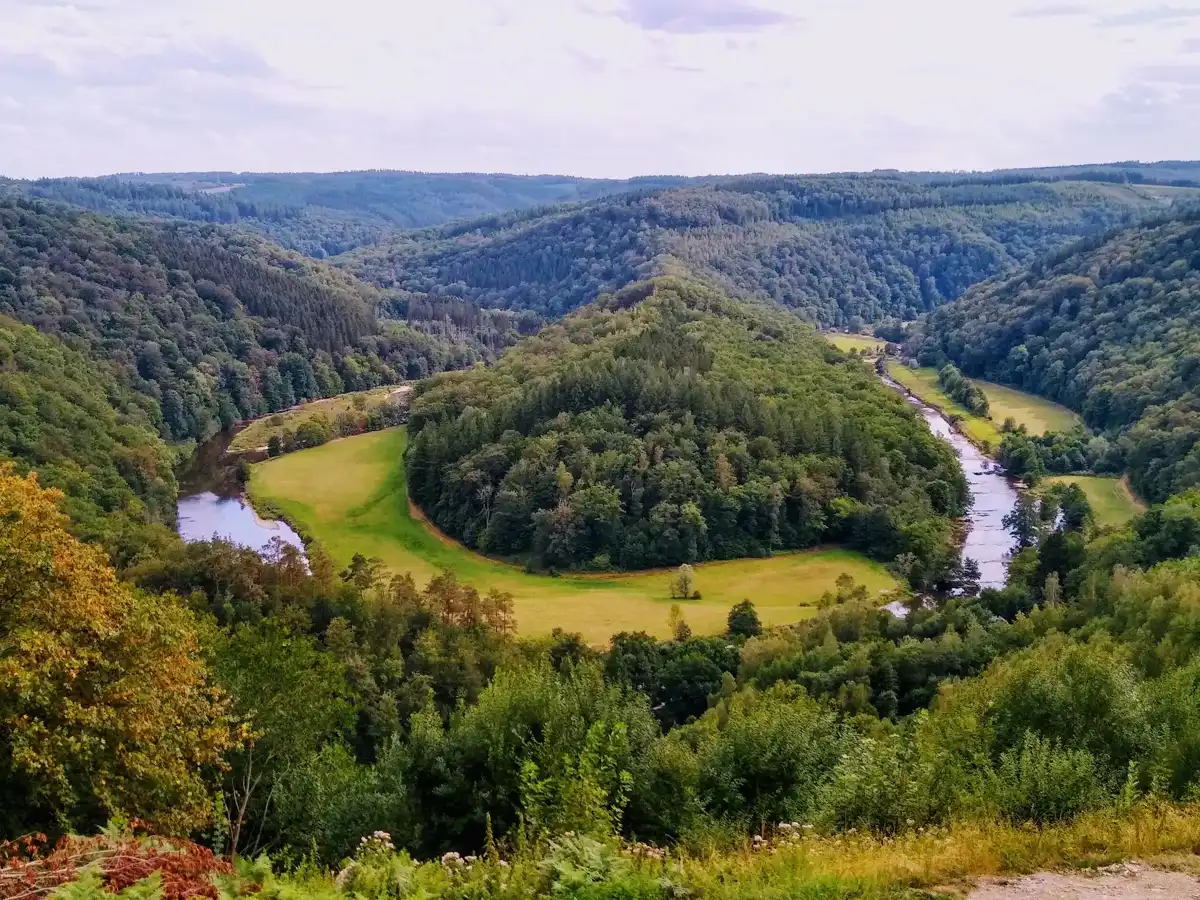
Start with the major hubs, which serve as excellent jumping-off points. They have the infrastructure to support your adventures, but don’t overlook the smaller towns that pack a punch in charm. Each region has its own flavor. For instance, the Flemish towns are known for their medieval architecture and vibrant beer culture, while the Walloon region offers a more laid-back vibe with stunning natural landscapes.
Logistically, train travel is your best …
read more 👉 Essential Towns
Belgium is a patchwork of towns that each offer a slice of local life, but you don’t need to visit every single one to get the full experience. Aim for about five to seven towns to strike a balance between depth and breadth. This allows you to soak in the local culture without feeling like you’re on a never-ending train ride.
Start with the major hubs, which serve as excellent jumping-off points. They have the infrastructure to support your adventures, but don’t overlook the smaller towns that pack a punch in charm. Each region has its own flavor. For instance, the Flemish towns are known for their medieval architecture and vibrant beer culture, while the Walloon region offers a more laid-back vibe with stunning natural landscapes.
Logistically, train travel is your best friend here. The rail system is efficient, but don’t expect it to be a magic carpet ride. Delays happen, and sometimes you’ll find yourself waiting at a station that feels like it hasn’t seen a tourist since the last century. Embrace the absurdity. Grab a local pastry and people-watch; it’s all part of the adventure.
Overrated Towns
Some towns are like that friend who always shows up late to the party—everyone talks about them, but when they finally arrive, you wonder what the fuss was about. Certain spots are often touted as must-sees, but they can feel more like tourist traps than authentic experiences.
For example, while some towns may have picturesque squares and Instagrammable canals, they can be overrun with tourists, making it hard to appreciate the local culture. The trade-off here is time versus experience. You might spend hours in line for a selfie, only to realize you missed out on the real gems just a train ride away.
Consider the cultural context, too. Some towns may have a reputation for being safe, but that doesn’t mean you should let your guard down completely. Petty crime can happen anywhere, especially in crowded areas. Keep your belongings close and your wits about you.
Planning Your Route
When planning your route, think about regional clusters. The Flanders region is compact, making it easy to hop from town to town without feeling like you’re on a marathon. In contrast, the Walloon region is more spread out, so you’ll want to allocate more time for travel.
Budget-wise, Belgium can be a mixed bag. You can find affordable eats in local cafés, but splurging on a fine dining experience is worth it if you’re keen on tasting the local cuisine. Just remember, the more you indulge in the culinary scene, the less you’ll have for souvenirs.
Safety is generally not a major concern, but cultural nuances exist. The Flemish are known for their directness, while the Walloons might be more laid-back. Understanding these subtleties can enhance your interactions.
Final Thoughts
Ultimately, the key is to prioritize quality over quantity. Focus on towns that resonate with you, whether it’s for their history, food, or simply the vibe. Don’t be afraid to veer off the beaten path; sometimes the best experiences come from the unexpected. Just remember to pack your sense of humor along with your gear—it’ll serve you well when the travel grind gets real.
v2.webp)




 Best Backpacking
.jpg) Hi, I’m Johan (Netherlands 🇳🇱), the creator of TakeYourBackpack. Over the past decade, I’ve backpacked through 80+ countries across six continents, gaining extensive experience with independent travel, long-term trips, and overland routes.
Hi, I’m Johan (Netherlands 🇳🇱), the creator of TakeYourBackpack. Over the past decade, I’ve backpacked through 80+ countries across six continents, gaining extensive experience with independent travel, long-term trips, and overland routes.