v2.webp)

- The Outer Wall: The reef drops steeply into deep blue just beyond the atoll’s edge. Divers drift along it past big sponges, gorgonians and passing eagle rays, and it is the main reason serious divers book here.
- Lagoon patch reefs: Hundreds of coral heads rise from shallow, calm water inside the atoll. Snorkelers can swim between them and see parrotfish, angelfish and the occasional nurse shark.
- Middle Caye: Home to the Glover’s Reef Marine Research Station, run by the Wildlife Conservation Society, and the atoll’s ranger station. It is a good place to learn how the reserve is managed and why the protected zones matter.
- Long Caye: The main hub for lodging and dive resorts. Its white beach, coconut palms and walking paths make it the easiest base for evenings under the stars.
- Southwest Caye: A small,
- The Outer Wall: The reef drops steeply into deep blue just beyond the atoll’s edge. Divers drift along it past big sponges, gorgonians and passing eagle rays, and it is the main reason serious divers book here.
- Lagoon patch reefs: Hundreds of coral heads rise from shallow, calm water inside the atoll. Snorkelers can swim between them and see parrotfish, angelfish and the occasional nurse shark.
- Middle Caye: Home to the Glover’s Reef Marine Research Station, run by the Wildlife Conservation Society, and the atoll’s ranger station. It is a good place to learn how the reserve is managed and why the protected zones matter.
- Long Caye: The main hub for lodging and dive resorts. Its white beach, coconut palms and walking paths make it the easiest base for evenings under the stars.
- Southwest Caye: A small, quiet island with simple accommodation and easy access to nearby reef spots. The shoreline is lined with palms and ideal for hammock time.
- Kayaking and paddleboarding the lagoon: Calm water inside the atoll lets you paddle between cayes and over reef heads, watching rays glide beneath you.
- Night sky and night snorkeling: With no city light for miles, stars are thick overhead, and after dark the reef changes as octopus and crabs come out.
- Fishing and spearing lionfish: Local guides take guests out to catch dinner and help control invasive lionfish, a lesson in reef conservation you can eat.
Spotted a mistake or missing something? Contact us.

 Best Backpacking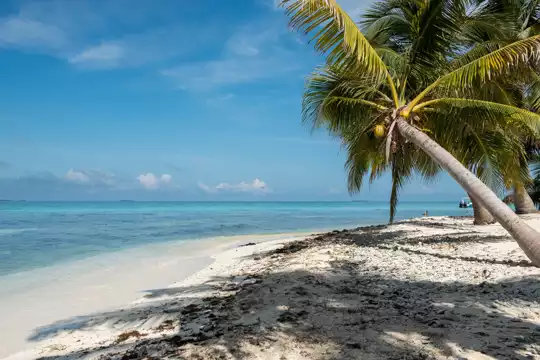
.jpg) Hi, I’m Johan (Netherlands 🇳🇱), the creator of TakeYourBackpack. Over the past 3 decades, I’ve backpacked through 90+ countries across six continents, gaining extensive experience with independent travel, long-term trips, and overland routes.
Hi, I’m Johan (Netherlands 🇳🇱), the creator of TakeYourBackpack. Over the past 3 decades, I’ve backpacked through 90+ countries across six continents, gaining extensive experience with independent travel, long-term trips, and overland routes.