1. Live Craftsmanship in Action
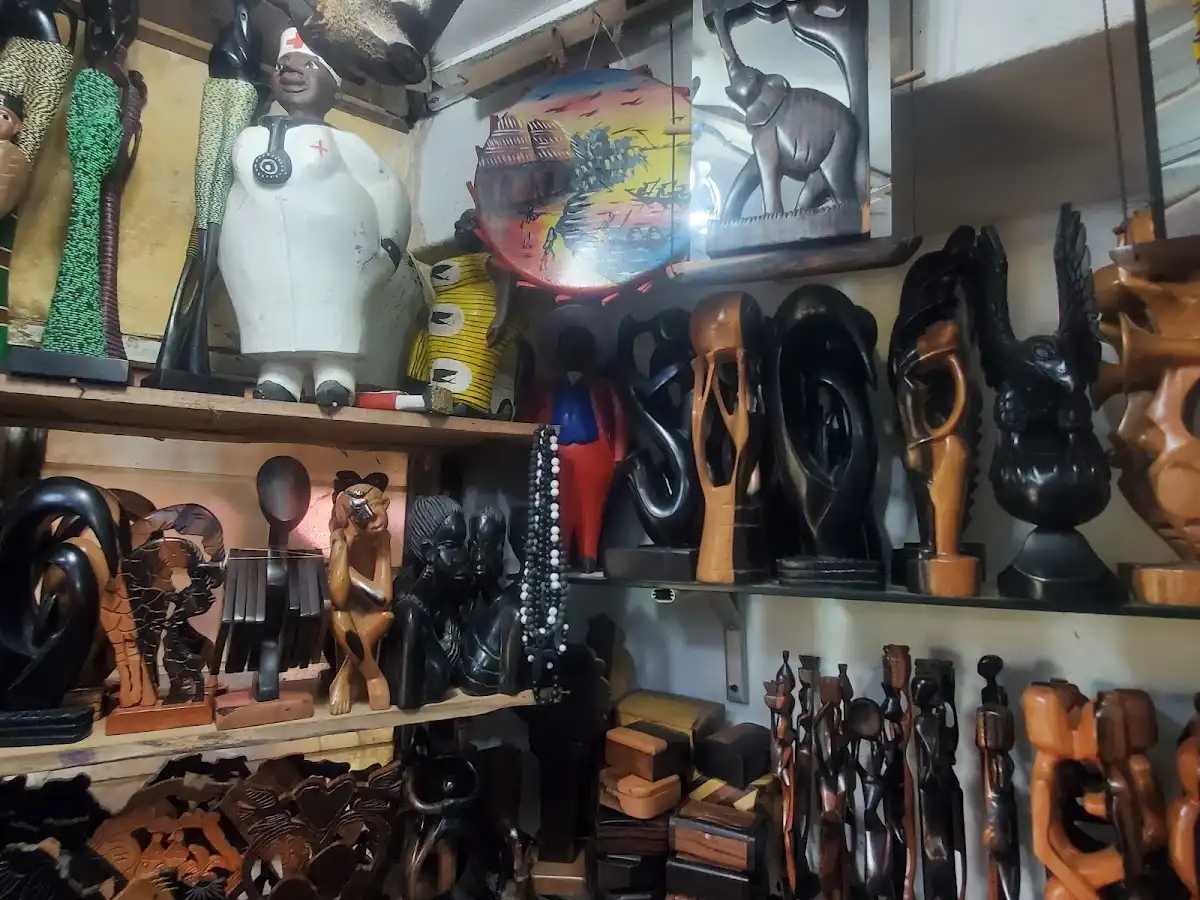
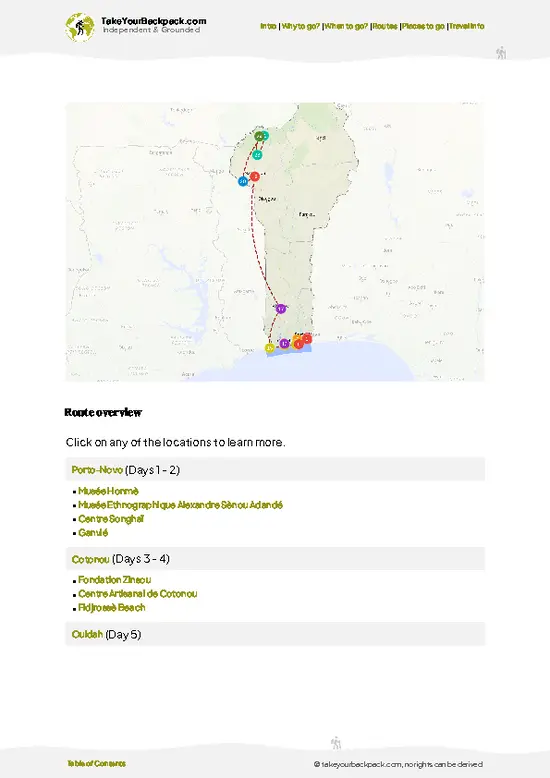
Forget the souvenir shops with their “authentic” mass-produced trinkets. At the Centre Artisanal de Cotonou, you’re face-to-face with the real deal: artisans hammering, weaving, carving, and painting right in front of you. This isn’t a staged performance for tourists. It’s the daily grind—sweat, banter, and all. You’ll see woodcarvers coaxing faces and animals out of raw logs, metalworkers pounding out masks, and textile artists hunched over looms. The energy is raw and unscripted. If you want to understand Beninese creativity, this is the front row seat.
2. The Batik & Textile Maze
Instagram will show you a swirl of colors, but it won’t tell you how much of Benin’s soul is stitched into these fabrics. The batik section is a riot of wax-resist patterns, each … read more 👉
Forget the souvenir shops with their “authentic” mass-produced trinkets. At the Centre Artisanal de Cotonou, you’re face-to-face with the real deal: artisans hammering, weaving, carving, and painting right in front of you. This isn’t a staged performance for tourists. It’s the daily grind—sweat, banter, and all. You’ll see woodcarvers coaxing faces and animals out of raw logs, metalworkers pounding out masks, and textile artists hunched over looms. The energy is raw and unscripted. If you want to understand Beninese creativity, this is the front row seat.
2. The Batik & Textile Maze
Instagram will show you a swirl of colors, but it won’t tell you how much of Benin’s soul is stitched into these fabrics. The batik section is a riot of wax-resist patterns, each … read more 👉
1. Live Craftsmanship in Action
Forget the souvenir shops with their “authentic” mass-produced trinkets. At the Centre Artisanal de Cotonou, you’re face-to-face with the real deal: artisans hammering, weaving, carving, and painting right in front of you. This isn’t a staged performance for tourists. It’s the daily grind—sweat, banter, and all. You’ll see woodcarvers coaxing faces and animals out of raw logs, metalworkers pounding out masks, and textile artists hunched over looms. The energy is raw and unscripted. If you want to understand Beninese creativity, this is the front row seat.
2. The Batik & Textile Maze
Instagram will show you a swirl of colors, but it won’t tell you how much of Benin’s soul is stitched into these fabrics. The batik section is a riot of wax-resist patterns, each one telling a story—sometimes political, sometimes personal, always bold. You can watch the process, from hot wax to dye baths, and see how mistakes become part of the design. The best part? You’re not just buying a piece of cloth; you’re buying a conversation starter with a backstory.
3. Mask and Fetish Market
This isn’t your average “tribal art” display. The masks and fetishes here aren’t just for decoration—they’re loaded with spiritual meaning, and some are still used in Vodun ceremonies. The wood is rough, the paint is chipped, and the energy is palpable. If you’re used to sanitized museum displays, the rawness here will jolt you awake. Ask the right questions (respectfully), and you might get a story that’s more gripping than any guidebook blurb.
4. Bargaining as Performance Art
If you think haggling is awkward, you haven’t done it Benin-style. Here, bargaining is half sport, half theater. Sellers expect you to negotiate, and the back-and-forth is part of the fun. There’s laughter, mock outrage, and sometimes a crowd. It’s not about squeezing every franc; it’s about connecting, showing respect, and earning your purchase. Skip this, and you’re missing the real entertainment.
5. The Unexpected Food Stalls
You won’t find these on any influencer’s highlight reel, but the tiny food stands tucked between workshops are the unsung heroes of the Centre. Grilled corn, spicy brochettes, and ice-cold bissap (hibiscus juice) are the fuel that keeps the place humming. Don’t expect a menu or English explanations—just point, smile, and let your taste buds do the exploring. The flavors are as bold as the art, and the people-watching is unbeatable.
6. Real-World Connections
The real magic isn’t in what you buy—it’s in the conversations you stumble into. Artists will talk shop if you show genuine interest. You might get a crash course in carving, or a lesson in the politics of textile patterns. These moments aren’t for sale, and they don’t fit in a suitcase. But they’re the reason you come here instead of scrolling online.
Forget the souvenir shops with their “authentic” mass-produced trinkets. At the Centre Artisanal de Cotonou, you’re face-to-face with the real deal: artisans hammering, weaving, carving, and painting right in front of you. This isn’t a staged performance for tourists. It’s the daily grind—sweat, banter, and all. You’ll see woodcarvers coaxing faces and animals out of raw logs, metalworkers pounding out masks, and textile artists hunched over looms. The energy is raw and unscripted. If you want to understand Beninese creativity, this is the front row seat.
2. The Batik & Textile Maze
Instagram will show you a swirl of colors, but it won’t tell you how much of Benin’s soul is stitched into these fabrics. The batik section is a riot of wax-resist patterns, each one telling a story—sometimes political, sometimes personal, always bold. You can watch the process, from hot wax to dye baths, and see how mistakes become part of the design. The best part? You’re not just buying a piece of cloth; you’re buying a conversation starter with a backstory.
3. Mask and Fetish Market
This isn’t your average “tribal art” display. The masks and fetishes here aren’t just for decoration—they’re loaded with spiritual meaning, and some are still used in Vodun ceremonies. The wood is rough, the paint is chipped, and the energy is palpable. If you’re used to sanitized museum displays, the rawness here will jolt you awake. Ask the right questions (respectfully), and you might get a story that’s more gripping than any guidebook blurb.
4. Bargaining as Performance Art
If you think haggling is awkward, you haven’t done it Benin-style. Here, bargaining is half sport, half theater. Sellers expect you to negotiate, and the back-and-forth is part of the fun. There’s laughter, mock outrage, and sometimes a crowd. It’s not about squeezing every franc; it’s about connecting, showing respect, and earning your purchase. Skip this, and you’re missing the real entertainment.
5. The Unexpected Food Stalls
You won’t find these on any influencer’s highlight reel, but the tiny food stands tucked between workshops are the unsung heroes of the Centre. Grilled corn, spicy brochettes, and ice-cold bissap (hibiscus juice) are the fuel that keeps the place humming. Don’t expect a menu or English explanations—just point, smile, and let your taste buds do the exploring. The flavors are as bold as the art, and the people-watching is unbeatable.
6. Real-World Connections
The real magic isn’t in what you buy—it’s in the conversations you stumble into. Artists will talk shop if you show genuine interest. You might get a crash course in carving, or a lesson in the politics of textile patterns. These moments aren’t for sale, and they don’t fit in a suitcase. But they’re the reason you come here instead of scrolling online.
Spotted a mistake or missing something? Contact us.
v2.webp)


Best Backpacking
Hi, I’m Johan (Netherlands 🇳🇱), the creator of TakeYourBackpack. Over the past decade, I’ve backpacked through 80+ countries across six continents, gaining extensive experience with independent travel, long-term trips, and overland routes.