×

Benin🇧🇯 | attractionsInstitut Français de CotonouOpen-air stage, film nights, courtyard gallery, French library | things to do and best time to go

Explore Place GohoExplore Fidjrossè Beach

Backpacking in Institut Français de Cotonou
👍 Recommendedattraction ranked #9
By Johan Kruseman 🇳🇱 | Updated October 22, 2026

The courtyard of the Institut Français de Cotonou fills with the thump of rehearsal drums and the chatter of students under trees, a sound that carries out to the street before you reach the gate. The institute sits in Cotonou, Benin’s economic capital, near the coast, and works as the French cultural center for the city. The gallery and the stage deserve your time: exhibitions of Beninese and West African artists change regularly, and evening concerts and film screenings draw a local crowd rather than tour groups. The library and classrooms are of little interest to a passing traveler. Entry to many events is cheap or free, so the money question barely arises. Crowds stay small, getting here is a short taxi ride, and the mood is relaxed, a little academic. Art lovers and music fans will like it most. Anyone chasing monuments or adrenaline will not.

Discover everything you want to know in the 📖 Benin Travel Guide.


example page 0 from our offline Travel Guide for Benin
example page 1 from our offline Travel Guide for Benin
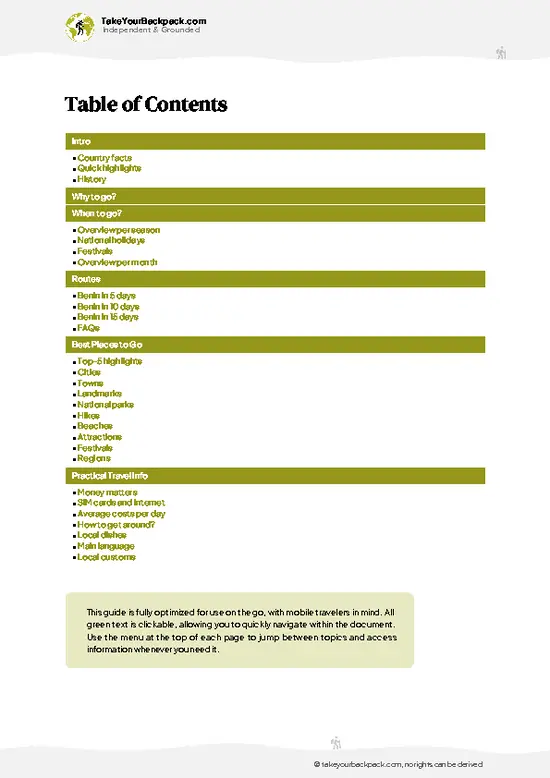
example page 2 from our offline Travel Guide for Benin
example page 3 from our offline Travel Guide for Benin
example page 4 from our offline Travel Guide for Benin
example page 5 from our offline Travel Guide for Benin
example page 6 from our offline Travel Guide for Benin
example page 7 from our offline Travel Guide for Benin
Loading the map 🌍
CLICK TO FILTER
cities
towns
landmarks
national parks
hikes
beaches
attractions
festivals
regions
SHOW COUNTRY’S BESTSHOW ALL

✨ Why go?
Ranked #9 attraction in Benin
Reasons people choose to visit here

Institut Français de Cotonou gives you something the market stalls and beach bars can’t: a look at how Beninese artists and writers work today. Cotonou can feel like pure traffic and hustle, and this is the place where the city’s creative scene sits down in one spot. If you’ve spent days in Ouidah and Abomey absorbing the Vodun and kingdom history, the institute shows the contemporary side of the same culture, in the form of painting, photography, theater and live music.

The exhibition gallery is the main draw, with shows that change often and usually feature artists from Benin and neighboring countries. The open-air stage is the second reason to come, since evening performances let you hear local musicians in a setting with seats, a bar nearby and an audience of residents. Check the posted … read more 👉
Institut Français de Cotonou gives you something the market stalls and beach bars can’t: a look at how Beninese artists and writers work today. Cotonou can feel like pure traffic and hustle, and this is the place where the city’s creative scene sits down in one spot. If you’ve spent days in Ouidah and Abomey absorbing the Vodun and kingdom history, the institute shows the contemporary side of the same culture, in the form of painting, photography, theater and live music.

The exhibition gallery is the main draw, with shows that change often and usually feature artists from Benin and neighboring countries. The open-air stage is the second reason to come, since evening performances let you hear local musicians in a setting with seats, a bar nearby and an audience of residents. Check the posted program on arrival, because what is on decides whether you stay an hour or an evening.

💡 HighlightsKey sights and experiences for travelers

  1. The exhibition gallery: the best-known part of the institute, with rotating shows of painting, sculpture and photography by Beninese and regional artists. Expect air-conditioned calm after the street heat.
  2. The open-air stage: concerts and dance and theater evenings happen under the night sky, with local bands and visiting acts playing to a mostly Beninese crowd.
  3. Film screenings: cinema nights show African and French films, sometimes with directors present for a discussion afterward.
  4. The courtyard and garden: shaded, with plants and benches, a good place to watch students rehearse and to write postcards or journal entries.
  5. The café area: a simple spot for a coffee or cold drink where you can chat with artists and regulars before a show.
  6. The mediathèque: the library holds French-language books, comics
… read more 👉
  1. The exhibition gallery: the best-known part of the institute, with rotating shows of painting, sculpture and photography by Beninese and regional artists. Expect air-conditioned calm after the street heat.
  2. The open-air stage: concerts and dance and theater evenings happen under the night sky, with local bands and visiting acts playing to a mostly Beninese crowd.
  3. Film screenings: cinema nights show African and French films, sometimes with directors present for a discussion afterward.
  4. The courtyard and garden: shaded, with plants and benches, a good place to watch students rehearse and to write postcards or journal entries.
  5. The café area: a simple spot for a coffee or cold drink where you can chat with artists and regulars before a show.
  6. The mediathèque: the library holds French-language books, comics and magazines, and gives a quiet corner when the afternoon sun is strongest.
  7. Workshops and festival events: the institute hosts or joins cultural events around the city, and the noticeboard by the entrance lists dates for dance, writing and music sessions.
For a first visit, the exhibition gallery is the best choice, because it is open in daytime and shows quickly what the local art scene looks like.
Spotted a mistake or missing something? Contact us.

Things to do near Institut Français de Cotonou

Ratings based on Tripadvisor reviews. When you book through this link, you support our work at no extra cost to you.

🌤️ When to go?Seasonal considerations and timing

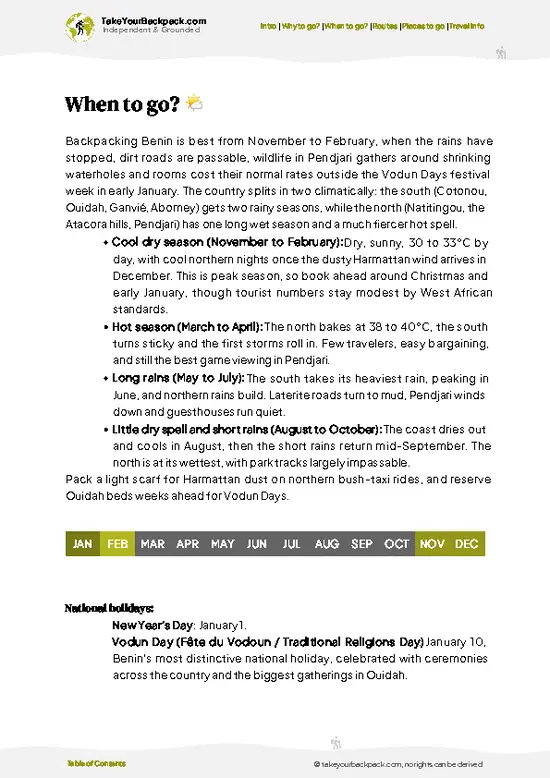
  • Main Dry Season (November to March): Cotonou is driest and sunniest, with highs of 30 to 33°C (86 to 91°F) and nights near 24°C (75°F). Harmattan haze can dull the sky from December to February. Evening events and outdoor screenings on the grounds are easiest now, and accommodation prices run highest.
  • Long Rains (April to July): Heavy downpours of 100 to 400 mm a month flood streets, with highs of 28 to 31°C (82 to 88°F) and thick humidity. Zemidjan rides get messy and slow. Prices soften.
  • Short Dry Spell (August to September): Rain eases and crowds stay thin, with highs near 28°C (82°F).
  • Short Rains (October to November): Showers return in shorter bursts, then clear.
Daylight stays close to 12 hours all year, so plan visits for late morning or afternoon and check the cultural program before you go.

source: climatestotravel.comJANJanuary: excellent for travelingFEBFebruary: highly recommended for travelingMARMarch: highly recommended for travelingAPRApril: fair for travelingMAYMay: fair for travelingJUNJune: fair for travelingJULJuly: fair for travelingAUGAugust: fair for travelingSEPSeptember: fair for travelingOCTOctober: fair for travelingNOVNovember: highly recommended for travelingDECDecember: excellent for traveling
benin-attraction-institut-francais-de-cotonou
© Google |

✈️ The backpacker research shortcutBenin Travel Guide

An offline-friendly backpacking guide with optimized travel routes, ranked highlights, transport advice, and the best areas to stay.
example page 0 from our offline Travel Guide for Benin
example page 1 from our offline Travel Guide for Benin
example page 2 from our offline Travel Guide for Benin
example page 3 from our offline Travel Guide for Benin
example page 4 from our offline Travel Guide for Benin
example page 5 from our offline Travel Guide for Benin
example page 6 from our offline Travel Guide for Benin
example page 7 from our offline Travel Guide for Benin
The digital guide (213 pages) contains:
✅ 48 highlights, ranked by travel appeal
✅ Optimized 5, 10 & 15-day travel routes
✅ Cities, national parks, landmarks, beaches
✅ How to get around
✅ Offline-friendly for travel without Wi-Fi
👉 Click to see all 30+ guide features

📅 Plan smarter in minutes, not weeks
✅ Month by month travel advice
✅ Festivals & national holidays
✅ Budget expectations

🗺️ Go to the right places, skip the overrated ones
✅ Honest pros & cons of destinations
✅ Top hikes, parks & viewpoints
✅ Lesser-known places most travelers miss
✅ Clear “worth it vs skip it” guidance

🛏️ Travel smoothly without rookie mistakes
✅ Best areas to stay
✅ Transport systems explained simply
✅ Common scams & safety advice
✅ SIM cards, money & practical tips

🌍 Understand the country, not just visit it
✅ Culture & traditions
✅ 52 Essential phrases & customs
✅ Festivals worth planning around
✅ Traveler-friendly historical context
✅ Insights that make places more meaningful

📱 Built for real travel conditions
✅ Fully downloadable PDF
✅ Works completely offline
✅ Optimized for phone use
✅ Useful in remote areas & buses
✅ Everything in one place
Stop searching, start planning
Get instant access to your full guide. 30‑day money-back guarantee.
+ Add another guide for just

By proceeding you agree to our terms.
Sent to your inbox immediately after payment • 100% Secure Checkout
Best Backpacking Travel Advisor 2025 tourism awardBest Backpacking
Travel Advisor
2025
What others say about Take Your Backpack Guides:
⭐⭐⭐⭐⭐
Fantastic, amazing amount of information!
⭐⭐⭐⭐⭐
My goodness this is amazing, it's what I've been looking for hats off too you!
⭐⭐⭐⭐⭐
I think this is absolutely BRILLIANT
⭐⭐⭐⭐
Very complete and informative. It's still missing places, but I gotta to commend you
⭐⭐⭐⭐⭐
This is truly amazing, thank you, can't wait to explore it with my kids!
⭐⭐⭐⭐⭐
Awesome resource, thank you!
⭐⭐⭐⭐⭐
This is amazing! Can't wait to explore the ones I haven't seen
⭐⭐⭐⭐
I love this! Well done, great idea.
⭐⭐⭐⭐⭐
Thanks for taking the time to make this gem!
⭐⭐⭐⭐⭐
This might be the best website I've ever seen.
⭐⭐⭐⭐⭐
Congratulations, and thank you so much for your work; it's incredibly valuable.
⭐⭐⭐⭐
In all seriousness I think you did a great job pointing out the important spots
⭐⭐⭐⭐⭐
10/10 very good
⭐⭐⭐⭐⭐
As someone who's only just starting to visit regularly this is awesome, thank you.
⭐⭐⭐⭐
Thank you very much! I'm going to visit my dad, it's going to be very useful!
⭐⭐⭐⭐⭐
This is really cool! We'll be travelling for the first time and this definitely come in handy.
⭐⭐⭐⭐⭐
You are now our minister of culture, congratulations 👨‍💼
⭐⭐⭐⭐⭐
Just wanted to tell you that this is a pearl! Going to follow your recommendations.
⭐⭐⭐⭐⭐
This is so cool. I'll definitely be using the resource for my travels soon.
⭐⭐⭐⭐⭐
This is very impressive! Good work.
⭐⭐⭐⭐⭐
This is an amazing and informative site. Very well done!

🛏️ Where to stay?Choosing the right base

Haie Vive is the best area for backpackers near Institut Français de Cotonou, because the institute sits in the same part of town and you can walk to it in minutes. The neighborhood has paved streets, restaurants, bars, and ATMs, and evenings feel relaxed enough for solo travelers to walk back after dark along the busier roads, though a short zemidjan ride is wiser late at night.
Akpakpa and the area around Jonquet are the other options. They run cheaper and more local, with street food stalls and easier access to the Dantokpa market side of town, but fewer places to meet other travelers. Expect … read more 👉
Haie Vive is the best area for backpackers near Institut Français de Cotonou, because the institute sits in the same part of town and you can walk to it in minutes. The neighborhood has paved streets, restaurants, bars, and ATMs, and evenings feel relaxed enough for solo travelers to walk back after dark along the busier roads, though a short zemidjan ride is wiser late at night.
Akpakpa and the area around Jonquet are the other options. They run cheaper and more local, with street food stalls and easier access to the Dantokpa market side of town, but fewer places to meet other travelers. Expect a 10 to 20 minute ride to the institute depending on traffic.
For social atmosphere, stay in Haie Vive or toward Cadjehoun near the airport, where guesthouses draw volunteers, overlanders, and other budget travelers. Book ahead in November to March, when the better budget rooms fill up. Pick a place with a fan or air conditioning, since nights stay hot and humid.

👛 Costs (as of 22 October 2026)Money, prices, and spending tips

Institut Français de Cotonou costs a backpacker roughly €30 to 45 a day, with a total daily budget of about €38 including a bed, meals, and local rides. Entry to the grounds and the café area is usually free, while shows and film nights are ticketed. Travelers pay in West African CFA francs, and cash is the norm.
CategoryBudget RangeLocal Reality
Entry to grounds€0Usually free to walk in and use the library area
Events and screenings€2 to 8Concerts, theater, and films are priced per show
Accommodation (high season)€15 to 20Basic guesthouse or dorm in Haie Vive; lower in rainy months at €12 to 17
Food and drink€8 to 12Street meals cost €1.50 to 3, café items €3 to 6
Local transport€3 to 5Zemidjan motorbike taxis cost €0.50 to 1.50 per short ride; agree the price first
Total Daily Budget€38Add €5 to 10 for a workshop or language class


source: if-benin.com
⚠️ Prices can change and everyone travels differently, so take this as a rough guide. Hope it helps you plan your adventure!

FAQTraveler FAQ

Institut Français de Cotonou needs about 1 to 2 hours for a browse of the grounds, café, and any exhibition. Allow 3 to 4 hours if you attend an evening concert, play, or film screening. Check the program in advance, since the schedule changes weekly.
Institut Français de Cotonou is good value because walking in is usually free and event tickets cost only about €2 to 8. You get live music, theater, or films that are hard to find elsewhere in the city. If no event is on, a coffee in the courtyard and a look at the exhibitions still costs under €5.
Institut Français de Cotonou lies in the Haie Vive area, reached by zemidjan motorbike taxi for €0.50 to 1.50 from most central neighborhoods. From Cadjehoun and the airport, expect 10 to 15 minutes by taxi for about €2 to 4. From Dantokpa market allow 20 to 30 minutes in traffic, and agree the fare before you set off.
⚠️ Things can change over time, so always validate details locally before you go.

Other Beninese attractions near Institut Français de Cotonou

Explore more nearby:


💡 Not sure where to go next?
Create a personalized itinerary for Benin including Institut Français de Cotonou and the places that fit your trip.

Generate my itinerary

👉 Discover all attractions

Or checkout all Benin has to offer (think cities, towns, villages, national parks, hikes, beaches, festivals)
Country photo of Benin

We 💚 feedbackKey takeaways before you go

Institut Français de Cotonou suits a short stop: one to two hours for the gallery and a drink, or a full evening if a concert is on. I would check the program before choosing your day, then go at dusk when the courtyard cools and the stage comes alive. Bring small cash for the bar.

✍️ Help improve this page!
The information on this page is based on in-depth research, insights shared by experienced travelers, and feedback from the local travel community in Benin. While every effort is made to keep the information accurate and current, conditions can change — so if you spot anything incorrect or outdated, please get in touch.


🙋‍♂️ Give feedback

👋 Meet the founderWho’s Behind Take Your Backpack?

Johan, backpacker and founder of TakeYourBackpackHi, I’m Johan (Netherlands 🇳🇱), the creator of TakeYourBackpack. Over the past 3 decades, I’ve backpacked through 90+ countries across six continents, gaining extensive experience with independent travel, long-term trips, and overland routes.

This site is built on a combination of firsthand travel experience and carefully curated insights from other backpackers. Many guides are based on places I’ve personally visited, while others bring together tips, observations, and practical advice shared by trusted travelers I’ve met along the way.

The goal is to provide realistic, experience-driven guidance — not generic itineraries — so you can explore destinations with better context, clearer expectations, and more confidence.