×

Bhutan🇧🇹 | hikesNabji-Korphu Trekvillage homestays, subtropical forests, cultural immersion | things to do and best time to go

Explore Tiger’s NestExplore Dagala Thousand Lakes Trek

Backpacking in Nabji-Korphu Trek
👀 For curious travelershike ranked #6
By Johan Kruseman 🇳🇱 | Updated October 15, 2026

Most people online sell Nabji-Korphu as a “remote, hardcore Himalayan trek,” but here’s the twist: it’s actually one of Bhutan’s gentler, lower-altitude village trails, more about people than peaks. Tucked in central Bhutan’s Trongsa district, the route links traditional villages, terraced fields, and broadleaf forest instead of icy summits. For backpackers, the wow-factor isn’t skyline drama; it’s walking past prayer flags into hamlets where you’re still a curiosity, sharing rice and suja in homes that feel lived-in, not staged. Crowds are almost nonexistent, but so are cheap, independent options thanks to Bhutan’s overall trip cost and permit structure. Access takes time—road journeys, permits, coordination—and photo potential leans toward misty forests, farm life, and cultural rituals rather than postcard mountains. The vibe is slow, intimate, and quietly intense, not adrenaline-driven.

Discover everything you want to know in the 📖 Bhutan Travel Guide.


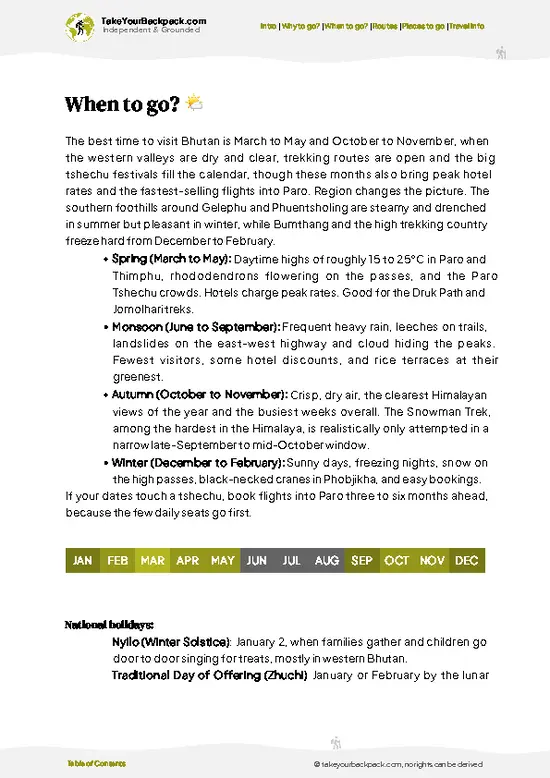
example page 0 from our offline Travel Guide for Bhutan
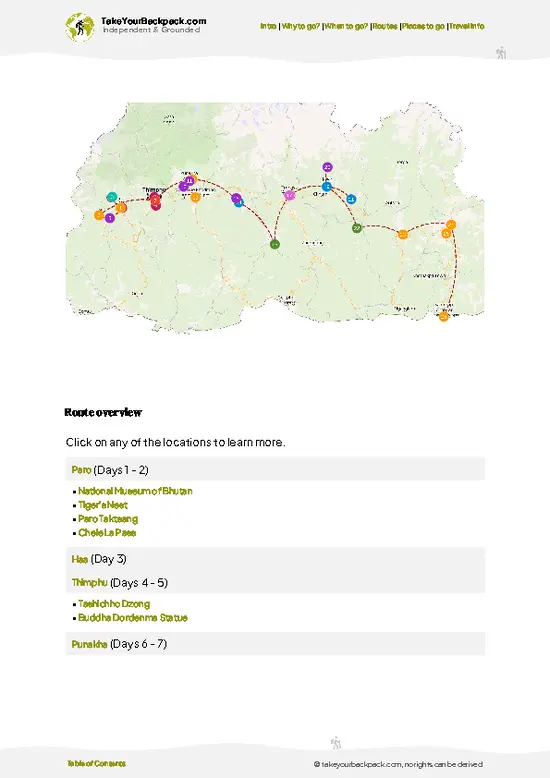
example page 1 from our offline Travel Guide for Bhutan
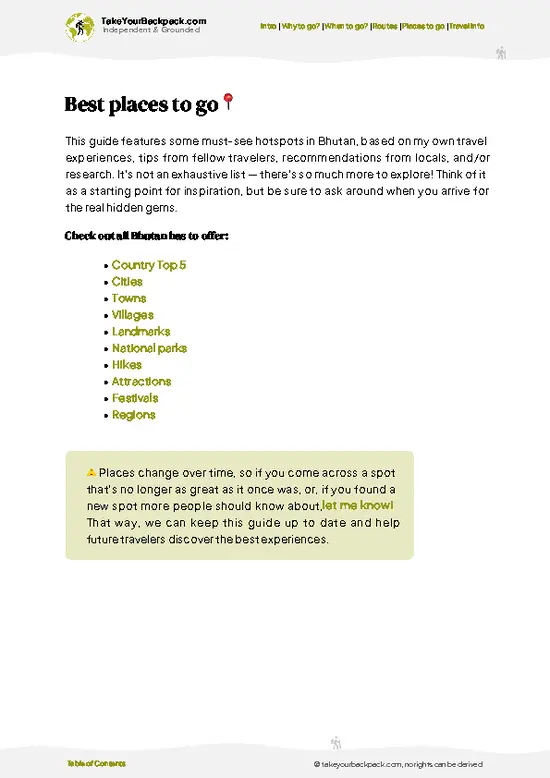
example page 2 from our offline Travel Guide for Bhutan
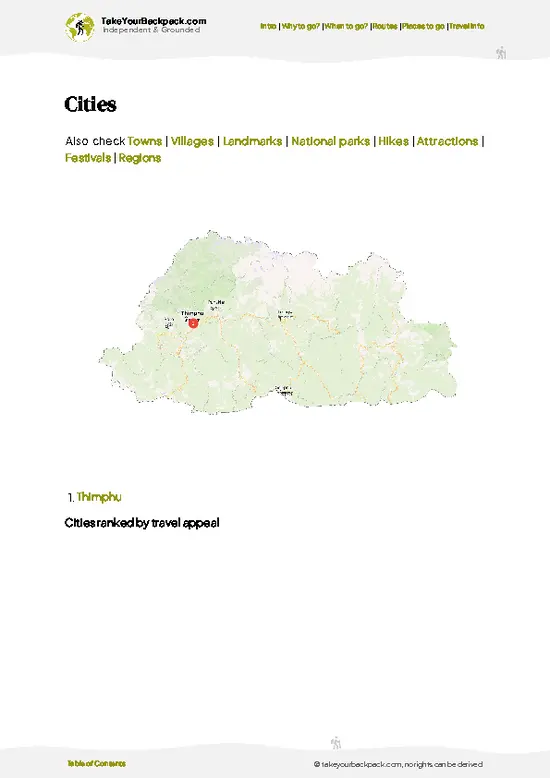
example page 3 from our offline Travel Guide for Bhutan
example page 4 from our offline Travel Guide for Bhutan
example page 5 from our offline Travel Guide for Bhutan
example page 6 from our offline Travel Guide for Bhutan
example page 7 from our offline Travel Guide for Bhutan
Loading the map 🌍
CLICK TO FILTER
cities
towns
villages
landmarks
national parks
hikes
attractions
festivals
regions
SHOW COUNTRY’S BESTSHOW ALL

✨ Why go?
Ranked #6 hike in Bhutan
The unique appeal for travelers

The Nabji-Korphu Trek in Bhutan isn’t just another Instagram backdrop; it’s a journey that strips away the fluff and gets to the heart of what trekking is all about. Yes, you’ll encounter crowds—especially during peak season—but that’s part of the experience. You’re not just walking; you’re sharing the trail with fellow adventurers, all drawn to the same raw beauty.

What makes this trek a must-do is its uniqueness. You’ll traverse through untouched villages, lush forests, and vibrant rhododendron blooms, all while soaking in the rich culture of the local communities. The cost is surprisingly low for what you get—think of it as a budget-friendly way to experience Bhutan’s stunning landscapes without breaking the bank.

Plus, it fits seamlessly into a broader route. Pair it with a visit to … read more 👉
The Nabji-Korphu Trek in Bhutan isn’t just another Instagram backdrop; it’s a journey that strips away the fluff and gets to the heart of what trekking is all about. Yes, you’ll encounter crowds—especially during peak season—but that’s part of the experience. You’re not just walking; you’re sharing the trail with fellow adventurers, all drawn to the same raw beauty.

What makes this trek a must-do is its uniqueness. You’ll traverse through untouched villages, lush forests, and vibrant rhododendron blooms, all while soaking in the rich culture of the local communities. The cost is surprisingly low for what you get—think of it as a budget-friendly way to experience Bhutan’s stunning landscapes without breaking the bank.

Plus, it fits seamlessly into a broader route. Pair it with a visit to Bumthang or Gangtey, and you’ve got a trek that’s not just a standalone experience but part of a larger adventure. The effort-to-reward ratio? Off the charts. You’ll leave with stories that no photo can capture.

💡 HighlightsWhat this place is best known for

  • Nabji Lhakhang (the valley temple) — A tiny, quietly powerful temple sitting in a bowl-shaped valley; it’s less about grand architecture and more about atmosphere: incense, prayer flags, faded murals and pilgrims moving at a slow, deliberate pace. Feels like stepping into the living spine of local spirituality.
  • Korphu village — Traditional highland village life: wooden houses, stacked barley, and yak herds grazing nearby. You’ll see real day-to-day Bhutanese farming and have chances for friendly, un-staged conversations with locals — the kind of authenticity big towns rarely offer.
  • Ridge viewpoints and panoramas — Short climbs off the trail open up dramatic ridgeline views over narrow valleys and distant peaks. Great for sunrise or late-afternoon light; the scale of the landscape is what
… read more 👉
  • Nabji Lhakhang (the valley temple) — A tiny, quietly powerful temple sitting in a bowl-shaped valley; it’s less about grand architecture and more about atmosphere: incense, prayer flags, faded murals and pilgrims moving at a slow, deliberate pace. Feels like stepping into the living spine of local spirituality.
  • Korphu village — Traditional highland village life: wooden houses, stacked barley, and yak herds grazing nearby. You’ll see real day-to-day Bhutanese farming and have chances for friendly, un-staged conversations with locals — the kind of authenticity big towns rarely offer.
  • Ridge viewpoints and panoramas — Short climbs off the trail open up dramatic ridgeline views over narrow valleys and distant peaks. Great for sunrise or late-afternoon light; the scale of the landscape is what sticks with you afterward.
  • Rhododendron and mixed forests — Especially in spring the slopes burst with color; the trail threads through pine, fir and rhodo stands that are alive with birdsong. It’s surprisingly biodiverse for a short, accessible trek.
  • Yak meadows and pastoral scenes — Summer pastures and their nomadic rhythms give the area a timeless feel: yak bells, handmade yaks’ cheese, and simple corrals. It’s a useful reminder that this is still a working landscape, not a backdrop for selfies.
  • Chortens, mani walls and continuous prayer flags — Spiritual markers line the route rather than being confined to a single spot, so the whole trek reads like a slow-moving pilgrimage. The repetition of carved stones and fluttering flags gives the walk a meditative quality.
  • Night skies and quiet — Minimal light pollution means stellar ceilings and real silence after dark. For budget travelers who camp or stay in simple homestays, the night feels huge — perfect for stargazing or just enjoying how loud the quiet can be.
Spotted a mistake or missing something? Contact us.

Things to do near Nabji-Korphu Trek

Ratings based on Tripadvisor reviews. When you book through this link, you support our work at no extra cost to you.

🌤️ When to go?When to go for the best experience

  • Weather: The best window is late spring (April-May) and early autumn (September-October). These months dodge the monsoon’s relentless downpours and the biting cold of winter. Expect clear skies, perfect for those panoramic shots and trekking without mudslides.
  • Temperature: Daytime temps hover between 15-20°C (59-68°F) in spring and autumn, comfortable for hiking. Nights dip to 5°C (41°F) or lower, so pack layers. Winter nights can plunge below freezing, making camping brutal unless you’re hardcore.
  • Daylight Hours: Around 11-12 hours of daylight during peak trekking seasons, giving you ample time to cover ground without rushing or risking night navigation on tricky trails.
  • Crowds: The trek is still off most tourists’ radar, but spring and autumn attract Bhutanese festival-goers and international
… read more 👉
  • Weather: The best window is late spring (April-May) and early autumn (September-October). These months dodge the monsoon’s relentless downpours and the biting cold of winter. Expect clear skies, perfect for those panoramic shots and trekking without mudslides.
  • Temperature: Daytime temps hover between 15-20°C (59-68°F) in spring and autumn, comfortable for hiking. Nights dip to 5°C (41°F) or lower, so pack layers. Winter nights can plunge below freezing, making camping brutal unless you’re hardcore.
  • Daylight Hours: Around 11-12 hours of daylight during peak trekking seasons, giving you ample time to cover ground without rushing or risking night navigation on tricky trails.
  • Crowds: The trek is still off most tourists’ radar, but spring and autumn attract Bhutanese festival-goers and international trekkers alike. You’ll find a few groups but nothing like the Everest Base Camp crush.
  • Seasonal Activities: Spring bursts with rhododendrons and wildflowers, while autumn offers vibrant harvest festivals in nearby villages, adding cultural depth to your trek.
  • Price Fluctuations: Peak seasons see a slight hike in permit and guide fees due to demand, but it’s marginal compared to other Himalayan treks. Off-season might save you a few bucks but expect harsher conditions.
Pro-tip: Aim for early October to catch the tail end of the festival season with stable weather—perfect combo of culture, comfort, and crowd control.


source: climatestotravel.comJANJanuary: below average for travelingFEBFebruary: fair for travelingMARMarch: good for travelingAPRApril: excellent for travelingMAYMay: excellent for travelingJUNJune: fair for travelingJULJuly: below average for travelingAUGAugust: below average for travelingSEPSeptember: excellent for travelingOCTOctober: excellent for travelingNOVNovember: good for travelingDECDecember: fair for traveling
when-to-go

✈️ The backpacker research shortcutBhutan Travel Guide

An offline-friendly backpacking guide with optimized travel routes, ranked highlights, transport advice, and the best areas to stay.
example page 0 from our offline Travel Guide for Bhutan
example page 1 from our offline Travel Guide for Bhutan
example page 2 from our offline Travel Guide for Bhutan
example page 3 from our offline Travel Guide for Bhutan
example page 4 from our offline Travel Guide for Bhutan
example page 5 from our offline Travel Guide for Bhutan
example page 6 from our offline Travel Guide for Bhutan
example page 7 from our offline Travel Guide for Bhutan
The digital guide (210 pages) contains:
✅ 52 highlights, ranked by travel appeal
✅ Optimized 5, 10 & 15-day travel routes
✅ Cities, national parks, landmarks, beaches
✅ How to get around
✅ Offline-friendly for travel without Wi-Fi
👉 Click to see all 30+ guide features

📅 Plan smarter in minutes, not weeks
✅ Month by month travel advice
✅ Festivals & national holidays
✅ Budget expectations

🗺️ Go to the right places, skip the overrated ones
✅ Honest pros & cons of destinations
✅ Top hikes, parks & viewpoints
✅ Lesser-known places most travelers miss
✅ Clear “worth it vs skip it” guidance

🛏️ Travel smoothly without rookie mistakes
✅ Best areas to stay
✅ Transport systems explained simply
✅ Common scams & safety advice
✅ SIM cards, money & practical tips

🌍 Understand the country, not just visit it
✅ Culture & traditions
✅ 52 Essential phrases & customs
✅ Festivals worth planning around
✅ Traveler-friendly historical context
✅ Insights that make places more meaningful

📱 Built for real travel conditions
✅ Fully downloadable PDF
✅ Works completely offline
✅ Optimized for phone use
✅ Useful in remote areas & buses
✅ Everything in one place
Stop searching, start planning
Get instant access to your full guide. 30‑day money-back guarantee.
+ Add another guide for just

By proceeding you agree to our terms.
Sent to your inbox immediately after payment • 100% Secure Checkout
Best Backpacking Travel Advisor 2025 tourism awardBest Backpacking
Travel Advisor
2025
What others say about Take Your Backpack Guides:
⭐⭐⭐⭐⭐
Fantastic, amazing amount of information!
⭐⭐⭐⭐⭐
My goodness this is amazing, it's what I've been looking for hats off too you!
⭐⭐⭐⭐⭐
I think this is absolutely BRILLIANT
⭐⭐⭐⭐
Very complete and informative. It's still missing places, but I gotta to commend you
⭐⭐⭐⭐⭐
This is truly amazing, thank you, can't wait to explore it with my kids!
⭐⭐⭐⭐⭐
Awesome resource, thank you!
⭐⭐⭐⭐⭐
This is amazing! Can't wait to explore the ones I haven't seen
⭐⭐⭐⭐
I love this! Well done, great idea.
⭐⭐⭐⭐⭐
Thanks for taking the time to make this gem!
⭐⭐⭐⭐⭐
This might be the best website I've ever seen.
⭐⭐⭐⭐⭐
Congratulations, and thank you so much for your work; it's incredibly valuable.
⭐⭐⭐⭐
In all seriousness I think you did a great job pointing out the important spots
⭐⭐⭐⭐⭐
10/10 very good
⭐⭐⭐⭐⭐
As someone who's only just starting to visit regularly this is awesome, thank you.
⭐⭐⭐⭐
Thank you very much! I'm going to visit my dad, it's going to be very useful!
⭐⭐⭐⭐⭐
This is really cool! We'll be travelling for the first time and this definitely come in handy.
⭐⭐⭐⭐⭐
You are now our minister of culture, congratulations 👨‍💼
⭐⭐⭐⭐⭐
Just wanted to tell you that this is a pearl! Going to follow your recommendations.
⭐⭐⭐⭐⭐
This is so cool. I'll definitely be using the resource for my travels soon.
⭐⭐⭐⭐⭐
This is very impressive! Good work.
⭐⭐⭐⭐⭐
This is an amazing and informative site. Very well done!

🛏️ Where to stay?Best areas and accommodation options

The Nabji-Korphu Trek in Bhutan is a breathtaking journey, but let’s get real about where to stay. First off, you’ll want to base yourself in the town of Jakar. It’s the gateway to the trek and has a solid backpacker vibe. You’ll find a mix of cozy guesthouses and budget lodges that cater to solo travelers and small groups.

Expect a friendly atmosphere where you can swap stories with fellow trekkers over a cup of butter tea. The prices are reasonable, but don’t expect luxury; think basic comforts and a warm welcome.

Another option is the village of Nabji itself. Staying here puts you right … read more 👉
The Nabji-Korphu Trek in Bhutan is a breathtaking journey, but let’s get real about where to stay. First off, you’ll want to base yourself in the town of Jakar. It’s the gateway to the trek and has a solid backpacker vibe. You’ll find a mix of cozy guesthouses and budget lodges that cater to solo travelers and small groups.

Expect a friendly atmosphere where you can swap stories with fellow trekkers over a cup of butter tea. The prices are reasonable, but don’t expect luxury; think basic comforts and a warm welcome.

Another option is the village of Nabji itself. Staying here puts you right in the heart of the trek. Accommodations are simple, often family-run, giving you a taste of local life. You might even score a home-cooked meal, which beats any overpriced restaurant.

Crowds can be a reality, especially during peak season, but the camaraderie among backpackers makes it worthwhile. Embrace the shared experiences, and you’ll find the real magic of Bhutan isn’t just in the scenery, but in the connections you make along the way.

👛 Costs (as of 15 October 2026)Money, prices, and spending tips

Visiting the Nabji-Korphu Trek in Bhutan isn’t just about the stunning views; it’s also about understanding the costs involved. Here’s a breakdown of what you can expect to spend.
  • Permit Fees: Trekking in Bhutan requires a special permit. Expect to pay around €30 to €50 ($35 to $60) for the trekking permit. This is essential for accessing the trails and ensures that you’re contributing to the preservation of the environment.
  • Guide and Porter Services: Hiring a local guide is mandatory. Prices range from €40 to €70 ($45 to $80) per day for a guide. If you want a porter, budget an additional €20 to €30 ($25 to $35) per day. This not only supports the local economy but also enhances your experience with insider knowledge.
  • Accommodation: Lodging options vary. Basic guesthouses cost around €15 to
… read more 👉
Visiting the Nabji-Korphu Trek in Bhutan isn’t just about the stunning views; it’s also about understanding the costs involved. Here’s a breakdown of what you can expect to spend.
  • Permit Fees: Trekking in Bhutan requires a special permit. Expect to pay around €30 to €50 ($35 to $60) for the trekking permit. This is essential for accessing the trails and ensures that you’re contributing to the preservation of the environment.
  • Guide and Porter Services: Hiring a local guide is mandatory. Prices range from €40 to €70 ($45 to $80) per day for a guide. If you want a porter, budget an additional €20 to €30 ($25 to $35) per day. This not only supports the local economy but also enhances your experience with insider knowledge.
  • Accommodation: Lodging options vary. Basic guesthouses cost around €15 to €30 ($17 to $35) per night. If you’re looking for something a bit more comfortable, expect to pay €40 to €70 ($45 to $80) for mid-range options. Camping is also an option, but you’ll need to factor in the cost of gear rental if you don’t have your own.
  • Food and Drink: Meals in Bhutan can be quite affordable. Budget about €10 to €20 ($12 to $25) per day for basic meals. If you want to indulge in local specialties or dine at nicer places, you might spend €25 to €40 ($30 to $45) daily. Always keep an eye out for local eateries for the best value.
  • Transportation: Getting to the trek starts with a flight into Paro, which can be pricey. Expect to pay around €300 to €600 ($350 to $700) for round-trip flights from major cities. Once in Bhutan, local transport costs can vary, but budget around €10 to €20 ($12 to $25) for short rides.

Understanding these costs will help you plan effectively and ensure you get the most out of your trek. The Nabji-Korphu Trek is worth every euro spent for the authentic experience it offers.


source: bhutan.travel
⚠️ Prices can change and everyone travels differently, so take this as a rough guide. Hope it helps you plan your adventure!

🥾 Hike detailsKey facts about the Nabji-Korphu Trek hike

The Nabji-Korphu Trek in Bhutan is a hidden gem that takes you through stunning landscapes while diving deep into the country’s rich culture and heritage. This trek, often overshadowed by more popular routes, winds through remote villages, offering a glimpse of traditional Bhutanese life that hasn’t changed much over the centuries.

Historically, the region is significant due to its connection to local folklore and the ancient practice of Buddhism. The trek links two villages—Nabji and Korphu—each steeped in legends. One popular tale involves a revered lama who is said to have meditated in the … read more 👉
The Nabji-Korphu Trek in Bhutan is a hidden gem that takes you through stunning landscapes while diving deep into the country’s rich culture and heritage. This trek, often overshadowed by more popular routes, winds through remote villages, offering a glimpse of traditional Bhutanese life that hasn’t changed much over the centuries.

Historically, the region is significant due to its connection to local folklore and the ancient practice of Buddhism. The trek links two villages—Nabji and Korphu—each steeped in legends. One popular tale involves a revered lama who is said to have meditated in the area, bringing spiritual energy that locals still feel today.

Culturally, the trek showcases Bhutan’s unique identity. You’ll encounter traditional farmhouses, terraced fields, and the vibrant local festivals, like the Nabji Festival, which celebrates the community’s agricultural bounty and spiritual heritage. The trek is also a fantastic way to experience the warm hospitality of the Bhutanese people, who are known for their friendliness and rich traditions.

What makes Nabji-Korphu special is its blend of natural beauty and cultural immersion. As you hike through pine forests and along rivers, you’re not just enjoying breathtaking views; you’re stepping into a living history that reflects Bhutan’s values of community, spirituality, and respect for nature. It’s a trek that leaves you with a sense of connection—not just to the land but to the people who call it home.
⚠️ Hiking info can sometimes be outdated or inaccurate. Before you hit the trail, check the latest conditions with locals. If you do spot anything that's off, I'd love to hear from you, so I can update it for fellow travelers.

FAQFrequently asked questions about Nabji-Korphu Trek

Nabji-Korphu Trek is a cultural and nature trek in Bhutan that connects the villages of Nabji and Korphu, known for its pristine forests, traditional Bhutanese villages, and views of the Black Mountains. It is less crowded than other treks and offers a glimpse into rural Bhutanese life and biodiversity.
You need about 4 to 5 days to complete the Nabji-Korphu Trek, allowing time to acclimatize and explore the villages along the route. This duration includes moderate daily hiking distances of around 10 to 15 kilometers.
To get to Nabji-Korphu Trek, you typically start from Trongsa, accessible by road from Bhutan’s capital, Thimphu, or from Bumthang. From Trongsa, local transport or a guided trek service will take you to the trailhead at Nabji village.
⚠️ Things can change over time, so always validate details locally before you go.

Other Bhutanese hikes near Nabji-Korphu Trek

Explore more nearby:


💡 Not sure where to go next?
Create a personalized itinerary for Bhutan including Nabji-Korphu Trek and the places that fit your trip.

Generate my itinerary

👉 Discover all hikes

Or checkout all Bhutan has to offer (think cities, towns, villages, national parks, hikes, beaches, festivals)
Country photo of Bhutan

We 💚 feedbackSumming up the experience

The Nabji-Korphu Trek isn’t for the faint-hearted. Expect crowds on the popular stretches, but don’t let that deter you. The real magic lies in the quiet moments—like sipping tea with locals who genuinely want to share their stories. The best surprise? The wildflowers that bloom in unexpected patches, painting the landscape with color. Just a heads-up: the altitude can hit hard, so pace yourself. Embrace the journey, and you’ll find Bhutan’s soul waiting for you.

✍️ Help improve this page!
The information on this page is based on in-depth research, insights shared by experienced travelers, and feedback from the local travel community in Bhutan. While every effort is made to keep the information accurate and current, conditions can change — so if you spot anything incorrect or outdated, please get in touch.


🙋‍♂️ Give feedback

👋 Meet the founderWho’s Behind Take Your Backpack?

Johan, backpacker and founder of TakeYourBackpackHi, I’m Johan (Netherlands 🇳🇱), the creator of TakeYourBackpack. Over the past 3 decades, I’ve backpacked through 90+ countries across six continents, gaining extensive experience with independent travel, long-term trips, and overland routes.

This site is built on a combination of firsthand travel experience and carefully curated insights from other backpackers. Many guides are based on places I’ve personally visited, while others bring together tips, observations, and practical advice shared by trusted travelers I’ve met along the way.

The goal is to provide realistic, experience-driven guidance — not generic itineraries — so you can explore destinations with better context, clearer expectations, and more confidence.