×
Snowman Trek

Bhutan🇧🇹 | hikesSnowman Trekhigh passes, isolated villages, rugged wilderness | things to do and best time to go

Explore JomolhariExplore Tiger’s Nest

Backpacking in Snowman Trek
👀 For curious travelershike ranked #6
By Johan Kruseman 🇳🇱 | Updated September 4, 2026

The first real fork in the road with Bhutan’s Snowman Trek isn’t on the trail—it’s in your gut: do you commit to three weeks of relentless altitude, or do you play it safe with a shorter, friendlier trek? This isn’t just a hike; it’s a high-altitude gauntlet slicing through the remote spine of the Himalayas, north of Paro and Punakha, where Bhutan’s wildest ridges scrape the sky. The scenery is savage—glaciers, turquoise lakes, and yak herders’ camps that feel like the last outposts of humanity. But the price is steep: 300 kilometers, 11 passes over 4,500 meters, and weather that can turn from postcard to punishment in minutes. Public transport to the trailhead is a logistical headache—expect private jeeps, not buses. Compared to the popular Druk Path or Jomolhari treks, the Snowman is a different beast: longer, lonelier, and utterly uncompromising. The payoff? You earn every view, every lungful of thin, icy air, and every story you’ll tell for the rest of your life.

Discover everything you want to know in the 📖 Bhutan Travel Guide.
Best time to go: March - May, September - November
Duration: 25 to 30 days
Distance: 356 kilometers
Total ascent: 1,200 meters


Get your Bhutan guide
54 ranked highlights, routes & tips, works offline (222 pages)
Loading the map 🌍
CLICK TO FILTER
cities
towns
villages
landmarks
national parks
hikes
attractions
festivals
regions
SHOW COUNTRY’S BESTSHOW ALL

✨ Why go?
Ranked #6 hike in Bhutan
Why Snowman Trek should be on your travel list

The Snowman Trek in Bhutan is a siren call for backpackers craving adventure. Picture this: you’re trudging through untamed landscapes, where the air is crisp and the mountains loom like ancient giants. The scenery-to-effort ratio is off the charts; every grueling ascent rewards you with jaw-dropping views of snow-capped peaks and lush valleys.

Getting there? Easy. Public transport whisks you to trailheads, making it accessible without breaking the bank. The trek offers flexible distances, allowing you to tailor your journey based on your stamina and time. Whether you’re a seasoned hiker or a curious newbie, you can find your groove here.

And let’s not forget how seamlessly it fits into a longer backpacking route through Bhutan. You can dive into the rich culture, savor local cuisine, … read more 👉
The Snowman Trek in Bhutan is a siren call for backpackers craving adventure. Picture this: you’re trudging through untamed landscapes, where the air is crisp and the mountains loom like ancient giants. The scenery-to-effort ratio is off the charts; every grueling ascent rewards you with jaw-dropping views of snow-capped peaks and lush valleys.

Getting there? Easy. Public transport whisks you to trailheads, making it accessible without breaking the bank. The trek offers flexible distances, allowing you to tailor your journey based on your stamina and time. Whether you’re a seasoned hiker or a curious newbie, you can find your groove here.

And let’s not forget how seamlessly it fits into a longer backpacking route through Bhutan. You can dive into the rich culture, savor local cuisine, and then hit the trails, all while keeping costs low. The Snowman Trek isn’t just a hike; it’s a transformative experience that leaves you breathless in more ways than one.
Want to include Snowman Trek in your Bhutan route?
Create a personalized Bhutan itinerary that includes Snowman Trek and the places that fit your trip — based on your travel style, budget, and available time. Get your route in seconds.

Generate my trip

💡 HighlightsMust-see experiences and standout moments

  1. Gangkar Puensum views: The trek threads below the world’s highest unclimbed mountain, and the sudden, sheer walls of Gangkar Puensum appear like a wall of rock and ice — raw, remote and basically untouched by climbers or crowds. Sunrise and late-afternoon light can turn the flanks into dramatic, photogenic ridges you won’t forget.
  2. High passes and endless ridgelines: Snowman is defined by long, high passes (many over 4,500-5,000 m) and exposed ridgelines that give you continuous wide-angle views of glaciers, valleys and distant peaks. It’s the kind of walking where every step brings a new panorama — brutally beautiful and very different from tree-shaded forest treks.
  3. Glacial lakes and the Lunana basin: The Lunana region has pristine, turquoise meltwater lakes tucked beneath hanging glaciers
read more 👉
  1. Gangkar Puensum views: The trek threads below the world’s highest unclimbed mountain, and the sudden, sheer walls of Gangkar Puensum appear like a wall of rock and ice — raw, remote and basically untouched by climbers or crowds. Sunrise and late-afternoon light can turn the flanks into dramatic, photogenic ridges you won’t forget.
  2. High passes and endless ridgelines: Snowman is defined by long, high passes (many over 4,500-5,000 m) and exposed ridgelines that give you continuous wide-angle views of glaciers, valleys and distant peaks. It’s the kind of walking where every step brings a new panorama — brutally beautiful and very different from tree-shaded forest treks.
  3. Glacial lakes and the Lunana basin: The Lunana region has pristine, turquoise meltwater lakes tucked beneath hanging glaciers and moraine fields. These alpine lakes feel thoroughly remote — the water is clear, the silence is deep, and the scale of glacier-carved terrain is obvious up close.
  4. Laya and Lunana villages — living highland culture: Tiny high-altitude settlements like Laya are halfway to another world: yak-herding families, woven wool garments, stone houses and simple Buddhist chortens. You’ll see daily life shaped by altitude and winter snows in a way you won’t on lower, more touristed trails.
  5. Wildlife and the sense of real wilderness: Expect bharal (blue sheep), marmots, Himalayan birds and the occasional yak caravan; snow leopards are possible here (but rare), which is exactly the point — this trek feels wild in a way few long trails do. Silence, big empty valleys and animal tracks are part of the attraction.
Spotted a mistake or missing something? Contact us.

Things to do near Snowman Trek

Ratings based on Tripadvisor reviews. When you book through this link, you support our work at no extra cost to you.

🌤️ When to go?Best time to hike the Snowman Trek


  • Weather: The best window is late September to early November and March to May. These months dodge the heavy monsoon rains that turn trails into slippery mudslides and obscure those Himalayan vistas. Expect crisp, clear skies that sharpen every ridge and valley.

  • Temperature: Daytime highs hover around 10-15°C (50-59°F), but nights plunge below freezing, often hitting -10°C (14°F) or colder at higher altitudes. Layering is non-negotiable; the cold bites deep once the sun dips.

  • Daylight Hours: Around 10-12 hours of daylight during peak trekking seasons, giving you ample time to cover ground without rushing but still demanding early starts to avoid afternoon chills and maximize visibility.

  • Crowds: The trail thins out outside peak seasons, but the shoulder months bring unpredictable weather.
read more 👉

  • Weather: The best window is late September to early November and March to May. These months dodge the heavy monsoon rains that turn trails into slippery mudslides and obscure those Himalayan vistas. Expect crisp, clear skies that sharpen every ridge and valley.

  • Temperature: Daytime highs hover around 10-15°C (50-59°F), but nights plunge below freezing, often hitting -10°C (14°F) or colder at higher altitudes. Layering is non-negotiable; the cold bites deep once the sun dips.

  • Daylight Hours: Around 10-12 hours of daylight during peak trekking seasons, giving you ample time to cover ground without rushing but still demanding early starts to avoid afternoon chills and maximize visibility.

  • Crowds: The trail thins out outside peak seasons, but the shoulder months bring unpredictable weather. Peak season means more trekkers, which can dull the solitude but guarantees better trail support and lodge availability.

  • Seasonal Activities: Autumn aligns with Bhutan’s vibrant festivals like Thimphu Tshechu, adding cultural spice to your trek’s start or finish. Spring bursts with rhododendrons, painting the landscape in fiery reds and pinks.

  • Price Fluctuations: Peak seasons command premium prices for permits, guides, and accommodation. Off-peak months offer discounts but brace for fewer services and tougher trail conditions.


Pro-tip: Time your trek to catch the clear post-monsoon air or the spring bloom—both deliver jaw-dropping views that make every grueling step worth it.


source: climatestotravel.comJANJanuary: fair for travelingFEBFebruary: fair for travelingMARMarch: excellent for travelingAPRApril: excellent for travelingMAYMay: highly recommended for travelingJUNJune: below average for travelingJULJuly: below average for travelingAUGAugust: below average for travelingSEPSeptember: excellent for travelingOCTOctober: excellent for travelingNOVNovember: highly recommended for travelingDECDecember: fair for traveling
Bhutan - Snowman Trek

✈️ The backpacker research shortcutBhutan Travel Guide

An offline-friendly backpacking guide with optimized travel routes, ranked highlights, transport advice, and the best areas to stay.
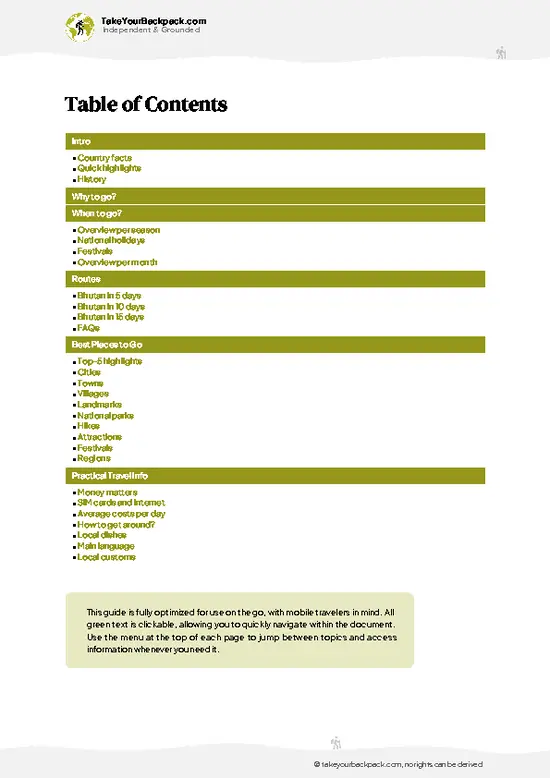
example page 0 from our offline Travel Guide for Bhutan
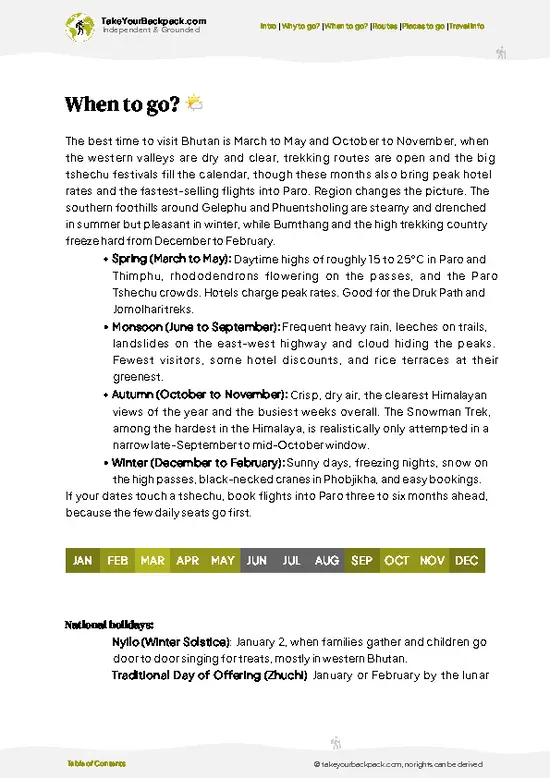
example page 1 from our offline Travel Guide for Bhutan
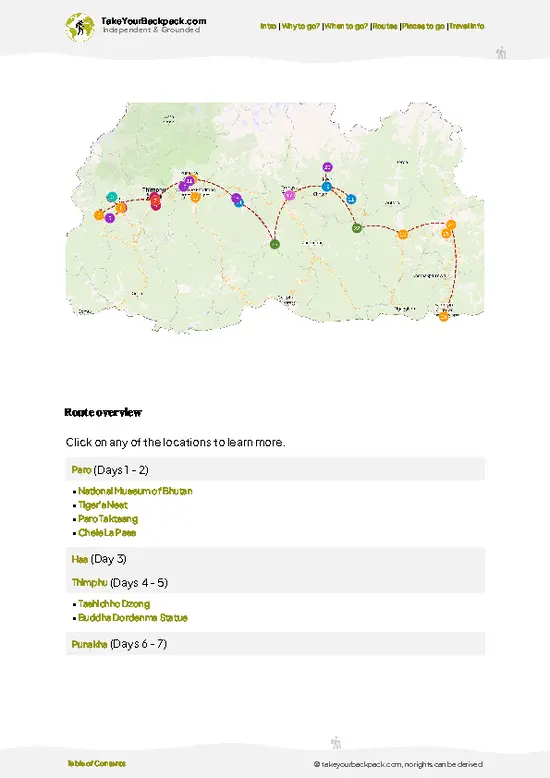
example page 2 from our offline Travel Guide for Bhutan
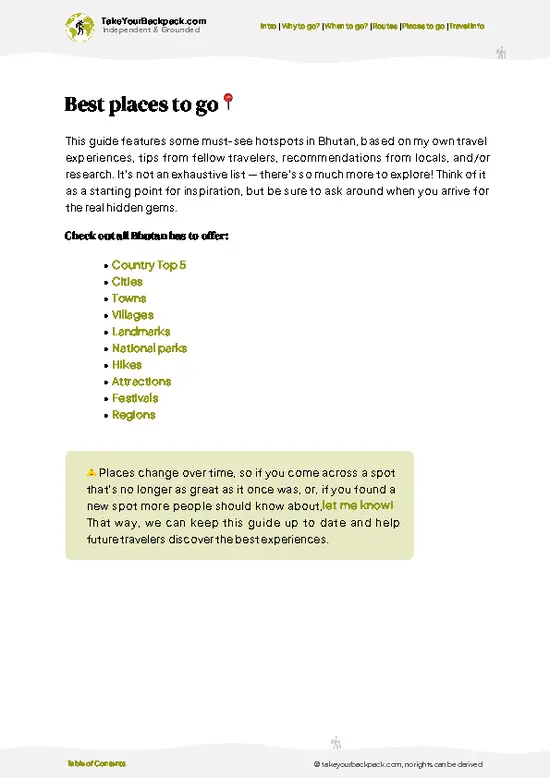
example page 3 from our offline Travel Guide for Bhutan
example page 4 from our offline Travel Guide for Bhutan
example page 5 from our offline Travel Guide for Bhutan
example page 6 from our offline Travel Guide for Bhutan
example page 7 from our offline Travel Guide for Bhutan
The digital guide (222 pages) contains:
54 highlights, ranked by travel appeal
Optimized 5, 10 & 15-day travel routes
Cities, national parks, landmarks, beaches
How to get around
Offline-friendly for travel without Wi-Fi
👉 Click to see all 30+ guide features

📅 Plan smarter in minutes, not weeks
Month by month travel advice
Festivals & national holidays
Budget expectations

🗺️ Go to the right places, skip the overrated ones
Honest pros & cons of destinations
Top hikes, parks & viewpoints
Lesser-known places most travelers miss
Clear “worth it vs skip it” guidance

🛏️ Travel smoothly without rookie mistakes
Best areas to stay
Transport systems explained simply
Common scams & safety advice
SIM cards, money & practical tips

🌍 Understand the country, not just visit it
Culture & traditions
52 Essential phrases & customs
Festivals worth planning around
Traveler-friendly historical context
Insights that make places more meaningful

📱 Built for real travel conditions
Fully downloadable PDF
Works completely offline
Optimized for phone use
Useful in remote areas & buses
Everything in one place
Save weeks of stressful planning
Get instant access to your full guide. 30‑day money-back guarantee.
+ Add another guide for just US$7.80

By proceeding you agree to our terms.
Sent to your inbox immediately after payment • 100% Secure Checkout
Best Backpacking Travel Advisor 2025 tourism awardBest Backpacking
Travel Advisor
2025
What others say about Take Your Backpack Guides:
⭐⭐⭐⭐⭐
Fantastic, amazing amount of information!
⭐⭐⭐⭐⭐
My goodness this is amazing, it's what I've been looking for hats off too you!
⭐⭐⭐⭐⭐
I think this is absolutely BRILLIANT
⭐⭐⭐⭐
Very complete and informative. It's still missing places, but I gotta to commend you
⭐⭐⭐⭐⭐
This is truly amazing, thank you, can't wait to explore it with my kids!
⭐⭐⭐⭐⭐
Awesome resource, thank you!
⭐⭐⭐⭐⭐
This is amazing! Can't wait to explore the ones I haven't seen
⭐⭐⭐⭐
I love this! Well done, great idea.
⭐⭐⭐⭐⭐
Thanks for taking the time to make this gem!
⭐⭐⭐⭐⭐
This might be the best website I've ever seen.
⭐⭐⭐⭐⭐
Congratulations, and thank you so much for your work; it's incredibly valuable.
⭐⭐⭐⭐
In all seriousness I think you did a great job pointing out the important spots
⭐⭐⭐⭐⭐
10/10 very good
⭐⭐⭐⭐⭐
As someone who's only just starting to visit regularly this is awesome, thank you.
⭐⭐⭐⭐
Thank you very much! I'm going to visit my dad, it's going to be very useful!
⭐⭐⭐⭐⭐
This is really cool! We'll be travelling for the first time and this definitely come in handy.
⭐⭐⭐⭐⭐
You are now our minister of culture, congratulations 👨‍💼
⭐⭐⭐⭐⭐
Just wanted to tell you that this is a pearl! Going to follow your recommendations.
⭐⭐⭐⭐⭐
This is so cool. I'll definitely be using the resource for my travels soon.
⭐⭐⭐⭐⭐
This is very impressive! Good work.
⭐⭐⭐⭐⭐
This is an amazing and informative site. Very well done!

🛏️ Where to stay?Choosing the right base

If you enjoy meeting fellow travelers, consider choosing hostels with high ratings for atmosphere. On the other hand, if you prefer having your own space, a hotel might be a better option.

🥾 Hike detailsRoute, distance, and difficulty explained

Total Distance: The Snowman Trek spans approximately 356 kilometers (about 221 miles) through the stunning landscapes of Bhutan.

Estimated Duration: Expect to spend around 25 to 30 days on this trek, depending on your pace and acclimatization needs.

Difficulty Level: This trek is considered extremely challenging. It’s not just about the distance; the altitude, weather conditions, and rugged terrain make it a serious undertaking. You should be in good physical shape and have previous high-altitude trekking experience.

Starting Point: The trek typically begins in the town of Paro. To get there, … read more 👉
Total Distance: The Snowman Trek spans approximately 356 kilometers (about 221 miles) through the stunning landscapes of Bhutan.

Estimated Duration: Expect to spend around 25 to 30 days on this trek, depending on your pace and acclimatization needs.

Difficulty Level: This trek is considered extremely challenging. It’s not just about the distance; the altitude, weather conditions, and rugged terrain make it a serious undertaking. You should be in good physical shape and have previous high-altitude trekking experience.

Starting Point: The trek typically begins in the town of Paro. To get there, you can take a flight into Paro International Airport, which is the only international airport in Bhutan. From there, you can catch a local taxi or arrange for a tour operator to take you to the trek’s starting point at Drugyal Dzong.

Major Landmarks Along the Route:
  • Drugyal Dzong: An ancient fortress that offers a glimpse into Bhutan’s history.
  • Jhomolhari Base Camp: Stunning views of the Jhomolhari mountain, a sacred peak in Bhutan.
  • Thanza: A charming village known for its traditional Bhutanese houses and local culture.
  • Lingzhi Dzong: Another historic fortress that adds to the trek’s cultural richness.
  • Gangkar Puensum: The highest unclimbed mountain in the world, visible from various points along the trek.

Type of Terrain and Scenery: The terrain varies widely, ranging from lush valleys and alpine meadows to rocky paths and high mountain passes. You’ll traverse several high passes, including the challenging Nyile La and the Jichu Drake pass. The scenery is breathtaking, with towering peaks, glacial lakes, and vibrant rhododendron forests.

Typical Vegetation and Wildlife:
  • Vegetation: Expect to see a mix of pine forests, rhododendrons, and alpine flowers as you gain elevation. The lower elevations are lush and green, while higher up, it becomes more sparse and rocky.
  • Wildlife: Keep an eye out for blue sheep, takin, and possibly even the elusive snow leopard if you’re really lucky. Birdwatchers may spot various species, including the colorful Himalayan monal.

This trek isn’t just about the physical challenge; it’s also a chance to immerse yourself in Bhutanese culture and stunning natural beauty. Just make sure you’re prepared for the adventure!
⚠️ Hiking info can sometimes be outdated or inaccurate. Before you hit the trail, check the latest conditions with locals. If you do spot anything that's off, I'd love to hear from you, so I can update it for fellow travelers.

🛡️ SafetySafety Tips and Common Scams in Snowman Trek

The Snowman Trek in Bhutan is a breathtaking challenge, but it demands respect for its realities. Weather can shift in an instant; sunny mornings can morph into snow-laden afternoons. Layer your clothing wisely to adapt.

The terrain is rugged, with steep ascents and rocky paths that require focus. Navigation can be tricky, so a reliable map and compass are essential. River crossings may surprise you; they can swell with rain, so scout for safe spots.

Wildlife encounters are rare but possible. If you spot a yak or a blue sheep, keep your distance and enjoy the moment without disturbing them.

Preparation is key. Hydration and pacing are crucial; don’t rush. A sturdy pair of boots will save your ankles on uneven ground. Embrace the grind, and when you finally reach that panoramic view, the effort will feel like a well-earned victory.

FAQFrequently asked questions about Snowman Trek

The Snowman Trek typically takes 20 to 25 days to complete, covering around 300 kilometers through remote regions of Bhutan. It is one of the longest and most demanding treks in the world.
The Snowman Trek is extremely difficult, rated as one of the toughest treks globally due to high altitudes reaching over 5,000 meters, unpredictable weather, and rugged terrain. It requires excellent physical fitness and prior high-altitude trekking experience.
Yes, you need both a guide and a permit to undertake the Snowman Trek. Permits are arranged through authorized Bhutanese tour operators, and hiring a guide is mandatory for safety and navigation in this remote area.
⚠️ Things can change over time, so always validate details locally before you go.

Other Bhutanese hikes near Snowman Trek

Explore more nearby:


💡 Not sure where to go next?
Create a personalized itinerary for Bhutan including Snowman Trek and the places that fit your trip.

Generate my itinerary

👉 Discover all hikes

Or checkout all Bhutan has to offer (think cities, towns, villages, national parks, hikes, beaches, festivals)
Country photo of Bhutan

We 💚 feedbackSumming up the experience

The Snowman Trek will test your limits, but the payoff is pure magic. Picture this: after days of grueling ascents, you crest a ridge and the Himalayas explode into view. That moment? Worth every aching muscle. The best surprise? The warmth of the locals—sharing stories over butter tea in remote villages. Just a heads-up: altitude sickness is real. Take it slow, savor the journey, and let the mountains work their charm. You’ll leave with more than just photos; you’ll carry a piece of Bhutan in your heart.

✍️ Help improve this page!
The information on this page is based on in-depth research, insights shared by experienced travelers, and feedback from the local travel community in Bhutan. While every effort is made to keep the information accurate and current, conditions can change — so if you spot anything incorrect or outdated, please get in touch.


🙋‍♂️ Give feedback

👋 Meet the founderWho’s Behind Take Your Backpack?

Johan, backpacker and founder of TakeYourBackpackHi, I’m Johan (Netherlands 🇳🇱), the creator of TakeYourBackpack. Over the past decade, I’ve backpacked through 80+ countries across six continents, gaining extensive experience with independent travel, long-term trips, and overland routes.

This site is built on a combination of firsthand travel experience and carefully curated insights from other backpackers. Many guides are based on places I’ve personally visited, while others bring together tips, observations, and practical advice shared by trusted travelers I’ve met along the way.

The goal is to provide realistic, experience-driven guidance — not generic itineraries — so you can explore destinations with better context, clearer expectations, and more confidence.

Get full Bhutan guide •
Instant download • 54 highlights • Full Offline guide