v2.webp)
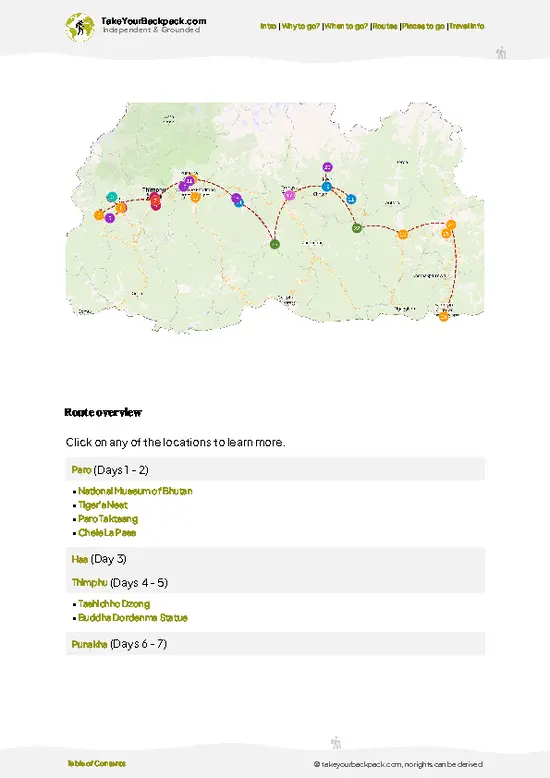
- Fertility blessings and living rituals — Chimi Lhakhang is famous as Bhutan’s fertility temple: couples and women come for blessings from the resident lama. Rituals are personal and simple (they vary by visit), so you’ll see genuine, living faith rather than a staged performance—ask before photographing or joining in.
- Drukpa Kunley, the “Divine Madman” — the temple is tied to the 15th-century saint known for irreverent methods and unorthodox teaching. His stories and legacy give the place its cheeky spiritual character and explain a lot of the colorful iconography you’ll notice.
- Phallic art and folk iconography — unlike any other Bhutanese site, homes and shrine walls here are painted with phalluses and you’ll find carved wooden ones in the temple. They’re intended to ward off evil and
- Fertility blessings and living rituals — Chimi Lhakhang is famous as Bhutan’s fertility temple: couples and women come for blessings from the resident lama. Rituals are personal and simple (they vary by visit), so you’ll see genuine, living faith rather than a staged performance—ask before photographing or joining in.
- Drukpa Kunley, the “Divine Madman” — the temple is tied to the 15th-century saint known for irreverent methods and unorthodox teaching. His stories and legacy give the place its cheeky spiritual character and explain a lot of the colorful iconography you’ll notice.
- Phallic art and folk iconography — unlike any other Bhutanese site, homes and shrine walls here are painted with phalluses and you’ll find carved wooden ones in the temple. They’re intended to ward off evil and bless fertility; it’s bold, local, and frequently photographed (with permission).
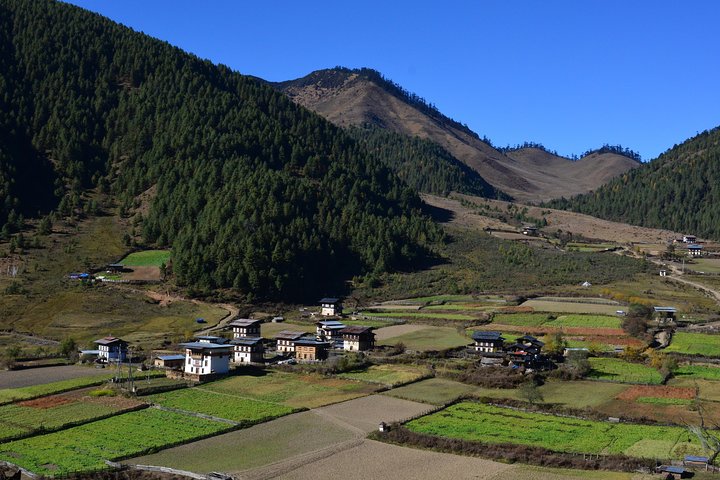
- The short walk through rice paddies and villages — reaching the lhakhang usually involves a gentle 10-30 minute stroll across patchwork fields and past traditional houses. It’s low-effort, scenic, and the best way to see everyday rural life in the Punakha valley up close.
- Intimate temple interior and murals — the shrine itself is compact and quietly atmospheric: old murals, a small inner sanctum with relics, and a humble, lived-in feel that contrasts with Bhutan’s larger, ceremonial dzongs.
- Unhurried countryside views and calm — the hilltop setting gives pleasant valley views and a surprisingly peaceful vibe. It’s a nice pause from busier tourist spots—sit, breathe, watch farmers and prayer flags.
- Local interaction and quirky souvenirs — villagers often sell small charms, hand-painted phalluses, and simple crafts nearby. It’s a chance to practice a few words, learn local customs, and take home something truly Bhutanese (and memorable).
Spotted a mistake or missing something? Contact us.




 Best Backpacking
.jpg) Hi, I’m Johan (Netherlands 🇳🇱), the creator of TakeYourBackpack. Over the past 3 decades, I’ve backpacked through 90+ countries across six continents, gaining extensive experience with independent travel, long-term trips, and overland routes.
Hi, I’m Johan (Netherlands 🇳🇱), the creator of TakeYourBackpack. Over the past 3 decades, I’ve backpacked through 90+ countries across six continents, gaining extensive experience with independent travel, long-term trips, and overland routes.