×

Bhutan🇧🇹 | landmarksPunakha Dzongriver confluence, fortress architecture, carved woodwork | things to do and best time to go

Explore Ngang LhakhangExplore Talo Monastery

Backpacking in Punakha Dzong
🏆 Top pickunique site ranked #1
By Johan Kruseman 🇳🇱 | Updated October 15, 2026

Everyone shows up to Punakha Dzong chasing that one perfect bridge-and-fortress photo, but the real punch isn’t the Instagram angle; it’s how the place feels when the tour groups drift off and the monks’ chanting bounces off those whitewashed walls. Sitting at the confluence of the Pho Chhu and Mo Chhu rivers in western Bhutan, Punakha is the country’s old power center, and you can feel that weight the second you cross the wooden bridge. For backpackers, the wow-factor is absolutely real: massive, ornate, and framed by rice paddies and mountains. The flip side: you can’t just roll up solo on a shoestring; Bhutan’s visa and tour-package system makes this an expensive stop, and you’ll be sharing the courtyards with flag-waving groups. Still, the mix of political history, active monastic life, and almost absurd photo potential gives the place a live, layered vibe rather than a museum feel.

Discover everything you want to know in the 📖 Bhutan Travel Guide.


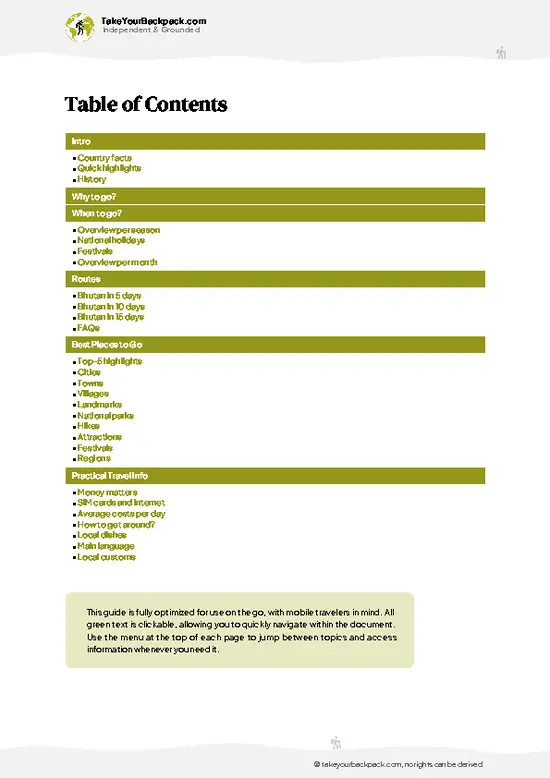
example page 0 from our offline Travel Guide for Bhutan
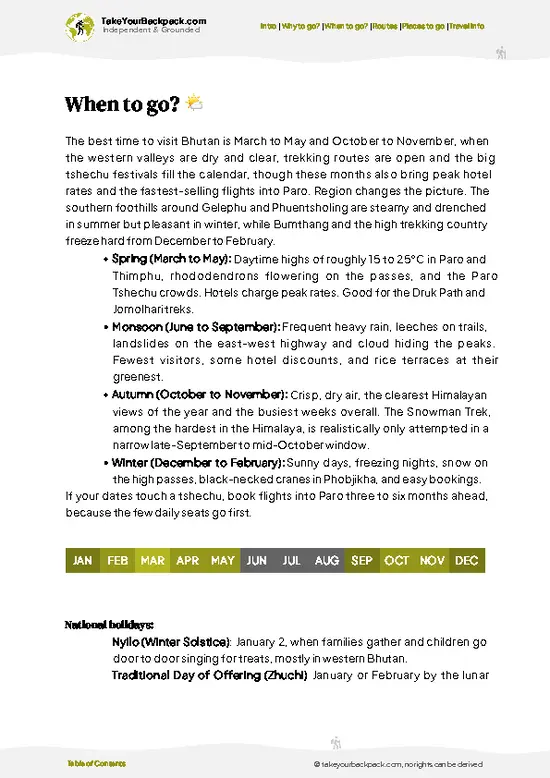
example page 1 from our offline Travel Guide for Bhutan
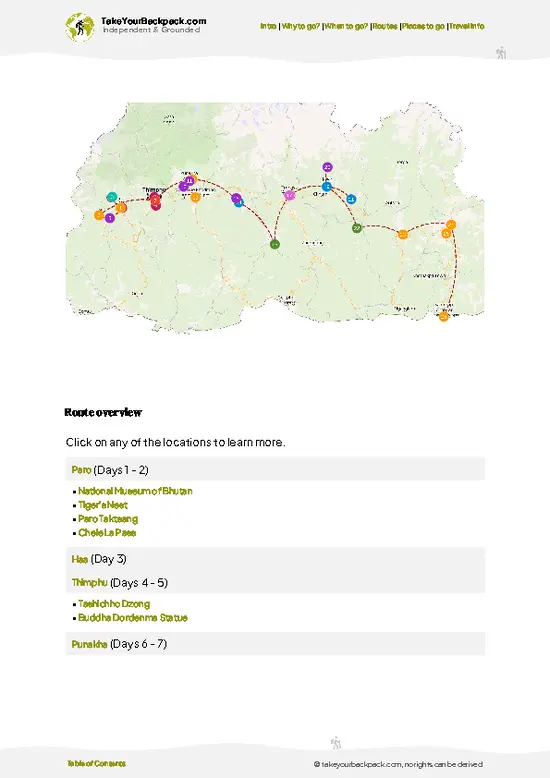
example page 2 from our offline Travel Guide for Bhutan
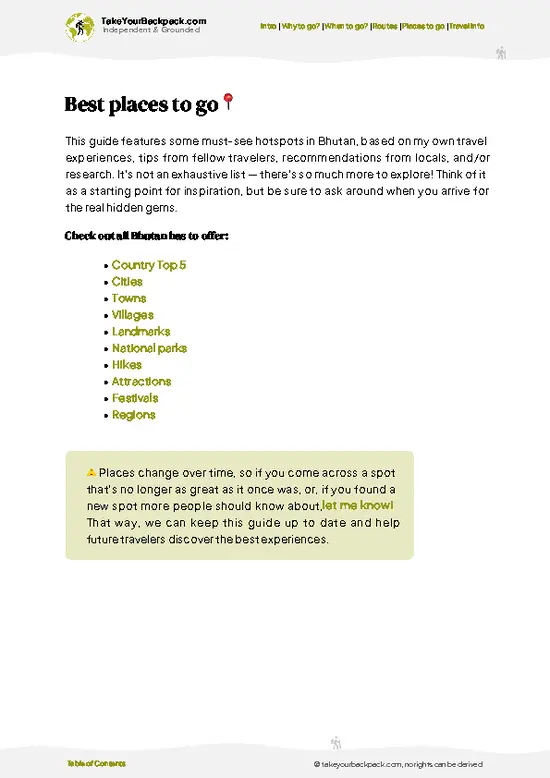
example page 3 from our offline Travel Guide for Bhutan
example page 4 from our offline Travel Guide for Bhutan
example page 5 from our offline Travel Guide for Bhutan
example page 6 from our offline Travel Guide for Bhutan
example page 7 from our offline Travel Guide for Bhutan
Loading the map 🌍
CLICK TO FILTER
cities
towns
villages
landmarks
national parks
hikes
attractions
festivals
regions
SHOW COUNTRY’S BESTSHOW ALL

✨ Why go?
Ranked #1 unique site in Bhutan
The unique appeal for travelers

Punakha Dzong is not just another pretty picture for your Instagram feed; it’s a living testament to Bhutan’s culture and history. Yes, it can get crowded, especially during peak season, but that’s part of the experience. You’re sharing space with locals and monks who breathe life into this stunning fortress.

The entry fee is a mere pittance compared to the richness you’ll encounter. The intricate woodwork, the vibrant murals, and the serene riverside setting create a backdrop that’s both humbling and inspiring. It’s a place where you can sit quietly and soak in the spiritual energy, far removed from the tourist traps that often overshadow genuine experiences.

Punakha Dzong fits seamlessly into a broader route through Bhutan. It’s often paired with hikes to nearby rice terraces or the Chimi … read more 👉
Punakha Dzong is not just another pretty picture for your Instagram feed; it’s a living testament to Bhutan’s culture and history. Yes, it can get crowded, especially during peak season, but that’s part of the experience. You’re sharing space with locals and monks who breathe life into this stunning fortress.

The entry fee is a mere pittance compared to the richness you’ll encounter. The intricate woodwork, the vibrant murals, and the serene riverside setting create a backdrop that’s both humbling and inspiring. It’s a place where you can sit quietly and soak in the spiritual energy, far removed from the tourist traps that often overshadow genuine experiences.

Punakha Dzong fits seamlessly into a broader route through Bhutan. It’s often paired with hikes to nearby rice terraces or the Chimi Lhakhang temple, making it a natural stop rather than a standalone destination. The effort-to-reward ratio is off the charts; a short trek leads you to breathtaking views of the dzong and the surrounding valleys. This isn’t just a visit; it’s a journey into the heart of Bhutanese identity.

💡 HighlightsKey sights and experiences for travelers

  1. Confluence of the Pho Chhu and Mo Chhu — The dzong sits exactly where the two rivers meet, so you get dramatic reflections, the rumble of water below, and why the site was chosen as both strategic fortress and breathtaking backdrop.
  2. The central Utse and cascading courtyards — Multi-storey fortress architecture stacked into sweeping courtyards; climb through them and you’ll feel how Bhutanese builders mixed defense with graceful, human-scale circulation.
  3. Intricate woodcarvings, murals and chapel interiors — Inside are richly painted murals, carved beams and gilded altars that show off Bhutanese craftsmanship up close—small details that reward slow wandering.
  4. Living history and sacred relics — Punakha was once the country’s administrative seat and winter capital; it still houses important
… read more 👉
  1. Confluence of the Pho Chhu and Mo Chhu — The dzong sits exactly where the two rivers meet, so you get dramatic reflections, the rumble of water below, and why the site was chosen as both strategic fortress and breathtaking backdrop.
  2. The central Utse and cascading courtyards — Multi-storey fortress architecture stacked into sweeping courtyards; climb through them and you’ll feel how Bhutanese builders mixed defense with graceful, human-scale circulation.
  3. Intricate woodcarvings, murals and chapel interiors — Inside are richly painted murals, carved beams and gilded altars that show off Bhutanese craftsmanship up close—small details that reward slow wandering.
  4. Living history and sacred relics — Punakha was once the country’s administrative seat and winter capital; it still houses important religious artifacts and connections to Zhabdrung Ngawang Namgyel and Bhutan’s early statehood.
  5. Punakha festivals (Tshechu and Drubchen) — If your timing’s right you’ll see mask dances, re-enacted battles and loud, colorful ceremonies inside the dzong’s courtyards—a raw, communal way to witness local belief and pageantry.
  6. Stunning suspension bridge and riverside walks — A long pedestrian bridge near the dzong gives clean photo angles and a peaceful stroll along the river; late afternoon light there is hard to beat.
  7. Terraced rice fields and mountain views — From the dzong and its approaches you get a layered view of green terraces and the Himalayan foothills beyond—simple, rural scenery that softens the fortress’s form.
Spotted a mistake or missing something? Contact us.

Things to do near Punakha Dzong

Ratings based on Tripadvisor reviews. When you book through this link, you support our work at no extra cost to you.

🌤️ When to go?Seasonal considerations and timing

  • Weather: The best window is late February to early June and September to November. These months dodge the brutal monsoon downpours that soak Punakha Dzong from June through August, turning trails into mud pits and views into misty blur.
  • Temperature: Expect crisp mornings around 5°C (41°F) in spring, warming to a comfortable 20°C (68°F) by afternoon. Autumn is similar but with cooler nights dipping near freezing, so pack layers.
  • Daylight Hours: Around 11 to 12 hours of daylight year-round, but spring and autumn offer clearer skies, making early starts and late afternoons perfect for photography without the harsh midday glare.
  • Crowds: Peak tourist season hits in spring and autumn, especially during the Punakha Tshechu festival in February or March. It’s crowded but worth it if you want
… read more 👉
  • Weather: The best window is late February to early June and September to November. These months dodge the brutal monsoon downpours that soak Punakha Dzong from June through August, turning trails into mud pits and views into misty blur.
  • Temperature: Expect crisp mornings around 5°C (41°F) in spring, warming to a comfortable 20°C (68°F) by afternoon. Autumn is similar but with cooler nights dipping near freezing, so pack layers.
  • Daylight Hours: Around 11 to 12 hours of daylight year-round, but spring and autumn offer clearer skies, making early starts and late afternoons perfect for photography without the harsh midday glare.
  • Crowds: Peak tourist season hits in spring and autumn, especially during the Punakha Tshechu festival in February or March. It’s crowded but worth it if you want to witness authentic Bhutanese culture in full swing.
  • Seasonal Activities: Spring bursts with rhododendron blooms around the dzong, while autumn brings harvest festivals and crisp air perfect for trekking nearby trails. Winter is quiet but cold, and summer monsoon months are best avoided.
  • Price Fluctuations: High season means higher prices for permits, accommodation, and guides. Off-peak months like winter and monsoon offer cheaper rates but come with trade-offs in weather and accessibility.
Pro-tip: Aim for early spring or late autumn to balance decent weather, manageable crowds, and authentic festival experiences without paying a premium or battling mudslides.


source: climatestotravel.comJANJanuary: good for travelingFEBFebruary: excellent for travelingMARMarch: excellent for travelingAPRApril: excellent for travelingMAYMay: highly recommended for travelingJUNJune: fair for travelingJULJuly: below average for travelingAUGAugust: below average for travelingSEPSeptember: highly recommended for travelingOCTOctober: excellent for travelingNOVNovember: excellent for travelingDECDecember: good for traveling
bhutan-unique-site-punakha-dzong
© Google |

✈️ The backpacker research shortcutBhutan Travel Guide

An offline-friendly backpacking guide with optimized travel routes, ranked highlights, transport advice, and the best areas to stay.
example page 0 from our offline Travel Guide for Bhutan
example page 1 from our offline Travel Guide for Bhutan
example page 2 from our offline Travel Guide for Bhutan
example page 3 from our offline Travel Guide for Bhutan
example page 4 from our offline Travel Guide for Bhutan
example page 5 from our offline Travel Guide for Bhutan
example page 6 from our offline Travel Guide for Bhutan
example page 7 from our offline Travel Guide for Bhutan
The digital guide (210 pages) contains:
✅ 52 highlights, ranked by travel appeal
✅ Optimized 5, 10 & 15-day travel routes
✅ Cities, national parks, landmarks, beaches
✅ How to get around
✅ Offline-friendly for travel without Wi-Fi
👉 Click to see all 30+ guide features

📅 Plan smarter in minutes, not weeks
✅ Month by month travel advice
✅ Festivals & national holidays
✅ Budget expectations

🗺️ Go to the right places, skip the overrated ones
✅ Honest pros & cons of destinations
✅ Top hikes, parks & viewpoints
✅ Lesser-known places most travelers miss
✅ Clear “worth it vs skip it” guidance

🛏️ Travel smoothly without rookie mistakes
✅ Best areas to stay
✅ Transport systems explained simply
✅ Common scams & safety advice
✅ SIM cards, money & practical tips

🌍 Understand the country, not just visit it
✅ Culture & traditions
✅ 52 Essential phrases & customs
✅ Festivals worth planning around
✅ Traveler-friendly historical context
✅ Insights that make places more meaningful

📱 Built for real travel conditions
✅ Fully downloadable PDF
✅ Works completely offline
✅ Optimized for phone use
✅ Useful in remote areas & buses
✅ Everything in one place
Stop searching, start planning
Get instant access to your full guide. 30‑day money-back guarantee.
+ Add another guide for just

By proceeding you agree to our terms.
Sent to your inbox immediately after payment • 100% Secure Checkout
Best Backpacking Travel Advisor 2025 tourism awardBest Backpacking
Travel Advisor
2025
What others say about Take Your Backpack Guides:
⭐⭐⭐⭐⭐
Fantastic, amazing amount of information!
⭐⭐⭐⭐⭐
My goodness this is amazing, it's what I've been looking for hats off too you!
⭐⭐⭐⭐⭐
I think this is absolutely BRILLIANT
⭐⭐⭐⭐
Very complete and informative. It's still missing places, but I gotta to commend you
⭐⭐⭐⭐⭐
This is truly amazing, thank you, can't wait to explore it with my kids!
⭐⭐⭐⭐⭐
Awesome resource, thank you!
⭐⭐⭐⭐⭐
This is amazing! Can't wait to explore the ones I haven't seen
⭐⭐⭐⭐
I love this! Well done, great idea.
⭐⭐⭐⭐⭐
Thanks for taking the time to make this gem!
⭐⭐⭐⭐⭐
This might be the best website I've ever seen.
⭐⭐⭐⭐⭐
Congratulations, and thank you so much for your work; it's incredibly valuable.
⭐⭐⭐⭐
In all seriousness I think you did a great job pointing out the important spots
⭐⭐⭐⭐⭐
10/10 very good
⭐⭐⭐⭐⭐
As someone who's only just starting to visit regularly this is awesome, thank you.
⭐⭐⭐⭐
Thank you very much! I'm going to visit my dad, it's going to be very useful!
⭐⭐⭐⭐⭐
This is really cool! We'll be travelling for the first time and this definitely come in handy.
⭐⭐⭐⭐⭐
You are now our minister of culture, congratulations 👨‍💼
⭐⭐⭐⭐⭐
Just wanted to tell you that this is a pearl! Going to follow your recommendations.
⭐⭐⭐⭐⭐
This is so cool. I'll definitely be using the resource for my travels soon.
⭐⭐⭐⭐⭐
This is very impressive! Good work.
⭐⭐⭐⭐⭐
This is an amazing and informative site. Very well done!

🛏️ Where to stay?Where staying makes the most sense

Staying near Punakha Dzong can be a game-changer for your Bhutan experience. Forget the glossy Instagram shots; let’s talk real. The area around the Dzong is buzzing with backpackers, and you’ll find a mix of guesthouses and homestays that cater to budget travelers.

The town of Punakha itself is your best bet. It’s not just about the Dzong; it’s a hub for socializing. You’ll meet fellow adventurers over a cup of butter tea or a plate of momos. The vibe is laid-back, and the locals are genuinely friendly.

Look for accommodations that offer communal spaces. These spots often host travelers from … read more 👉
Staying near Punakha Dzong can be a game-changer for your Bhutan experience. Forget the glossy Instagram shots; let’s talk real. The area around the Dzong is buzzing with backpackers, and you’ll find a mix of guesthouses and homestays that cater to budget travelers.

The town of Punakha itself is your best bet. It’s not just about the Dzong; it’s a hub for socializing. You’ll meet fellow adventurers over a cup of butter tea or a plate of momos. The vibe is laid-back, and the locals are genuinely friendly.

Look for accommodations that offer communal spaces. These spots often host travelers from all over, making it easy to swap stories and tips. Safety is generally high here, but always trust your gut.

If you venture a bit further, consider the surrounding villages. They offer a more authentic slice of Bhutanese life. You might find a family-run guesthouse where you can learn about local customs and even join in on a cooking session.

In short, stay in Punakha for the camaraderie and the chance to dive deeper into Bhutan’s culture. The Dzong is stunning, but the connections you make will be the real highlight.

👛 Costs (as of 15 October 2026)Money, prices, and spending tips

Visiting Punakha Dzong is a blend of breathtaking beauty and practical costs. Here’s what you need to know to budget for this stunning site in Bhutan.
  • Entrance Fee: Expect to pay around €5 to €10 (or $6 to $12) for entry. This fee is generally affordable, but it’s worth noting that it contributes to the preservation of this architectural marvel.
  • Transportation: Getting to Punakha Dzong typically involves a taxi or a shared vehicle. Costs can range from €10 to €30 ($12 to $36) depending on where you’re coming from. If you’re traveling from Thimphu, budget for around €20 ($24) for a taxi ride.
  • Guided Tours: If you want a deeper understanding of the Dzong’s history and significance, consider a guided tour. Prices range from €15 to €50 ($18 to $60) per person. This can be a worthwhile investment
… read more 👉
Visiting Punakha Dzong is a blend of breathtaking beauty and practical costs. Here’s what you need to know to budget for this stunning site in Bhutan.
  • Entrance Fee: Expect to pay around €5 to €10 (or $6 to $12) for entry. This fee is generally affordable, but it’s worth noting that it contributes to the preservation of this architectural marvel.
  • Transportation: Getting to Punakha Dzong typically involves a taxi or a shared vehicle. Costs can range from €10 to €30 ($12 to $36) depending on where you’re coming from. If you’re traveling from Thimphu, budget for around €20 ($24) for a taxi ride.
  • Guided Tours: If you want a deeper understanding of the Dzong’s history and significance, consider a guided tour. Prices range from €15 to €50 ($18 to $60) per person. This can be a worthwhile investment for the insights you’ll gain.
  • Food and Drink: Dining options vary. A meal at a local restaurant can cost between €3 to €10 ($4 to $12). If you’re looking for something more upscale, expect to pay around €15 to €25 ($18 to $30).
  • Accommodation: Options near Punakha Dzong range from budget guesthouses at about €15 to €30 ($18 to $36) per night to mid-range hotels costing €50 to €100 ($60 to $120). Luxury stays can go much higher, but the views are often worth it.

These costs can add up, but the experience of standing in the shadow of this majestic fortress is priceless.


source: bhutan.travel
⚠️ Prices can change and everyone travels differently, so take this as a rough guide. Hope it helps you plan your adventure!

FAQCommon questions from travelers

Punakha Dzong is a historic fortress and monastery located at the confluence of the Pho Chhu and Mo Chhu rivers in Bhutan. It serves as the administrative center of Punakha District and is known for its stunning architecture and religious significance. Built in 1637, it is one of the most important dzongs in Bhutan.
Visiting Punakha Dzong typically requires 1 to 2 hours to explore the main structures and courtyards thoroughly. Additional time may be needed if you want to attend religious ceremonies or explore the surrounding area. The site is best visited during the dry season from October to May for easier access and better weather.
You get to Punakha Dzong by road from Thimphu, the capital of Bhutan, which is about 85 kilometers away and takes around 3 hours by car. The route passes through scenic mountain roads, including the Dochula Pass at 3,100 meters elevation. Public buses and private taxis are available for this journey.
⚠️ Things can change over time, so always validate details locally before you go.

Other Bhutanese landmarks near Punakha Dzong

Explore more nearby:

  • Talo Monastery—hilltop gardens, village views, annual festival| 5 km away
  • Chimi Lhakhang—fertility temple, rural fields, phallus iconography| 6 km away
  • Gangtey Monastery—valley overlook, Black-necked cranes, Buddhist rituals| 32 km away

💡 Not sure where to go next?
Create a personalized itinerary for Bhutan including Punakha Dzong and the places that fit your trip.

Generate my itinerary

👉 Discover all landmarks

Or checkout all Bhutan has to offer (think cities, towns, villages, national parks, hikes, beaches, festivals)
Country photo of Bhutan

We 💚 feedbackKey takeaways before you go

Punakha Dzong is a stunning sight, but don’t let the Instagram hype fool you—crowds can be thick, especially during peak season. The real magic? The river that flows right beside it. Grab a moment on the banks; it’s peaceful, and you’ll feel the pulse of Bhutan. A heads-up: the entrance fee is a bit steep for what you get, but the history and architecture are worth it. Just breathe it all in. Trust me, the vibe here is something you won’t forget.

✍️ Help improve this page!
The information on this page is based on in-depth research, insights shared by experienced travelers, and feedback from the local travel community in Bhutan. While every effort is made to keep the information accurate and current, conditions can change — so if you spot anything incorrect or outdated, please get in touch.


🙋‍♂️ Give feedback

👋 Meet the founderWho’s Behind Take Your Backpack?

Johan, backpacker and founder of TakeYourBackpackHi, I’m Johan (Netherlands 🇳🇱), the creator of TakeYourBackpack. Over the past 3 decades, I’ve backpacked through 90+ countries across six continents, gaining extensive experience with independent travel, long-term trips, and overland routes.

This site is built on a combination of firsthand travel experience and carefully curated insights from other backpackers. Many guides are based on places I’ve personally visited, while others bring together tips, observations, and practical advice shared by trusted travelers I’ve met along the way.

The goal is to provide realistic, experience-driven guidance — not generic itineraries — so you can explore destinations with better context, clearer expectations, and more confidence.