×

Bhutan🇧🇹 | national parksJomotsangkha Wildlife Sanctuarybamboo forest, rare pygmy hog, border hills | things to do and best time to go

Explore Sakteng Wildlife SanctuaryExplore Ura Valley

Backpacking in Jomotsangkha Wildlife Sanctuary
👀 For curious travelersnational park ranked #7
By Johan Kruseman 🇳🇱 | Updated September 23, 2026

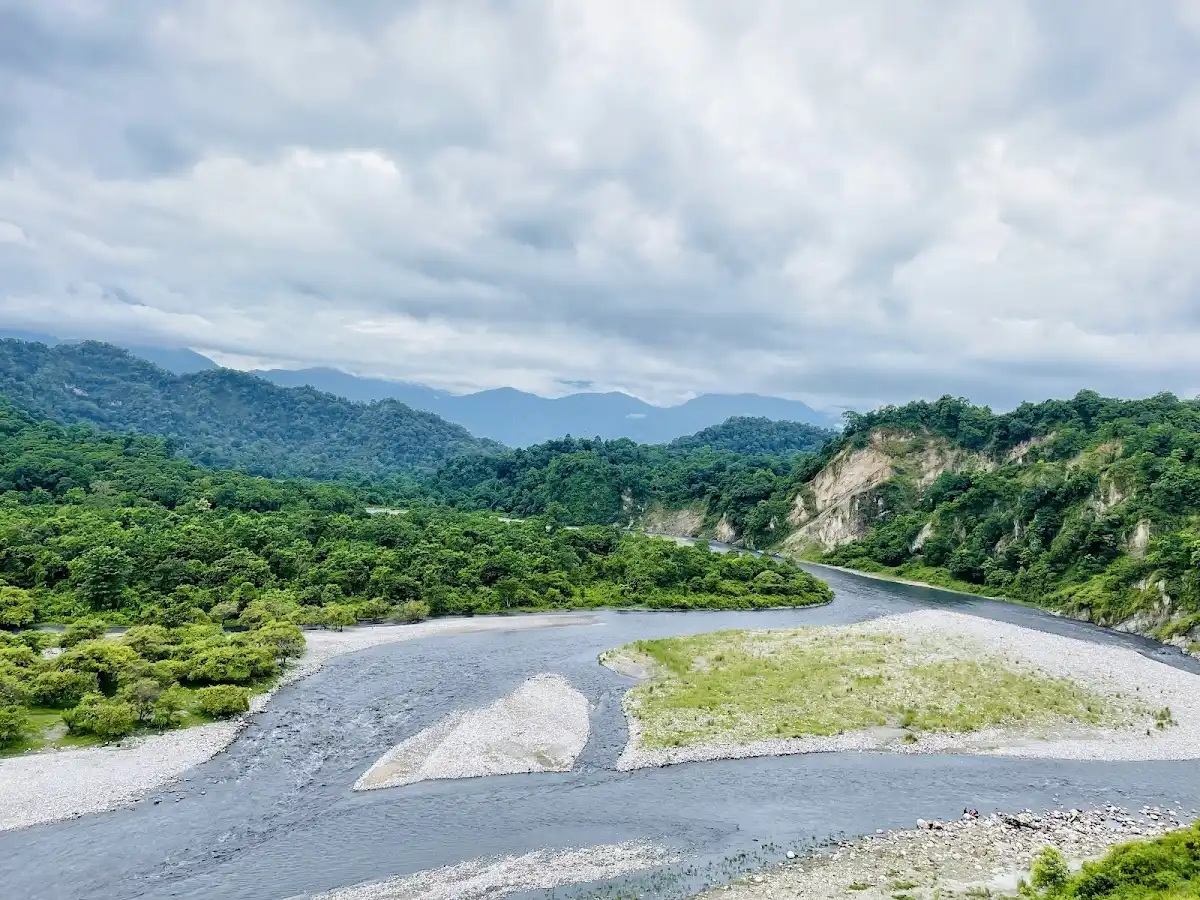
Most guides gloss over this, but Jomotsangkha Wildlife Sanctuary is the only protected area in Bhutan where you’re more likely to hear Assamese than Dzongkha—thanks to its location right on the Indian border in the far southeast. This isn’t the Bhutan of prayer flags and snow peaks; it’s dense, humid forest, with elephants and rare birds, not monasteries. For backpackers, Jomotsangkha is wild and raw, with barely-marked trails and almost no crowds—because getting here is a logistical headache, and there’s little in the way of infrastructure. You’ll need permits, patience, and a tolerance for leeches in the wet season. There’s no classic trekking circuit, just rough paths and the chance to camp in true solitude. Compared to the manicured, photogenic parks like Jigme Dorji or Royal Manas, Jomotsangkha is for those who want to trade comfort for a shot at real wilderness.

Discover everything you want to know in the 📖 Bhutan Travel Guide.


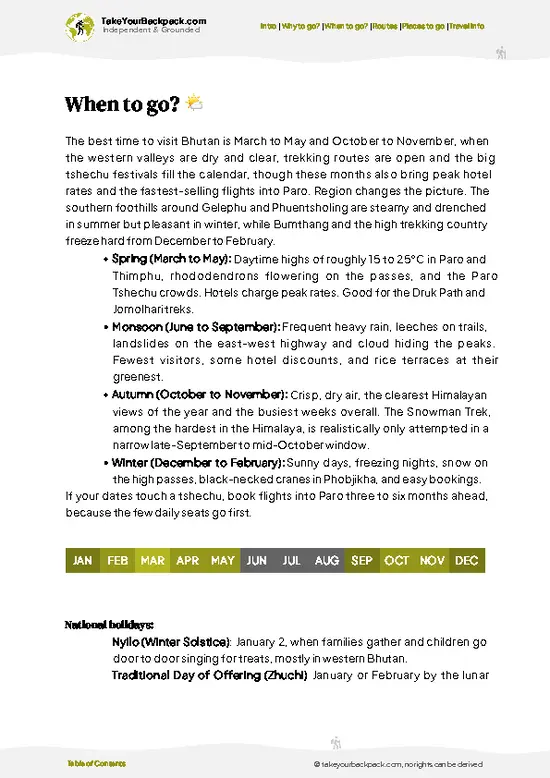
example page 0 from our offline Travel Guide for Bhutan
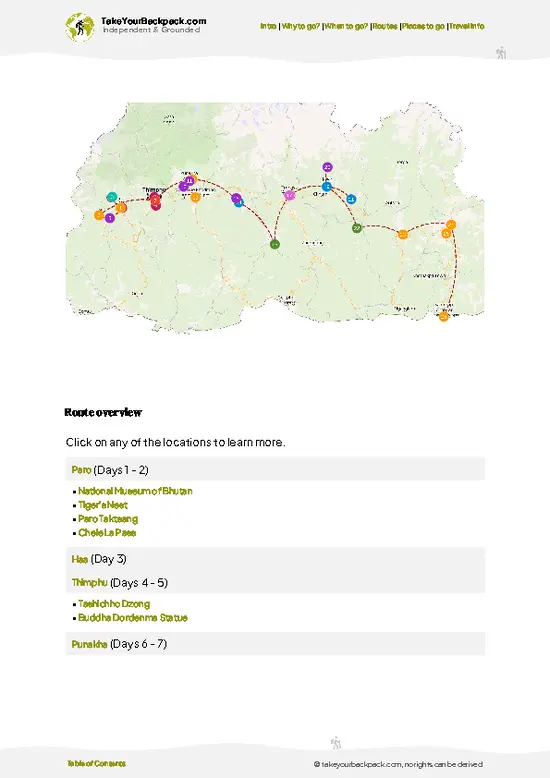
example page 1 from our offline Travel Guide for Bhutan
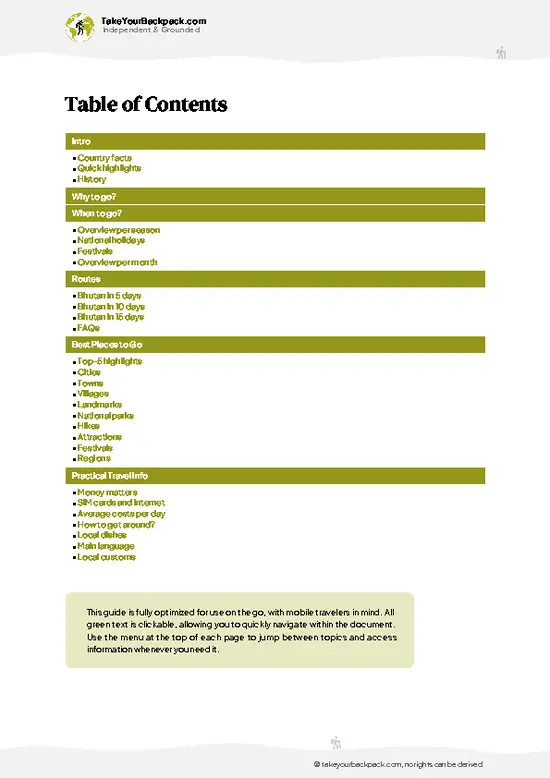
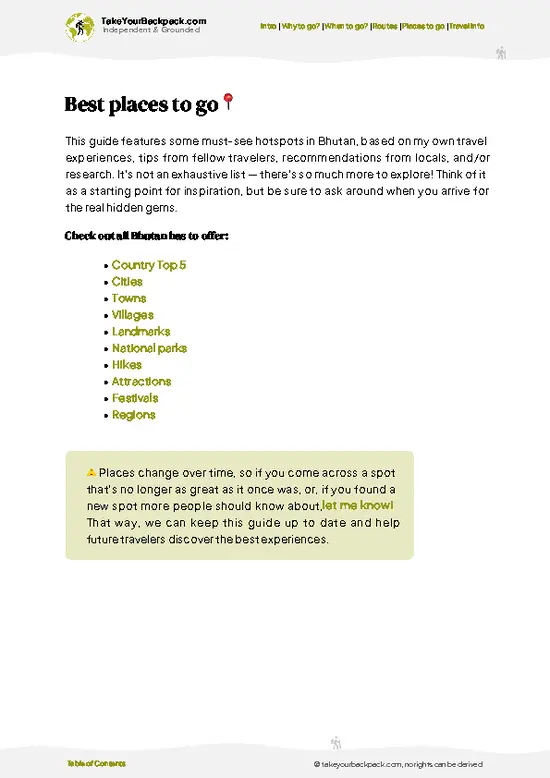
example page 2 from our offline Travel Guide for Bhutan
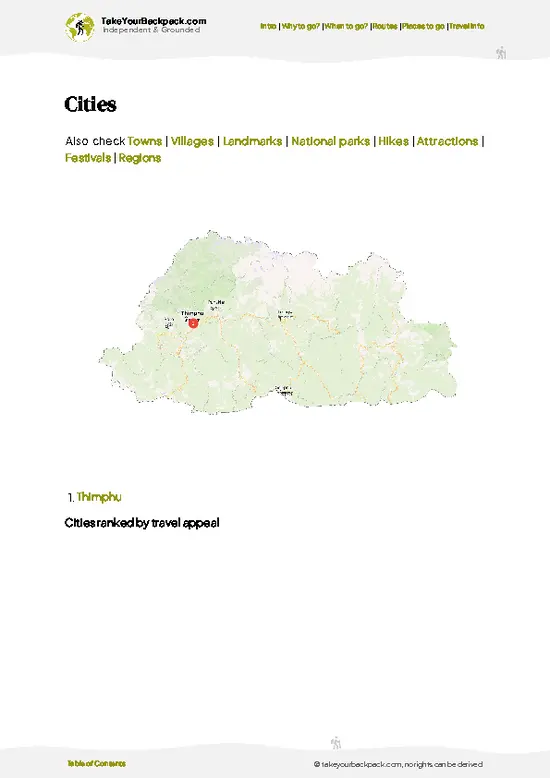
example page 3 from our offline Travel Guide for Bhutan
example page 4 from our offline Travel Guide for Bhutan
example page 5 from our offline Travel Guide for Bhutan
example page 6 from our offline Travel Guide for Bhutan
example page 7 from our offline Travel Guide for Bhutan
Loading the map 🌍
CLICK TO FILTER
cities
towns
villages
landmarks
national parks
hikes
attractions
festivals
regions
SHOW COUNTRY’S BESTSHOW ALL

✨ Why go?
Ranked #7 national park in Bhutan
What sets this place apart

Backpackers flock to Jomotsangkha Wildlife Sanctuary for its blend of independent exploration and affordable accommodation. The park offers a range of budget camping options and nearby hostels, making it accessible for those looking to stretch their funds.

The trail variety is another draw. You can choose from easy walks to more challenging treks, allowing you to tailor your experience based on your energy and skill level. This flexibility is perfect for self-guided travelers who prefer to set their own pace.

While guided tours are available, many find that navigating the sanctuary independently enhances the experience. You’ll connect more deeply with the environment and wildlife when you’re not following a strict itinerary.

However, be prepared for some hidden costs like park entry … read more 👉
Backpackers flock to Jomotsangkha Wildlife Sanctuary for its blend of independent exploration and affordable accommodation. The park offers a range of budget camping options and nearby hostels, making it accessible for those looking to stretch their funds.

The trail variety is another draw. You can choose from easy walks to more challenging treks, allowing you to tailor your experience based on your energy and skill level. This flexibility is perfect for self-guided travelers who prefer to set their own pace.

While guided tours are available, many find that navigating the sanctuary independently enhances the experience. You’ll connect more deeply with the environment and wildlife when you’re not following a strict itinerary.

However, be prepared for some hidden costs like park entry fees and potential gear rentals. Planning for these will help you avoid surprises and keep your budget intact for the moments that truly matter.

💡 HighlightsMust-see experiences and standout moments

  • Golden langur hotspots: A real draw—small groups of these striking, golden-coated primates can be seen in the forest edges and riverine corridors. They’re relatively approachable compared with high-montane species, so sightings are rewarding and photographic without long waits.
  • Lowland subtropical forests: Unlike Bhutan’s better-known alpine parks, Jomotsangkha is warm, green, and lush—thick broadleaf canopy, layers of lianas and ferns, and seasonally explosive undergrowth. Great for close-up nature watching and for photographers who prefer dense jungle scenery.
  • Birding for lowland specialists: Expect hornbills, barbets, sunbirds, and a mix of resident and migratory species not commonly seen in higher Bhutan. Early-morning walks along ridges and riverbanks reward you with vivid calls and
… read more 👉
  • Golden langur hotspots: A real draw—small groups of these striking, golden-coated primates can be seen in the forest edges and riverine corridors. They’re relatively approachable compared with high-montane species, so sightings are rewarding and photographic without long waits.
  • Lowland subtropical forests: Unlike Bhutan’s better-known alpine parks, Jomotsangkha is warm, green, and lush—thick broadleaf canopy, layers of lianas and ferns, and seasonally explosive undergrowth. Great for close-up nature watching and for photographers who prefer dense jungle scenery.
  • Birding for lowland specialists: Expect hornbills, barbets, sunbirds, and a mix of resident and migratory species not commonly seen in higher Bhutan. Early-morning walks along ridges and riverbanks reward you with vivid calls and good visual ID opportunities.
  • River valleys and riparian walks: The sanctuary’s streams carve intimate valleys—muddy banks, exposed rocks, and shaded pools attract wildlife. These areas are prime for spotting mammals coming to drink, insect life, and plenty of dragonflies after rains.
  • Large-mammal corridors: This is part of an important transboundary landscape, so you may glimpse elephant sign, gaur tracks, or sambar deer. It’s a quieter place to appreciate how wide-ranging mammals use lowland Bhutan as a corridor between protected areas.
  • Off-the-beaten-track hikes and village access: Trails are simple and local rather than heavily maintained tourist routes—perfect if you like short, honest hikes and popping into small villages for a tea and a chat. It’s one of those parks where the human element feels integrated, not staged.
Spotted a mistake or missing something? Contact us.
🌤️ When to go?Weather, crowds, and seasonal trade-offs

  • Weather: The best window is late autumn (October to November) and early spring (March to April). These months avoid the heavy monsoon rains that make trails slippery and access tricky. Expect dry conditions that keep your gear and spirits dry.
  • Temperature: Daytime highs hover around 15-20°C (59-68°F) in spring and autumn, perfect for hiking without overheating. Nights can dip to 5°C (41°F) or lower, so pack layers. Winter months plunge below freezing, which can freeze streams but also limit access.
  • Daylight Hours: Around 10-12 hours of daylight in peak seasons, giving you ample time to explore without rushing. Winter days shrink to 9 hours, which tightens your hiking window.
  • Crowds: This sanctuary is off the beaten path, so crowds are minimal year-round. However, spring and autumn see
… read more 👉
  • Weather: The best window is late autumn (October to November) and early spring (March to April). These months avoid the heavy monsoon rains that make trails slippery and access tricky. Expect dry conditions that keep your gear and spirits dry.
  • Temperature: Daytime highs hover around 15-20°C (59-68°F) in spring and autumn, perfect for hiking without overheating. Nights can dip to 5°C (41°F) or lower, so pack layers. Winter months plunge below freezing, which can freeze streams but also limit access.
  • Daylight Hours: Around 10-12 hours of daylight in peak seasons, giving you ample time to explore without rushing. Winter days shrink to 9 hours, which tightens your hiking window.
  • Crowds: This sanctuary is off the beaten path, so crowds are minimal year-round. However, spring and autumn see a slight uptick from local tourists and bird watchers, but nothing that disrupts the solitude.
  • Seasonal Activities: Spring brings wildflowers and bird migrations, while autumn offers clear skies and vibrant foliage. Monsoon season (June to September) is best avoided due to leeches and muddy trails.
  • Price Fluctuations: Peak seasons (spring and autumn) coincide with higher permit fees and accommodation costs. Off-season travel can save money but expect limited services and tougher conditions.
Pro-tip: Aim for early spring to catch blooming rhododendrons and avoid the monsoon’s mess—your boots and budget will thank you.


source: climatestotravel.comJANJanuary: fair for travelingFEBFebruary: good for travelingMARMarch: excellent for travelingAPRApril: excellent for travelingMAYMay: good for travelingJUNJune: below average for travelingJULJuly: below average for travelingAUGAugust: below average for travelingSEPSeptember: fair for travelingOCTOctober: excellent for travelingNOVNovember: excellent for travelingDECDecember: fair for traveling
bhutan-national-park-jomotsangkha-wildlife-sanctuary
© Google |

✈️ The backpacker research shortcutBhutan Travel Guide

An offline-friendly backpacking guide with optimized travel routes, ranked highlights, transport advice, and the best areas to stay.
example page 0 from our offline Travel Guide for Bhutan
example page 1 from our offline Travel Guide for Bhutan
example page 2 from our offline Travel Guide for Bhutan
example page 3 from our offline Travel Guide for Bhutan
example page 4 from our offline Travel Guide for Bhutan
example page 5 from our offline Travel Guide for Bhutan
example page 6 from our offline Travel Guide for Bhutan
example page 7 from our offline Travel Guide for Bhutan
The digital guide (210 pages) contains:
✅ 52 highlights, ranked by travel appeal
✅ Optimized 5, 10 & 15-day travel routes
✅ Cities, national parks, landmarks, beaches
✅ How to get around
✅ Offline-friendly for travel without Wi-Fi
👉 Click to see all 30+ guide features

📅 Plan smarter in minutes, not weeks
✅ Month by month travel advice
✅ Festivals & national holidays
✅ Budget expectations

🗺️ Go to the right places, skip the overrated ones
✅ Honest pros & cons of destinations
✅ Top hikes, parks & viewpoints
✅ Lesser-known places most travelers miss
✅ Clear “worth it vs skip it” guidance

🛏️ Travel smoothly without rookie mistakes
✅ Best areas to stay
✅ Transport systems explained simply
✅ Common scams & safety advice
✅ SIM cards, money & practical tips

🌍 Understand the country, not just visit it
✅ Culture & traditions
✅ 52 Essential phrases & customs
✅ Festivals worth planning around
✅ Traveler-friendly historical context
✅ Insights that make places more meaningful

📱 Built for real travel conditions
✅ Fully downloadable PDF
✅ Works completely offline
✅ Optimized for phone use
✅ Useful in remote areas & buses
✅ Everything in one place
Stop searching, start planning
Get instant access to your full guide. 30‑day money-back guarantee.
+ Add another guide for just

By proceeding you agree to our terms.
Sent to your inbox immediately after payment • 100% Secure Checkout
Best Backpacking Travel Advisor 2025 tourism awardBest Backpacking
Travel Advisor
2025
What others say about Take Your Backpack Guides:
⭐⭐⭐⭐⭐
Fantastic, amazing amount of information!
⭐⭐⭐⭐⭐
My goodness this is amazing, it's what I've been looking for hats off too you!
⭐⭐⭐⭐⭐
I think this is absolutely BRILLIANT
⭐⭐⭐⭐
Very complete and informative. It's still missing places, but I gotta to commend you
⭐⭐⭐⭐⭐
This is truly amazing, thank you, can't wait to explore it with my kids!
⭐⭐⭐⭐⭐
Awesome resource, thank you!
⭐⭐⭐⭐⭐
This is amazing! Can't wait to explore the ones I haven't seen
⭐⭐⭐⭐
I love this! Well done, great idea.
⭐⭐⭐⭐⭐
Thanks for taking the time to make this gem!
⭐⭐⭐⭐⭐
This might be the best website I've ever seen.
⭐⭐⭐⭐⭐
Congratulations, and thank you so much for your work; it's incredibly valuable.
⭐⭐⭐⭐
In all seriousness I think you did a great job pointing out the important spots
⭐⭐⭐⭐⭐
10/10 very good
⭐⭐⭐⭐⭐
As someone who's only just starting to visit regularly this is awesome, thank you.
⭐⭐⭐⭐
Thank you very much! I'm going to visit my dad, it's going to be very useful!
⭐⭐⭐⭐⭐
This is really cool! We'll be travelling for the first time and this definitely come in handy.
⭐⭐⭐⭐⭐
You are now our minister of culture, congratulations 👨‍💼
⭐⭐⭐⭐⭐
Just wanted to tell you that this is a pearl! Going to follow your recommendations.
⭐⭐⭐⭐⭐
This is so cool. I'll definitely be using the resource for my travels soon.
⭐⭐⭐⭐⭐
This is very impressive! Good work.
⭐⭐⭐⭐⭐
This is an amazing and informative site. Very well done!

🛏️ Where to stay?Choosing the right base

Jomotsangkha Wildlife Sanctuary is a remote treasure in Bhutan, and finding the right place to stay can make or break your experience. Inside the sanctuary, options are limited. There are a few basic campsites and lodges, but they often require prior arrangements through local guides or tour operators. Expect minimal amenities; this is about immersion in nature, not luxury.

For a bit more comfort, consider staying in nearby towns like Samdrup Jongkhar. It’s about an hour’s drive from the sanctuary and offers a few guesthouses and budget hotels. These places provide a chance to interact with locals … read more 👉
Jomotsangkha Wildlife Sanctuary is a remote treasure in Bhutan, and finding the right place to stay can make or break your experience. Inside the sanctuary, options are limited. There are a few basic campsites and lodges, but they often require prior arrangements through local guides or tour operators. Expect minimal amenities; this is about immersion in nature, not luxury.

For a bit more comfort, consider staying in nearby towns like Samdrup Jongkhar. It’s about an hour’s drive from the sanctuary and offers a few guesthouses and budget hotels. These places provide a chance to interact with locals and experience Bhutanese culture firsthand.

Be prepared for some hidden costs. Transportation can be tricky; roads are winding and slow, so factor in travel time when planning your itinerary. Also, food options may be limited, so stock up on snacks before heading into the wilderness.

By knowing where to stay and what to expect, you’ll preserve your energy and budget for the unforgettable moments that await in the sanctuary.

👛 Costs (as of 23 September 2026)How expensive it really is

Visiting Jomotsangkha Wildlife Sanctuary in Bhutan requires some planning, especially regarding costs. Here’s what you need to know to avoid surprises.

First, there’s the entry fee. Expect to pay around €10 to €20 (or $11 to $22) for a day pass. This fee helps support conservation efforts, so it’s worth it.

Next, consider transportation. If you’re traveling from nearby towns, hiring a local taxi can cost between €30 and €50 ($33 to $55) for a round trip. Public transport is cheaper but less reliable.

Accommodation is another factor. Options range from basic guesthouses at about €15 to €30 ($16 to $33) per night to more comfortable lodges that can go up to €100 ($110) or more. Booking in advance is advisable, especially during peak seasons.

Guided tours are popular for those wanting deeper … read more 👉
Visiting Jomotsangkha Wildlife Sanctuary in Bhutan requires some planning, especially regarding costs. Here’s what you need to know to avoid surprises.

First, there’s the entry fee. Expect to pay around €10 to €20 (or $11 to $22) for a day pass. This fee helps support conservation efforts, so it’s worth it.

Next, consider transportation. If you’re traveling from nearby towns, hiring a local taxi can cost between €30 and €50 ($33 to $55) for a round trip. Public transport is cheaper but less reliable.

Accommodation is another factor. Options range from basic guesthouses at about €15 to €30 ($16 to $33) per night to more comfortable lodges that can go up to €100 ($110) or more. Booking in advance is advisable, especially during peak seasons.

Guided tours are popular for those wanting deeper insights into the wildlife. Prices for these can vary widely, typically from €50 to €150 ($55 to $165) depending on the length and inclusions.

Lastly, factor in food. Local meals can cost around €5 to €10 ($6 to $11) each, but dining in more upscale places will increase that to €20 ($22) or more.

Keep these costs in mind to budget effectively. This way, you can focus on enjoying the sanctuary without financial stress.


source: bhutan.travel
⚠️ Prices can change and everyone travels differently, so take this as a rough guide. Hope it helps you plan your adventure!

🥾 TrailsScenic routes and wildlife spotting in Jomotsangkha Wildlife Sanctuary

The Jomotsangkha Wildlife Sanctuary in Bhutan is a hidden gem for those who crave a mix of adventure and stunning scenery. With its lush forests, rolling hills, and diverse wildlife, it’s a paradise for nature lovers. The terrain varies from gentle slopes to more challenging inclines, so you can pick your poison based on your fitness level. Keep your eyes peeled for rare species like the golden langur and various birds that call this place home.

There are a few designated trails worth checking out, one of which is the Jomotsangkha Nature Trail. Here’s what you need to know:
  • Length: 8 km
  • Estimated
… read more 👉
The Jomotsangkha Wildlife Sanctuary in Bhutan is a hidden gem for those who crave a mix of adventure and stunning scenery. With its lush forests, rolling hills, and diverse wildlife, it’s a paradise for nature lovers. The terrain varies from gentle slopes to more challenging inclines, so you can pick your poison based on your fitness level. Keep your eyes peeled for rare species like the golden langur and various birds that call this place home.

There are a few designated trails worth checking out, one of which is the Jomotsangkha Nature Trail. Here’s what you need to know:
  • Length: 8 km
  • Estimated Duration: 3-4 hours
  • Difficulty Level: Moderate
  • Key Features: Scenic views of the surrounding hills, opportunities to spot wildlife, and vibrant flora.
  • Terrain: Mixed, with both flat sections and some steep parts.

Getting to the sanctuary can be a bit of an adventure in itself. Public transport is available, but it may involve a combination of buses and shared taxis. Just be prepared for some waiting time. The park isn’t overly crowded, so you can enjoy the tranquility, especially if you visit during the weekdays. As for the entrance fee, it’s relatively affordable, but make sure to check the latest rates before you go.
⚠️ Hiking info can sometimes be outdated or inaccurate. Before you hit the trail, check the latest conditions with locals. If you do spot anything that's off, I'd love to hear from you, so I can update it for fellow travelers.

🛡️ SafetyTraveler Safety Guide

Jomotsangkha Wildlife Sanctuary offers a rewarding experience, but it’s wise to stay grounded about what to expect. Weather can shift quickly, so layering is key. Mornings may be chilly, but afternoons can warm up, especially at higher altitudes.

The terrain varies; some trails are steep and rocky, requiring good footing and careful navigation. River crossings can be tricky after rain, so scout your path before committing.

Wildlife encounters are part of the charm here. Keep a respectful distance from animals, and avoid feeding them.

First-timers often underestimate the importance of pacing. Take breaks to enjoy the scenery and stay hydrated. A sturdy pair of boots and trekking poles can make a significant difference in comfort and stability. With these practical tips, you’ll be set … read more 👉
Jomotsangkha Wildlife Sanctuary offers a rewarding experience, but it’s wise to stay grounded about what to expect. Weather can shift quickly, so layering is key. Mornings may be chilly, but afternoons can warm up, especially at higher altitudes.

The terrain varies; some trails are steep and rocky, requiring good footing and careful navigation. River crossings can be tricky after rain, so scout your path before committing.

Wildlife encounters are part of the charm here. Keep a respectful distance from animals, and avoid feeding them.

First-timers often underestimate the importance of pacing. Take breaks to enjoy the scenery and stay hydrated. A sturdy pair of boots and trekking poles can make a significant difference in comfort and stability. With these practical tips, you’ll be set to enjoy the sanctuary’s beauty without unnecessary stress.

FAQCommon questions from travelers

2 to 3 days are sufficient to explore Jomotsangkha Wildlife Sanctuary thoroughly. This allows time for wildlife spotting, trekking, and enjoying the natural scenery. The sanctuary covers about 334 square kilometers, so plan accordingly for travel within the area.
No, visiting Jomotsangkha Wildlife Sanctuary without a car is challenging. Public transport options are very limited, and the sanctuary is in a remote area. Hiring a private vehicle or arranging transport through a tour operator is the most practical way to reach and explore the sanctuary.
Yes, an entrance permit is required to visit Jomotsangkha Wildlife Sanctuary. Permits are typically arranged through the Bhutanese government or authorized tour operators. There is no fixed public entrance fee, but permit costs and guide fees vary depending on the length of stay and activities planned.
⚠️ Things can change over time, so always validate details locally before you go.

Other Bhutanese national parks near Jomotsangkha Wildlife Sanctuary

Explore more nearby:


💡 Not sure where to go next?
Create a personalized itinerary for Bhutan including Jomotsangkha Wildlife Sanctuary and the places that fit your trip.

Generate my itinerary

👉 Discover all national parks

Or checkout all Bhutan has to offer (think cities, towns, villages, national parks, hikes, beaches, festivals)
Country photo of Bhutan

We 💚 feedbackFinal thoughts on exploring Jomotsangkha Wildlife Sanctuary

Jomotsangkha Wildlife Sanctuary is a breath of fresh air, far from the usual tourist paths. Expect a serene vibe where the sounds of nature drown out the noise of the world. The best surprise? Spotting a rare black-necked crane gliding over the wetlands—it’s a moment that’ll stick with you. Just a heads-up: the trails can be rugged, so sturdy footwear is a must. Embrace the challenge; it’s worth every step for the peace you’ll find.

✍️ Help improve this page!
The information on this page is based on in-depth research, insights shared by experienced travelers, and feedback from the local travel community in Bhutan. While every effort is made to keep the information accurate and current, conditions can change — so if you spot anything incorrect or outdated, please get in touch.


🙋‍♂️ Give feedback

👋 Meet the founderWho’s Behind Take Your Backpack?

Johan, backpacker and founder of TakeYourBackpackHi, I’m Johan (Netherlands 🇳🇱), the creator of TakeYourBackpack. Over the past 3 decades, I’ve backpacked through 90+ countries across six continents, gaining extensive experience with independent travel, long-term trips, and overland routes.

This site is built on a combination of firsthand travel experience and carefully curated insights from other backpackers. Many guides are based on places I’ve personally visited, while others bring together tips, observations, and practical advice shared by trusted travelers I’ve met along the way.

The goal is to provide realistic, experience-driven guidance — not generic itineraries — so you can explore destinations with better context, clearer expectations, and more confidence.