×

Bhutan🇧🇹 | best national parksThe Must-See 7 national parks in Bhutan

In Bhutan, national parks are sanctuaries of biodiversity, each offering unique landscapes and wildlife experiences shaped by the country’s varied geography and climate. The selection of a national park directly influences your backpacking journey, affecting everything from the pace of exploration to the cultural immersion you’ll encounter. For instance, parks in the eastern region, like Bumdeling, are less frequented, providing a more tranquil experience, while those in the west, such as Paro, are more accessible but can be crowded. Seasonal nuances also play a critical role; spring and autumn offer the best weather for trekking, while winter can limit access. Understanding these factors ensures a smoother, more rewarding adventure tailored to your travel style and budget.

By Johan Kruseman 🇳🇱 | Updated September 4, 2026
Explore the best hikes in Bhutan

Why go?What Makes Them Special

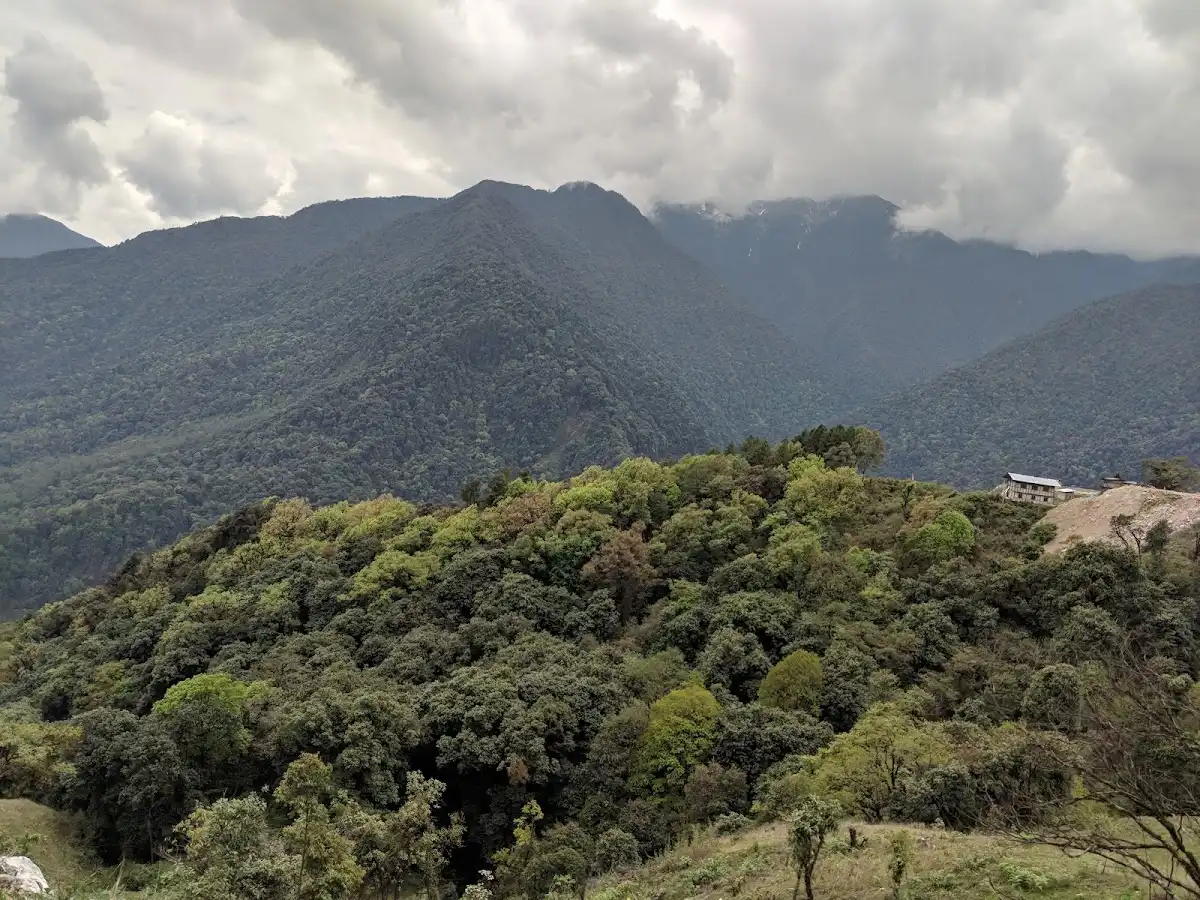
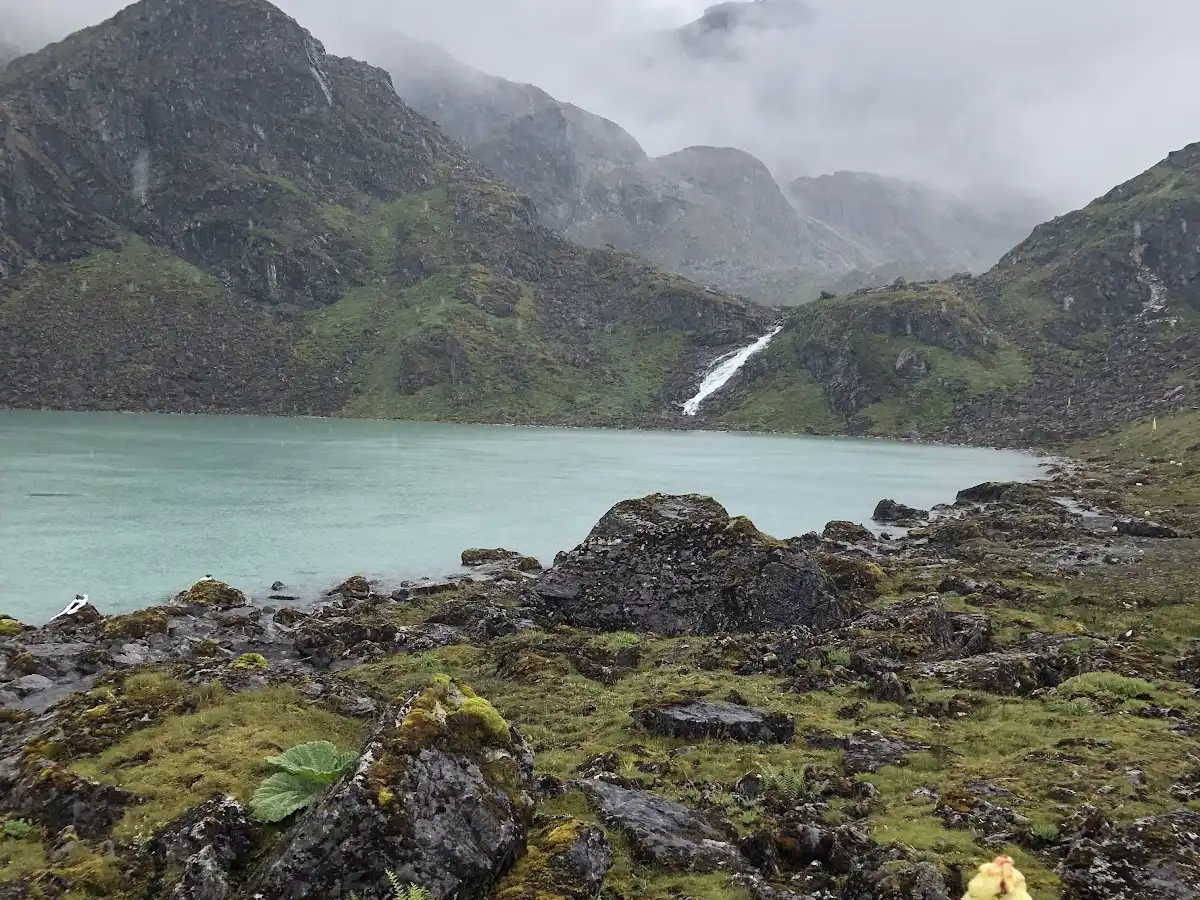
National parks in Bhutan are not just protected areas; they are vital ecosystems that reflect the country’s commitment to conservation and sustainable tourism. The landscapes range from lush subtropical forests to rugged alpine terrains, showcasing a remarkable biodiversity that includes rare species like the snow leopard and the takin. This variety is a product of Bhutan’s unique geographic position in the Eastern Himalayas, where elevation changes create distinct habitats.

However, the infrastructure for accessing these parks can be a double-edged sword. While Bhutan has made strides in developing roads and facilities, many parks remain remote, requiring significant travel time. This can be a trade-off: the longer journey often leads to a deeper, more immersive experience in nature, but … read more 👉
National parks in Bhutan are not just protected areas; they are vital ecosystems that reflect the country’s commitment to conservation and sustainable tourism. The landscapes range from lush subtropical forests to rugged alpine terrains, showcasing a remarkable biodiversity that includes rare species like the snow leopard and the takin. This variety is a product of Bhutan’s unique geographic position in the Eastern Himalayas, where elevation changes create distinct habitats.

However, the infrastructure for accessing these parks can be a double-edged sword. While Bhutan has made strides in developing roads and facilities, many parks remain remote, requiring significant travel time. This can be a trade-off: the longer journey often leads to a deeper, more immersive experience in nature, but it may also limit the number of parks one can realistically visit in a single trip.

The climatic conditions also play a crucial role. Bhutan’s weather can be unpredictable, with monsoon seasons affecting accessibility and visibility. Travelers should plan accordingly, as the best times to visit vary by region and altitude.

Culturally, Bhutan’s emphasis on Gross National Happiness means that the experience is designed to be enriching rather than merely scenic. This philosophy fosters a sense of connection to the land and its people, making the national parks not just places to visit, but environments to understand. Balancing accessibility with the desire for authentic experiences is essential for anyone looking to explore Bhutan’s national parks.
Why These Made the Cut
The list of best national parks in Bhutan is created based on landscapes, wildlife, adventure opportunities, facilities, and overall experience. If you feel a national park is missing in this list, please let us know.

When to go?When to Plan Your Trip

Seasonality plays a crucial role in planning visits to Bhutan’s national parks. The country experiences distinct seasons that affect wildlife visibility, rainfall, and trail conditions.

Spring (March to May) is often considered the best time for exploration. Temperatures are mild, and wildlife is active, making it ideal for spotting animals. However, this is also a peak season, leading to crowded trails and higher costs.

Summer (June to August) brings heavy rainfall, which can make trails muddy and challenging. Wildlife visibility decreases as animals seek shelter. While this season sees fewer tourists, the trade-off is often poor trail conditions and limited wildlife sightings.

Autumn (September to November) offers another optimal window. The weather is generally dry, and the landscape … read more 👉
Seasonality plays a crucial role in planning visits to Bhutan’s national parks. The country experiences distinct seasons that affect wildlife visibility, rainfall, and trail conditions.

Spring (March to May) is often considered the best time for exploration. Temperatures are mild, and wildlife is active, making it ideal for spotting animals. However, this is also a peak season, leading to crowded trails and higher costs.

Summer (June to August) brings heavy rainfall, which can make trails muddy and challenging. Wildlife visibility decreases as animals seek shelter. While this season sees fewer tourists, the trade-off is often poor trail conditions and limited wildlife sightings.

Autumn (September to November) offers another optimal window. The weather is generally dry, and the landscape is vibrant with fall colors. Wildlife becomes more visible again as animals prepare for winter. This season can also be busy, especially around festivals, which may lead to crowded parks.

Winter (December to February) presents its own challenges. Temperatures can drop significantly, and some trails may be inaccessible due to snow. However, this season offers solitude and a unique perspective on the parks, albeit with limited wildlife activity.

Understanding these seasonal patterns allows for better planning, ensuring a more rewarding experience in Bhutan’s national parks.

national park hoppingSuggested Travel Strategies

Combining national parks in Bhutan requires strategic planning. Start by clustering parks regionally. The western parks, like Jigme Dorji and Phobjikha, are relatively close, making them ideal for a multi-stop itinerary. Travel eastward to reach parks like Bumdeling and Khotokha, which are more remote and require additional travel time.

Typical time spent in each park varies. Allocate at least two to three days for major parks to fully appreciate their unique ecosystems and cultural significance. This pacing allows for hikes, wildlife spotting, and immersion in local traditions. Rushing through parks can lead to missed experiences and fatigue.

Common planning mistakes include underestimating travel times. Bhutan’s mountainous terrain means that distances can be deceptive. Always factor in … read more 👉
Combining national parks in Bhutan requires strategic planning. Start by clustering parks regionally. The western parks, like Jigme Dorji and Phobjikha, are relatively close, making them ideal for a multi-stop itinerary. Travel eastward to reach parks like Bumdeling and Khotokha, which are more remote and require additional travel time.

Typical time spent in each park varies. Allocate at least two to three days for major parks to fully appreciate their unique ecosystems and cultural significance. This pacing allows for hikes, wildlife spotting, and immersion in local traditions. Rushing through parks can lead to missed experiences and fatigue.

Common planning mistakes include underestimating travel times. Bhutan’s mountainous terrain means that distances can be deceptive. Always factor in road conditions and potential delays. Flexibility is key; having a buffer day can save a trip from becoming overly rushed.

Consider trade-offs carefully. Spending longer in one park offers depth of experience, while covering multiple parks provides a broader overview of Bhutan’s biodiversity. Budget constraints may also influence accommodation choices, impacting comfort levels. Prioritize what matters most: whether it’s the thrill of diverse landscapes or the tranquility of a single park.

Strategic planning enhances the journey. Focus on realistic pacing, allowing for spontaneous discoveries along the way.

The ListThe Best national parks of Bhutan

1 Jigme Dorji National Park

snow-capped peaks, medicinal hot springs, yak herders

Trek beneath towering Himalayan summits, soak in natural hot springs, and encounter nomadic life in Bhutan’s largest protected area.

Bhutan - Jigme Dorji National Park

2 Royal Manas National Park

tropical lowlands, wild elephants, riverine grassland

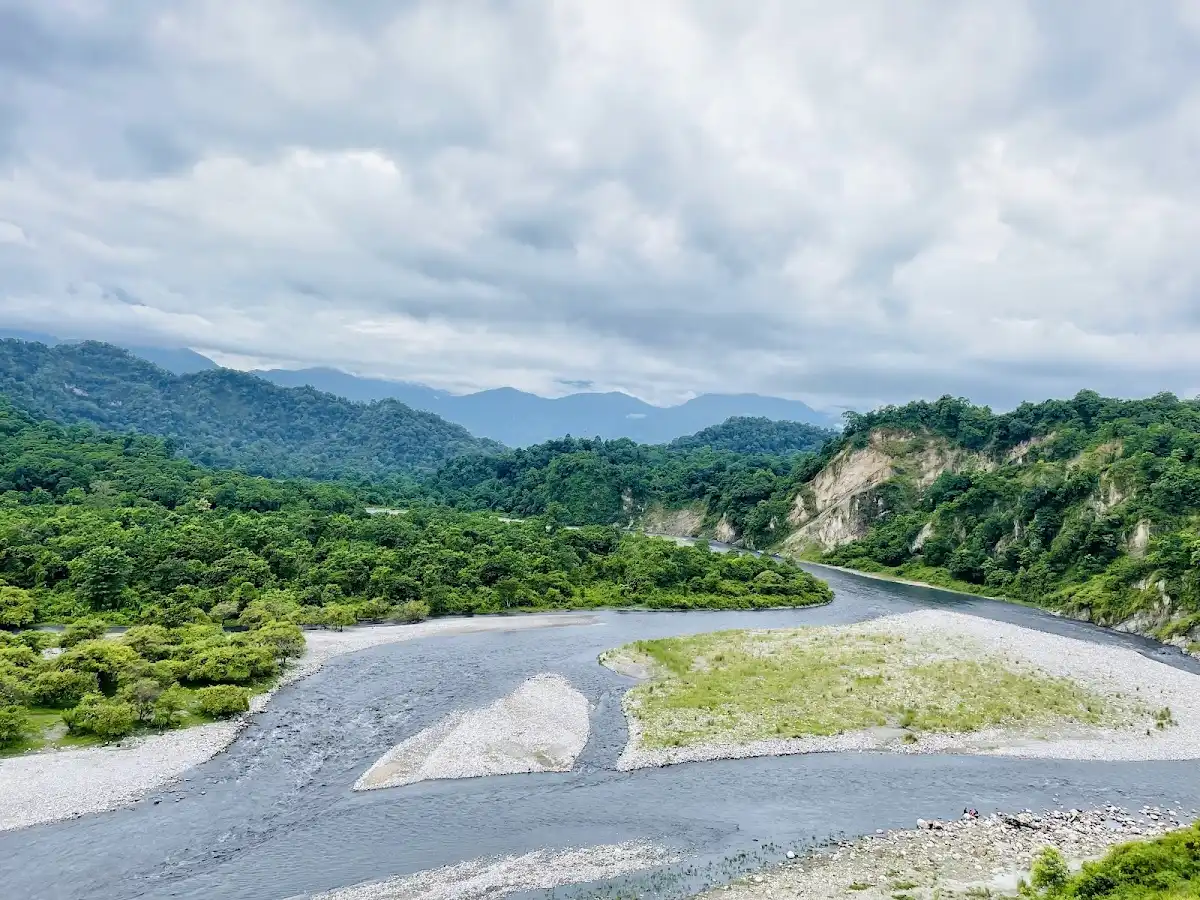
Experience Bhutan’s subtropical side with elephant herds, river crossings, and a diversity of habitats rarely found elsewhere in the country.

bhutan-national-park-royal-manas-national-park v1
© Google |

3 Jigme Singye Wangchuck National Park

broadleaf forest, clouded leopard, central corridor

Traverse thick forests and steep ridges, keeping watch for rare mammals in a park that links Bhutan’s northern and southern wilds.

bhutan-national-park-jigme-singye-wangchuck-national-park
© Google |

4 Phrumsengla National Park

rhododendron blooms, mountain passes, birdwatching

Travel winding roads over high passes and explore forests alive with birdsong and seasonal bursts of wildflowers.

bhutan-national-park-phrumsengla-national-park v1
© Google |

5 Bumdeling Wildlife Sanctuary

black-necked cranes, river valleys, highland villages

Witness wintering cranes in open wetlands and walk through traditional settlements surrounded by sweeping mountain scenery.

bhutan-national-park-bumdeling-wildlife-sanctuary
© Google |

6 Sakteng Wildlife Sanctuary

eastern grasslands, Brokpa culture, red panda habitat

Venture into remote eastern valleys, meet semi-nomadic Brokpa communities, and search for red pandas among ancient forests.

7 Jomotsangkha Wildlife Sanctuary

bamboo forest, rare pygmy hog, border hills

Follow remote trails through dense bamboo and spot elusive wildlife in a sanctuary where Bhutan meets the Indian plains.

bhutan-national-park-jomotsangkha-wildlife-sanctuary
© Google |
Loading the map 🌍

Expert viewPro Tips for Exploring the Best

Terrain
Bhutan’s national parks are a tapestry of diverse landscapes, ranging from lush subtropical forests to stark alpine meadows. The terrain can be rugged, with significant elevation changes that can impact your hiking experience. For instance, parks like Jigme Dorji National Park feature steep trails that can be physically demanding. If you’re not acclimatized, this can lead to fatigue or altitude sickness. Prioritize your fitness level and consider spending a few days acclimatizing in lower elevations before tackling these more challenging hikes.

Park Infrastructure
Infrastructure varies significantly across Bhutan’s national parks. Some parks have well-maintained trails and basic facilities, while others may lack even the most essential amenities. For example, parks like Phobjikha … read more 👉
Terrain
Bhutan’s national parks are a tapestry of diverse landscapes, ranging from lush subtropical forests to stark alpine meadows. The terrain can be rugged, with significant elevation changes that can impact your hiking experience. For instance, parks like Jigme Dorji National Park feature steep trails that can be physically demanding. If you’re not acclimatized, this can lead to fatigue or altitude sickness. Prioritize your fitness level and consider spending a few days acclimatizing in lower elevations before tackling these more challenging hikes.

Park Infrastructure
Infrastructure varies significantly across Bhutan’s national parks. Some parks have well-maintained trails and basic facilities, while others may lack even the most essential amenities. For example, parks like Phobjikha Valley are more developed, with established guesthouses and guided tours, making them easier for first-time visitors. In contrast, more remote parks may require camping and self-sufficiency. This means you’ll need to carry your own gear and food, which can be a logistical challenge. Assess your comfort with camping and your ability to navigate less-developed areas before choosing your parks.

Wildlife Activity
Wildlife viewing can be a highlight, but it requires patience and timing. Parks like Royal Manas are known for their rich biodiversity, including rare species like the Bengal tiger and the one-horned rhinoceros. However, wildlife sightings are not guaranteed. Early mornings and late afternoons are typically the best times for spotting animals, but this may require you to adjust your hiking schedule. If your goal is to see specific wildlife, research the best seasons for sightings and plan your visit accordingly.

Time Management
When planning your itinerary, consider that Bhutan’s national parks are often spread out, and travel times can be longer than expected due to winding roads and varying conditions. Aiming to visit two to three parks in a week is realistic, but this will require careful planning. If you try to squeeze in too many parks, you risk rushing through experiences and missing the essence of each location. Focus on quality over quantity; spending more time in fewer parks allows for deeper exploration and a more rewarding experience.

Budget Considerations
Budgeting for national parks in Bhutan can be tricky. While entrance fees are generally reasonable, the cost of guided tours, accommodations, and transportation can add up quickly. Expect to spend more in parks with better infrastructure and amenities. If you’re on a tighter budget, consider visiting less commercialized parks, but be prepared for a more rugged experience. Balancing your budget with your desire for comfort and convenience is essential for a satisfying trip.

Safety & Cultural Considerations
Safety is paramount, especially in remote areas where help may not be readily available. Always inform someone of your plans and carry a first-aid kit. Additionally, Bhutanese culture places a strong emphasis on respect for nature and local customs. Be mindful of your behavior, especially in sacred areas. Engaging with local communities can enrich your experience, but approach interactions with respect and openness. Understanding cultural norms will enhance your journey and foster goodwill.

In summary, Bhutan’s national parks offer a unique blend of adventure and cultural richness, but they require thoughtful planning. By understanding the terrain, infrastructure, wildlife, and cultural nuances, you can create a rewarding experience that aligns with your interests and capabilities. Prioritize your parks wisely, and you’ll unlock the true essence of Bhutan’s natural beauty.

✈️ The backpacker research shortcutBhutan Travel Guide

An offline-friendly backpacking guide with optimized travel routes, ranked highlights, transport advice, and the best areas to stay.
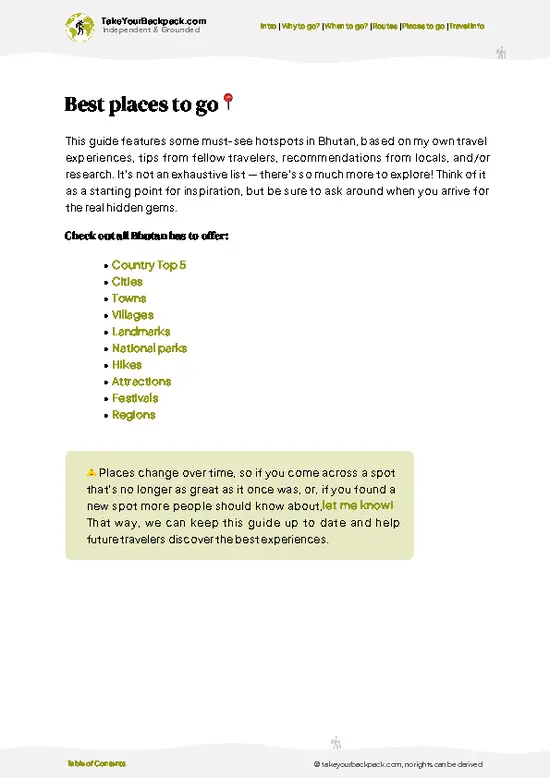
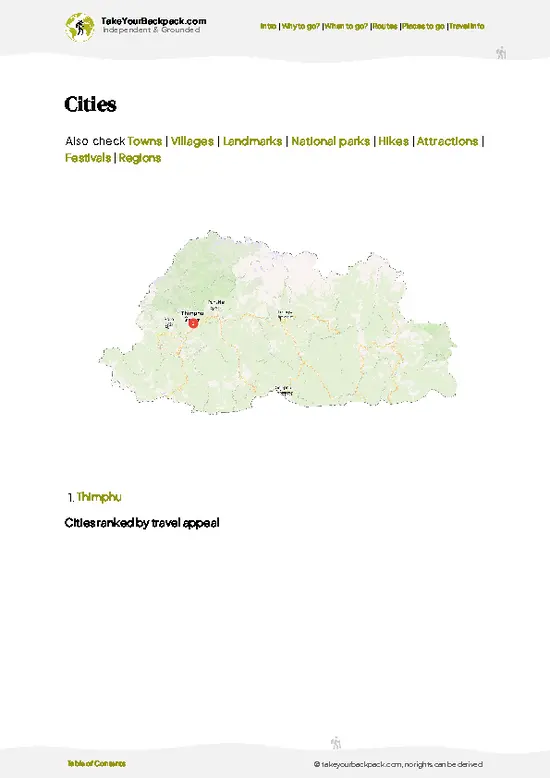
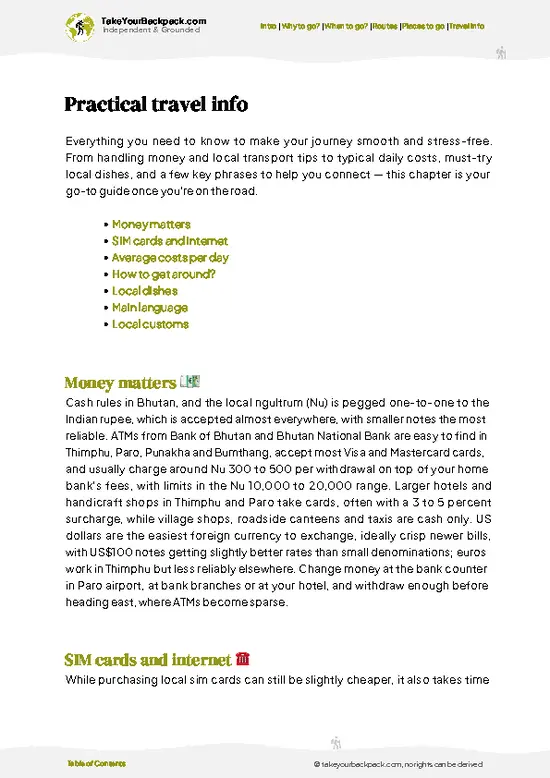
example page 0 from our offline Travel Guide for Bhutan
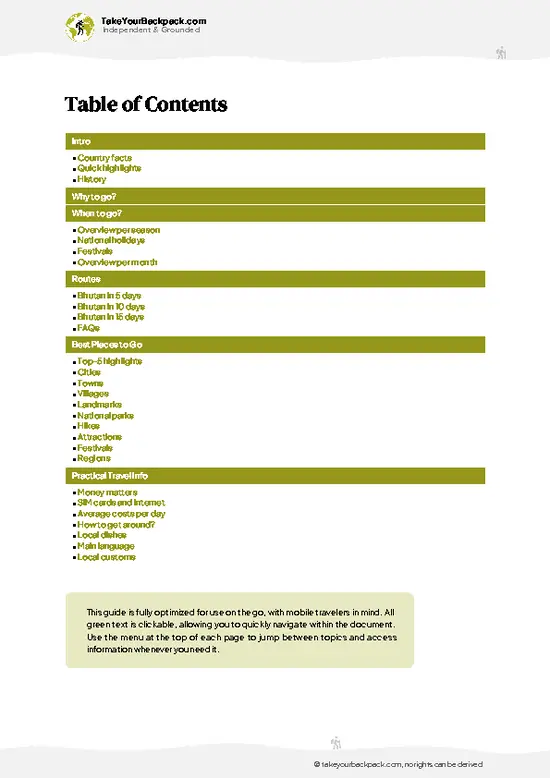
example page 1 from our offline Travel Guide for Bhutan
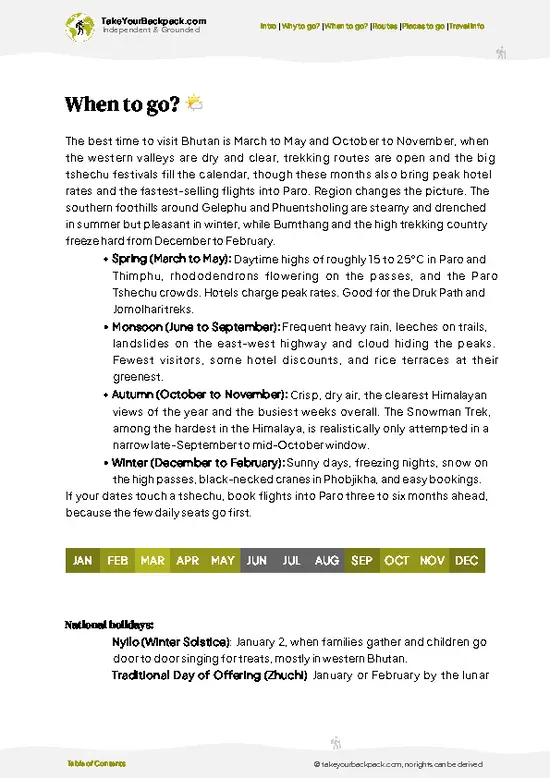
example page 2 from our offline Travel Guide for Bhutan
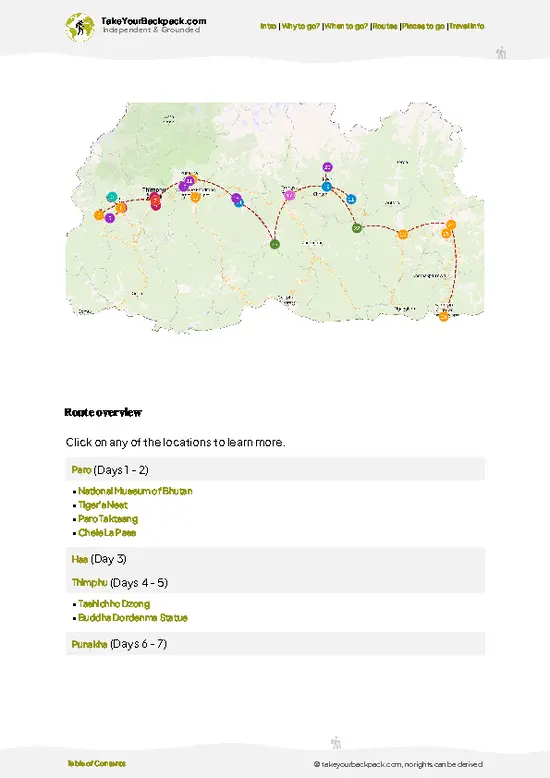
example page 3 from our offline Travel Guide for Bhutan
example page 4 from our offline Travel Guide for Bhutan
example page 5 from our offline Travel Guide for Bhutan
example page 6 from our offline Travel Guide for Bhutan
example page 7 from our offline Travel Guide for Bhutan
The digital guide (222 pages) contains:
54 highlights, ranked by travel appeal
Optimized 5, 10 & 15-day travel routes
Cities, national parks, landmarks, beaches
How to get around
Offline-friendly for travel without Wi-Fi
👉 Click to see all 30+ guide features

📅 Plan smarter in minutes, not weeks
Month by month travel advice
Festivals & national holidays
Budget expectations

🗺️ Go to the right places, skip the overrated ones
Honest pros & cons of destinations
Top hikes, parks & viewpoints
Lesser-known places most travelers miss
Clear “worth it vs skip it” guidance

🛏️ Travel smoothly without rookie mistakes
Best areas to stay
Transport systems explained simply
Common scams & safety advice
SIM cards, money & practical tips

🌍 Understand the country, not just visit it
Culture & traditions
52 Essential phrases & customs
Festivals worth planning around
Traveler-friendly historical context
Insights that make places more meaningful

📱 Built for real travel conditions
Fully downloadable PDF
Works completely offline
Optimized for phone use
Useful in remote areas & buses
Everything in one place
Save weeks of stressful planning
Get instant access to your full guide. 30‑day money-back guarantee.
+ Add another guide for just US$7.80

By proceeding you agree to our terms.
Sent to your inbox immediately after payment • 100% Secure Checkout
Best Backpacking Travel Advisor 2025 tourism awardBest Backpacking
Travel Advisor
2025
What others say about Take Your Backpack Guides:
⭐⭐⭐⭐⭐
Fantastic, amazing amount of information!
⭐⭐⭐⭐⭐
My goodness this is amazing, it's what I've been looking for hats off too you!
⭐⭐⭐⭐⭐
I think this is absolutely BRILLIANT
⭐⭐⭐⭐
Very complete and informative. It's still missing places, but I gotta to commend you
⭐⭐⭐⭐⭐
This is truly amazing, thank you, can't wait to explore it with my kids!
⭐⭐⭐⭐⭐
Awesome resource, thank you!
⭐⭐⭐⭐⭐
This is amazing! Can't wait to explore the ones I haven't seen
⭐⭐⭐⭐
I love this! Well done, great idea.
⭐⭐⭐⭐⭐
Thanks for taking the time to make this gem!
⭐⭐⭐⭐⭐
This might be the best website I've ever seen.
⭐⭐⭐⭐⭐
Congratulations, and thank you so much for your work; it's incredibly valuable.
⭐⭐⭐⭐
In all seriousness I think you did a great job pointing out the important spots
⭐⭐⭐⭐⭐
10/10 very good
⭐⭐⭐⭐⭐
As someone who's only just starting to visit regularly this is awesome, thank you.
⭐⭐⭐⭐
Thank you very much! I'm going to visit my dad, it's going to be very useful!
⭐⭐⭐⭐⭐
This is really cool! We'll be travelling for the first time and this definitely come in handy.
⭐⭐⭐⭐⭐
You are now our minister of culture, congratulations 👨‍💼
⭐⭐⭐⭐⭐
Just wanted to tell you that this is a pearl! Going to follow your recommendations.
⭐⭐⭐⭐⭐
This is so cool. I'll definitely be using the resource for my travels soon.
⭐⭐⭐⭐⭐
This is very impressive! Good work.
⭐⭐⭐⭐⭐
This is an amazing and informative site. Very well done!

🛏️ Where to stay?Best Stay Options in Bhutan

Yes — Bhutan has a limited number of hostels and more budget guesthouses, but true dorm-style hostels are rare and options concentrate in main towns; national tourism rules and small supply make independent low-cost travel more constrained than in neighboring countries.
Most budget stays cluster in Thimphu (most choices, services and some nightlife, very safe), Paro (closest to the airport and day hikes, quieter), Phuentsholing (border entry point, cheapest/most basic, busy), Punakha (scenic valley, fewer places, very quiet) and Bumthang (remote cultural hub, limited guesthouses); expect trade-offs between proximity to highlights and level of comfort.
Book ahead in high season, carry cash … read more 👉
Yes — Bhutan has a limited number of hostels and more budget guesthouses, but true dorm-style hostels are rare and options concentrate in main towns; national tourism rules and small supply make independent low-cost travel more constrained than in neighboring countries.
Most budget stays cluster in Thimphu (most choices, services and some nightlife, very safe), Paro (closest to the airport and day hikes, quieter), Phuentsholing (border entry point, cheapest/most basic, busy), Punakha (scenic valley, fewer places, very quiet) and Bumthang (remote cultural hub, limited guesthouses); expect trade-offs between proximity to highlights and level of comfort.
Book ahead in high season, carry cash and basic supplies, and favor town guesthouses when avoiding expensive guided-package detours.

If you enjoy meeting fellow travelers, consider choosing hostels with high ratings for atmosphere. On the other hand, if you prefer having your own space, a hotel might be a better option.

BhutanWhere to Go Next

👋 Meet the founderWho’s Behind Take Your Backpack?

Johan, backpacker and founder of TakeYourBackpackHi, I’m Johan (Netherlands 🇳🇱), the creator of TakeYourBackpack. Over the past decade, I’ve backpacked through 80+ countries across six continents, gaining extensive experience with independent travel, long-term trips, and overland routes.

This site is built on a combination of firsthand travel experience and carefully curated insights from other backpackers. Many guides are based on places I’ve personally visited, while others bring together tips, observations, and practical advice shared by trusted travelers I’ve met along the way.

The goal is to provide realistic, experience-driven guidance — not generic itineraries — so you can explore destinations with better context, clearer expectations, and more confidence.

Get full Bhutan guide •
Instant download • 54 highlights • Full Offline guide