
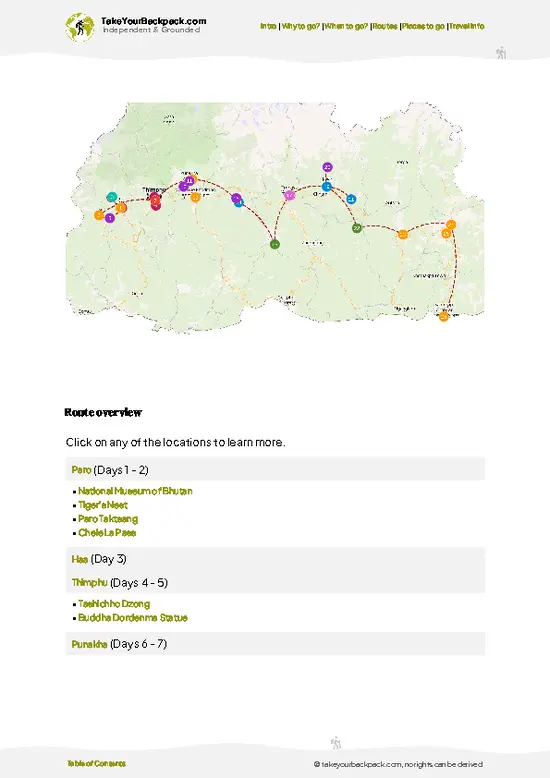
- Compact traditional architecture and carved façade — Ngang Lhakhang’s small, tightly-built temple looks simple from the path but rewards you with fine Bhutanese timberwork, painted eaves and door lintels that show local carpentry and painting styles up close.
- Intimate inner sanctum — the low-ceilinged shrine room feels very private compared with larger dzongs: expect a quiet, close-up encounter with gilded statues, thangkas and the steady smell of butter lamps and incense.
- Faded murals and thangka panels — the walls often carry older, weathered paintings of deities and lineage scenes; their patina and imperfect colors tell a lot about local devotional history without the museum polish.
- Cloistered courtyard and prayer wheels — a small courtyard ringed by prayer wheels and painted pillars
- Compact traditional architecture and carved façade — Ngang Lhakhang’s small, tightly-built temple looks simple from the path but rewards you with fine Bhutanese timberwork, painted eaves and door lintels that show local carpentry and painting styles up close.
- Intimate inner sanctum — the low-ceilinged shrine room feels very private compared with larger dzongs: expect a quiet, close-up encounter with gilded statues, thangkas and the steady smell of butter lamps and incense.
- Faded murals and thangka panels — the walls often carry older, weathered paintings of deities and lineage scenes; their patina and imperfect colors tell a lot about local devotional history without the museum polish.
- Cloistered courtyard and prayer wheels — a small courtyard ringed by prayer wheels and painted pillars is a perfect spot to watch locals spin wheels, spin a few yourself, and soak in how religion and daily life overlap here.
- Ridge-top views — Ngang Lhakhang sits in a position that gives neat views over the immediate valley and terraced fields; it’s not a blockbuster panorama, but it’s honest and great for photos at golden hour.
- Living monastic presence — this is an active place: you’ll often see local monks or lay practitioners, hear chanting at certain times, and have chances for a short, respectful conversation or a blessing if invited.
- Local sacred spots and stories — around the temple you’ll find small shrines, protective stones or trees and local legends attached to them; asking a nearby villager usually yields a short, charming story you won’t find in guidebooks.
- Seasonal rites and community gatherings — while not necessarily the site of a major tshechu, Ngang Lhakhang plays a role in local pujas and seasonal observances, so timing your visit can let you see communal rituals in an intimate setting.
Spotted a mistake or missing something? Contact us.


 Best Backpacking
 Hi, I’m Johan (Netherlands 🇳🇱), the creator of TakeYourBackpack. Over the past 3 decades, I’ve backpacked through 90+ countries across six continents, gaining extensive experience with independent travel, long-term trips, and overland routes.