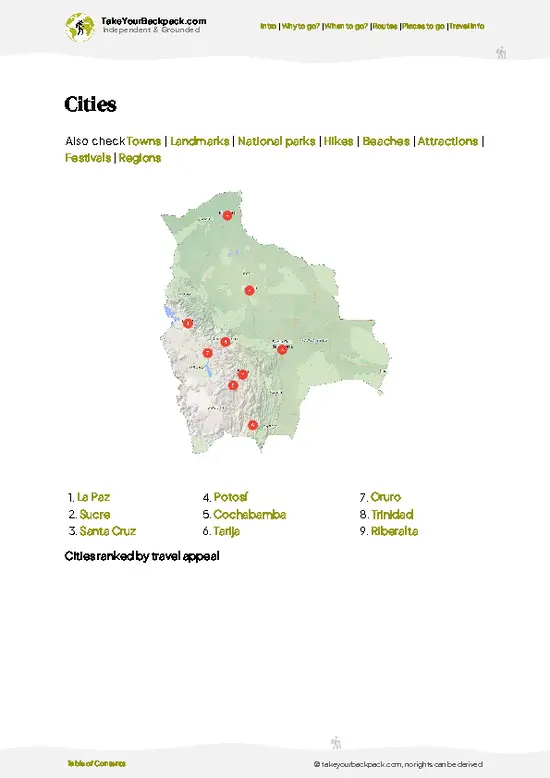
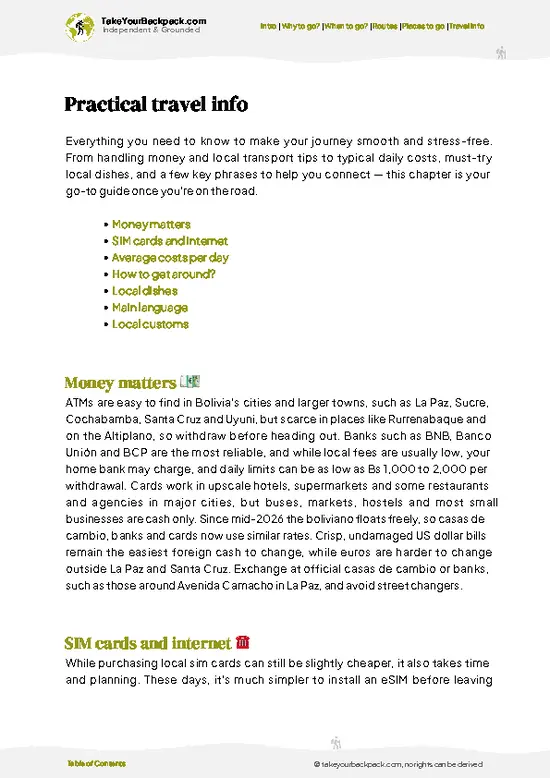
×

Bolivia🇧🇴 | attractionsMuseo Colonial CharcasViceregal canvases, gilded altarpieces, Potosí silverwork, quiet courtyards | things to do and best time to go

Explore Museo de Arte Indígena ASURExplore Museo de la Catedral de Sucre

Backpacking in Museo Colonial Charcas
🌟 Highlightattraction ranked #8
By Johan Kruseman 🇳🇱 | Updated October 19, 2026

Museo Colonial Charcas packs 18 rooms of viceregal, colonial and republican art into one compact, easy visit, so you can cover centuries of Andean history in an hour or two without a transport headache. It sits on Calle Bolívar at the corner of Dalence, in the historic center of Sucre, Bolivia’s constitutional capital. I walked down from Plaza 25 de Mayo, ducked under a low colonial doorway, and a university guide waved me straight into a courtyard before I had even found the ticket desk. Crowds stay thin, the entry fee is small, and some labels lean on Spanish. But the carved altarpieces, the Potosí-era paintings and the quiet courtyards are why you make the detour. Start with a slow lap of the rooms, then wander the surrounding streets for a coffee.

Discover everything you want to know in the 📖 Bolivia Travel Guide.


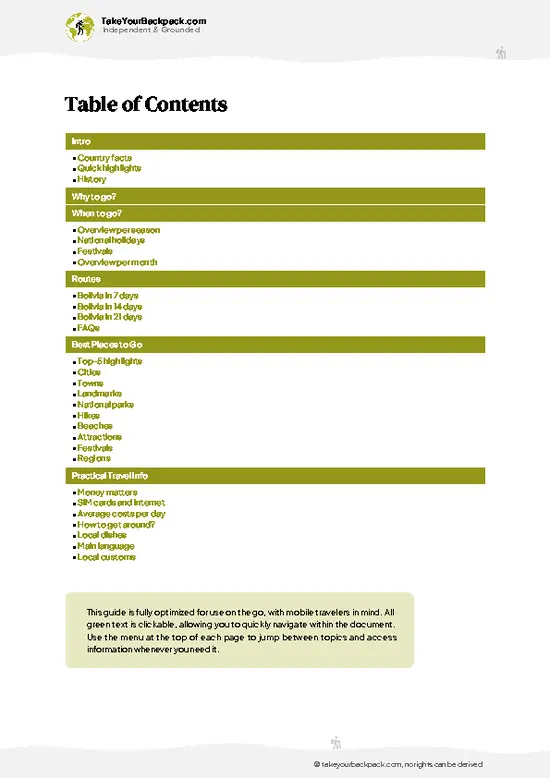
example page 0 from our offline Travel Guide for Bolivia
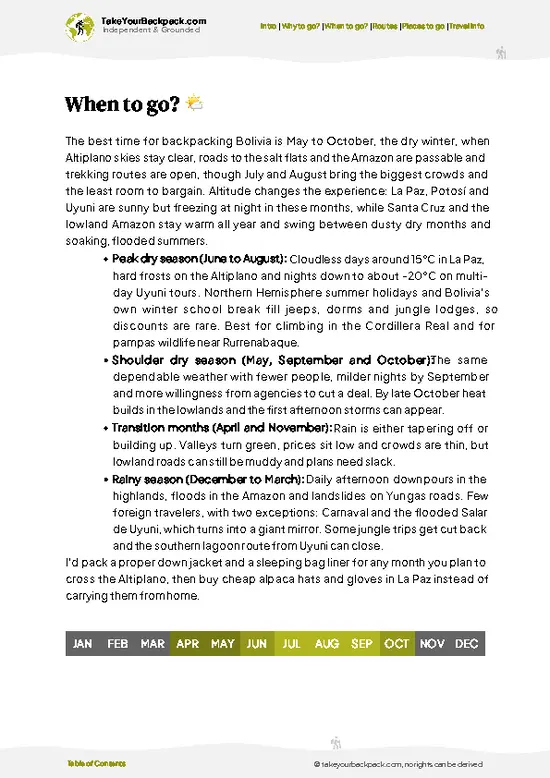
example page 1 from our offline Travel Guide for Bolivia
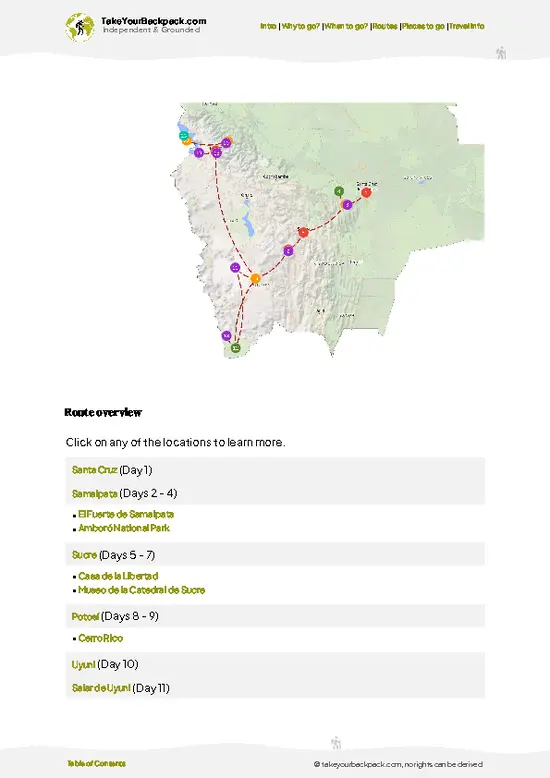
example page 2 from our offline Travel Guide for Bolivia
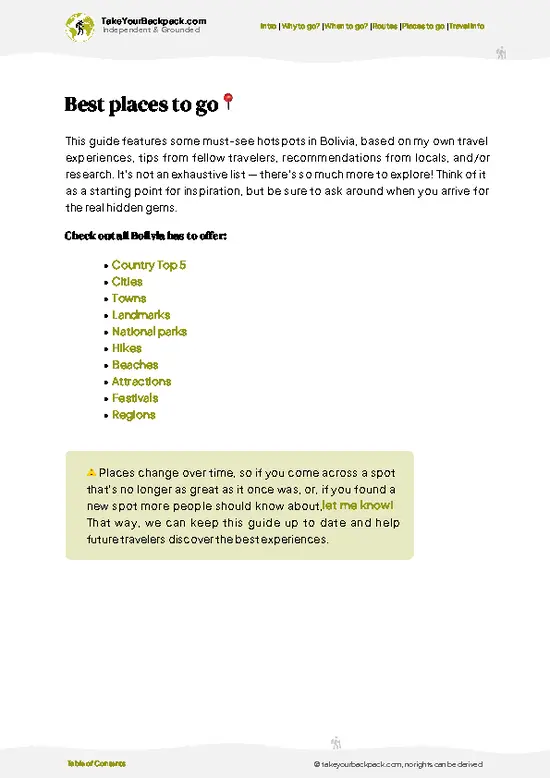
example page 3 from our offline Travel Guide for Bolivia
example page 4 from our offline Travel Guide for Bolivia
example page 5 from our offline Travel Guide for Bolivia
example page 6 from our offline Travel Guide for Bolivia
example page 7 from our offline Travel Guide for Bolivia
Loading the map 🌍
CLICK TO FILTER
cities
towns
landmarks
national parks
hikes
beaches
attractions
festivals
regions
SHOW COUNTRY’S BESTSHOW ALL

✨ Why go?
Ranked #8 attraction in Bolivia
What makes it a must-see attraction

Museo Colonial Charcas is the place to understand why Sucre, once called Charcas, mattered so much in the Spanish Andes. The collection sits at the meeting point of Spanish religious painting and Indigenous Andean craft, which you can see in the faces, fabrics and gold leaf of the canvases. If you plan to see the city’s churches, convents and the nearby Casa de la Libertad, this museum gives you the visual vocabulary to read them. It is also a rare indoor stop that costs little and works when rain or afternoon sun pushes you off the street. The setting matters too: the museum is run by the Universidad San Francisco Xavier, the institution tied to the city’s intellectual life since the colonial era. Its 18 rooms are small enough to finish before your legs complain, yet varied enough to keep … read more 👉
Museo Colonial Charcas is the place to understand why Sucre, once called Charcas, mattered so much in the Spanish Andes. The collection sits at the meeting point of Spanish religious painting and Indigenous Andean craft, which you can see in the faces, fabrics and gold leaf of the canvases. If you plan to see the city’s churches, convents and the nearby Casa de la Libertad, this museum gives you the visual vocabulary to read them. It is also a rare indoor stop that costs little and works when rain or afternoon sun pushes you off the street. The setting matters too: the museum is run by the Universidad San Francisco Xavier, the institution tied to the city’s intellectual life since the colonial era. Its 18 rooms are small enough to finish before your legs complain, yet varied enough to keep you looking. For a history-minded backpacker, this is the efficient route into Sucre’s past.

💡 HighlightsWhat this place is best known for

  1. Viceregal painting rooms: Large canvases from the colonial period show Christian saints with distinctly Andean touches, and they are the core of the collection.
  2. Colonial religious art: Carved and gilded altarpieces, sculpted saints and church furnishings show how the Spanish church shaped local craftsmanship.
  3. Republican-era galleries: Later rooms move into portraits and scenes from independence-era Bolivia, giving you the story after the Spanish period.
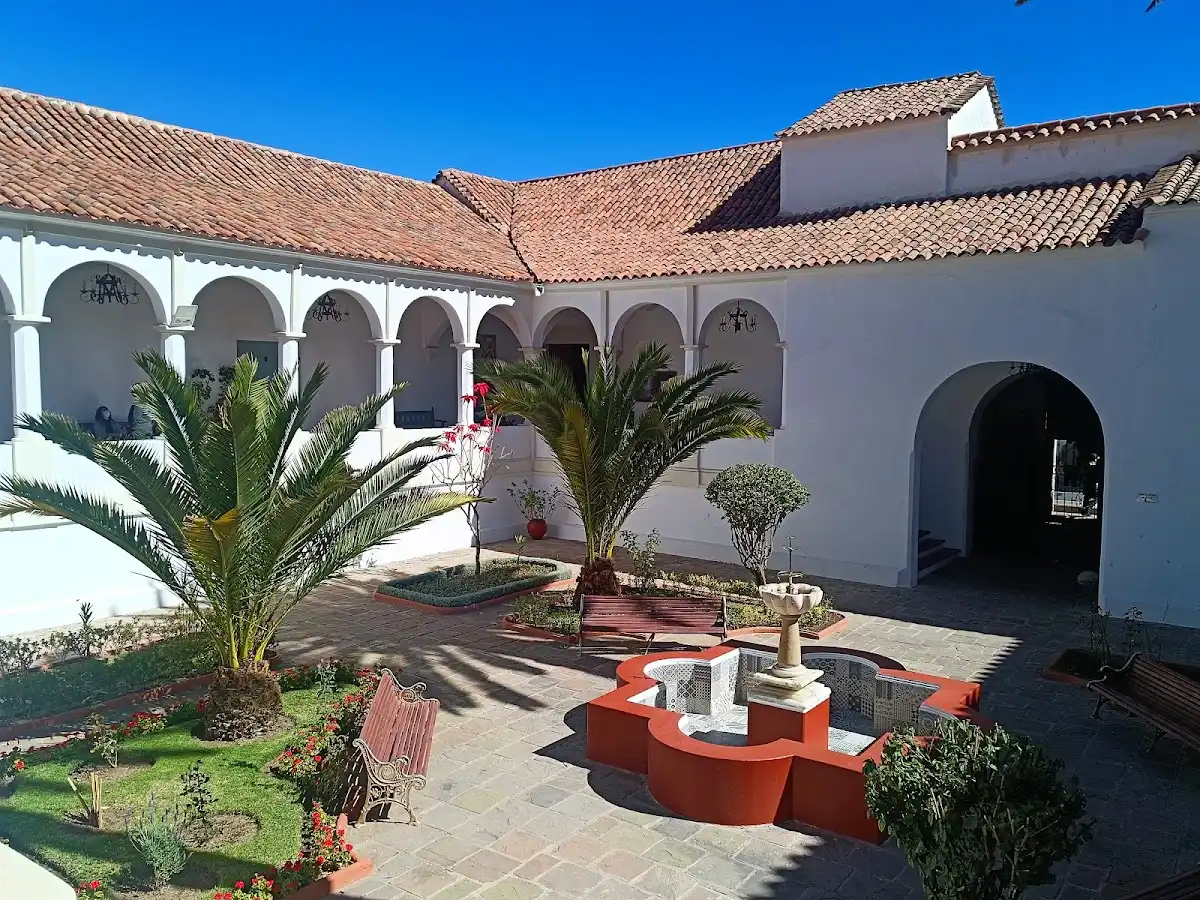
  4. The courtyards: The old building is arranged around quiet patios where you can pause between rooms and take in the architecture.
  5. The reopened exhibition layout: The 2018 reopening organized the 18 rooms into a clearer progression, so you can follow the art chronologically.
  6. Silverwork and decorative objects: Pieces linked to the wealth of the Potosí
… read more 👉
  1. Viceregal painting rooms: Large canvases from the colonial period show Christian saints with distinctly Andean touches, and they are the core of the collection.
  2. Colonial religious art: Carved and gilded altarpieces, sculpted saints and church furnishings show how the Spanish church shaped local craftsmanship.
  3. Republican-era galleries: Later rooms move into portraits and scenes from independence-era Bolivia, giving you the story after the Spanish period.
  4. The courtyards: The old building is arranged around quiet patios where you can pause between rooms and take in the architecture.
  5. The reopened exhibition layout: The 2018 reopening organized the 18 rooms into a clearer progression, so you can follow the art chronologically.
  6. Silverwork and decorative objects: Pieces linked to the wealth of the Potosí silver trade show what the colonial elite bought and displayed.
  7. University guides: Staff can point you to key works and explain the symbolism, which makes the paintings far more readable.
Museo Colonial Charcas takes about one to two hours to see in full.
Spotted a mistake or missing something? Contact us.

Things to do around Museo Colonial Charcas

Ratings based on Tripadvisor reviews. When you book through this link, you support our work at no extra cost to you.

🌤️ When to go?Seasonal considerations and timing

The dry season from May to September is the best window for Museo Colonial Charcas, with sunny days and almost no rain in Sucre.
  • Dry Season (May to September): Days reach 18 to 24°C (64 to 75°F), nights drop to 2 to 8°C (36 to 46°F) at an altitude of about 2,800 meters. Skies are clear. Crowds and room prices peak in July and August.
  • Wet Season (November to March): Afternoon downpours are common, with highs of 20 to 25°C (68 to 77°F) and mild nights around 10 to 13°C (50 to 55°F). Indoor galleries make a good rain refuge, and beds are cheaper.
  • Shoulder Months (April, October): Mild weather, fewer visitors, and fair prices.
  • Festivals: Virgen de Guadalupe on September 8 fills the center and lifts prices.
Bring a warm layer for cold mornings, since the museum’s old stone rooms stay cool all year.

source: climatestotravel.comJANJanuary: fair for travelingFEBFebruary: fair for travelingMARMarch: fair for travelingAPRApril: good for travelingMAYMay: excellent for travelingJUNJune: excellent for travelingJULJuly: highly recommended for travelingAUGAugust: highly recommended for travelingSEPSeptember: excellent for travelingOCTOctober: excellent for travelingNOVNovember: fair for travelingDECDecember: fair for traveling
bolivia-attraction-museo-colonial-charcas
© Google |

✈️ The backpacker research shortcutBolivia Travel Guide

An offline-friendly backpacking guide with optimized travel routes, ranked highlights, transport advice, and the best areas to stay.
example page 0 from our offline Travel Guide for Bolivia
example page 1 from our offline Travel Guide for Bolivia
example page 2 from our offline Travel Guide for Bolivia
example page 3 from our offline Travel Guide for Bolivia
example page 4 from our offline Travel Guide for Bolivia
example page 5 from our offline Travel Guide for Bolivia
example page 6 from our offline Travel Guide for Bolivia
example page 7 from our offline Travel Guide for Bolivia
The digital guide (262 pages) contains:
✅ 76 highlights, ranked by travel appeal
✅ Optimized 7, 14 & 21-day travel routes
✅ Cities, national parks, landmarks, beaches
✅ How to get around
✅ Offline-friendly for travel without Wi-Fi
👉 Click to see all 30+ guide features

📅 Plan smarter in minutes, not weeks
✅ Month by month travel advice
✅ Festivals & national holidays
✅ Budget expectations

🗺️ Go to the right places, skip the overrated ones
✅ Honest pros & cons of destinations
✅ Top hikes, parks & viewpoints
✅ Lesser-known places most travelers miss
✅ Clear “worth it vs skip it” guidance

🛏️ Travel smoothly without rookie mistakes
✅ Best areas to stay
✅ Transport systems explained simply
✅ Common scams & safety advice
✅ SIM cards, money & practical tips

🌍 Understand the country, not just visit it
✅ Culture & traditions
✅ 52 Essential phrases & customs
✅ Festivals worth planning around
✅ Traveler-friendly historical context
✅ Insights that make places more meaningful

📱 Built for real travel conditions
✅ Fully downloadable PDF
✅ Works completely offline
✅ Optimized for phone use
✅ Useful in remote areas & buses
✅ Everything in one place
Stop searching, start planning
Get instant access to your full guide. 30‑day money-back guarantee.
+ Add another guide for just

By proceeding you agree to our terms.
Sent to your inbox immediately after payment • 100% Secure Checkout
Best Backpacking Travel Advisor 2025 tourism awardBest Backpacking
Travel Advisor
2025
What others say about Take Your Backpack Guides:
⭐⭐⭐⭐⭐
Fantastic, amazing amount of information!
⭐⭐⭐⭐⭐
My goodness this is amazing, it's what I've been looking for hats off too you!
⭐⭐⭐⭐⭐
I think this is absolutely BRILLIANT
⭐⭐⭐⭐
Very complete and informative. It's still missing places, but I gotta to commend you
⭐⭐⭐⭐⭐
This is truly amazing, thank you, can't wait to explore it with my kids!
⭐⭐⭐⭐⭐
Awesome resource, thank you!
⭐⭐⭐⭐⭐
This is amazing! Can't wait to explore the ones I haven't seen
⭐⭐⭐⭐
I love this! Well done, great idea.
⭐⭐⭐⭐⭐
Thanks for taking the time to make this gem!
⭐⭐⭐⭐⭐
This might be the best website I've ever seen.
⭐⭐⭐⭐⭐
Congratulations, and thank you so much for your work; it's incredibly valuable.
⭐⭐⭐⭐
In all seriousness I think you did a great job pointing out the important spots
⭐⭐⭐⭐⭐
10/10 very good
⭐⭐⭐⭐⭐
As someone who's only just starting to visit regularly this is awesome, thank you.
⭐⭐⭐⭐
Thank you very much! I'm going to visit my dad, it's going to be very useful!
⭐⭐⭐⭐⭐
This is really cool! We'll be travelling for the first time and this definitely come in handy.
⭐⭐⭐⭐⭐
You are now our minister of culture, congratulations 👨‍💼
⭐⭐⭐⭐⭐
Just wanted to tell you that this is a pearl! Going to follow your recommendations.
⭐⭐⭐⭐⭐
This is so cool. I'll definitely be using the resource for my travels soon.
⭐⭐⭐⭐⭐
This is very impressive! Good work.
⭐⭐⭐⭐⭐
This is an amazing and informative site. Very well done!

🛏️ Where to stay?Best areas to stay in Bolivia

The historic center around Plaza 25 de Mayo is the best area to stay, because Museo Colonial Charcas sits a short walk away on Calle Bolívar.
The streets just off the plaza hold most of Sucre’s hostels, and dorms there mix backpackers who swap tips over shared kitchens and rooftop terraces. Walking at night is comfortable on lit, central streets, and taxis are easy to find if you return late.
The area toward Calle Bolívar and Calle Dalence is quieter, with family-run guesthouses and older colonial houses. It suits solo travelers who want sleep but still want cafes and the museum on their doorstep. … read more 👉
The historic center around Plaza 25 de Mayo is the best area to stay, because Museo Colonial Charcas sits a short walk away on Calle Bolívar.
The streets just off the plaza hold most of Sucre’s hostels, and dorms there mix backpackers who swap tips over shared kitchens and rooftop terraces. Walking at night is comfortable on lit, central streets, and taxis are easy to find if you return late.
The area toward Calle Bolívar and Calle Dalence is quieter, with family-run guesthouses and older colonial houses. It suits solo travelers who want sleep but still want cafes and the museum on their doorstep.
The streets near the Mercado Central, a few minutes’ walk downhill, are cheaper and noisier. You get busy food stalls and easy minibus connections, though fewer social hostels.
La Recoleta, uphill from the center, has calm views and some budget stays. It is a steep climb back at the end of a day, so choose it only if you prefer quiet to a lively common room.

👛 Costs (as of 19 October 2026)How expensive it really is

Museo Colonial Charcas fits into a backpacker day of about US$21 to 47, with the entry ticket itself costing only a few dollars.
CategoryBudget RangeLocal Reality
Museum entryUS$2 to 4Paid in bolivianos at the door. Photo permission may cost a small extra fee.
Dorm bed (high season)US$8 to 14Cheaper in the wet season, around US$6 to 10.
MealsUS$6 to 12Set lunches (almuerzos) at local restaurants and markets cost US$2 to 4.
Local transportUS$0.30 to 2Micros cost under US$0.50. Short taxi rides in the center cost about US$1 to 2.
Other sightsUS$3 to 10Combined tickets for nearby churches and museums, or the Casa de la Libertad, add a few dollars.
Coffee and snacksUS$2 to 5Cafes around Plaza 25 de Mayo cost more than market stalls.
Total Daily BudgetUS$21 to 47Per person, per day, in high season.
⚠️ Prices can change and everyone travels differently, so take this as a rough guide. Hope it helps you plan your adventure!

FAQFrequently asked questions about Museo Colonial Charcas

Plan on 1 to 2 hours for Museo Colonial Charcas. Its 18 rooms of viceregal, colonial and republican art take about 90 minutes at a relaxed pace. Pair it with the nearby Plaza 25 de Mayo and the Casa de la Libertad to fill a half day.
Museo Colonial Charcas is worth the entrance fee of roughly US$2 to 4 if you like colonial religious art. The reopened galleries hold viceregal paintings, sculpture and republican pieces run by the Universidad San Francisco Xavier. For the price, it costs less than a typical lunch in Sucre.
Museo Colonial Charcas stands at Calle Bolívar 698, corner Dalence, in Sucre’s historic center. From Plaza 25 de Mayo it is a short walk of about 5 minutes. A taxi from the bus terminal costs around US$1 to 2, and no minibus trip is needed.
⚠️ Things can change over time, so always validate details locally before you go.

Other Bolivian attractions near Museo Colonial Charcas

Explore more nearby:


💡 Not sure where to go next?
Create a personalized itinerary for Bolivia including Museo Colonial Charcas and the places that fit your trip.

Generate my itinerary

👉 Discover all attractions

Or checkout all Bolivia has to offer (think cities, towns, villages, national parks, hikes, beaches, festivals)
Country photo of Bolivia

We 💚 feedbackWhat to keep in mind

Museo Colonial Charcas is best in the late morning, when the courtyards are bright and the rooms are quiet, or on a rainy afternoon when the street loses its appeal. I would pair it with a coffee on the plaza afterward. Bring some Spanish, or ask a guide to point out the key paintings.

✈️ When did I visit Bolivia?
Bolivia I visited during my half year trip through South and Central America back in 2003

✍️ Help improve this page!
The information on this page is based on my own backpacking experience in Bolivia, supplemented with up-to-date research and feedback from other travelers. Travel details can change, so if you notice anything outdated or incomplete, feel free to let me know.


🙋‍♂️ Give feedback

👋 Meet the founderWho’s Behind Take Your Backpack?

Johan, backpacker and founder of TakeYourBackpackHi, I’m Johan (Netherlands 🇳🇱), the creator of TakeYourBackpack. Over the past 3 decades, I’ve backpacked through 90+ countries across six continents, gaining extensive experience with independent travel, long-term trips, and overland routes.

This site is built on a combination of firsthand travel experience and carefully curated insights from other backpackers. Many guides are based on places I’ve personally visited, while others bring together tips, observations, and practical advice shared by trusted travelers I’ve met along the way.

The goal is to provide realistic, experience-driven guidance — not generic itineraries — so you can explore destinations with better context, clearer expectations, and more confidence.