×

Bolivia🇧🇴 | townsSan RamónBeni cattle country, mission church, dusk plaza | things to do and best time to go

Explore Ascensión de GuarayosExplore San Pedro de Moxos

Backpacking in San Ramón
👍 Recommendedtown ranked #11
By Johan Kruseman 🇳🇱 | Updated October 19, 2026

San Ramón suits slow travelers who like remote frontier towns and want to see Beni’s lowland life without a tour group. Hikers, nightlife seekers and anyone short on time will find it less rewarding. It sits in the Beni lowlands in the north of Bolivia, in the Mamoré province, a region of cattle ranches, rivers and old Jesuit mission history. Expect a few simple lodgings, quiet evenings and few other backpackers, so strike up conversations in the plaza. Roads here turn to mud in the rains, so experienced travelers ask locals about current conditions before setting out. I’d stand in the plaza at dusk and listen for motorbikes and birdsong. Carry small bills in cash, because card machines are scarce.

Discover everything you want to know in the 📖 Bolivia Travel Guide.


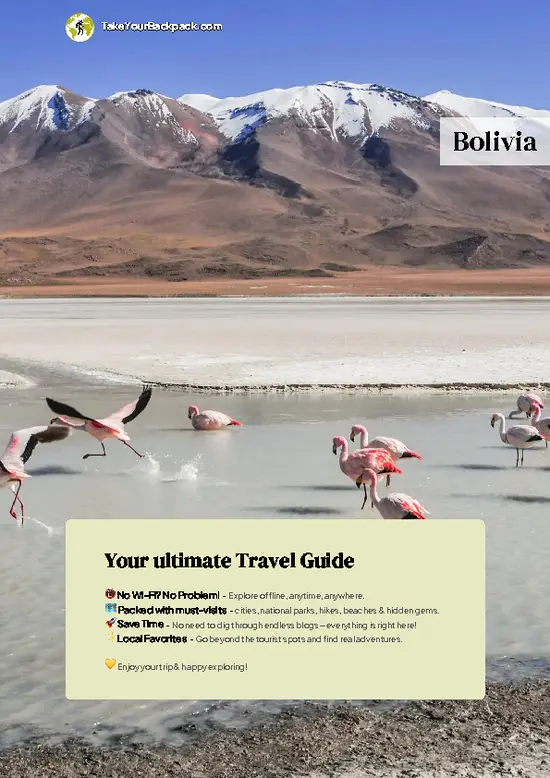
example page 0 from our offline Travel Guide for Bolivia
example page 1 from our offline Travel Guide for Bolivia
example page 2 from our offline Travel Guide for Bolivia
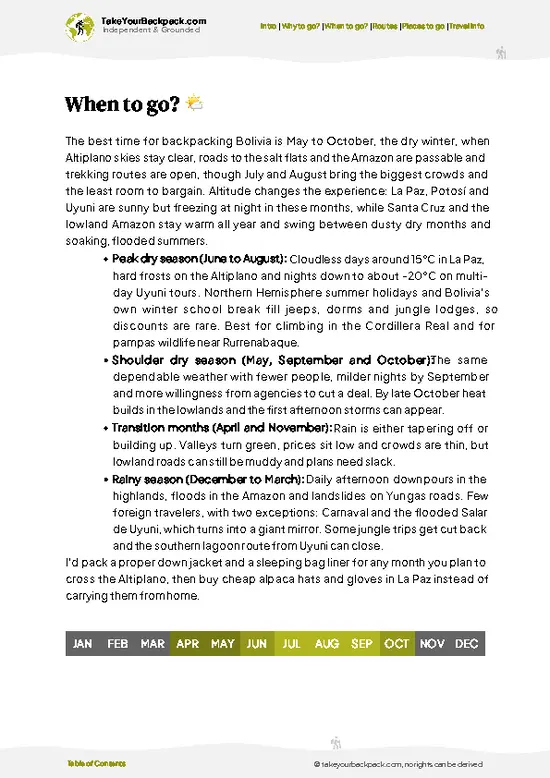
example page 3 from our offline Travel Guide for Bolivia
example page 4 from our offline Travel Guide for Bolivia
example page 5 from our offline Travel Guide for Bolivia
example page 6 from our offline Travel Guide for Bolivia
example page 7 from our offline Travel Guide for Bolivia
Loading the map 🌍
CLICK TO FILTER
cities
towns
landmarks
national parks
hikes
beaches
attractions
festivals
regions
SHOW COUNTRY’S BESTSHOW ALL

✨ Why go?
Ranked #11 town in Bolivia
The unique appeal for travelers

San Ramón gives you lowland Bolivia at village scale, away from the highland circuit. It works best as a night or two on a long overland push through Beni, linking the mission towns of the region, rather than as a destination on its own. The pull is the plain pace of daily life: motorbike taxis, shade under the trees on the plaza, and cooking built around river fish and beef. Guesthouses are few and basic, so you will meet locals more often than other backpackers. Solo travelers who speak some Spanish get the most from it, and slow travelers who like Beni’s mission heritage will be happy lingering. Travelers who need hiking trails, nightlife or a long list of sights should treat it as a brief stop between larger Beni towns and move on.

💡 HighlightsMust-see experiences and standout moments

  1. Plaza Principal: The center of town life, shaded and flat, where families gather in the evening and the motorbikes park. Go after the afternoon heat has eased, around dusk. Free, 30 to 60 minutes.
  2. Iglesia de San Ramón: The parish church recalls the Jesuit mission past of the Mojos lowlands and anchors the plaza. Visit in the morning when it is most likely to be open. Free, 20 to 30 minutes.
  3. Riverside edges of town: Walk out to the town’s edge to see cattle country and wide lowland skies, with plenty of birds in the early morning. Free, 1 to 2 hours.
For day trips, the mission town of San Joaquín and the Mamoré lowlands around it are the closest rewarding targets, with Magdalena another option further along the Beni circuit. For a first visit, the Plaza Principal is the best choice, since everything worth seeing in San Ramón happens there.
Spotted a mistake or missing something? Contact us.

🏘️ NeighborhoodsNeighborhood guide to San Ramón

San Ramón is small enough to cover on foot in an hour, so skip taxis and let your feet do the exploring. Here is how the town splits up and why it works that way.
  • Plaza Principal: The town grew around this square, so everything useful sits within two or three blocks. Grab a seat under the trees, watch the motorbikes circle, and eat at the simple comidas stalls and small restaurants nearby. Experienced travelers eat here at midday, when the set lunch (almuerzo) is freshest and cheapest.
  • Highway strip (Ruta 9): San Ramón stretches along the main road because trucks and buses drive the local economy. You find fuel stops, shops, pharmacies and bus offices here. It gets noisy and dusty, so smart travelers do errands fast and then retreat to the plaza.
  • Edges and ranch country: Just beyond the last
… read more 👉
San Ramón is small enough to cover on foot in an hour, so skip taxis and let your feet do the exploring. Here is how the town splits up and why it works that way.
  • Plaza Principal: The town grew around this square, so everything useful sits within two or three blocks. Grab a seat under the trees, watch the motorbikes circle, and eat at the simple comidas stalls and small restaurants nearby. Experienced travelers eat here at midday, when the set lunch (almuerzo) is freshest and cheapest.
  • Highway strip (Ruta 9): San Ramón stretches along the main road because trucks and buses drive the local economy. You find fuel stops, shops, pharmacies and bus offices here. It gets noisy and dusty, so smart travelers do errands fast and then retreat to the plaza.
  • Edges and ranch country: Just beyond the last streets, flat Beni cattle land opens up, with dirt tracks, palms and big skies. Distances are longer than they look and the midday sun is brutal, so go out early on foot or by hired motorbike, and carry water.

⌛️ 1 dayHow to make the most of one day

7:00 AM, Plaza Principal: Start here because the morning is the coolest, most active hour, with vendors setting up and locals taking breakfast. Grab a salteña or coffee and watch the town wake up.
9:00 AM, Iglesia de San Ramón: Walk across the plaza to the church, take in the mission-era setting and talk with anyone tending the grounds. It takes only a short stroll and sets the historical context for the region.
11:00 AM, Local market area: Wander the stalls for fruit, fish and daily staples. Spanish helps, and a smile helps more. It is a good place to see what lowland Bolivians really eat.
1:00 PM, Lunch and rest: Eat a plate of river fish or beef with rice and yuca at a simple comedor, then rest through the heat of the day.
4:00 PM, Edge of town and the fields beyond: Few visitors walk out past … read more 👉
7:00 AM, Plaza Principal: Start here because the morning is the coolest, most active hour, with vendors setting up and locals taking breakfast. Grab a salteña or coffee and watch the town wake up.
9:00 AM, Iglesia de San Ramón: Walk across the plaza to the church, take in the mission-era setting and talk with anyone tending the grounds. It takes only a short stroll and sets the historical context for the region.
11:00 AM, Local market area: Wander the stalls for fruit, fish and daily staples. Spanish helps, and a smile helps more. It is a good place to see what lowland Bolivians really eat.
1:00 PM, Lunch and rest: Eat a plate of river fish or beef with rice and yuca at a simple comedor, then rest through the heat of the day.
4:00 PM, Edge of town and the fields beyond: Few visitors walk out past the last streets, but the open pasture, wetlands and birds make it the best low-key hour of the day. Go slowly, bring water and turn back before dark.
6:30 PM, Back to the plaza: End where you began as families gather and the evening cools. Sit, chat and plan your onward move.

🌤️ When to go?Best time to visit San Ramón

May to September is the easiest window for San Ramón, with dry roads and daytime highs of 27 to 32°C (81 to 90°F).
  • Dry Season (May to October): Tracks stay passable and mosquitoes ease off. Cold fronts (surazos) can drop nights to 12 to 16°C (54 to 61°F) for a few days. Days are about 11.5 to 12.5 hours long.
  • Wet Season (November to April): Heat and humidity push highs to 30 to 35°C (86 to 95°F), with heavy downpours that turn dirt roads to mud and delay buses. Flooding can cut access in the lowlands.
  • Crowds and prices: Few tourists come at any time, so prices barely move. Local fiestas bring brief spikes in transport demand.
Book onward buses a day ahead in the wet months, since washed-out stretches cause delays.

source: climatestotravel.comJANJanuary: fair for travelingFEBFebruary: fair for travelingMARMarch: fair for travelingAPRApril: fair for travelingMAYMay: highly recommended for travelingJUNJune: excellent for travelingJULJuly: excellent for travelingAUGAugust: excellent for travelingSEPSeptember: excellent for travelingOCTOctober: highly recommended for travelingNOVNovember: fair for travelingDECDecember: fair for traveling
when-to-go

✈️ The backpacker research shortcutBolivia Travel Guide

An offline-friendly backpacking guide with optimized travel routes, ranked highlights, transport advice, and the best areas to stay.
example page 0 from our offline Travel Guide for Bolivia
example page 1 from our offline Travel Guide for Bolivia
example page 2 from our offline Travel Guide for Bolivia
example page 3 from our offline Travel Guide for Bolivia
example page 4 from our offline Travel Guide for Bolivia
example page 5 from our offline Travel Guide for Bolivia
example page 6 from our offline Travel Guide for Bolivia
example page 7 from our offline Travel Guide for Bolivia
The digital guide (262 pages) contains:
✅ 76 highlights, ranked by travel appeal
✅ Optimized 7, 14 & 21-day travel routes
✅ Cities, national parks, landmarks, beaches
✅ How to get around
✅ Offline-friendly for travel without Wi-Fi
👉 Click to see all 30+ guide features

📅 Plan smarter in minutes, not weeks
✅ Month by month travel advice
✅ Festivals & national holidays
✅ Budget expectations

🗺️ Go to the right places, skip the overrated ones
✅ Honest pros & cons of destinations
✅ Top hikes, parks & viewpoints
✅ Lesser-known places most travelers miss
✅ Clear “worth it vs skip it” guidance

🛏️ Travel smoothly without rookie mistakes
✅ Best areas to stay
✅ Transport systems explained simply
✅ Common scams & safety advice
✅ SIM cards, money & practical tips

🌍 Understand the country, not just visit it
✅ Culture & traditions
✅ 52 Essential phrases & customs
✅ Festivals worth planning around
✅ Traveler-friendly historical context
✅ Insights that make places more meaningful

📱 Built for real travel conditions
✅ Fully downloadable PDF
✅ Works completely offline
✅ Optimized for phone use
✅ Useful in remote areas & buses
✅ Everything in one place
Stop searching, start planning
Get instant access to your full guide. 30‑day money-back guarantee.
+ Add another guide for just

By proceeding you agree to our terms.
Sent to your inbox immediately after payment • 100% Secure Checkout
Best Backpacking Travel Advisor 2025 tourism awardBest Backpacking
Travel Advisor
2025
What others say about Take Your Backpack Guides:
⭐⭐⭐⭐⭐
Fantastic, amazing amount of information!
⭐⭐⭐⭐⭐
My goodness this is amazing, it's what I've been looking for hats off too you!
⭐⭐⭐⭐⭐
I think this is absolutely BRILLIANT
⭐⭐⭐⭐
Very complete and informative. It's still missing places, but I gotta to commend you
⭐⭐⭐⭐⭐
This is truly amazing, thank you, can't wait to explore it with my kids!
⭐⭐⭐⭐⭐
Awesome resource, thank you!
⭐⭐⭐⭐⭐
This is amazing! Can't wait to explore the ones I haven't seen
⭐⭐⭐⭐
I love this! Well done, great idea.
⭐⭐⭐⭐⭐
Thanks for taking the time to make this gem!
⭐⭐⭐⭐⭐
This might be the best website I've ever seen.
⭐⭐⭐⭐⭐
Congratulations, and thank you so much for your work; it's incredibly valuable.
⭐⭐⭐⭐
In all seriousness I think you did a great job pointing out the important spots
⭐⭐⭐⭐⭐
10/10 very good
⭐⭐⭐⭐⭐
As someone who's only just starting to visit regularly this is awesome, thank you.
⭐⭐⭐⭐
Thank you very much! I'm going to visit my dad, it's going to be very useful!
⭐⭐⭐⭐⭐
This is really cool! We'll be travelling for the first time and this definitely come in handy.
⭐⭐⭐⭐⭐
You are now our minister of culture, congratulations 👨‍💼
⭐⭐⭐⭐⭐
Just wanted to tell you that this is a pearl! Going to follow your recommendations.
⭐⭐⭐⭐⭐
This is so cool. I'll definitely be using the resource for my travels soon.
⭐⭐⭐⭐⭐
This is very impressive! Good work.
⭐⭐⭐⭐⭐
This is an amazing and informative site. Very well done!

🛏️ Where to stay?How to pick the right area

The streets within two or three blocks of the plaza are the best place for a budget bed in San Ramón. Formal hostels are scarce here, so expect basic family-run guesthouses (alojamientos and residenciales) with private rooms, usually US$8 to 20 a night, often with fans and sometimes air conditioning at the upper end. Dorms are rare, so solo travelers pay close to the single-room rate.
The plaza area is the safest and quietest option at night, with lighting, people about until late evening and shops and food stalls on foot. You can reach the highway stops for onward buses in minutes.
The highway … read more 👉
The streets within two or three blocks of the plaza are the best place for a budget bed in San Ramón. Formal hostels are scarce here, so expect basic family-run guesthouses (alojamientos and residenciales) with private rooms, usually US$8 to 20 a night, often with fans and sometimes air conditioning at the upper end. Dorms are rare, so solo travelers pay close to the single-room rate.
The plaza area is the safest and quietest option at night, with lighting, people about until late evening and shops and food stalls on foot. You can reach the highway stops for onward buses in minutes.
The highway strip has a few cheaper and roadside lodgings, convenient for early departures. Truck traffic rumbles through the night, so bring earplugs and ask for a room at the back. Booking ahead is rarely needed, but arriving before dark gives you the pick of rooms.

🚌 Getting aroundGetting around like a local

From the roadside bus stops on the highway, the plaza is a walk of about 5 to 10 minutes, or a mototaxi ride for roughly US$0.30 to 0.70. San Ramón is compact and flat, traffic is light, and public transport mostly means long-distance buses along the main road. Most backpackers walk in town and save wheels for the journeys out.
  • Walking: Free and fastest, since the center spans only a few blocks. Go early or late, because midday heat in the lowlands saps you quickly.
  • Mototaxi: The default local ride, at about US$0.30 to 1 per trip. Agree on the fare before you climb on, because there are no meters. Experienced travelers carry small coins, as drivers rarely have change.
  • Long-distance bus and minibus: Services pass along the highway toward Trinidad, Santa Cruz and the Beni towns, with fares typically
… read more 👉
From the roadside bus stops on the highway, the plaza is a walk of about 5 to 10 minutes, or a mototaxi ride for roughly US$0.30 to 0.70. San Ramón is compact and flat, traffic is light, and public transport mostly means long-distance buses along the main road. Most backpackers walk in town and save wheels for the journeys out.
  • Walking: Free and fastest, since the center spans only a few blocks. Go early or late, because midday heat in the lowlands saps you quickly.
  • Mototaxi: The default local ride, at about US$0.30 to 1 per trip. Agree on the fare before you climb on, because there are no meters. Experienced travelers carry small coins, as drivers rarely have change.
  • Long-distance bus and minibus: Services pass along the highway toward Trinidad, Santa Cruz and the Beni towns, with fares typically US$5 to 20 depending on distance. Schedules are loose and buses often leave when full, so ask at the roadside the day before and be there early.
  • Shared taxi or trufi: Cars to nearby towns run when seats fill, usually US$1 to 4. Ask which one leaves soonest, since waiting for the last seat can eat an hour.

👛 Costs (as of 19 October 2026)Travel costs and budget guide for San Ramón

A backpacker in San Ramón spends about US$38 to 45 a day, with a total near US$42 in high season. Most costs go to a basic room and plain local meals.
CategoryBudget RangeLocal Reality
Dorm accommodationUS$8 to 20Dorms are rare, so expect a simple private room with a fan. Budget US$15 in high season.
MealsUS$8 to 15Set lunches cost US$2.50 to 4, with grilled meat and fish dinners at US$4 to 7. Budget US$12.
Local transportUS$1 to 5Mototaxis run US$0.30 to 1 a ride, and intercity fares are extra. Budget US$3.
Basic activities/entry feesUS$0 to 25Mostly free walks, with a guided ranch outing at US$15 to 35. Budget US$8.
Miscellaneous expensesUS$2 to 6Water, repellent, snacks and a SIM top-up. Budget US$4.
Total Daily BudgetUS$38 to 45About US$42 in high season.
Eat the set lunch at midday and have a … read more 👉
A backpacker in San Ramón spends about US$38 to 45 a day, with a total near US$42 in high season. Most costs go to a basic room and plain local meals.
CategoryBudget RangeLocal Reality
Dorm accommodationUS$8 to 20Dorms are rare, so expect a simple private room with a fan. Budget US$15 in high season.
MealsUS$8 to 15Set lunches cost US$2.50 to 4, with grilled meat and fish dinners at US$4 to 7. Budget US$12.
Local transportUS$1 to 5Mototaxis run US$0.30 to 1 a ride, and intercity fares are extra. Budget US$3.
Basic activities/entry feesUS$0 to 25Mostly free walks, with a guided ranch outing at US$15 to 35. Budget US$8.
Miscellaneous expensesUS$2 to 6Water, repellent, snacks and a SIM top-up. Budget US$4.
Total Daily BudgetUS$38 to 45About US$42 in high season.
Eat the set lunch at midday and have a lighter evening meal to cut food costs by a third.
⚠️ Prices can change and everyone travels differently, so take this as a rough guide. Hope it helps you plan your adventure!

🚌 Day tripsEasy escapes and nearby places

San Ramón works as a base for short outings by road, but the region is remote, so options depend on bus timing and are best kept simple.
Cattle Ranch Country Ride:
The flat estancias around town offer wide horizons, birdlife and a look at working Beni cattle life. Arrange a motorbike or local guide for US$15 to 35 for the day and leave early, as mid-afternoon heat is heavy. Visit in the dry season, since wet-season tracks bog down fast.

Trinidad:
The departmental capital is the largest nearby hub, with a lively motorbike culture, a river port and markets for lunch. Buses and shared cars take several hours each way, so confirm the last return before you go. Budget US$20 to 40 for the round trip with food. First-timers often leave too late and get stuck overnight.
👉 Explore Trinidad
Santa Rosa … read more 👉
San Ramón works as a base for short outings by road, but the region is remote, so options depend on bus timing and are best kept simple.
Cattle Ranch Country Ride:
The flat estancias around town offer wide horizons, birdlife and a look at working Beni cattle life. Arrange a motorbike or local guide for US$15 to 35 for the day and leave early, as mid-afternoon heat is heavy. Visit in the dry season, since wet-season tracks bog down fast.

Trinidad:
The departmental capital is the largest nearby hub, with a lively motorbike culture, a river port and markets for lunch. Buses and shared cars take several hours each way, so confirm the last return before you go. Budget US$20 to 40 for the round trip with food. First-timers often leave too late and get stuck overnight.
👉 Explore Trinidad
Santa Rosa de Yacuma:
This gateway to the Yacuma wetlands and pampas tours is a long, rough journey and works only if you start before dawn. Costs for transport run about US$20 to 40 return, and tours cost extra. Most travelers sensibly stay overnight, so treat it as a day trip only with an early start and a firm return.

🛡️ SafetySafety Tips and Common Scams in San Ramón

San Ramón is a quiet rural town where the biggest issues are heat, mosquitoes and road dust, not crime. Petty theft is uncommon, but keep your phone and wallet out of sight at the highway stops, where strangers pass through. Walking the plaza after dark is fine in the evening, though the outskirts are poorly lit, so take a mototaxi if you are alone and late. Women traveling solo get stares more than trouble. Agree on mototaxi fares in advance, since overcharging outsiders is the main everyday annoyance. Carry repellent, drink bottled or filtered water and keep small bills handy, as change is scarce.

FAQCommon questions from travelers

San Ramón is worth a short stop rather than a destination, especially if you are crossing the Beni on the highway. You get an easygoing plaza, cheap local meals at US$2.50 to 4 and a look at cattle-country life. Those wanting jungle, wetlands or major sights will find them in Trinidad or the Yacuma area, several hours away.
One night, or at most two days, is enough for San Ramón. A morning around the plaza and an afternoon ranch ride for US$15 to 35 covers it. Add a day only if you want slow birdwatching or a rest from long bus journeys.
San Ramón is a poor choice for a day trip from a bigger city because the region is remote and road journeys take several hours each way. Trinidad is the nearest large hub, and a round trip would eat most of the day plus US$20 to 40. Plan to overnight in San Ramón and travel on the next morning.
⚠️ Things can change over time, so always validate details locally before you go.

Other Bolivian towns near San Ramón

Explore more nearby:


💡 Not sure where to go next?
Create a personalized itinerary for Bolivia including San Ramón and the places that fit your trip.

Generate my itinerary

👉 Discover all towns

Or checkout all Bolivia has to offer (think cities, towns, villages, national parks, hikes, beaches, festivals)
Country photo of Bolivia

We 💚 feedbackWhat to keep in mind

San Ramón is best paired with San Joaquín and the other Beni mission towns, not treated as a standalone stop. I’d give it one night between longer legs, bring cash and insect repellent, and use the quiet evening to plan the next stretch of road.

✈️ When did I visit Bolivia?
Bolivia I visited during my half year trip through South and Central America back in 2003

✍️ Help improve this page!
The information on this page is based on my own backpacking experience in Bolivia, supplemented with up-to-date research and feedback from other travelers. Travel details can change, so if you notice anything outdated or incomplete, feel free to let me know.


🙋‍♂️ Give feedback

👋 Meet the founderWho’s Behind Take Your Backpack?

Johan, backpacker and founder of TakeYourBackpackHi, I’m Johan (Netherlands 🇳🇱), the creator of TakeYourBackpack. Over the past 3 decades, I’ve backpacked through 90+ countries across six continents, gaining extensive experience with independent travel, long-term trips, and overland routes.

This site is built on a combination of firsthand travel experience and carefully curated insights from other backpackers. Many guides are based on places I’ve personally visited, while others bring together tips, observations, and practical advice shared by trusted travelers I’ve met along the way.

The goal is to provide realistic, experience-driven guidance — not generic itineraries — so you can explore destinations with better context, clearer expectations, and more confidence.