×

Bolivia🇧🇴 | best townsWhere to Find the 10 Best towns in Bolivia

Bolivia’s towns pulse with distinct character, each offering a unique slice of culture and adventure. From the bustling markets of La Paz to the serene streets of Sucre, the right town shapes your backpacking experience. Regional differences are stark; the high-altitude Andean towns boast breathtaking views and chilly nights, while the tropical lowlands invite warmth and vibrant biodiversity.

Choosing wisely impacts everything—vibe, budget, and safety. For instance, Cochabamba is known for its affordability and culinary delights, while Potosí offers a gritty history steeped in silver mining. Seasonal nuances also play a role; the dry season opens up hiking trails, while the rainy season can transform paths into muddy challenges. Each town is a gateway to deeper cultural immersion, making your journey not just about the destination, but the rich tapestry of experiences along the way.

By Johan Kruseman 🇳🇱 | Updated September 5, 2026
Explore the best villages in Bolivia

Why go?What Makes Them Special

Bolivia’s towns pulse with a unique rhythm, shaped by their rich cultural tapestry and historical significance. Unlike many countries, Bolivia offers a blend of indigenous heritage and colonial influences, creating a vibrant local charm that is palpable in every plaza and market. The pace of life here is slower, allowing travelers to immerse themselves in the daily routines of the locals, from bustling street vendors to traditional festivals that burst with color and sound.

Geographically, Bolivia’s towns are often clustered in regions, which can significantly influence itinerary planning. For instance, the altiplano towns offer breathtaking views and high-altitude challenges, while the tropical lowlands present a stark contrast with lush landscapes and a warmer climate. This clustering means … read more 👉
Bolivia’s towns pulse with a unique rhythm, shaped by their rich cultural tapestry and historical significance. Unlike many countries, Bolivia offers a blend of indigenous heritage and colonial influences, creating a vibrant local charm that is palpable in every plaza and market. The pace of life here is slower, allowing travelers to immerse themselves in the daily routines of the locals, from bustling street vendors to traditional festivals that burst with color and sound.

Geographically, Bolivia’s towns are often clustered in regions, which can significantly influence itinerary planning. For instance, the altiplano towns offer breathtaking views and high-altitude challenges, while the tropical lowlands present a stark contrast with lush landscapes and a warmer climate. This clustering means that travelers can choose between a more intensive exploration of a specific region or a broader sweep across the country, each with its own rewards and trade-offs.

However, accessibility can be a double-edged sword. Some towns are remote, requiring longer travel times that can eat into exploration opportunities. Yet, this isolation often leads to deeper, more authentic experiences. The infrastructure varies widely; some areas boast modern amenities, while others may lack basic services, demanding a level of adaptability from visitors.

Culinary highlights also reflect the regional diversity, with each town offering distinct flavors that tell the story of its people. From hearty soups in the highlands to fresh fruits in the valleys, the local cuisine is a journey in itself.

Ultimately, Bolivia’s towns matter not just for their sights, but for the experiences they offer—each one a piece of the intricate puzzle that is Bolivian life. Understanding these nuances is essential for anyone looking to truly engage with this remarkable country.
Our Approach to Ranking
The list of best towns in Bolivia is created based on charm, local culture, atmosphere, hidden gems, and visitor appeal. If you feel a town is missing in this list, please let us know.

When to go?Timing Your Visit for the Best Experience

Seasonality shapes the experience of towns across Bolivia. The country’s diverse geography leads to distinct weather patterns that influence local life. The dry season, typically from May to October, offers clear skies and cooler temperatures, making it ideal for exploring. This period sees towns bustling with activity, as festivals and markets thrive. The vibrant energy of local celebrations fills the air, drawing visitors into the heart of community life.

Optimal months for visits align with this dry season. June and July are particularly popular, as the weather is at its most stable. However, this peak time also brings larger crowds and higher prices. Travelers seeking a more intimate experience might consider the shoulder months of May and October. During these times, the weather remains … read more 👉
Seasonality shapes the experience of towns across Bolivia. The country’s diverse geography leads to distinct weather patterns that influence local life. The dry season, typically from May to October, offers clear skies and cooler temperatures, making it ideal for exploring. This period sees towns bustling with activity, as festivals and markets thrive. The vibrant energy of local celebrations fills the air, drawing visitors into the heart of community life.

Optimal months for visits align with this dry season. June and July are particularly popular, as the weather is at its most stable. However, this peak time also brings larger crowds and higher prices. Travelers seeking a more intimate experience might consider the shoulder months of May and October. During these times, the weather remains pleasant, but the towns are less crowded, allowing for a deeper connection with local culture.

Trade-offs exist in the wet season, from November to April. While the rain can create lush landscapes and vibrant flora, it also brings challenges. Roads may become muddy, and some trails can be impassable. However, this season offers a unique glimpse into the quieter side of town life. Fewer tourists mean more authentic interactions with locals, who are often more available to share their stories.

Peak periods during major festivals can significantly influence travel plans. These events, while exhilarating, can lead to fully booked accommodations and inflated prices. Understanding the rhythm of local life throughout the year allows for better planning. Balancing weather conditions, crowd levels, and cultural experiences is essential for making the most of a visit to Bolivia’s towns.

town hoppingOptimizing Your Multi-Stop Itinerary

Regional Clustering
Bolivia’s towns are best explored in clusters. Start in the Altiplano, where La Paz serves as a vibrant hub. From there, head to the nearby town of El Alto for a taste of local markets and street food. Next, venture south to Oruro, famous for its Carnival. This route keeps travel time manageable while immersing in diverse cultures.

Direction of Travel
Traveling southward from La Paz to Sucre and Potosí allows for a natural flow. Sucre, with its colonial charm, offers a slower pace. Potosí, rich in mining history, demands a bit more time to absorb its stories. This sequence balances the energy of bustling towns with the reflective nature of quieter spots.

Time Management
Allocate two to three days per town. This pacing allows for exploration without burnout. Spend a … read more 👉
Regional Clustering
Bolivia’s towns are best explored in clusters. Start in the Altiplano, where La Paz serves as a vibrant hub. From there, head to the nearby town of El Alto for a taste of local markets and street food. Next, venture south to Oruro, famous for its Carnival. This route keeps travel time manageable while immersing in diverse cultures.

Direction of Travel
Traveling southward from La Paz to Sucre and Potosí allows for a natural flow. Sucre, with its colonial charm, offers a slower pace. Potosí, rich in mining history, demands a bit more time to absorb its stories. This sequence balances the energy of bustling towns with the reflective nature of quieter spots.

Time Management
Allocate two to three days per town. This pacing allows for exploration without burnout. Spend a day in La Paz to acclimate and dive into its markets. In Sucre, a leisurely stroll through its plazas and museums can fill two days. Potosí’s mines require a full day to grasp their significance.

Common Pitfalls
Travelers often rush through towns, missing the essence of each place. Avoid cramming too many stops into a short timeframe. Quality experiences trump quantity. Also, be wary of overestimating travel times; winding roads can slow progress.

Trade-offs and Constraints
Speed versus depth is a constant balancing act. A faster pace may save time but sacrifices the richness of local interactions. Budget travelers might opt for buses, but comfort can be compromised. Prioritize experiences that resonate, even if they require a bit more effort. Flexibility is key; allow for spontaneous detours that can lead to unexpected rewards.

The ListTop towns of Bolivia

1 Uyuni

salt flats, train graveyard, gateway to desert

Start journeys across endless white flats, encounter rusting locomotives, and prepare for remote landscapes that test your sense of scale.

bolivia-city-uyuni
© Google |

2 Rurrenabaque

jungle tours, river port, Amazon gateway

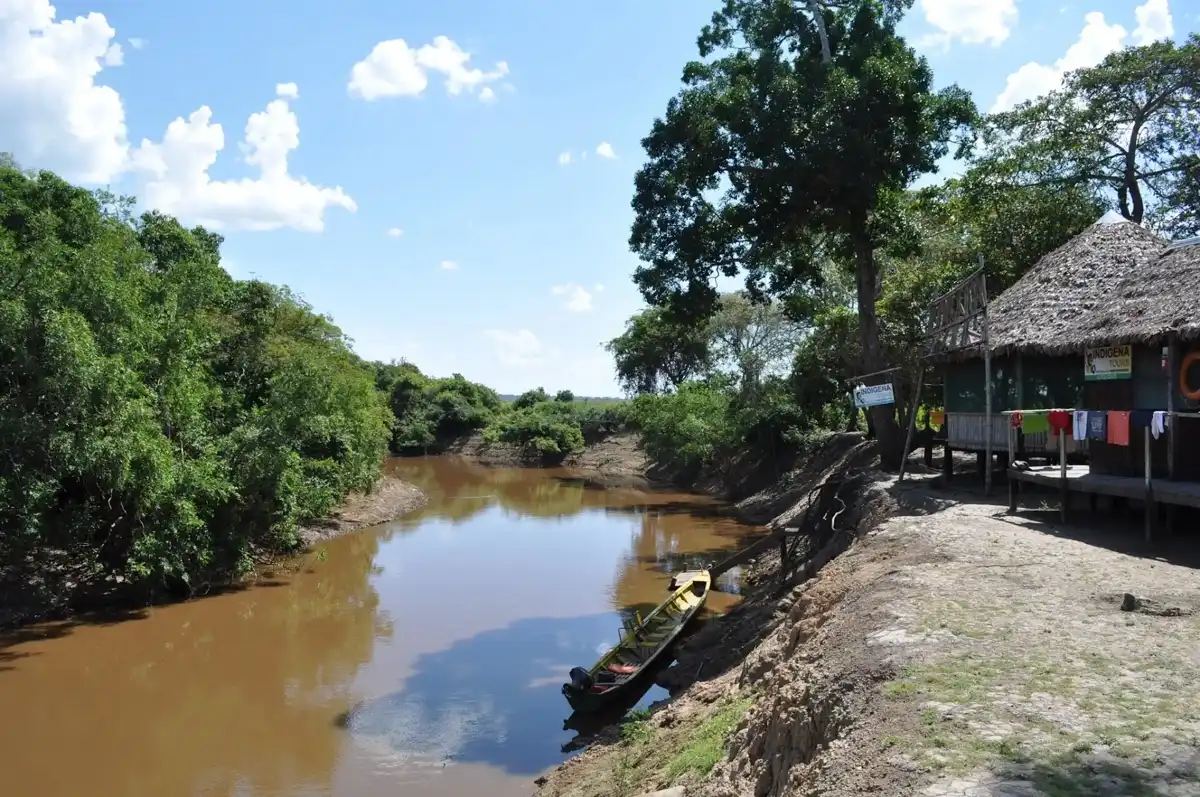
Book river trips or wildlife excursions, using this humid town as a launch point for deeper exploration into Bolivia’s rainforest.

bolivia-city-rurrenabaque
© Google | Hc S

3 Copacabana

lakefront, pilgrimage site, Isla del Sol access

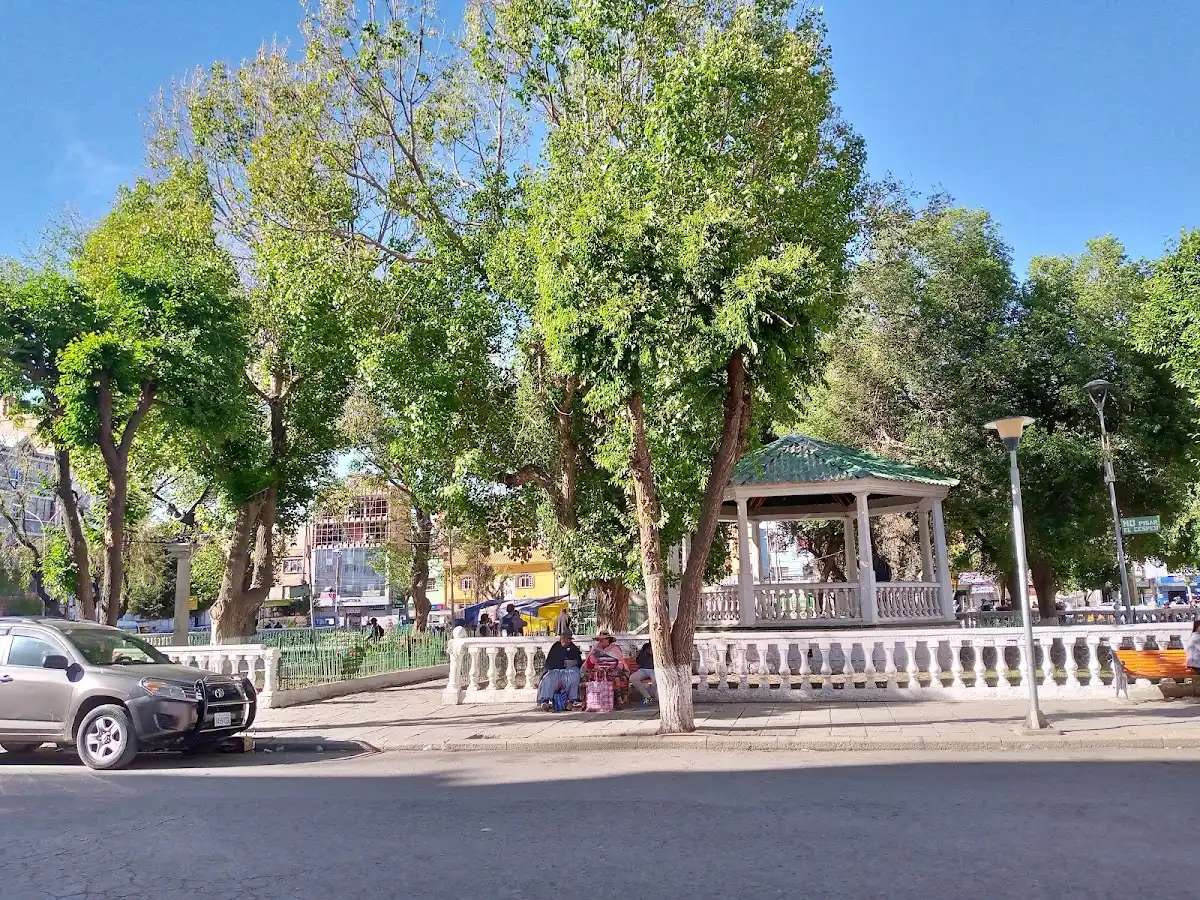
Board boats to sacred islands or join local festivals, with cool air and lake views shaping the traveler’s experience on Titicaca’s shore.

bolivia-city-copacabana
© Google | Jesús C

4 Samaipata

pre-Inca ruins, temperate valley, expat enclave

Hike to ancient stone sites and enjoy a mild climate, with a mix of local and foreign residents shaping the town’s relaxed atmosphere.

bolivia-city-samaipata
© Google | Augusto Guimaro

5 Tupiza

red canyons, wild west scenery, horseback routes

Ride through sculpted valleys and rugged terrain, tracing routes favored by adventurers seeking dramatic geology and open horizons.

bolivia-city-tupiza
© Google |

6 Coroico

Yungas retreat, subtropical hills, panoramic roads

Descend from La Paz to a lush valley, where winding roads and mild climate offer a break from the high-altitude cold.

bolivia-city-coroico
© Google | Matias Villagra

7 San Ignacio de Velasco

Jesuit mission, colonial plaza, Chiquitania region

Visit a preserved mission town where intricate woodwork and quiet streets reveal centuries of cultural blending in the eastern lowlands.

8 San José de Chiquitos

stone church, mission heritage, dry savanna

Discover a unique stone-built mission, then wander through sun-baked streets that reflect the blend of indigenous and colonial histories.

9 Villazón

border crossing, market streets, Andean foothills

Navigate a busy frontier town where travelers and traders converge, then move quickly into higher altitudes or onward to Argentina.

10 San Javier

wooden mission, Chiquitano culture, forest fringe

Step into a mission town where carved wooden churches and music traditions reveal the enduring influence of Jesuit and indigenous communities.

11 San Ramón

tropical crossroads, river port, cattle ranches

Pass through a humid town where riverboats and ranching shape the economy, and the landscape signals the start of Bolivia’s eastern plains.

12 Santiago de Chiquitos

mission village, dry forest, music traditions

Listen for baroque music echoing from centuries-old churches, then walk quiet trails through dry forest at the edge of the Chiquitania.

bolivia-city-santiago-de-chiquitos
© Google |

13 Puerto Suárez

wetland gateway, railhead, border town

Transition from rail to river as you enter the Pantanal, with slow-moving transport and wildlife-rich marshes shaping the pace of travel.

14 Puerto Quijarro

rail terminus, Pantanal edge, border transit

Cross into Brazil or linger at the wetlands’ edge, where transport links and humid air signal the transition between countries and ecosystems.

15 Bermejo

river border, subtropical valley, citrus farms

Cross into Argentina or explore the lush valley, where fruit farms and warm air define a slower pace at the southern edge of Bolivia.

16 Caranavi

coffee region, Yungas foothills, cloud forest

Taste locally grown coffee and watch mist roll over green hills, as the town bridges Andean heights and tropical lowlands.

17 Guayaramerín

Amazon river port, Brazil border, humid lowlands

Arrive by boat or bus to a riverside town where cross-border trade and steamy air mark the edge of Bolivia’s Amazon basin.

18 Ascensión de Guarayos

forest town, Guarayo communities, timber trade

Travel through a forested settlement where local life revolves around woodcraft, river access, and the rhythms of the surrounding jungle.

19 Achacachi

Aymara heartland, Lake Titicaca access, rural market

Experience daily life in a high-altitude town where local traditions and proximity to the lake shape routines and seasonal gatherings.

bolivia-city-achacachi
© Google |

20 Challapata

altiplano crossroads, livestock market, windswept plains

Pause at a windswept junction town, where herders gather and travelers connect between Oruro, Potosí, and the southern highlands.

21 Quime

cloud forest edge, mining past, mountain views

Descend from the high Andes into misty valleys, where changing climates and traces of mining activity add layers to the journey.

22 San Pedro de Moxos

floodplain village, indigenous heritage, seasonal lagoons

Arrive during the wet season to see waterlogged fields and traditional celebrations that reflect centuries of adaptation to the Amazonian plains.

23 Llallagua

mining center, windswept plateau, worker settlements

Walk through a stark mining town where tough conditions and industrial history dominate the landscape and the rhythm of daily life.

24 Viacha

altiplano town, industrial plants, Aymara culture

Visit a working-class hub on the windswept plateau, where local traditions persist alongside factories and open landscapes.

bolivia-city-viacha
© Google |

Think you know Bolivia?

Prove you’re a true local — uncover 14 lesser-known towns in Bolivia that locals tend to keep to themselves.
Loading the map 🌍

Expert viewExpert Commentary on towns

Regional Clusters
Bolivia’s towns are like chapters in a gripping novel, each with its own rhythm and flavor. Start in the Altiplano, where towns like Potosí and Sucre offer a glimpse into colonial history and indigenous culture. The altitude here is no joke; you’ll feel the burn in your lungs as you wander cobblestone streets. But the reward? A vibrant tapestry of local life, from bustling markets to the echo of traditional music.

Then, shift your focus to the Yungas region, where the landscape transforms dramatically. Here, towns like Coroico and La Paz present a lush contrast to the dry highlands. The roads are winding and steep, demanding your attention, but the payoff is a cooler climate and the chance to sip fresh fruit juices while soaking in breathtaking views.

Aim to visit around … read more 👉
Regional Clusters
Bolivia’s towns are like chapters in a gripping novel, each with its own rhythm and flavor. Start in the Altiplano, where towns like Potosí and Sucre offer a glimpse into colonial history and indigenous culture. The altitude here is no joke; you’ll feel the burn in your lungs as you wander cobblestone streets. But the reward? A vibrant tapestry of local life, from bustling markets to the echo of traditional music.

Then, shift your focus to the Yungas region, where the landscape transforms dramatically. Here, towns like Coroico and La Paz present a lush contrast to the dry highlands. The roads are winding and steep, demanding your attention, but the payoff is a cooler climate and the chance to sip fresh fruit juices while soaking in breathtaking views.

Aim to visit around four to six towns to truly grasp Bolivia’s diverse character. This allows you to experience the stark contrasts in culture, climate, and cuisine without feeling rushed. Each town has its own story, and you’ll want time to absorb them all.

Travel Rhythm
The rhythm of travel in Bolivia is dictated by the terrain and infrastructure. Expect long bus rides that can stretch from six to ten hours, especially when crossing regions. The roads can be rough, and delays are common. Embrace the journey; it’s part of the experience. Use this time to chat with locals or fellow travelers. You’ll hear stories that enrich your understanding of the places you’re visiting.

Budget-wise, be prepared for a range that reflects the varying levels of comfort. Hostels can be incredibly affordable, while mid-range hotels offer a cozy respite after a day of exploration. Factor in meals, which can be both delicious and inexpensive if you stick to local eateries. Just remember, the more remote the town, the fewer options you’ll have, so plan accordingly.

Local Charm
Each town has its own unique charm that’s worth savoring. In the Altiplano, you might find yourself captivated by the intricate textiles woven by local artisans. In the Yungas, the aroma of fresh coffee wafts through the air, inviting you to linger at a café. Engage with the locals; they’re often eager to share their stories and traditions.

Cultural considerations are paramount. Bolivia is rich in indigenous heritage, and respecting local customs is essential. Learn a few phrases in Spanish or Aymara; it goes a long way in building rapport. Be mindful of dress codes, especially in more traditional areas.

Safety is another aspect to keep in mind. While many towns are safe, petty crime can occur, particularly in bus stations or crowded markets. Stay aware of your surroundings, and keep your valuables close.

Logistical Considerations
When planning your route, consider the altitude. The higher you go, the more acclimatization you’ll need. Spend a few days in La Paz to adjust before heading to higher elevations. This will help you avoid altitude sickness, which can put a damper on your adventure.

Transportation options vary. Buses are the backbone of inter-town travel, but they can be slow and uncomfortable. For shorter distances, shared taxis or “trufis” are a faster alternative. Just be prepared for a bit of a squeeze.

Timing your visit can also impact your experience. The dry season, from May to October, is ideal for trekking and outdoor activities. However, if you’re keen on experiencing local festivals, plan your trip around key dates. Just be ready for larger crowds and higher prices during peak times.

Prioritizing Your Towns
To make the most of your time, prioritize towns based on your interests. If you’re drawn to history, focus on the Altiplano. For nature lovers, the Yungas is a must. Each region offers distinct experiences, so align your choices with what excites you most.

Don’t rush through; allow yourself to linger in each town. The beauty of Bolivia lies not just in its landscapes but in the connections you make along the way. Take time to explore side streets, chat with vendors, and try local dishes.

Ultimately, the journey through Bolivia’s towns is about balance—between the physical challenge of travel and the joy of discovery. Embrace the grit of the streets and the warmth of the people. Each step, each conversation, and each breathtaking view will remind you why you ventured here in the first place.

✈️ The backpacker research shortcutBolivia Travel Guide

An offline-friendly backpacking guide with optimized travel routes, ranked highlights, transport advice, and the best areas to stay.
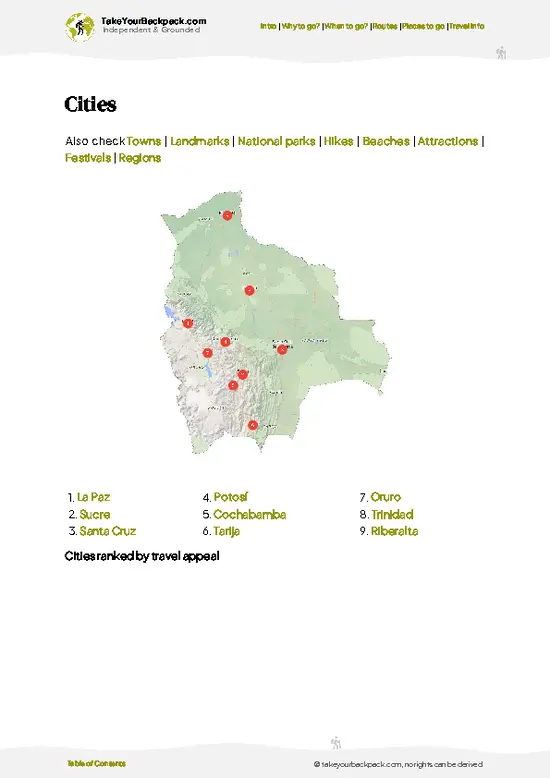
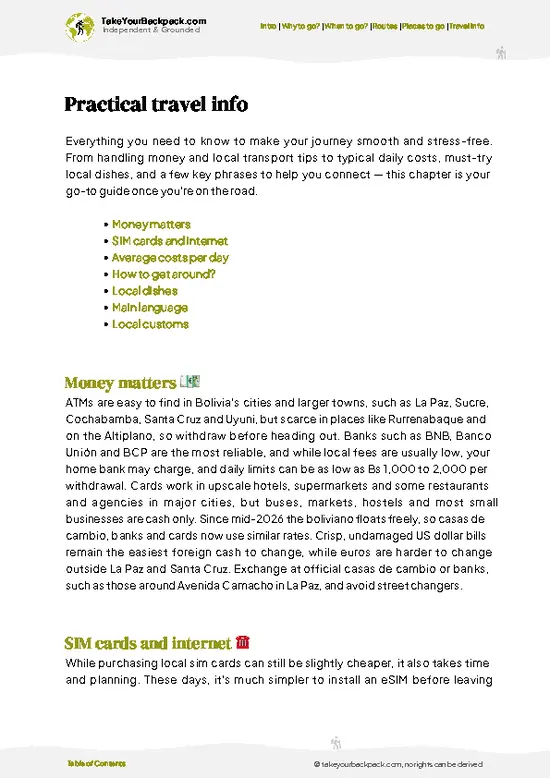
example page 0 from our offline Travel Guide for Bolivia
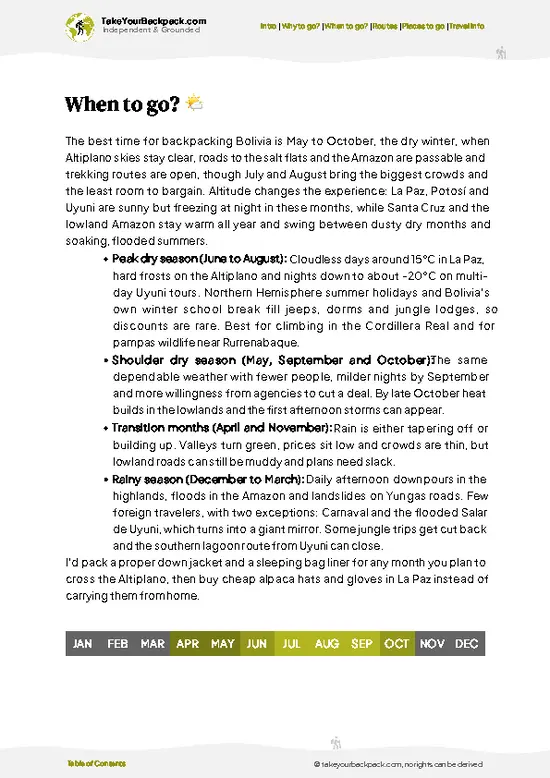
example page 1 from our offline Travel Guide for Bolivia
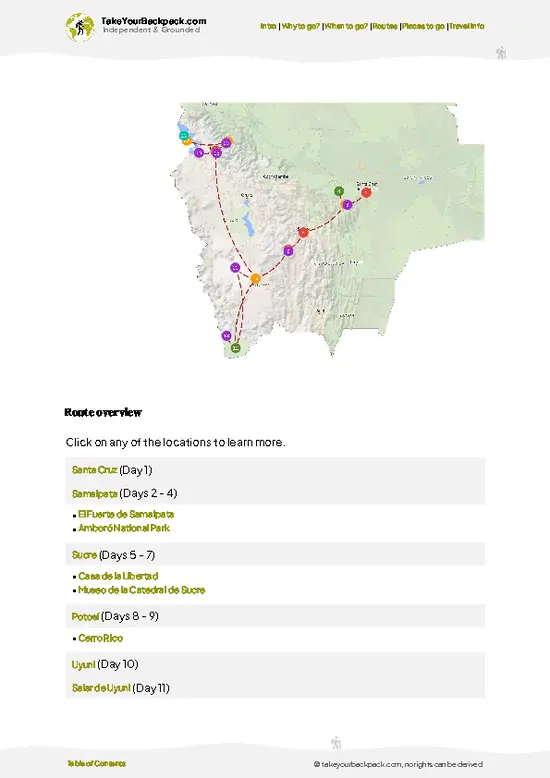
example page 2 from our offline Travel Guide for Bolivia
example page 3 from our offline Travel Guide for Bolivia
example page 4 from our offline Travel Guide for Bolivia
example page 5 from our offline Travel Guide for Bolivia
example page 6 from our offline Travel Guide for Bolivia
example page 7 from our offline Travel Guide for Bolivia
The digital guide (346 pages) contains:
82 highlights, ranked by travel appeal
Optimized 7, 14 & 21-day travel routes
Cities, national parks, landmarks, beaches
How to get around
Offline-friendly for travel without Wi-Fi
👉 Click to see all 30+ guide features

📅 Plan smarter in minutes, not weeks
Month by month travel advice
Festivals & national holidays
Budget expectations

🗺️ Go to the right places, skip the overrated ones
Honest pros & cons of destinations
Top hikes, parks & viewpoints
Lesser-known places most travelers miss
Clear “worth it vs skip it” guidance

🛏️ Travel smoothly without rookie mistakes
Best areas to stay
Transport systems explained simply
Common scams & safety advice
SIM cards, money & practical tips

🌍 Understand the country, not just visit it
Culture & traditions
52 Essential phrases & customs
Festivals worth planning around
Traveler-friendly historical context
Insights that make places more meaningful

📱 Built for real travel conditions
Fully downloadable PDF
Works completely offline
Optimized for phone use
Useful in remote areas & buses
Everything in one place
Save weeks of stressful planning
Get instant access to your full guide. 30‑day money-back guarantee.
+ Add another guide for just US$7.80

By proceeding you agree to our terms.
Sent to your inbox immediately after payment • 100% Secure Checkout
Best Backpacking Travel Advisor 2025 tourism awardBest Backpacking
Travel Advisor
2025
What others say about Take Your Backpack Guides:
⭐⭐⭐⭐⭐
Fantastic, amazing amount of information!
⭐⭐⭐⭐⭐
My goodness this is amazing, it's what I've been looking for hats off too you!
⭐⭐⭐⭐⭐
I think this is absolutely BRILLIANT
⭐⭐⭐⭐
Very complete and informative. It's still missing places, but I gotta to commend you
⭐⭐⭐⭐⭐
This is truly amazing, thank you, can't wait to explore it with my kids!
⭐⭐⭐⭐⭐
Awesome resource, thank you!
⭐⭐⭐⭐⭐
This is amazing! Can't wait to explore the ones I haven't seen
⭐⭐⭐⭐
I love this! Well done, great idea.
⭐⭐⭐⭐⭐
Thanks for taking the time to make this gem!
⭐⭐⭐⭐⭐
This might be the best website I've ever seen.
⭐⭐⭐⭐⭐
Congratulations, and thank you so much for your work; it's incredibly valuable.
⭐⭐⭐⭐
In all seriousness I think you did a great job pointing out the important spots
⭐⭐⭐⭐⭐
10/10 very good
⭐⭐⭐⭐⭐
As someone who's only just starting to visit regularly this is awesome, thank you.
⭐⭐⭐⭐
Thank you very much! I'm going to visit my dad, it's going to be very useful!
⭐⭐⭐⭐⭐
This is really cool! We'll be travelling for the first time and this definitely come in handy.
⭐⭐⭐⭐⭐
You are now our minister of culture, congratulations 👨‍💼
⭐⭐⭐⭐⭐
Just wanted to tell you that this is a pearl! Going to follow your recommendations.
⭐⭐⭐⭐⭐
This is so cool. I'll definitely be using the resource for my travels soon.
⭐⭐⭐⭐⭐
This is very impressive! Good work.
⭐⭐⭐⭐⭐
This is an amazing and informative site. Very well done!

🛏️ Where to stay?Where to Stay in Bolivia

Yes — Bolivia has plentiful hostels and budget accommodation across major tourist towns like La Paz, Sucre, Santa Cruz, Uyuni, Copacabana, Potosí and Cochabamba, with most options concentrated near city centers and popular plazas.
In La Paz prioritize Sopocachi for nightlife, mid-range safety and cafes, Centro/Plaza Murillo for closest access to markets and attractions but higher crowds and pickpocket risk, and Zona Sur for quieter, safer stays that are farther from main tourist sites.
Sucre’s Centro and Recoleta are walkable and historic yet sometimes pricier; Santa Cruz clusters budget options in Equipetrol (safer, better nightlife) and Centro (cheaper, busier); Uyuni and Copacabana put … read more 👉
Yes — Bolivia has plentiful hostels and budget accommodation across major tourist towns like La Paz, Sucre, Santa Cruz, Uyuni, Copacabana, Potosí and Cochabamba, with most options concentrated near city centers and popular plazas.
In La Paz prioritize Sopocachi for nightlife, mid-range safety and cafes, Centro/Plaza Murillo for closest access to markets and attractions but higher crowds and pickpocket risk, and Zona Sur for quieter, safer stays that are farther from main tourist sites.
Sucre’s Centro and Recoleta are walkable and historic yet sometimes pricier; Santa Cruz clusters budget options in Equipetrol (safer, better nightlife) and Centro (cheaper, busier); Uyuni and Copacabana put hostels steps from transport and highlights but often offer very basic facilities; Potosí and Cochabamba have central, inexpensive choices close to attractions but with fewer amenities and less frequent transport.

If you enjoy meeting fellow travelers, consider choosing hostels with high ratings for atmosphere. On the other hand, if you prefer having your own space, a hotel might be a better option.

BoliviaMore of Bolivia

👋 Meet the founderWho’s Behind Take Your Backpack?

Johan, backpacker and founder of TakeYourBackpackHi, I’m Johan (Netherlands 🇳🇱), the creator of TakeYourBackpack. Over the past decade, I’ve backpacked through 80+ countries across six continents, gaining extensive experience with independent travel, long-term trips, and overland routes.

This site is built on a combination of firsthand travel experience and carefully curated insights from other backpackers. Many guides are based on places I’ve personally visited, while others bring together tips, observations, and practical advice shared by trusted travelers I’ve met along the way.

The goal is to provide realistic, experience-driven guidance — not generic itineraries — so you can explore destinations with better context, clearer expectations, and more confidence.

Get full Bolivia guide •
Instant download • 82 highlights • Full Offline guide