×

Bolivia🇧🇴 | townsGuayaramerínMamoré port, Brazil canoes, duty-free streets | things to do and best time to go

Explore San José de ChiquitosExplore Puerto Suárez

Backpacking in Guayaramerín
👌 Worth visitingtown ranked #17
By Johan Kruseman 🇳🇱 | Updated October 19, 2026

I paid a few coins for a moto-taxi, rode to the river port at the end of Avenida Federico Román, and hopped onto a motorized canoe for the short crossing to Guajará-Mirim in Brazil. Guayaramerín sits in the north of Bolivia, in the Beni lowlands on the Mamoré River. Skip hunting for sights; the river, the border bustle and the market are the point. It’s a sticky, easygoing frontier town with a handful of hostels and few other backpackers. Bring your yellow fever certificate, since it matters at the border.

Discover everything you want to know in the 📖 Bolivia Travel Guide.


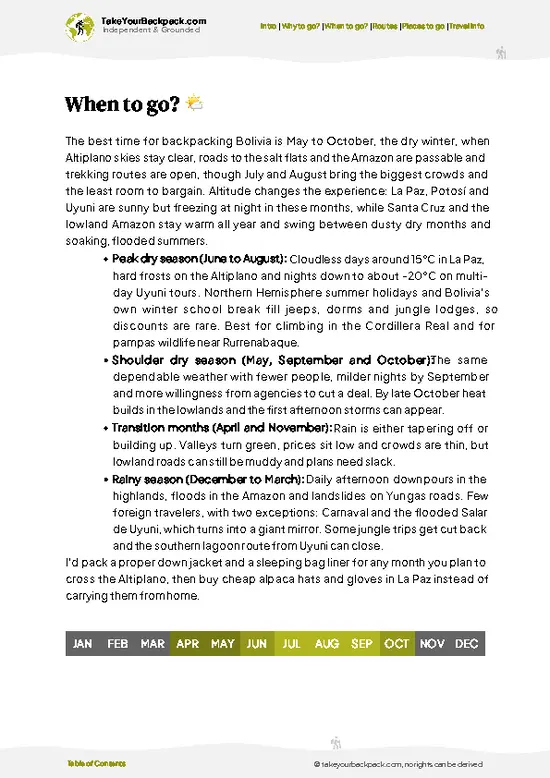
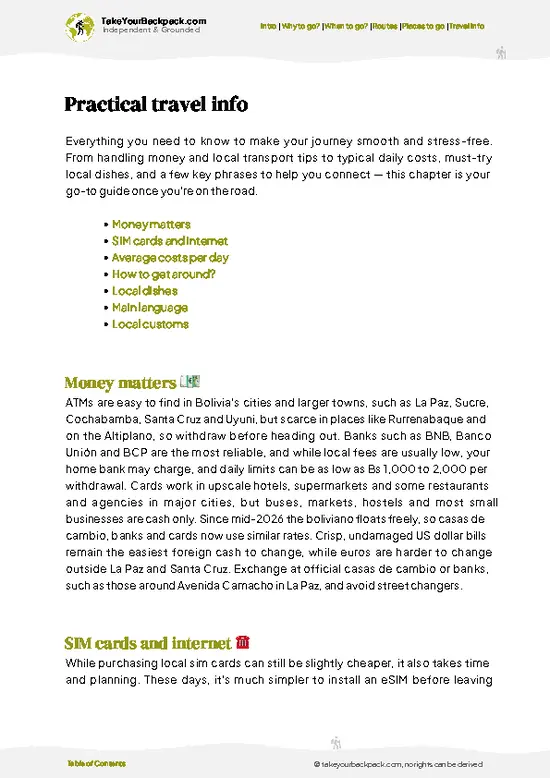
example page 0 from our offline Travel Guide for Bolivia
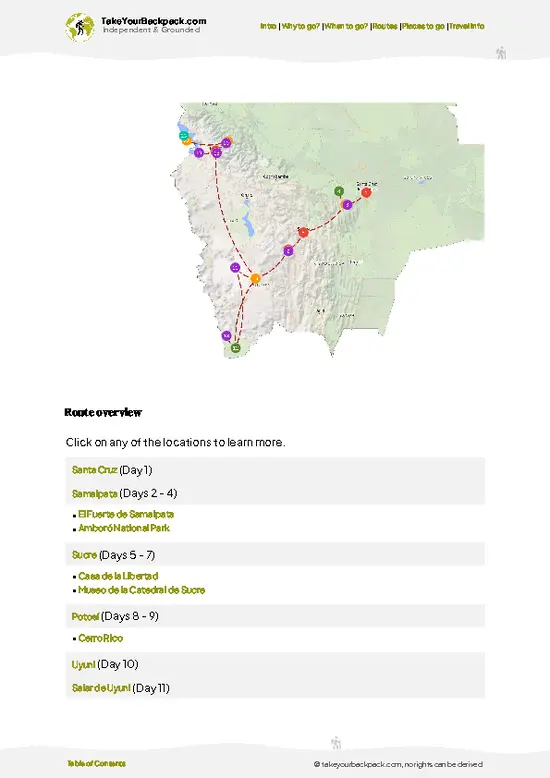
example page 1 from our offline Travel Guide for Bolivia
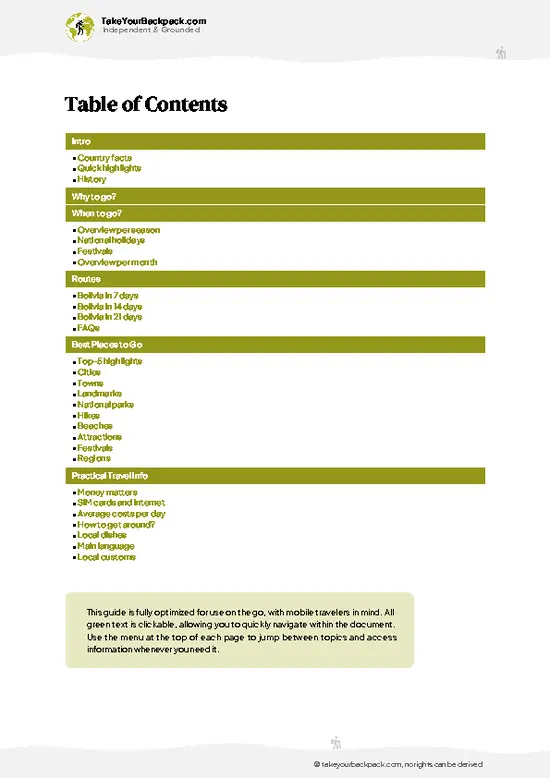
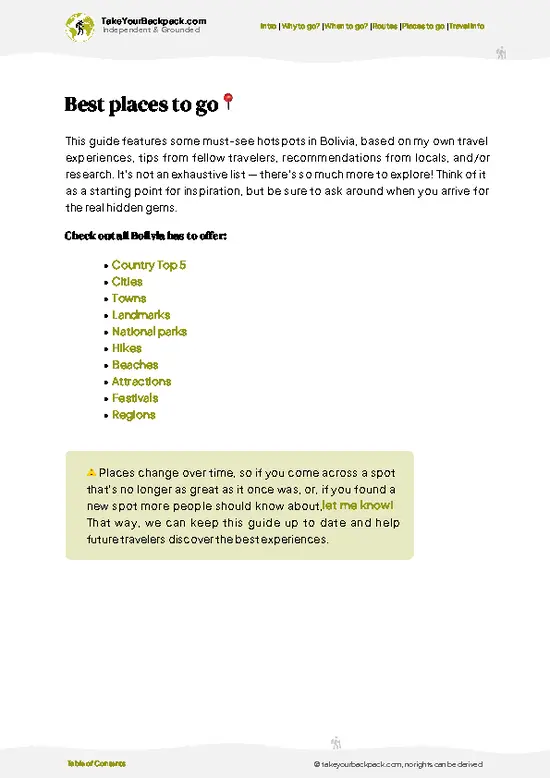
example page 2 from our offline Travel Guide for Bolivia
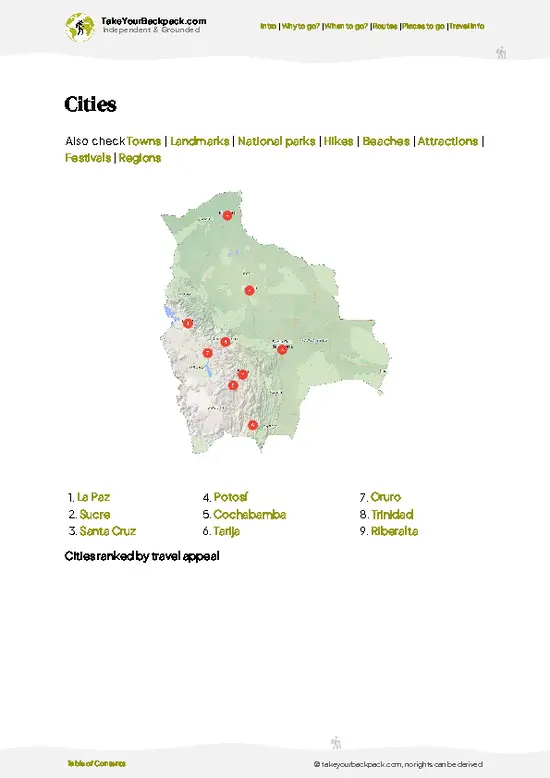
example page 3 from our offline Travel Guide for Bolivia
example page 4 from our offline Travel Guide for Bolivia
example page 5 from our offline Travel Guide for Bolivia
example page 6 from our offline Travel Guide for Bolivia
example page 7 from our offline Travel Guide for Bolivia
Loading the map 🌍
CLICK TO FILTER
cities
towns
landmarks
national parks
hikes
beaches
attractions
festivals
regions
SHOW COUNTRY’S BESTSHOW ALL

✨ Why go?
Ranked #17 town in Bolivia
Reasons people choose to visit here

Guayaramerín works as a border hinge, not a destination to linger in. Travelers arrive here to cross the Mamoré River into Brazil, or to come off the long road from Riberalta and Rurrenabaque. Most stay one night, two at most. The pull is the river life: cargo boats at the port, moto-taxis swarming the wide streets, and a duty-free zone where Brazilians shop for cheap goods. Evenings are slow, with plaza benches, grilled fish and cold beer, and meeting other backpackers is mostly luck at the few guesthouses. Solo travelers and slow-route overlanders will like it. Anyone after hiking or nightlife should keep moving.

💡 HighlightsMust-see experiences and standout moments

  1. Port on the Mamoré River: This is the town’s defining spot, where small boats and canoes shuttle people and goods to Brazil. Go early morning or late afternoon when activity peaks. Free to watch, and the Brazil crossing costs a few dollars (about US$1 to 3). Allow 1 to 2 hours.
  2. Plaza Principal: The shaded central square is where locals gather after the heat eases. Come at dusk for snacks and people-watching. Free, about 45 minutes.
  3. Mercado Central: Fruit, river fish, Amazon nuts and cheap meals fill the aisles. Mornings are best. Spending runs US$2 to 6, and a loop takes about an hour.
  4. Zona Franca shopping streets: The duty-free area draws bargain hunters for electronics and clothes. Browsing is free, and prices vary. Allow 1 hour, ideally in the morning.
For day trips, Guajará-Mirim in Brazil … read more 👉
  1. Port on the Mamoré River: This is the town’s defining spot, where small boats and canoes shuttle people and goods to Brazil. Go early morning or late afternoon when activity peaks. Free to watch, and the Brazil crossing costs a few dollars (about US$1 to 3). Allow 1 to 2 hours.
  2. Plaza Principal: The shaded central square is where locals gather after the heat eases. Come at dusk for snacks and people-watching. Free, about 45 minutes.
  3. Mercado Central: Fruit, river fish, Amazon nuts and cheap meals fill the aisles. Mornings are best. Spending runs US$2 to 6, and a loop takes about an hour.
  4. Zona Franca shopping streets: The duty-free area draws bargain hunters for electronics and clothes. Browsing is free, and prices vary. Allow 1 hour, ideally in the morning.
For day trips, Guajará-Mirim in Brazil is the easy one, with its railway museum and the old Madeira-Mamoré locomotives, while Riberalta to the west is a larger Amazon river town. The Mamoré port is the best choice for a first visit, because it shows exactly why this border town matters.
Spotted a mistake or missing something? Contact us.

🏘️ NeighborhoodsKey areas and districts to know

Guayaramerín is small enough to cover in an afternoon, so pick your spots and move.
  • Plaza and Avenida 6 de Agosto: The core. Shaded plaza benches, ice cream stalls and cheap salteñas and grilled fish at open-air counters. Walk it, and come at dusk when families fill the benches.
  • Riverfront and port: Worth the stroll. Wooden boats cross the Mamoré to Brazil’s Guajará-Mirim, cargo gets hauled up the bank, and sunset over the water is the best free show in town. Skip it at midday, when it bakes.
  • Zona Franca market streets: Duty-free electronics and Brazilian goods. Browse for ten minutes, buy only if you need something specific, then leave.
  • Outer barrios along the airport road: Mototaxi territory with little to see. Skip them unless you are heading to the airport.

⌛️ 1 day1-day itinerary for Guayaramerín

7:30 AM: Mercado Central Start with a fresh juice and a plate of fried fish or a salteña among the stalls. Locals shop early, and it’s easy to see Amazon nuts and tropical fruit up close. Walk toward the river afterward.
9:30 AM: Port on the Mamoré River Watch boats load cargo and passengers. Walk the waterfront and talk to boatmen if you want a short river trip.
1:00 PM: Lunch near Plaza Principal Order a grilled river fish plate in a local eatery and rest through the hottest hours.
3:30 PM: Crossing to Guajará-Mirim Take a boat from the port, get stamped out and wander the Brazilian side for a coffee and a look at the old railway station.
6:00 PM: Plaza Principal Return, get your Bolivian stamp and spend the evening with snacks, beer and moto-taxis humming around the square.

🌤️ When to go?Seasonal considerations and timing

May to September is the easiest window, with sunny days around 28 to 32°C (82 to 90°F) and cooler nights that can dip near 15°C (59°F) during cold fronts called surazos. Roads stay passable and river trips run smoothly. October to April is hot, humid and wet, often 30 to 35°C (86 to 95°F), with dirt roads turning to mud and mosquitoes at their worst. Daylight stays close to 12 hours all year. Prices barely shift, though Brazilian weekend shoppers fill the town. Book onward buses early around holidays.

source: climatestotravel.comJANJanuary: fair for travelingFEBFebruary: fair for travelingMARMarch: fair for travelingAPRApril: fair for travelingMAYMay: highly recommended for travelingJUNJune: excellent for travelingJULJuly: excellent for travelingAUGAugust: excellent for travelingSEPSeptember: excellent for travelingOCTOctober: highly recommended for travelingNOVNovember: fair for travelingDECDecember: fair for traveling
when-to-go

✈️ The backpacker research shortcutBolivia Travel Guide

An offline-friendly backpacking guide with optimized travel routes, ranked highlights, transport advice, and the best areas to stay.
example page 0 from our offline Travel Guide for Bolivia
example page 1 from our offline Travel Guide for Bolivia
example page 2 from our offline Travel Guide for Bolivia
example page 3 from our offline Travel Guide for Bolivia
example page 4 from our offline Travel Guide for Bolivia
example page 5 from our offline Travel Guide for Bolivia
example page 6 from our offline Travel Guide for Bolivia
example page 7 from our offline Travel Guide for Bolivia
The digital guide (262 pages) contains:
✅ 76 highlights, ranked by travel appeal
✅ Optimized 7, 14 & 21-day travel routes
✅ Cities, national parks, landmarks, beaches
✅ How to get around
✅ Offline-friendly for travel without Wi-Fi
👉 Click to see all 30+ guide features

📅 Plan smarter in minutes, not weeks
✅ Month by month travel advice
✅ Festivals & national holidays
✅ Budget expectations

🗺️ Go to the right places, skip the overrated ones
✅ Honest pros & cons of destinations
✅ Top hikes, parks & viewpoints
✅ Lesser-known places most travelers miss
✅ Clear “worth it vs skip it” guidance

🛏️ Travel smoothly without rookie mistakes
✅ Best areas to stay
✅ Transport systems explained simply
✅ Common scams & safety advice
✅ SIM cards, money & practical tips

🌍 Understand the country, not just visit it
✅ Culture & traditions
✅ 52 Essential phrases & customs
✅ Festivals worth planning around
✅ Traveler-friendly historical context
✅ Insights that make places more meaningful

📱 Built for real travel conditions
✅ Fully downloadable PDF
✅ Works completely offline
✅ Optimized for phone use
✅ Useful in remote areas & buses
✅ Everything in one place
Stop searching, start planning
Get instant access to your full guide. 30‑day money-back guarantee.
+ Add another guide for just

By proceeding you agree to our terms.
Sent to your inbox immediately after payment • 100% Secure Checkout
Best Backpacking Travel Advisor 2025 tourism awardBest Backpacking
Travel Advisor
2025
What others say about Take Your Backpack Guides:
⭐⭐⭐⭐⭐
Fantastic, amazing amount of information!
⭐⭐⭐⭐⭐
My goodness this is amazing, it's what I've been looking for hats off too you!
⭐⭐⭐⭐⭐
I think this is absolutely BRILLIANT
⭐⭐⭐⭐
Very complete and informative. It's still missing places, but I gotta to commend you
⭐⭐⭐⭐⭐
This is truly amazing, thank you, can't wait to explore it with my kids!
⭐⭐⭐⭐⭐
Awesome resource, thank you!
⭐⭐⭐⭐⭐
This is amazing! Can't wait to explore the ones I haven't seen
⭐⭐⭐⭐
I love this! Well done, great idea.
⭐⭐⭐⭐⭐
Thanks for taking the time to make this gem!
⭐⭐⭐⭐⭐
This might be the best website I've ever seen.
⭐⭐⭐⭐⭐
Congratulations, and thank you so much for your work; it's incredibly valuable.
⭐⭐⭐⭐
In all seriousness I think you did a great job pointing out the important spots
⭐⭐⭐⭐⭐
10/10 very good
⭐⭐⭐⭐⭐
As someone who's only just starting to visit regularly this is awesome, thank you.
⭐⭐⭐⭐
Thank you very much! I'm going to visit my dad, it's going to be very useful!
⭐⭐⭐⭐⭐
This is really cool! We'll be travelling for the first time and this definitely come in handy.
⭐⭐⭐⭐⭐
You are now our minister of culture, congratulations 👨‍💼
⭐⭐⭐⭐⭐
Just wanted to tell you that this is a pearl! Going to follow your recommendations.
⭐⭐⭐⭐⭐
This is so cool. I'll definitely be using the resource for my travels soon.
⭐⭐⭐⭐⭐
This is very impressive! Good work.
⭐⭐⭐⭐⭐
This is an amazing and informative site. Very well done!

🛏️ Where to stay?Choosing the right base

Stay within a few blocks of the main plaza. Budget rooms and a handful of simple guesthouses cluster there, usually US$10 to 20 for a basic room with fan or air conditioning, and true dorm beds are scarce. The streets are lit and busy into the evening, mototaxis are easy to flag down, and you can walk to the river crossing and bus offices. Noise is moderate, mostly motorbikes and late bars on weekends, so ask for a room away from the street. The riverfront area is pleasant by day but quieter and darker at night, making it a less convenient base.

🚌 Getting aroundMoving around without the hassle

The center is flat and compact, so you can walk from the plaza to the riverfront in under ten minutes. Walking stops making sense once you head for the airport or outlying barrios, where heat and distance win. Traffic is mostly motorbikes, and nothing here runs on a tight schedule, so build in slack.
  • Walking: Free and the best way to see the center. Go early morning or after 4 pm to dodge the heat.
  • Mototaxi: The default ride. Most trips cost US$0.50 to 1.50, and the airport run is around US$1.50 to 3. Agree on the fare first.
  • Boat to Guajará-Mirim: Small motorboats cross the Mamoré in about 10 minutes for roughly US$2 to 3. They run through the day and stop by early evening. Carry your passport and get your Bolivian exit stamp first.
  • Long-distance bus: Buses and shared vans run to Riberalta (about
… read more 👉
The center is flat and compact, so you can walk from the plaza to the riverfront in under ten minutes. Walking stops making sense once you head for the airport or outlying barrios, where heat and distance win. Traffic is mostly motorbikes, and nothing here runs on a tight schedule, so build in slack.
  • Walking: Free and the best way to see the center. Go early morning or after 4 pm to dodge the heat.
  • Mototaxi: The default ride. Most trips cost US$0.50 to 1.50, and the airport run is around US$1.50 to 3. Agree on the fare first.
  • Boat to Guajará-Mirim: Small motorboats cross the Mamoré in about 10 minutes for roughly US$2 to 3. They run through the day and stop by early evening. Carry your passport and get your Bolivian exit stamp first.
  • Long-distance bus: Buses and shared vans run to Riberalta (about 1.5 to 2 hours, US$3 to 6), and onward to Rurrenabaque in a long ride of 12 to 20 hours depending on the road. In the wet season, add a day for bad stretches.
  • Flights: The small airport has flights to Trinidad, La Paz and Cochabamba at fares from about US$50 to 120. Worth it if the rains close the roads.

👛 Costs (as of 19 October 2026)Travel costs and budget guide for Guayaramerín

Budget about US$38 a day in Guayaramerín, with the largest share going to a private room.
CategoryBudget RangeLocal Reality
Dorm accommodationUS$10 to 18Few true dorms exist, so a basic single or double room is the norm, with prices rising slightly in the hot season. Use US$15 for the total.
MealsUS$8 to 15Set lunches cost US$2 to 4, and fish plates are US$5 to 8. Use US$11.
Local transportUS$1 to 4Mototaxis cost US$0.50 to 1.50 per ride. Use US$3.
Basic activities/entry feesUS$2 to 8The border crossing, a museum entry across the river, and river strolls. Use US$5.
Miscellaneous expensesUS$2 to 6Water, snacks, repellent and data. Use US$4.
Total Daily BudgetUS$38Per person, per day, in high season.
Eating the set lunch at the market and saving the fish plates for dinner keeps your daily spend noticeably lower.
⚠️ Prices can change and everyone travels differently, so take this as a rough guide. Hope it helps you plan your adventure!

🚌 Day tripsShort trips worth adding

Guayaramerín works as a base for short hops, though choices are few and the best ones depend on river and road conditions.Guajará-Mirim, Brazil: A 10-minute boat ride gets you to a Brazilian border town with a railway museum holding the old Madeira-Mamoré locomotives. Budget US$5 to 10 including the crossing. Get your Bolivian exit stamp before boarding, since skipping it causes headaches on return. Go any dry-season day.
Riberalta: This is the Amazon’s Brazil-nut capital, about 1.5 to 2 hours by road each way and US$6 to 12 return. Visit the nut processing area, riverside restaurants and busy motorbike streets. Leave on an early bus so you are not stuck with the last return departure. Dry season is far more reliable.
👉 Explore RiberaltaLakes and forest near town: Local guides and mototaxi drivers … read more 👉
Guayaramerín works as a base for short hops, though choices are few and the best ones depend on river and road conditions.Guajará-Mirim, Brazil: A 10-minute boat ride gets you to a Brazilian border town with a railway museum holding the old Madeira-Mamoré locomotives. Budget US$5 to 10 including the crossing. Get your Bolivian exit stamp before boarding, since skipping it causes headaches on return. Go any dry-season day.
Riberalta: This is the Amazon’s Brazil-nut capital, about 1.5 to 2 hours by road each way and US$6 to 12 return. Visit the nut processing area, riverside restaurants and busy motorbike streets. Leave on an early bus so you are not stuck with the last return departure. Dry season is far more reliable.
👉 Explore RiberaltaLakes and forest near town: Local guides and mototaxi drivers can arrange a half-day to nearby lakes and forest edges, around US$15 to 30 split among a few people. Expect birds, caimans and heat. Go in the cooler morning and bring repellent.

🛡️ SafetyScams, Hazards, and Annoyances

Guayaramerín is calm, and most problems are small. Petty theft happens around the port and market, so keep your phone and wallet zipped away and avoid flashing electronics. After dark, stick to the plaza and main avenues and take a mototaxi rather than walking the dim riverfront. Solo travelers, including women, generally report few issues, but expect curious stares. Border crossings are the real hassle: always get exit and entry stamps, and be wary of unofficial money changers offering poor rates. Mosquitoes are the daily annoyance, so use repellent and check your yellow fever vaccination.

FAQTraveler FAQ

Guayaramerín is worth a short visit if you are crossing the Brazil border or traveling the northern Amazon, but it is not a destination in its own right. You get a pleasant riverfront, cheap fish dinners and a 10-minute boat ride to Guajará-Mirim in Brazil. Expect little else, and treat it as a useful break between Riberalta and the border.
Guayaramerín needs one full day, or two if you add a Brazil visit. A day covers the plaza, port and sunset by the Mamoré, with another half-day for Guajará-Mirim’s railway museum. Add an extra day if you plan a boat trip or a side trip to Riberalta, about 1.5 to 2 hours away.
Guayaramerín is not a typical day trip, since the nearest city of note, Riberalta, sits 1.5 to 2 hours away by road and costs about US$6 to 12 return. You can manage it in a day with an early bus, but you will be rushed. Staying overnight in Guayaramerín is more relaxed, especially if you also cross into Guajará-Mirim.
⚠️ Things can change over time, so always validate details locally before you go.

Other Bolivian towns near Guayaramerín

Explore more nearby:

  • San Ramón—Beni cattle country, mission church, dusk plaza| 284 km away
  • San Pedro de Moxos—Mojeño crafts, Moxos savanna, ancient earthworks| 394 km away
  • Rurrenabaque—Beni River landing, Madidi gateway, hammock cafés| 466 km away

💡 Not sure where to go next?
Create a personalized itinerary for Bolivia including Guayaramerín and the places that fit your trip.

Generate my itinerary

👉 Discover all towns

Or checkout all Bolivia has to offer (think cities, towns, villages, national parks, hikes, beaches, festivals)
Country photo of Bolivia

We 💚 feedbackFinal thoughts on visiting Guayaramerín

Guayaramerín pairs best with Riberalta on one side and Guajará-Mirim on the other, making it a smooth link between the Bolivian Amazon and Brazil. I would give it one night, cross the river early, and keep your vaccination paperwork handy.

✈️ When did I visit Bolivia?
Bolivia I visited during my half year trip through South and Central America back in 2003

✍️ Help improve this page!
The information on this page is based on my own backpacking experience in Bolivia, supplemented with up-to-date research and feedback from other travelers. Travel details can change, so if you notice anything outdated or incomplete, feel free to let me know.


🙋‍♂️ Give feedback

👋 Meet the founderWho’s Behind Take Your Backpack?

Johan, backpacker and founder of TakeYourBackpackHi, I’m Johan (Netherlands 🇳🇱), the creator of TakeYourBackpack. Over the past 3 decades, I’ve backpacked through 90+ countries across six continents, gaining extensive experience with independent travel, long-term trips, and overland routes.

This site is built on a combination of firsthand travel experience and carefully curated insights from other backpackers. Many guides are based on places I’ve personally visited, while others bring together tips, observations, and practical advice shared by trusted travelers I’ve met along the way.

The goal is to provide realistic, experience-driven guidance — not generic itineraries — so you can explore destinations with better context, clearer expectations, and more confidence.