v2.webp)
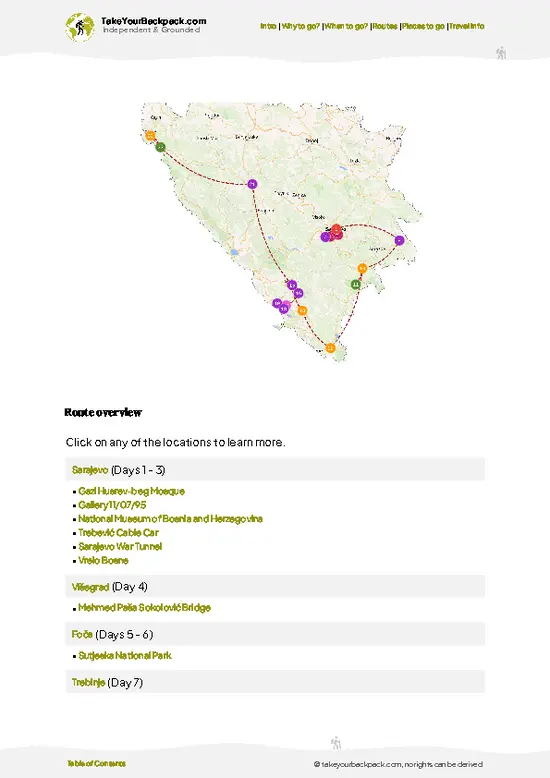
Hercegovačka Gračanica Monastery
The climb up Crkvina Hill is a rite of passage—your calves will remind you you’re alive, and the scent of wild herbs underfoot is a bonus. At the top, the monastery’s pale stone glows in the Herzegovinian sun, and the view over Trebinje’s red roofs and the slow, green Trebišnjica River is the real prize. This is a working monastery, so you’ll hear the quiet shuffle of monks and the soft echo of bells. Go in the late afternoon for golden light and fewer tour groups. Entry is free, but a small donation is appreciated. Allow 45-60 minutes, more if you linger with a coffee at the hilltop café.
Old Town (Stari Grad) & City Walls
Trebinje’s Old Town is compact but dense with atmosphere. Cobbled lanes, Ottoman arches, and the cool shadow of plane trees make it a … read more 👉
The climb up Crkvina Hill is a rite of passage—your calves will remind you you’re alive, and the scent of wild herbs underfoot is a bonus. At the top, the monastery’s pale stone glows in the Herzegovinian sun, and the view over Trebinje’s red roofs and the slow, green Trebišnjica River is the real prize. This is a working monastery, so you’ll hear the quiet shuffle of monks and the soft echo of bells. Go in the late afternoon for golden light and fewer tour groups. Entry is free, but a small donation is appreciated. Allow 45-60 minutes, more if you linger with a coffee at the hilltop café.
Old Town (Stari Grad) & City Walls
Trebinje’s Old Town is compact but dense with atmosphere. Cobbled lanes, Ottoman arches, and the cool shadow of plane trees make it a … read more 👉
Hercegovačka Gračanica Monastery
The climb up Crkvina Hill is a rite of passage—your calves will remind you you’re alive, and the scent of wild herbs underfoot is a bonus. At the top, the monastery’s pale stone glows in the Herzegovinian sun, and the view over Trebinje’s red roofs and the slow, green Trebišnjica River is the real prize. This is a working monastery, so you’ll hear the quiet shuffle of monks and the soft echo of bells. Go in the late afternoon for golden light and fewer tour groups. Entry is free, but a small donation is appreciated. Allow 45-60 minutes, more if you linger with a coffee at the hilltop café.
Old Town (Stari Grad) & City Walls
Trebinje’s Old Town is compact but dense with atmosphere. Cobbled lanes, Ottoman arches, and the cool shadow of plane trees make it a place to wander without a map. The stone walls are low enough to climb for a better view, and the air smells faintly of river and roasting coffee. Early morning is best—locals set up market stalls, and you’ll have the alleys to yourself. Free to explore, but bring a few euros for a pastry or a strong Bosnian coffee. Give yourself 1-2 hours, longer if you’re a people-watcher.
Arslanagić Bridge (Perovića Most)
This 16th-century Ottoman bridge is the town’s quiet icon. The stone arches are reflected perfectly in the river at sunrise, and the only sounds are birds and the occasional fisherman. The bridge was moved stone by stone to its current spot—a feat you’ll appreciate when you see the craftsmanship up close. Visit at dawn or dusk for the best light and solitude. Free, always open. 30-45 minutes is enough, unless you’re sketching or picnicking by the water.
Trebinje Market (Pijaca)
This is where Trebinje wakes up. The market is a riot of color and noise—local honey, figs, and cheese, with vendors who’ll insist you taste before you buy. The air is thick with the smell of herbs and the sharp tang of fresh tomatoes. Go early (7-9am) for the best selection and to watch the town’s social engine in action. Free to enter, but you’ll want a few marks for snacks. 30-60 minutes, more if you’re stocking up for a picnic.
Platani Square (Trg Slobode)
Under a canopy of ancient plane trees, this square is Trebinje’s living room. The shade is deep and cool, even in midsummer, and the clink of coffee cups is the town’s unofficial soundtrack. Sit with an espresso and watch chess games, gossip, and the slow choreography of daily life. Best in late morning or early evening, when the square is lively but not crowded. No cost unless you order a drink (1-2 euros). Stay as long as you like—this is the place to slow down.
Just outside Trebinje, you’ll find the Tvrdos Monastery (famed for its wine), the Vjetrenica Cave, and the wild poplar forests of the Popovo Polje valley—each a worthy day trip if you’re ready to trade city stone for countryside adventure.
The climb up Crkvina Hill is a rite of passage—your calves will remind you you’re alive, and the scent of wild herbs underfoot is a bonus. At the top, the monastery’s pale stone glows in the Herzegovinian sun, and the view over Trebinje’s red roofs and the slow, green Trebišnjica River is the real prize. This is a working monastery, so you’ll hear the quiet shuffle of monks and the soft echo of bells. Go in the late afternoon for golden light and fewer tour groups. Entry is free, but a small donation is appreciated. Allow 45-60 minutes, more if you linger with a coffee at the hilltop café.
Old Town (Stari Grad) & City Walls
Trebinje’s Old Town is compact but dense with atmosphere. Cobbled lanes, Ottoman arches, and the cool shadow of plane trees make it a place to wander without a map. The stone walls are low enough to climb for a better view, and the air smells faintly of river and roasting coffee. Early morning is best—locals set up market stalls, and you’ll have the alleys to yourself. Free to explore, but bring a few euros for a pastry or a strong Bosnian coffee. Give yourself 1-2 hours, longer if you’re a people-watcher.
Arslanagić Bridge (Perovića Most)
This 16th-century Ottoman bridge is the town’s quiet icon. The stone arches are reflected perfectly in the river at sunrise, and the only sounds are birds and the occasional fisherman. The bridge was moved stone by stone to its current spot—a feat you’ll appreciate when you see the craftsmanship up close. Visit at dawn or dusk for the best light and solitude. Free, always open. 30-45 minutes is enough, unless you’re sketching or picnicking by the water.
Trebinje Market (Pijaca)
This is where Trebinje wakes up. The market is a riot of color and noise—local honey, figs, and cheese, with vendors who’ll insist you taste before you buy. The air is thick with the smell of herbs and the sharp tang of fresh tomatoes. Go early (7-9am) for the best selection and to watch the town’s social engine in action. Free to enter, but you’ll want a few marks for snacks. 30-60 minutes, more if you’re stocking up for a picnic.
Platani Square (Trg Slobode)
Under a canopy of ancient plane trees, this square is Trebinje’s living room. The shade is deep and cool, even in midsummer, and the clink of coffee cups is the town’s unofficial soundtrack. Sit with an espresso and watch chess games, gossip, and the slow choreography of daily life. Best in late morning or early evening, when the square is lively but not crowded. No cost unless you order a drink (1-2 euros). Stay as long as you like—this is the place to slow down.
Just outside Trebinje, you’ll find the Tvrdos Monastery (famed for its wine), the Vjetrenica Cave, and the wild poplar forests of the Popovo Polje valley—each a worthy day trip if you’re ready to trade city stone for countryside adventure.
Spotted a mistake or missing something? Contact us.

Private Transfer between Trebinje and Dubrovnik

The Best Highlights of Trebinje - Private Walking Tour

Trebinje Self Guided Walking Tour

Explore the Hidden Trails of Orjen Mountain

Trebinje Old Town – Ottoman Heritage, Riverside & Local Flavours

Walk With Us: Explore the Hidden Trails of Orjen Mountain

Private Transfer from Medugorje to Tuzla Airport (TZL)

Romantic Journey in Trebinje - Private Walking Tour
Private Transfer from Medugorje to Sarajevo Airport (SJJ)

 Best Backpacking
.jpg) Hi, I’m Johan (Netherlands 🇳🇱), the creator of TakeYourBackpack. Over the past 3 decades, I’ve backpacked through 90+ countries across six continents, gaining extensive experience with independent travel, long-term trips, and overland routes.
Hi, I’m Johan (Netherlands 🇳🇱), the creator of TakeYourBackpack. Over the past 3 decades, I’ve backpacked through 90+ countries across six continents, gaining extensive experience with independent travel, long-term trips, and overland routes.