×

Botswana🇧🇼 | national parksMokolodi Nature ReserveRhino tracking, guided walks, Mokolodi Hill, night drives | things to do and best time to go

Explore Khama Rhino SanctuaryExplore Kalahari Desert

Backpacking in Mokolodi Nature Reserve
👀 For curious travelersnational park ranked #9
By Johan Kruseman 🇳🇱 | Updated October 22, 2026

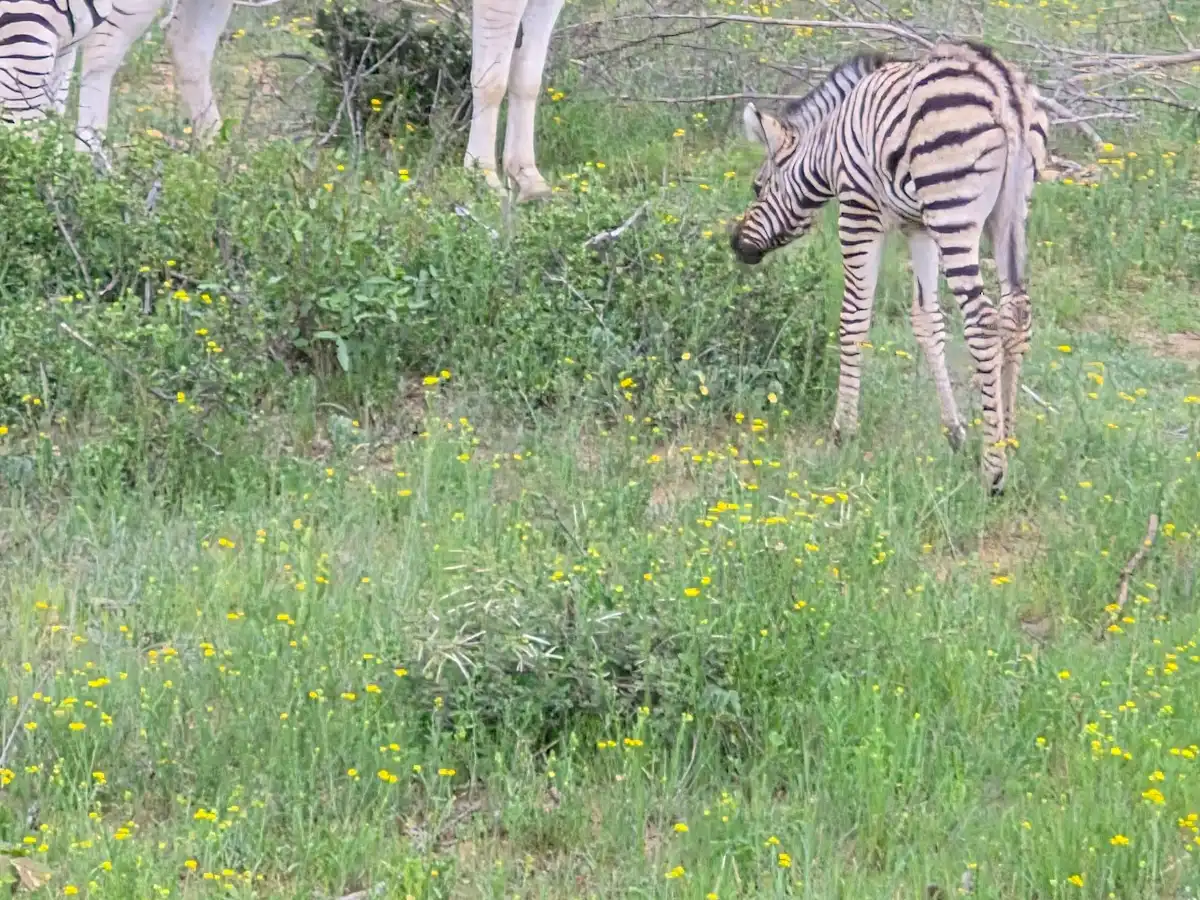
A giraffe stands motionless in the mopane scrub, and the only sound is a hornbill clicking somewhere behind you. Mokolodi Nature Reserve sits in southeastern Botswana, a short drive south of Gaborone. Its roughly 3,000 hectares of bushveld hills hold white rhino, giraffe, zebra, eland and a rehabilitated cheetah and leopard population, plus quiet walking and mountain biking tracks. Public transport does not enter the gates, because the reserve is run as a conservation and education site, so arrange a taxi or a lift and book entry ahead rather than turning up. Roads inside are gravel and animals are fenced, so sightings are dependable but never wild in the Okavango sense. Unlike Gaborone Game Reserve, which is small and city-edged, Mokolodi is larger and has overnight options.

Discover everything you want to know in the 📖 Botswana Travel Guide.


example page 0 from our offline Travel Guide for Botswana
example page 1 from our offline Travel Guide for Botswana
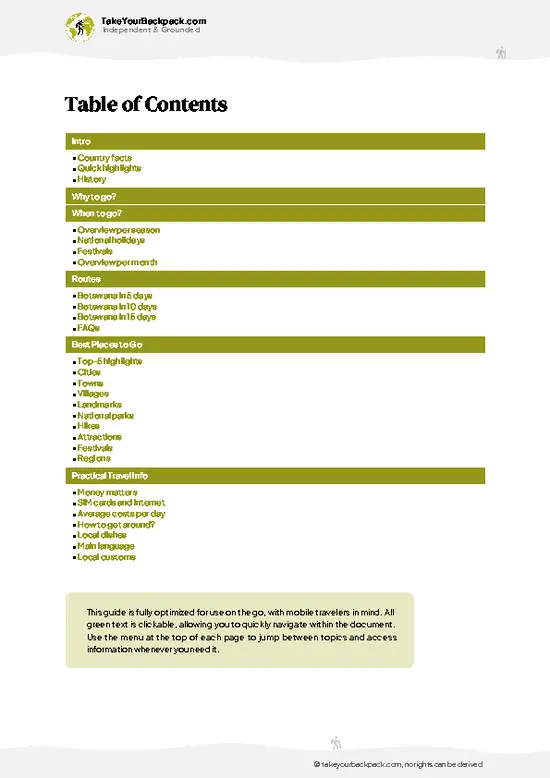
example page 2 from our offline Travel Guide for Botswana
example page 3 from our offline Travel Guide for Botswana
example page 4 from our offline Travel Guide for Botswana
example page 5 from our offline Travel Guide for Botswana
example page 6 from our offline Travel Guide for Botswana
example page 7 from our offline Travel Guide for Botswana
Loading the map 🌍
CLICK TO FILTER
cities
towns
villages
landmarks
national parks
hikes
attractions
festivals
regions
SHOW COUNTRY’S BESTSHOW ALL

✨ Why go?
Ranked #9 national park in Botswana
What sets this place apart

Mokolodi Nature Reserve gives backpackers a rare thing in Botswana: big-animal viewing without a safari budget or a four-wheel-drive. Because it lies near the capital, you can reach it in a short ride and fit it around a flight or a border crossing. Guided activities exist, but the real draw is independence. You can book a self-drive loop on the reserve’s gravel game tracks, hike or mountain bike the marked routes at your own pace, and stop wherever a zebra herd appears. The reserve also runs the Mokolodi Wildlife Foundation education work and an animal rehabilitation program, so your entry money funds conservation directly. Camping and simple lodging inside keep you close to the dawn chorus. For a first taste of southern African bush before heading to the Kalahari or the delta, it is a calm, low-risk warm-up.

💡 HighlightsTop highlights of Mokolodi Nature Reserve

  1. White and black rhino tracking: Mokolodi is best known for its rhinos, and a guided drive or walk puts you within sight of white rhino grazing in open mopane and acacia bush. The reserve has run a breeding and protection program for them for years, so sightings are a realistic goal rather than a lucky break.
  2. Guided game drives: Open vehicles cover the reserve’s dirt tracks, with a guide who reads the bush for you. Giraffe, zebra, eland, kudu, wildebeest and impala are common, and the drive suits anyone short on days.
  3. Guided bush walks: On foot, the details come into focus: dung middens, termite mounds, spoor in the sand and the smell of crushed wild sage. Walks are led by trained guides, and they work well for people who want a slower pace than a vehicle allows.
  4. Cheetah and predator area: Mokolodi
… read more 👉
  1. White and black rhino tracking: Mokolodi is best known for its rhinos, and a guided drive or walk puts you within sight of white rhino grazing in open mopane and acacia bush. The reserve has run a breeding and protection program for them for years, so sightings are a realistic goal rather than a lucky break.
  2. Guided game drives: Open vehicles cover the reserve’s dirt tracks, with a guide who reads the bush for you. Giraffe, zebra, eland, kudu, wildebeest and impala are common, and the drive suits anyone short on days.
  3. Guided bush walks: On foot, the details come into focus: dung middens, termite mounds, spoor in the sand and the smell of crushed wild sage. Walks are led by trained guides, and they work well for people who want a slower pace than a vehicle allows.
  4. Cheetah and predator area: Mokolodi cares for cheetah and other carnivores in dedicated enclosures. Seeing them close up gives a different perspective from open-bush drives, where predators are rarely spotted.
  5. Mokolodi Hill viewpoint: The reserve sits on a ridge of the Ngwaketse area, and the high ground gives a long look across flat bushveld toward the edge of Gaborone. Bring water and come when the air is cool.
  6. Sunset and night drives: After dark the reserve changes. Spotlights pick out eyeshine from bushbabies, genets and sometimes porcupines, animals you almost never see in daylight.
  7. Birdlife around the dams: Water draws raptors, hornbills, bee-eaters and francolins. Bring binoculars and pause near waterholes, where small birds crowd the branches.
For a first visit, the guided game drive that targets the white rhino is the one to book, since it covers the reserve’s main draw and gives you a feel for the landscape in one outing at Mokolodi Nature Reserve.
Spotted a mistake or missing something? Contact us.

Things to do near Mokolodi Nature Reserve

Ratings based on Tripadvisor reviews. When you book through this link, you support our work at no extra cost to you.

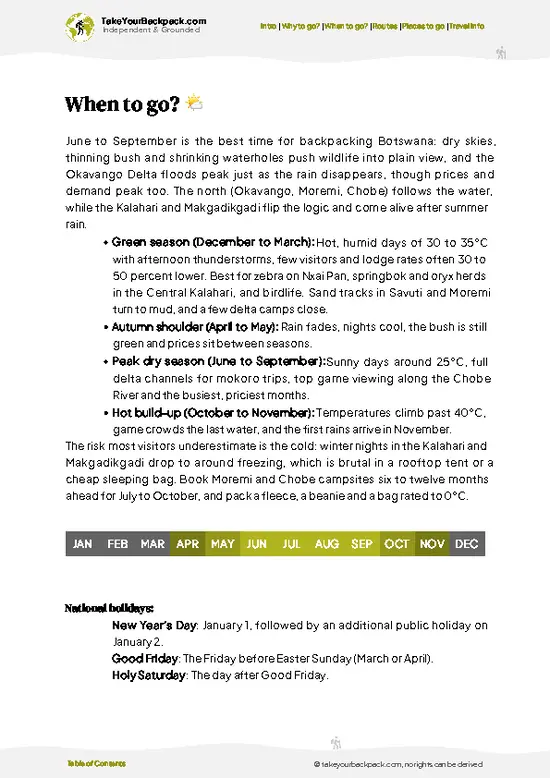
🌤️ When to go?Weather, crowds, and seasonal trade-offs

  • Cool Dry Season (May to August): Mornings start at 5 to 8°C (41 to 46°F) and afternoons reach 22 to 26°C (72 to 79°F). Bush is thin, animals gather at waterholes, and daylight runs roughly 11 hours. Weekends fill with Gaborone day visitors.
  • Hot Season (September to November): Highs of 32 to 38°C (90 to 100°F) push walks into the cool hours. Game viewing at water is excellent, and early storms start building in November.
  • Rainy Season (December to March): Expect 28 to 34°C (82 to 93°F), afternoon thunderstorms, green bush, newborn antelope and about 13 hours of daylight. Birding peaks, and lodges often drop rates.
  • Shoulder (April): Warm days of 25 to 30°C (77 to 86°F), fewer people and settled weather.
Book weekend slots early in July and August, and pick weekdays when you can.

source: climatestotravel.comJANJanuary: fair for travelingFEBFebruary: fair for travelingMARMarch: fair for travelingAPRApril: good for travelingMAYMay: highly recommended for travelingJUNJune: highly recommended for travelingJULJuly: excellent for travelingAUGAugust: excellent for travelingSEPSeptember: highly recommended for travelingOCTOctober: highly recommended for travelingNOVNovember: fair for travelingDECDecember: fair for traveling
botswana-national-park-mokolodi-nature-reserve v1
© Google |

✈️ The backpacker research shortcutBotswana Travel Guide

An offline-friendly backpacking guide with optimized travel routes, ranked highlights, transport advice, and the best areas to stay.
example page 0 from our offline Travel Guide for Botswana
example page 1 from our offline Travel Guide for Botswana
example page 2 from our offline Travel Guide for Botswana
example page 3 from our offline Travel Guide for Botswana
example page 4 from our offline Travel Guide for Botswana
example page 5 from our offline Travel Guide for Botswana
example page 6 from our offline Travel Guide for Botswana
example page 7 from our offline Travel Guide for Botswana
The digital guide (172 pages) contains:
✅ 38 highlights, ranked by travel appeal
✅ Optimized 5, 10 & 15-day travel routes
✅ Cities, national parks, landmarks, beaches
✅ How to get around
✅ Offline-friendly for travel without Wi-Fi
👉 Click to see all 30+ guide features

📅 Plan smarter in minutes, not weeks
✅ Month by month travel advice
✅ Festivals & national holidays
✅ Budget expectations

🗺️ Go to the right places, skip the overrated ones
✅ Honest pros & cons of destinations
✅ Top hikes, parks & viewpoints
✅ Lesser-known places most travelers miss
✅ Clear “worth it vs skip it” guidance

🛏️ Travel smoothly without rookie mistakes
✅ Best areas to stay
✅ Transport systems explained simply
✅ Common scams & safety advice
✅ SIM cards, money & practical tips

🌍 Understand the country, not just visit it
✅ Culture & traditions
✅ 52 Essential phrases & customs
✅ Festivals worth planning around
✅ Traveler-friendly historical context
✅ Insights that make places more meaningful

📱 Built for real travel conditions
✅ Fully downloadable PDF
✅ Works completely offline
✅ Optimized for phone use
✅ Useful in remote areas & buses
✅ Everything in one place
Stop searching, start planning
Get instant access to your full guide. 30‑day money-back guarantee.
+ Add another guide for just

By proceeding you agree to our terms.
Sent to your inbox immediately after payment • 100% Secure Checkout
Best Backpacking Travel Advisor 2025 tourism awardBest Backpacking
Travel Advisor
2025
What others say about Take Your Backpack Guides:
⭐⭐⭐⭐⭐
Fantastic, amazing amount of information!
⭐⭐⭐⭐⭐
My goodness this is amazing, it's what I've been looking for hats off too you!
⭐⭐⭐⭐⭐
I think this is absolutely BRILLIANT
⭐⭐⭐⭐
Very complete and informative. It's still missing places, but I gotta to commend you
⭐⭐⭐⭐⭐
This is truly amazing, thank you, can't wait to explore it with my kids!
⭐⭐⭐⭐⭐
Awesome resource, thank you!
⭐⭐⭐⭐⭐
This is amazing! Can't wait to explore the ones I haven't seen
⭐⭐⭐⭐
I love this! Well done, great idea.
⭐⭐⭐⭐⭐
Thanks for taking the time to make this gem!
⭐⭐⭐⭐⭐
This might be the best website I've ever seen.
⭐⭐⭐⭐⭐
Congratulations, and thank you so much for your work; it's incredibly valuable.
⭐⭐⭐⭐
In all seriousness I think you did a great job pointing out the important spots
⭐⭐⭐⭐⭐
10/10 very good
⭐⭐⭐⭐⭐
As someone who's only just starting to visit regularly this is awesome, thank you.
⭐⭐⭐⭐
Thank you very much! I'm going to visit my dad, it's going to be very useful!
⭐⭐⭐⭐⭐
This is really cool! We'll be travelling for the first time and this definitely come in handy.
⭐⭐⭐⭐⭐
You are now our minister of culture, congratulations 👨‍💼
⭐⭐⭐⭐⭐
Just wanted to tell you that this is a pearl! Going to follow your recommendations.
⭐⭐⭐⭐⭐
This is so cool. I'll definitely be using the resource for my travels soon.
⭐⭐⭐⭐⭐
This is very impressive! Good work.
⭐⭐⭐⭐⭐
This is an amazing and informative site. Very well done!

🛏️ Where to stay?Best areas to stay in Botswana

Sleep inside Mokolodi if you want to wake to wildlife, or in Gaborone, 15 km north, if you want cheaper beds and nightlife.
Inside the reserve, the Mokolodi Lodge offers chalets and the Mokolodi Camp has simple campsites with shared ablutions. Chalets run about US$100 to 180 per night, while camping costs roughly US$10 to 20 per person. Food is available on site, so bring supplies only if you self-cater.
In Gaborone, backpackers gravitate to hostels and guesthouses around Gaborone West, Phakalane and near the Main Mall. Dorm beds cost about US$15 to 30, and private rooms US$35 to 70. Taxis and ride-hailing … read more 👉
Sleep inside Mokolodi if you want to wake to wildlife, or in Gaborone, 15 km north, if you want cheaper beds and nightlife.
Inside the reserve, the Mokolodi Lodge offers chalets and the Mokolodi Camp has simple campsites with shared ablutions. Chalets run about US$100 to 180 per night, while camping costs roughly US$10 to 20 per person. Food is available on site, so bring supplies only if you self-cater.
In Gaborone, backpackers gravitate to hostels and guesthouses around Gaborone West, Phakalane and near the Main Mall. Dorm beds cost about US$15 to 30, and private rooms US$35 to 70. Taxis and ride-hailing apps link town with the gate in about 20 minutes. Lobatse, about 55 km south, is a quieter alternative with a few small guesthouses. Mokolodi has no budget dorms, so most backpackers choose between a camping pitch and a town base.

👛 Costs (as of 22 October 2026)How expensive it really is

Mokolodi Nature Reserve costs a backpacker about US$75 a day when camping and self-catering partly, and prices are paid in pula.
CategoryBudget RangeLocal Reality
Entrance feeUS$5 to 10Day entry is charged per person, with a lower rate for residents and citizens.
Accommodation (high season)US$10 to 20Camping is the cheapest option, while chalets cost US$100 and up.
Accommodation (low season)US$8 to 15Rainy months often bring small discounts.
ActivitiesUS$25 to 40Guided game drives and walks are priced per person and are the main way to see rhino.
Local transportUS$10 to 20Ride-hailing or a taxi from Gaborone costs about US$8 to 15 each way. Public transport does not reach the gate.
Food and suppliesUS$10 to 20Buy groceries in Gaborone, since the on-site restaurant is pricier.
Total Daily BudgetUS$75Falls if you split transport with others.
⚠️ Prices can change and everyone travels differently, so take this as a rough guide. Hope it helps you plan your adventure!

🥾 TrailsExploring Mokolodi Nature Reserve: trails, terrain, and views

Mokolodi Nature Reserve is walked and biked more than it is hiked, and the terrain is gentle bushveld with rocky ridges, thornveld and dry riverbeds. Marked routes are short and well signposted, and most visitors combine a guided or self-guided game drive with a morning on foot.
  • Bush walks: Guided walks start near the main gate area and take about 1 to 3 hours, passing acacia thicket, termite mounds and dams; easy difficulty.
  • Mountain bike loops: Marked loops of varied length follow gravel and rocky single track; moderate fitness is enough, but bring plenty of water.
  • Ridge viewpoints: Short climbs
… read more 👉
Mokolodi Nature Reserve is walked and biked more than it is hiked, and the terrain is gentle bushveld with rocky ridges, thornveld and dry riverbeds. Marked routes are short and well signposted, and most visitors combine a guided or self-guided game drive with a morning on foot.
  • Bush walks: Guided walks start near the main gate area and take about 1 to 3 hours, passing acacia thicket, termite mounds and dams; easy difficulty.
  • Mountain bike loops: Marked loops of varied length follow gravel and rocky single track; moderate fitness is enough, but bring plenty of water.
  • Ridge viewpoints: Short climbs lead to hilltop lookouts across the bushveld; easy to moderate on loose stones.
  • Wildlife: Rhino, giraffe, zebra, eland, kudu, impala, warthog and many birds; dangerous predators are in separate enclosures.
Getting there is the main hurdle. Minibuses and buses do not run to the gate, so most travelers take a taxi or rideshare from Gaborone, or join a tour. Weekends can see school and family groups, while weekdays are quiet. An entrance fee applies and is payable at the gate, and booking ahead is wise, especially for guided drives, walks and overnight stays. Wear closed shoes, carry sun protection, and keep to marked routes.
⚠️ Hiking info can sometimes be outdated or inaccurate. Before you hit the trail, check the latest conditions with locals. If you do spot anything that's off, I'd love to hear from you, so I can update it for fellow travelers.

🛡️ SafetySafety Tips and Common Scams in Mokolodi Nature Reserve

Mokolodi is a fenced, well-managed reserve, and the main risks are heat and wildlife you do not see coming.
Rhino, buffalo, giraffe, zebra and some predators live here, so you stay in a vehicle or with a guide on drives and guided walks. Walking alone off the camp paths is not permitted. Summer afternoons bring 35°C (95°F) heat, so carry at least 3 liters of water, a hat and sunscreen. Thunderstorms in the rainy season can turn dirt tracks slick. Snakes and scorpions are present, so keep to paths and wear closed shoes at night. Ticks cling to long grass, so check your legs after walks. Obey the speed limit on the tracks, and keep windows up near elephants.

FAQFrequently asked questions about Mokolodi Nature Reserve

One full day is enough for Mokolodi Nature Reserve, and two days with a night of camping lets you add a guided walk and a dawn drive. Most visitors fit a morning drive and an afternoon activity into a day trip from Gaborone, 15 km away. Overnight stays make sense if you want rhino tracking at first light.
Mokolodi Nature Reserve is hard to reach without a car, but taxis and ride-hailing from Gaborone take about 20 minutes and cost roughly US$8 to 15 each way. No regular public bus stops at the gate. Inside the reserve you ride in guided vehicles or walk with a guide, so a car is not needed once you arrive.
Yes, Mokolodi Nature Reserve charges an entrance fee, roughly US$5 to 10 per person for a day visit, with lower rates for Botswana residents. Guided drives and walks cost extra, usually US$25 to 40 each. No separate hiking permit is needed, but you should book activities and overnight stays in advance, especially on winter weekends.
⚠️ Things can change over time, so always validate details locally before you go.

Other Botswanan national parks near Mokolodi Nature Reserve

Explore more nearby:


💡 Not sure where to go next?
Create a personalized itinerary for Botswana including Mokolodi Nature Reserve and the places that fit your trip.

Generate my itinerary

👉 Discover all national parks

Or checkout all Botswana has to offer (think cities, towns, villages, national parks, hikes, beaches, festivals)
Country photo of Botswana

We 💚 feedbackWhat to keep in mind

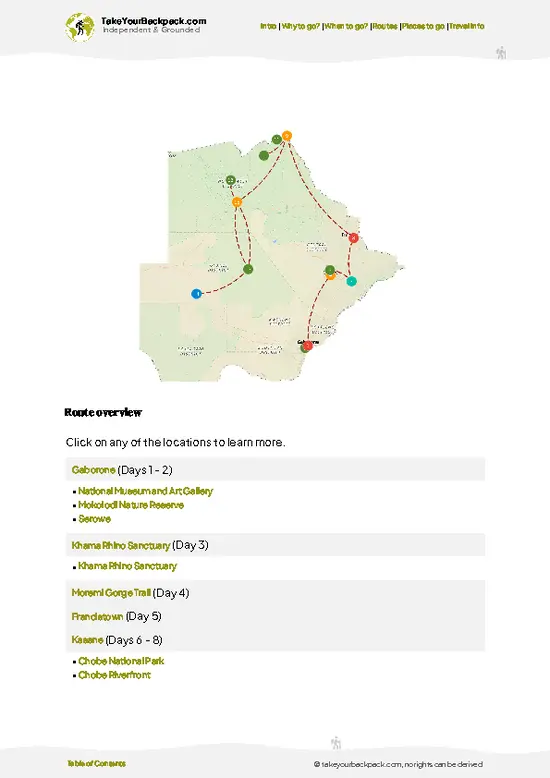
Mokolodi Nature Reserve works best as a first or last stop on a route that runs through Gaborone, before you head north to Chobe or west to the Kalahari. Give it one morning and one night, bring your own water and binoculars, and use it to learn the bush before the wilder places.

✍️ Help improve this page!
The information on this page is based on in-depth research, insights shared by experienced travelers, and feedback from the local travel community in Botswana. While every effort is made to keep the information accurate and current, conditions can change — so if you spot anything incorrect or outdated, please get in touch.


🙋‍♂️ Give feedback

👋 Meet the founderWho’s Behind Take Your Backpack?

Johan, backpacker and founder of TakeYourBackpackHi, I’m Johan (Netherlands 🇳🇱), the creator of TakeYourBackpack. Over the past 3 decades, I’ve backpacked through 90+ countries across six continents, gaining extensive experience with independent travel, long-term trips, and overland routes.

This site is built on a combination of firsthand travel experience and carefully curated insights from other backpackers. Many guides are based on places I’ve personally visited, while others bring together tips, observations, and practical advice shared by trusted travelers I’ve met along the way.

The goal is to provide realistic, experience-driven guidance — not generic itineraries — so you can explore destinations with better context, clearer expectations, and more confidence.