×

Brazil🇧🇷 | regionsAtol das Rocas Reservescoral atoll, seabird nesting, marine sanctuary | things to do and best time to go

Explore AlagoasExplore Bonito

Backpacking in Atol das Rocas Reserves
UNESCO World Heritage site
👌 Worth visitingregion ranked #7
By Johan Kruseman 🇳🇱 | Updated June 3, 2026

Salt dries on your lips as another wave slams the reef, sending spray over your mask; when you surface, it’s just you, a handful of turtles, and the low thrum of the boat’s engine in the distance. No beach bars. No hostels. Just open Atlantic and birds screaming overhead.

Atol das Rocas is a tiny protected atoll off the coast of Rio Grande do Norte, in Brazil’s northeast, and for backpackers it’s more “expedition” than “stop on the route.” The good news: it’s raw, wildly beautiful, and about as far from over-touristed as Brazil gets. The bad: access is tightly controlled, expensive, and usually tied to research or specialized tours, so you can’t just rock up like you would in Natal or Fernando de Noronha. Think of it as the high-cost, low-comfort, maximum-bragging-rights corner of the region.

Discover everything you want to know in the 📖 Brazil Travel Guide.


Get your Brazil guide
152 ranked highlights, routes & tips, works offline (516 pages)
Loading the map 🌍
CLICK TO FILTER
cities
towns
villages
landmarks
national parks
hikes
beaches
attractions
festivals
regions
SHOW COUNTRY’S BESTSHOW ALL

✨ Why go?
Ranked #7 region in Brazil
Why Atol das Rocas Reserves should be on your travel list

In the Atol das Rocas Reserves, backpackers find a treasure trove of landscape variety. You’ve got pristine beaches, lush mangroves, and vibrant coral reefs all in one spot. This means you can dive, hike, and chill without the hassle of constant relocation.

Transport is a breeze here. You can hop on a local boat or rent a bike, giving you the flexibility to explore at your own pace. This isn’t just about nature; it’s about immersing yourself in culture too. Spend a day with local fishermen or savor fresh seafood at a beachside shack.

The beauty of slow travel shines through. You’re not just ticking boxes; you’re soaking in experiences that blend adventure and relaxation. Each moment spent here is a conscious choice, making your trip feel rich and layered.
Want to include Atol das Rocas Reserves in your Brazil route?
Create a personalized Brazil itinerary that includes Atol das Rocas Reserves and the places that fit your trip — based on your travel style, budget, and available time. Get your route in seconds.

Generate my trip

💡 HighlightsPlaces and moments you shouldn't skip

  1. The central lagoon and coral gardens — Clear, shallow lagoon framed by living reef where you can snorkel over coral heads, sea fans and schools of reef fish. It’s the atoll’s engine: nursery habitat for juveniles and a magnet for turtles. If you get one authorized landing here, the underwater visibility and compact, dense life feel unlike most mainland reefs.
  2. Seabird rim and nesting colonies — The low rim of the atoll holds huge, noisy colonies of masked boobies, brown noddies and terns. Walking the rim at dawn or watching from a quiet boat gives astonishingly close looks at courtship, aerial acrobatics and dense nesting concentrations you won’t find on populated coasts.
  3. Turtle nesting beaches (green and hawksbill) — Seasonal nesting sites where adult females come ashore and night patrols
read more 👉
  1. The central lagoon and coral gardens — Clear, shallow lagoon framed by living reef where you can snorkel over coral heads, sea fans and schools of reef fish. It’s the atoll’s engine: nursery habitat for juveniles and a magnet for turtles. If you get one authorized landing here, the underwater visibility and compact, dense life feel unlike most mainland reefs.
  2. Seabird rim and nesting colonies — The low rim of the atoll holds huge, noisy colonies of masked boobies, brown noddies and terns. Walking the rim at dawn or watching from a quiet boat gives astonishingly close looks at courtship, aerial acrobatics and dense nesting concentrations you won’t find on populated coasts.
  3. Turtle nesting beaches (green and hawksbill) — Seasonal nesting sites where adult females come ashore and night patrols (on permitted trips) monitor nests and releases. Seeing turtle nesting or hatchlings making for the water is a rare, unforgettable natural event — and one of the atoll’s conservation priorities.
  4. Lagoon tidal flats and juvenile nurseries (hidden gem) — At low tide shallow flats become aquariums: tiny reef fish, juvenile rays, starfish and crustaceans concentrated in tidal pools. It’s intimate, slow-paced exploration — great for macro-snorkeling and close observation that most visitors miss.
  5. Ephemeral sandbanks and sunrise spits (hidden gem) — Small sand spits that shift with currents and storms offer private stretches of white sand and perfect sunrise light. They’re fragile and transient, but when they appear they feel like your own desert island — my personal favorite for quiet mornings and birdwatching.
  6. Channel drift snorkels along the rim — The atoll’s channels funnel plankton and attract feeding frenzies. Doing a guided drift along a channel (boat drop and drift) can turn up larger pelagics, feeding seabirds and dense schools of fish — a dynamic contrast to the calm lagoon.
  7. Western bommie fields and octocoral gardens (hidden gem) — Lesser-visited reef patches with unusual coral shapes and softer octocoral assemblages. Colourful and photogenic, these bommies host sponges, nudibranchs and quiet reef life — a more secluded dive/snorkel alternative to the central lagoon.
  8. Intertidal crustacean and shorebird spectacle — At low tide the outer flats turn into feeding grounds for migrating shorebirds and crab swarms. Quiet observation from the boat or the rim reveals behaviors you won’t see on busier beaches — efficient, concentrated nature watching.
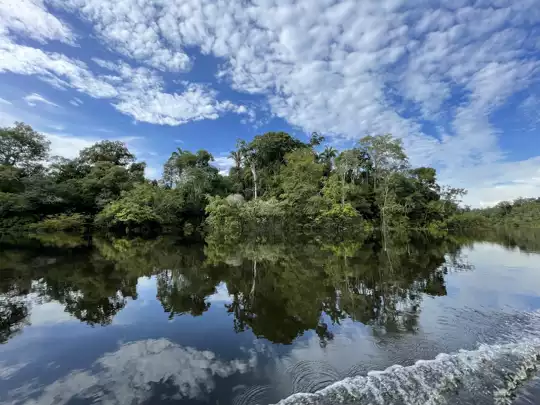
  9. Approach panorama from the boat — The first sighting of the atoll’s ring, the deep-blue ocean outside and the milky lagoon inside is striking and uniquely readable from the water. Even if you don’t land, the boat approach is a worthwhile, photographic experience showing the atoll’s shape and scale.
  10. Nighttime sea-floor biota and moonlit skiff rides — On permitted nocturnal outings you can watch different reef animals — crabs, sea cucumbers, sleeping reef fish — and feel the atoll’s nocturnal rhythm. Moonlit rides across the lagoon make the place feel completely otherworldly and very private.
Spotted a mistake or missing something? Contact us.

Things to do around Atol das Rocas Reserves

Ratings based on Tripadvisor reviews. When you book through this link, you support our work at no extra cost to you.

⌛️ 5 daysHow to make the most of Atol das Rocas Reserves

Day 1: Atol das Rocas

You’re diving straight into the heart of the Atol das Rocas. Start with a boat from Natal, which takes about 2-3 hours. This is your gateway to the marine paradise. The ride is scenic, with the coastline slipping away and the ocean opening up. Once you arrive, the real magic begins. The reserve is a UNESCO World Heritage site, teeming with wildlife. Spend the day snorkeling among vibrant coral reefs. The underwater world here is a spectacle, and you’ll want to soak it all in.

Day 2: Ilha de Fernando de Noronha

Catch an early ferry to Fernando de Noronha. This island is a bit pricier, but trust me, it’s worth every penny. The transport is limited, so plan your day around the island’s bus schedule. Explore the stunning beaches, like Baía do Sancho, often ranked … read more 👉
Day 1: Atol das Rocas

You’re diving straight into the heart of the Atol das Rocas. Start with a boat from Natal, which takes about 2-3 hours. This is your gateway to the marine paradise. The ride is scenic, with the coastline slipping away and the ocean opening up. Once you arrive, the real magic begins. The reserve is a UNESCO World Heritage site, teeming with wildlife. Spend the day snorkeling among vibrant coral reefs. The underwater world here is a spectacle, and you’ll want to soak it all in.

Day 2: Ilha de Fernando de Noronha

Catch an early ferry to Fernando de Noronha. This island is a bit pricier, but trust me, it’s worth every penny. The transport is limited, so plan your day around the island’s bus schedule. Explore the stunning beaches, like Baía do Sancho, often ranked among the best in the world. The vibe is relaxed, and you’ll find locals eager to share their favorite spots.

Day 3: Praia do Leão

Spend your day at Praia do Leão. It’s a bit off the beaten path, but that’s the beauty of it. The bus will get you there, and you’ll find fewer tourists. The beach is pristine, and if you’re lucky, you might spot sea turtles nesting. This is your ‘Off-Path Reward’—a tranquil escape that feels like a secret.

Day 4: Back to Natal

Head back to Natal, but don’t rush. Take your time to enjoy the local cuisine. The bus ride back is about 4 hours, so grab a snack and relax.

Day 5: Pipa Beach

Finish your trip at Pipa Beach. It’s a short bus ride from Natal, and the cliffs and surf are breathtaking. This is the must-do day. The energy here is infectious, and you’ll leave with memories that linger long after you’ve returned home.
Turn your Atol das Rocas Reserves visit into an Brazil adventure
Build a complete Brazil route with Atol das Rocas Reserves, hidden gems, must-see destinations, and realistic travel times included.

Generate my trip

🌤️ When to go?Weather, crowds, and seasonal trade-offs


  • Weather: The dry season from August to December is your best bet. Expect less rain, which means clearer waters and better snorkeling conditions. The wet season (January to July) brings heavy showers and choppier seas, not ideal for exploring the reefs.

  • Temperature: Temperatures hover between 25-30°C (77-86°F) year-round, but the dry season feels more comfortable with lower humidity. The wet season can feel sticky and muggy, which can sap your energy on long hikes or boat trips.

  • Daylight Hours: Daylight is fairly consistent, around 11-12 hours daily. Still, visiting during the dry season means clearer skies, so you get the most out of those daylight hours for diving and wildlife spotting.

  • Crowds: This spot isn’t exactly a tourist hotspot, but the dry season sees a slight uptick in
read more 👉

  • Weather: The dry season from August to December is your best bet. Expect less rain, which means clearer waters and better snorkeling conditions. The wet season (January to July) brings heavy showers and choppier seas, not ideal for exploring the reefs.

  • Temperature: Temperatures hover between 25-30°C (77-86°F) year-round, but the dry season feels more comfortable with lower humidity. The wet season can feel sticky and muggy, which can sap your energy on long hikes or boat trips.

  • Daylight Hours: Daylight is fairly consistent, around 11-12 hours daily. Still, visiting during the dry season means clearer skies, so you get the most out of those daylight hours for diving and wildlife spotting.

  • Crowds: This spot isn’t exactly a tourist hotspot, but the dry season sees a slight uptick in eco-tourists and researchers. If you want near solitude, aim for early August or late November.

  • Seasonal Activities: Turtle nesting peaks from November to January. If you’re into wildlife, timing your trip here can mean witnessing this rare spectacle. Just be ready for some restrictions to protect the nests.

  • Price Fluctuations: Prices for tours and accommodations rise during the dry season, especially around the turtle nesting peak. Booking early can lock in better rates and secure your spot on limited boat trips.


Pro-tip: Slide in just before the turtle season kicks off—late October to early November—for great weather, fewer crowds, and a front-row seat to nature’s show without the premium prices.


source: climatestotravel.comJANJanuary: good for travelingFEBFebruary: fair for travelingMARMarch: fair for travelingAPRApril: fair for travelingMAYMay: fair for travelingJUNJune: fair for travelingJULJuly: fair for travelingAUGAugust: highly recommended for travelingSEPSeptember: excellent for travelingOCTOctober: highly recommended for travelingNOVNovember: excellent for travelingDECDecember: excellent for traveling
brazil-region-atol-das-rocas-reserves
© Google | Paulo Lourenção

✈️ The backpacker research shortcutBrazil Travel Guide

An offline-friendly backpacking guide with optimized travel routes, ranked highlights, transport advice, and the best areas to stay.
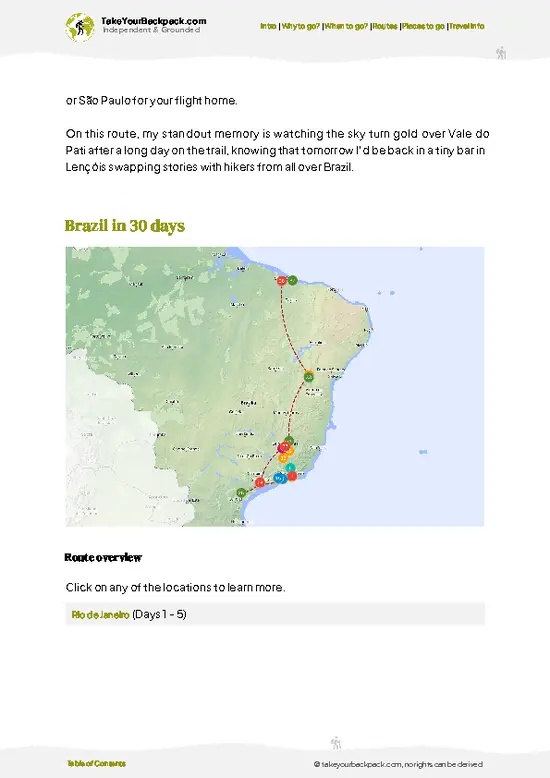
example page 0 from our offline Travel Guide for Brazil
example page 1 from our offline Travel Guide for Brazil
example page 2 from our offline Travel Guide for Brazil
example page 3 from our offline Travel Guide for Brazil
example page 4 from our offline Travel Guide for Brazil
example page 5 from our offline Travel Guide for Brazil
example page 6 from our offline Travel Guide for Brazil
example page 7 from our offline Travel Guide for Brazil
The digital guide (516 pages) contains:
152 highlights, ranked by travel appeal
Optimized 14, 21 & 30-day travel routes
Cities, national parks, landmarks, beaches
How to get around
Offline-friendly for travel without Wi-Fi
👉 Click to see all 30+ guide features

📅 Plan smarter in minutes, not weeks
Month by month travel advice
Festivals & national holidays
Budget expectations

🗺️ Go to the right places, skip the overrated ones
Honest pros & cons of destinations
Top hikes, parks & viewpoints
Lesser-known places most travelers miss
Clear “worth it vs skip it” guidance

🛏️ Travel smoothly without rookie mistakes
Best areas to stay
Transport systems explained simply
Common scams & safety advice
SIM cards, money & practical tips

🌍 Understand the country, not just visit it
Culture & traditions
52 Essential phrases & customs
Festivals worth planning around
Traveler-friendly historical context
Insights that make places more meaningful

📱 Built for real travel conditions
Fully downloadable PDF
Works completely offline
Optimized for phone use
Useful in remote areas & buses
Everything in one place
Save weeks of stressful planning
Get instant access to your full guide. 30‑day money-back guarantee.


By proceeding you agree to our terms.
Sent to your inbox immediately after payment • 100% Secure Checkout
Best Backpacking Travel Advisor 2025 tourism awardBest Backpacking
Travel Advisor
2025
What others say about Take Your Backpack Guides:
⭐⭐⭐⭐⭐
Fantastic, amazing amount of information!
⭐⭐⭐⭐⭐
My goodness this is amazing, it's what I've been looking for hats off too you!
⭐⭐⭐⭐⭐
I think this is absolutely BRILLIANT
⭐⭐⭐⭐
Very complete and informative. It's still missing places, but I gotta to commend you
⭐⭐⭐⭐⭐
This is truly amazing, thank you, can't wait to explore it with my kids!
⭐⭐⭐⭐⭐
Awesome resource, thank you!
⭐⭐⭐⭐⭐
This is amazing! Can't wait to explore the ones I haven't seen
⭐⭐⭐⭐
I love this! Well done, great idea.
⭐⭐⭐⭐⭐
Thanks for taking the time to make this gem!
⭐⭐⭐⭐⭐
This might be the best website I've ever seen.
⭐⭐⭐⭐⭐
Congratulations, and thank you so much for your work; it's incredibly valuable.
⭐⭐⭐⭐
In all seriousness I think you did a great job pointing out the important spots
⭐⭐⭐⭐⭐
10/10 very good
⭐⭐⭐⭐⭐
As someone who's only just starting to visit regularly this is awesome, thank you.
⭐⭐⭐⭐
Thank you very much! I'm going to visit my dad, it's going to be very useful!
⭐⭐⭐⭐⭐
This is really cool! We'll be travelling for the first time and this definitely come in handy.
⭐⭐⭐⭐⭐
You are now our minister of culture, congratulations 👨‍💼
⭐⭐⭐⭐⭐
Just wanted to tell you that this is a pearl! Going to follow your recommendations.
⭐⭐⭐⭐⭐
This is so cool. I'll definitely be using the resource for my travels soon.
⭐⭐⭐⭐⭐
This is very impressive! Good work.
⭐⭐⭐⭐⭐
This is an amazing and informative site. Very well done!

🛏️ Where to stay?Choosing the right base

When you’re exploring the Atol das Rocas Reserves, your choice of where to stay can make or break your experience.

Start in Natal, a lively city that’s a hub for backpackers. The beachfront vibe is infectious, and the social scene is buzzing. You’ll find plenty of budget-friendly eateries and bars where you can swap stories with fellow travelers. Plus, the nearby dunes are a must-see.

Next, consider Pipa, a charming beach town that feels like a secret hideaway. It’s got a laid-back atmosphere, perfect for solo adventurers. The beaches are stunning, and the nightlife is vibrant, making it easy … read more 👉
When you’re exploring the Atol das Rocas Reserves, your choice of where to stay can make or break your experience.

Start in Natal, a lively city that’s a hub for backpackers. The beachfront vibe is infectious, and the social scene is buzzing. You’ll find plenty of budget-friendly eateries and bars where you can swap stories with fellow travelers. Plus, the nearby dunes are a must-see.

Next, consider Pipa, a charming beach town that feels like a secret hideaway. It’s got a laid-back atmosphere, perfect for solo adventurers. The beaches are stunning, and the nightlife is vibrant, making it easy to connect with others.

Lastly, check out São Miguel do Gostoso. This small fishing village is a bit off the beaten path, but that’s where the magic happens. It’s safe, welcoming, and offers a slower pace. You’ll find a tight-knit community of travelers and locals who are eager to share their favorite spots.

Choose wisely, and you’ll unlock the true essence of this region.

🚌 Getting aroundHow to get from A to B

Atol das Rocas Reserves is a wild dance between nature and the elements. Here, schedules are mere suggestions, and the rhythm of the ocean dictates your moves. You’ll find yourself swaying with the tides, where the chaos of the sea meets the serenity of untouched landscapes. It’s a place where intuition reigns, and the best experiences often come from following your instincts rather than a rigid itinerary. The locals know this well; they navigate the waters with an ease that makes you feel like you’re part of their world, not just a visitor.


  • Boat Transfers: These are your lifeline to the islands. Expect to pay around R$100 for a round trip. Boats typically run from 7 AM to 5 PM, but check local schedules as they can shift with the weather. The ride is about 30 minutes, and while it can get
read more 👉
Atol das Rocas Reserves is a wild dance between nature and the elements. Here, schedules are mere suggestions, and the rhythm of the ocean dictates your moves. You’ll find yourself swaying with the tides, where the chaos of the sea meets the serenity of untouched landscapes. It’s a place where intuition reigns, and the best experiences often come from following your instincts rather than a rigid itinerary. The locals know this well; they navigate the waters with an ease that makes you feel like you’re part of their world, not just a visitor.


  • Boat Transfers: These are your lifeline to the islands. Expect to pay around R$100 for a round trip. Boats typically run from 7 AM to 5 PM, but check local schedules as they can shift with the weather. The ride is about 30 minutes, and while it can get bumpy, the views of the turquoise waters are worth every splash.


  • Local Fishing Boats: For the adventurous, hitching a ride with local fishermen can be a unique experience. Prices vary, but you might negotiate around R$50. Just be ready for a more rustic ride, and don’t expect a set schedule—this is all about timing your departure with the tides.


  • Chartered Tours: If you’re looking for a bit more comfort, consider a chartered tour. Prices start at R$200, and they usually include snorkeling gear and lunch. Tours typically leave around 8 AM and return by 4 PM, offering a more structured experience with a guide who knows the best spots.


  • Walking: If you’re feeling energetic, some areas are accessible by foot. This is free, but be prepared for sandy paths and uneven terrain. Early morning or late afternoon is best to avoid the heat.


For a smooth journey, always check the tide schedules before planning your day. Timing your boat rides with the tides can save you from long waits and ensure you maximize your time exploring the stunning reserves.

🍲 FoodLocal Flavors for Backpackers

In the Atol das Rocas Reserves, food is a vibrant celebration of local culture. Dive into moqueca, a fragrant fish stew simmered with coconut milk, tomatoes, and spices. The aroma alone will draw you in. Pair it with farofa, toasted cassava flour that adds a delightful crunch.

For drinks, don’t miss caipirinha, Brazil’s iconic cocktail made with cachaça, lime, and sugar. Sip it slowly while watching the sunset over the ocean. Street vendors serve up pastéis, crispy pastries filled with cheese or meat, perfect for a quick snack between adventures.

Casual eateries and local markets are where the magic happens. Grab a seat at a bustling café or a food stall; the energy is contagious. Expect to share tables and stories with locals.

Dining here is relaxed. Don’t be surprised if meals stretch … read more 👉
In the Atol das Rocas Reserves, food is a vibrant celebration of local culture. Dive into moqueca, a fragrant fish stew simmered with coconut milk, tomatoes, and spices. The aroma alone will draw you in. Pair it with farofa, toasted cassava flour that adds a delightful crunch.

For drinks, don’t miss caipirinha, Brazil’s iconic cocktail made with cachaça, lime, and sugar. Sip it slowly while watching the sunset over the ocean. Street vendors serve up pastéis, crispy pastries filled with cheese or meat, perfect for a quick snack between adventures.

Casual eateries and local markets are where the magic happens. Grab a seat at a bustling café or a food stall; the energy is contagious. Expect to share tables and stories with locals.

Dining here is relaxed. Don’t be surprised if meals stretch into hours, filled with laughter and conversation. Embrace the slow pace; it’s part of the experience. Just remember, tipping is appreciated but not mandatory. Enjoy the flavors and the company!

Other Brazilian regions near Atol das Rocas Reserves

Explore more nearby:


💡 Not sure where to go next?
Create a personalized itinerary for Brazil including Atol das Rocas Reserves and the places that fit your trip.

Generate my itinerary

👉 Discover all regions

Or checkout all Brazil has to offer (think cities, towns, villages, national parks, hikes, beaches, festivals)
Country photo of Brazil

We 💚 feedbackIs it worth it?

The Atol das Rocas Reserves are a paradise for those who crave untouched nature. Picture vibrant marine life and stunning coral reefs—it’s a snorkeler’s dream. But here’s the catch: getting there takes time and effort. Limited access means you’ll need to plan ahead and be patient. If you’re up for the adventure, the rewards are worth every minute. Just be ready for a bit of a trek!

✈️ When did I visit Brazil?
Call it good timing or luck, but I was able to celebrate Carnaval in Rio de Janeiro in February 2022, after a round trip in the north and east coast.

✍️ Help improve this page!
The information on this page is based on my own backpacking experience in Brazil, supplemented with up-to-date research and feedback from other travelers. Travel details can change, so if you notice anything outdated or incomplete, feel free to let me know.


🙋‍♂️ Give feedback

👋 Meet the founderWho’s Behind Take Your Backpack?

Johan, backpacker and founder of TakeYourBackpackHi, I’m Johan (Netherlands 🇳🇱), the creator of TakeYourBackpack. Over the past decade, I’ve backpacked through 80+ countries across six continents, gaining extensive experience with independent travel, long-term trips, and overland routes.

This site is built on a combination of firsthand travel experience and carefully curated insights from other backpackers. Many guides are based on places I’ve personally visited, while others bring together tips, observations, and practical advice shared by trusted travelers I’ve met along the way.

The goal is to provide realistic, experience-driven guidance — not generic itineraries — so you can explore destinations with better context, clearer expectations, and more confidence.

Get full Brazil guide •
Instant download • 152 highlights • Full Offline guide