Pedra do Forno
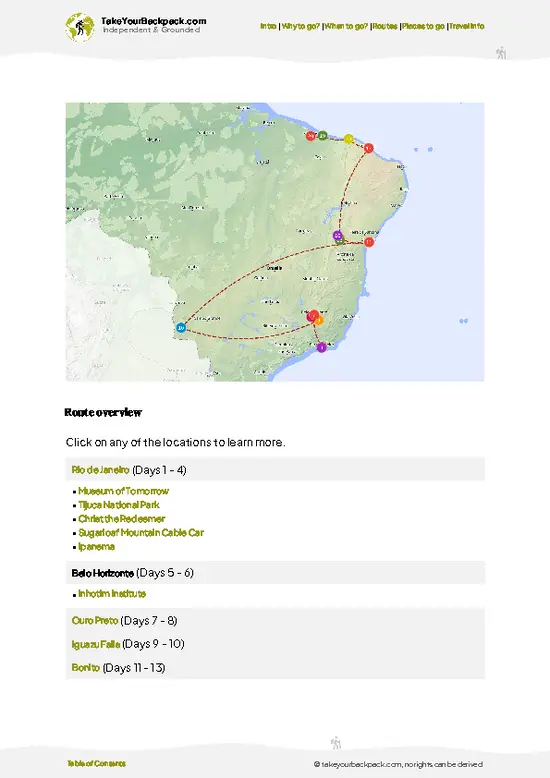
The hike up Pedra do Forno is a rite of passage in Gonçalves. The trailhead starts right in town, winding through eucalyptus groves that smell sharp and clean after rain. The climb is steep but not technical—roots for handholds, red earth underfoot, and the occasional monkey overhead. At the summit, the view is a 360-degree sweep of the Mantiqueira Mountains, with morning mist pooling in the valleys like spilled milk. Go at sunrise for the gold-pink light and near-solitude; late afternoon brings dramatic shadows and cooler air. There’s no entrance fee, just sweat equity. Allow 3-4 hours round-trip if you linger at the top (and you will).
Mercado Municipal de Gonçalves
This is the town’s heartbeat, not a tourist trap. Locals come for cheese, honey, and the kind of produce that … read more 👉
The hike up Pedra do Forno is a rite of passage in Gonçalves. The trailhead starts right in town, winding through eucalyptus groves that smell sharp and clean after rain. The climb is steep but not technical—roots for handholds, red earth underfoot, and the occasional monkey overhead. At the summit, the view is a 360-degree sweep of the Mantiqueira Mountains, with morning mist pooling in the valleys like spilled milk. Go at sunrise for the gold-pink light and near-solitude; late afternoon brings dramatic shadows and cooler air. There’s no entrance fee, just sweat equity. Allow 3-4 hours round-trip if you linger at the top (and you will).
Mercado Municipal de Gonçalves
This is the town’s heartbeat, not a tourist trap. Locals come for cheese, honey, and the kind of produce that … read more 👉
Pedra do Forno
The hike up Pedra do Forno is a rite of passage in Gonçalves. The trailhead starts right in town, winding through eucalyptus groves that smell sharp and clean after rain. The climb is steep but not technical—roots for handholds, red earth underfoot, and the occasional monkey overhead. At the summit, the view is a 360-degree sweep of the Mantiqueira Mountains, with morning mist pooling in the valleys like spilled milk. Go at sunrise for the gold-pink light and near-solitude; late afternoon brings dramatic shadows and cooler air. There’s no entrance fee, just sweat equity. Allow 3-4 hours round-trip if you linger at the top (and you will).
Mercado Municipal de Gonçalves
This is the town’s heartbeat, not a tourist trap. Locals come for cheese, honey, and the kind of produce that still smells like the earth. The market is small, but every stall has a story—try the queijo minas, creamy and tangy, or the homemade cachaça that tastes like sugarcane fields in the sun. The best time is Saturday morning, when the place hums with conversation and the scent of fresh pão de queijo drifts through the air. Entry is free; bring cash for small purchases. You can browse in 30 minutes, but you’ll want to linger for the people-watching.
Ateliê Ditinho Joana
Ditinho Joana’s woodcarving studio is a living gallery of rural Brazilian life. The artist himself is often there, hands stained with sawdust, happy to talk about his craft. His sculptures—farmers, animals, saints—are carved from local wood and radiate a quiet dignity. The studio is tucked on a side street, easy to miss unless you’re looking for it. The scent of wood shavings and varnish hits you before you see the sign. Visit mid-morning or late afternoon for the best light through the windows. Entry is free; pieces for sale range from R$50 to R$500. Allow 45 minutes to an hour.
Igreja Matriz de São Sebastião
This whitewashed church anchors the town square, its bell tower visible from almost every street. Step inside and you’ll find cool stone floors, flickering candles, and the quiet hush that only old churches seem to hold. The walls are lined with local saints and hand-painted tiles, chipped but beautiful. Sunday mornings are lively with mass, but for a contemplative visit, go on a weekday afternoon when the sun slants through stained glass. Free entry. You’ll need 20-30 minutes, longer if you sit and let the peace soak in.
Trilha dos Pintos
A gentle, forested trail that starts on the edge of town and loops through native Atlantic Forest. The air is thick with the scent of wet leaves and moss, and you’ll hear toucans before you see them. This is less about the summit and more about immersion—ferns brushing your legs, the crunch of leaves, the occasional glimpse of a waterfall. Go early morning for birdsong and cooler temperatures. No fee. The loop takes about 2 hours at a relaxed pace.
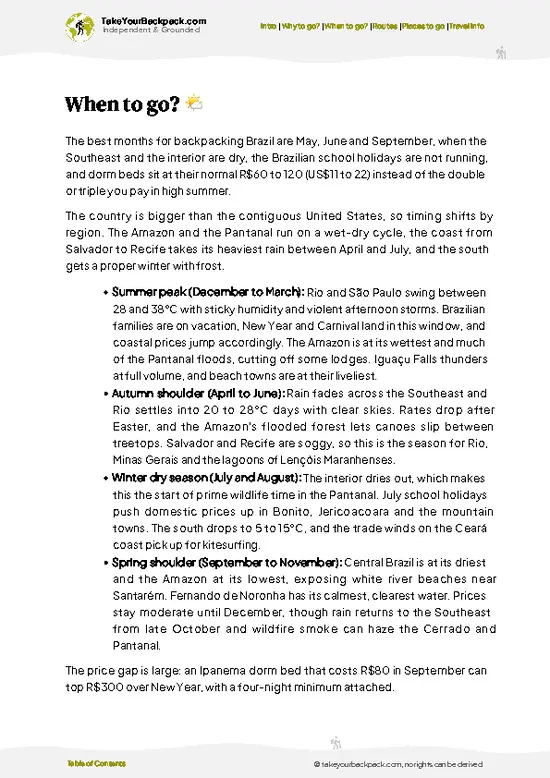
If you’re itching to explore beyond town, the waterfalls of Cachoeira dos Henriques, the panoramic Pedra Chanfrada, and the wildflower meadows of Serra do Selado are all within easy striking distance—each a worthy day trip. Pedra Chanfrada is my personal favorite: the wind up there tastes like freedom.
The hike up Pedra do Forno is a rite of passage in Gonçalves. The trailhead starts right in town, winding through eucalyptus groves that smell sharp and clean after rain. The climb is steep but not technical—roots for handholds, red earth underfoot, and the occasional monkey overhead. At the summit, the view is a 360-degree sweep of the Mantiqueira Mountains, with morning mist pooling in the valleys like spilled milk. Go at sunrise for the gold-pink light and near-solitude; late afternoon brings dramatic shadows and cooler air. There’s no entrance fee, just sweat equity. Allow 3-4 hours round-trip if you linger at the top (and you will).
Mercado Municipal de Gonçalves
This is the town’s heartbeat, not a tourist trap. Locals come for cheese, honey, and the kind of produce that still smells like the earth. The market is small, but every stall has a story—try the queijo minas, creamy and tangy, or the homemade cachaça that tastes like sugarcane fields in the sun. The best time is Saturday morning, when the place hums with conversation and the scent of fresh pão de queijo drifts through the air. Entry is free; bring cash for small purchases. You can browse in 30 minutes, but you’ll want to linger for the people-watching.
Ateliê Ditinho Joana
Ditinho Joana’s woodcarving studio is a living gallery of rural Brazilian life. The artist himself is often there, hands stained with sawdust, happy to talk about his craft. His sculptures—farmers, animals, saints—are carved from local wood and radiate a quiet dignity. The studio is tucked on a side street, easy to miss unless you’re looking for it. The scent of wood shavings and varnish hits you before you see the sign. Visit mid-morning or late afternoon for the best light through the windows. Entry is free; pieces for sale range from R$50 to R$500. Allow 45 minutes to an hour.
Igreja Matriz de São Sebastião
This whitewashed church anchors the town square, its bell tower visible from almost every street. Step inside and you’ll find cool stone floors, flickering candles, and the quiet hush that only old churches seem to hold. The walls are lined with local saints and hand-painted tiles, chipped but beautiful. Sunday mornings are lively with mass, but for a contemplative visit, go on a weekday afternoon when the sun slants through stained glass. Free entry. You’ll need 20-30 minutes, longer if you sit and let the peace soak in.
Trilha dos Pintos
A gentle, forested trail that starts on the edge of town and loops through native Atlantic Forest. The air is thick with the scent of wet leaves and moss, and you’ll hear toucans before you see them. This is less about the summit and more about immersion—ferns brushing your legs, the crunch of leaves, the occasional glimpse of a waterfall. Go early morning for birdsong and cooler temperatures. No fee. The loop takes about 2 hours at a relaxed pace.
If you’re itching to explore beyond town, the waterfalls of Cachoeira dos Henriques, the panoramic Pedra Chanfrada, and the wildflower meadows of Serra do Selado are all within easy striking distance—each a worthy day trip. Pedra Chanfrada is my personal favorite: the wind up there tastes like freedom.
Spotted a mistake or missing something? Contact us.
v2.webp)


Best Backpacking
Hi, I’m Johan (Netherlands 🇳🇱), the creator of TakeYourBackpack. Over the past decade, I’ve backpacked through 80+ countries across six continents, gaining extensive experience with independent travel, long-term trips, and overland routes.