×

Brazil🇧🇷 | citiesManausAmazon gateway, opera house, river ports | things to do and best time to go

Explore Maceió in AlagoasExplore Olinda

Backpacking in Manaus
🌟 Highlightcity ranked #7
By Johan Kruseman 🇳🇱 | Updated June 9, 2026

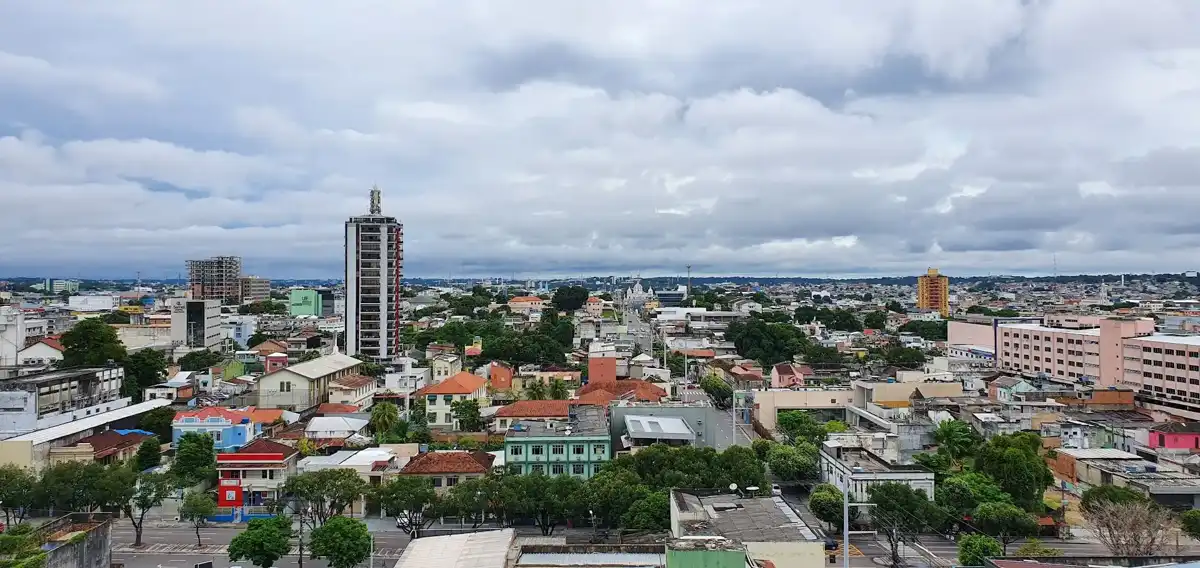
You land in Manaus and hit your first real fork: do you burn time and money on a deep-jungle lodge days from the city, or stay urban and do cheaper day trips on the Rio Negro? That single choice quietly decides your whole Amazon experience. Manaus sits in the middle of the Brazilian Amazon, where the Rio Negro meets the Solimões, a humid crossroads between jungle and big, slightly scruffy city. Backpackers get a mix of ornate Teatro Amazonas, chaotic markets, riverfront bars, and tour agencies hustling for your reais. It’s cheaper than Rio, pricier than Belém, and safety is “big Brazilian city rules”: watch your phone, avoid empty streets at night. Meeting other travelers is easy around hostels and tour offices, but the real social glue is the multi-day boat or lodge trip you choose.

Discover everything you want to know in the 📖 Brazil Travel Guide.


Get your Brazil guide
152 ranked highlights, routes & tips, works offline (515 pages)
Loading the map 🌍
CLICK TO FILTER
cities
towns
villages
landmarks
national parks
hikes
beaches
attractions
festivals
regions
SHOW COUNTRY’S BESTSHOW ALL

✨ Why go?
Ranked #7 city in Brazil
What makes this city worth visiting

Manaus is a strategic hub for backpackers diving into the Amazon. It offers a unique blend of affordability and accessibility. The city is packed with highlights that cater to various interests, making it a perfect base for day trips into the jungle. Hostels here are not just budget-friendly; they foster a community vibe that’s ideal for meeting fellow travelers.

You’ll find delicious street food and local eateries that won’t break the bank, adding flavor to your experience. The city is walkable, allowing you to soak in the atmosphere without relying on transport. After a day of exploration, the nightlife buzzes with energy, offering a chance to unwind. Plus, onward travel options are plentiful, making it easy to continue your adventure. If you’re looking for a blend of culture and nature, … read more 👉
Manaus is a strategic hub for backpackers diving into the Amazon. It offers a unique blend of affordability and accessibility. The city is packed with highlights that cater to various interests, making it a perfect base for day trips into the jungle. Hostels here are not just budget-friendly; they foster a community vibe that’s ideal for meeting fellow travelers.

You’ll find delicious street food and local eateries that won’t break the bank, adding flavor to your experience. The city is walkable, allowing you to soak in the atmosphere without relying on transport. After a day of exploration, the nightlife buzzes with energy, offering a chance to unwind. Plus, onward travel options are plentiful, making it easy to continue your adventure. If you’re looking for a blend of culture and nature, Manaus is more than just a stop; it’s a key player in your Amazon journey.
Want to include Manaus in your Brazil route?
Create a personalized Brazil itinerary that includes Manaus and the places that fit your trip — based on your travel style, budget, and available time. Get your route in seconds.

Generate my trip

💡 HighlightsKey sights and experiences for travelers

  • Teatro Amazonas (Amazon Theatre) — The city’s Belle Époque crown jewel: marble, stamped tin, and a painted cupola. Take the guided backstage tour or catch a cheap evening show to feel Manaus at its most glamorous and oddly Amazonian.
  • Mercado Municipal Adolpho Lisboa — A gorgeous iron-and-glass market where you can taste regional fruits, buy spices, watch fishmongers gut tucunaré, and soak up real daily life. Great for photos and cheap local meals.
  • Palácio Rio Negro — A restored governor’s mansion on the riverfront; the rooms and rotating exhibits give a tight, walkable lesson in Manaus’s rubber-boom wealth and local politics.
  • Catedral Metropolitana de Manaus — The cathedral’s stained glass and tiled interior are surprisingly peaceful amid downtown bustle. It’s right in the historic core,
read more 👉
  • Teatro Amazonas (Amazon Theatre) — The city’s Belle Époque crown jewel: marble, stamped tin, and a painted cupola. Take the guided backstage tour or catch a cheap evening show to feel Manaus at its most glamorous and oddly Amazonian.
  • Mercado Municipal Adolpho Lisboa — A gorgeous iron-and-glass market where you can taste regional fruits, buy spices, watch fishmongers gut tucunaré, and soak up real daily life. Great for photos and cheap local meals.
  • Palácio Rio Negro — A restored governor’s mansion on the riverfront; the rooms and rotating exhibits give a tight, walkable lesson in Manaus’s rubber-boom wealth and local politics.
  • Catedral Metropolitana de Manaus — The cathedral’s stained glass and tiled interior are surprisingly peaceful amid downtown bustle. It’s right in the historic core, so pair it with a stroll around the old streets.
  • Porto das Docas / Porto de Manaus — The renovated dock complex with riverside restaurants and boats leaving for island trips. It’s where river life meets nightlife—good for sunset walks and people-watching.
  • Praia da Ponta Negra — Manaus’s main river beach with a long promenade, kiosks, and safe swimming in the dry season. Locals hang here on weekends; useful for a relaxed afternoon and sunset views over the Rio Negro.
  • Bosque da Ciência (INPA) — Easy-access rainforest trails run by the National Institute for Amazonian Research: small exhibits, an outdoor lab, butterflies and fish tanks. It’s a compact, informative nature hit inside the city limits.
  • Parque Municipal do Mindu — Quiet forest trails, a seasonal waterfall and good birdwatching without leaving the urban area. Less touristy than the big attractions and a real pocket of green.
  • Museu da Amazônia (MUSA) — Hands-on exhibits and elevated trails that explain forest ecology and traditional livelihoods; the canopy viewpoints are a nice way to see the Amazon’s layers without a long trip.
  • Centro Histórico (historic downtown) — Walkable blocks of ornate façades, tiled sidewalks, tiny cafés and street vendors; the architecture, stray mercado stalls and local rhythms show Manaus beyond the postcard theater.
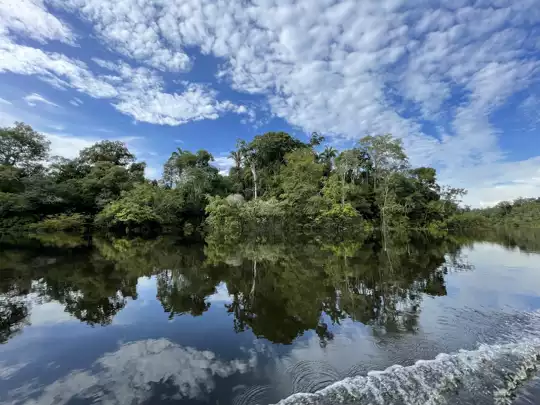
A few great day trips outside the city: the Encontro das Águas (meeting of the Rio Negro and Solimões), the Anavilhanas archipelago (islands and flooded forest; my personal favorite), and the waterfalls around Presidente Figueiredo.
Spotted a mistake or missing something? Contact us.

Things to do in Manaus

Ratings based on Tripadvisor reviews. When you book through this link, you support our work at no extra cost to you.

🏘️ NeighborhoodsKey areas and districts to know

Manaus is a fascinating blend of urban life and Amazonian adventure, making it a unique stop for backpackers. Here’s how the neighborhoods stack up:

Centro: The heart of Manaus, Centro is bustling with energy. You’ll find historic architecture and local markets. It’s walkable, with plenty of budget-friendly eateries. Nightlife is lively, but you can also find quiet corners. Perfect for short stays, as you can easily access transport to other areas.

Adrianópolis: This upscale neighborhood offers a more relaxed vibe. It’s quieter, with parks and cafes. Prices are higher, but you get comfort and safety. Great for longer stays if you want a break from the hustle. Public transport is accessible, but you might rely on taxis for late-night outings.

São Jorge: Close to the famous Teatro Amazonas, … read more 👉
Manaus is a fascinating blend of urban life and Amazonian adventure, making it a unique stop for backpackers. Here’s how the neighborhoods stack up:

Centro: The heart of Manaus, Centro is bustling with energy. You’ll find historic architecture and local markets. It’s walkable, with plenty of budget-friendly eateries. Nightlife is lively, but you can also find quiet corners. Perfect for short stays, as you can easily access transport to other areas.

Adrianópolis: This upscale neighborhood offers a more relaxed vibe. It’s quieter, with parks and cafes. Prices are higher, but you get comfort and safety. Great for longer stays if you want a break from the hustle. Public transport is accessible, but you might rely on taxis for late-night outings.

São Jorge: Close to the famous Teatro Amazonas, this area is a backpacker favorite. It’s vibrant and artsy, with street performances and local shops. Costs are moderate, and it’s very walkable. Ideal for those who want to soak in culture and nightlife without straying too far from the action.

Flores: A residential area that feels more local. It’s quieter and cheaper, making it suitable for longer stays. Walkability is decent, but public transport is essential for exploring further. Perfect if you want to experience daily life in Manaus.

⌛️ 1 dayHow to make the most of one day

Manaus is a vibrant hub where the Amazon rainforest meets urban life, a city alive with culture, history, and the rhythmic pulse of the river. Start your day in the historic center, where the iconic Teatro Amazonas stands as a testament to the rubber boom era. Grab a coffee at a nearby café and soak in the architecture before diving into the bustling Mercado Municipal. Here, the colors and scents of local produce and fish create a sensory feast. Don’t skip the chance to try açaí straight from the source; it’s a game-changer.

In the afternoon, head to the Ponta Negra neighborhood. This riverside area offers a beautiful promenade perfect for a leisurely stroll. If you’re feeling adventurous, rent a kayak and paddle along the Rio Negro. The tranquility of the water is a refreshing contrast to … read more 👉
Manaus is a vibrant hub where the Amazon rainforest meets urban life, a city alive with culture, history, and the rhythmic pulse of the river. Start your day in the historic center, where the iconic Teatro Amazonas stands as a testament to the rubber boom era. Grab a coffee at a nearby café and soak in the architecture before diving into the bustling Mercado Municipal. Here, the colors and scents of local produce and fish create a sensory feast. Don’t skip the chance to try açaí straight from the source; it’s a game-changer.

In the afternoon, head to the Ponta Negra neighborhood. This riverside area offers a beautiful promenade perfect for a leisurely stroll. If you’re feeling adventurous, rent a kayak and paddle along the Rio Negro. The tranquility of the water is a refreshing contrast to the city’s hustle. For a unique experience, visit the nearby Parque Nacional de Anavilhanas. It’s not on every tourist’s radar, but the lush landscape and wildlife make it worth the trip.

As evening falls, return to the city center for dinner at a local restaurant. Try the tambaqui fish, a regional specialty, while enjoying live music that often spills into the streets. End your day with a sunset view over the river; it’s a moment that encapsulates the spirit of Manaus, blending nature and culture into a single, unforgettable experience.
Turn your Manaus visit into an Brazil adventure
Build a complete Brazil route with Manaus, hidden gems, must-see destinations, and realistic travel times included.

Generate my trip

🌤️ When to go?Seasonal considerations and timing


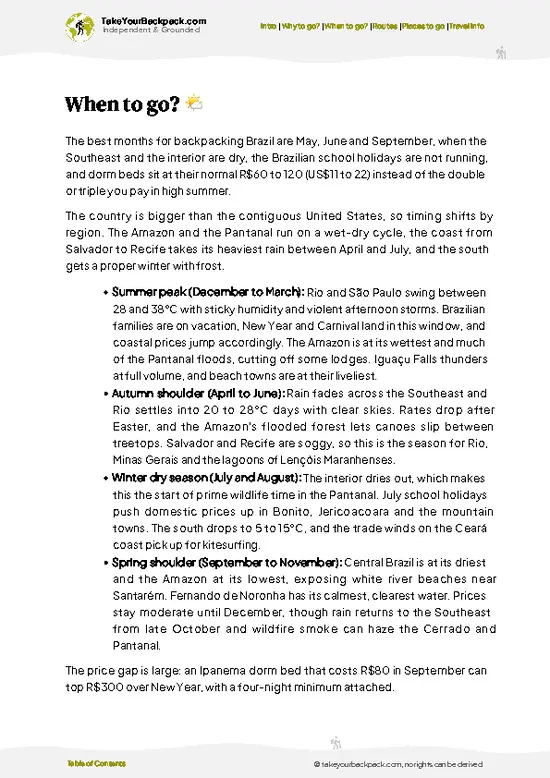
  • Topic: Weather – Manaus swings between wet and dry seasons. The wet season (December to May) floods the rainforest, making some trails impassable but offering dramatic river scenes. The dry season (June to November) is easier for trekking and exploring, with less rain but higher temperatures.

  • Topic: Temperature – Expect highs around 31-33°C (88-91°F) year-round, with nights cooling to 22-24°C (72-75°F). The dry season feels hotter and stickier, while the wet season’s humidity can be oppressive but breaks with refreshing showers.

  • Topic: Daylight Hours – Manaus sits near the equator, so daylight stays steady at about 11.5 to 12.5 hours daily. No drastic shifts, which means you can plan hikes and tours without worrying about early sunsets.

  • Topic: Crowds – Tourist flow peaks in the dry season,
read more 👉

  • Topic: Weather – Manaus swings between wet and dry seasons. The wet season (December to May) floods the rainforest, making some trails impassable but offering dramatic river scenes. The dry season (June to November) is easier for trekking and exploring, with less rain but higher temperatures.

  • Topic: Temperature – Expect highs around 31-33°C (88-91°F) year-round, with nights cooling to 22-24°C (72-75°F). The dry season feels hotter and stickier, while the wet season’s humidity can be oppressive but breaks with refreshing showers.

  • Topic: Daylight Hours – Manaus sits near the equator, so daylight stays steady at about 11.5 to 12.5 hours daily. No drastic shifts, which means you can plan hikes and tours without worrying about early sunsets.

  • Topic: Crowds – Tourist flow peaks in the dry season, especially July and August, when international travelers escape colder climates. The wet season sees fewer visitors, offering solitude but some logistical headaches.

  • Topic: Seasonal Activities – The dry season opens up jungle trails and river beaches, perfect for hiking and wildlife spotting. The wet season floods the forest, ideal for boat tours and witnessing the “Meeting of Waters” phenomenon at its fullest.

  • Topic: Price Fluctuations – Accommodation and tours spike in the dry season due to demand. The wet season offers better deals but requires flexibility with cancellations and altered itineraries.


Pro-tip: Aim for the shoulder months of May or November to balance fewer crowds, manageable weather, and better prices—getting the best of both worlds without the extremes.


source: climatestotravel.comJANJanuary: fair for travelingFEBFebruary: fair for travelingMARMarch: fair for travelingAPRApril: fair for travelingMAYMay: highly recommended for travelingJUNJune: highly recommended for travelingJULJuly: excellent for travelingAUGAugust: excellent for travelingSEPSeptember: highly recommended for travelingOCTOctober: highly recommended for travelingNOVNovember: highly recommended for travelingDECDecember: fair for traveling

✈️ The backpacker research shortcutBrazil Travel Guide

An offline-friendly backpacking guide with optimized travel routes, ranked highlights, transport advice, and the best areas to stay.
example page 0 from our offline Travel Guide for Brazil
example page 1 from our offline Travel Guide for Brazil
example page 2 from our offline Travel Guide for Brazil
example page 3 from our offline Travel Guide for Brazil
example page 4 from our offline Travel Guide for Brazil
example page 5 from our offline Travel Guide for Brazil
example page 6 from our offline Travel Guide for Brazil
example page 7 from our offline Travel Guide for Brazil
The digital guide (515 pages) contains:
152 highlights, ranked by travel appeal
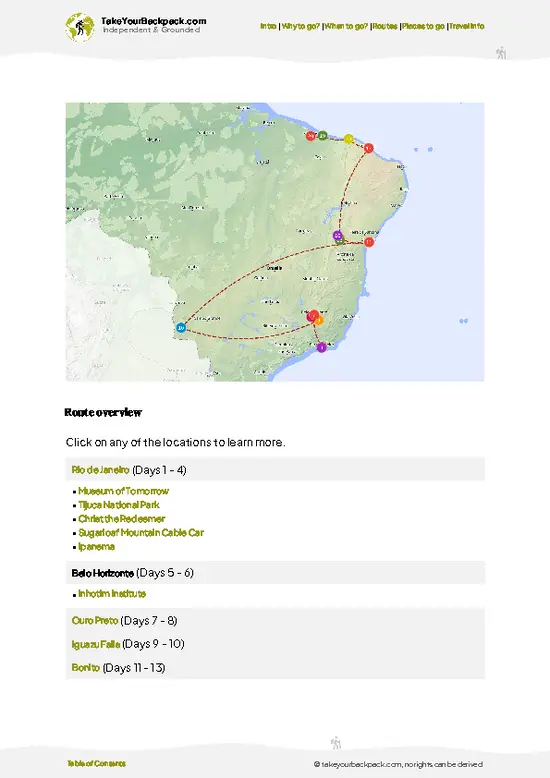
Optimized 14, 21 & 30-day travel routes
Cities, national parks, landmarks, beaches
How to get around
Offline-friendly for travel without Wi-Fi
👉 Click to see all 30+ guide features

📅 Plan smarter in minutes, not weeks
Month by month travel advice
Festivals & national holidays
Budget expectations

🗺️ Go to the right places, skip the overrated ones
Honest pros & cons of destinations
Top hikes, parks & viewpoints
Lesser-known places most travelers miss
Clear “worth it vs skip it” guidance

🛏️ Travel smoothly without rookie mistakes
Best areas to stay
Transport systems explained simply
Common scams & safety advice
SIM cards, money & practical tips

🌍 Understand the country, not just visit it
Culture & traditions
52 Essential phrases & customs
Festivals worth planning around
Traveler-friendly historical context
Insights that make places more meaningful

📱 Built for real travel conditions
Fully downloadable PDF
Works completely offline
Optimized for phone use
Useful in remote areas & buses
Everything in one place
Save weeks of stressful planning
Get instant access to your full guide. 30‑day money-back guarantee.


By proceeding you agree to our terms.
Sent to your inbox immediately after payment • 100% Secure Checkout
Best Backpacking Travel Advisor 2025 tourism awardBest Backpacking
Travel Advisor
2025
What others say about Take Your Backpack Guides:
⭐⭐⭐⭐⭐
Fantastic, amazing amount of information!
⭐⭐⭐⭐⭐
My goodness this is amazing, it's what I've been looking for hats off too you!
⭐⭐⭐⭐⭐
I think this is absolutely BRILLIANT
⭐⭐⭐⭐
Very complete and informative. It's still missing places, but I gotta to commend you
⭐⭐⭐⭐⭐
This is truly amazing, thank you, can't wait to explore it with my kids!
⭐⭐⭐⭐⭐
Awesome resource, thank you!
⭐⭐⭐⭐⭐
This is amazing! Can't wait to explore the ones I haven't seen
⭐⭐⭐⭐
I love this! Well done, great idea.
⭐⭐⭐⭐⭐
Thanks for taking the time to make this gem!
⭐⭐⭐⭐⭐
This might be the best website I've ever seen.
⭐⭐⭐⭐⭐
Congratulations, and thank you so much for your work; it's incredibly valuable.
⭐⭐⭐⭐
In all seriousness I think you did a great job pointing out the important spots
⭐⭐⭐⭐⭐
10/10 very good
⭐⭐⭐⭐⭐
As someone who's only just starting to visit regularly this is awesome, thank you.
⭐⭐⭐⭐
Thank you very much! I'm going to visit my dad, it's going to be very useful!
⭐⭐⭐⭐⭐
This is really cool! We'll be travelling for the first time and this definitely come in handy.
⭐⭐⭐⭐⭐
You are now our minister of culture, congratulations 👨‍💼
⭐⭐⭐⭐⭐
Just wanted to tell you that this is a pearl! Going to follow your recommendations.
⭐⭐⭐⭐⭐
This is so cool. I'll definitely be using the resource for my travels soon.
⭐⭐⭐⭐⭐
This is very impressive! Good work.
⭐⭐⭐⭐⭐
This is an amazing and informative site. Very well done!

🛏️ Where to stay?Best areas and accommodation options

Manaus is a sprawling city where your choice of neighborhood shapes your entire experience, especially if you’re backpacking on a budget. The clear winner for safety, social buzz, and budget options is the Centro district. It’s the city’s beating heart, where you’ll find a cluster of hostels catering to solo travelers and groups alike. The vibe here is a mix of local hustle and tourist energy, with street markets, cafés, and easy access to the port for Amazon tours. It’s not polished, but that’s part of the charm—real Manaus life unfolds on these streets.

Compare that to the more residential … read more 👉
Manaus is a sprawling city where your choice of neighborhood shapes your entire experience, especially if you’re backpacking on a budget. The clear winner for safety, social buzz, and budget options is the Centro district. It’s the city’s beating heart, where you’ll find a cluster of hostels catering to solo travelers and groups alike. The vibe here is a mix of local hustle and tourist energy, with street markets, cafés, and easy access to the port for Amazon tours. It’s not polished, but that’s part of the charm—real Manaus life unfolds on these streets.

Compare that to the more residential Adrianópolis or Vieiralves neighborhoods, which are quieter and safer but lack the social scene and budget accommodations that backpackers crave. Staying there means more comfort but less interaction and higher costs for transport and dining. Centro nails the balance: you’re close to the action, can walk to essentials, and meet fellow travelers without sacrificing your wallet or safety too much. If you want to maximize your time and social capital, Centro is your strategic base camp in Manaus.

🚌 Getting aroundHow to get around Manaus

Manaus moves at a rhythm that’s part jungle pulse, part urban hustle. It’s not a city where you’ll find strict timetables etched in stone; instead, it’s a dance of improvisation and local know-how. The flow here is shaped by the Amazon’s vast waterways and the city’s patchwork of neighborhoods, where time bends to the tide of boats and the sporadic beep of buses. You’ll quickly learn that patience and flexibility are your best allies, and that every choice in transit is a trade-off between speed, cost, and comfort—a puzzle you get to solve with each step or ride.


  • Walking: Manaus’ compact center invites exploration on foot. It’s free, flexible, and the best way to soak in the street life and markets. However, the tropical heat and humidity can sap your energy quickly, so plan your walking
read more 👉
Manaus moves at a rhythm that’s part jungle pulse, part urban hustle. It’s not a city where you’ll find strict timetables etched in stone; instead, it’s a dance of improvisation and local know-how. The flow here is shaped by the Amazon’s vast waterways and the city’s patchwork of neighborhoods, where time bends to the tide of boats and the sporadic beep of buses. You’ll quickly learn that patience and flexibility are your best allies, and that every choice in transit is a trade-off between speed, cost, and comfort—a puzzle you get to solve with each step or ride.


  • Walking: Manaus’ compact center invites exploration on foot. It’s free, flexible, and the best way to soak in the street life and markets. However, the tropical heat and humidity can sap your energy quickly, so plan your walking tours for early morning or late afternoon to avoid the midday scorch.


  • Local Buses: The backbone of budget transit, buses run roughly from 5:30 AM to 10 PM. Fares hover around R$3 (about $0.60), making them the cheapest way to cover longer distances. They’re slow and often crowded, with no fixed schedules—buses leave when full, so timing is unpredictable. Comfort is minimal, but you get a genuine slice of daily Manaus life.


  • Fretado Vans: These shared minibuses fill the gap between buses and taxis. They’re faster and slightly more comfortable, with fares around R$5-7. They operate on popular routes but don’t run late, usually stopping by 8 or 9 PM. They require some local insight to catch, as stops aren’t always clearly marked.


  • Water Taxis and Ferries: Given Manaus’ riverine geography, boats are essential. Water taxis zip across the Rio Negro and Amazon, costing about R$10-15 per trip. They’re faster than road transport for certain routes and offer a cooler, breezier ride. Ferries to nearby islands or across the river run on a schedule but can be delayed by weather or river traffic.


  • Motorcycle Taxis (Mototáxi): When time is tight and you’re willing to pay a bit more (R$10-20), mototáxis are the quickest way through traffic jams and narrow streets. They’re not the most comfortable or safest option, but they get you there fast—perfect for short hops or late-night returns when other options dwindle.

👛 Costs (as of 31 May 2026)What things cost and how to budget

Manaus, Brazil, offers a fascinating blend of urban life and jungle gateway vibes, and your daily budget here reflects that mix of adventure and practicality.
  • Dorm Accommodation (High Season): Expect to pay around $10-$15 per night in a basic dorm bed. High season, typically July and December, pushes prices up due to tourist influx, especially those heading to the Amazon.
  • Dorm Accommodation (Off-Season): In quieter months, dorm beds drop to about $7-$10. The city is less crowded, so you can negotiate or find last-minute deals easily.
  • Meals: Street food and local eateries serve filling meals for $3-$6. If you stick to regional staples like tapioca or fish dishes, you’ll eat well without breaking the bank. Mid-range restaurants push that to $8-$15.
  • Local Transport: Manaus buses are cheap
read more 👉
Manaus, Brazil, offers a fascinating blend of urban life and jungle gateway vibes, and your daily budget here reflects that mix of adventure and practicality.
  • Dorm Accommodation (High Season): Expect to pay around $10-$15 per night in a basic dorm bed. High season, typically July and December, pushes prices up due to tourist influx, especially those heading to the Amazon.
  • Dorm Accommodation (Off-Season): In quieter months, dorm beds drop to about $7-$10. The city is less crowded, so you can negotiate or find last-minute deals easily.
  • Meals: Street food and local eateries serve filling meals for $3-$6. If you stick to regional staples like tapioca or fish dishes, you’ll eat well without breaking the bank. Mid-range restaurants push that to $8-$15.
  • Local Transport: Manaus buses are cheap and frequent, with fares around $0.50 per ride. Taxis start at about $1.50, but always agree on a price before hopping in.
  • City Transport Pass: For heavy users, a monthly bus pass costs roughly $20-$25, which can be a smart move if you’re staying long and moving around a lot.
  • Basic Activities/Entry Fees: Museums and local attractions typically charge $2-$5. Guided tours into the jungle or river excursions start higher, but basic city exploration stays affordable.
  • Miscellaneous Expenses: Budget $2-$5 for water, snacks, or small incidentals. Manaus is humid, so hydration is non-negotiable.

All told, you’re looking at a daily spend of roughly $15-$30 if you keep things lean but comfortable. The real trade-off here is between splurging on jungle tours or sticking to city exploration and street eats. Manaus rewards those who balance time and money wisely—spend a bit more on a guided Amazon trip, and you’ll carry memories worth every cent.
⚠️ Prices can change and everyone travels differently, so take this as a rough guide. Hope it helps you plan your adventure!

🚌 Day tripsBest day trips from Manaus

Manaus serves as an ideal launchpad for exploring the Amazon, offering a mix of adventure and cultural immersion. Here are some day trips that pack a punch without draining your wallet or time.

Meeting of the Waters
This natural phenomenon where the dark waters of the Rio Negro meet the sandy Amazon River is a must-see. A boat tour takes about 2 hours, and you’ll be mesmerized by the stark contrast of the waters. Expect to pay around R$50 for a group tour. Best visited in the dry season (June to November) when the rivers are at their most distinct. A common mistake? Skipping the guided tour; local guides provide rich context that enhances the experience.


Anavilhanas National Park
Just a short boat ride from Manaus, Anavilhanas is one of the largest river archipelagos in the world. … read more 👉
Manaus serves as an ideal launchpad for exploring the Amazon, offering a mix of adventure and cultural immersion. Here are some day trips that pack a punch without draining your wallet or time.

Meeting of the Waters
This natural phenomenon where the dark waters of the Rio Negro meet the sandy Amazon River is a must-see. A boat tour takes about 2 hours, and you’ll be mesmerized by the stark contrast of the waters. Expect to pay around R$50 for a group tour. Best visited in the dry season (June to November) when the rivers are at their most distinct. A common mistake? Skipping the guided tour; local guides provide rich context that enhances the experience.


Anavilhanas National Park
Just a short boat ride from Manaus, Anavilhanas is one of the largest river archipelagos in the world. Spend the day kayaking through the lush waterways or hiking the trails. The trip takes about 1.5 hours, and costs around R$100 for a day trip, including equipment rental. The dry season is ideal for exploring, as the water levels drop, revealing more trails. Many first-timers underestimate the park’s size; plan your route in advance to avoid getting lost in paradise.
👉 Explore Anavilhanas National Park

Presidente Figueiredo
Known for its stunning waterfalls and caves, this small town is about 2 hours from Manaus. You can swim in refreshing natural pools and hike to hidden waterfalls. Budget around R$60 for transportation and entrance fees. The rainy season (December to May) can make some trails slippery, so go prepared. A common pitfall is not bringing enough water; the heat can be intense, especially after a hike.


Ponta Negra Beach
For a more laid-back day, head to Ponta Negra, a popular urban beach along the Rio Negro. It’s about a 30-minute drive from the city center. You can enjoy local food stalls and relax by the water for around R$30. The best time to visit is during sunset when the sky lights up. First-timers often forget sunscreen; the sun can be relentless, even in the late afternoon.
Want to know what more Brazil offers?
The Brazil Travel Guide describes 152 highlights, from cities to national parks, from beaches to hikes

Get the Travel Guide -

🍲 FoodWhat to Eat & Drink

In Manaus, the heart of the Amazon, food and drink are a vibrant tapestry of flavors and traditions. You can’t visit without trying tacacá, a savory soup made from the tapioca root, served steaming hot in a bowl. The jambu leaves add a unique, tingling sensation that’s unforgettable. Pair it with a cold cerveja (beer) or a refreshing caipirinha, Brazil’s iconic cocktail, made with cachaça, lime, and sugar.

Backpackers often flock to local markets where the air is thick with the scent of grilled fish and spices. Street vendors serve up pastéis, crispy pastries filled with everything from cheese to shrimp. These bites are perfect for a quick snack as you explore.

Dining here is a communal affair. Expect to share tables and stories with locals. Don’t rush; savor the experience. Embrace the … read more 👉
In Manaus, the heart of the Amazon, food and drink are a vibrant tapestry of flavors and traditions. You can’t visit without trying tacacá, a savory soup made from the tapioca root, served steaming hot in a bowl. The jambu leaves add a unique, tingling sensation that’s unforgettable. Pair it with a cold cerveja (beer) or a refreshing caipirinha, Brazil’s iconic cocktail, made with cachaça, lime, and sugar.

Backpackers often flock to local markets where the air is thick with the scent of grilled fish and spices. Street vendors serve up pastéis, crispy pastries filled with everything from cheese to shrimp. These bites are perfect for a quick snack as you explore.

Dining here is a communal affair. Expect to share tables and stories with locals. Don’t rush; savor the experience. Embrace the laid-back vibe, and remember, it’s all about enjoying the moment and the company around you.

🛡️ SafetySafety Tips and Common Scams in Manaus

Manaus is generally safe, but like any bustling city, it has its quirks. Stay aware in crowded markets like the Municipal Market; pickpockets can be sneaky. If you’re solo, avoid wandering too far from the main streets after dark. Stick to well-lit areas and keep your belongings close.

Common scams include overly friendly locals offering unsolicited help, which can lead to inflated prices or unwanted detours. If someone approaches you with a deal that seems too good to be true, trust your instincts and walk away.

Embrace the vibrant street life, but carry yourself confidently. A relaxed demeanor can deter unwanted attention. Enjoy the rhythm of the city while staying sharp.

Other Brazilian cities near Manaus

Explore more nearby:

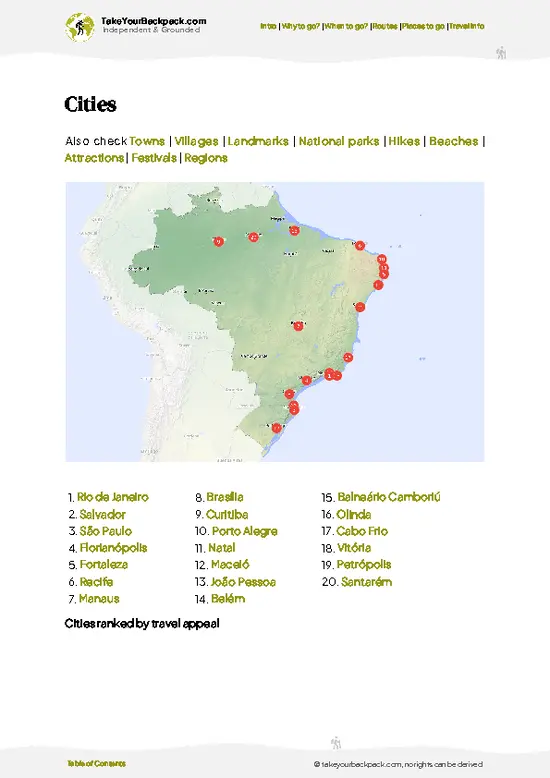
  • Santarém—river confluence, Amazon villages, sandbar beaches| 594 km away
  • Belém—riverfront markets, Amazon cuisine, colonial squares| 1293 km away
  • São Luís—azulejo facades, reggae bars, historic center| 1747 km away

💡 Not sure where to go next?
Create a personalized itinerary for Brazil including Manaus and the places that fit your trip.

Generate my itinerary

👉 Discover all cities

Or checkout all Brazil has to offer (think cities, towns, villages, national parks, hikes, beaches, festivals)
Country photo of Brazil

We 💚 feedbackFinal thoughts on visiting Manaus

Manaus is a gateway to the Amazon, where the pulse of the rainforest meets urban life. You’ll find vibrant markets and the stunning Teatro Amazonas, a cultural jewel. But be ready for the heat and humidity; it can be relentless. Embrace the sweat, and you’ll discover a city alive with stories and adventure waiting just outside your door.

✈️ When did I visit Brazil?
Call it good timing or luck, but I was able to celebrate Carnaval in Rio de Janeiro in February 2022, after a round trip in the north and east coast.

✍️ Help improve this page!
The information on this page is based on my own backpacking experience in Brazil, supplemented with up-to-date research and feedback from other travelers. Travel details can change, so if you notice anything outdated or incomplete, feel free to let me know.


🙋‍♂️ Give feedback

👋 Meet the founderWho’s Behind Take Your Backpack?

Johan, backpacker and founder of TakeYourBackpackHi, I’m Johan (Netherlands 🇳🇱), the creator of TakeYourBackpack. Over the past decade, I’ve backpacked through 80+ countries across six continents, gaining extensive experience with independent travel, long-term trips, and overland routes.

This site is built on a combination of firsthand travel experience and carefully curated insights from other backpackers. Many guides are based on places I’ve personally visited, while others bring together tips, observations, and practical advice shared by trusted travelers I’ve met along the way.

The goal is to provide realistic, experience-driven guidance — not generic itineraries — so you can explore destinations with better context, clearer expectations, and more confidence.

Get full Brazil guide •
Instant download • 152 highlights • Full Offline guide