×
Pantanal Matogrossense National Park

Brazil🇧🇷 | national parksPantanal Matogrossense National ParkFlooded wetlands, capybara herds, bird colonies | things to do and best time to go

Explore Lençóis Maranhenses National ParkExplore Parque Ecológico do Janauari

Backpacking in Pantanal Matogrossense
UNESCO World Heritage site
🏆 Top picknational park ranked #5
By Johan Kruseman 🇳🇱 | Updated May 8, 2026

A lot of people think Pantanal Matogrossense National Park is just “Amazon-lite” with easy trails and cheap jaguar sightings. It isn’t. This is a remote wetland park in the far southwest of Mato Grosso, on the border with Bolivia and Paraguay, and it runs on rivers, boats, and private fazendas more than on classic backpacker infrastructure. The scenery is wide-open floodplain, gallery forest, and endless sky; the wildlife density can be outrageous, but you pay in logistics and patience. Hiking is limited and often seasonal because half your “trail” turns into swamp, so most movement is by boat or 4x4. Access is harder and pricier than places like Chapada dos Guimarães or Chapada Diamantina, with higher tour costs, controlled camping, and few true budget beds. Crowds are light, the vibe is working-wetland rather than postcard-park, and that’s exactly its strength.

Discover everything you want to know in the 📖 Brazil Travel Guide.


Get your Brazil guide
152 ranked highlights, routes & tips, works offline (515 pages)
Loading the map 🌍
CLICK TO FILTER
cities
towns
villages
landmarks
national parks
hikes
beaches
attractions
festivals
regions
SHOW COUNTRY’S BESTSHOW ALL

✨ Why go?
Ranked #5 national park in Brazil
What makes this national park worth exploring

Backpackers flock to Pantanal Matogrossense National Park for its unique blend of independent exploration and affordable accommodations. The park offers a vast network of trails, perfect for those who want to wander at their own pace. You can set up camp or find budget-friendly hostels nearby, allowing you to stretch your funds while soaking in the stunning biodiversity.

The trail variety is impressive, catering to both casual walkers and seasoned trekkers. You can choose from short hikes to multi-day treks, all while spotting wildlife that thrives in this wetland ecosystem. The park is particularly suited for self-guided travelers; the well-marked paths and maps make it easy to navigate without the need for expensive tours.

However, be mindful of the seasonal weather—the rainy season can … read more 👉
Backpackers flock to Pantanal Matogrossense National Park for its unique blend of independent exploration and affordable accommodations. The park offers a vast network of trails, perfect for those who want to wander at their own pace. You can set up camp or find budget-friendly hostels nearby, allowing you to stretch your funds while soaking in the stunning biodiversity.

The trail variety is impressive, catering to both casual walkers and seasoned trekkers. You can choose from short hikes to multi-day treks, all while spotting wildlife that thrives in this wetland ecosystem. The park is particularly suited for self-guided travelers; the well-marked paths and maps make it easy to navigate without the need for expensive tours.

However, be mindful of the seasonal weather—the rainy season can make trails muddy and challenging. Planning your visit during the dry months can save you from unexpected hurdles. This way, you preserve your energy and budget for the moments that truly matter, like watching a sunset over the wetlands.
Want to include Pantanal Matogrossense National Park in your Brazil route?
Create a personalized Brazil itinerary that includes Pantanal Matogrossense National Park and the places that fit your trip — based on your travel style, budget, and available time. Get your route in seconds.

Generate my trip

💡 HighlightsPlaces and moments you shouldn't skip

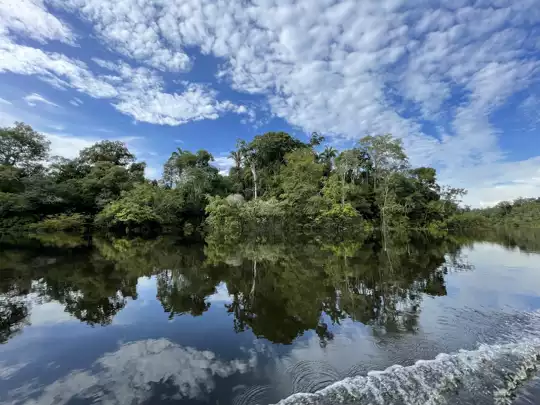
  • Seasonal floodplains and oxbow lakes — The core of the park is a giant, slow-moving wetland that completely changes with the seasons: in the wet season it’s vast, reflective water with floating vegetation; in the dry season it breaks into lagoons and islands that concentrate wildlife. The constantly shifting scenery is what makes the Pantanal feel alive and different every visit.
  • Birdlife hotspots — Trees and river edges teem with storks, herons, kingfishers, toucans and the iconic jabiru; hyacinth macaws and other parrots show up too. Birding here is easy and rewarding — mornings and late afternoon are especially good for watching nesting colonies and flocks.
  • Jaguar and big-mammal watching (personal favorite) — Jaguars, giant otters, capybaras and marsh deer use river margins and islands,
read more 👉
  • Seasonal floodplains and oxbow lakes — The core of the park is a giant, slow-moving wetland that completely changes with the seasons: in the wet season it’s vast, reflective water with floating vegetation; in the dry season it breaks into lagoons and islands that concentrate wildlife. The constantly shifting scenery is what makes the Pantanal feel alive and different every visit.
  • Birdlife hotspots — Trees and river edges teem with storks, herons, kingfishers, toucans and the iconic jabiru; hyacinth macaws and other parrots show up too. Birding here is easy and rewarding — mornings and late afternoon are especially good for watching nesting colonies and flocks.
  • Jaguar and big-mammal watching (personal favorite) — Jaguars, giant otters, capybaras and marsh deer use river margins and islands, especially in the dry season when animals bunch up around remaining water. Seeing a jaguar in the wild is rare but unforgettable — that tense, silent moment along a riverbank is why I keep coming back.
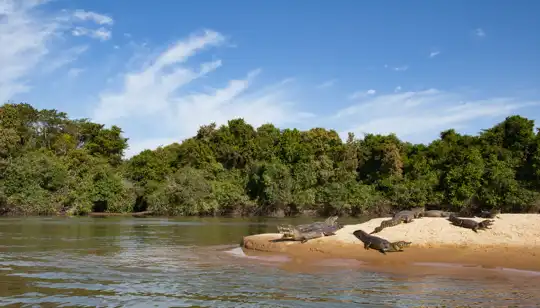
  • Boat safaris on rivers and lagoons — The best way to get close to caimans, otters, turtles and shorebirds without scaring them off. Early-morning and sunset cruises are prime: low light, quiet water and lots of animal activity along the banks.
  • Night safaris for caimans and nocturnal life — A headlamp on the river reveals hundreds of caiman eyes glowing like little lanterns, plus nightjars, owls and other nocturnal critters. It’s one of the slickest wildlife experiences here — spooky, safe, and surprisingly educational.
  • Gallery-forest and cerrado trails — Short hikes through strips of gallery forest and patches of cerrado show a different side of the Pantanal: shaded trails, monkeys, colourful insects and plants you won’t see from the boat. Trails can be muddy or flooded depending on season, so pack decent footwear.
  • Sunsets and wildlife silhouette photo ops — Wide-open floodplains make for spectacular sunsets where herons, jabirus and capybaras line up like props on a stage. Even if you’re not a photographer, those long golden hours are when the place feels most cinematic.
Spotted a mistake or missing something? Contact us.

🌤️ When to go?Choosing the right time of year


  • Topic: Weather – The dry season from May to September is your best bet. Expect less rain, making trails and wildlife spotting easier. The wet season (October to April) floods much of the park, limiting access and increasing mosquito activity.

  • Topic: Temperature – During the dry months, daytime highs hover around 28-32°C (82-90°F), cooling to 15-20°C (59-68°F) at night. The wet season is warmer and more humid, often pushing above 35°C (95°F), which can drain your energy fast.

  • Topic: Daylight Hours – Daylight is fairly consistent year-round, roughly 11 to 12 hours daily. Early mornings and late afternoons are prime for wildlife activity, so plan your hikes accordingly.

  • Topic: Crowds – The dry season draws more visitors, but the park is vast enough to avoid feeling crowded. The wet season
read more 👉

  • Topic: Weather – The dry season from May to September is your best bet. Expect less rain, making trails and wildlife spotting easier. The wet season (October to April) floods much of the park, limiting access and increasing mosquito activity.

  • Topic: Temperature – During the dry months, daytime highs hover around 28-32°C (82-90°F), cooling to 15-20°C (59-68°F) at night. The wet season is warmer and more humid, often pushing above 35°C (95°F), which can drain your energy fast.

  • Topic: Daylight Hours – Daylight is fairly consistent year-round, roughly 11 to 12 hours daily. Early mornings and late afternoons are prime for wildlife activity, so plan your hikes accordingly.

  • Topic: Crowds – The dry season draws more visitors, but the park is vast enough to avoid feeling crowded. The wet season sees fewer tourists, but many lodges close or reduce services.

  • Topic: Seasonal Activities – Dry months are perfect for trekking, horseback riding, and boat tours. The wet season is better for birdwatching, as migratory species arrive, but access is tricky.

  • Topic: Price Fluctuations – Expect higher prices and limited availability during the dry season peak. The wet season offers discounts but at the cost of reduced accessibility and comfort.


Pro-tip: Aim for the shoulder months of May or September to balance good weather, fewer crowds, and better prices—your energy and wallet will thank you.


source: climatestotravel.comJANJanuary: fair for travelingFEBFebruary: fair for travelingMARMarch: fair for travelingAPRApril: fair for travelingMAYMay: highly recommended for travelingJUNJune: excellent for travelingJULJuly: excellent for travelingAUGAugust: excellent for travelingSEPSeptember: highly recommended for travelingOCTOctober: fair for travelingNOVNovember: fair for travelingDECDecember: fair for traveling
Brazil - Pantanal Matogrossense National Park

✈️ The backpacker research shortcutBrazil Travel Guide

An offline-friendly backpacking guide with optimized travel routes, ranked highlights, transport advice, and the best areas to stay.
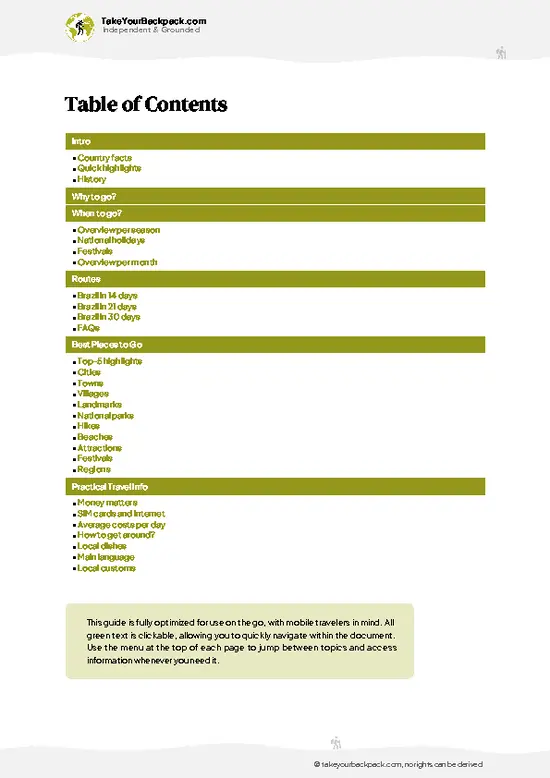
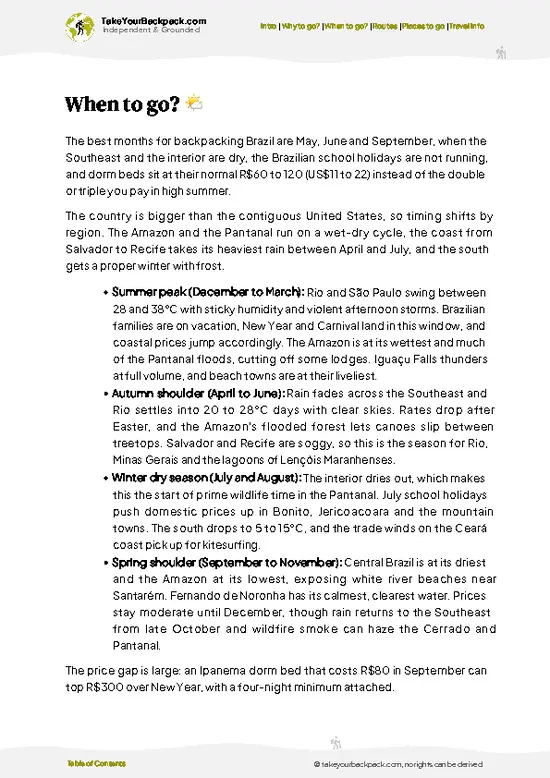
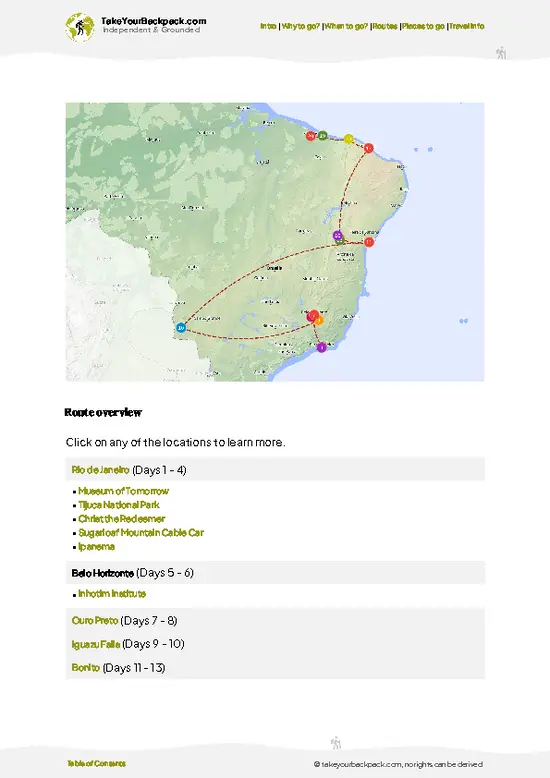
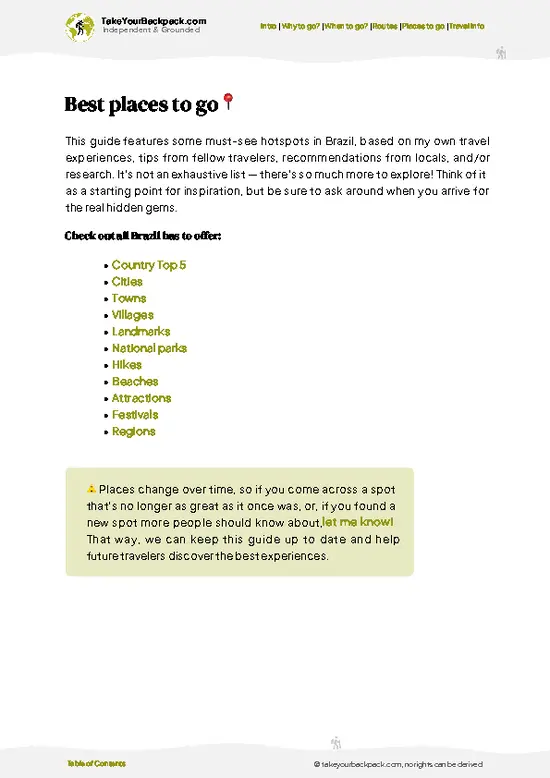
example page 0 from our offline Travel Guide for Brazilexample page 1 from our offline Travel Guide for Brazilexample page 2 from our offline Travel Guide for Brazilexample page 3 from our offline Travel Guide for Brazilexample page 4 from our offline Travel Guide for Brazilexample page 5 from our offline Travel Guide for Brazilexample page 6 from our offline Travel Guide for Brazilexample page 7 from our offline Travel Guide for Brazil
The digital guide (515 pages) contains:
152 highlights, ranked by travel appeal
Optimized 14, 21 & 30-day travel routes
Cities, national parks, landmarks, beaches
How to get around
Offline-friendly for travel without Wi-Fi
👉 Click to see all 30+ guide features

📅 Plan smarter in minutes, not weeks
Month by month travel advice
Festivals & national holidays
Budget expectations

🗺️ Go to the right places, skip the overrated ones
Honest pros & cons of destinations
Top hikes, parks & viewpoints
Lesser-known places most travelers miss
Clear “worth it vs skip it” guidance

🛏️ Travel smoothly without rookie mistakes
Best areas to stay
Transport systems explained simply
Common scams & safety advice
SIM cards, money & practical tips

🌍 Understand the country, not just visit it
Culture & traditions
52 Essential phrases & customs
Festivals worth planning around
Traveler-friendly historical context
Insights that make places more meaningful

📱 Built for real travel conditions
Fully downloadable PDF
Works completely offline
Optimized for phone use
Useful in remote areas & buses
Everything in one place
Save weeks of stressful planning
Get instant access to your full guide. 30‑day money-back guarantee.


By proceeding you agree to our terms.
Sent to your inbox immediately after payment • 100% Secure Checkout
Best Backpacking Travel Advisor 2025 tourism awardBest Backpacking
Travel Advisor
2025
What others say about Take Your Backpack Guides:
⭐⭐⭐⭐⭐
Fantastic, amazing amount of information!
⭐⭐⭐⭐⭐
My goodness this is amazing, it's what I've been looking for hats off too you!
⭐⭐⭐⭐⭐
I think this is absolutely BRILLIANT
⭐⭐⭐⭐
Very complete and informative. It's still missing places, but I gotta to commend you
⭐⭐⭐⭐⭐
This is truly amazing, thank you, can't wait to explore it with my kids!
⭐⭐⭐⭐⭐
Awesome resource, thank you!
⭐⭐⭐⭐⭐
This is amazing! Can't wait to explore the ones I haven't seen
⭐⭐⭐⭐
I love this! Well done, great idea.
⭐⭐⭐⭐⭐
Thanks for taking the time to make this gem!
⭐⭐⭐⭐⭐
This might be the best website I've ever seen.
⭐⭐⭐⭐⭐
Congratulations, and thank you so much for your work; it's incredibly valuable.
⭐⭐⭐⭐
In all seriousness I think you did a great job pointing out the important spots
⭐⭐⭐⭐⭐
10/10 very good
⭐⭐⭐⭐⭐
As someone who's only just starting to visit regularly this is awesome, thank you.
⭐⭐⭐⭐
Thank you very much! I'm going to visit my dad, it's going to be very useful!
⭐⭐⭐⭐⭐
This is really cool! We'll be travelling for the first time and this definitely come in handy.
⭐⭐⭐⭐⭐
You are now our minister of culture, congratulations 👨‍💼
⭐⭐⭐⭐⭐
Just wanted to tell you that this is a pearl! Going to follow your recommendations.
⭐⭐⭐⭐⭐
This is so cool. I'll definitely be using the resource for my travels soon.
⭐⭐⭐⭐⭐
This is very impressive! Good work.
⭐⭐⭐⭐⭐
This is an amazing and informative site. Very well done!

🛏️ Where to stay?Best areas to stay in Brazil

Pantanal Matogrossense National Park is a vast wetland, and while it’s a paradise for wildlife enthusiasts, accommodation options can be tricky. There are no formal lodges directly inside the park, but several nearby towns offer solid bases for exploration.

Start with Poconé, the gateway town. It’s about 30 kilometers from the park entrance and has a range of budget-friendly hostels and guesthouses. Look for places like Pousada Pantanal; it’s simple but offers a genuine local vibe.

Another option is Barão de Melgaço, closer to the northern part of the park. Here, you can find eco-lodges that … read more 👉
Pantanal Matogrossense National Park is a vast wetland, and while it’s a paradise for wildlife enthusiasts, accommodation options can be tricky. There are no formal lodges directly inside the park, but several nearby towns offer solid bases for exploration.

Start with Poconé, the gateway town. It’s about 30 kilometers from the park entrance and has a range of budget-friendly hostels and guesthouses. Look for places like Pousada Pantanal; it’s simple but offers a genuine local vibe.

Another option is Barão de Melgaço, closer to the northern part of the park. Here, you can find eco-lodges that provide guided tours into the park. Pousada do Rio Claro is a good pick, balancing comfort with affordability.

Consider the timing of your visit. The wet season (November to March) can make some roads impassable, affecting access to accommodations and park entry. Always confirm availability ahead of time, especially during peak seasons.

Budget for guided tours; they’re essential for spotting wildlife and navigating the terrain. This investment will save you time and energy, allowing you to focus on the breathtaking experiences that await.

👛 Costs (as of 1 May 2026)Money, prices, and spending tips

Visiting Pantanal Matogrossense National Park in Brazil can be a rewarding experience, but it’s essential to be aware of the costs involved to avoid surprises.

Entry fees for the park typically range from $5 to $10 USD per person. This fee grants you access to the park’s trails and wildlife viewing areas. However, keep in mind that this is just the starting point.

Accommodation options vary widely. Budget travelers can find basic lodges or campsites starting around $20 to $40 USD per night. Mid-range options, which offer more comfort and amenities, usually fall between $70 and $150 USD. Luxury lodges can easily exceed $200 USD per night, especially during peak seasons.

Transportation is another factor. If you’re not driving, expect to pay around $50 to $100 USD for a round-trip transfer … read more 👉
Visiting Pantanal Matogrossense National Park in Brazil can be a rewarding experience, but it’s essential to be aware of the costs involved to avoid surprises.

Entry fees for the park typically range from $5 to $10 USD per person. This fee grants you access to the park’s trails and wildlife viewing areas. However, keep in mind that this is just the starting point.

Accommodation options vary widely. Budget travelers can find basic lodges or campsites starting around $20 to $40 USD per night. Mid-range options, which offer more comfort and amenities, usually fall between $70 and $150 USD. Luxury lodges can easily exceed $200 USD per night, especially during peak seasons.

Transportation is another factor. If you’re not driving, expect to pay around $50 to $100 USD for a round-trip transfer from nearby towns like Poconé or Cuiabá. Guided tours can add to your costs, ranging from $50 to $200 USD, depending on the length and inclusions.

Food costs can also add up. Meals at local restaurants may range from $5 to $15 USD, while dining at higher-end lodges can push your meal costs to $30 USD or more.

Plan for additional expenses like tips for guides and staff, which can be around 10-15% of your total costs.

Being aware of these price ranges will help you budget effectively and preserve your energy and funds for the experiences that truly matter in this unique ecosystem.
⚠️ Prices can change and everyone travels differently, so take this as a rough guide. Hope it helps you plan your adventure!

🥾 TrailsScenic routes and wildlife spotting in Pantanal Matogrossense

The Pantanal Matogrossense National Park is a gem for those who love nature and wildlife. While it’s not your typical hiking paradise with well-marked trails, it offers some fantastic opportunities to explore its vast wetlands and diverse ecosystems. The terrain varies from open grasslands to dense forests, making each step a new adventure. You might find yourself trudging through muddy patches or navigating around lagoons, so sturdy footwear is a must.

Wildlife is the real star here. Keep your eyes peeled for capybaras lounging by the water, caimans sunbathing, and a dazzling array of birds, … read more 👉
The Pantanal Matogrossense National Park is a gem for those who love nature and wildlife. While it’s not your typical hiking paradise with well-marked trails, it offers some fantastic opportunities to explore its vast wetlands and diverse ecosystems. The terrain varies from open grasslands to dense forests, making each step a new adventure. You might find yourself trudging through muddy patches or navigating around lagoons, so sturdy footwear is a must.

Wildlife is the real star here. Keep your eyes peeled for capybaras lounging by the water, caimans sunbathing, and a dazzling array of birds, including the iconic jabiru stork. The park’s flat landscape makes it accessible, but some areas can get slippery, especially during the rainy season.

If you’re keen on a specific trail, check out the Trilha do Rio Claro. Here are some details:
  • Length: 8 km
  • Estimated Duration: 3-4 hours
  • Difficulty Level: Moderate
  • Key Features: Stunning river views, birdwatching opportunities, and chances to spot wildlife like monkeys and anacondas.
  • Terrain: Mostly flat but can be muddy and uneven in spots.

Getting to the park isn’t too tricky. You can catch a bus from Campo Grande to nearby towns, then hop on a local transport to reach the park entrance. Just be prepared for a bit of a wait, as buses can be infrequent. As for crowds, it’s generally not overrun, especially in the shoulder seasons, but weekends can see more visitors. There’s usually a small entrance fee, so bring some cash. It’s all part of the adventure!
⚠️ Hiking info can sometimes be outdated or inaccurate. Before you hit the trail, check the latest conditions with locals. If you do spot anything that's off, I'd love to hear from you, so I can update it for fellow travelers.

🛡️ SafetyTraveler Safety Guide

Pantanal Matogrossense National Park offers a unique experience, but it’s essential to stay grounded about what you might face. The weather can shift quickly, especially during the rainy season, so pack a reliable rain jacket and quick-dry gear. Trails are generally well-marked, but muddy conditions can make footing tricky. Be prepared for some uneven terrain and occasional river crossings; sturdy, waterproof footwear is a must.

Wildlife encounters are part of the charm here. Keep a respectful distance from animals, especially caimans and capybaras. They’re more curious than aggressive, but it’s best to observe from afar.

Timing is crucial; early mornings or late afternoons are prime for wildlife spotting and cooler temperatures. Lastly, remember to carry enough water and snacks to keep … read more 👉
Pantanal Matogrossense National Park offers a unique experience, but it’s essential to stay grounded about what you might face. The weather can shift quickly, especially during the rainy season, so pack a reliable rain jacket and quick-dry gear. Trails are generally well-marked, but muddy conditions can make footing tricky. Be prepared for some uneven terrain and occasional river crossings; sturdy, waterproof footwear is a must.

Wildlife encounters are part of the charm here. Keep a respectful distance from animals, especially caimans and capybaras. They’re more curious than aggressive, but it’s best to observe from afar.

Timing is crucial; early mornings or late afternoons are prime for wildlife spotting and cooler temperatures. Lastly, remember to carry enough water and snacks to keep your energy up. With the right preparation, you can focus on the beauty around you without unnecessary stress.

Other Brazilian national parks near Pantanal Matogrossense

Explore more nearby:


💡 Not sure where to go next?
Create a personalized itinerary for Brazil including Pantanal Matogrossense and the places that fit your trip.

Generate my itinerary

👉 Discover all national parks

Or checkout all Brazil has to offer (think cities, towns, villages, national parks, hikes, beaches, festivals)
Country photo of Brazil

We 💚 feedbackWhat to keep in mind

Visiting Pantanal Matogrossense National Park is like stepping into a living postcard of wildlife. The sheer variety of birds and animals is breathtaking, making every hike feel like a treasure hunt. But be prepared: the humidity can be relentless, and the mosquitoes are relentless too. Bring your best bug spray and stay hydrated. Embrace the sweat; it’s part of the experience. This place rewards those who come ready for adventure.

✈️ When did I visit Brazil?
Call it good timing or luck, but I was able to celebrate Carnaval in Rio de Janeiro in February 2022, after a round trip in the north and east coast.

✍️ Help improve this page!
The information on this page is based on my own backpacking experience in Brazil, supplemented with up-to-date research and feedback from other travelers. Travel details can change, so if you notice anything outdated or incomplete, feel free to let me know.


🙋‍♂️ Give feedback

👋 Meet the founderWho’s Behind Take Your Backpack?

Johan, backpacker and founder of TakeYourBackpackHi, I’m Johan (Netherlands 🇳🇱), the creator of TakeYourBackpack. Over the past decade, I’ve backpacked through 80+ countries across six continents, gaining extensive experience with independent travel, long-term trips, and overland routes.

This site is built on a combination of firsthand travel experience and carefully curated insights from other backpackers. Many guides are based on places I’ve personally visited, while others bring together tips, observations, and practical advice shared by trusted travelers I’ve met along the way.

The goal is to provide realistic, experience-driven guidance — not generic itineraries — so you can explore destinations with better context, clearer expectations, and more confidence.

Get full Brazil guide •
Instant download • 152 highlights • Full Offline guide