×

Brazil🇧🇷 | best national parksTop-Rated 10 national parks in Brazil

Brazil’s national parks are a treasure trove of biodiversity and adventure, each offering a unique lens into the country’s stunning landscapes and rich wildlife. Defined by their commitment to conservation, these parks range from the lush Amazon rainforest to the dramatic Iguazu Falls, each with distinct regional characteristics that shape your experience.

When selecting a park, consider how the climate and seasonality affect accessibility and wildlife visibility. For instance, visiting Chapada dos Veadeiros during the dry season means easier hiking trails and clearer skies, while the wet season can transform the landscape into a vibrant spectacle, albeit with muddy paths.

The choice of park directly influences your backpacking journey. Some parks, like Pantanal, offer guided tours that can be pricier but provide deeper insights into local ecosystems, while others, such as Serra da Canastra, are more suited for independent travel, allowing you to explore at your own pace.

Budget considerations also vary widely; entrance fees, accommodation options, and transportation can shift dramatically from one region to another. Prioritize parks that align with your travel style to maximize both your cultural immersion and your adventure. Understanding these nuances will help you navigate Brazil’s diverse offerings, ensuring you spend your energy and resources where they truly matter.

By Johan Kruseman 🇳🇱 | Updated June 14, 2026
Explore the best hikes in Brazil

Why go?Key Factors That Shape the Experience

Brazil’s national parks are a landscape lover’s dream, showcasing a stunning variety of ecosystems that are hard to find elsewhere. From the Amazon rainforest to the Pantanal wetlands, the biodiversity here is staggering. This country is home to more than 60,000 species of plants and animals, many of which exist nowhere else on the planet. This rich tapestry of life is not just a backdrop; it’s a living, breathing entity that shapes the experience of every visitor.

However, the infrastructure can be a double-edged sword. While some parks are relatively accessible, others require significant travel time and effort to reach. This can mean long drives on bumpy roads or even multi-day treks just to get to the entrance. The trade-off? The deeper you go, the more immersive your experience becomes. … read more 👉
Brazil’s national parks are a landscape lover’s dream, showcasing a stunning variety of ecosystems that are hard to find elsewhere. From the Amazon rainforest to the Pantanal wetlands, the biodiversity here is staggering. This country is home to more than 60,000 species of plants and animals, many of which exist nowhere else on the planet. This rich tapestry of life is not just a backdrop; it’s a living, breathing entity that shapes the experience of every visitor.

However, the infrastructure can be a double-edged sword. While some parks are relatively accessible, others require significant travel time and effort to reach. This can mean long drives on bumpy roads or even multi-day treks just to get to the entrance. The trade-off? The deeper you go, the more immersive your experience becomes. You might find yourself in places where the sounds of nature drown out the noise of civilization, but that solitude comes at a cost.

Culturally, Brazil’s parks are steeped in history. Many areas are sacred to indigenous communities, and understanding this context can enrich your visit. Yet, this also means that certain areas may have restrictions on access or activities, which can be frustrating for those seeking adventure. The balance between respecting local cultures and pursuing personal exploration is delicate but essential.

Climatically, Brazil presents its own set of challenges. The wet season can turn trails into muddy quagmires, while the dry season can bring sweltering heat. Timing your visit is crucial; a little research can save you from the discomfort of hiking in oppressive conditions.

Moreover, the sheer size of Brazil means that travel time can eat into your exploration. You might find yourself spending hours getting from one park to another, which can dilute the quality of your experience. The key is to prioritize depth over breadth. Instead of trying to see every park, focus on a few that resonate with your interests.

In summary, Brazil’s national parks offer a unique blend of biodiversity, cultural significance, and adventure opportunities. But understanding the trade-offs in accessibility, travel time, and climatic conditions is essential for maximizing your experience. Embrace the challenges, and you’ll be rewarded with some of the most profound natural beauty on Earth.
Why These Made the Cut
The list of best national parks in Brazil is created based on landscapes, wildlife, adventure opportunities, facilities, and overall experience. If you feel a national park is missing in this list, please let us know.

When to go?Seasonal Guide to Visiting

Brazil’s national parks offer a diverse range of experiences, but timing your visit can make or break your adventure. The country’s vast geography means that weather patterns vary significantly. Understanding these patterns is crucial for maximizing wildlife visibility and enjoying optimal trail conditions.

Typical Weather Conditions fluctuate across regions. The Amazon rainforest, for instance, is hot and humid year-round, with heavy rainfall peaking from December to May. This can lead to muddy trails and limited visibility for wildlife. Conversely, the dry season from June to November offers better conditions for spotting animals, but temperatures can soar, especially in the interior regions.

Optimal Months for visiting national parks generally fall between June and September. During these … read more 👉
Brazil’s national parks offer a diverse range of experiences, but timing your visit can make or break your adventure. The country’s vast geography means that weather patterns vary significantly. Understanding these patterns is crucial for maximizing wildlife visibility and enjoying optimal trail conditions.

Typical Weather Conditions fluctuate across regions. The Amazon rainforest, for instance, is hot and humid year-round, with heavy rainfall peaking from December to May. This can lead to muddy trails and limited visibility for wildlife. Conversely, the dry season from June to November offers better conditions for spotting animals, but temperatures can soar, especially in the interior regions.

Optimal Months for visiting national parks generally fall between June and September. During these months, rainfall is at its lowest in many areas, making trails more accessible and wildlife more active. This is particularly true for regions like the Pantanal, where the dry season reveals a vibrant array of animals congregating around dwindling water sources.

Shoulder Seasons present a mixed bag. Visiting in late May or early October can offer a balance between fewer crowds and decent weather. However, expect some rain, which can affect trail conditions. Costs may also be lower during these times, but be prepared for the possibility of less predictable wildlife sightings.

Peak Periods can lead to overcrowded trails and inflated prices. The holiday season and school vacations draw tourists, making popular parks feel congested. If solitude and a more intimate experience with nature are priorities, avoid these peak times.

Seasonal Constraints should not be overlooked. In the wet season, certain trails may become impassable, and some parks may even close temporarily. Additionally, wildlife visibility can drop significantly during heavy rains, as many animals seek shelter.

Planning effectively means weighing these factors. Prioritize your goals: whether it’s spotting wildlife, enjoying scenic views, or avoiding crowds. Each season offers unique advantages and challenges. Understanding these dynamics will help preserve energy and budget for the moments that truly matter in Brazil’s breathtaking national parks.

national park hoppingTips for Visiting Multiple Destinations

Combining Brazil’s national parks requires strategic planning and a keen understanding of the country’s geography. Start by clustering parks regionally. The Amazon, Pantanal, and the southern parks like Iguaçu and Serra da Bocaina each offer unique experiences but are spread out. Prioritize your interests—wildlife, waterfalls, or hiking—and map your route accordingly.

Traveling from the Amazon to the Pantanal is a significant trek. Expect long travel times, often requiring flights or lengthy bus rides. The Amazon is vast, and access to trails can be limited. Allocate at least three to four days here to immerse yourself in the ecosystem. In contrast, the Pantanal can be explored in two to three days, focusing on wildlife spotting and boat tours.

Next, consider the southern parks. Iguaçu National read more 👉
Combining Brazil’s national parks requires strategic planning and a keen understanding of the country’s geography. Start by clustering parks regionally. The Amazon, Pantanal, and the southern parks like Iguaçu and Serra da Bocaina each offer unique experiences but are spread out. Prioritize your interests—wildlife, waterfalls, or hiking—and map your route accordingly.

Traveling from the Amazon to the Pantanal is a significant trek. Expect long travel times, often requiring flights or lengthy bus rides. The Amazon is vast, and access to trails can be limited. Allocate at least three to four days here to immerse yourself in the ecosystem. In contrast, the Pantanal can be explored in two to three days, focusing on wildlife spotting and boat tours.

Next, consider the southern parks. Iguaçu National Park is a must-see, but it can be done in a day if you’re efficient. However, rushing through means missing the chance to savor the trails and viewpoints. A more leisurely pace allows for deeper appreciation and better photo ops. Aim for two days here if possible.

Common planning mistakes include underestimating travel times and overloading itineraries. Brazil’s infrastructure can be a mixed bag. While major cities are well-connected, remote parks may require more effort to reach. Flexibility is key. If a park captivates you, don’t hesitate to extend your stay. Conversely, if a location doesn’t meet expectations, be prepared to pivot.

Trade-offs abound. Speed often sacrifices depth of experience. Rushing through parks can lead to fatigue and missed opportunities. Budget constraints may push travelers toward cheaper accommodations, but comfort can enhance the experience. Prioritize where you splurge—guided tours in the Pantanal can yield incredible wildlife sightings, while budget hostels in urban areas are often sufficient.

Ultimately, the goal is to balance effort and reward. Each park has its own rhythm, and understanding this will enhance your journey. Take the time to research trail access and park facilities. Some parks offer guided hikes, while others may require self-navigation. Knowing what to expect can save energy and ensure you’re ready for the moments that truly matter.

The ListMust-Visit national parks in Brazil

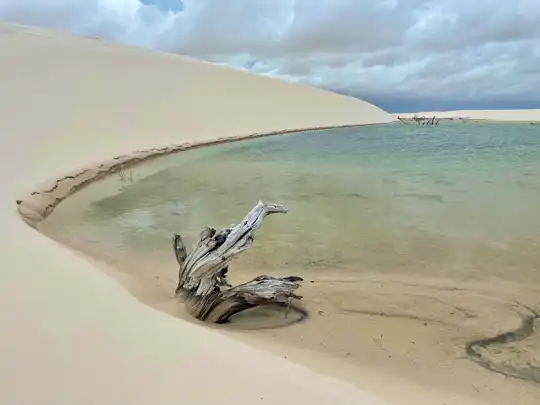
1 Lençóis Maranhenses National Park

Sand dunes, seasonal lagoons, coastal desert

Walk across shifting white dunes and swim in freshwater pools that appear after the rains, surrounded by a stark, surreal landscape.

Brazil - Lençóis Maranhenses National Park

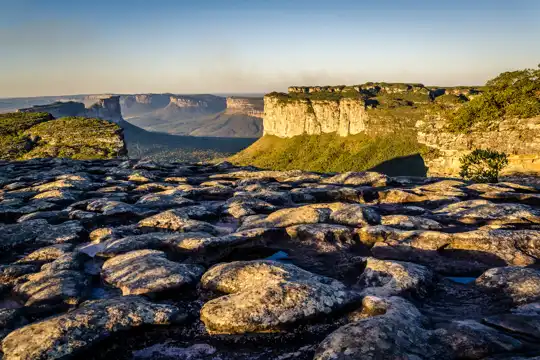
2 Chapada Diamantina National Park

Tabletop mountains, underground rivers, high waterfalls

Trek through rugged plateaus and discover hidden caves, crystal pools, and panoramic views shaped by centuries of erosion.

Brazil - Chapada Diamantina National Park

3 Fernando de Noronha Marine National Park

Volcanic islands, coral reefs, spinner dolphins

Snorkel in clear waters among abundant marine life and explore rugged coastlines shaped by volcanic activity and ocean currents.

4 Chapada dos Veadeiros National Park

Quartzite cliffs, cerrado savanna, rare flora

Follow winding trails past rock formations and swim in clear pools surrounded by unique vegetation and striking geological features.

5 Pantanal Matogrossense National Park

Flooded wetlands, capybara herds, bird colonies

Travel by boat or on foot through seasonally inundated plains teeming with visible wildlife and ever-changing water levels.

Brazil - Pantanal Matogrossense National Park

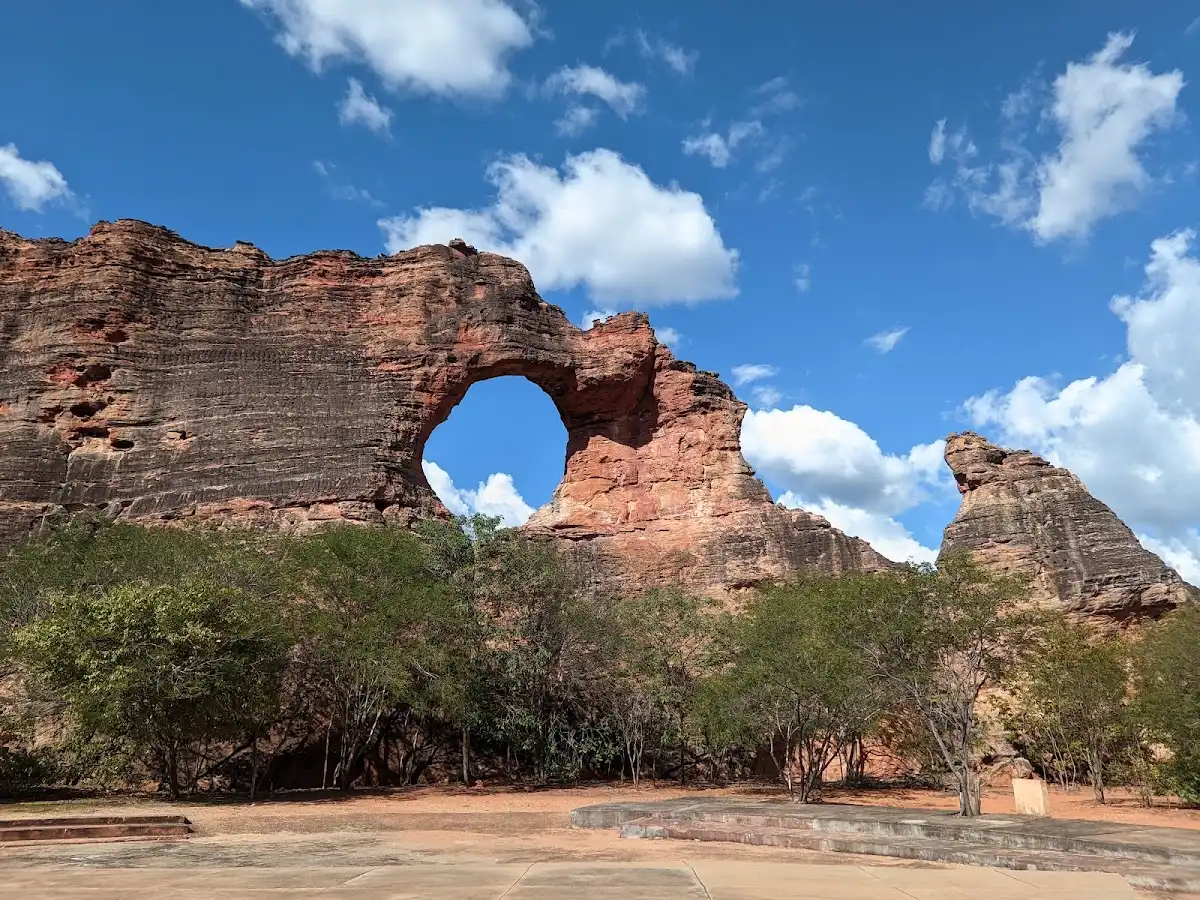
6 Serra da Capivara National Park

Ancient rock shelters, archaeological sites, semi-arid terrain

Walk among prehistoric paintings and sandstone formations in a dry region that preserves traces of early human settlement.

brazil-national-park-serra-da-capivara-national-park
© Google |

7 Tijuca National Park

Urban rainforest, granite outcrops, city overlooks

Escape into dense forest within Rio de Janeiro and climb to viewpoints offering striking contrasts between nature and metropolis.

brazil-national-park-tijuca-national-park
© Google | Davide Perucci

8 Parque Estadual do Jalapão

Golden sand dunes, crystal springs, cerrado wilderness

Traverse remote tracks to discover natural springs, wind-sculpted dunes, and isolated rock formations in a sparsely populated region.

brazil-national-park-parque-estadual-do-jalapao
© Google | Rosilea Ignes Reis

9 Serra dos Órgãos National Park

Vertical peaks, Atlantic rainforest, mountain passes

Tackle challenging ascents and traverse lush valleys, with frequent mist and sweeping views from high ridgelines.

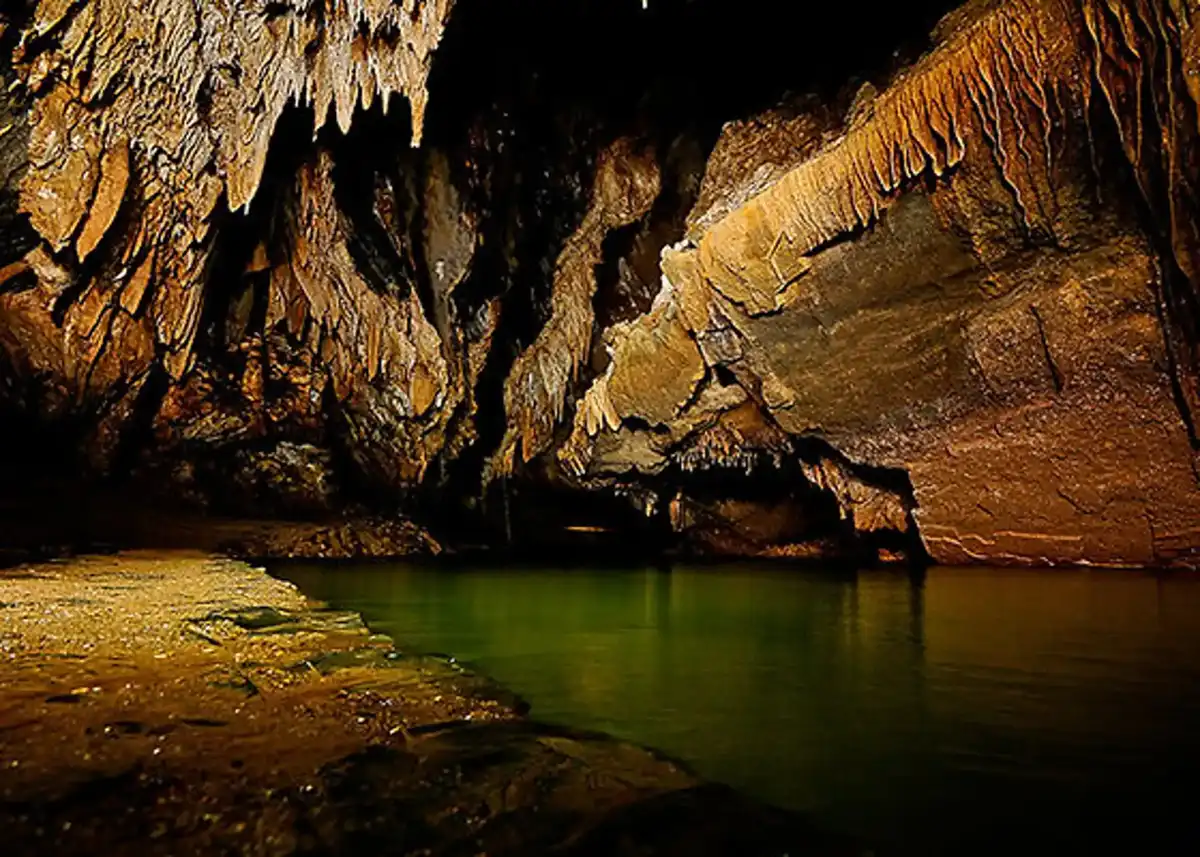
10 Parque Estadual Turístico do Alto Ribeira

Limestone caves, Atlantic rainforest, subterranean rivers

Venture underground to explore extensive cave systems and emerge into dense forest alive with endemic species and waterfalls.

brazil-national-park-parque-estadual-turistico-do-alto-ribeira
© Google | Ralph Schmidt

11 Serra do Cipó

Waterfall trails, quartzite mountains, endemic plants

Hike through rugged terrain dotted with wildflowers and swim beneath cascades in a region known for botanical diversity.

12 Serra da Canastra National Park

Rolling hills, headwaters, giant anteaters

Follow dirt roads to the source of the São Francisco River and watch for wildlife in open grasslands and rocky outcrops.

brazil-national-park-serra-da-canastra-national-park
© Google |

13 Parque Nacional da Serra da Canastra

River springs, rolling campos, wildlife corridors

Drive or hike to the São Francisco River’s source and watch for native mammals in open grasslands and rocky landscapes.

14 Itatiaia National Park

Granite peaks, alpine meadows, Atlantic Forest

Ascend rocky summits and descend into lush valleys, experiencing sharp temperature shifts and diverse habitats in a single day.

brazil-national-park-itatiaia-national-park
© Google | Marcos Pires

15 Anavilhanas National Park

Amazon archipelago, blackwater channels, flooded forests

Navigate a maze of river islands and encounter wildlife adapted to shifting waters and dense, untouched rainforest.

16 Marinho de Abrolhos National Park

Offshore reefs, whale breeding grounds, coral formations

Dive or snorkel among vibrant reefs and visit islands where humpback whales gather during migration season.

17 Monte Roraima National Park

Tabletop mountain, tepui summit, border tri-point

Ascend a sheer-sided plateau with unique geology and experience the intersection of Brazil, Venezuela, and Guyana.

18 Serra do Mar State Park

Coastal mountains, Atlantic rainforest, hidden waterfalls

Traverse steep slopes covered in dense forest and discover secluded streams and falls along the Serra do Mar escarpment.

19 Serra Geral National Park

Basalt cliffs, grassland plateaus, canyon rims

Walk along the edge of towering cliffs and look out over vast canyons, with open skies and cool southern breezes.

20 Pico da Neblina National Park

Highest peak, remote rainforest, indigenous lands

Undertake a challenging expedition through dense jungle to reach Brazil’s tallest summit, passing through protected indigenous territory.

21 Serra do Divisor National Park

Western Amazon, isolated mountains, river headwaters

Journey deep into the western Amazon to explore remote ridges and waterways rarely visited by outsiders.

22 Tumucumaque Mountains National Park

Pristine rainforest, rugged uplands, rare fauna

Venture into one of the world’s largest tropical forest reserves, where few trails exist and wildlife remains largely undisturbed.

23 Parque Ecológico do Janauari

Igapó forest, giant water lilies, Amazon waterways

Glide through flooded forests and observe aquatic plants and birds in a mosaic of riverine habitats near Manaus.

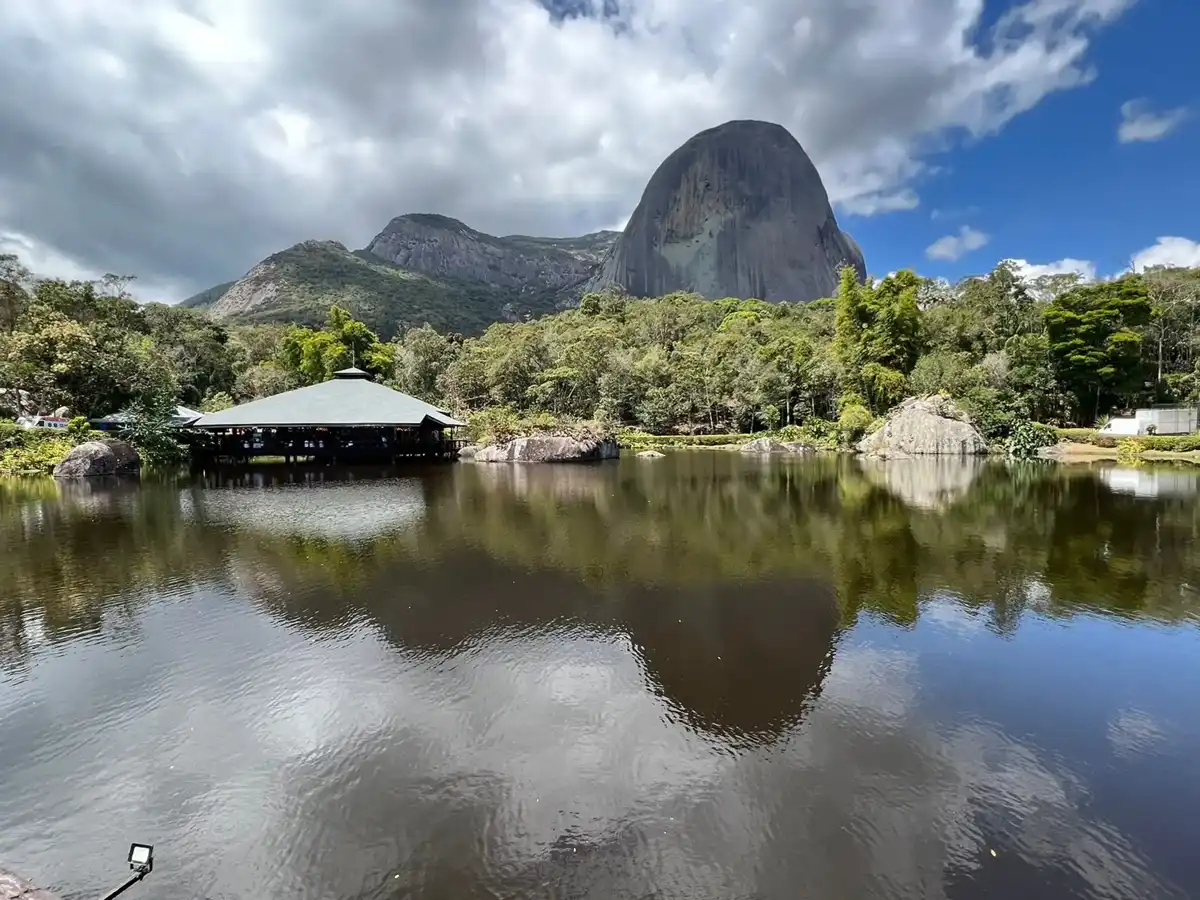
24 Pedra Azul State Park

Granite monolith, cloud forest, orchid species

Climb forested slopes for close-up views of the iconic blue-hued rock and encounter rare plants in misty, high-altitude woods.

brazil-national-park-pedra-azul-state-park
© Google | Lucélia

25 Serra do Itajaí National Park

Steep valleys, Araucaria groves, river canyons

Explore a network of trails through forested hills and deep river gorges, with frequent sightings of southern Brazil’s native trees.

26 Campos Gerais National Park

Sandstone arches, grassland mosaics, pine forests

Wander through open fields and discover natural stone formations shaped by wind and water over millennia.

27 Guaricana National Park

Coastal rainforest, steep escarpments, endemic birds

Traverse dense Atlantic Forest and climb rugged slopes, with frequent birdlife and occasional ocean views.

28 Chapada das Mesas National Park

Red cliffs, cerrado plateaus, seasonal waterfalls

Explore a landscape of flat-topped mesas and swim in pools beneath waterfalls that flow strongest after the rains.

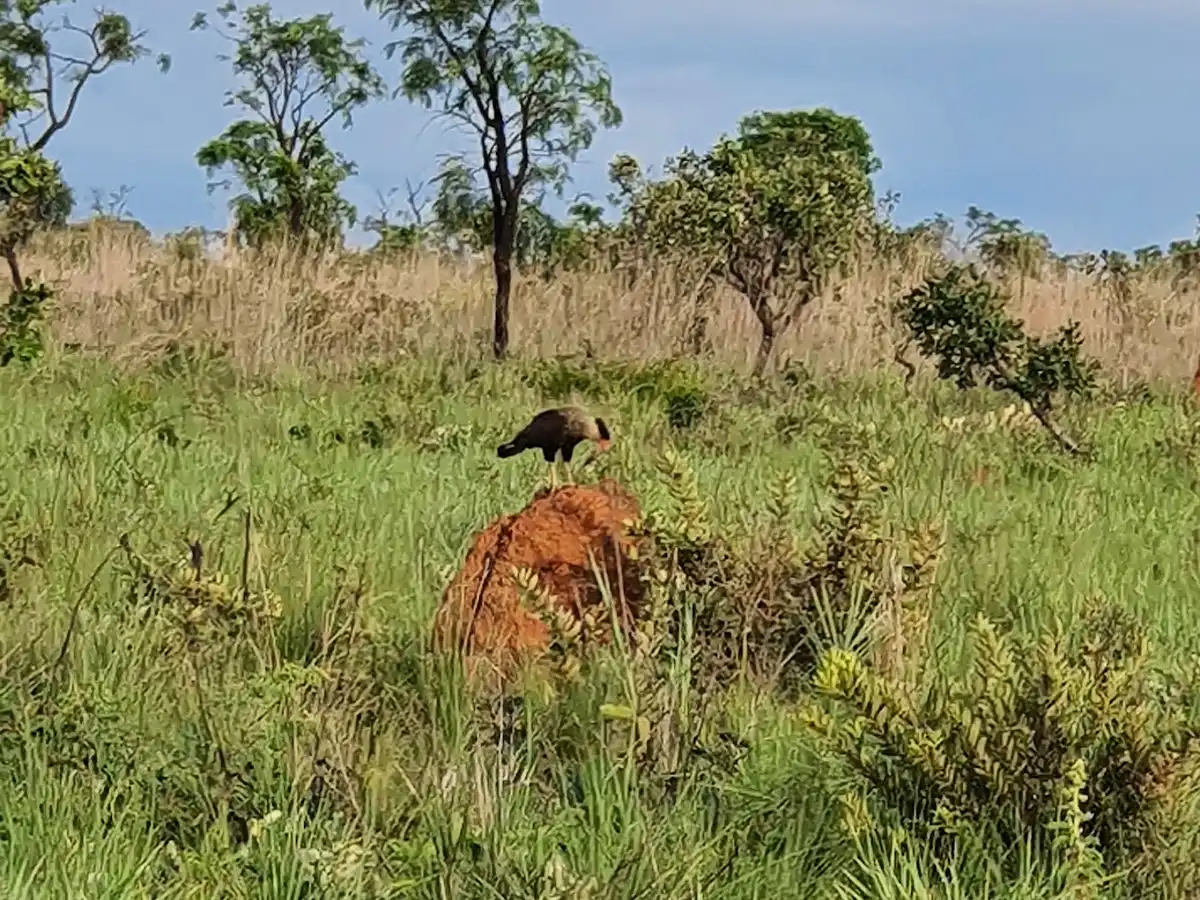
29 Emas National Parks

Open grasslands, termite mounds, maned wolves

Spot elusive wildlife across vast plains and observe the distinctive landscape where fire and rain shape the ecosystem.

brazil-national-park-emas-national-parks
© Google |

Think you know Brazil?

Prove you’re a true local — uncover 19 lesser-known national parks in Brazil that locals tend to keep to themselves.
Loading the map 🌍

Expert viewExpert Commentary on national parks

Terrain
Brazil’s national parks are a patchwork of ecosystems, each with its own character. From the jagged cliffs of Chapada dos Veadeiros to the lush canopies of the Amazon, the terrain varies dramatically. This diversity means you’ll encounter everything from rolling hills to dense rainforest. But here’s the catch: not all parks are equally accessible. Some require a solid day of travel just to reach the entrance. If you’re short on time, prioritize parks that offer a range of experiences within a compact area. For instance, visiting both Chapada dos Veadeiros and Serra da Canastra can be done in a single trip, but don’t expect to cover both the Amazon and Pantanal in one go without sacrificing quality time in each.

Park Infrastructure
Infrastructure in Brazilian national parks can be … read more 👉
Terrain
Brazil’s national parks are a patchwork of ecosystems, each with its own character. From the jagged cliffs of Chapada dos Veadeiros to the lush canopies of the Amazon, the terrain varies dramatically. This diversity means you’ll encounter everything from rolling hills to dense rainforest. But here’s the catch: not all parks are equally accessible. Some require a solid day of travel just to reach the entrance. If you’re short on time, prioritize parks that offer a range of experiences within a compact area. For instance, visiting both Chapada dos Veadeiros and Serra da Canastra can be done in a single trip, but don’t expect to cover both the Amazon and Pantanal in one go without sacrificing quality time in each.

Park Infrastructure
Infrastructure in Brazilian national parks can be hit or miss. Some parks, like Iguaçu, have well-maintained trails and facilities, making them easy to navigate. Others, particularly in remote areas, might lack basic amenities. This can lead to unexpected challenges, especially if you’re not prepared. Always check the park’s website or recent traveler reviews for updates on trail conditions and available services. If you’re planning to camp, ensure you have the necessary gear, as some parks have limited camping facilities. The trade-off here is between comfort and adventure; if you’re willing to rough it, you’ll find hidden beauty, but if you prefer ease, stick to the more developed parks.

Wildlife Activity
Wildlife viewing can be a highlight, but it’s not guaranteed. Parks like Pantanal are renowned for their biodiversity, offering a chance to see jaguars, capybaras, and a myriad of bird species. However, the best times for wildlife activity often coincide with the wet season, which can complicate travel plans. If you’re set on seeing specific animals, do your homework on seasonal patterns. The trade-off here is timing versus accessibility; visiting during peak wildlife seasons may mean dealing with more tourists and higher prices. If you can, aim for shoulder seasons when the crowds thin out, but the wildlife is still active.

Time Management
When planning your trip, consider how many parks you realistically want to visit. Brazil is vast, and while it’s tempting to try to see as many parks as possible, quality trumps quantity. Aim for two to three parks if you have a week. This allows you to immerse yourself in each park’s unique offerings without feeling rushed. If you try to squeeze in more, you’ll likely spend more time traveling than exploring. Factor in travel times between parks, which can be longer than expected due to road conditions or limited transport options.

Budget Considerations
Costs can vary widely depending on the park and your travel style. Entrance fees are generally reasonable, but accommodations and food can add up quickly, especially in tourist-heavy areas. If you’re on a tighter budget, consider camping or staying in hostels, which can save you a chunk of change. However, be prepared for the trade-off of comfort and convenience. In more remote parks, food options may be limited, so stock up on supplies when you can.

Planning and Prioritizing
To make the most of your national park experience, prioritize based on your interests. If you’re a hiker, focus on parks with extensive trail systems like Chapada dos Veadeiros or Serra da Canastra. If wildlife is your main draw, Pantanal should be at the top of your list. Research local cultures and customs as well; some parks are located near indigenous communities, and understanding their traditions can enhance your experience.

Safety & Cultural Considerations
Safety is paramount. While most parks are safe, it’s wise to stay informed about local conditions. Some areas may have restrictions due to wildlife activity or weather. Always check in with park rangers upon arrival. Additionally, be respectful of local cultures. Many parks are near indigenous lands, and it’s crucial to approach these communities with respect and openness. Engaging with local guides can enrich your experience and provide insights you won’t find in guidebooks.

Anecdotal Insights
I once spent a week in Chapada dos Veadeiros, and the experience was transformative. The trails were challenging, but the views were worth every drop of sweat. I met a local guide who shared stories about the flora and fauna, making the hike feel alive. That connection to the land and its people is what makes these parks special. It’s not just about the sights; it’s about the stories that come alive in the wild.

In summary, Brazil’s national parks offer a rich tapestry of experiences, but planning is key. Focus on a few parks, understand the terrain and infrastructure, and be mindful of wildlife activity and cultural nuances. With the right approach, you’ll not only preserve your energy and budget but also create lasting memories in some of the most beautiful landscapes on the planet.

✈️ The backpacker research shortcutBrazil Travel Guide

An offline-friendly backpacking guide with optimized travel routes, ranked highlights, transport advice, and the best areas to stay.
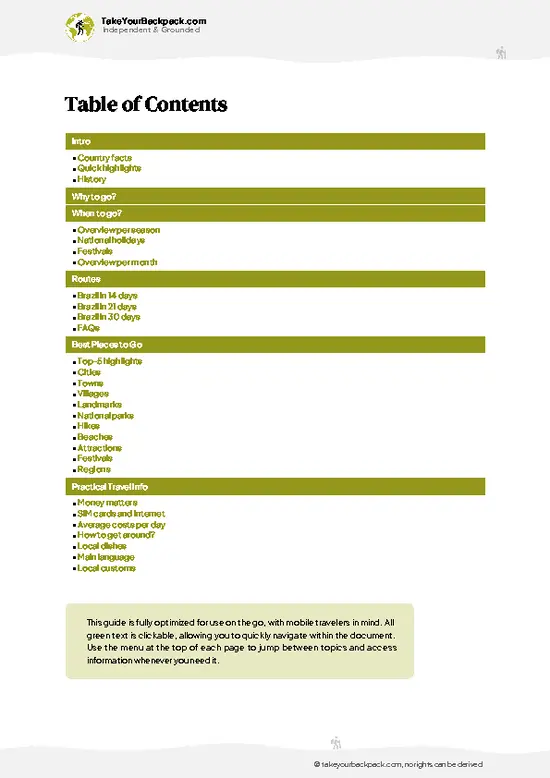
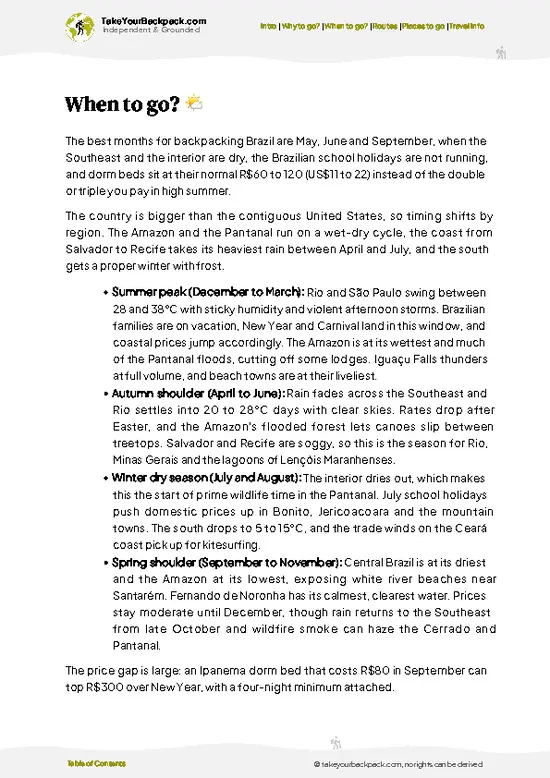
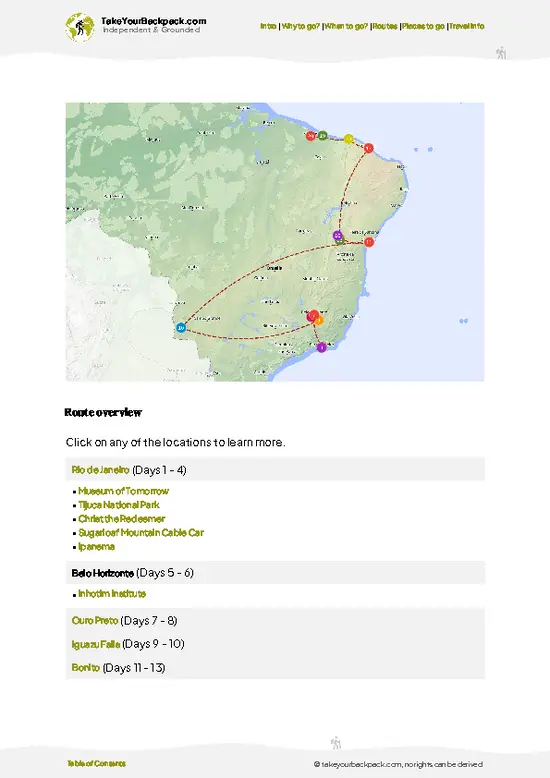
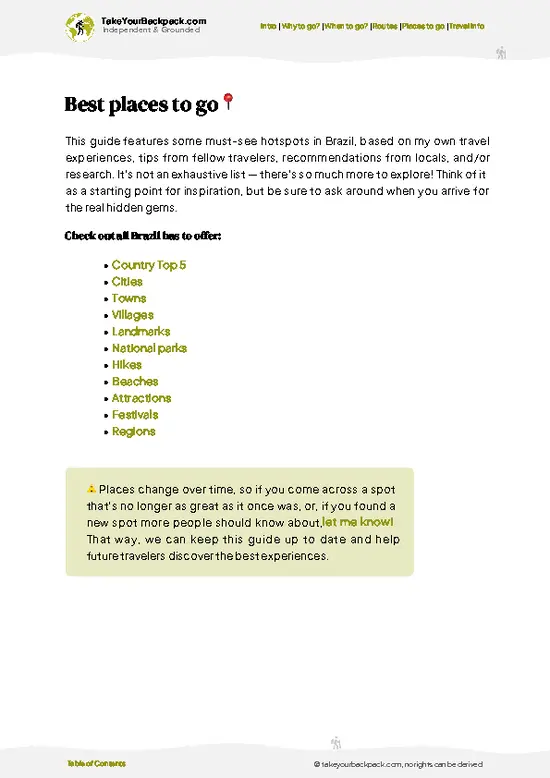
example page 0 from our offline Travel Guide for Brazil
example page 1 from our offline Travel Guide for Brazil
example page 2 from our offline Travel Guide for Brazil
example page 3 from our offline Travel Guide for Brazil
example page 4 from our offline Travel Guide for Brazil
example page 5 from our offline Travel Guide for Brazil
example page 6 from our offline Travel Guide for Brazil
example page 7 from our offline Travel Guide for Brazil
The digital guide (516 pages) contains:
152 highlights, ranked by travel appeal
Optimized 14, 21 & 30-day travel routes
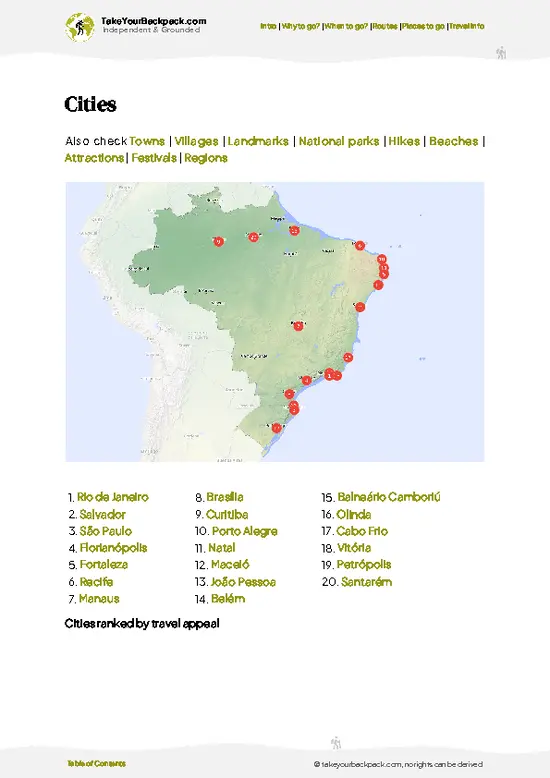
Cities, national parks, landmarks, beaches
How to get around
Offline-friendly for travel without Wi-Fi
👉 Click to see all 30+ guide features

📅 Plan smarter in minutes, not weeks
Month by month travel advice
Festivals & national holidays
Budget expectations

🗺️ Go to the right places, skip the overrated ones
Honest pros & cons of destinations
Top hikes, parks & viewpoints
Lesser-known places most travelers miss
Clear “worth it vs skip it” guidance

🛏️ Travel smoothly without rookie mistakes
Best areas to stay
Transport systems explained simply
Common scams & safety advice
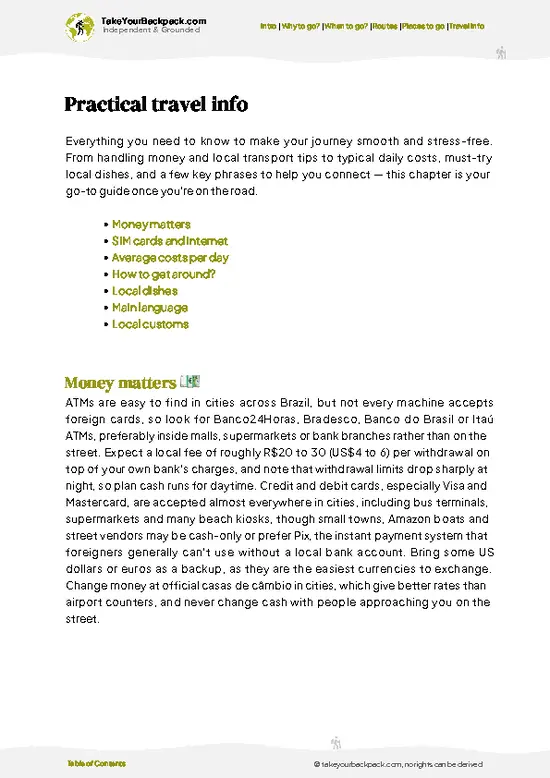
SIM cards, money & practical tips

🌍 Understand the country, not just visit it
Culture & traditions
52 Essential phrases & customs
Festivals worth planning around
Traveler-friendly historical context
Insights that make places more meaningful

📱 Built for real travel conditions
Fully downloadable PDF
Works completely offline
Optimized for phone use
Useful in remote areas & buses
Everything in one place
Save weeks of stressful planning
Get instant access to your full guide. 30‑day money-back guarantee.


By proceeding you agree to our terms.
Sent to your inbox immediately after payment • 100% Secure Checkout
Best Backpacking Travel Advisor 2025 tourism awardBest Backpacking
Travel Advisor
2025
What others say about Take Your Backpack Guides:
⭐⭐⭐⭐⭐
Fantastic, amazing amount of information!
⭐⭐⭐⭐⭐
My goodness this is amazing, it's what I've been looking for hats off too you!
⭐⭐⭐⭐⭐
I think this is absolutely BRILLIANT
⭐⭐⭐⭐
Very complete and informative. It's still missing places, but I gotta to commend you
⭐⭐⭐⭐⭐
This is truly amazing, thank you, can't wait to explore it with my kids!
⭐⭐⭐⭐⭐
Awesome resource, thank you!
⭐⭐⭐⭐⭐
This is amazing! Can't wait to explore the ones I haven't seen
⭐⭐⭐⭐
I love this! Well done, great idea.
⭐⭐⭐⭐⭐
Thanks for taking the time to make this gem!
⭐⭐⭐⭐⭐
This might be the best website I've ever seen.
⭐⭐⭐⭐⭐
Congratulations, and thank you so much for your work; it's incredibly valuable.
⭐⭐⭐⭐
In all seriousness I think you did a great job pointing out the important spots
⭐⭐⭐⭐⭐
10/10 very good
⭐⭐⭐⭐⭐
As someone who's only just starting to visit regularly this is awesome, thank you.
⭐⭐⭐⭐
Thank you very much! I'm going to visit my dad, it's going to be very useful!
⭐⭐⭐⭐⭐
This is really cool! We'll be travelling for the first time and this definitely come in handy.
⭐⭐⭐⭐⭐
You are now our minister of culture, congratulations 👨‍💼
⭐⭐⭐⭐⭐
Just wanted to tell you that this is a pearl! Going to follow your recommendations.
⭐⭐⭐⭐⭐
This is so cool. I'll definitely be using the resource for my travels soon.
⭐⭐⭐⭐⭐
This is very impressive! Good work.
⭐⭐⭐⭐⭐
This is an amazing and informative site. Very well done!

🛏️ Where to stay?Best Places to Stay in Brazil

Yes — hostels and budget accommodation are widespread across Brazil, concentrated in tourist neighborhoods of major cities and popular beach towns, so backpackers will find options nearly everywhere.
Big-city hubs with the most choices include Copacabana and Ipanema in Rio (direct beach access and tourist policing but crowded and pricier), Santa Teresa (charismatic, close to sights, steep streets and pickpocket risk) and Lapa (best nightlife, loud and riskier at night); in São Paulo, Centro is very cheap and central but gritty after dark while Vila Madalena offers safer nightlife at slightly higher rates; coastal towns concentrate budget stays around Pelourinho and Barra in Salvador, Lagoa read more 👉
Yes — hostels and budget accommodation are widespread across Brazil, concentrated in tourist neighborhoods of major cities and popular beach towns, so backpackers will find options nearly everywhere.
Big-city hubs with the most choices include Copacabana and Ipanema in Rio (direct beach access and tourist policing but crowded and pricier), Santa Teresa (charismatic, close to sights, steep streets and pickpocket risk) and Lapa (best nightlife, loud and riskier at night); in São Paulo, Centro is very cheap and central but gritty after dark while Vila Madalena offers safer nightlife at slightly higher rates; coastal towns concentrate budget stays around Pelourinho and Barra in Salvador, Lagoa da Conceição and central areas in Florianópolis, and beach districts in Recife and Fortaleza, each trading proximity to beaches and nightlife for variable safety and higher peak-season prices.
Expect dorms and shared bathrooms, seasonal price spikes during Carnaval and summer, limited English outside core tourist zones, use lockers, keep valuables out of sight, avoid isolated streets at night, and book ahead for high season or festival dates.

If you enjoy meeting fellow travelers, consider choosing hostels with high ratings for atmosphere. On the other hand, if you prefer having your own space, a hotel might be a better option.

BrazilExplore Brazil

👋 Meet the founderWho’s Behind Take Your Backpack?

Johan, backpacker and founder of TakeYourBackpackHi, I’m Johan (Netherlands 🇳🇱), the creator of TakeYourBackpack. Over the past decade, I’ve backpacked through 80+ countries across six continents, gaining extensive experience with independent travel, long-term trips, and overland routes.

This site is built on a combination of firsthand travel experience and carefully curated insights from other backpackers. Many guides are based on places I’ve personally visited, while others bring together tips, observations, and practical advice shared by trusted travelers I’ve met along the way.

The goal is to provide realistic, experience-driven guidance — not generic itineraries — so you can explore destinations with better context, clearer expectations, and more confidence.

Get full Brazil guide •
Instant download • 152 highlights • Full Offline guide