



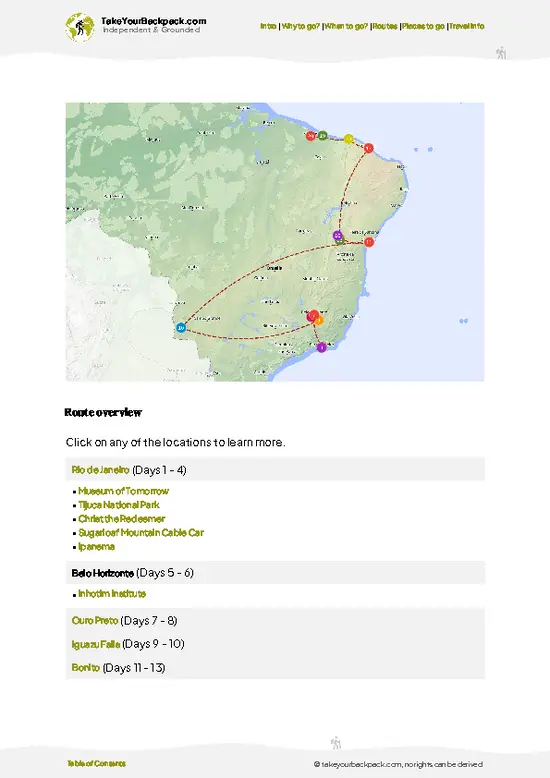


The Grand Hall (Salão Principal)
Let’s get real: most people’s first photo of the Pinacoteca is the Grand Hall, and for once, the hype is justified. This isn’t just a pretty atrium—it’s a cathedral of brick, light, and shadow. The exposed walls and massive windows aren’t just architectural flexing; they set the stage for art that feels alive, not embalmed. The acoustics are so good you’ll hear your own footsteps echo, and the interplay of São Paulo’s sunlight with the red brick is a show in itself. If you only have ten minutes, spend them here.
The Brazilian Modernist Collection
Skip the generic European knock-offs and head straight for the Brazilian modernists. This is where the Pinacoteca punches above its weight. You’ll find works by Tarsila do Amaral, Anita Malfatti, and Di Cavalcanti—artists … read more 👉
Let’s get real: most people’s first photo of the Pinacoteca is the Grand Hall, and for once, the hype is justified. This isn’t just a pretty atrium—it’s a cathedral of brick, light, and shadow. The exposed walls and massive windows aren’t just architectural flexing; they set the stage for art that feels alive, not embalmed. The acoustics are so good you’ll hear your own footsteps echo, and the interplay of São Paulo’s sunlight with the red brick is a show in itself. If you only have ten minutes, spend them here.
The Brazilian Modernist Collection
Skip the generic European knock-offs and head straight for the Brazilian modernists. This is where the Pinacoteca punches above its weight. You’ll find works by Tarsila do Amaral, Anita Malfatti, and Di Cavalcanti—artists … read more 👉
The Grand Hall (Salão Principal)
Let’s get real: most people’s first photo of the Pinacoteca is the Grand Hall, and for once, the hype is justified. This isn’t just a pretty atrium—it’s a cathedral of brick, light, and shadow. The exposed walls and massive windows aren’t just architectural flexing; they set the stage for art that feels alive, not embalmed. The acoustics are so good you’ll hear your own footsteps echo, and the interplay of São Paulo’s sunlight with the red brick is a show in itself. If you only have ten minutes, spend them here.
The Brazilian Modernist Collection
Skip the generic European knock-offs and head straight for the Brazilian modernists. This is where the Pinacoteca punches above its weight. You’ll find works by Tarsila do Amaral, Anita Malfatti, and Di Cavalcanti—artists who didn’t just copy Paris, but rewrote the rules for what Brazilian art could be. The colors are wild, the themes are political, and the energy is pure São Paulo: restless, inventive, and a little bit rebellious. This is the soul of the museum, and it’s not something you’ll see anywhere else in the world.
The Sculpture Garden (Jardim da Luz)
Here’s the honest truth: São Paulo’s outdoor spaces can be hit-or-miss, but the Pinacoteca’s sculpture garden is a rare oasis. It’s not manicured to death, and that’s the point. You’ll find works by Brazilian sculptors like Victor Brecheret scattered among the trees, with locals actually using the space—reading, flirting, napping. It’s a living, breathing part of the city, not just a backdrop for selfies. If you want to see how art and urban life collide in Brazil, this is the spot.
The Temporary Exhibitions
Don’t sleep on the rotating exhibits. The Pinacoteca has a knack for curating shows that are provocative without being pretentious. You might walk into a room full of contemporary Indigenous art, or a deep-dive into Afro-Brazilian identity, or something so experimental you’re not sure if you’re supposed to touch it. These exhibitions are where the museum takes risks, and sometimes those risks pay off in ways that stick with you long after you leave.
The Café and Balcony
This is my personal favorite. Forget overpriced, soulless museum cafés—this one is a genuine São Paulo hangout, with strong coffee and a balcony that lets you watch the city’s chaos from a safe, sun-drenched distance. It’s the perfect place to decompress, sketch, or eavesdrop on art students arguing about what “modernism” really means. If you want to feel like you belong in São Paulo, even for half an hour, this is your ticket.
The Building Itself
You can’t separate the art from the building. The Pinacoteca’s 1905 structure is a survivor—part neoclassical, part industrial, all attitude. It’s been a school, a museum, and a witness to São Paulo’s wild growth. The scars and renovations are visible, and that’s the point: this place has lived. Walking its halls, you feel the weight of history without the stuffiness. It’s a museum that refuses to be a mausoleum.
Let’s get real: most people’s first photo of the Pinacoteca is the Grand Hall, and for once, the hype is justified. This isn’t just a pretty atrium—it’s a cathedral of brick, light, and shadow. The exposed walls and massive windows aren’t just architectural flexing; they set the stage for art that feels alive, not embalmed. The acoustics are so good you’ll hear your own footsteps echo, and the interplay of São Paulo’s sunlight with the red brick is a show in itself. If you only have ten minutes, spend them here.
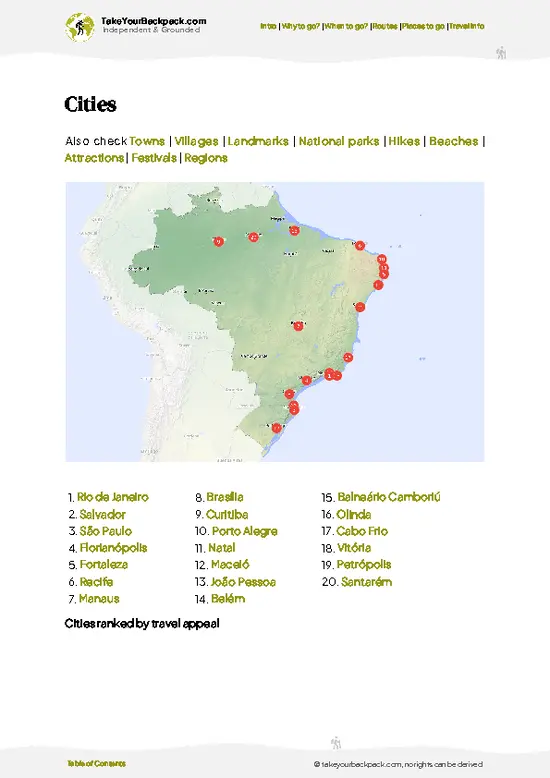
The Brazilian Modernist Collection
Skip the generic European knock-offs and head straight for the Brazilian modernists. This is where the Pinacoteca punches above its weight. You’ll find works by Tarsila do Amaral, Anita Malfatti, and Di Cavalcanti—artists who didn’t just copy Paris, but rewrote the rules for what Brazilian art could be. The colors are wild, the themes are political, and the energy is pure São Paulo: restless, inventive, and a little bit rebellious. This is the soul of the museum, and it’s not something you’ll see anywhere else in the world.
The Sculpture Garden (Jardim da Luz)
Here’s the honest truth: São Paulo’s outdoor spaces can be hit-or-miss, but the Pinacoteca’s sculpture garden is a rare oasis. It’s not manicured to death, and that’s the point. You’ll find works by Brazilian sculptors like Victor Brecheret scattered among the trees, with locals actually using the space—reading, flirting, napping. It’s a living, breathing part of the city, not just a backdrop for selfies. If you want to see how art and urban life collide in Brazil, this is the spot.
The Temporary Exhibitions
Don’t sleep on the rotating exhibits. The Pinacoteca has a knack for curating shows that are provocative without being pretentious. You might walk into a room full of contemporary Indigenous art, or a deep-dive into Afro-Brazilian identity, or something so experimental you’re not sure if you’re supposed to touch it. These exhibitions are where the museum takes risks, and sometimes those risks pay off in ways that stick with you long after you leave.
The Café and Balcony
This is my personal favorite. Forget overpriced, soulless museum cafés—this one is a genuine São Paulo hangout, with strong coffee and a balcony that lets you watch the city’s chaos from a safe, sun-drenched distance. It’s the perfect place to decompress, sketch, or eavesdrop on art students arguing about what “modernism” really means. If you want to feel like you belong in São Paulo, even for half an hour, this is your ticket.
The Building Itself
You can’t separate the art from the building. The Pinacoteca’s 1905 structure is a survivor—part neoclassical, part industrial, all attitude. It’s been a school, a museum, and a witness to São Paulo’s wild growth. The scars and renovations are visible, and that’s the point: this place has lived. Walking its halls, you feel the weight of history without the stuffiness. It’s a museum that refuses to be a mausoleum.
Spotted a mistake or missing something? Contact us.
v2.webp)


Best Backpacking
Hi, I’m Johan (Netherlands 🇳🇱), the creator of TakeYourBackpack. Over the past decade, I’ve backpacked through 80+ countries across six continents, gaining extensive experience with independent travel, long-term trips, and overland routes.